Winter is when a haircut has to earn its keep. Cold air, dry scalp, beanies, and shorter days all change how hair behaves, so the cut that looked effortless in October can look tired by January. This roundup of 24 winter haircuts for men covers the full range for 2027: short to shoulder length, low effort to polished, fine hair to thick curls. Every idea below names the cut, who it flatters, how to style it, and how often it needs a trim. You’ll find the same spirit in Top 20 2026 Haircuts for Thin Fine Hair Long Layers Volume Boosters Modern Styles.
1. Textured Crop with Mid Fade
Courtesy of: moderngentlemanmagazine.com
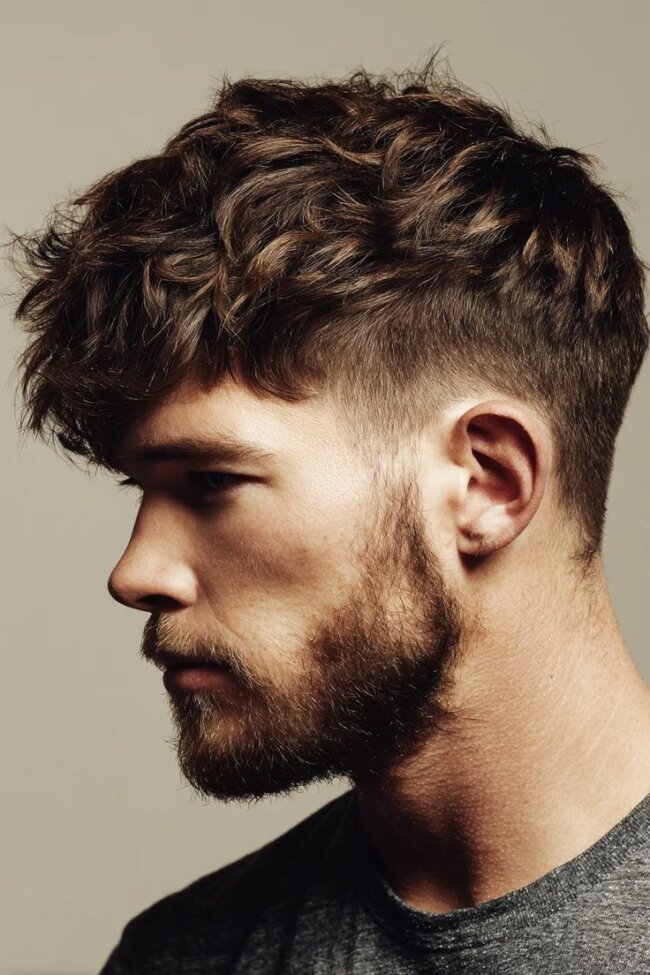
The textured crop stays on top of winter trends because it is built for real weather. The mid fade keeps the sides neat without a harsh skin line, while the top is point-cut into short, piecey layers that sit forward. Straight to wavy hair holds this shape best, and the slightly longer front adds structure for oval and oblong faces. A matte finish makes the texture read deliberate instead of messy. We break down a similar look in Bixie Haircuts for Women.
Ask your barber for a mid fade with a textured, forward-swept top and about an inch and a half of length up front. Styling is a fingertip of matte clay worked through dry hair, pushed forward and pinched into pieces. Plan a trim every four to five weeks so the fade keeps its blend and the fringe stays off the forehead. The main advantage is versatility; the trade-off is that very fine hair may need product every morning to keep the texture visible. This pairs naturally with the ideas in Summer Haircuts for Fuller Faces 2026.
2. Classic Undercut with Side Sweep
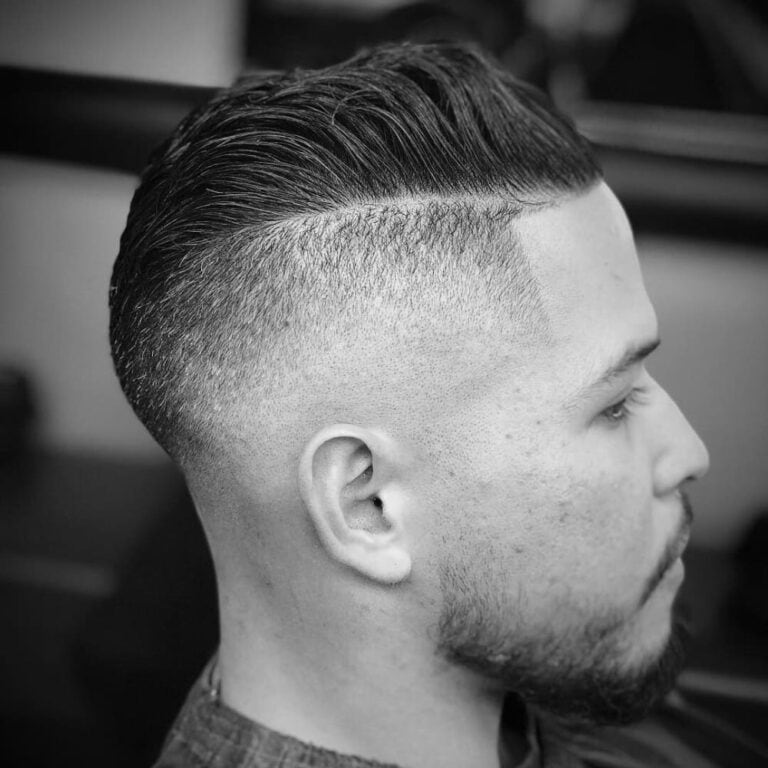
Photo credit: beardbeasts.com
The classic undercut disconnects long top from short sides, which makes it one of the boldest silhouettes on this list. The longer crown is swept to one side, creating movement that flatters square jawlines and adds height for round faces. It works best on medium-density straight or slightly wavy hair; very thin hair can look sparse against the contrast of shaved sides. The finish is smooth with a natural shine rather than wet.
Request an undercut with several inches left on top and a defined side part. Blow-dry the top with a paddle brush for control, then smooth a cream pomade through for hold without stiffness. Expect a barber visit every three to four weeks to keep the undercut crisp, plus trims of the top every eight weeks. It is a high-impact cut with low daily effort, but growing it out passes through an awkward phase where the disconnect shows.
3. Taper Fade with Curly Top
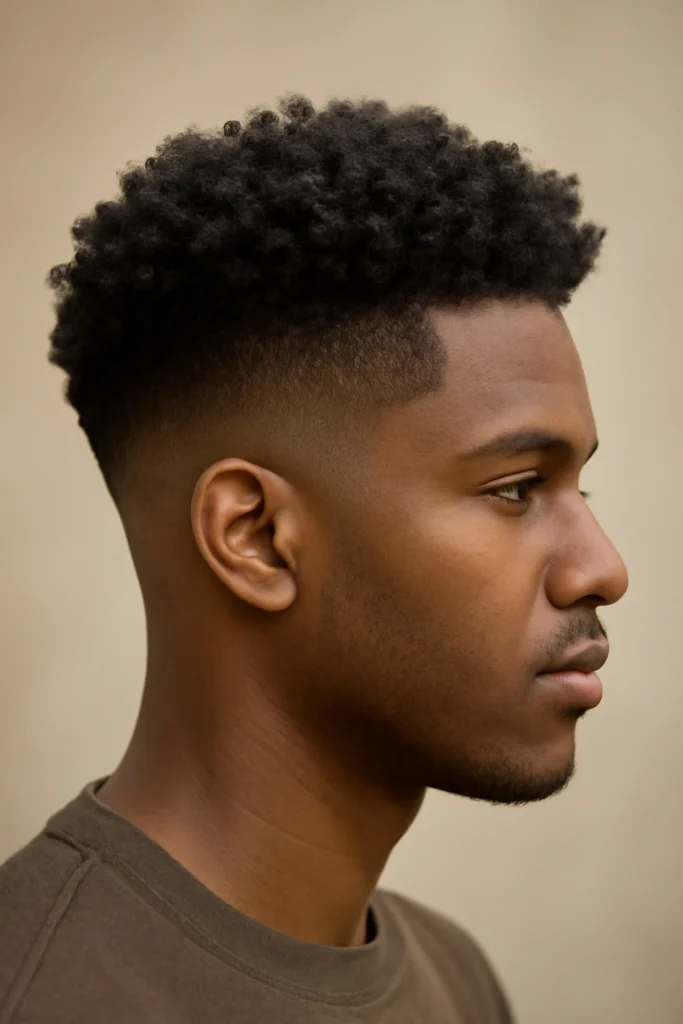
Image credit: hairtical.com
A taper fade respects curly volume instead of fighting it. The sides graduate smoothly from short to shorter, while the natural curls on top provide all the texture the cut needs. Type 3 to 4 curls sit well with this shape, and the shorter sides keep the overall head shape slim, which suits round and square faces. Moisture matters more than styling here; defined curls come from a good wash routine, not heavy product.
Ask for a taper that blends cleanly around the temples and nape while leaving length on top for curl definition. Style damp hair with a curl cream and let it air dry or use a diffuser on low heat. Maintenance runs on a four-week cycle for the taper and an eight-to-ten-week cycle for the top. The advantage is a sharp, low-fuss look for curly hair; the trade-off is that skipping moisture leads to frizz, which winter air makes worse.
4. French Crop with High Bald Fade
Source: vagazine.com
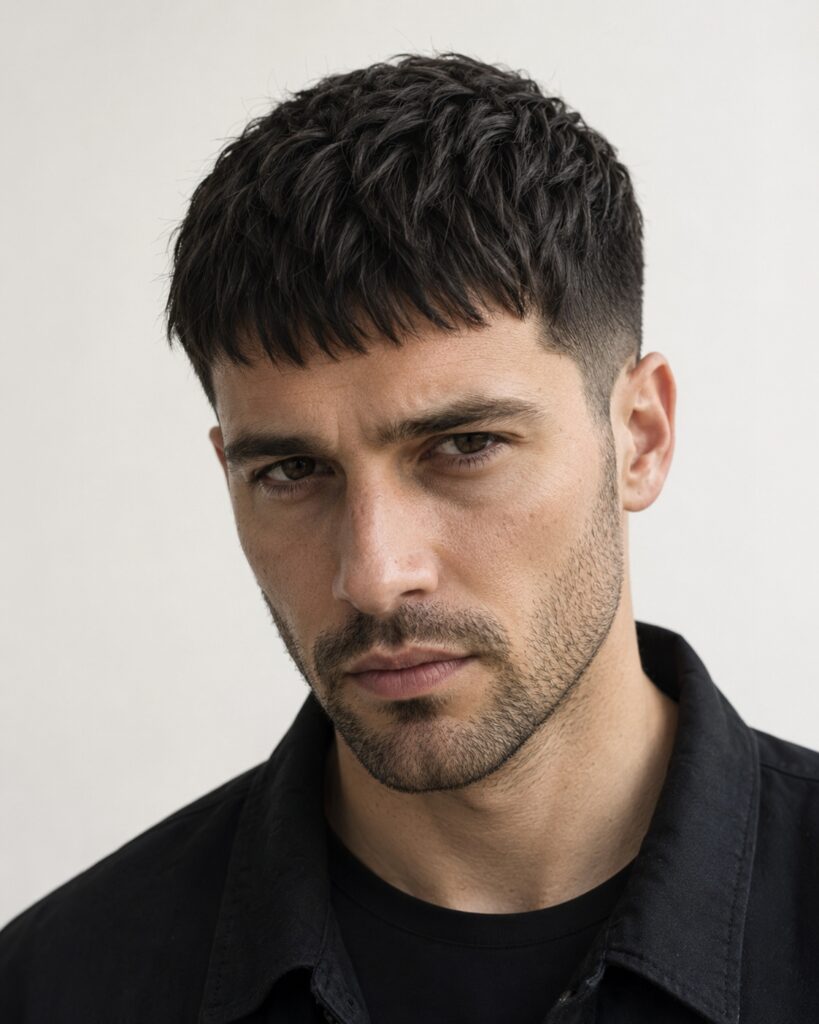
The French crop pairs a short, blunt fringe with a high bald fade, giving maximum contrast with minimum length. The fringe sits straight across the forehead with a little texture, which works well for men with larger foreheads or strong brow lines. Straight, medium-density hair holds the clean front line best; thick or wavy hair needs extra texturizing so the fringe does not bulk up. The high fade draws the eye upward and keeps the profile sharp.
Tell your barber you want a short crop with a textured fringe and a high bald fade, with the top left around an inch. A small amount of matte paste, worked in and pushed forward, finishes it in under a minute. The fade needs refreshing every three weeks or the blend goes cloudy; the top can go six. This is close to a wash-and-go cut, but the trade-off is strict upkeep on the sides. For more ideas in the same lane, see our Trendy Haircuts 2027.
5. Buzz Cut with Low Drop Fade
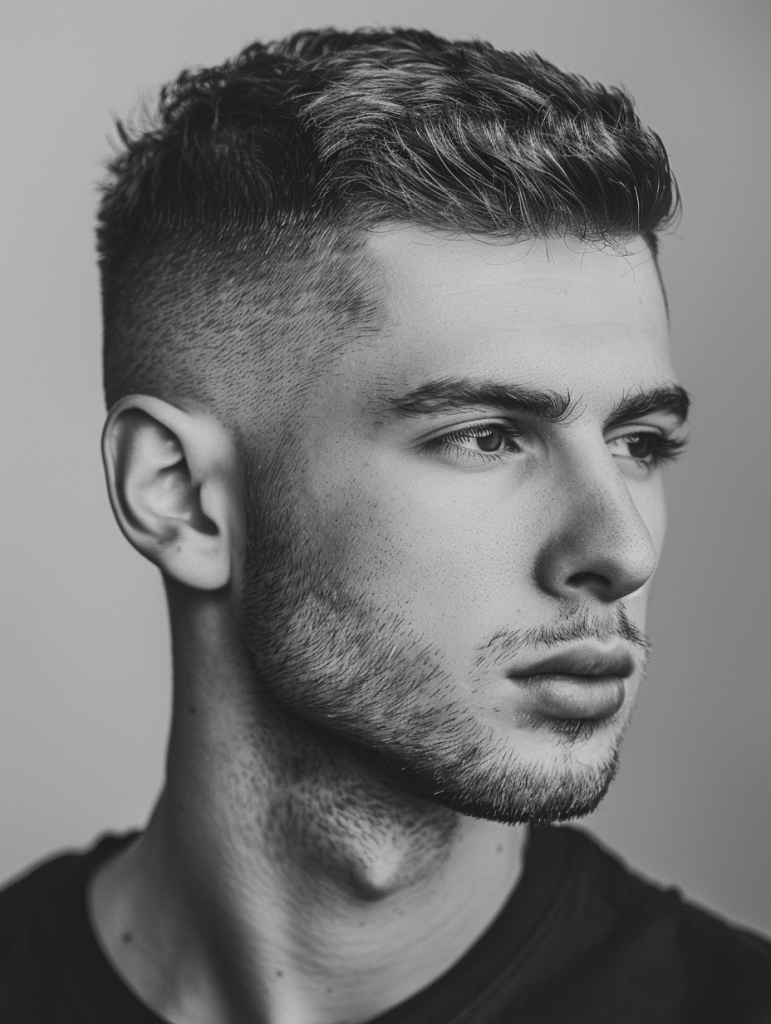
Via boldsir.com
A buzz cut with a low drop fade is the professional answer to zero styling time. The uniform short length reads clean and intentional, while the drop fade follows the head’s natural curve for a tailored finish that suits oval, square, and heart faces. Because there are no layers or fringe to style, it survives beanies, wind, and bad hair days alike. A consistent dark color helps the short length look even.
Ask for a buzz with a low drop fade blended into the natural hairline, keeping the guard length slightly longer on top. There is no daily styling routine, though a light moisturizer helps dry winter scalp. The catch is barber frequency: every two to three weeks to keep the fade crisp and the neckline clean. The advantage is total simplicity; the trade-off is that it exposes everything, so face shape and scalp condition do the talking.
6. Spiky Textured Crop with Skin Fade

Courtesy of: bosshunting.com.au
This spiky crop takes the textured crop idea further: shorter, more separated, and paired with a skin fade for a crisp outline. The piecey top adds height that balances a beard nicely, and the fade keeps the whole silhouette tight through winter. Straight, medium-thick hair separates into spikes most cleanly; fine hair can work with a stronger clay. The look reads edgy without tipping into costume.
Request a skin fade with a short, heavily textured top, telling your barber you want separation, not a flat crop. Towel-dry the hair, work a matte clay between your palms, and twist small sections upward. Trim the fade every three to four weeks and clean up the beard line weekly for the best effect. The trade-off is product dependence: without it, the spikes collapse and the cut looks plain.
7. Ivy League with Natural Side Part
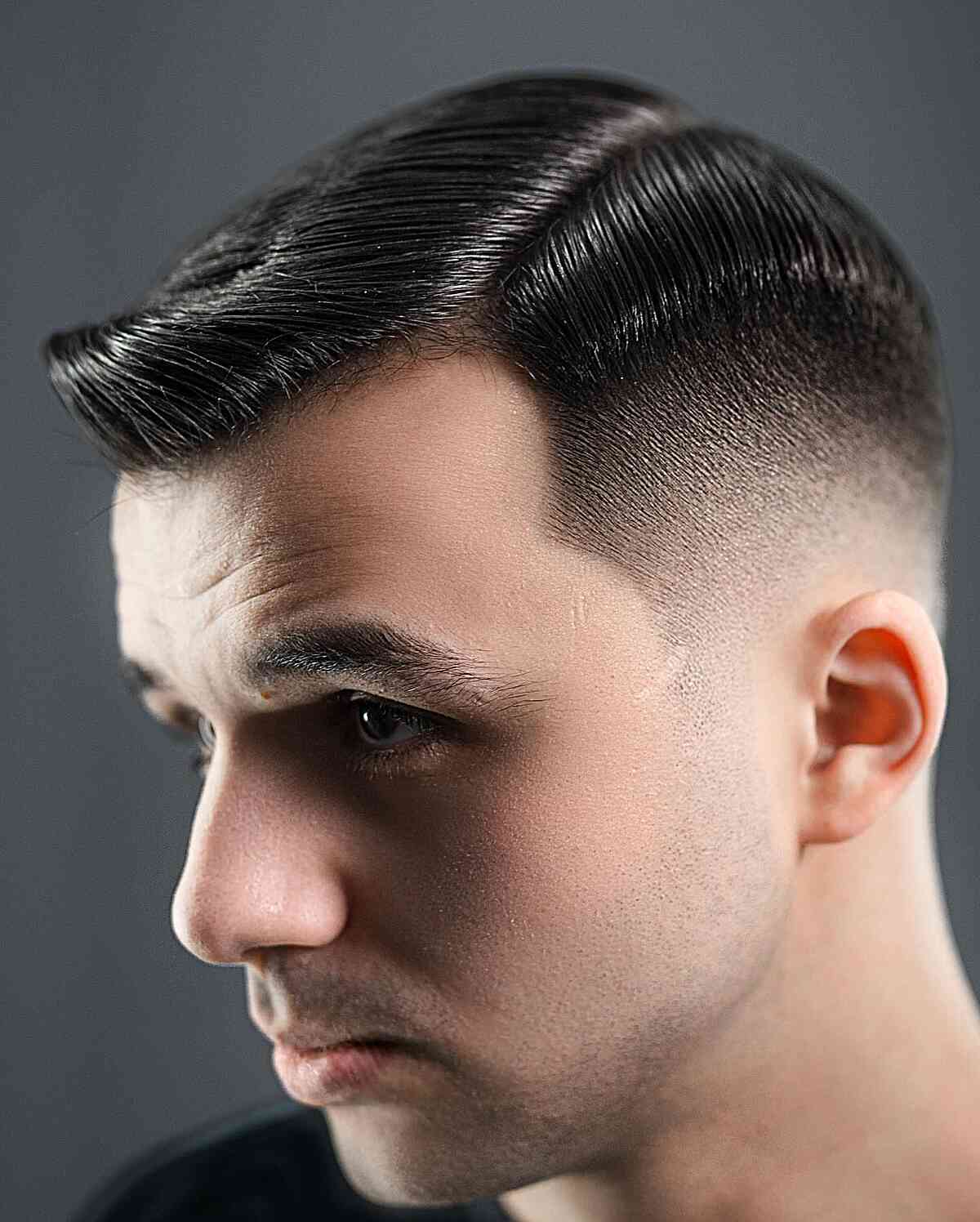
Photo credit: latest-hairstyles.com
The Ivy League is a longer crew cut with enough length on top to form a side part, and it is one of the safest winter choices. The neat parting and tapered sides look right in an office and under a coat collar, and the extra length on top gives it life that a buzz cannot. It flatters most face shapes, especially rectangular ones, and works on straight to slightly wavy hair. The finish is tidy with a touch of natural shine.
Ask for a classic Ivy League: tapered sides and back, top left long enough to part, with the front kept neat. Comb it damp with a light pomade or cream, and the part should hold all day. Barbershop visits every three to four weeks keep the taper tidy. Its strength is universal flattery; its weakness is that it never looks dramatic, so it is not for anyone chasing a bold change. If this look speaks to you, Cornrow Hairstyles for 2025 continues the thread.
8. Messy Crew Cut with Drop Fade
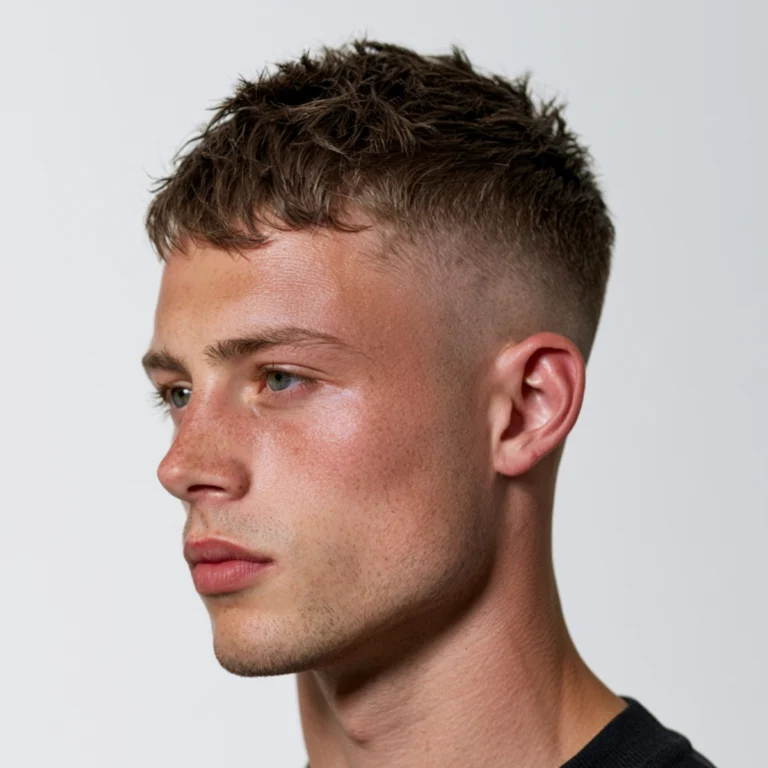
Image credit: beardbeasts.com
The messy crew cut keeps military shortness on the sides but lets the top misbehave. The drop fade curves with the head shape for a modern outline, while the textured top is ruffled rather than combed. Thick, straight hair gets the best tousle; the mess reads intentional when there is density behind it. It suits younger faces and anyone who wants low effort without looking neglected.
Ask your barber for a crew cut with texture on top and a drop fade, keeping about two inches of length to work with. Rub a pea of matte paste into dry hair and push it in different directions. Upkeep is a fade refresh every three to four weeks, with the top trimmed every six. The cut’s charm is its controlled chaos; the risk is that without product, thick hair just looks unbrushed.
9. Slicked-Back Undercut
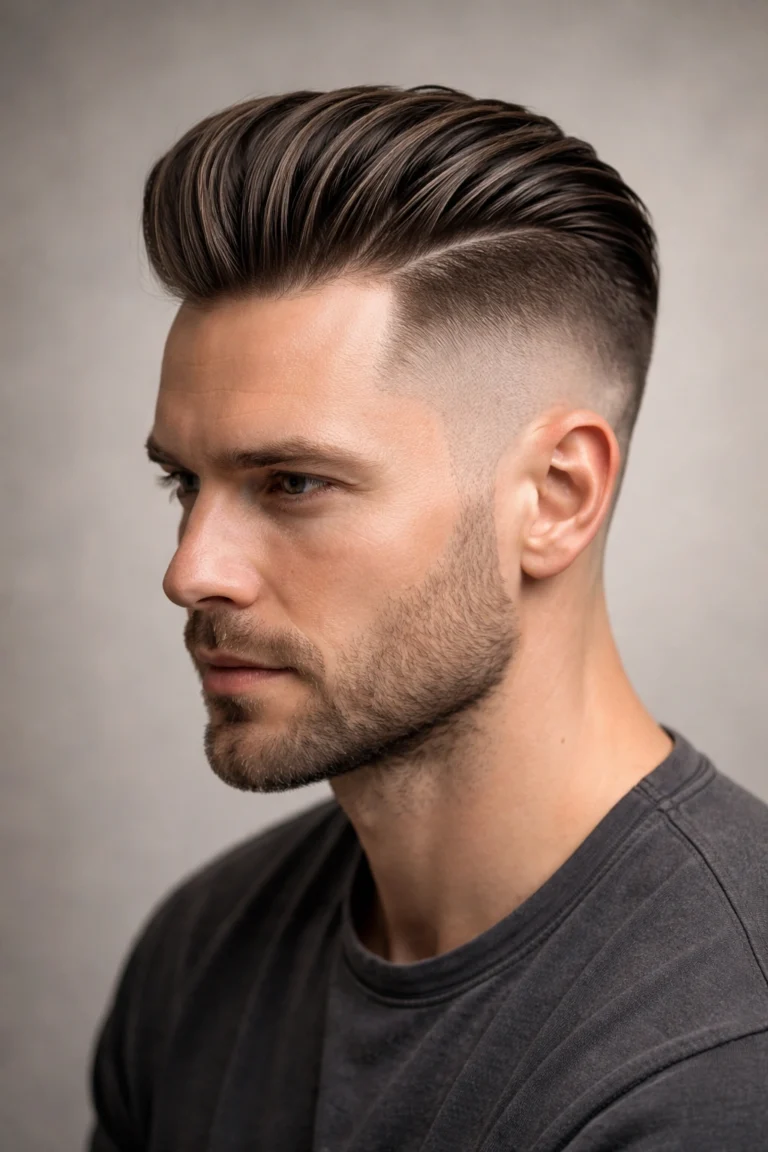
Source: hairtical.com
The slicked-back undercut is the polished extreme of the undercut family: long top combed straight back over tight sides. It suits men with strong bone structure and straight, dense hair, and it reads confident in formal winter settings. The full reveal of the forehead means it flatters oval and square faces most. A subtle sheen from pomade gives it the classic finish.
Request an undercut with the top left long enough to slick back cleanly, and faded or clipped sides. Apply a medium-hold pomade to damp hair and comb it back with tension; a blow dryer adds extra staying power. Keep the sides tight every three weeks. The advantage is instant polish; the honest trade-off is that hats flatten it in minutes and fine hair can look thin across the part.
10. Hockey Flow with Natural Sweep

Via vagazine.com
The flow, or hockey hair, is medium-length hair pushed back with natural movement, and winter is its season. The length sits over the ears and brushes the collar, with waves doing the styling work. Thick, wavy hair gets the full effect; straighter hair needs layering to avoid a flat sheet. It flatters long faces by adding width, and the low-maintenance spirit makes it a lifestyle cut.
Ask for long layers with the back left to flow and the sides blended over the ears. Air dry with a touch of sea-salt spray or light cream for definition. Trims every eight to ten weeks remove split ends without killing the length. The payoff is effortless cool; the cost is commitment, since growing it out takes most of a year. The same idea, styled another way, appears in Must Try Pixie Haircuts for 2026 Trendy Confident Chic Looks for Women.
11. Mid-Length Wavy Layers
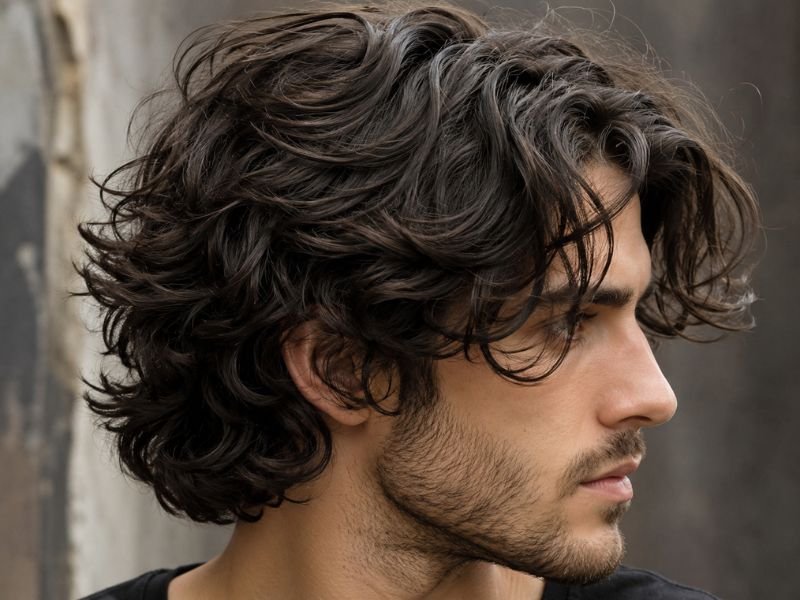
Courtesy of: modernboyshair.com
Mid-length wavy layers sit between a crop and a flow: enough length for movement, short enough to control. The layers remove bulk so the waves fall into shape instead of puffing out, and a center or off-center part keeps it modern. Naturally wavy, medium-density hair is the ideal match; the cut flatters heart and oval faces by softening the hairline. Winter dryness actually helps here, giving the waves separation.
Request medium layers with the length ending around the ears and nape, and ask for texturizing at the ends. Scrunch a curl cream into damp hair and let it air dry. A trim every eight weeks keeps the layers light. The strength is its easy, natural look; the trade-off is frizz, so a leave-in conditioner through winter is close to mandatory.
12. Shoulder-Length Textured Waves
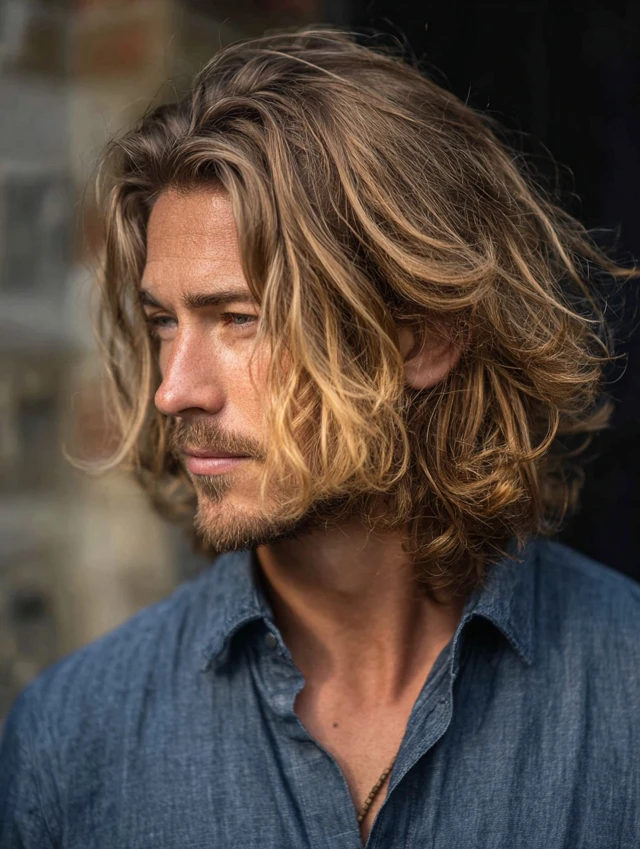
Photo credit: yournextinspo.com
Shoulder-length waves are the commitment cut: full, textured, and unmistakable. The length is layered so the waves stack instead of dragging, and lighter ends or subtle highlights add dimension that shows off the movement. Thick wavy hair carries this best; fine hair may look stringy at this length. It suits strong jawlines and long faces, where the width balances the shape.
Tell your stylist you want shoulder-length layers with internal texturizing to remove weight. Wash less often in winter, condition well, and let it air dry with a wave cream. Trims every ten weeks keep the ends healthy. The advantage is a distinctive, confident look; the trade-off is the highest maintenance on this list in terms of hair care, if not styling time.
13. Short Pompadour with High Fade
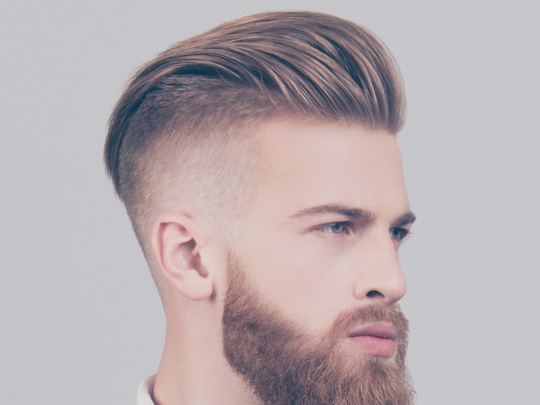
Image credit: gatsby.sg
The short pompadour keeps the classic volume but trims it to a manageable size. The top sweeps up and back with height at the front, while the high fade gives the sides a sharp, modern edge. Straight, thick hair builds the pompadour most easily; the volume at the crown flatters round faces by adding height. It reads dressy, which makes it a strong pick for winter events.
Ask for a high fade with three to four inches left on top, tapered toward the back. Blow-dry the front upward with a round brush, then lock it in with a medium-hold pomade. Refresh the fade every three weeks and re-shape the top every six. The payoff is old-school confidence; the cost is a real styling routine every morning. See also Winter Blonde Hair Color Ideas for more variations on this look.
14. Side Part with Taper Fade
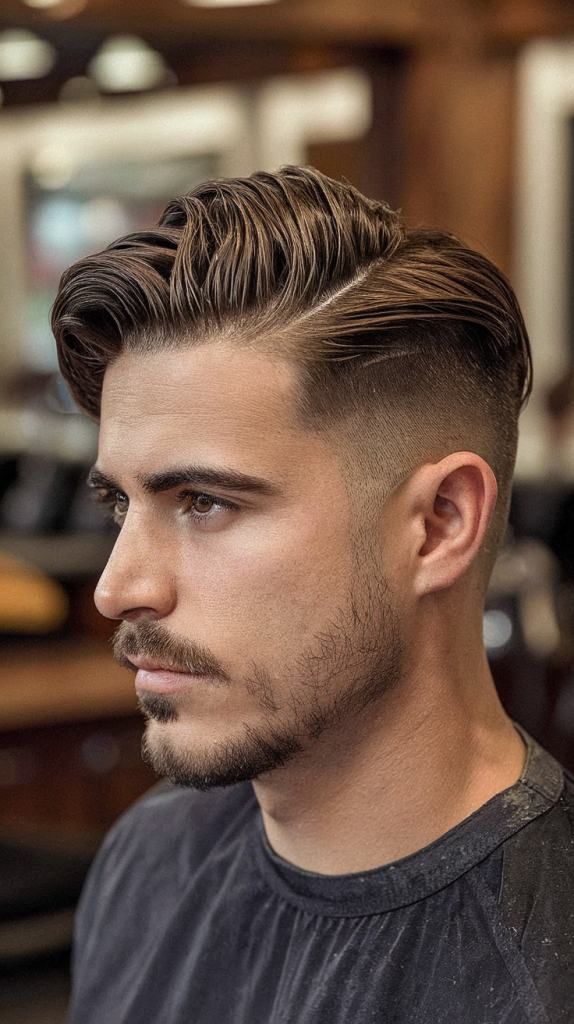
Source: boldsir.com
The side part with a taper fade is the Ivy League’s sharper cousin. The part is defined and the taper keeps the sides tight without a full fade, so it looks neat from every angle. Straight to wavy hair with medium density parts cleanly; the style flatters wide faces by keeping volume off the sides. A touch of sheen gives it a groomed, deliberate finish.
Request a defined side part with a taper fade and enough top length to comb over. Comb damp hair with a light pomade along the part for a lasting hold. Barbershop visits every three to four weeks keep the taper neat. It is one of the most office-friendly cuts on this list; its only real demand is that the part gets combed daily.
15. Choppy Textured Fringe with Drop Fade
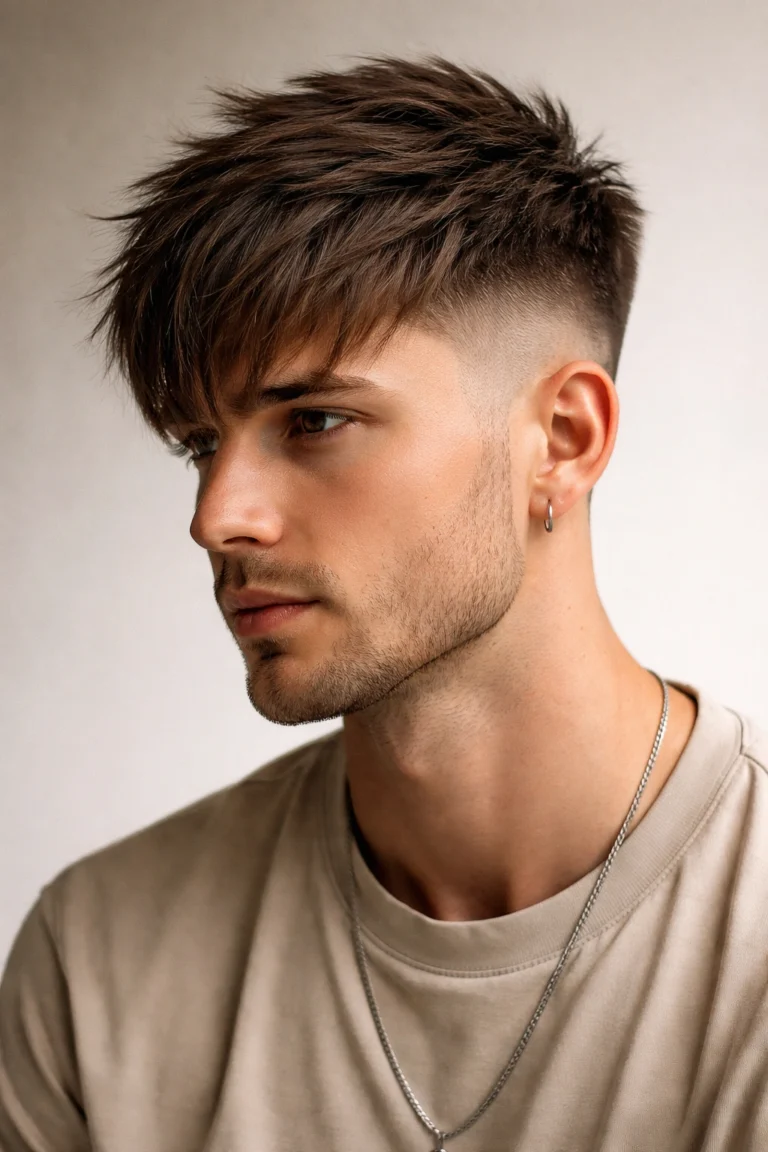
Via hairtical.com
Choppy fringe brings texture to the front of the cut: uneven, piecey ends that fall over the forehead with a drop fade curving around the ears. It suits younger features and oval faces, and the fringe softens strong brows. Straight hair with some thickness holds the jagged edges; fine hair can look wispy, so density helps. The drop fade keeps the profile modern rather than bowl-like.
Ask for a textured fringe with a drop fade, telling your barber you want the ends choppy, not blunt. Work matte paste through dry hair and pull pieces forward with your fingers. Refresh the fade every three to four weeks; the fringe needs a trim every five so it stays out of the eyes. Fun and youthful, but it needs product to keep its shape.
16. Textured Crew Cut

Courtesy of: theguylooks.com
The textured crew cut upgrades the military standard with layers on top that catch the light. The sides stay short and clean while the top gets just enough length for subtle movement, which keeps it from looking flat in winter’s dry air. It flatters most face shapes and works on any hair type, including thinning hair, since the texture disguises uneven density. No parting means no bad hairline days.
Request a crew cut with texture worked into the top and tapered sides. A fingertip of matte paste adds definition, though it looks fine without anything. Trims every three to four weeks keep the shape. It is the most forgiving short cut on this list; the only downside is that it is common, so it will not turn heads. The same theme, explored from another angle, is in Best Spring Haircuts 2026 for Plus Size Women Flattering Lob Bob Short Cuts.
17. Mid-Length Waves with Mid Fade
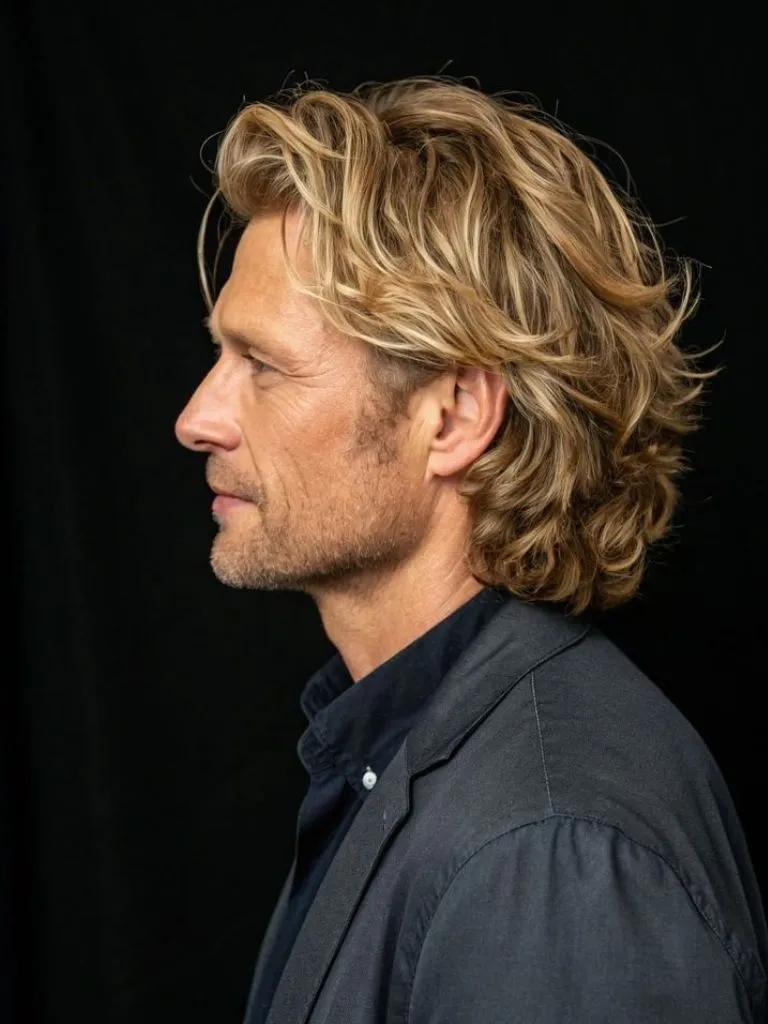
Photo credit: looksgreatonme.com
This cut bridges short and long: a mid fade on the sides with genuinely wavy, medium-length hair on top. The contrast between the tight sides and loose waves gives it energy, and the waves flatter heart and oval faces with soft movement around the temples. Naturally wavy hair is essential; straight hair would need daily heat styling to fake this. The finish is touchable, not stiff.
Ask for a mid fade with the top left long enough to wave, around three to four inches. Scrunch a light cream into damp hair and air dry or diffuse. Keep the fade tight every four weeks and trim the top every eight. It is stylish with moderate effort, but beanies will flatten the waves, so it suits indoor-heavy winter days best.
18. Curly High-Top with Taper
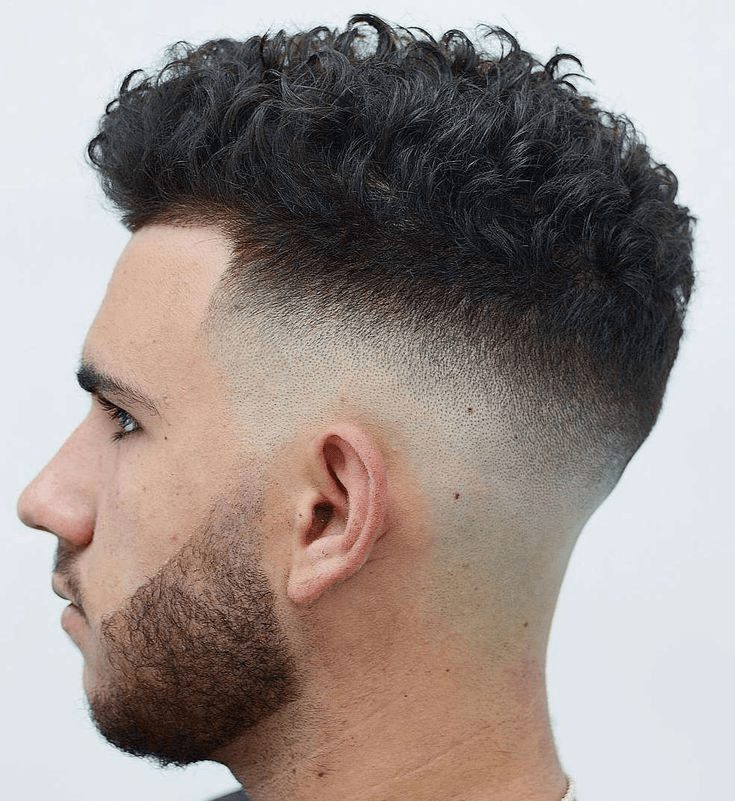
Image credit: taperfadee.com
The curly high-top celebrates volume: tight curls shaped upward with tapered sides that keep the silhouette tall rather than wide. Type 4 curls hold this shape beautifully, and the height flatters round faces while the clean sides keep it sharp. It is a statement cut with real presence, and the taper keeps it from looking dated.
Ask your barber to shape the top with height and taper the sides and back gradually. Moisturize well and use a curl sponge or pick to lift the roots; a light hold cream defines the curls. Taper maintenance every three to four weeks keeps the shape. The advantage is a bold, distinctive look; the trade-off is daily moisture and patience as the top grows into shape.
19. Drop Fade with Textured Fringe
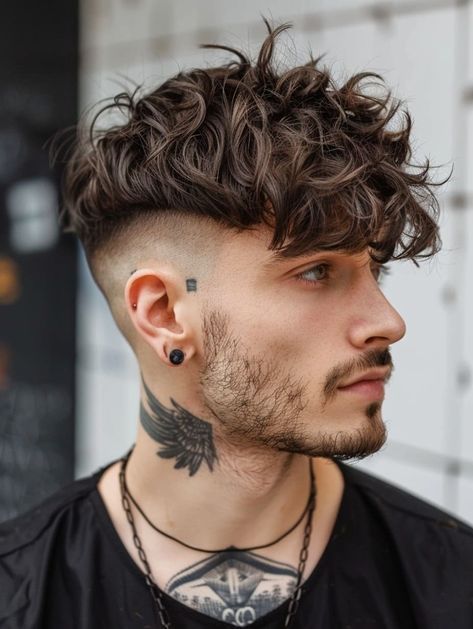
Source: moderngentlemanmagazine.com
A drop fade with textured fringe keeps the front soft while the sides stay architectural. The fringe falls forward with piecey texture, and the fade dips lower at the back for a natural, curved blend that suits round and square faces. Medium-density straight or wavy hair holds the fringe best; the contrast between the soft front and sharp sides is the whole point.
Request a drop fade with a textured fringe left around two inches long. Style with matte paste pushed forward, separating the ends. Refresh the fade every three to four weeks and trim the fringe every five to six. It is youthful and low-drama, though the fringe needs a touch-up trim to avoid growing into the eyes. For readers who want more, Fall Haircuts for Women 2026 keeps the ideas coming.
20. Short Mullet with Faded Sides
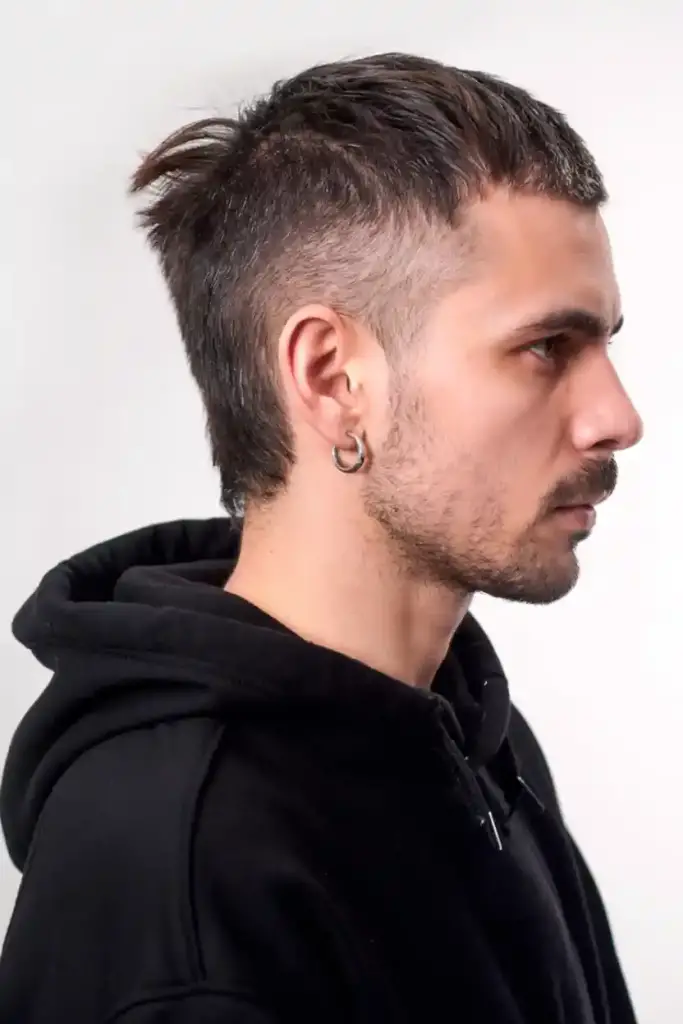
Via gentsosprey.com
The modern short mullet keeps the party in the back without the eighties commitment. Faded sides and a textured top keep it current, while the length at the nape gives it the signature shape. Wavy to curly hair gets the best texture; straight hair needs layering to avoid a flat tail. It suits oval and long faces, where the back length balances proportions.
Ask for faded sides, a textured top, and length left through the back. A little matte paste gives the top separation; the back can air dry. Trims every five to six weeks keep the fade fresh while the back grows. It is a fun, fashion-forward choice, but it is not office-neutral, so check your workplace before committing.
21. Low Caesar Cut
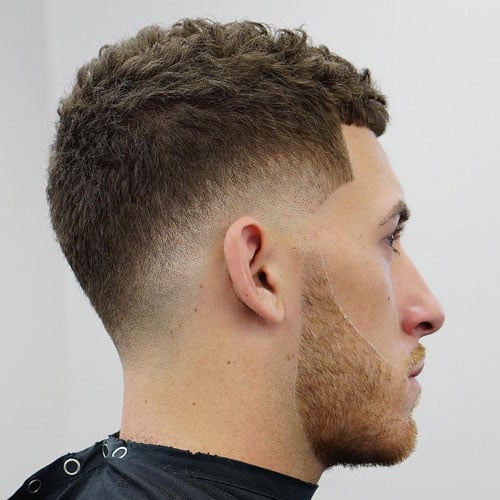
Courtesy of: menshairstylesnow.com
The low Caesar is ancient and current at once: short all over with a straight, forward fringe. The low, even length minimizes the look of thinning on top, which makes it a smart pick for receding hairlines. Straight hair holds the blunt fringe line cleanly; the uniform length flatters square and oval faces. It is about as low-maintenance as styled hair gets.
Ask for a short Caesar with the fringe cut straight across and the sides kept low. No styling product is needed, though a light cream can smooth flyaways. A trim every three weeks keeps the fringe line crisp. Its strength is simplicity and coverage; its limitation is that the straight fringe can look severe on very angular faces.
22. Medium Shaggy Layers
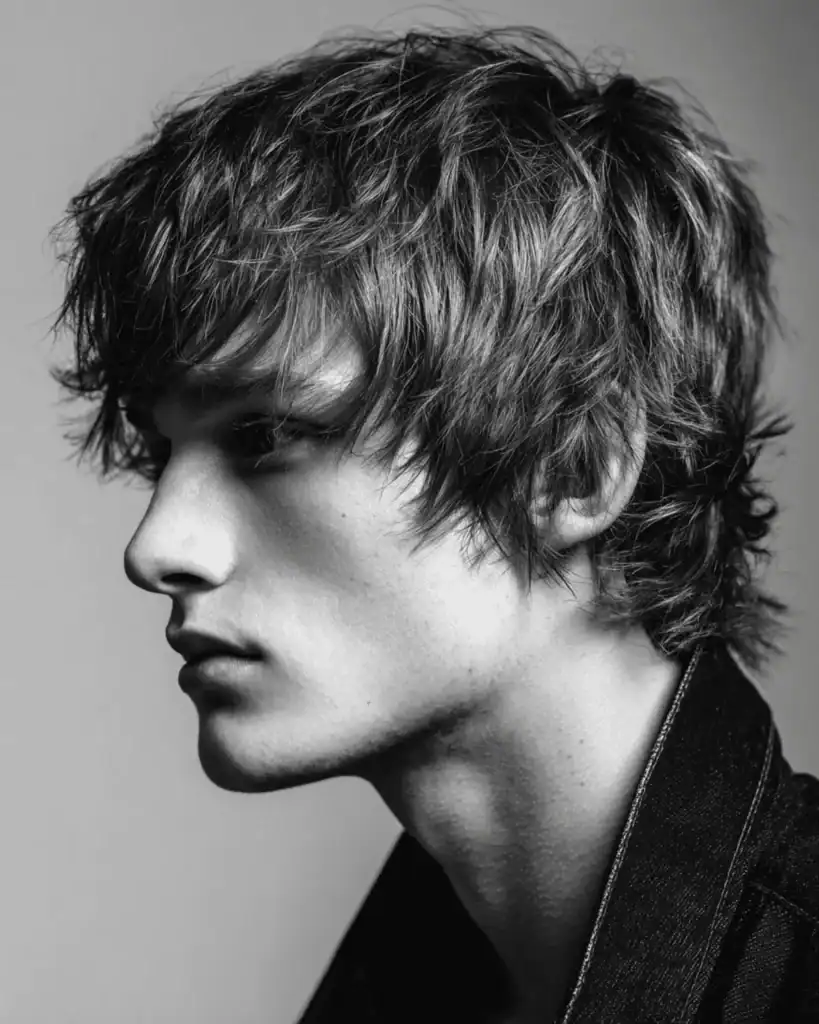
Photo credit: beardbeasts.com
The shag brings rock-and-roll texture to medium length: feathered layers, a curtain-like fringe, and movement everywhere. The layers remove weight so the hair falls in soft pieces, which flatters wide faces and strong jaws by breaking up hard lines. Wavy, medium-density hair gets the full shag effect; straight hair needs point cutting for the same separation. It is the most personality-forward medium cut on this list.
Request shaggy, feathered layers with a soft fringe that can part in the middle. Air dry with a texture spray for definition. Trims every eight weeks keep the layers fresh without losing the length. The advantage is instant character; the trade-off is that it needs the right texture to avoid looking unkempt. The concept gets a fuller treatment in Best Summer Haircuts Plus Size Women 2026.
23. Flat Top with Tapered Sides
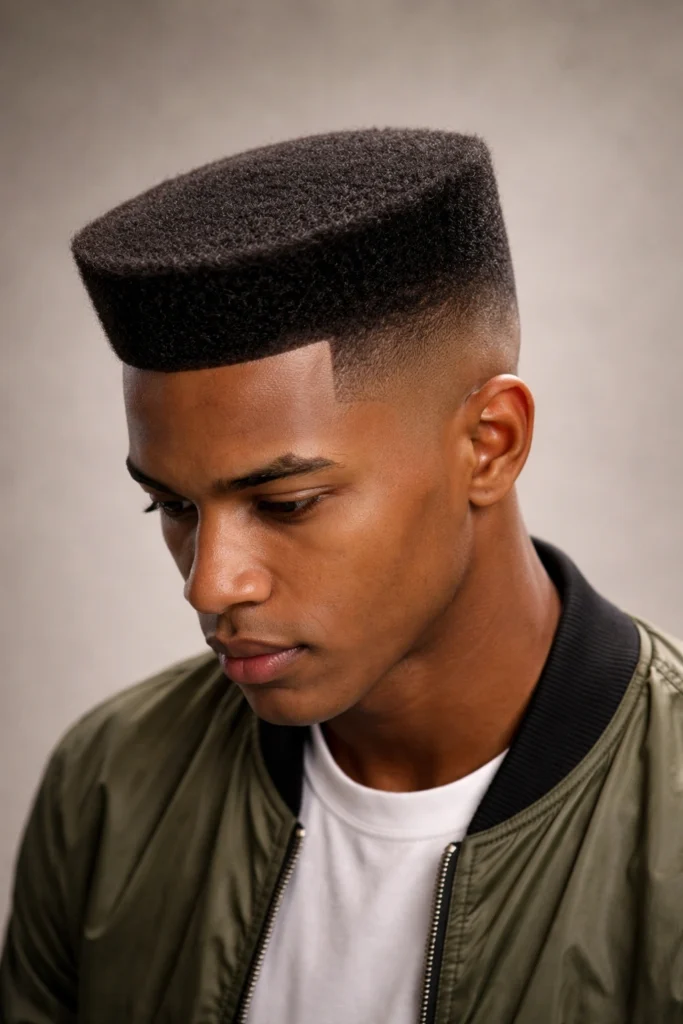
Image credit: hairtical.com
The flat top is pure geometry: a level top with sharply tapered sides. Coarse, tight-curled hair holds the flat plane best; the cut relies on density and texture, not product, to keep its shape. It flatters square and round faces with its strong lines and adds unmistakable presence. In winter it is practically weatherproof, since wind barely moves it.
Ask for a flat top with the sides tapered close and the top cut level to your preferred height. This is a barber-dependent cut, so find someone who does them regularly. Upkeep is every two to three weeks to keep the lines crisp. The strength is its bold, clean silhouette; the trade-off is the most frequent barber schedule of any cut here.
24. Two-Block with Longer Top
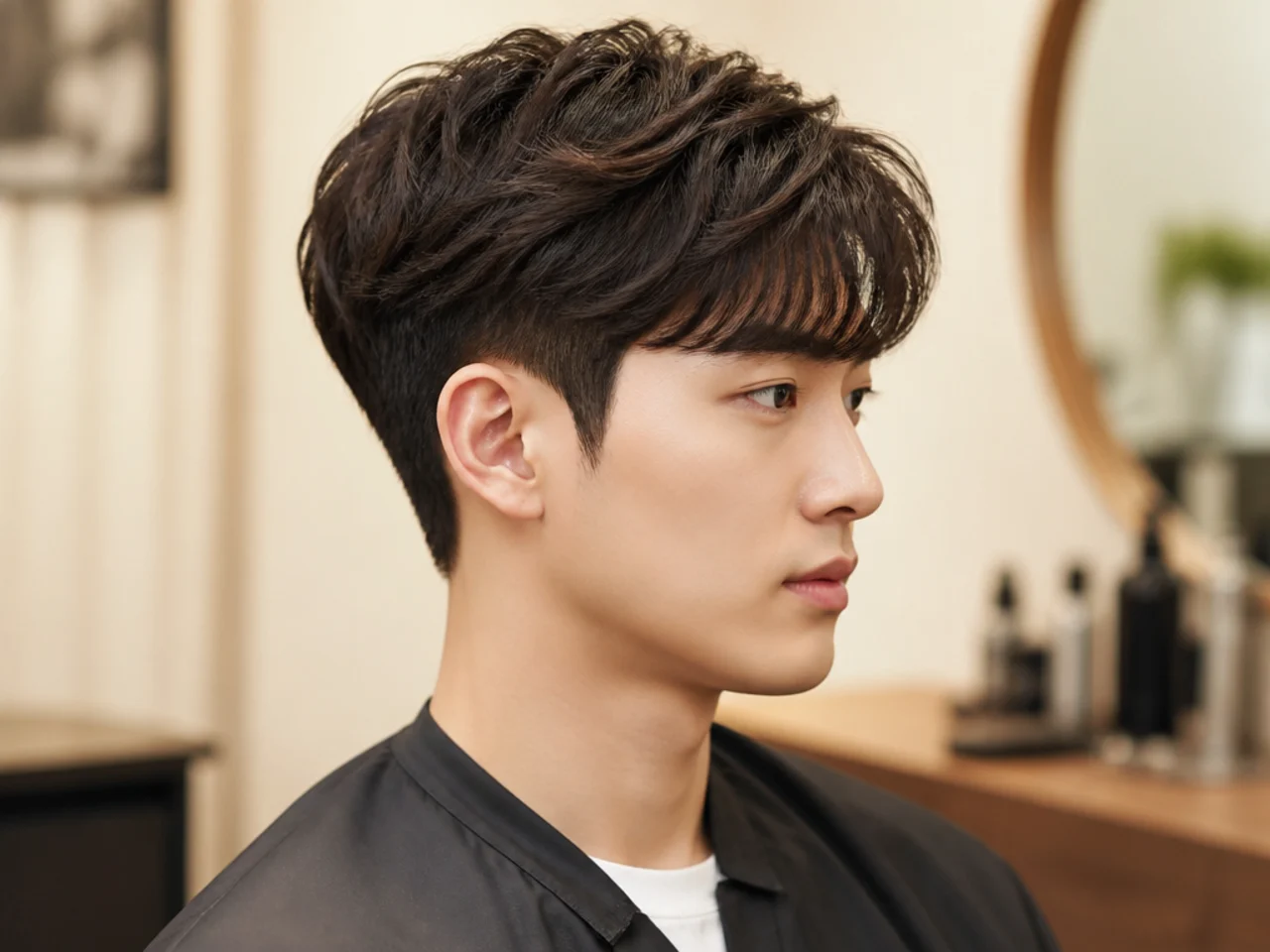
Source: haircutvibes.com
The two-block, a Korean barbering staple, keeps the sides short while the top grows long enough to drape over them. The longer crown can be worn forward, swept, or parted, which makes it one of the most versatile cuts here. Straight, thick hair drapes best; the weight of the top is what creates the shape. It flatters oval and heart faces, where the longer top softens the hairline.
Request a two-block with the sides clipped short and the top left long enough to fall over them. Style with a light cream, wearing it forward or swept to the side. Trim the sides every four weeks and the top every eight to ten. The advantage is versatility and a fresh, modern look; the trade-off is that fine hair may not have the weight to hold the drape.
Final Thoughts
Across these 24 winter haircuts for men, the strongest options work because of shape and texture, not simply because they are short or long. Fades keep short cuts sharp through hat season, while layers give medium and long cuts the movement winter air tries to flatten. Choose based on your texture, your face shape, and how often you realistically want to see a barber: a buzz or flat top needs the chair every few weeks, while a flow or shoulder-length cut trades barber time for daily hair care. Match the cut to your winter routine and it will hold from the first frost to spring.
- Trim every six to eight weeks to keep the shape sharp.
- Use a heat protectant before every hot-tool session.
- Tone blonde or highlighted hair every six weeks to keep brassiness away.
- Match the upkeep schedule to your routine before committing to high-maintenance color.
The best color is the one that still looks intentional at week six.