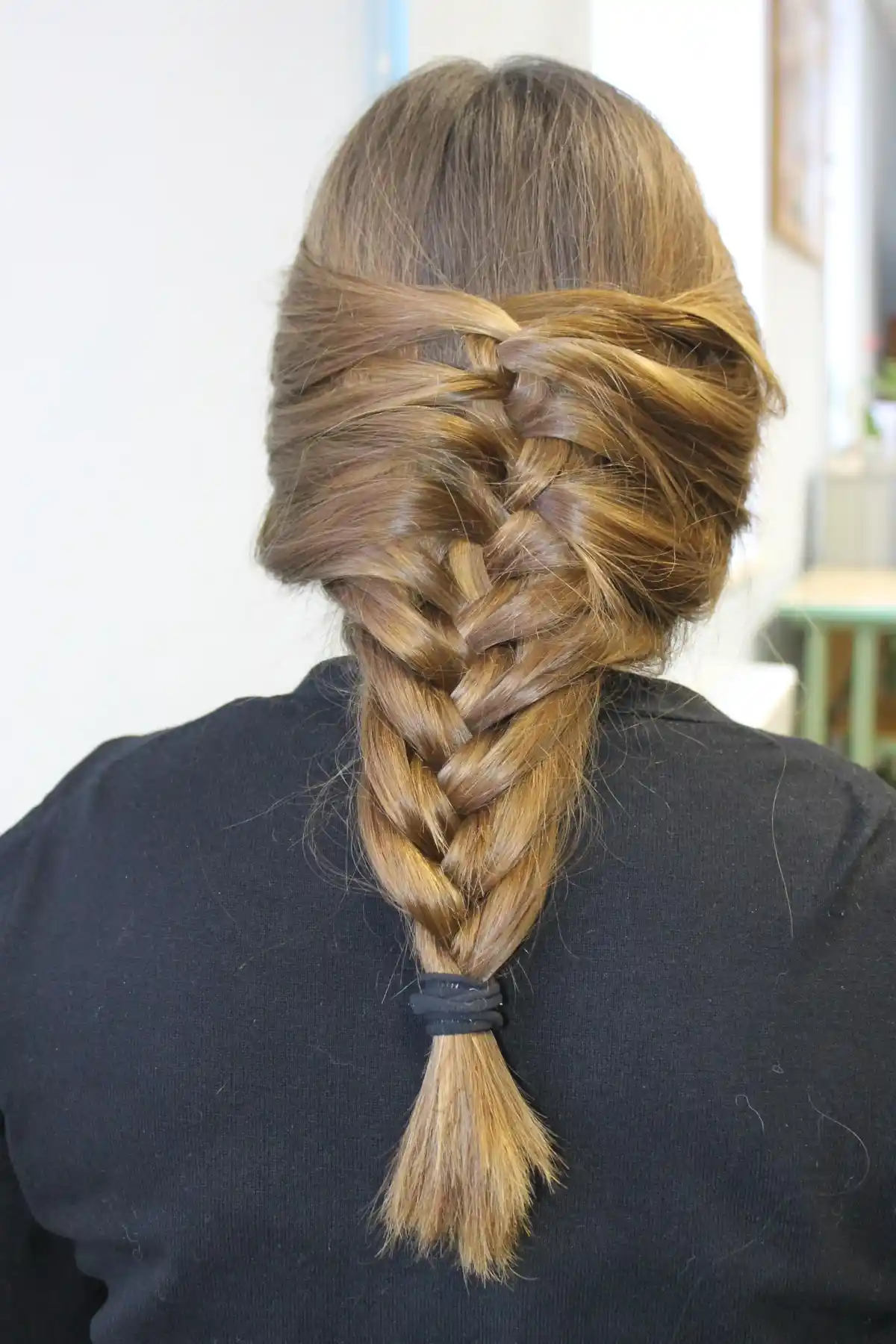
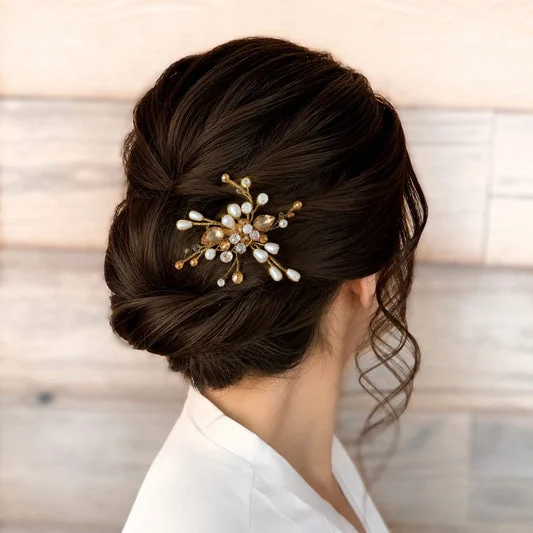
Short loc styles are more than a length. They are a deliberate shape, a clean line, or a soft fringe that changes how the whole cut reads. Lived-in colour and natural texture have replaced flat-ironed uniformity, and the best short locs now land somewhere between chin and collarbone with soft face-framing layers.
These 19 short loc styles cover every base: blunt bobs for fine hair that needs density, layered crops for coily texture that craves movement, and bangs for anyone tired of a forehead that does not cooperate. Whether the struggle is a grow-out line that shows too fast or a fringe that will not sit, this collection has a shape and a rhythm that works.
Chin-Length Wavy Locs With Subtle Highlights
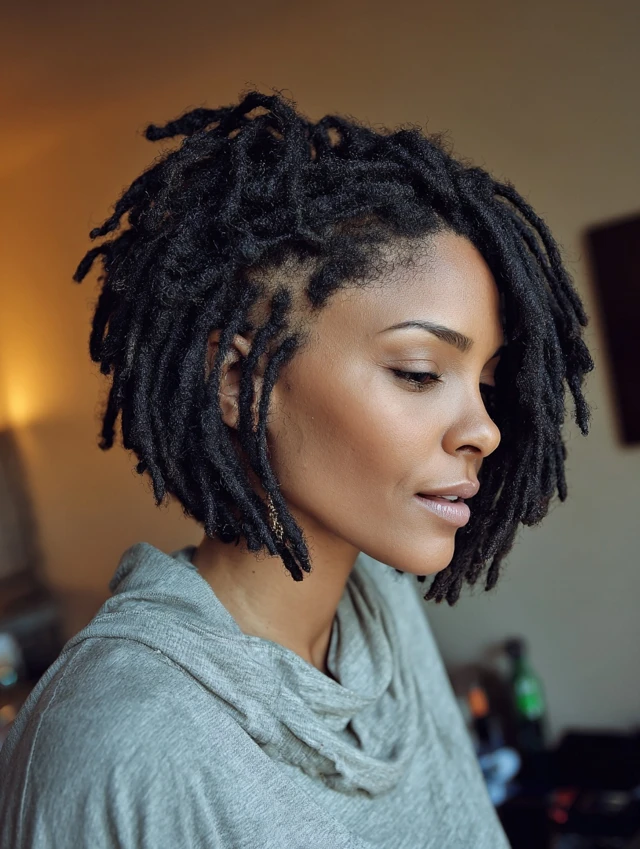
Photo via yourstyleinspo.com
A chin-length cut on dense, wavy locs is a lesson in controlled volume: the side part keeps the shape from ballooning, while subtle highlights catch light instead of letting the whole mass go flat.
The wavy texture softens round and square face shapes, making the line feel intentional rather than accidental. A light styling cream enhances the wave definition, and the shape needs a trim every eight to ten weeks.
Loose Black Locs With Defined Curls
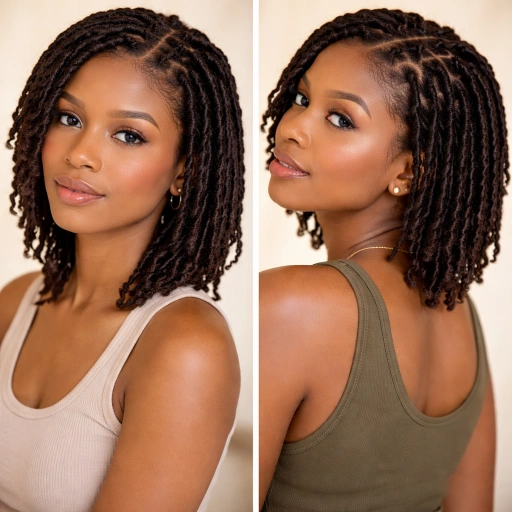
Image credit princesshiala.com
Structured loc styles get all the attention, but loose black locs with defined curls at the ends are the quiet alternative that works harder. The chin-length cut keeps the shape compact while the curls add movement.
This suits oval and heart face shapes without needing constant retwisting. A curl-defining cream and a gentle diffuse create the separation; refresh with a light mist between washes to keep the ends from collapsing.
Auburn Chin-Length Bob Locs
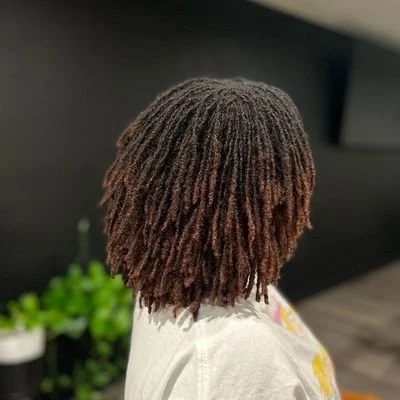
Courtesy of twstalker.com
An auburn base with lighter highlights turns a standard chin-length bob into something that works for fall without being seasonal. The side part and the wavy texture add density, so the bob reads as full rather than thin.
A texturising spray on damp locs gives that air-dried finish, and the bob line holds its shape best with a trim every six to eight weeks. The warmth of the auburn flatters most skin tones.
Chin-Length Bob With Side-Swept Bangs
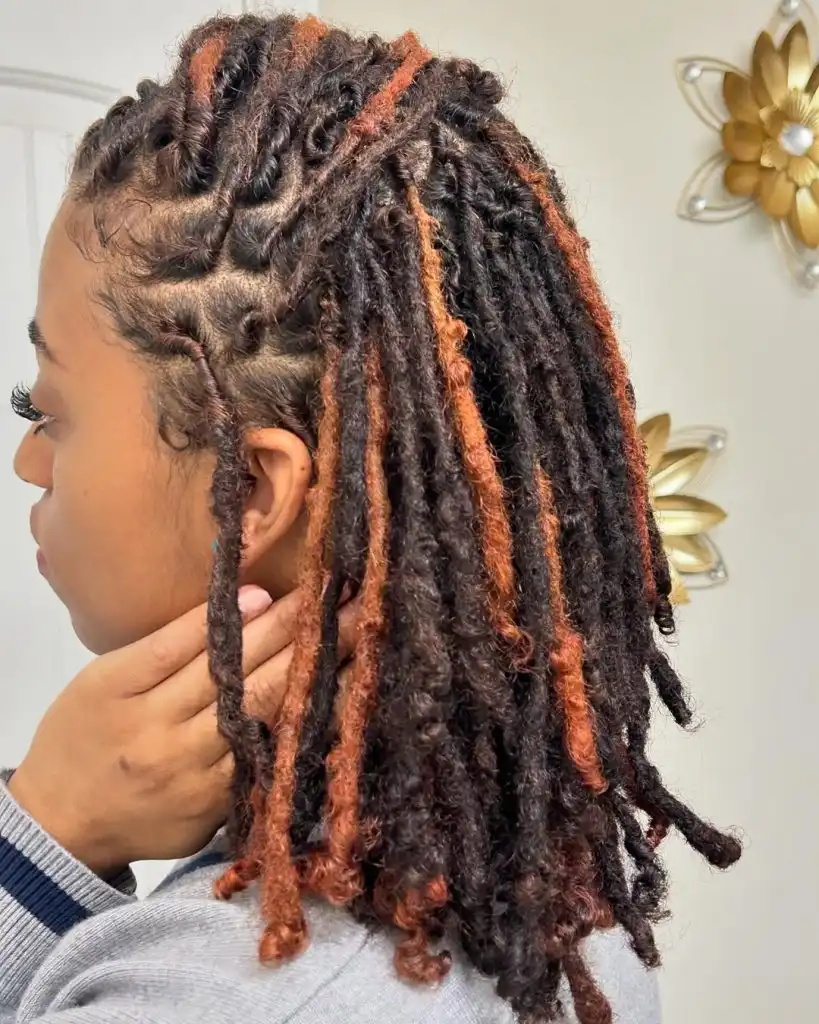
Source homyglow.com
How do you soften a chin-length bob without losing the clean line? Side-swept bangs. On fine, wavy locs, the bangs break up the perimeter while the side part keeps the weight from falling forward.
Square and angular face shapes benefit from the asymmetry. A texturising spray on the bangs gives separation, and the bob line needs a trim every six to eight weeks to keep the shape precise.
Dark Brown Bob With Honey Highlights
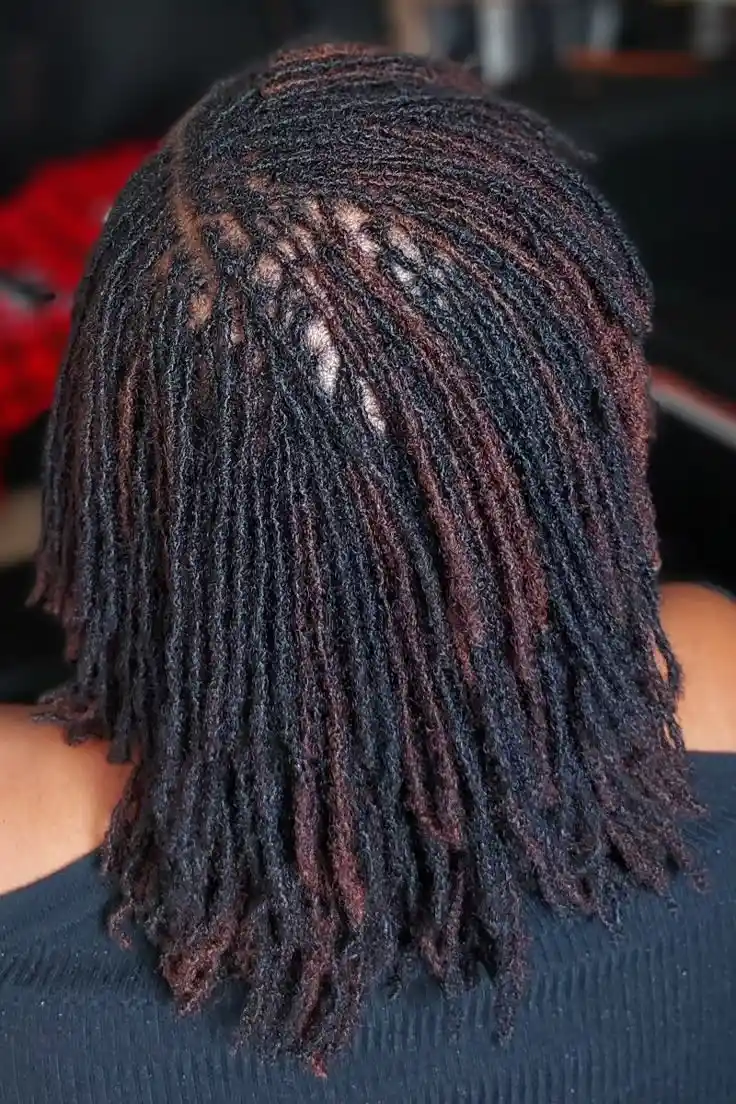
Via dazzleflows.com
The design here is straightforward: a dark brown base with honey highlights placed to add dimension without a full colour commitment. The chin-length bob gives the thick, wavy locs a shape that does not pouf out.
The side-swept bangs soften the line around round and heart face shapes. A leave-in conditioner keeps the moisture balanced, and the bob line holds its shape with a trim every six to eight weeks.
Black Locs With Defined Bouncy Curls at the Chin
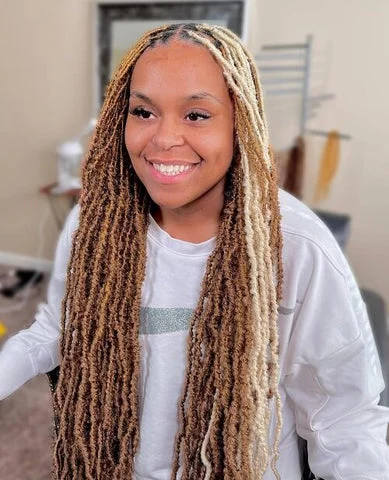
Photo via mybraidedwig.com
For coily locs at chin length, the shorter the loc, the more often you will need to refresh the curl pattern. The defined, bouncy curls here come from a salon retwist and a curl-defining mousse applied while the locs are damp.
The short side-swept bangs require trimming every three to four weeks. A DIY refresh is possible with water and a light spray, but the initial shape is best left to a stylist.
Sleek Collarbone Bob Locs
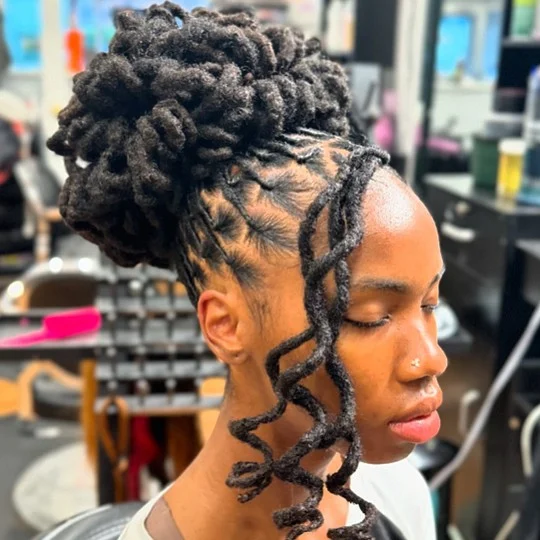
Image credit styleseat.com
A sleek collarbone bob is a close cousin to the classic blunt bob, but the locs make it different. Fine, dense locs hold a straight, polished line well, which is why this side-parted version works.
The trade-off is that achieving that glassy finish on fine locs requires heat and product, and the ends can fray faster than on a heavier texture. A trim every six to eight weeks keeps the baseline crisp.
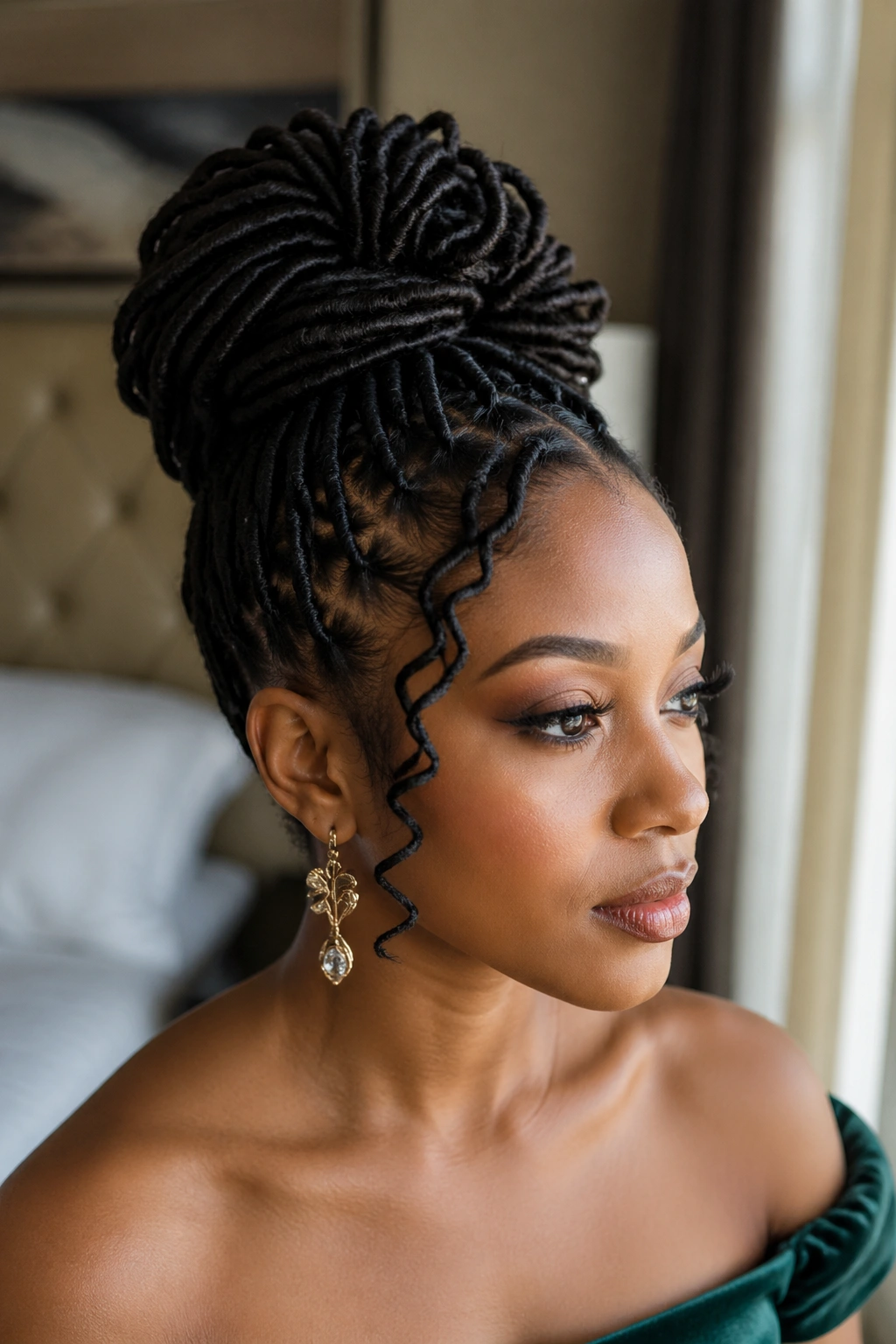
Glossy Collarbone Bob With a Blowout
Courtesy of boldhairstyles.com
Does a collarbone bob with a middle part work on a long face? Yes, because the length hits the collarbone and the middle part draws the eye outward, not downward. This version uses fine, straight locs styled into a smooth blowout with a glossy finish.
A shine serum and a round brush during blow drying are all you need for the look at home. The baseline needs a trim every six to eight weeks to keep the bob shape from spreading.
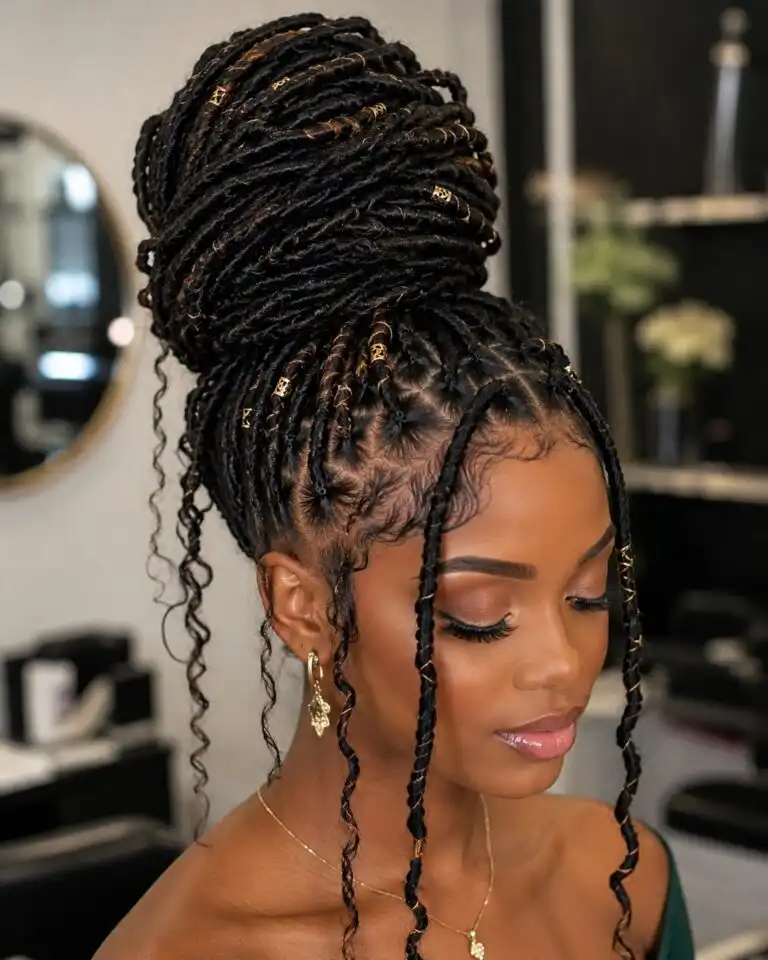
Pixie Crop Locs With Auburn Highlights
Source girlsbulletin.com
The auburn highlights in this ear-length pixie crop add a warm, autumnal dimension that the black base alone would not carry. Thick, curly locs give the crop enough body to hold its shape without product, though a texturising paste helps define the shorter strands around the edges.
The middle part keeps the volume balanced on both sides. The neckline and edges need trimming every four to six weeks, and the copper tones feel natural in cooler months.
Reddish Brown Ear-Length Styled Locs
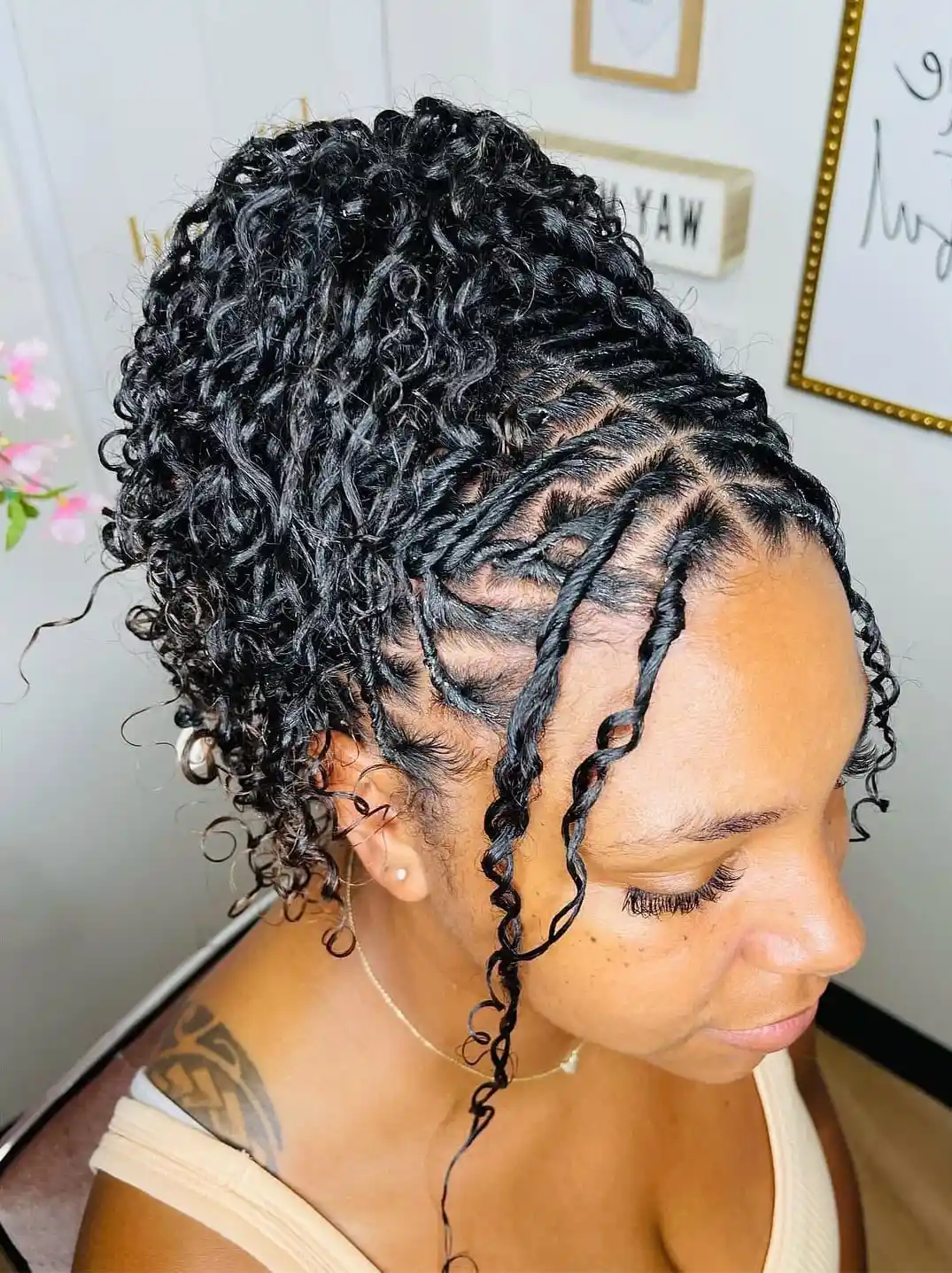
The upward styling and vibrant reddish-brown colour work together to create a shape that does not rely on volume. The ear-length locs are curly and dense, and the side view shows how the styling lifts the hair away from the face.
This approach balances longer face shapes by adding width at the cheekbone level. A setting spray holds the shape through a full day, and the colour is a salon job, not a box.
Butterfly Locs With Blonde Highlights
Photo via res.6chcdn.feednews.com
Butterfly locs and defined curls are close cousins, but they diverge on texture: butterfly locs use loose, wavy strands wrapped around a loc base, which gives fine-density hair a volume boost without the heft of a full curl set.
The middle part and ear-length cut keep the shape grounded while the blonde pieces catch the light. A lightweight oil rubbed between palms and patted over the locs enhances the wave pattern, and a trim every eight weeks stops the ends from fraying.
Braided Crown Updo Bob
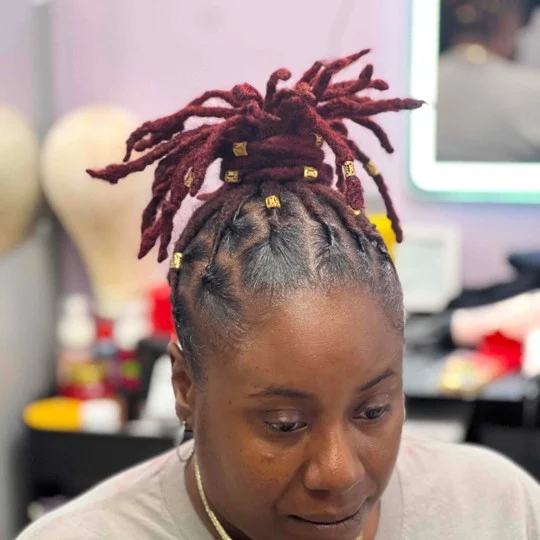
Image credit styleseat.com
An ear-length bob loc has limited real estate for an updo, which is why a braided crown works here: it uses the hair you have instead of fighting for length. The thick, coily texture holds the braid structure without slipping.
The middle part keeps the look symmetrical. Expect to spend about fifteen minutes pinning the crown in place each morning, and a retwist appointment every four to six weeks to keep the scalp neat.
Updo With Honey Blonde Tips
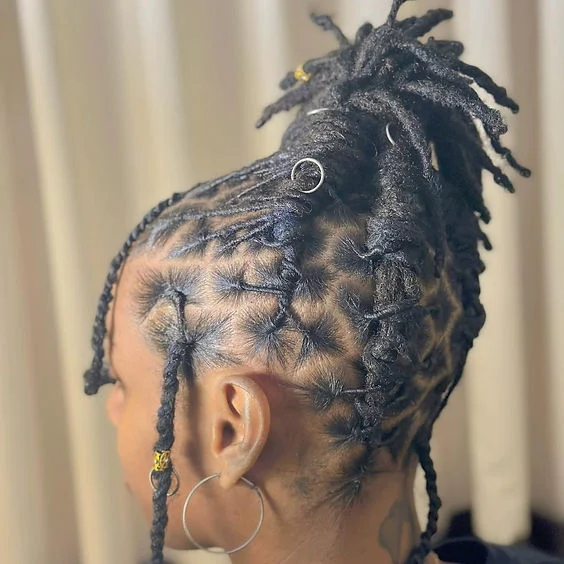
Courtesy of quavosstellarstrands.com
The design here builds from the scalp up: the black base is left untouched, while the honey blonde is applied only to the ends of the ear-length locs. The upward styling pulls the eye along the colour transition, making the blonde ends feel deliberate.
This is a salon-only proposition. The colour application requires sectioning each loc, and the intricate side patterns need a trained hand to stay tight against the scalp.
Intricate Updo With Face-Framing Curls
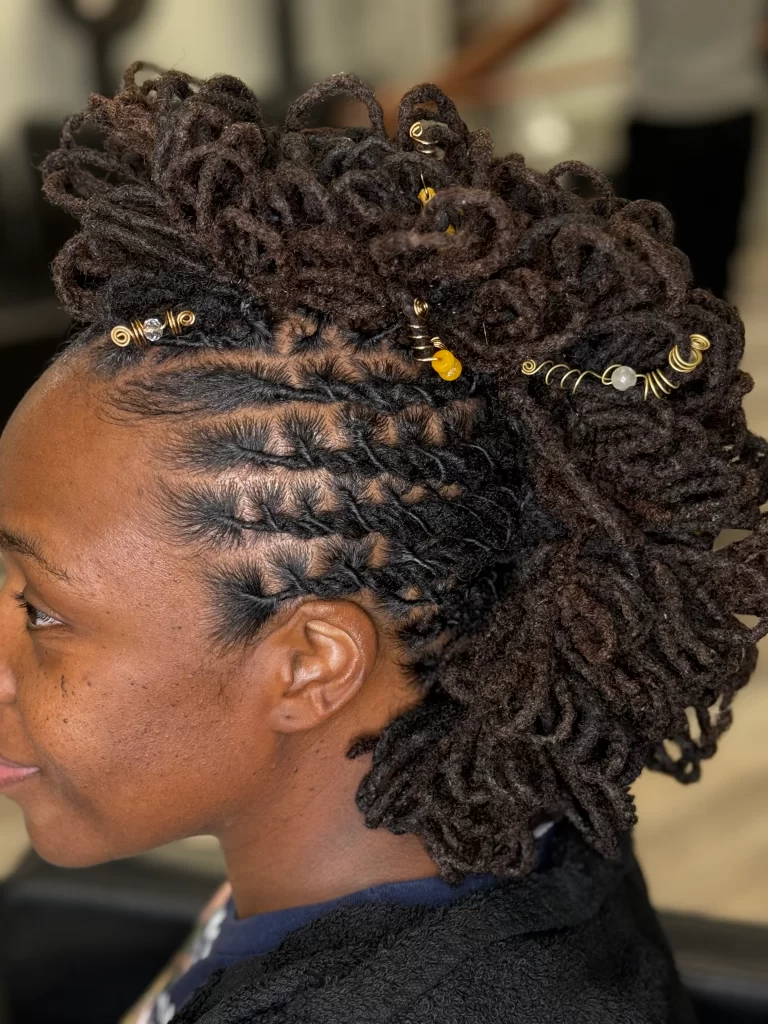
Source kelatichairlounge.com
An intricate updo at chin length means the locs are long enough to wrap into a structure but short enough that every strand counts. The coily texture gives the tendrils natural hold, and the middle part keeps the face-framing curls even on both sides.
This look takes about an hour in the chair and does not survive a nap. You will need to re-pin any loosened sections before heading out again.
Voluminous Shoulder-Length Updo
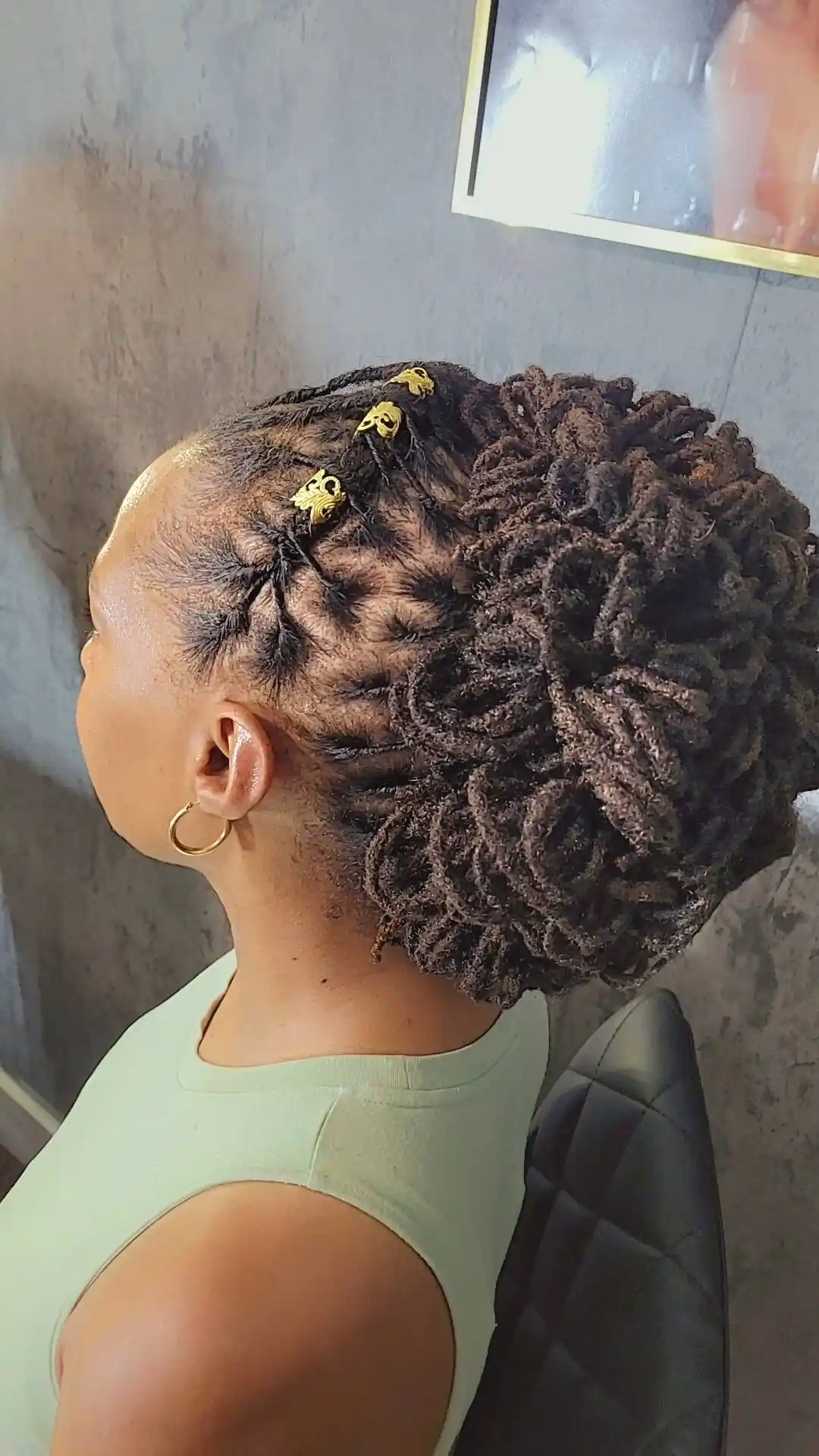
Via divame-studio-108962.square.site
A voluminous updo like this one suits locs that hit shoulder length or a little longer — shorter than that and the hair struggles to gather enough mass for the height. The wavy texture adds natural grip, so the updo holds with fewer pins than straight hair would require.
For upkeep, spritz a texturising spray at the roots before styling for extra lift, and book a trim every eight weeks to keep the ends uniform. Those with very fine locs may find the volume deflates by midafternoon; a few well-placed pins and a dry shampoo refresh at the scalp solve it.
Elegant Updo With Subtle Highlights
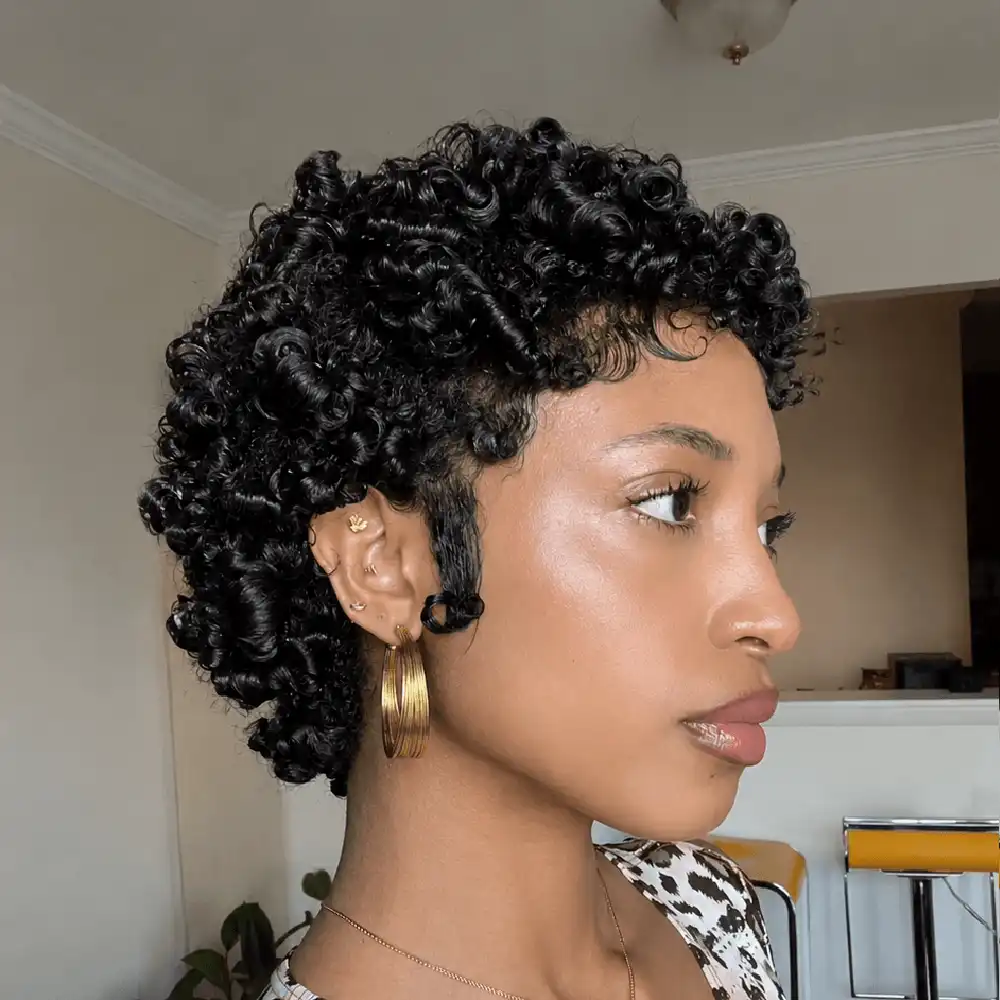
Photo via coracrown.com
This updo gathers shoulder-length locs into a structured shape that is polished but not stiff, with face-framing strands left loose to soften the silhouette. The wavy texture keeps the look from appearing too severe, and the subtle highlights add depth.
It works for any formal occasion where you want your hair to look deliberate. Apply a smoothing cream to tame flyaways, then secure with pins and hairspray. Expect about an hour in the chair for this finish.
High Ponytail With Gold Beads
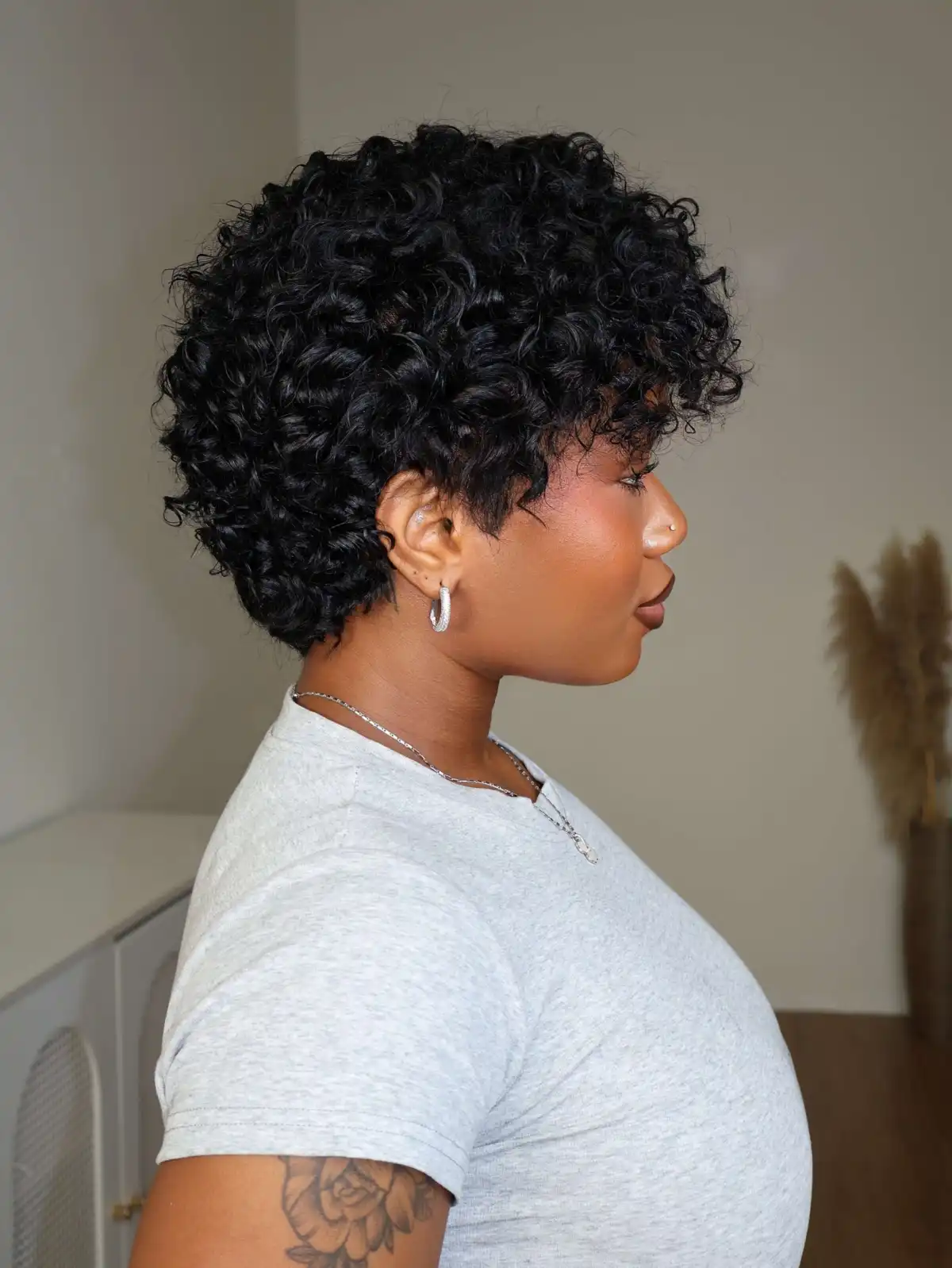
Image credit anorahair.com
The high ponytail is a classic silhouette, but the gold beads threaded through these faux locs provide a clear accent. The wavy texture keeps the ponytail from looking too sleek, and the strands prevent it from reading as severe.
A high ponytail tends to elongate a rounder face, which is a useful trick to keep in your back pocket. Use a strong hold gel to smooth the base, then add the beads carefully so they sit evenly. This look takes roughly an hour and a half at the salon.
Neat Shoulder-Length Ponytail
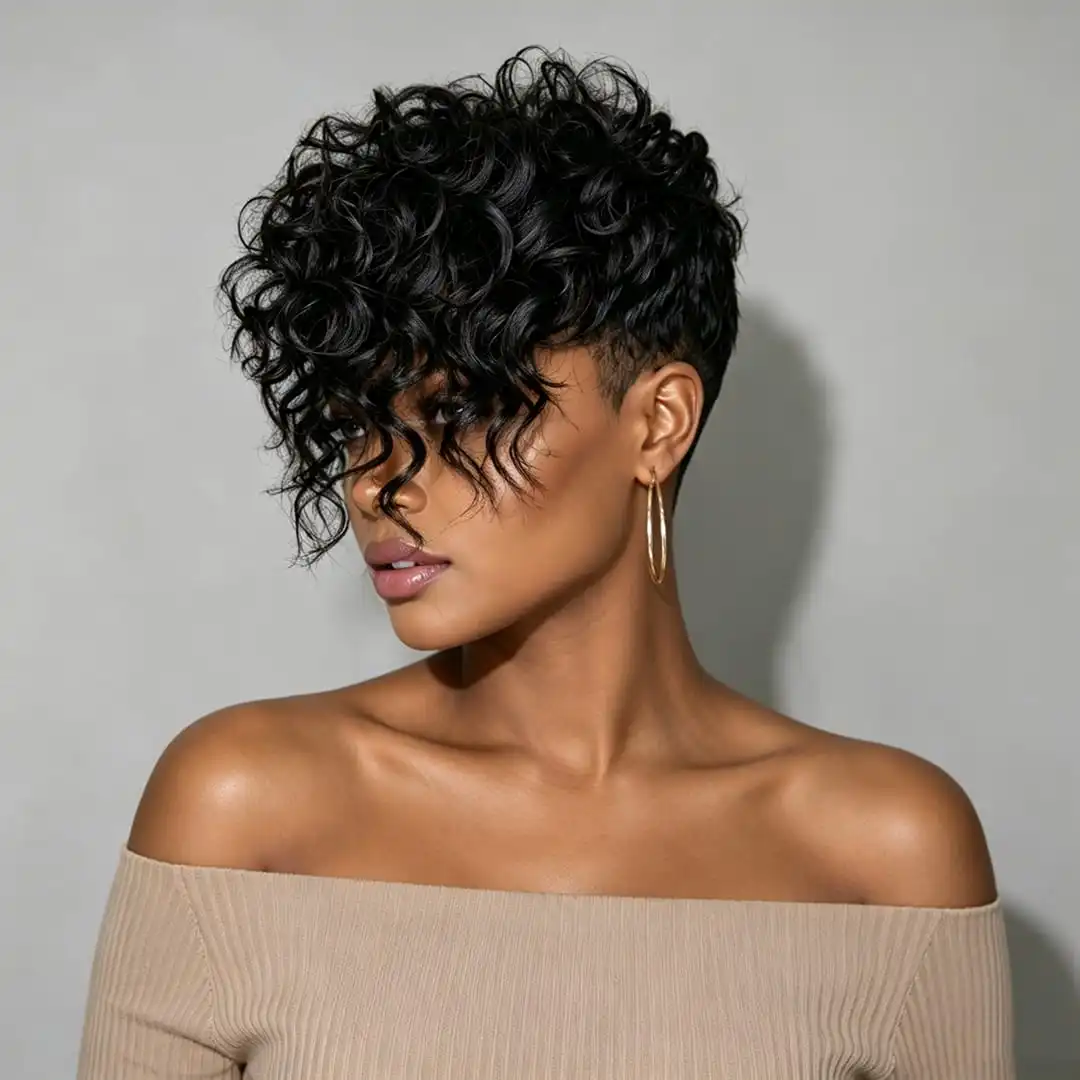
Courtesy of baisiwig.com
For coily locs, a neat ponytail holds its shape with minimal fuss when the locs are brushed smooth before securing. This shoulder-length version works for most face shapes and keeps the hair out of the way without sacrificing style.
Use a hair tie that will not snag the locs. Plan for a trim every eight to ten weeks to keep the ends clean, and a light oil on the lengths keeps the ponytail glossy.
Neatly Retwisted Short Locs
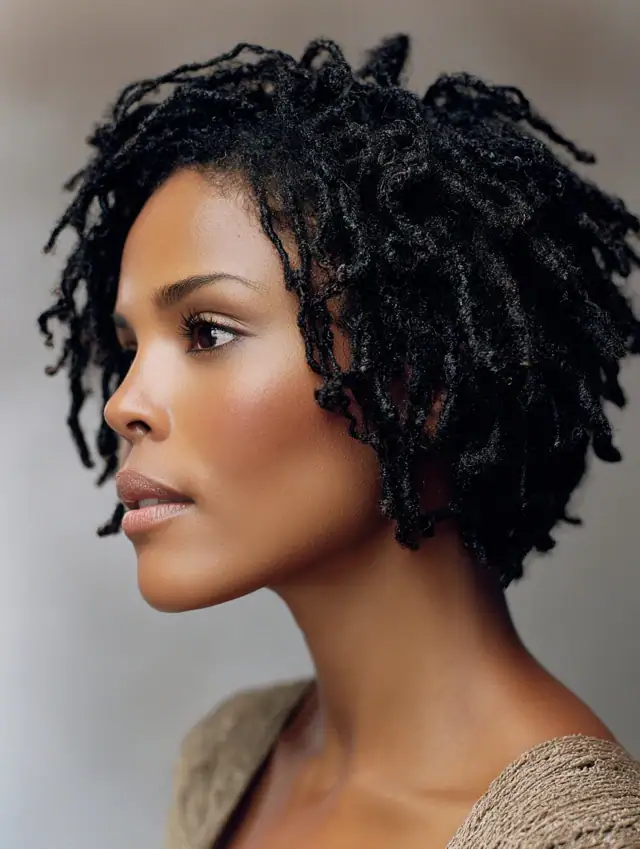
Source divainspo.com
Retwisting short locs at home is doable if you are patient with the parting. A clean grid pattern is the foundation of the look: section the hair with a rat-tail comb, apply a lightweight locking gel to each loc, and twist from the root to the tip.
A salon retwist runs about two hours; a cautious DIY session can take longer but saves the trip. Keep the parts clean between appointments with a light scalp oil and a satin scarf at night.
Final Thoughts
For fine or thinning locs, opt for blunt cuts and minimal layers to create the illusion of thickness. For dense or coily locs, embrace textured styles and strategic layering to manage volume — and keep the retwist schedule steady. For more inspiration, see our guides to braid.
- Retwist roots every 4-8 weeks, depending on loc growth and texture.
- Deep condition locs every 2-4 weeks with water-based products.
- Protect locs from excessive heat styling; use a heat protectant when necessary.
- Wash locs every 1-3 weeks, ensuring thorough rinsing and drying.
Short locs are a canvas for creativity and ease.