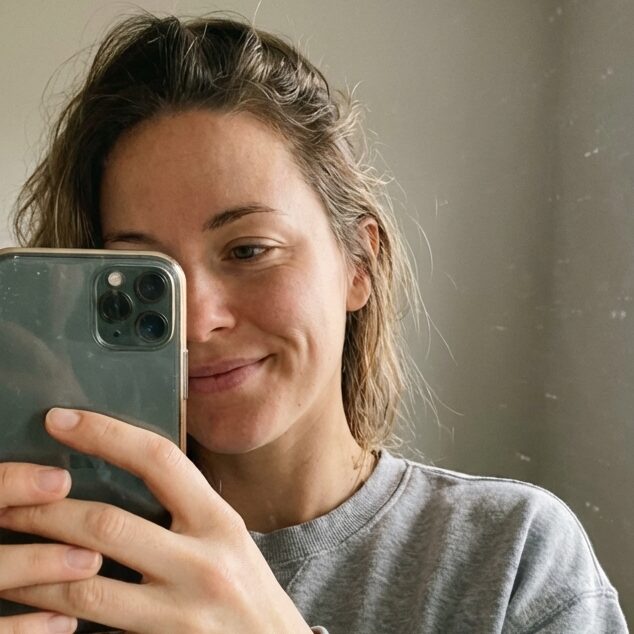
Chestnut brown sits in the sweet spot between deep brunette and warm auburn: a reddish-brown shade with the warmth of polished wood and the depth of dark chocolate. It flatters an unusually wide range of skin tones, adds instant richness to fine hair, and gives thick hair a luminous quality that flat dark brown sometimes lacks. Below are 24 chestnut brown hair color ideas for 2027, covering everything from dark, near-espresso chestnut to golden balayage, copper highlights, bobs, pixies, and curls — each with guidance on the salon technique, the styling routine, and the upkeep to expect.
1. Classic Chestnut Brown with Long Flowing Layers
Courtesy of: azureglam.com
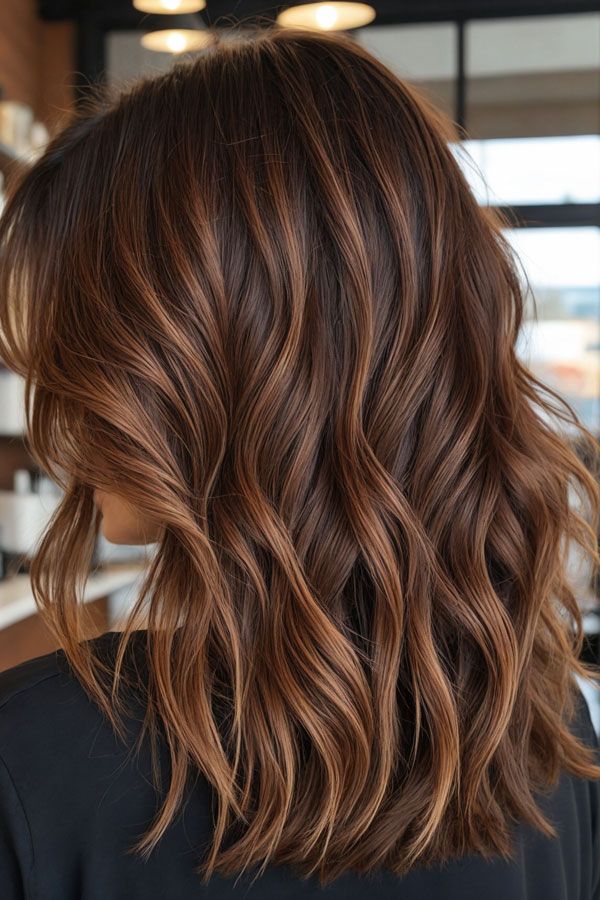
The benchmark chestnut: an all-over warm reddish-brown worn long with soft, flowing layers. The layers keep the length from looking heavy while letting the warm undertones catch the light as the hair moves, which is where this shade earns its reputation for richness. A center or slightly off-center parting suits oval and heart-shaped faces particularly well, and the even color makes fine hair look denser than it is. See also Best Hair Color Ideas for Brown Skin 2026 Modern Highlights Rich Reds Soft Chocolate Tones for more variations on this look.
Ask for a single-process demi-permanent or permanent chestnut brown in a level 5 to 6 with warm-red undertones. Styling is straightforward: a blowout with a round brush, or air-dried with a smoothing cream for a softer finish. Expect root touch-ups every four to six weeks with permanent color, and a color-safe shampoo routine, since the red component fades faster than the brown base. A clear or copper-tinted gloss between appointments keeps the warmth from going dull. This pairs naturally with the ideas in Trending Bridesmaid Hairstyles.
2. Deep Dark Chestnut Brown with a Glossy Finish
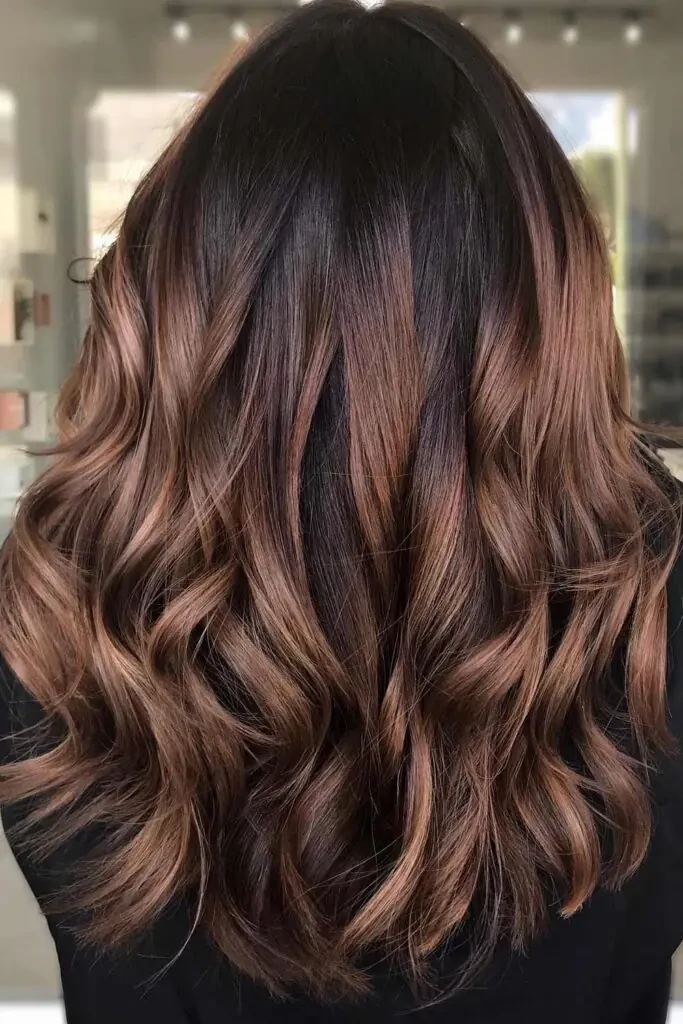
Photo credit: glamdew.com
For those who want depth without going near-black, deep dark chestnut layers a warm red-brown glow over an espresso-dark base. The result reads almost black indoors and reveals its chestnut character in sunlight, which makes it a strong choice for anyone who finds solid black too stark but still wants drama. The high-gloss finish is doing real work here: on very dark shades, shine is what separates rich from flat. You’ll find the same spirit in Best Fall Hairstyles for Round Faces 2025.
The salon technique usually involves a dark warm-brown base with a red or copper filler so the warmth does not wash out. Because the base is dark, regrowth is lower-contrast than with lighter shades, so this is one of the more forgiving chestnut options for stretching appointments to six or eight weeks. The trade-off is maintenance of a different kind: dark glossy hair shows dryness quickly, so a weekly mask and a shine serum are worth building into the routine.
3. Warm Chestnut Brown with Golden Balayage
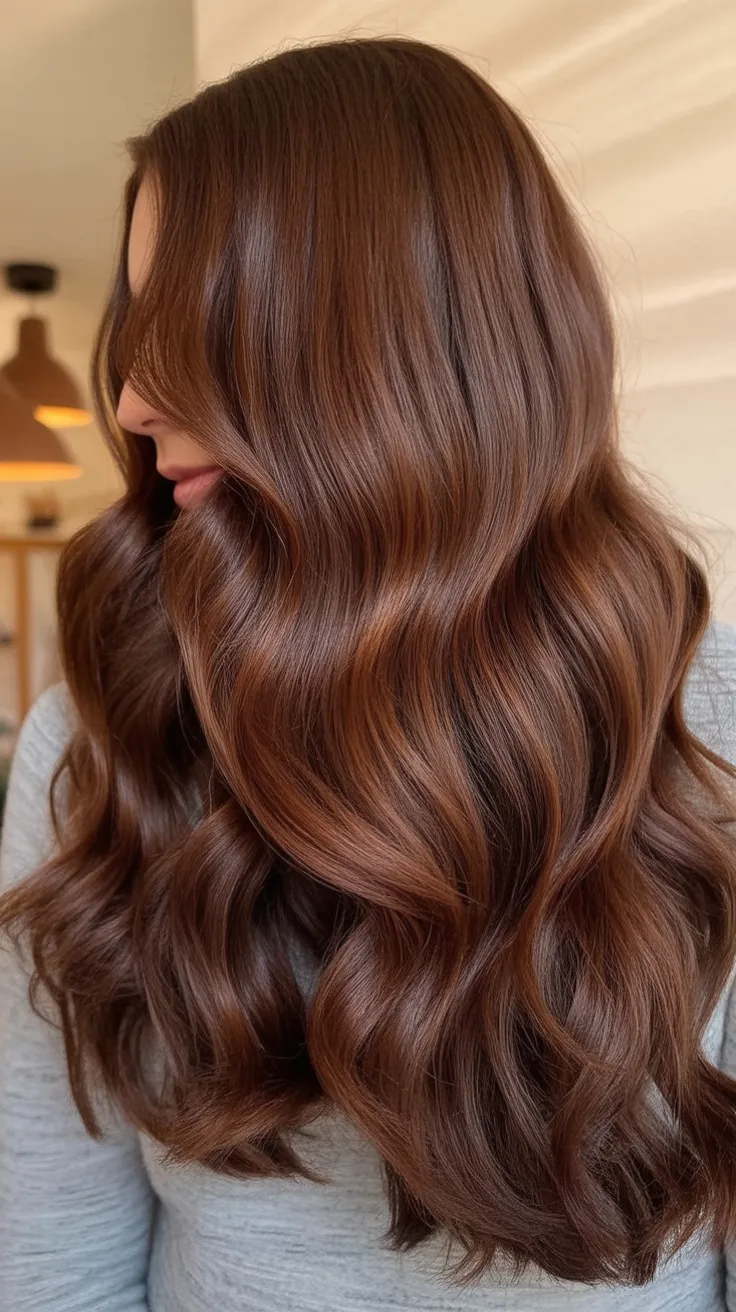
Image credit: azureglam.com
Hand-painted golden pieces melting through a warm chestnut base give this look its sunlit, expensive feel. The balayage concentrates through the mid-lengths and ends, so the roots stay natural and the grow-out is soft rather than stripey. Worn wavy, the golden ribbons break up the density of long hair and make the chestnut base look deeper by contrast.
Request a chestnut base with golden balayage highlights, keeping the lightest pieces no more than two to three levels above the base so the blend stays believable. This is a lower-commitment lightening option: most people can go ten to twelve weeks between touch-ups, with a purple or blue toning mask used sparingly to keep the golden pieces from turning brassy. The main trade-off is that lightened ends are drier ends, so bond-building treatments matter.
4. Multidimensional Chestnut with Sun-Kissed Highlights
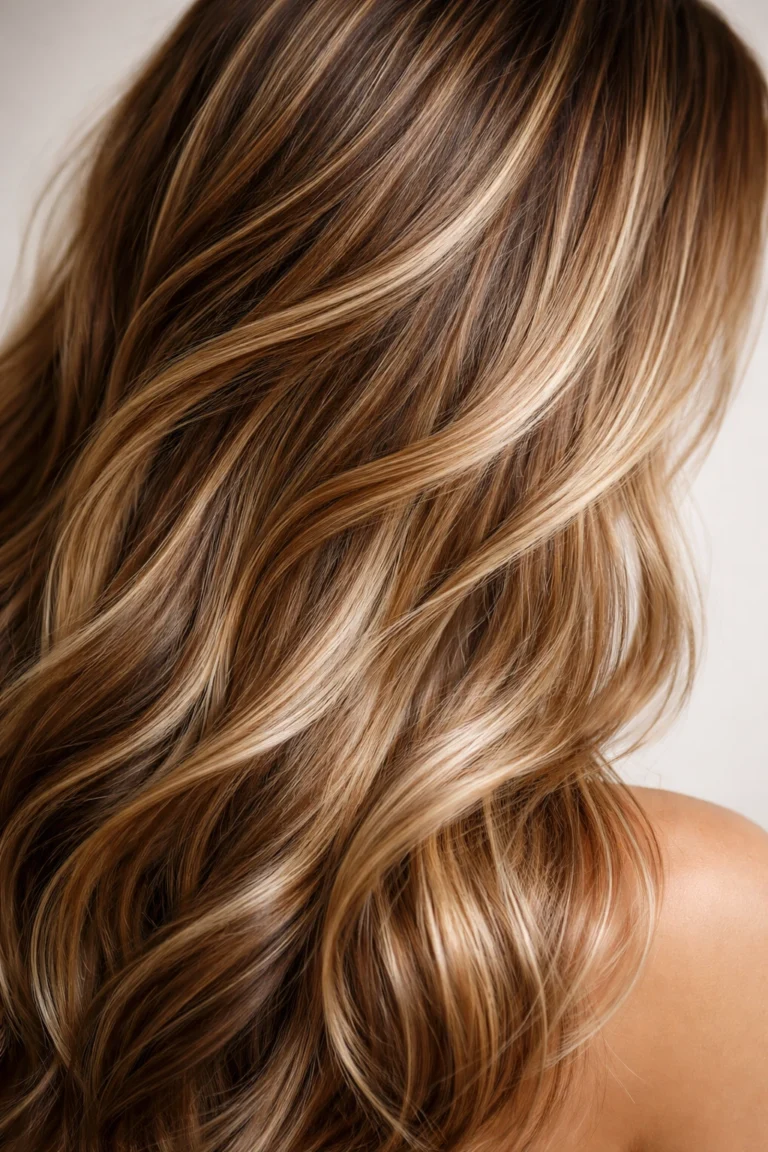
Source: hairtical.com
Fine, woven highlights in honey and amber tones scatter through the chestnut base like light through leaves. Unlike chunky balayage, this multidimensional approach keeps the overall impression brunette while adding movement that flat single-process color cannot achieve. It suits straight to wavy textures best, where the fine weave of highlights stays visible instead of getting lost in curl pattern.
The technique is usually babylights or foilayage with a warm toner. Ask the colorist to keep the highlights fine and close to the base color for a natural result. Upkeep sits between single-process and full balayage: a partial highlight refresh every eight to ten weeks, plus gloss to keep the warm tones unified. Those who want maximum grow-out forgiveness may prefer the softer balayage in idea 3 instead. A companion piece, Stunning Fall Hair Colors for Brunettes, explores the same palette.
5. Chestnut Brown with a Bouncy Mid-Length Blowout
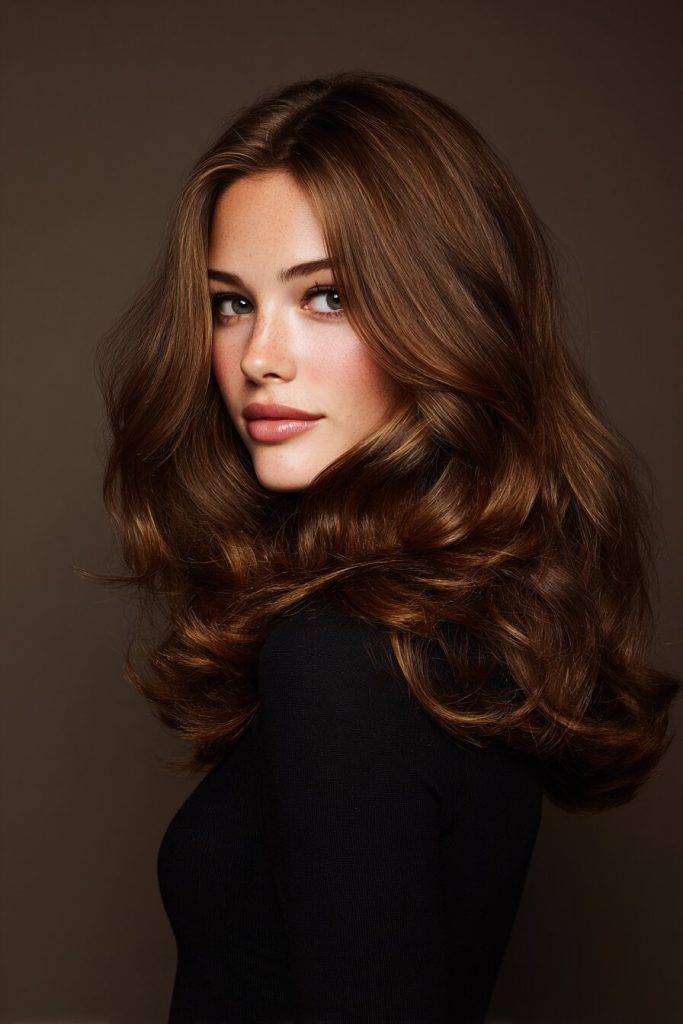
Via hairaide.com
Sometimes the cut carries the color: a mid-length cut with curved, bouncy layers gives chestnut brown its most flattering stage. The rounded silhouette bounces light off the warm tones from every angle, and the length — hitting around the collarbone — is versatile enough for ponytails while still reading polished worn down. This is a strong option for fine to medium hair that needs the illusion of fullness.
The color itself can be simple: an all-over chestnut, possibly demi-permanent for extra shine. The real work is the styling routine — a round-brush blowout with volumizing mousse at the roots, finished with a cool shot to set the bounce. The trade-off is effort: this look needs heat styling to exist, so heat protectant is non-negotiable, and second-day hair benefits from a light dry shampoo at the roots rather than a full restyle.
6. Rich Chestnut Brown with Voluminous Curls
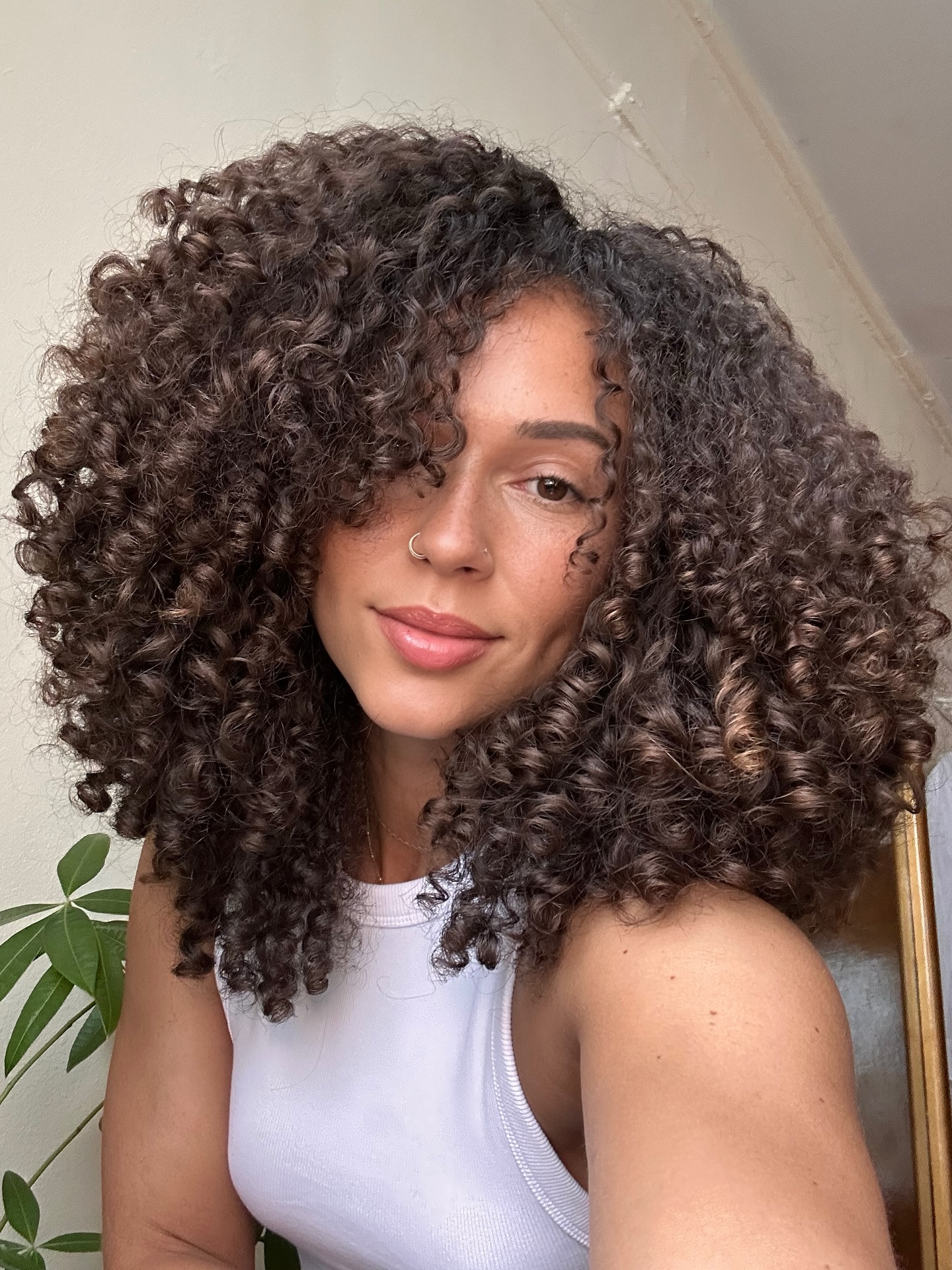
Courtesy of: latest-hairstyles.com
Chestnut brown may be the single most flattering color family for curls. Each curl catches light differently, so the red-brown undertones shift and shimmer across the head in a way straight hair cannot replicate. Voluminous, defined curls in rich chestnut look full and dimensional even with a simple single-process color, which keeps the salon bill reasonable.
Color-wise, ask for an all-over chestnut with a moisturizing formula, since curly hair tends toward dryness and dryness dulls warm tones fastest. The styling routine matters as much as the color: curl cream on soaking-wet hair, diffusing or air-drying, and a weekly deep-conditioning mask. The trade-off is that warm tones fade with frequent washing, so curly routines that stretch wash day — co-washing, pineapple-ing overnight — actually protect the color too.
7. Long Chestnut Brown with Polished Waves
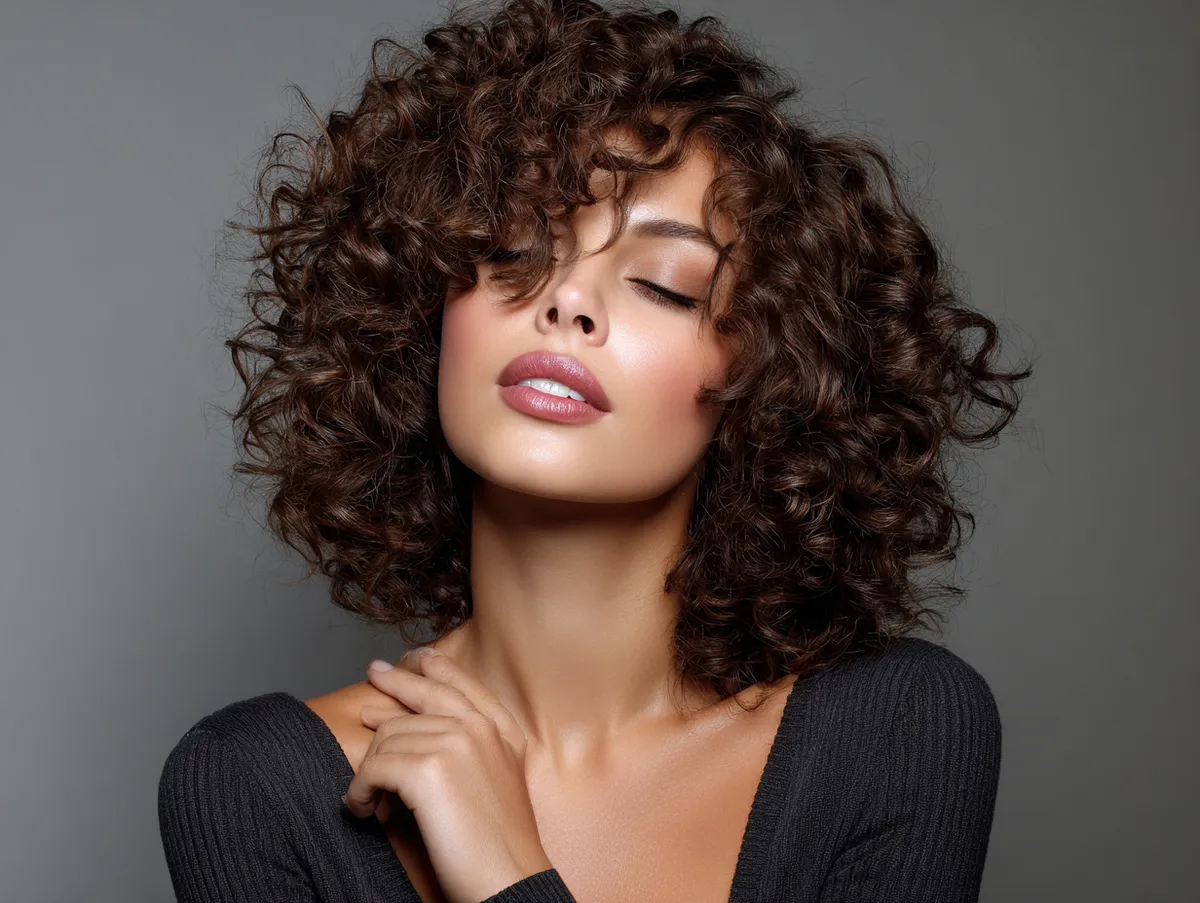
Photo credit: artfasad.com
Long, polished waves are chestnut brown’s most elegant presentation: smooth through the roots, rolling into defined waves from the ears down. The polished finish lets the color read as one continuous ribbon of warm brown, which is particularly striking on very long hair where dimension techniques can start to look busy. This suits formal settings and photographs beautifully. We covered this territory more deeply in Best Old Money Short Hairstyles.
Achieve the waves with a large-barrel curling iron, brushing through for softness, and a flexible-hold spray. The color can be all-over chestnut or a subtle balayage — the styling does the talking. Upkeep is about protecting the investment: heat protectant every time, silk pillowcase to preserve the wave pattern overnight, and trims every eight to ten weeks, since split ends are most visible on long, dark, shiny hair.
8. Reddish Chestnut Brown with Warm Undertones
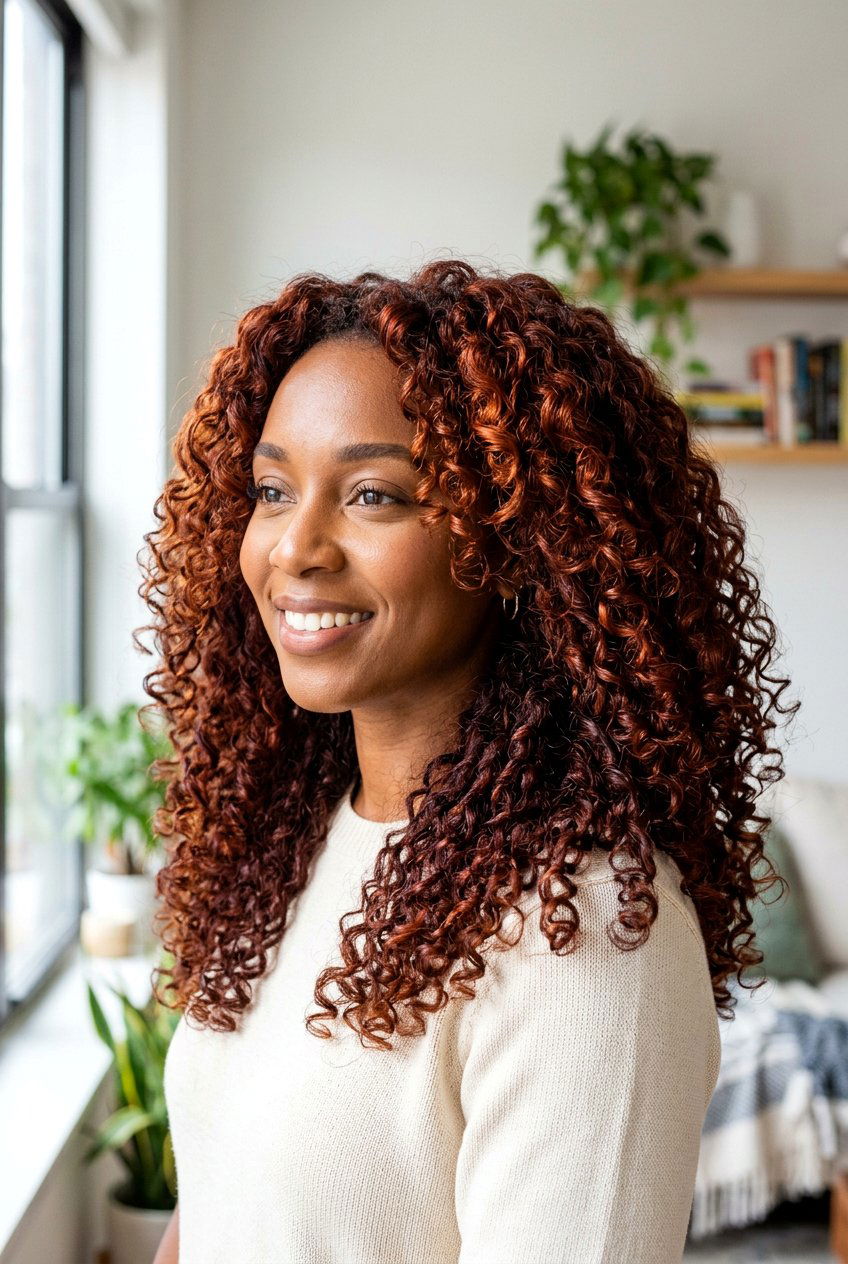
Image credit: lovelyish.com
Leaning into the red side of chestnut produces a shade with real fire: unmistakably warm, with copper-red undertones glowing through the brown base. This version flatters warm and neutral skin tones especially, and green or hazel eyes tend to look striking against it. It is the boldest of the classic chestnuts without crossing into fashion-color territory.
Ask for a chestnut formula with boosted red or copper pigment — many colorists will add a red intensifier to a chestnut base. Be realistic about fading: red molecules are the largest and wash out fastest, so this shade needs color-depositing conditioner or a red gloss every few weeks to stay vivid. Those who wash daily or swim regularly may find the maintenance demanding and could prefer the softer warmth of idea 1 instead.
9. Natural Chestnut Brunette with an All-Over Color
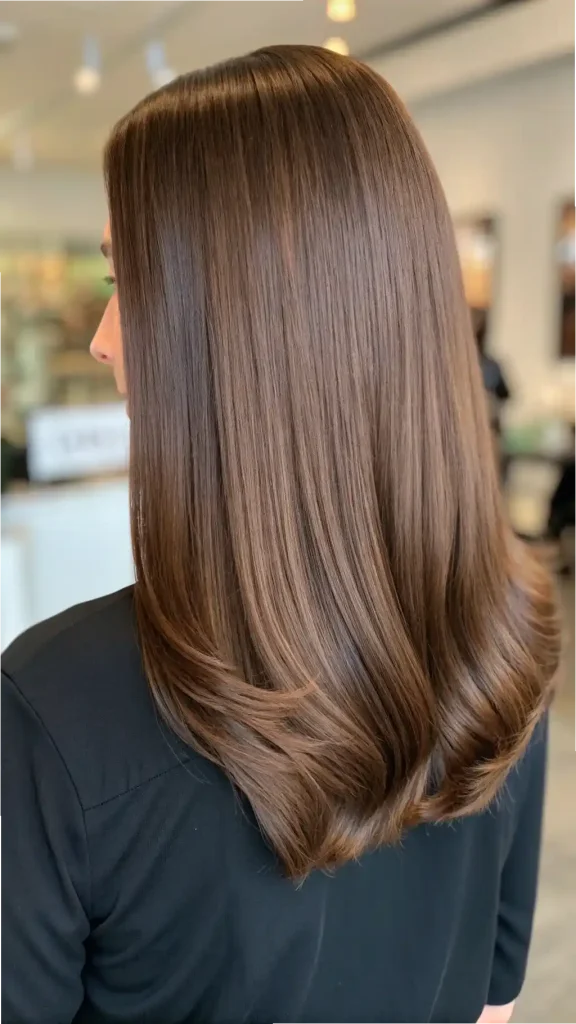
Source: herstylepulse.com
The quiet luxury version of chestnut: a mid-brown brunette with just enough red warmth to read as chestnut rather than plain brown. Nothing about it shouts, which is precisely the appeal — it looks like exceptionally healthy natural hair. This is a strong choice for professional settings or for anyone whose wardrobe leans neutral and wants hair that complements rather than competes.
A demi-permanent color is ideal here, since it deposits warmth and shine without a harsh regrowth line. Ask for a level 5 or 6 neutral-warm brown with a chestnut reflect. Maintenance is light: refresh the demi every six to eight weeks, and the grow-out stays soft enough that stretching an appointment rarely looks unkempt. The trade-off is subtlety itself — those wanting visible dimension should look at ideas 3 or 4 instead. For the fuller picture, Fall Hairstyle Ideas for Women Over 50 is worth your time.
10. Cinnamon-Spiced Chestnut Brown
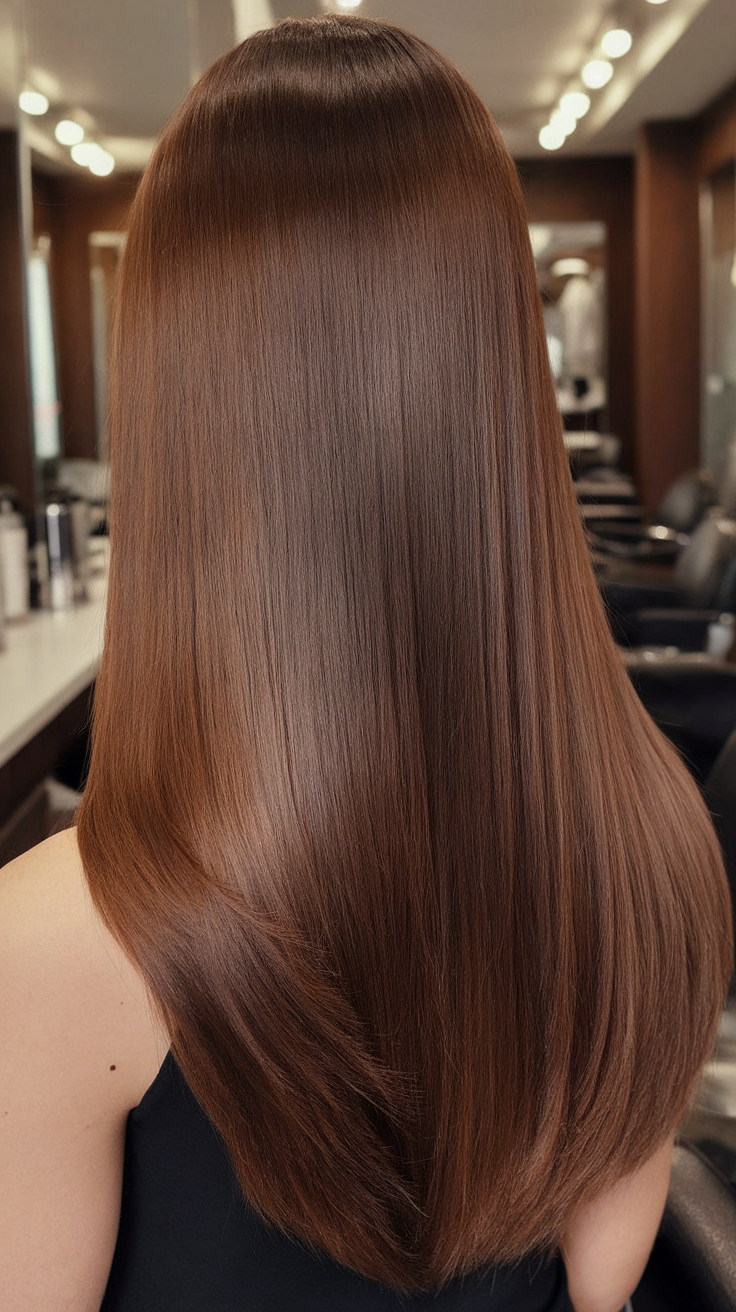
Via glowinspo.com
Cinnamon chestnut turns the spice up a notch: warm, reddish-brown with a distinctly fiery, almost metallic glow. It sits between classic chestnut and full copper, giving more vibrancy than idea 8’s reddish chestnut while staying firmly in wearable territory. Medium and olive skin tones tend to wear it beautifully, as the warmth harmonizes rather than clashes.
The salon formula typically layers a copper or red-gold reflect over a chestnut base. On naturally dark hair, some lifting may be needed to let the cinnamon show through — without it, the result can read muddy rather than spicy. Plan on gloss refreshes every six weeks and color-safe care, since the vivid warmth fades faster than muted browns. If the upkeep sounds like a lot, a cinnamon gloss over existing chestnut offers a lower-commitment trial.
11. Chestnut Brown Long Bob with Curtain Bangs
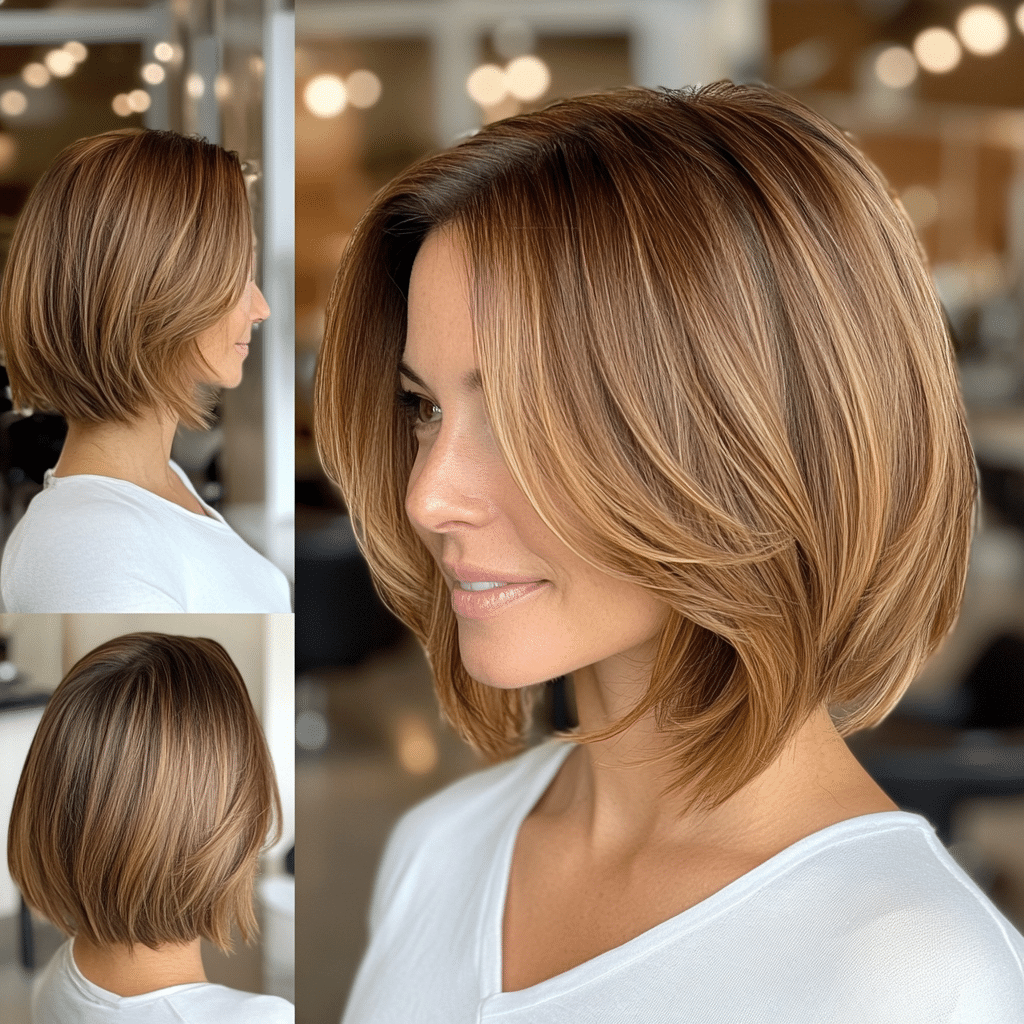
Courtesy of: hairs.london
A collarbone-grazing lob in warm chestnut, paired with curtain bangs that part softly in the middle and frame the cheekbones. The cut does two things for the color: the blunt-ish perimeter makes the chestnut look denser and richer, while the face-framing bangs put the warm tones right where they brighten the complexion. It is a particularly flattering combination for longer face shapes, where the horizontal line of the bangs adds welcome width.
Request a long bob with minimal layering through the ends and curtain bangs cut to cheekbone or lip length. The color can be all-over chestnut; the shape provides the interest. Styling takes five minutes with a round brush or a quick pass of a flat iron bent outward at the ends. Budget for bang trims every three to four weeks — curtain bangs grow out gracefully, but the framing effect dulls once they pass the chin.
12. Dark Chestnut Brown with Blunt One-Length Ends
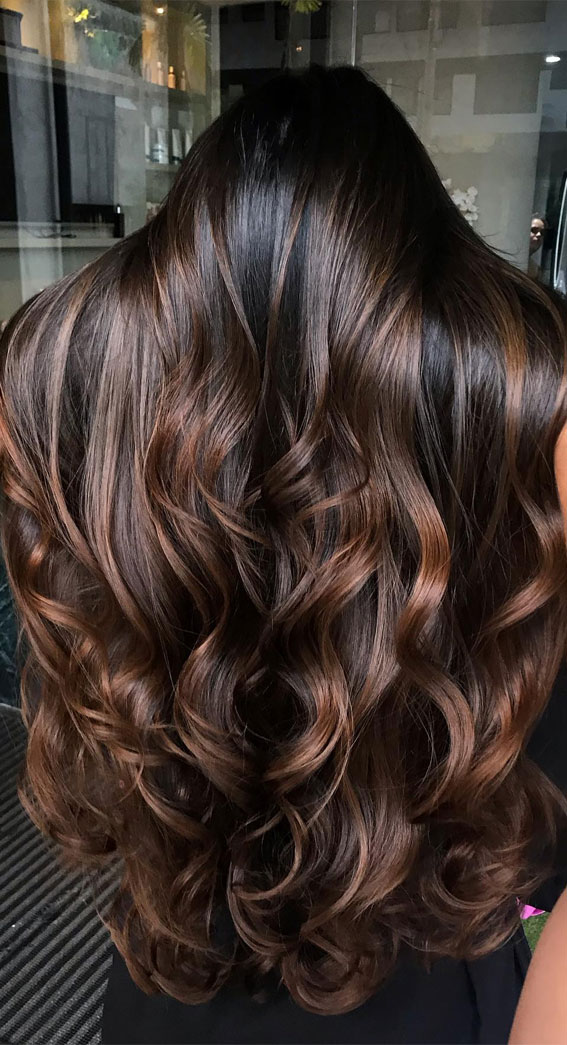
Photo credit: itakeyou.co.uk
Where idea 2 played with gloss and depth, this version is about architecture: dark chestnut worn in a one-length cut with crisp, blunt ends. The sharp perimeter makes even fine hair look thick, and the uninterrupted fall of dark warm brown has a graphic, editorial quality. It suits straight and slightly wavy textures best — tight curls will not hold the blunt line. If this look speaks to you, Best Hairstyles for Round Faces 2025 continues the thread.
Ask for a one-length cut with no layering and a dark chestnut base, level 4 to 5. The bluntness means trims every six to eight weeks to keep the line sharp; grow-out shows quickly on a geometric cut. Color maintenance is moderate since dark bases hide regrowth, but the ends take the most heat and mechanical stress, so a reparative treatment keeps the perimeter from looking frayed, which would undo the whole effect.
13. Sleek Glass-Hair Chestnut Brown
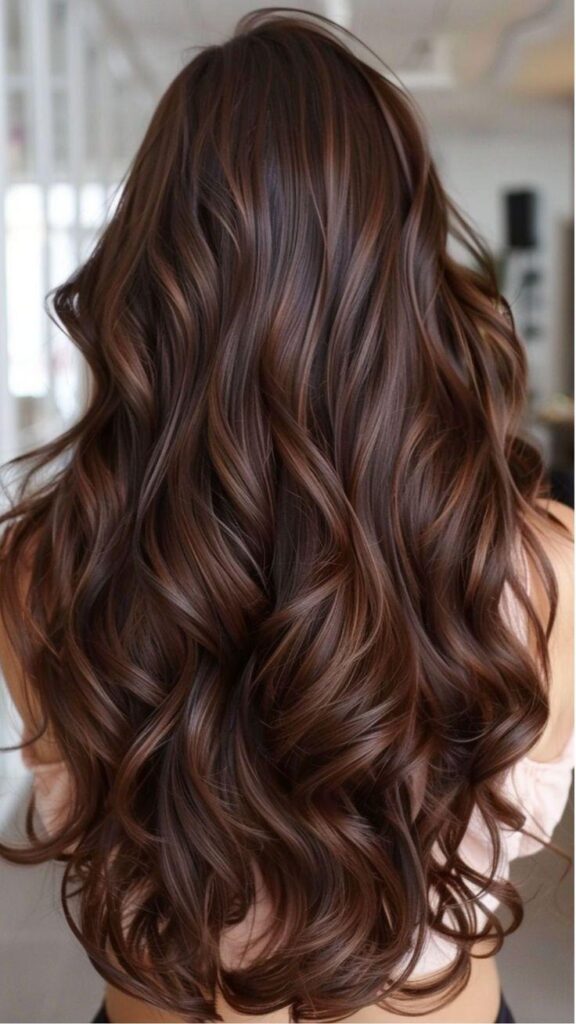
Image credit: hairstunner.com
Glass hair — pin-straight, reflective, almost liquid — turns chestnut brown into a mirror for its own warm undertones. Every strand aligned means maximum light reflection, so the red-brown depth reads at full intensity. This is the most high-impact way to wear a simple all-over chestnut, and it suits medium to long lengths where the sheet of shine has room to show.
The foundation is healthy hair: regular trims, minimal overlapping color, and a smoothing treatment if frizz is a battle. Style with a flat iron in small sections, a pea-sized amount of shine serum, and a light flexible spray — heavy products kill the glass effect. The honest trade-off is regrowth visibility: on stick-straight hair there is nowhere for roots to hide, so this pairs best with a root-touch-up schedule you will actually keep, or a root shadow that softens the line.
14. Chestnut Brown Pixie with Textured Layers
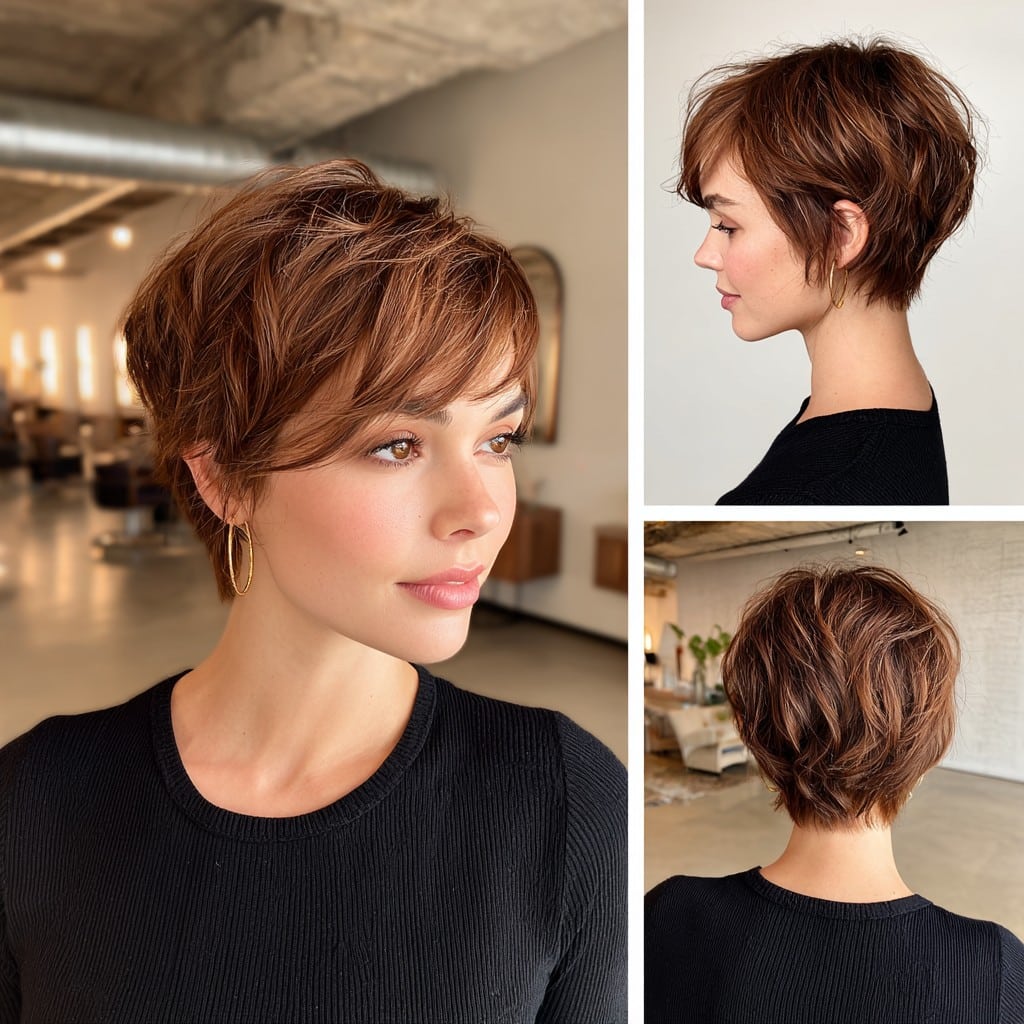
Source: hairs.london
Chestnut brown on a pixie is a study in contrast: the warmth and richness of the color against the boldness of the cut. Textured layers through the crown catch light differently at every angle, so even a single-process color looks dimensional. Short hair also means the eye goes straight to the face, and chestnut’s warmth tends to flatter the complexion up close.
Ask for a textured pixie with length through the top and softer, tapered sides. Color can be simple all-over chestnut — short hair uses less product and processes fast. The commitment here is the cut, not the color: pixies need reshaping every four to six weeks to hold their silhouette. On the plus side, growing out color experiments is painless, making a pixie the lowest-risk way to try chestnut’s redder variations.
15. Chestnut Brown with Copper Highlights
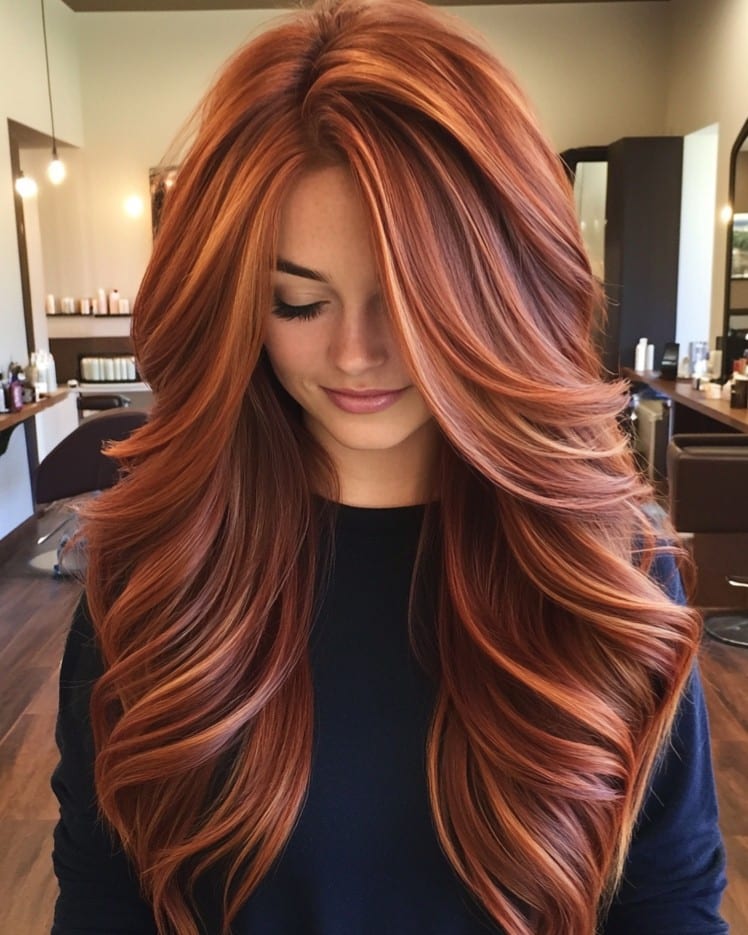
Via hairs.london
Copper highlights threaded through chestnut brown create the liveliest version of this color family: ribbons of bright penny-copper flashing against the deeper red-brown base. The contrast is bolder than golden balayage but more grounded than full copper hair, landing in a sweet spot that feels both rich and energetic. Wavy styling shows off the interplay best. The concept gets a fuller treatment in Stunning Hair Color Ideas That Make Brown.
The technique is foiled or painted copper pieces over a chestnut base, with the brightest pieces kept around the face and ends. Be candid with the colorist about maintenance appetite: copper is among the fastest-fading tones, so this look needs toning gloss refreshes every six to eight weeks and sulfate-free care. Those who love the effect but not the upkeep can ask for fewer, finer copper pieces for a similar feel with less fade to chase.
16. Auburn-Tinged Chestnut Brown
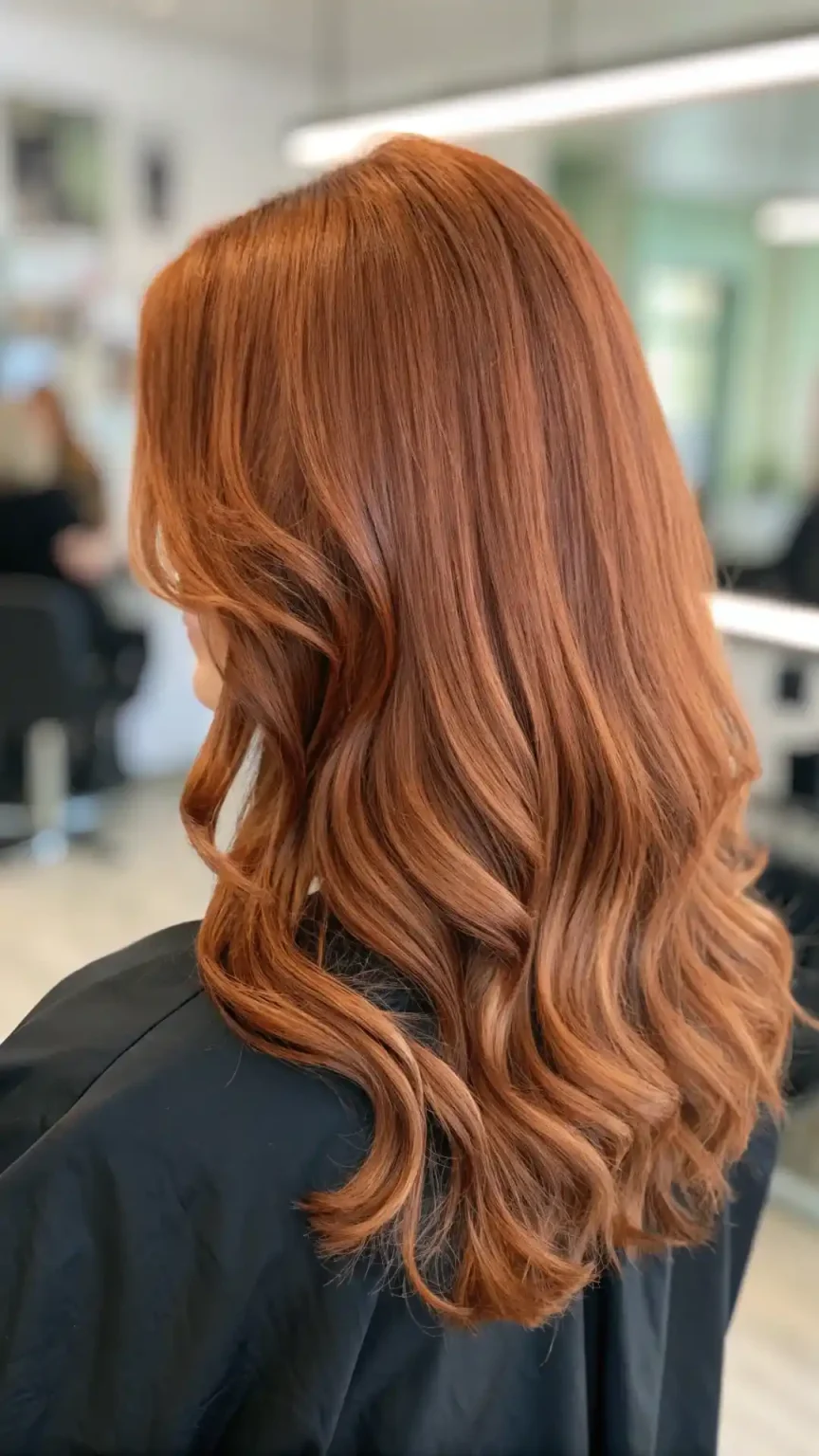
Courtesy of: herstylepulse.com
Pushing chestnut toward auburn yields a shade with unmistakable red presence — deeper than copper, warmer than burgundy. It is a striking choice for fair skin with cool undertones, where the warm red creates beautiful contrast, and it makes blue and green eyes look exceptionally vivid. This is chestnut for people who want their hair color noticed.
Achieving it usually means a chestnut base with significant red-violet or red-copper pigment, and naturally dark hair may need gentle lifting first so the auburn reads as red rather than brown. Maintenance mirrors other red-leaning shades: color-depositing masks, cool-water rinses, and limited heat styling to slow fading. If the fade cycle feels daunting, starting with a gloss rather than permanent color lets you test-drive the redness.
17. Medium Chestnut Brown with a Natural Finish
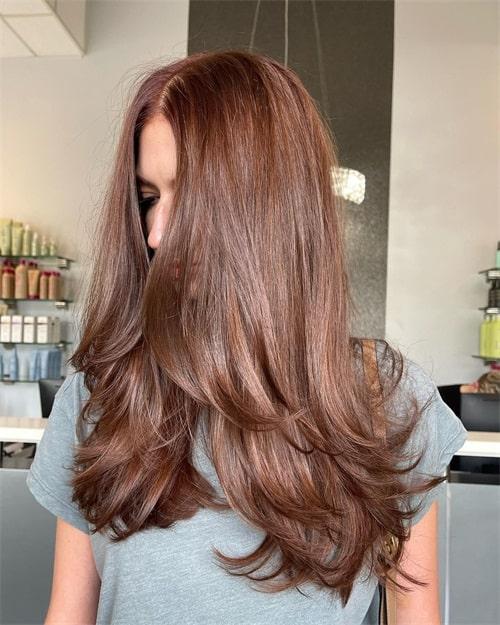
Photo credit: nadula.com
The “your hair but richer” option: a medium chestnut that could plausibly be natural, with soft warmth and no obvious dye line. It enhances rather than transforms, which makes it ideal for a first foray into warm browns or for anyone whose style is understated everywhere else. The natural finish also means it plays well with gray blending, since the soft warmth camouflages sparkle without harsh contrast.
Demi-permanent color is the right tool — it adds tone and shine and fades gradually instead of leaving a line. Ask for a level 6 warm brown with a chestnut reflect, close to the natural base. Upkeep is minimal: reapply every six to ten weeks, or simply let it fade and re-tone when the warmth dulls. The trade-off is impact; this will never be the most dramatic shade in the room, but it may be the most wearable. For more ideas in the same lane, see our Best Summer Hairstyles for Long Hair in 2025 Elegant Easy Looks to Try This Season.
18. Sun-Kissed Golden Chestnut Brown
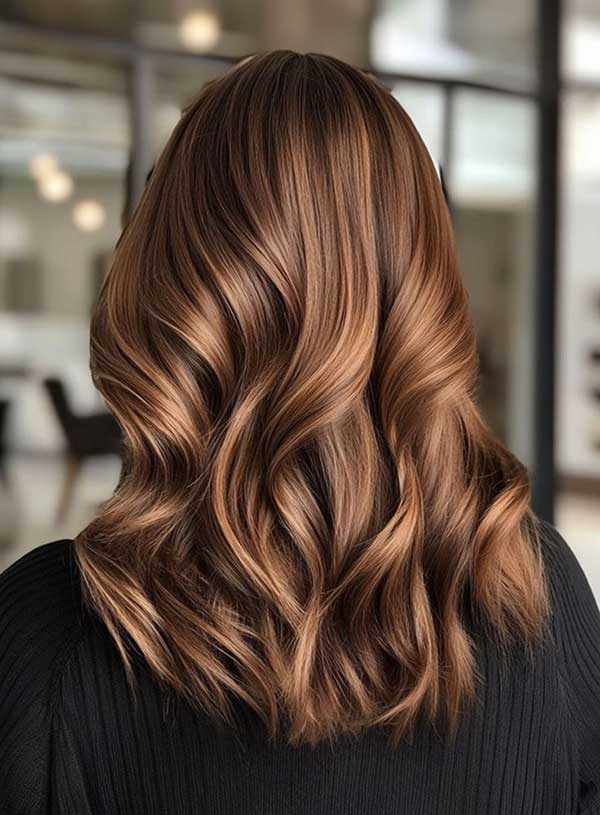
Image credit: cozyfeeds.com
Golden chestnut captures late-afternoon light in hair form: a chestnut base lifted with honey-gold warmth, brightest around the face and ends. The effect is youthful and outdoorsy without venturing into blonde, making it a natural pick for anyone who likes warmth but finds red tones too intense. It flatters warm skin tones especially and gives dull winter hair an instant lift.
The usual approach is a chestnut base with face-framing balayage or a full golden gloss. Because the lightening is concentrated and soft, grow-out is graceful — most people refresh every ten to twelve weeks. The watch-out is brassiness: golden tones on previously colored hair can skew orange, so a skilled colorist and the occasional toning treatment keep the gold honeyed rather than brassy.
19. Soft Chestnut Brown with Warm Dimension
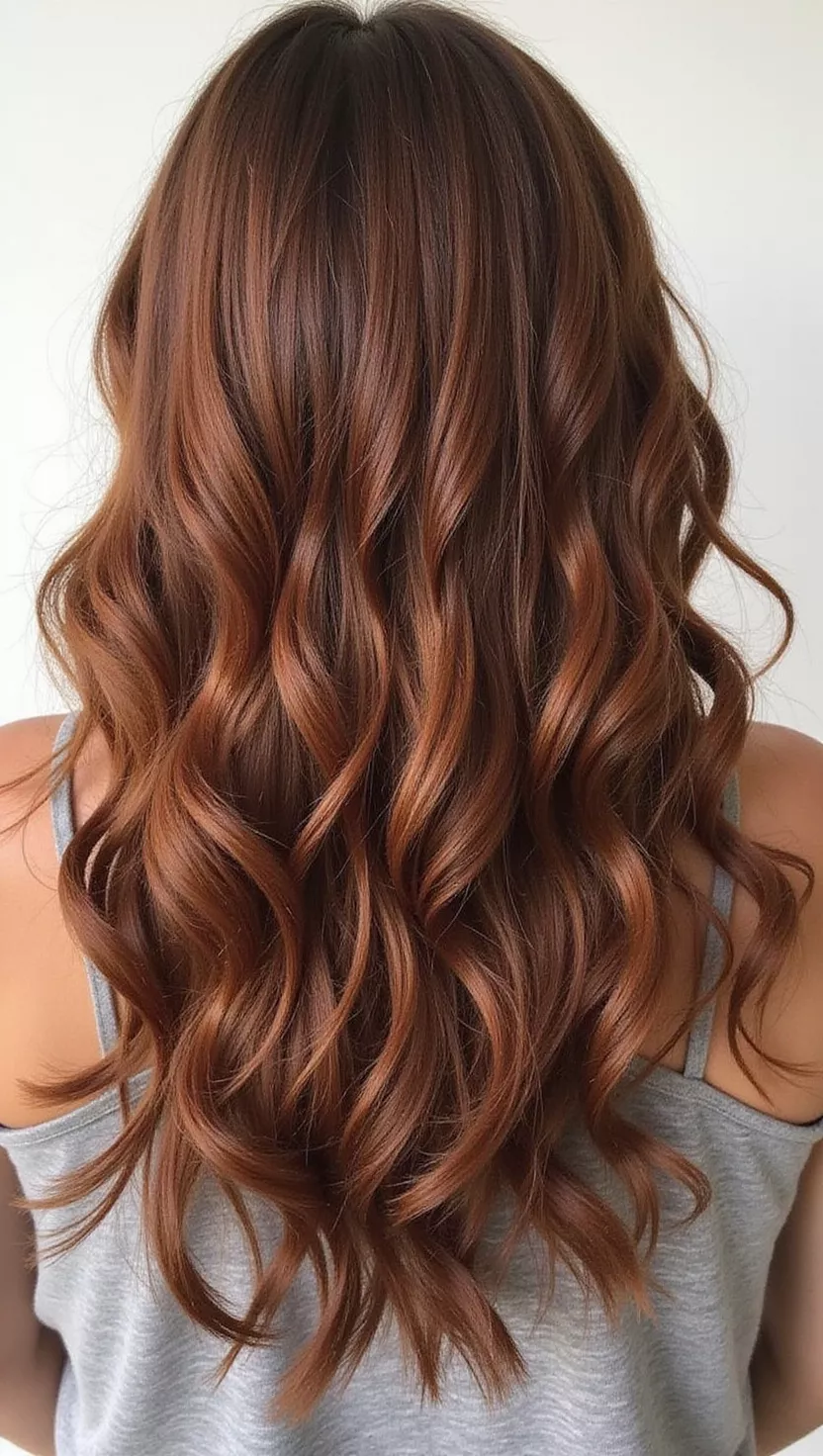
Source: partygleam.com
Not every dimensional color needs visible highlights. This take on chestnut weaves subtle lowlights and soft warm ribbons through the base so the eye registers movement without being able to point to a single highlight. The result is quietly expensive-looking hair with depth that survives even second- and third-day styling, when bolder highlight patterns can start to look piecey.
Ask for dimensional color rather than highlights: a chestnut base with a few panels of slightly deeper and slightly warmer tone. It is typically done in one appointment with no lightener, which keeps hair healthier and the appointment shorter. Maintenance is easy — gloss refreshes every couple of months — and grow-out is nearly invisible. The only real trade-off is that subtlety photographs less dramatically than high-contrast techniques.
20. Golden Chestnut Brown with Luminous Warmth
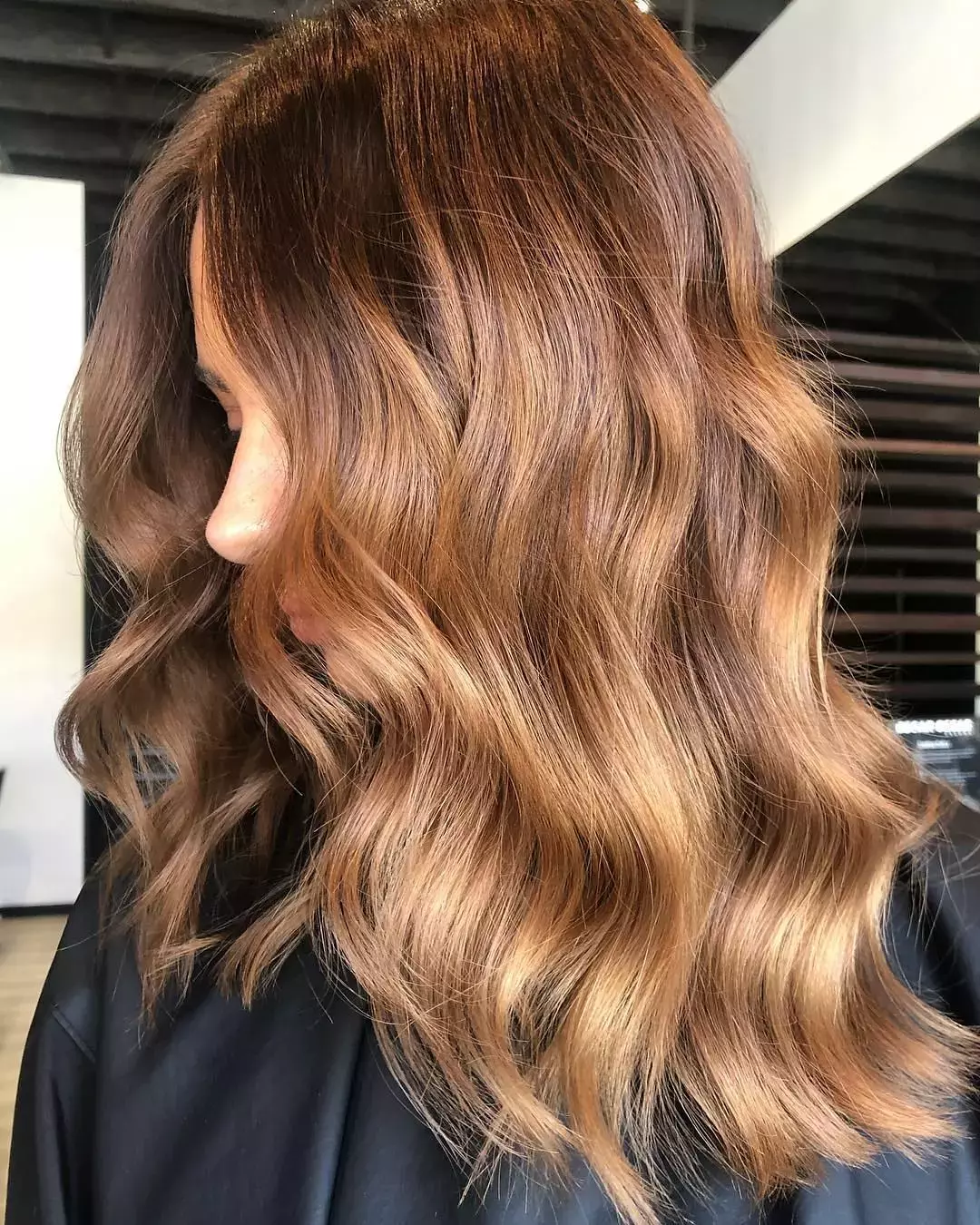
Via herstylecode.com
Where idea 18 kept the gold sun-kissed and partial, this version commits: full golden chestnut from roots to ends, luminous and unapologetically warm. It is the most light-reflective of the chestnut family, which makes fine hair look thicker and gives medium skin tones a lit-from-within glow. In autumn light it is genuinely show-stopping. We break down a similar look in Fall 2025 Hairstyles for Women Over 50.
Achieving even golden warmth usually requires lifting the natural base slightly, then toning gold — skipping the lift risks uneven, muddy warmth. Because the whole head is lightened, this needs more care than partial techniques: bond-building treatments, sulfate-free shampoo, and gloss refreshes every six to eight weeks. Those with very dark natural hair should budget for the lift session honestly rather than hoping one process will do it.
21. Rich Chocolate Chestnut Brown
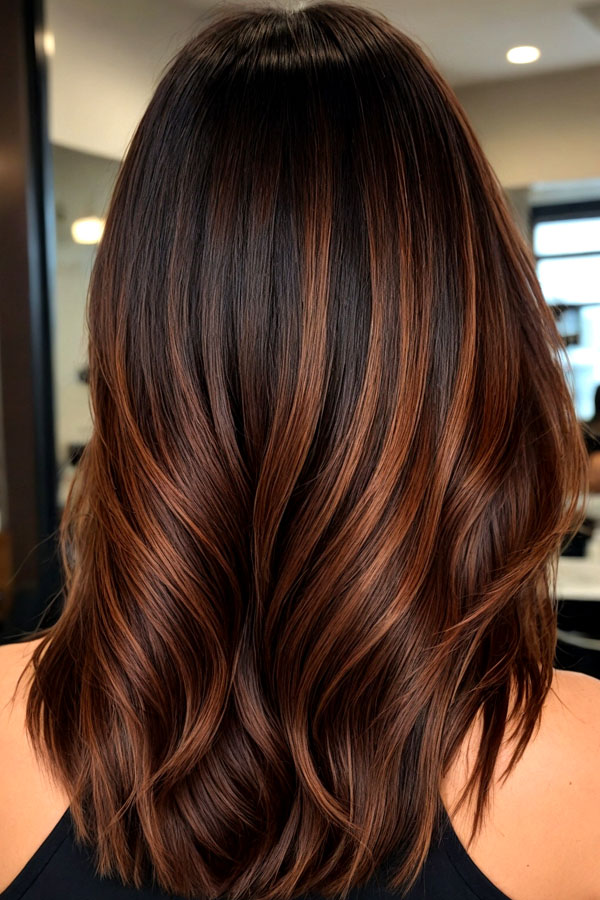
Courtesy of: fabmood.com
Chocolate chestnut leans into the brown side of the family: deep, cocoa-rich, with the red warmth sitting underneath rather than on top. It is the most understated of the warm chestnuts — professional, seasonless, and flattering on nearly everyone. Thick hair looks especially luxurious in it, as the depth emphasizes density.
Ask for a level 4 to 5 brown with a warm chestnut reflect rather than a neutral or ash base; the warmth is what separates this from flat dark brown. Regrowth is low-contrast and the fade is graceful, so appointments can stretch to eight weeks comfortably. The main consideration is lighting: indoors this can read close to plain dark brown, so those wanting visible warmth may prefer it with a few face-framing lighter pieces.
22. Chestnut Brown Waves with Curtain Bangs
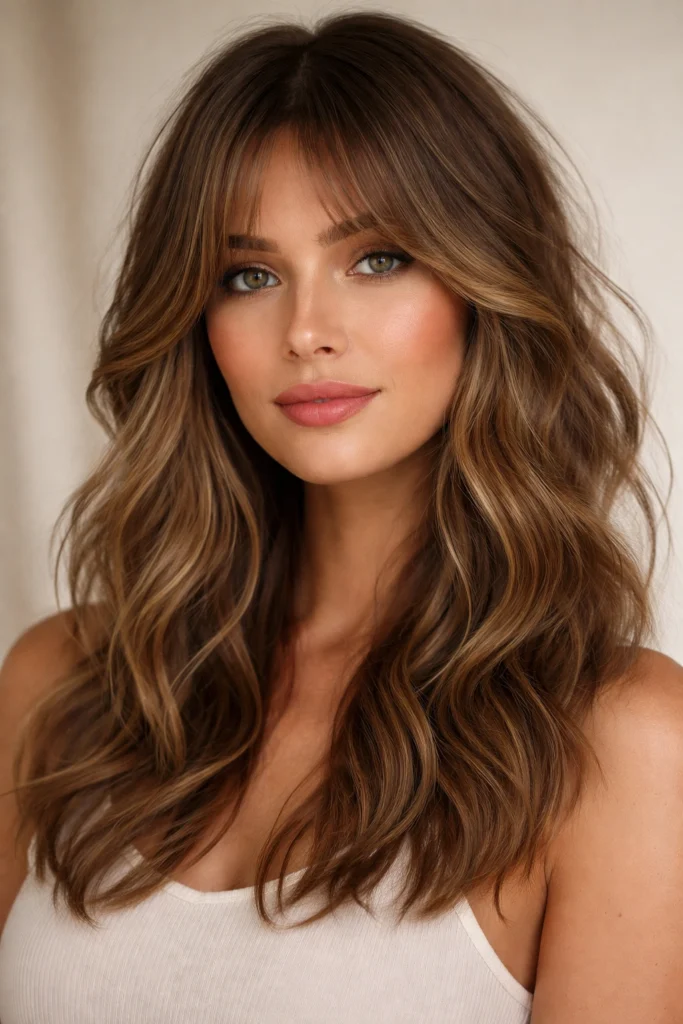
Photo credit: hairtical.com
Medium-length chestnut waves paired with curtain bangs make one of the most universally flattering combinations in this roundup. The bangs draw attention to the eyes and cheekbones while the waves add softness, and the chestnut warmth keeps the whole look from feeling severe. It suits most face shapes, working particularly well to balance wider foreheads and longer faces.
The cut is medium length with long layers and curtain bangs that blend into the face frame. Color-wise, all-over chestnut or subtle balayage both work — the silhouette is the star. Style the bangs with a round brush swept outward and the lengths with a wand for loose waves. Plan bang trims every three to four weeks; everything else follows a normal six-to-eight-week trim cycle. The same theme, explored from another angle, is in Hair Color Ideas for Pale Skin.
23. Long Chestnut Layers with a Soft Fringe
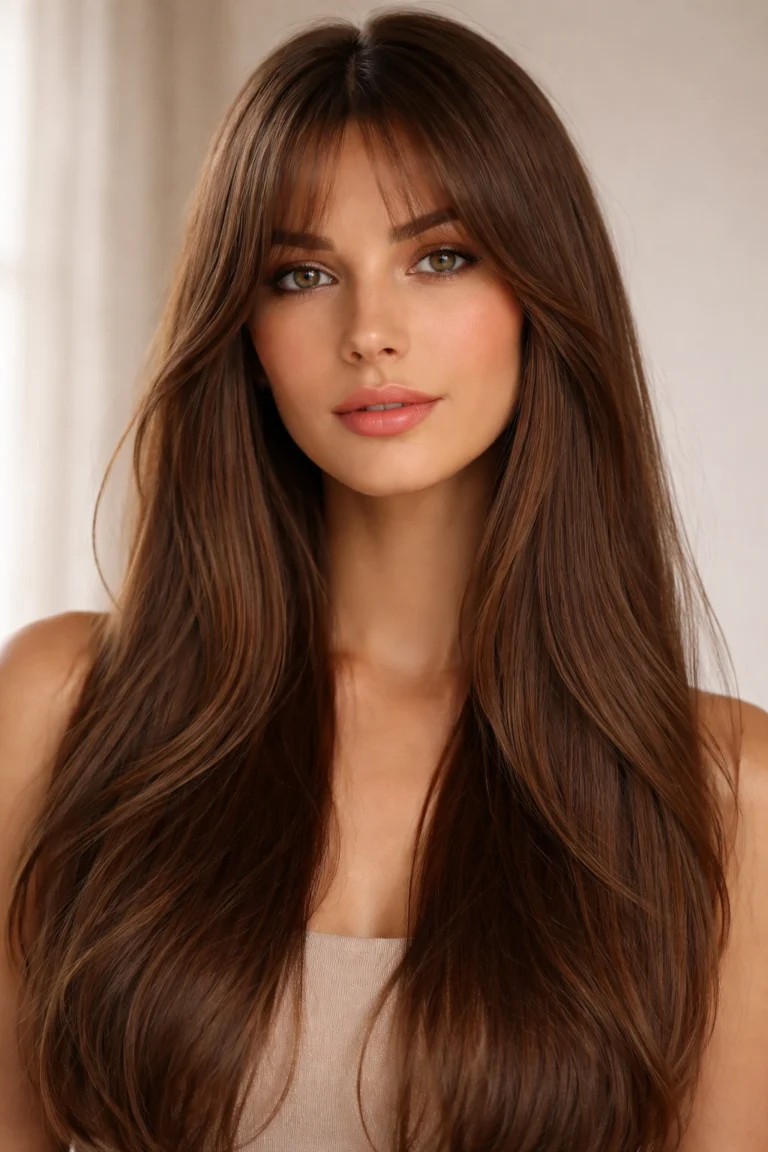
Image credit: hairtical.com
For those committed to long hair, a soft fringe breaks up the length and brings the chestnut warmth right to the face. Unlike a blunt fringe, the soft version feathers at the edges and grows out without an awkward phase, making it the lowest-risk way to try bangs with long layers. The face-framing layers starting at the chin keep very long hair from dragging the features down.
Request long layers with a soft, textured fringe cut to brow or lash length. The fringe needs trims every three to four weeks to stay out of the eyes, though the feathered edge buys forgiveness. Color can stay simple: an all-over chestnut lets the cut’s movement show. This is a good pick for longer face shapes, where the fringe shortens the visual length of the face.
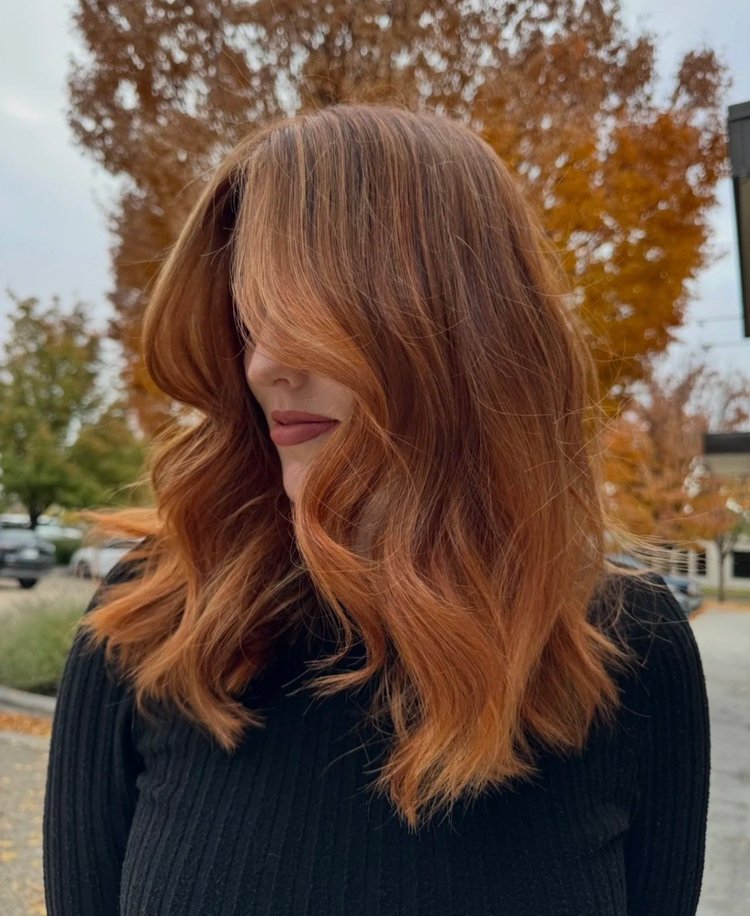
24. Salon-Gloss Chestnut Brown with a Bouncy Blowout
Source: beautifulreaction.com
The finishing touch that elevates every other idea on this list: a professional gloss treatment over chestnut brown, styled into a bouncy blowout. A clear or warm-tinted gloss seals the cuticle, evens out fading between appointments, and adds the kind of reflective shine that reads as expensive. Think of it less as a color change and more as a topcoat for hair.
Book a gloss — demi-permanent, no lift — every six to eight weeks, either alone or with a trim. It takes about twenty minutes and works over any of the chestnut shades above. There is no real trade-off beyond the appointment itself, which is why colorists recommend it so consistently: it is the simplest way to keep warm browns looking freshly colored. Pair it with the round-brush blowout routine from idea 5 for the full salon-fresh effect at home.
Final Thoughts
Across these 24 ideas, the strongest chestnut brown looks succeed because of dimension, undertone control, and face framing — not simply because the shade is warm. A well-placed highlight, a gloss that keeps the red from fading, or a fringe that puts warmth near the complexion does more work than the base color alone. Choose based on maintenance appetite first: all-over demi-permanent chestnut and soft dimensional color are the lowest-commitment entries, while copper highlights, golden balayage, and red-leaning shades ask for regular gloss refreshes. Then match the texture and cut to your routine — curls, bobs, pixies, and long layers each show chestnut differently — and pick the warmth level that flatters your skin tone rather than fighting it.
- Trim every six to eight weeks to keep the shape sharp.
- Use a heat protectant before every hot-tool session.
- Tone blonde or highlighted hair every six weeks to keep brassiness away.
- Match the upkeep schedule to your routine before committing to high-maintenance color.
The best color is the one that still looks intentional at week six.