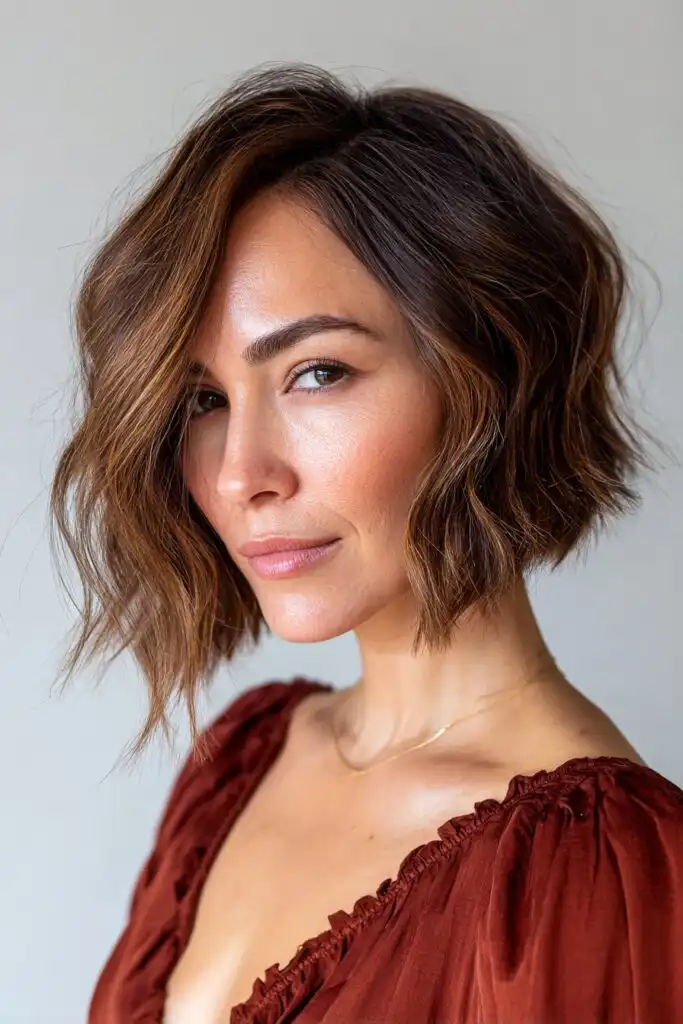
Medium haircuts split the difference between long-hair versatility and short-hair ease, and the most interesting ones right now lean into texture rather than perfect smoothness. Soft face-framing layers and curtain bangs have replaced the flat-ironed finish of a few years ago, and the result is hair that looks styled with less daily work. For more inspiration, see these easy fall hairstyles for medium hair.
These twenty ideas cover low-upkeep blunt ends, layered lobs that need a round brush, and shags that air-dry into shape. Fine hair that falls flat and thick hair that wants movement both get options here, and every cut notes the trim schedule that keeps it looking deliberate rather than grown out. If you like layered shapes, these easy fall hairstyles for medium hair are a useful comparison.
Blonde Balayage Layered Lob With Curtain Bangs
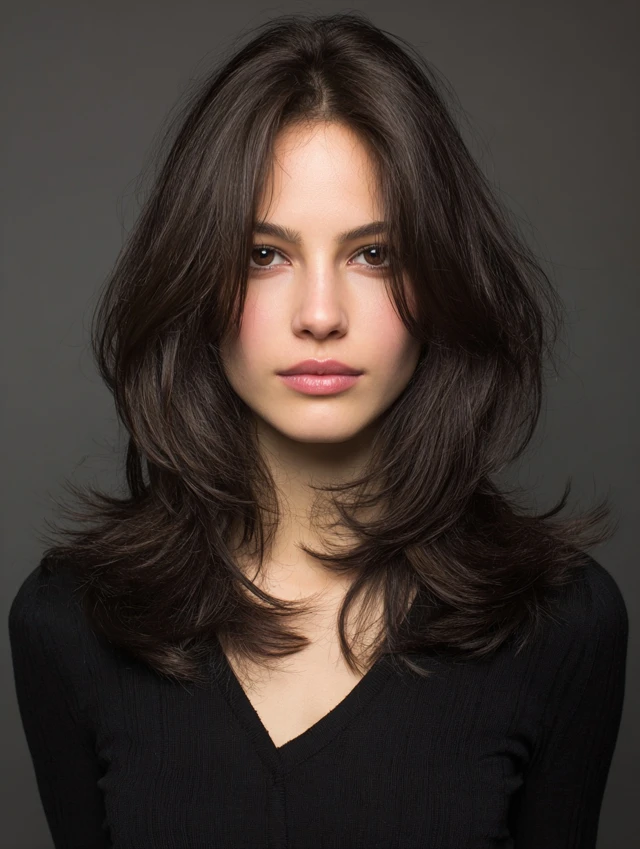
Photo via womenshairtoday.com
The blonde balayage layered lob with curtain bangs earns its place through the cut itself: layers placed to fall at specific points, so the hair swings rather than sits. The base colour stays rich and natural, with subtle lighter pieces woven through to add dimension without a full colour overhaul.
Styling is a fifteen-minute job once the cut is right: a round brush for the front pieces, a diffuser or air-dry for the rest, and a texturising spray to keep the layers separate. Trim every six to eight weeks to keep the shape, and sooner for the fringe, which loses its line first. Related reading: fall bangs bob combo ideas.
Dark Brown Lob With Auburn Highlights and Curtain Bangs
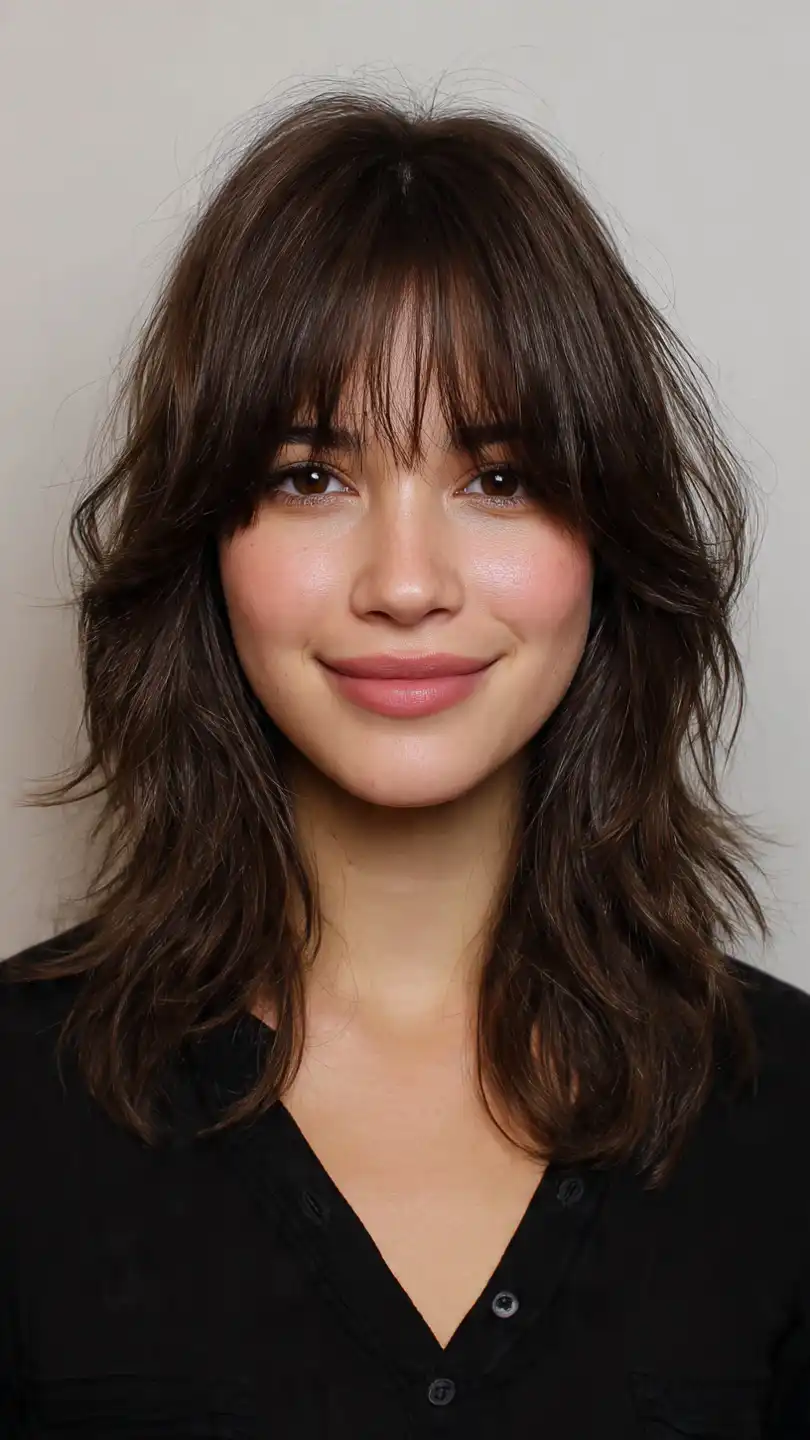
Image credit: dripdecoded.com
What makes the dark brown lob with auburn highlights and curtain bangs work is the balance between length and layering. The front pieces frame the face and soften the jawline, while the back keeps enough weight to hold a blowout, and the result reads as polished without looking overdone.
Ask your stylist for the dark brown lob with auburn highlights and curtain bangs and be specific about where the shortest layer should land — chin, cheekbone or collarbone changes everything. A middle part keeps the shape symmetrical, while a side part adds lift at the crown for narrower faces.
Medium Shag With Full Bangs and Choppy Layers
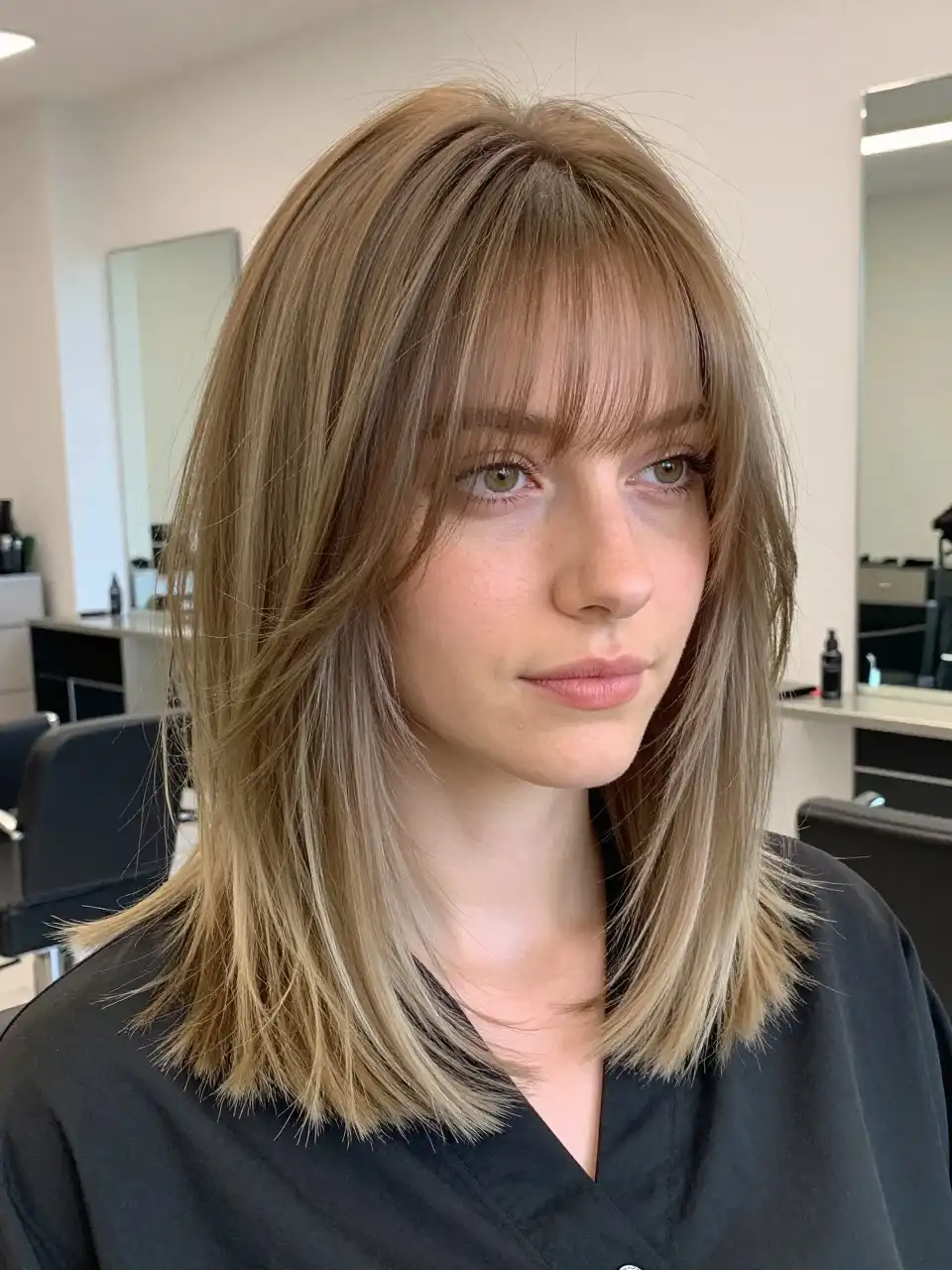
Courtesy of beautywaymag.com
This cut is built around texture rather than perfect smoothness. The layers remove just enough bulk to let the natural wave or bend show, and the fringe — where there is one — blends into the face-framing pieces instead of stopping in a hard line.
The trade-off is maintenance against versatility. Longer layers grow out gracefully and need fewer appointments, while shorter, choppier layers look sharper but demand a trim every four to six weeks. Colour needs a toning appointment every eight to ten weeks if ash or blonde tones are involved. Related reading: fall bob hairstyles ideas.
Collarbone Layered Cut With Voluminous Blowout

Source: womenshairtoday.com
The collarbone layered cut with voluminous blowout suits hair that already has some natural movement, because the layers amplify what is there rather than manufacturing it. On very straight hair the same cut needs a round brush or a large-barrel iron to show the shape at all.
Fine hair benefits from this cut when the layers start below the chin, preserving density at the ends; thick hair needs the interior layering to stop the shape turning triangular. A smoothing serum on damp hair keeps frizz down, and a heat protectant is non-negotiable before any hot tool.
Textured Wavy Lob With Side-Swept Bangs
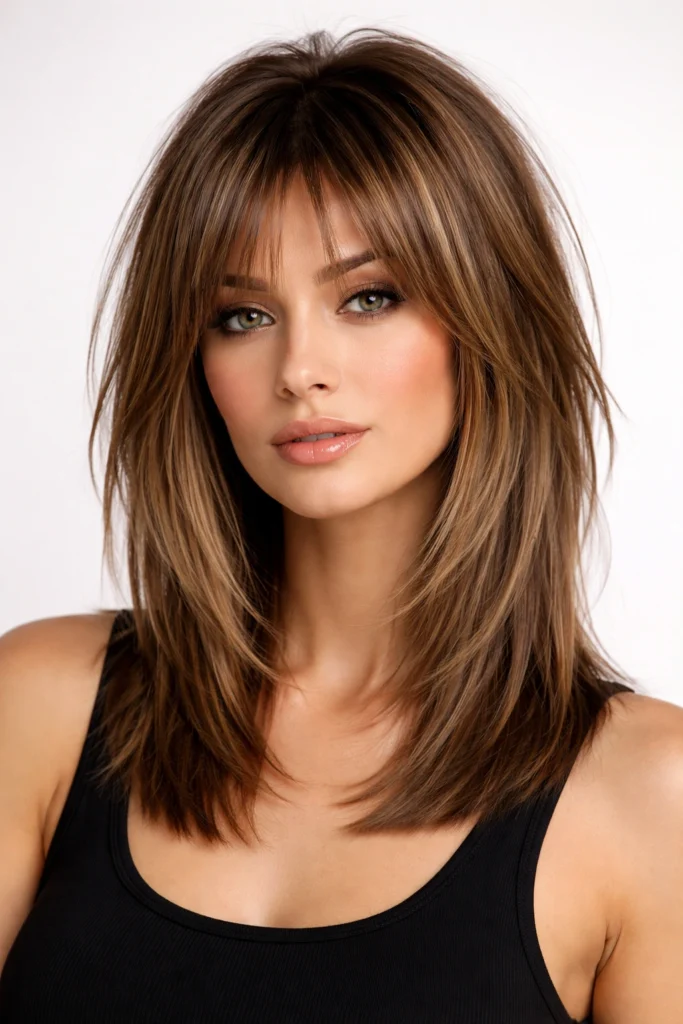
Via hairtical.com
The textured wavy lob with side-swept bangs earns its place through the cut itself: layers placed to fall at specific points, so the hair swings rather than sits. The base colour stays rich and natural, with subtle lighter pieces woven through to add dimension without a full colour overhaul.
Styling is a fifteen-minute job once the cut is right: a round brush for the front pieces, a diffuser or air-dry for the rest, and a texturising spray to keep the layers separate. Trim every six to eight weeks to keep the shape, and sooner for the fringe, which loses its line first. Related reading: fall pixie haircut ideas.
Thick Wavy Lob With No Bangs
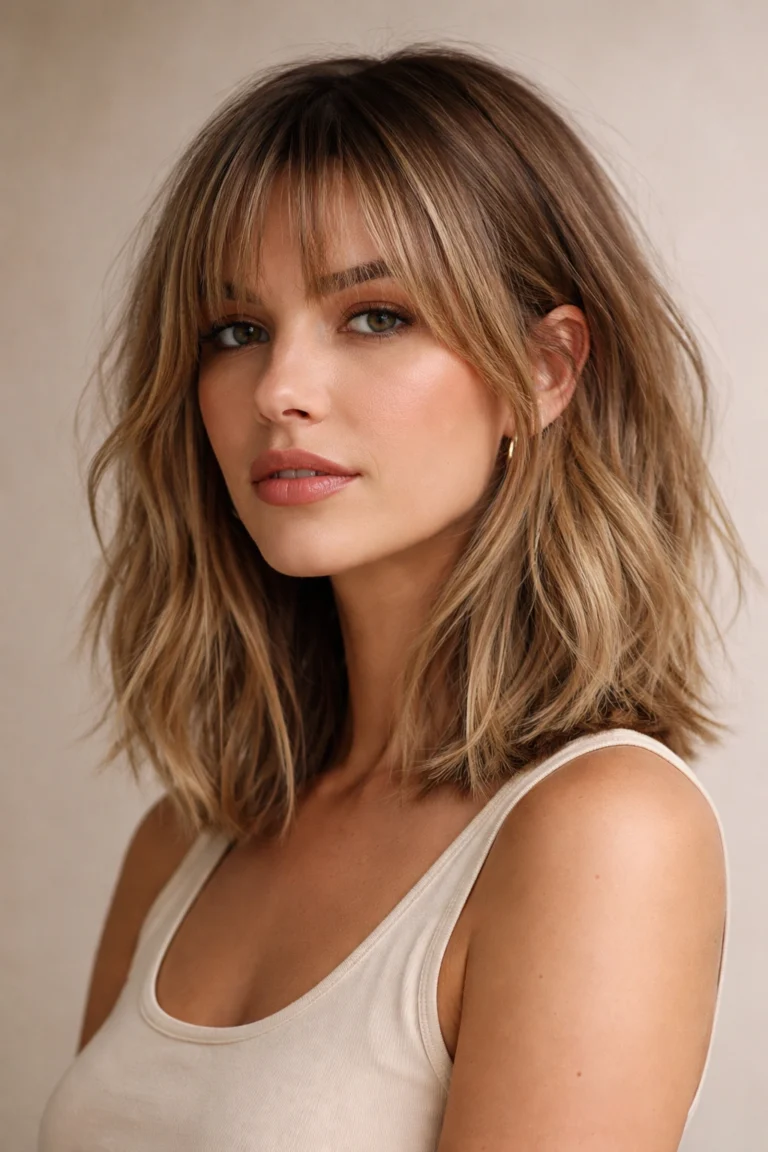
Photo via hairtical.com
What makes the thick wavy lob with no bangs work is the balance between length and layering. The front pieces frame the face and soften the jawline, while the back keeps enough weight to hold a blowout, and the result reads as polished without looking overdone.
Ask your stylist for the thick wavy lob with no bangs and be specific about where the shortest layer should land — chin, cheekbone or collarbone changes everything. A middle part keeps the shape symmetrical, while a side part adds lift at the crown for narrower faces.
Dark Brown Collarbone Cut With Curtain Bangs
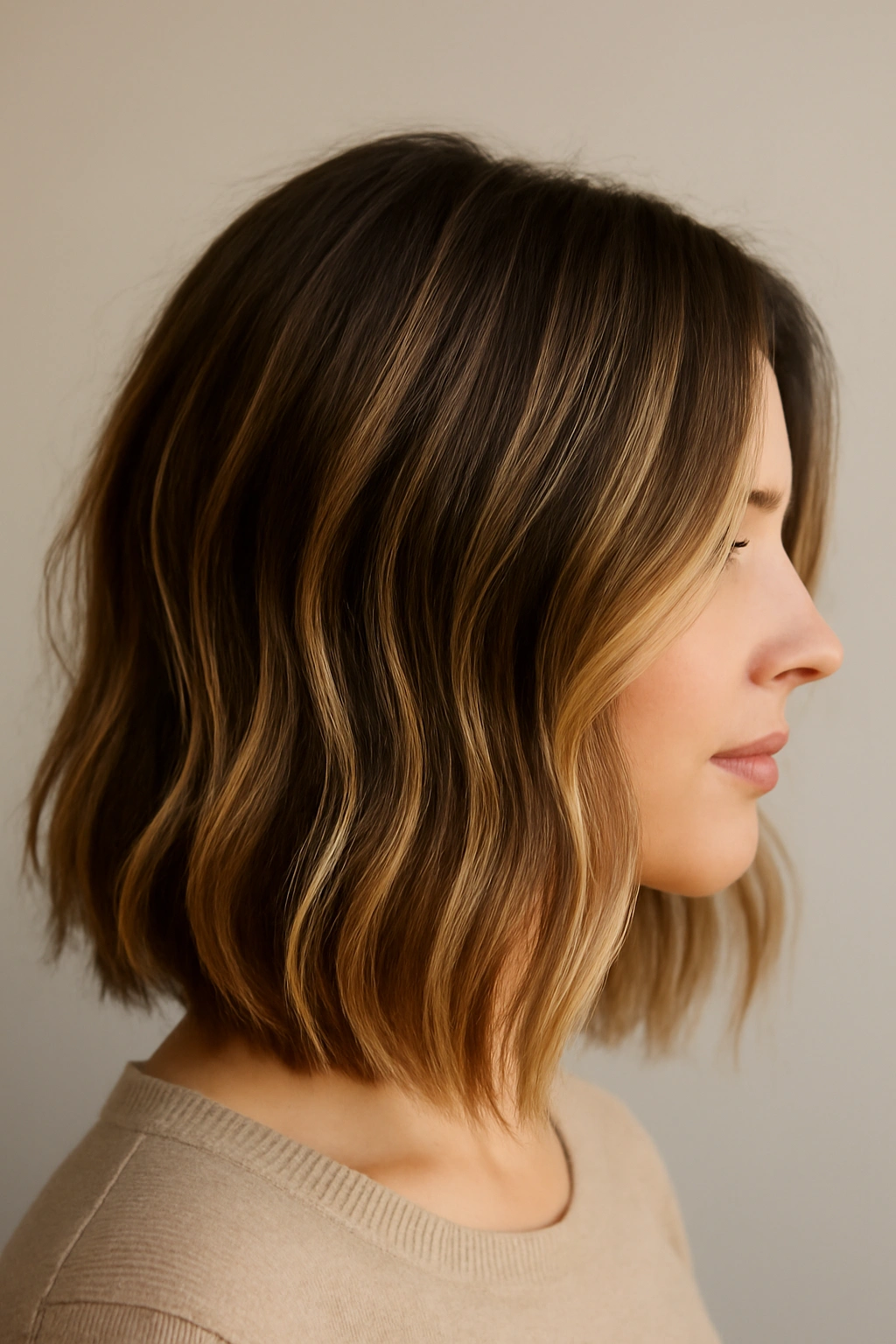
Image credit: hairtical.com
This cut is built around texture rather than perfect smoothness. The layers remove just enough bulk to let the natural wave or bend show, and the fringe — where there is one — blends into the face-framing pieces instead of stopping in a hard line.
The trade-off is maintenance against versatility. Longer layers grow out gracefully and need fewer appointments, while shorter, choppier layers look sharper but demand a trim every four to six weeks. Colour needs a toning appointment every eight to ten weeks if ash or blonde tones are involved. Related reading: best bob haircuts for women modern short cuts with soft layers.
Medium Brown Lob With Face-Framing Layers
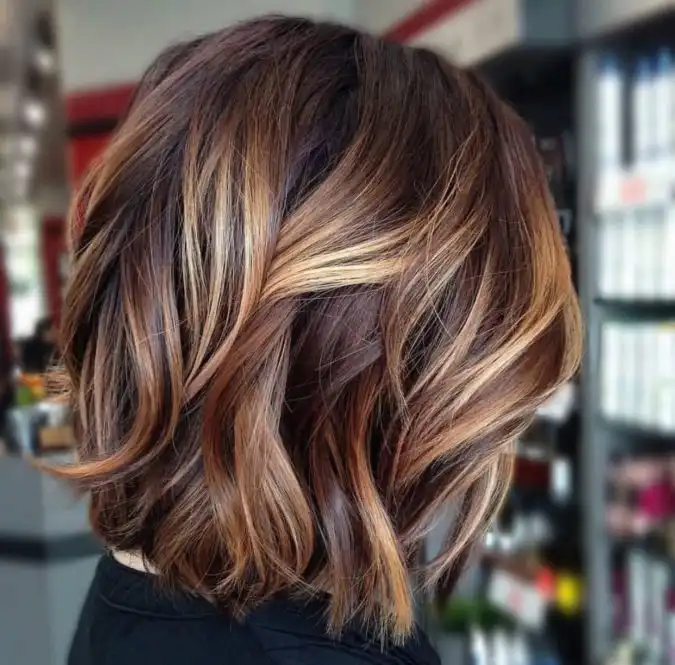
Courtesy of pouted.com
The medium brown lob with face-framing layers suits hair that already has some natural movement, because the layers amplify what is there rather than manufacturing it. On very straight hair the same cut needs a round brush or a large-barrel iron to show the shape at all.
Fine hair benefits from this cut when the layers start below the chin, preserving density at the ends; thick hair needs the interior layering to stop the shape turning triangular. A smoothing serum on damp hair keeps frizz down, and a heat protectant is non-negotiable before any hot tool.
Caramel Balayage Layered Bob With Curtain Bangs
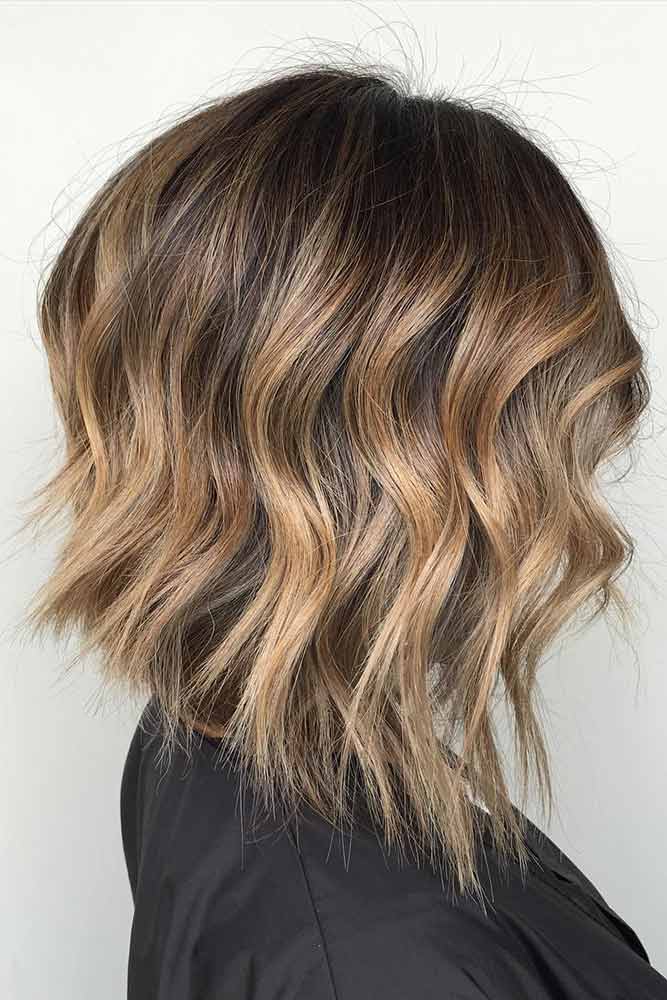
Source: lovehairstyles.com
The caramel balayage layered bob with curtain bangs earns its place through the cut itself: layers placed to fall at specific points, so the hair swings rather than sits. The base colour stays rich and natural, with subtle lighter pieces woven through to add dimension without a full colour overhaul.
Styling is a fifteen-minute job once the cut is right: a round brush for the front pieces, a diffuser or air-dry for the rest, and a texturising spray to keep the layers separate. Trim every six to eight weeks to keep the shape, and sooner for the fringe, which loses its line first. Related reading: fall medium haircuts.
Blonde Lob With Side-Swept Bangs and Loose Waves

Via hairs.london
What makes the blonde lob with side-swept bangs and loose waves work is the balance between length and layering. The front pieces frame the face and soften the jawline, while the back keeps enough weight to hold a blowout, and the result reads as polished without looking overdone.
Ask your stylist for the blonde lob with side-swept bangs and loose waves and be specific about where the shortest layer should land — chin, cheekbone or collarbone changes everything. A middle part keeps the shape symmetrical, while a side part adds lift at the crown for narrower faces.
Dark Brown Lob With Side-Swept Bangs and Balayage

Photo via hairguru.net
This cut is built around texture rather than perfect smoothness. The layers remove just enough bulk to let the natural wave or bend show, and the fringe — where there is one — blends into the face-framing pieces instead of stopping in a hard line.
The trade-off is maintenance against versatility. Longer layers grow out gracefully and need fewer appointments, while shorter, choppier layers look sharper but demand a trim every four to six weeks. Colour needs a toning appointment every eight to ten weeks if ash or blonde tones are involved. Related reading: medium length winter haircuts ideas to try.
Dark Blonde Lob With Face-Framing Bangs
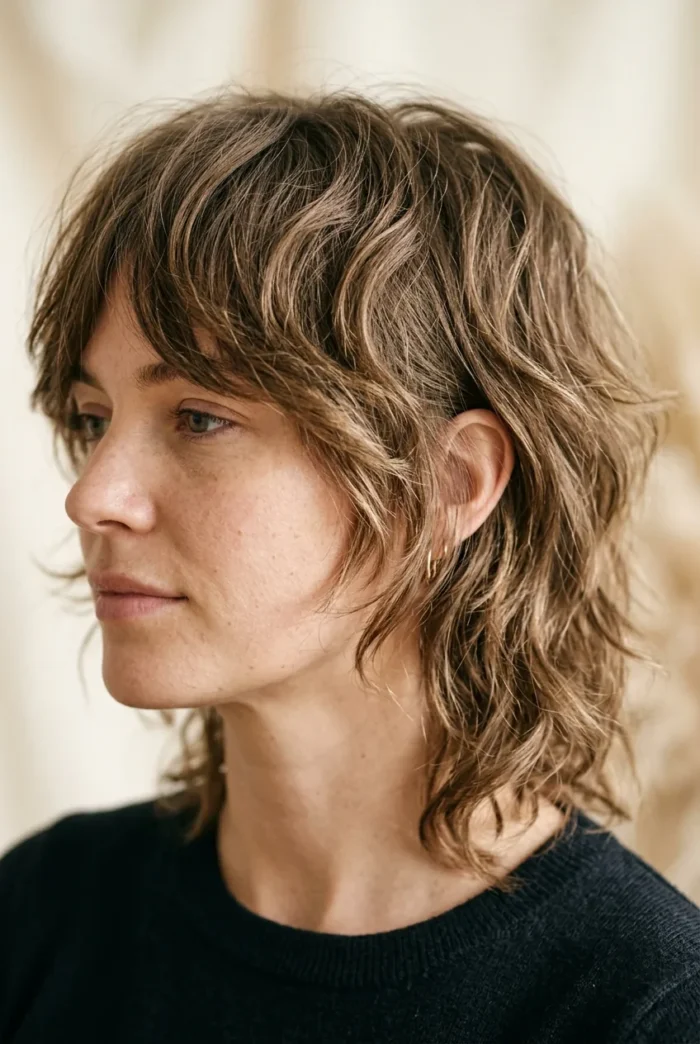
Image credit: herlocks.com
The dark blonde lob with face-framing bangs suits hair that already has some natural movement, because the layers amplify what is there rather than manufacturing it. On very straight hair the same cut needs a round brush or a large-barrel iron to show the shape at all.
Fine hair benefits from this cut when the layers start below the chin, preserving density at the ends; thick hair needs the interior layering to stop the shape turning triangular. A smoothing serum on damp hair keeps frizz down, and a heat protectant is non-negotiable before any hot tool.
Blonde Collarbone Cut With Face-Framing Pieces

Courtesy of flawlesshair.com
The blonde collarbone cut with face-framing pieces earns its place through the cut itself: layers placed to fall at specific points, so the hair swings rather than sits. The base colour stays rich and natural, with subtle lighter pieces woven through to add dimension without a full colour overhaul.
Styling is a fifteen-minute job once the cut is right: a round brush for the front pieces, a diffuser or air-dry for the rest, and a texturising spray to keep the layers separate. Trim every six to eight weeks to keep the shape, and sooner for the fringe, which loses its line first. Related reading: best spring haircuts for plus size women flattering lob bob short cuts.
Layered Collarbone Cut With Dark Blonde Highlights
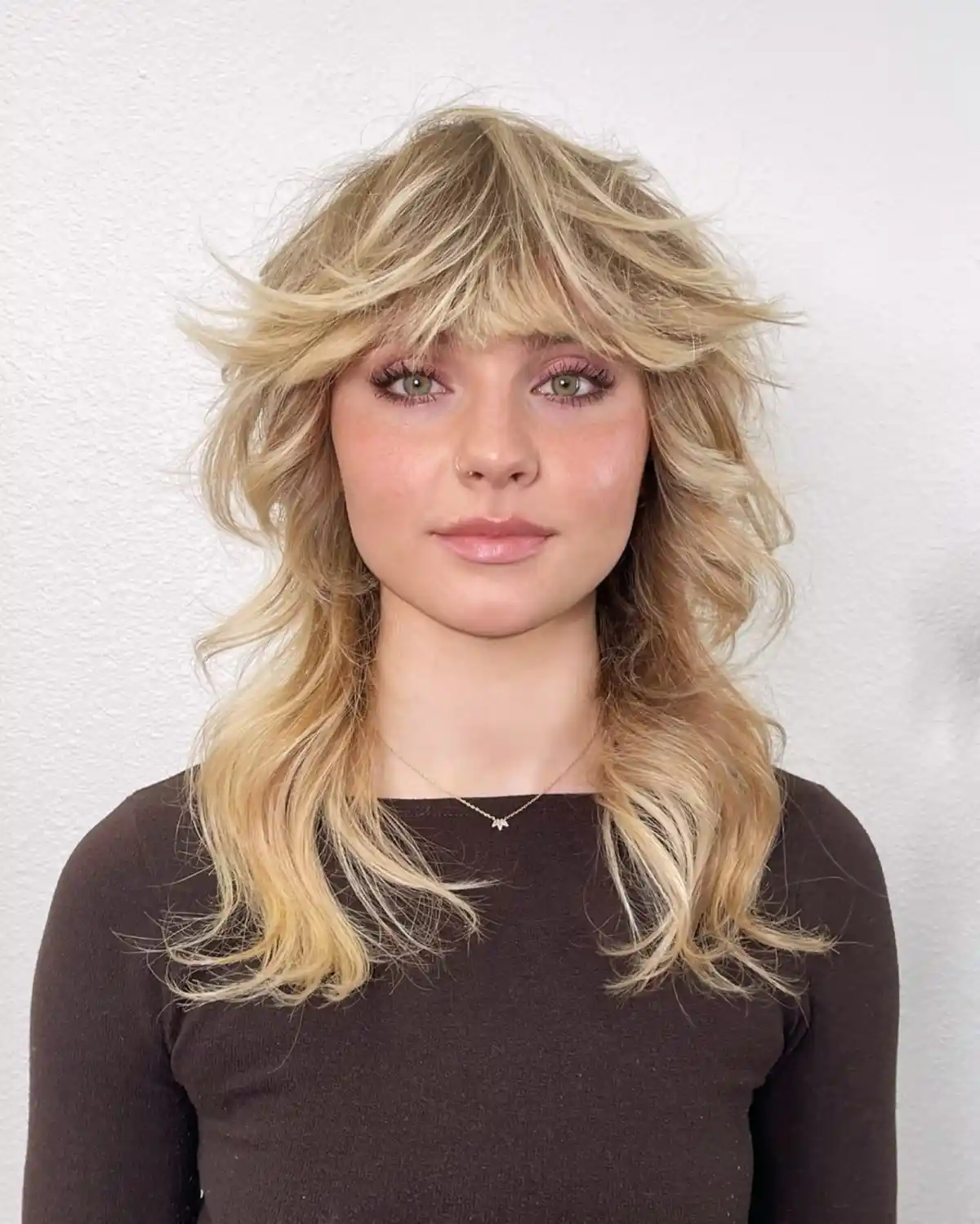
Source: creativebooster.net
What makes the layered collarbone cut with dark blonde highlights work is the balance between length and layering. The front pieces frame the face and soften the jawline, while the back keeps enough weight to hold a blowout, and the result reads as polished without looking overdone.
Ask your stylist for the layered collarbone cut with dark blonde highlights and be specific about where the shortest layer should land — chin, cheekbone or collarbone changes everything. A middle part keeps the shape symmetrical, while a side part adds lift at the crown for narrower faces.
Warm Brown Lob With Soft Layers and No Bangs
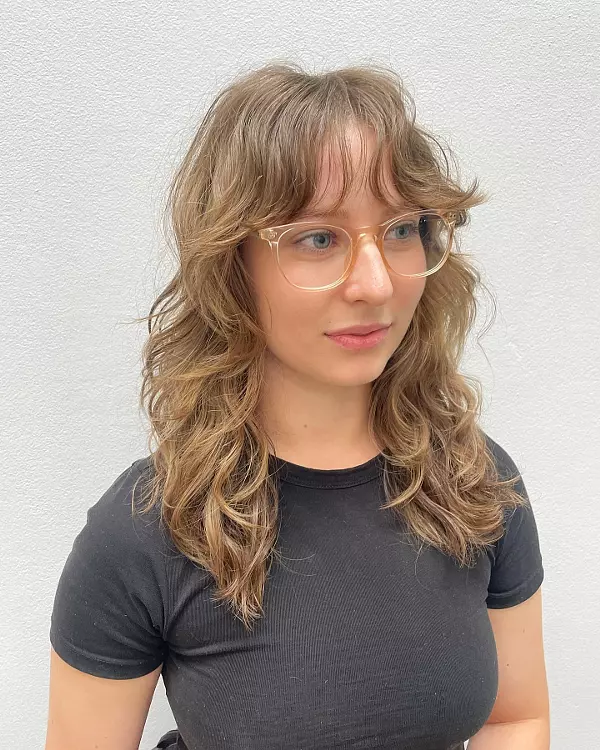
Via fabbon.com
This cut is built around texture rather than perfect smoothness. The layers remove just enough bulk to let the natural wave or bend show, and the fringe — where there is one — blends into the face-framing pieces instead of stopping in a hard line.
The trade-off is maintenance against versatility. Longer layers grow out gracefully and need fewer appointments, while shorter, choppier layers look sharper but demand a trim every four to six weeks. Colour needs a toning appointment every eight to ten weeks if ash or blonde tones are involved. Related reading: cute summer italian bob haircut.
Blonde Collarbone Lob With Smooth Blowout

Photo via hairs.london
The blonde collarbone lob with smooth blowout suits hair that already has some natural movement, because the layers amplify what is there rather than manufacturing it. On very straight hair the same cut needs a round brush or a large-barrel iron to show the shape at all.
Fine hair benefits from this cut when the layers start below the chin, preserving density at the ends; thick hair needs the interior layering to stop the shape turning triangular. A smoothing serum on damp hair keeps frizz down, and a heat protectant is non-negotiable before any hot tool.
Gray Shag With Silver Highlights and Curtain Bangs

Image credit: herlocks.com
The gray shag with silver highlights and curtain bangs earns its place through the cut itself: layers placed to fall at specific points, so the hair swings rather than sits. The base colour stays rich and natural, with subtle lighter pieces woven through to add dimension without a full colour overhaul.
Styling is a fifteen-minute job once the cut is right: a round brush for the front pieces, a diffuser or air-dry for the rest, and a texturising spray to keep the layers separate. Trim every six to eight weeks to keep the shape, and sooner for the fringe, which loses its line first.
Shoulder-Length Shag With Ash Blonde Balayage
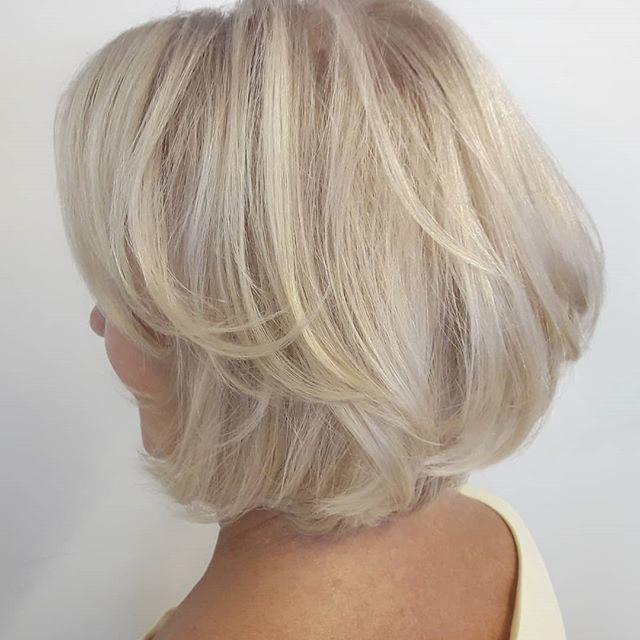
Courtesy of eyenimage.com
What makes the shoulder-length shag with ash blonde balayage work is the balance between length and layering. The front pieces frame the face and soften the jawline, while the back keeps enough weight to hold a blowout, and the result reads as polished without looking overdone.
Ask your stylist for the shoulder-length shag with ash blonde balayage and be specific about where the shortest layer should land — chin, cheekbone or collarbone changes everything. A middle part keeps the shape symmetrical, while a side part adds lift at the crown for narrower faces.
Chin-Length Ash Blonde Bob With Volume
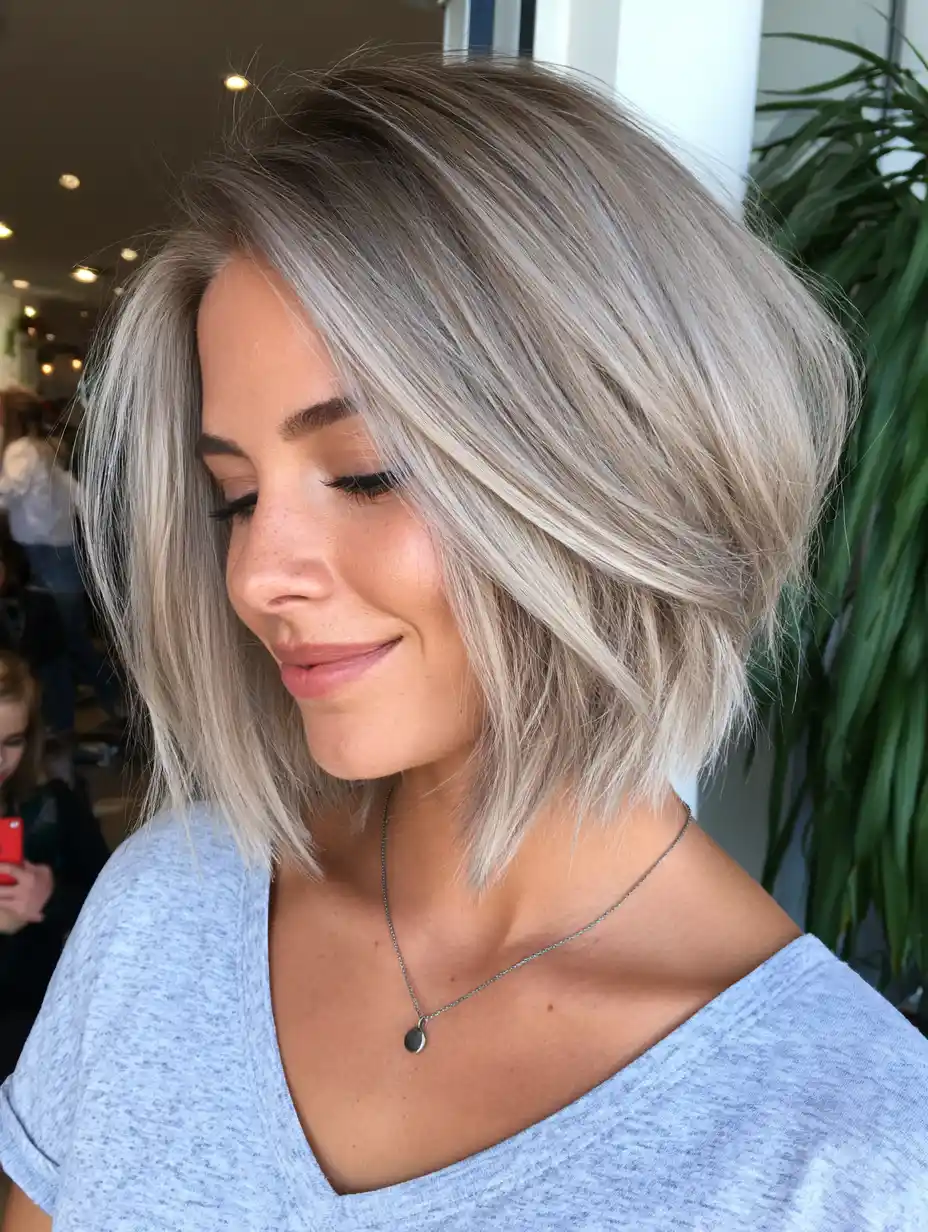
Source: weeklytattoo.com
This cut is built around texture rather than perfect smoothness. The layers remove just enough bulk to let the natural wave or bend show, and the fringe — where there is one — blends into the face-framing pieces instead of stopping in a hard line.
The trade-off is maintenance against versatility. Longer layers grow out gracefully and need fewer appointments, while shorter, choppier layers look sharper but demand a trim every four to six weeks. Colour needs a toning appointment every eight to ten weeks if ash or blonde tones are involved.
Sharp Blunt Bob With Dark Roots
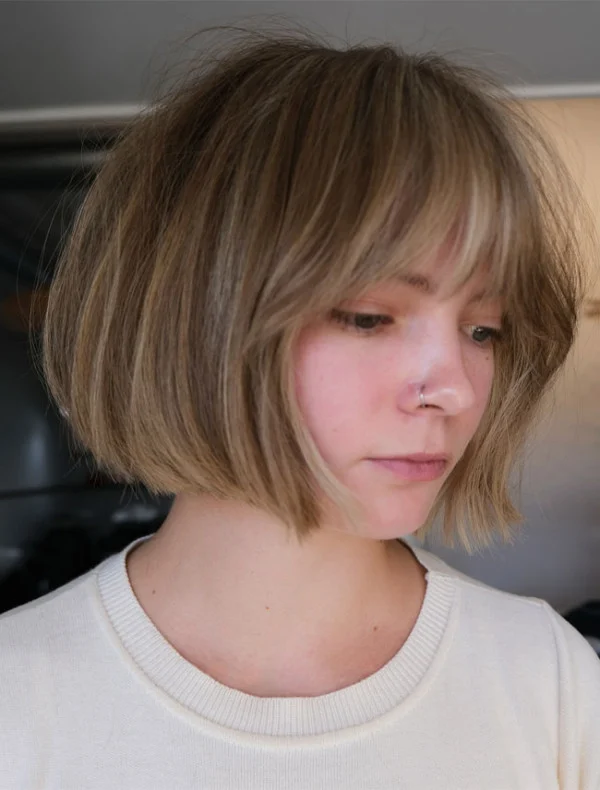
Via itakeyou.co.uk
The sharp blunt bob with dark roots suits hair that already has some natural movement, because the layers amplify what is there rather than manufacturing it. On very straight hair the same cut needs a round brush or a large-barrel iron to show the shape at all.
Fine hair benefits from this cut when the layers start below the chin, preserving density at the ends; thick hair needs the interior layering to stop the shape turning triangular. A smoothing serum on damp hair keeps frizz down, and a heat protectant is non-negotiable before any hot tool.
Final Thoughts
The best medium cut is the one you will actually style on a normal morning. A blunt bob looks sharp only with regular trims, while a shag forgives a missed appointment — choose according to your calendar, not just the photo.
- Trim blunt lines every 6-8 weeks to keep the edge sharp.
- Refresh curtain bangs every 4-6 weeks so they frame the face.
- Use a texturising spray on damp hair to encourage waves and separation.
- Tone balayage and ash blonde every 6-10 weeks to prevent brassiness.
Medium length rewards a cut that moves with your texture — find yours and keep the trims regular.