Winter is the season low-maintenance color was made for. Between holiday travel, dry indoor heat, and the sheer appeal of skipping a salon visit in January, nobody wants a color that demands attention every four weeks. The 2027 answer is dimension that grows out gracefully: shadow roots, root smudges, hand-painted balayage, and rich single-process shades that fade like they mean it. Below are 24 trendy low-maintenance winter hair colors, each with honest notes on technique, upkeep, and who it suits best — so you can pick a color that fits your calendar, not just your mood. We covered this territory more deeply in Fall Blonde Hair Colors 2026.
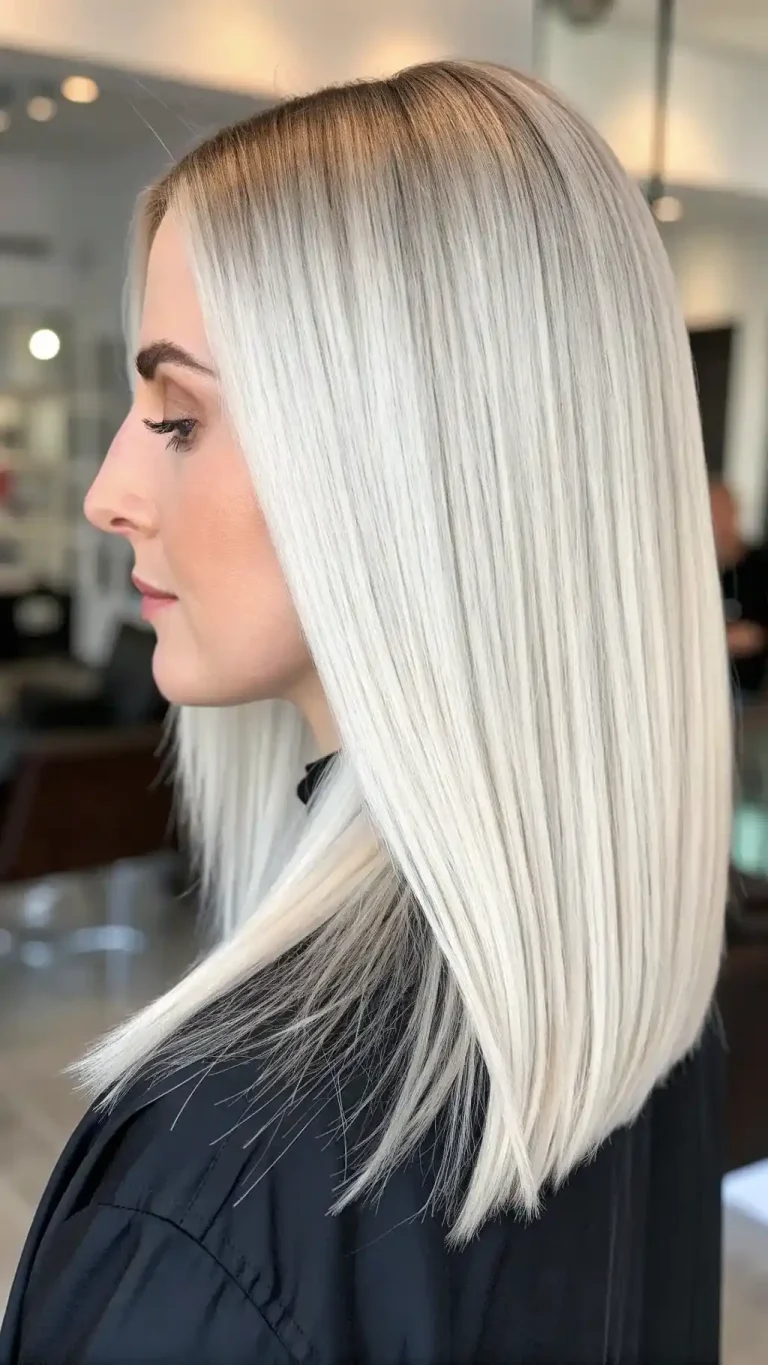
Shadow-Root Ash Blonde With a Collarbone Lob
Courtesy of: herstylepulse.com
The base is a cool ash blonde, deepened at the roots with a shadow that melts into lighter lengths, cut into a collarbone-grazing lob with soft curtain bangs. The undertone stays firmly cool, which flatters fair and cool skin tones and keeps pink or blue undertones from turning muddy. The texture is wavy with medium density, so the color has movement to play across, and a middle part with curtain bangs keeps the whole look soft rather than severe. This pairs naturally with the ideas in Mother of the Groom Hairstyles for Women with Glasses.
Ask your stylist for a root shadow about two shades deeper than your target blonde, blended down into fine, subtle highlights with no foil line at the root. Style with loose waves or air-dried texture; the shadow does the heavy lifting so daily styling stays minimal. Expect a touch-up every 10 to 12 weeks rather than the usual six. The advantage is a grow-out that never announces itself; the trade-off is that ash tones warm up over time, so a purple shampoo every few washes is the price of keeping it cool. The same theme, explored from another angle, is in Fall Hair Colors 2026.
Lived-In Honey Balayage on Mid-Back Waves
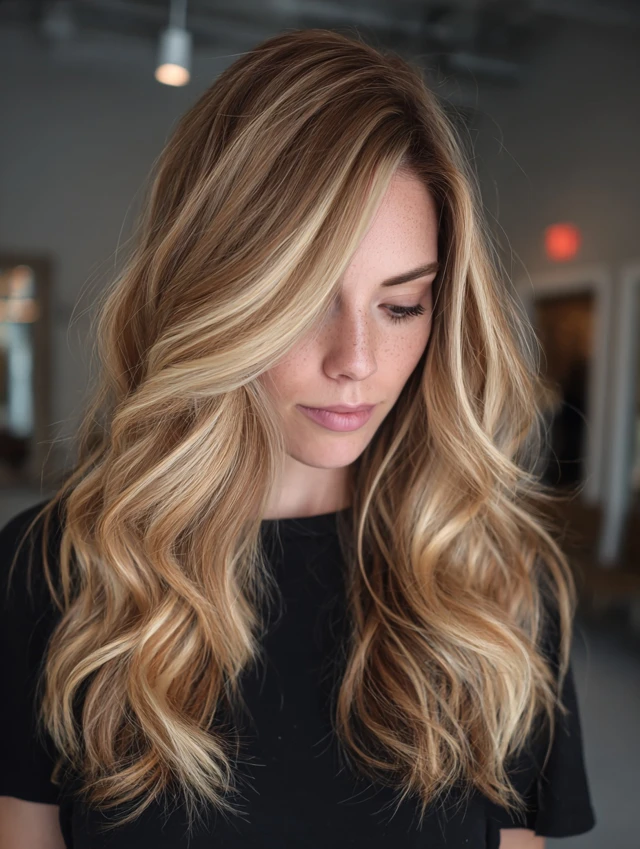
Photo credit: womentattooideas.com
A dark blonde or light brunette base gives way to warm honey blonde balayage painted through the mid-lengths and ends, worn long at mid-back with loose waves. The undertone is golden and warm, which reads beautifully against olive or warm skin tones — warmth next to warmth. The texture is wavy and thick, and a middle part with no bangs keeps the focus on the color’s movement. Air-dried or diffused waves make it look effortless even in February.
The salon technique is hand-painted balayage starting below the ears, with pieces placed where light would naturally hit. Because the base stays close to your natural color, regrowth blends for 12 to 16 weeks. The big advantage: warm tones fade gracefully instead of going brassy and alarming. The trade-off is edge — this is cozy, not icy, so if you want cool-toned drama, look elsewhere.
Smudged-Root Dark Blonde With Long Layers
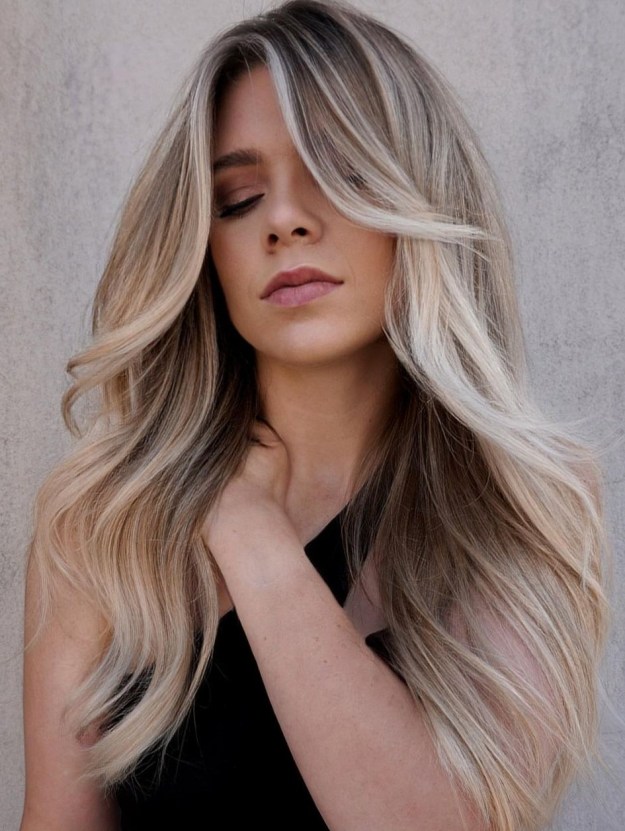
Image credit: us.fatipost.com
A natural dark blonde base sits close to most people’s natural color, with a soft root smudge that erases any line where regrowth begins. Subtle lighter blonde highlights are woven through long layers at mid-back length, adding movement without demanding attention. The texture is wavy with medium to thick density, which helps disguise any fading, and a middle part keeps it balanced and grown-up.
The technique — a root smudge tapped on with a brush, then fine highlights through the lengths — is strictly a salon job, but it buys you 12 or more weeks before anyone notices regrowth. Style with loose waves to show off the dimension. The advantage is the rare color that looks better on day thirty than day one. The trade-off: on porous or previously lightened hair, the smudge can grab warm, so ask for a cool-neutral smudge if you fight brass. For the fuller picture, Gorgeous Pixie Hairstyles for Straight Hair is worth your time.
Chestnut Brown With a Caramel Color Melt
Source: hairtical.com
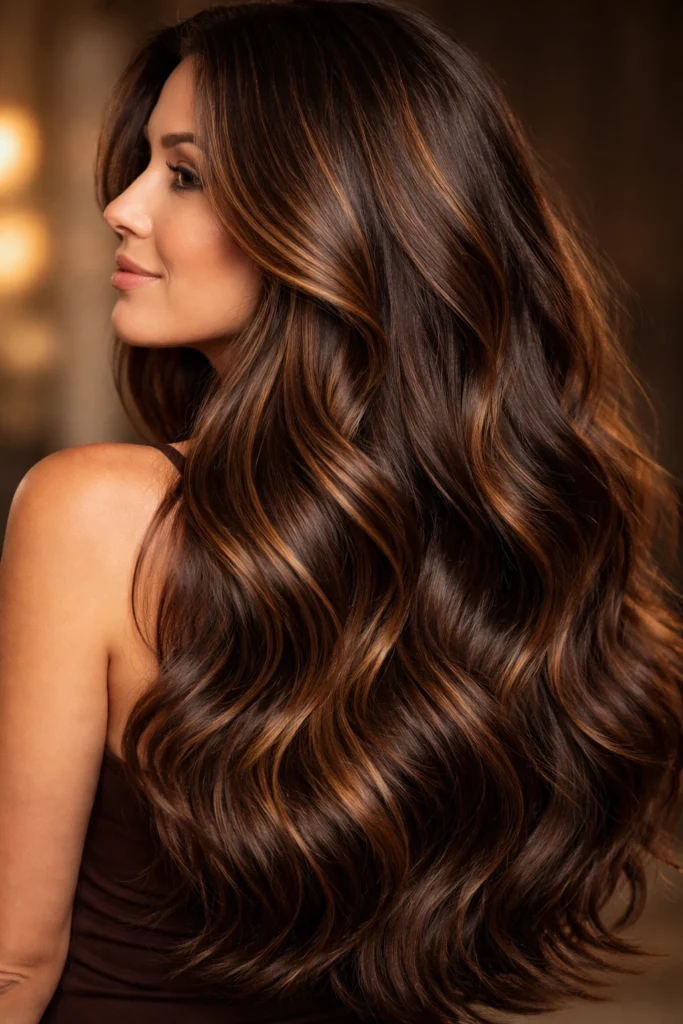
A rich chestnut brown base melts into soft caramel through the mid-lengths and ends, worn long with loose waves at mid-back. The warm undertones flatter medium to deep skin tones, adding glow in winter’s flat light. The texture is wavy and thick, which carries caramel dimension without it looking chunky, and a side part adds lift at the root while showing off the melt’s gradient.
Ask for a color melt — darker at the root, caramel at the ends — with fine, blended pieces rather than stripes. Touch-ups land around every 12 to 14 weeks, and a clear gloss between appointments keeps the caramel rich. The advantage is a color that reads expensive with minimal effort. The trade-off: caramel needs that gloss to avoid dulling, so it is not quite as hands-off as a one-dimensional brunette.
Chocolate Mocha Single-Process Gloss
Via gemmaetc.com
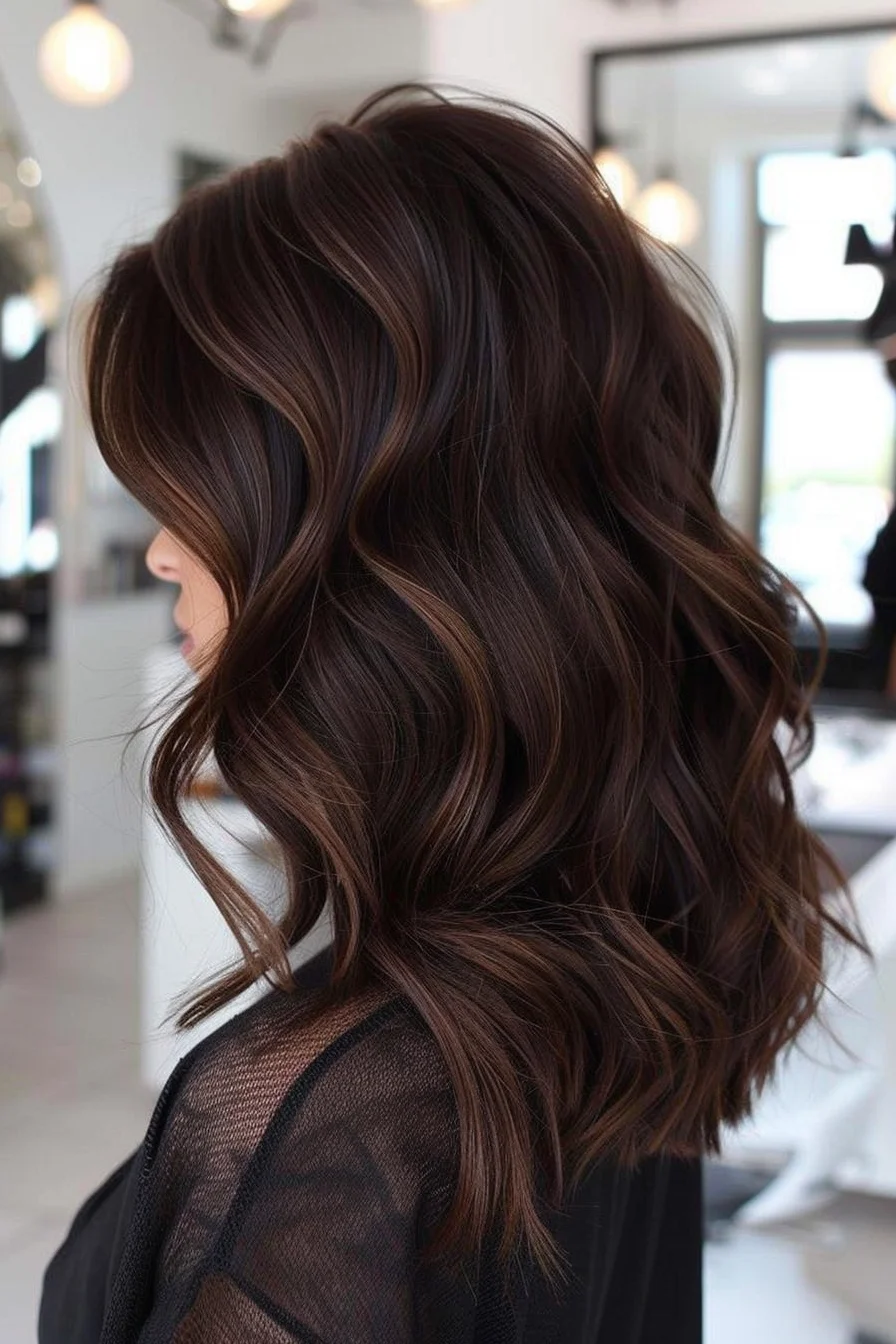
One even shade of chocolate mocha brown, finished with a gloss for a glassy, low-shine finish, worn at shoulder length with a sleek or softly waved texture. The undertone is neutral to slightly cool, which makes it one of the most universally flattering brunettes — it works across skin tones without pulling red or ashy. Fine to medium density hair looks fuller in a single dark shade, and any parting works.
The salon request is simple: an all-over single process in chocolate mocha plus a demi-gloss for shine. The advantage is zero dimension to maintain — no highlights to fade, no toner to refresh. The trade-off is the root line: with no blend to hide behind, regrowth shows sooner, so expect root touch-ups every 6 to 8 weeks. If your natural color is close to the shade, that stretches longer. For readers who want more, Gorgeous Caramel Hair Colors for 2026 Trendy Honey Balayage Coffee Tones Chocolate Shades keeps the ideas coming.
Espresso Root Melt Into Brunette Ends
Courtesy of: hairs.london
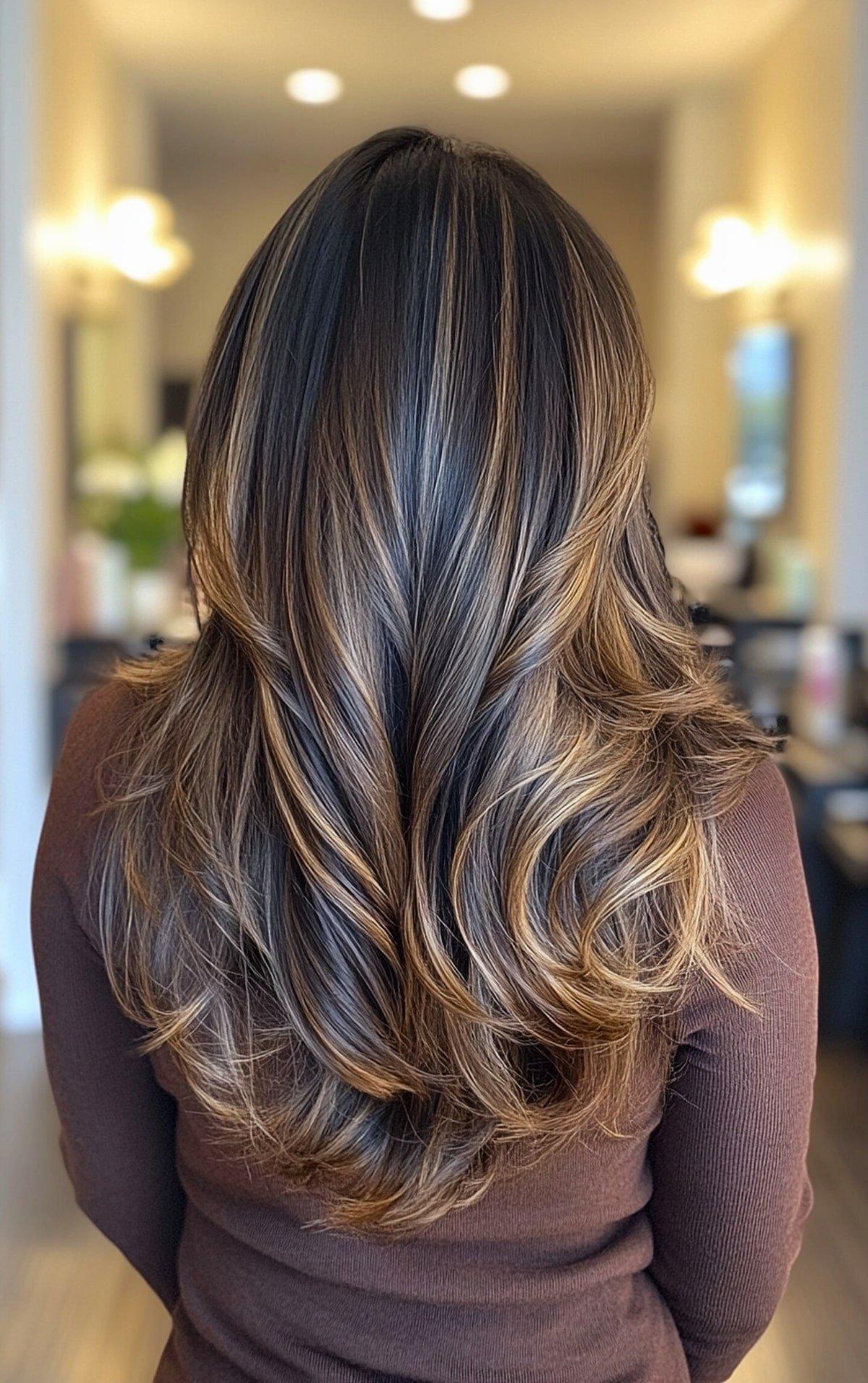
A near-black espresso root melts down into deep brunette ends, worn long and sleek at mid-back with loose, polished waves. The deep, cool-leaning brown flatters deep skin tones and dark eyes, adding contrast without harshness. Thick texture keeps the dark color from looking flat, and a side part gives the root melt a natural-looking sweep. The overall effect is dimensional darkness — rich, not one-note.
The technique is a root melt: espresso applied at the root and feathered down, leaving the ends a touch lighter. Because everything stays in the dark family, grow-out is nearly invisible for 10 to 12 weeks. The advantage is drama with almost no maintenance calendar. The trade-off: espresso this deep can read flat in indoor light, so ask for a gloss to keep the ends reflective.
Bronde Blend for Mid-Back Lengths
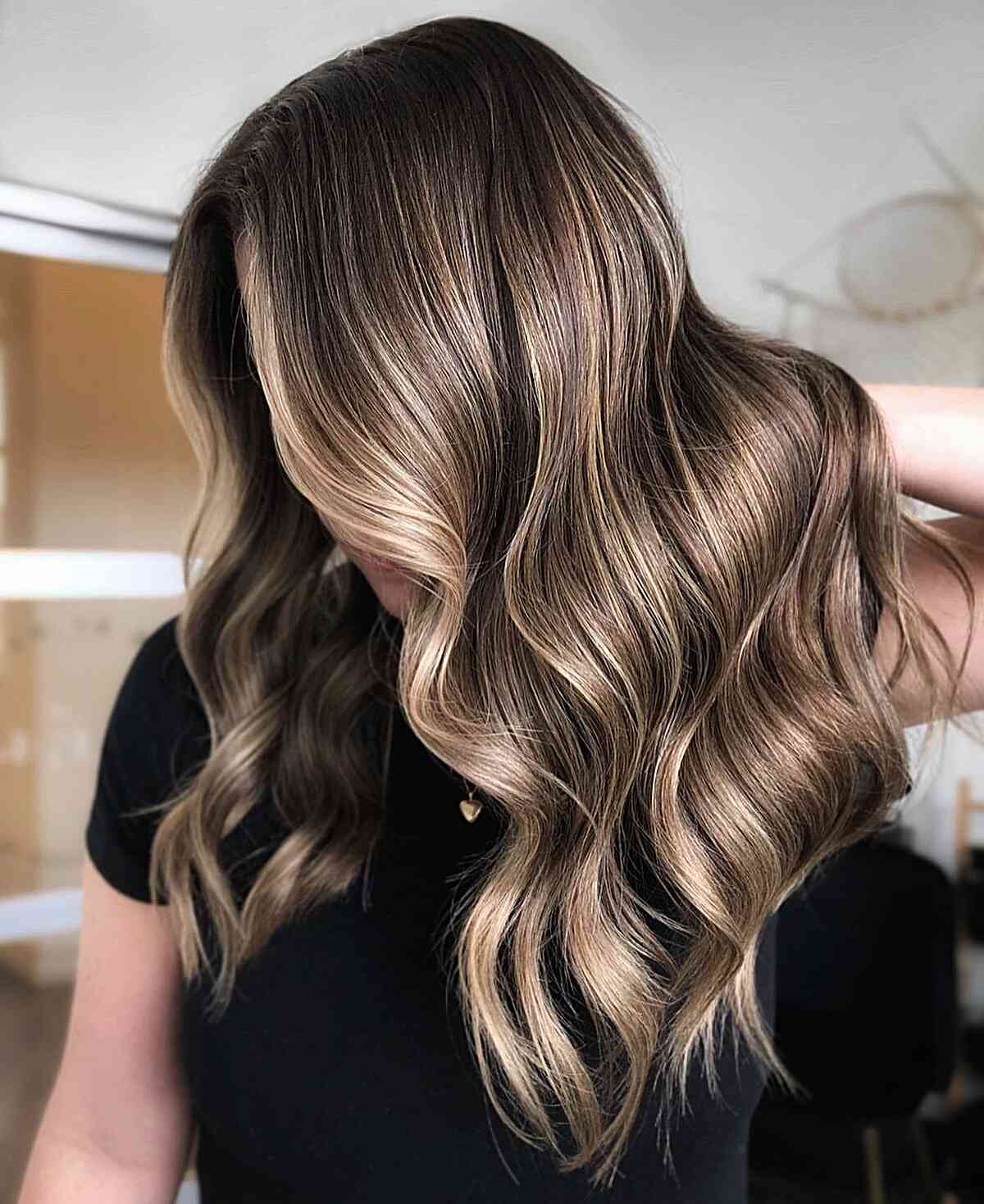
Photo credit: latest-hairstyles.com
Bronde — the true midpoint between brown and blonde — blends both through mid-back lengths, so the color reads sun-kissed without committing to either camp. The undertone is neutral-warm, flattering fair to medium skin tones. Texture is wavy with medium density, and a middle part lets the blend fall symmetrically. It is the color for natural blondes who have gone darker, or brunettes who want lightness without the bleach schedule.
Ask for a foilayage or fine foils that keep the root area deep and bring lightness through the mid-lengths. Upkeep runs 10 to 14 weeks because the root stays dark. The advantage is a grow-out that genuinely looks like your natural hair getting lighter toward the ends. The trade-off: bronde needs enough lightness to read as bronde — go too dark and it is just brown with regrets. For more ideas in the same lane, see our Best Cozy Hair Colors for October 2025.
Warm Toffee Balayage With Soft Face Framing
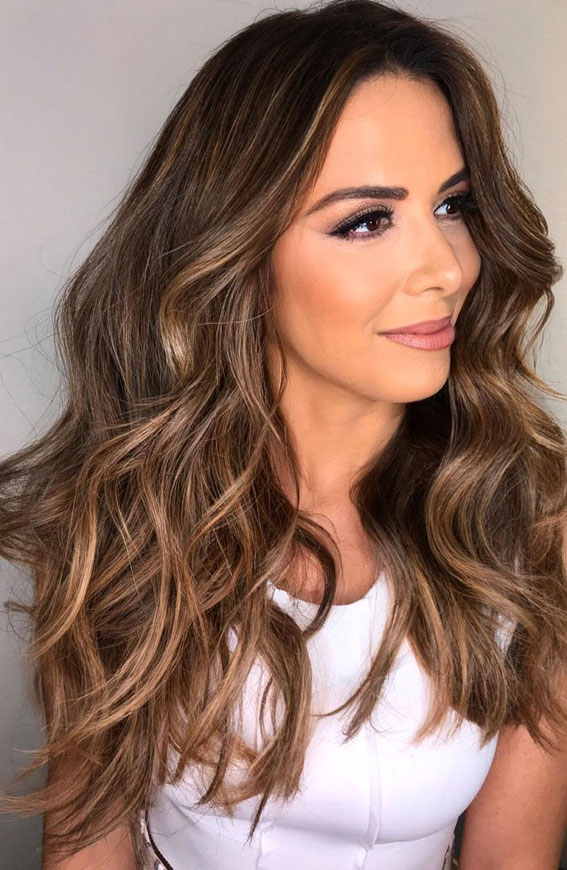
Image credit: itakeyou.co.uk
Warm toffee brown balayage sweeps through a brunette base, with slightly brighter pieces framing the face, worn at mid-back with soft waves. The warm undertones glow against warm and olive skin. Thick, wavy texture carries the dimension, and a middle part lets the face-framing pieces do their brightening work on both sides. It is warmth you can see from across the room.
The technique combines hand-painted balayage with a slightly stronger money piece around the face. Plan on 12 weeks between appointments. The advantage is instant brightness around the face without lightening everything. The trade-off: those face-framing pieces fade fastest since they are the lightest, so a toning gloss at week six keeps them from going brassy.
Natural Brunette With Featherlight Babylights
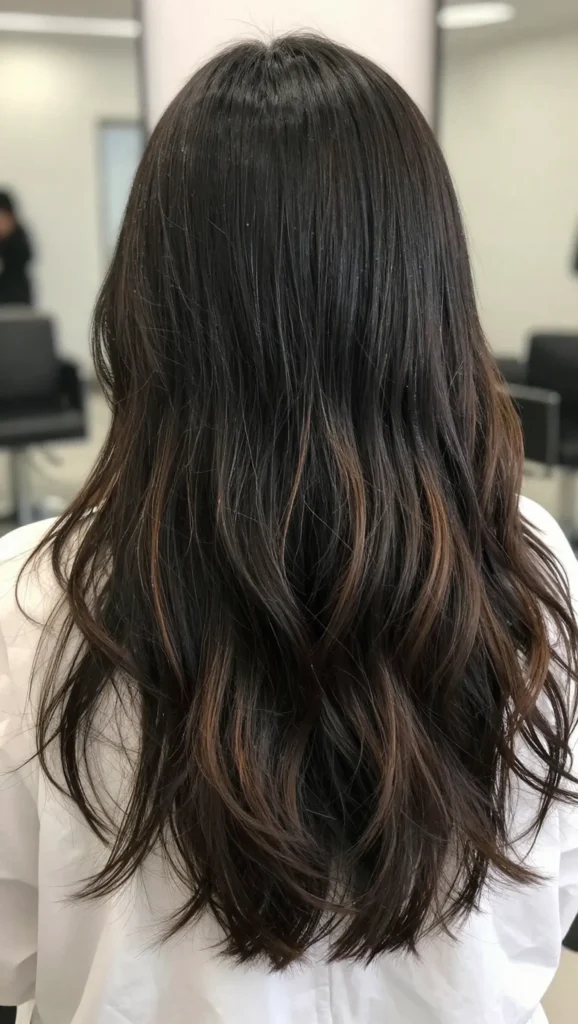
Source: nicethey.com
Your natural brunette stays the star, with featherlight babylights — ultra-fine highlights — scattered through the lengths for the subtlest lift. Worn long with a middle part and air-dried texture, it reads as great hair rather than great color. Medium density is ideal; the babylights add dimension that fine hair sometimes lacks. Any skin tone works, since the base is your own.
Ask for babylights, not balayage — the difference is fineness and placement. Because the base is untouched, you can stretch appointments to 14 or even 16 weeks. The advantage is the most invisible grow-out of any lightening service. The trade-off is subtlety: if you want visible change, this may feel like nothing happened. It is a whisper, not a statement. You’ll find the same spirit in Stunning Dark Fall Hair Colors.
Platinum Blonde Softened by a Shadow Root
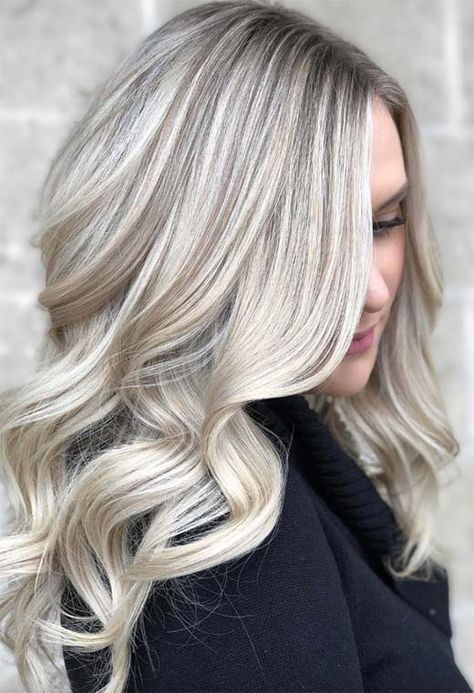
Via styles-new.com
Bright platinum lengths get a reality check from a deep shadow root, worn at mid-back with straight or softly waved texture. The icy undertone flatters cool, fair skin best — warmth in the skin can clash with platinum’s frost. A middle part keeps the look modern and symmetrical. The shadow root turns platinum from a four-week color into a ten-week one.
The technique: platinum through the lengths, then a dark shadow tapped at the root and blended down. You will still need purple shampoo and a toner, but touch-ups drop to every 8 to 10 weeks instead of four. The advantage is platinum’s impact without platinum’s calendar. The trade-off: the lengths still need care — platinum is fragile, so bond-building treatments are not optional.
Mushroom Blonde Balayage With Cool Undertones
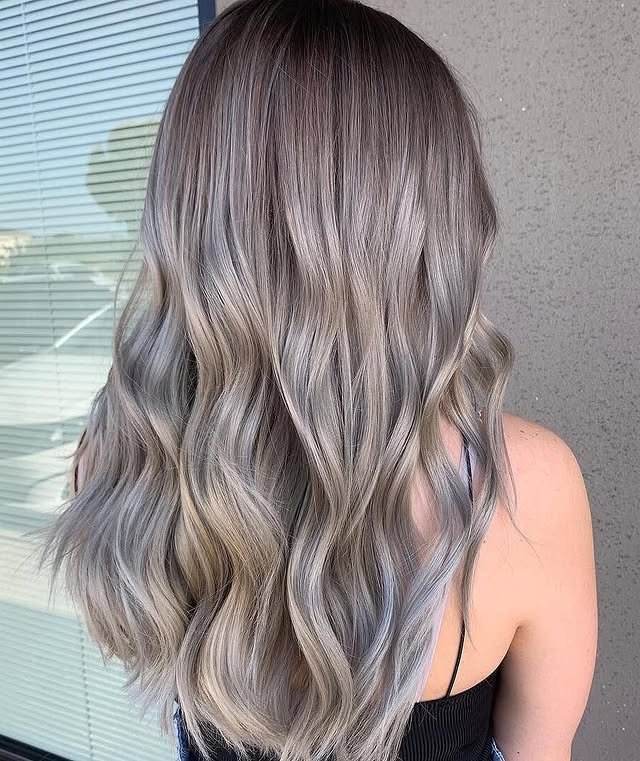
Courtesy of: latest-hairstyles.com
Mushroom blonde — a taupe-grey take on blonde — is painted through a deeper base with balayage, landing at collarbone length with soft waves. The cool, muted undertone is made for winter: no warmth to fight the season’s pale light. Medium-density wavy hair shows off the smoky dimension, and a side part adds root lift so the color does not sit flat.
Ask for a cool-toned balayage with an ashy toner — mushroom lives or dies by the toner. Upkeep is 10 to 12 weeks, with purple shampoo in between. The advantage is a blonde that feels current and winter-appropriate rather than summery. The trade-off: in dim indoor light it can read dull or even grey, so if you love shine and warmth, this is not your shade. Related reading: Women Summer Hair Colors for 2026 takes the same concept further.
Copper Balayage That Grows Out Like Cinnamon
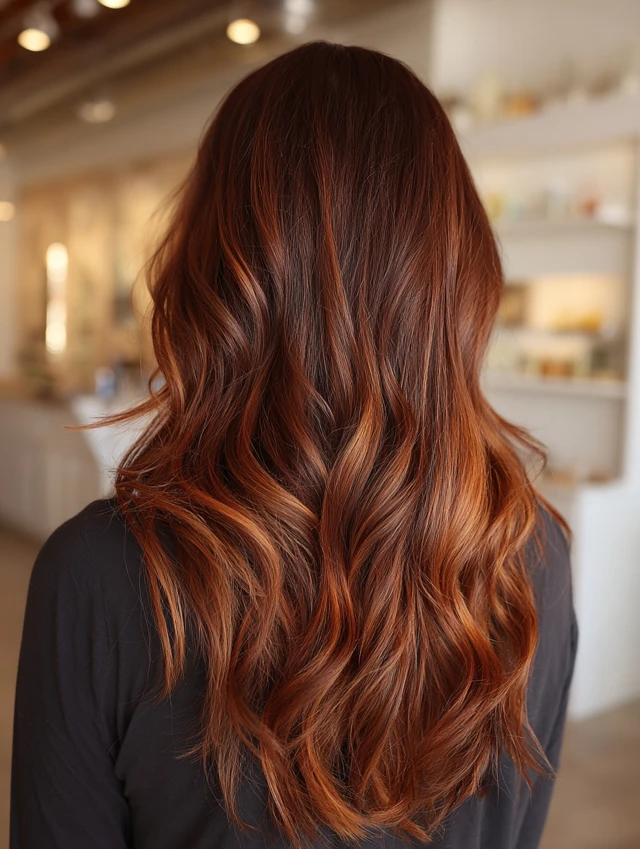
Photo credit: yournextinspo.com
Warm copper balayage melts through a brunette base, fading toward the ends like cinnamon stirred into the lengths, worn at mid-back with waves. The warm, spicy undertone flatters warm skin and makes green and hazel eyes pop. Thick, wavy texture gives the copper dimension to play across, and a middle part keeps it balanced and modern.
The technique is hand-painted copper balayage, kept deeper at the root so regrowth blends. Expect 10 to 12 weeks between appointments. The advantage: copper’s vibrancy with a grow-out that looks intentional, not neglected. The trade-off is universal to reds — copper fades faster than any other color family, so color-safe shampoo and cooler water are non-negotiable.
Cherry Cola Color Melt on Long Layers
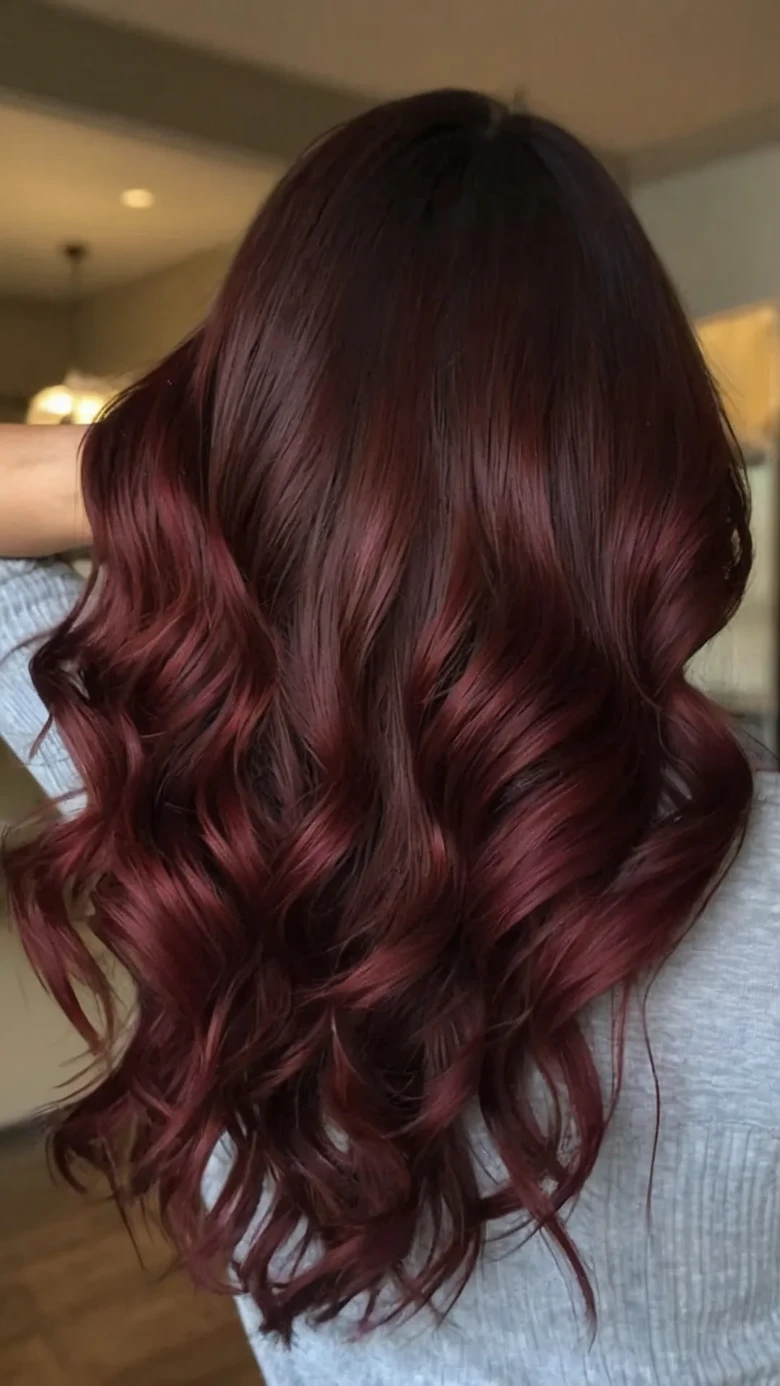
Image credit: glamdew.com
Deep cherry cola — dark brown shot through with black-cherry red — melts from root to ends on long, layered hair. The red-brown undertone flatters medium to deep skin tones, adding richness in winter light. Long layers keep the dark color moving, and the texture is wavy to show off the red’s dimension. A middle or side part both work.
Ask for a color melt that keeps the root deepest and lets the cherry brighten toward the ends. Touch-ups sit around every 8 to 10 weeks. The advantage is a head-turning winter color that still grows out softly. The trade-off: reds bleed — expect some color on pillowcases at first, and stick to color-safe products to slow the fade. Our Homecoming Hairstyles for Black Women rounds up more takes on this exact idea.
Black Cherry Root Melt With Dark Waves
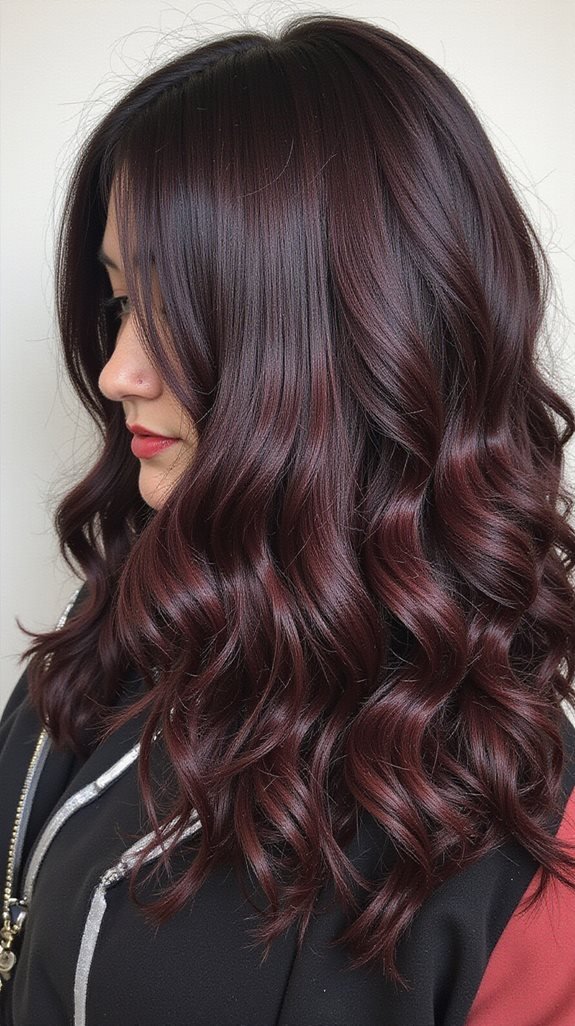
Source: stylesagepro.com
A near-black base melts into deep black-cherry burgundy through dark, glossy waves at mid-back. The undertone is cool-red — more wine than orange — which flatters deep skin tones beautifully. Thick texture carries the dark color without it looking heavy, and a side part adds shape. In sunlight the cherry reveals itself; indoors it reads as rich, dark brunette.
The technique is a root melt in natural black, feathered into black-cherry lengths. Grow-out stays invisible for 12 to 14 weeks. The advantage is drama that is secretly low-maintenance. The trade-off: dark reds are notoriously hard to remove later — if you think you might go blonde in spring, talk to your stylist first.
Dark Cinnamon Balayage With Warm Dimension
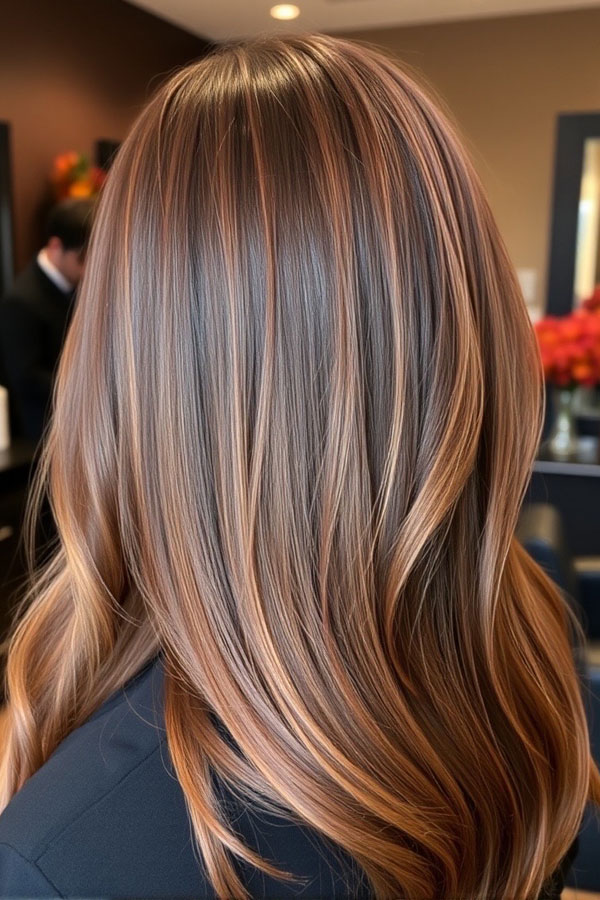
Via fabmood.com
Dark cinnamon — brown with a warm, spicy lift — is balayaged through a brunette base and worn at mid-back with loose waves. The warm undertones glow against warm and olive skin, like candlelight for your hair. Wavy, medium-to-thick texture shows off the dimension, and a middle part keeps the warmth even on both sides.
Ask for balayage in cinnamon and copper tones, kept soft rather than stripey. Upkeep is 10 to 12 weeks. The advantage is warmth that looks expensive, not brassy — when it is done right. The trade-off is the when-it-is-done-right part: cinnamon needs the right toner to stay spicy instead of sliding into orange, so find a colorist who does a lot of warm brunettes. For a different spin on the same theme, browse Stunning Hair Colors That Make Green Eyes.
Sandy Beige Balayage With a Root Smudge
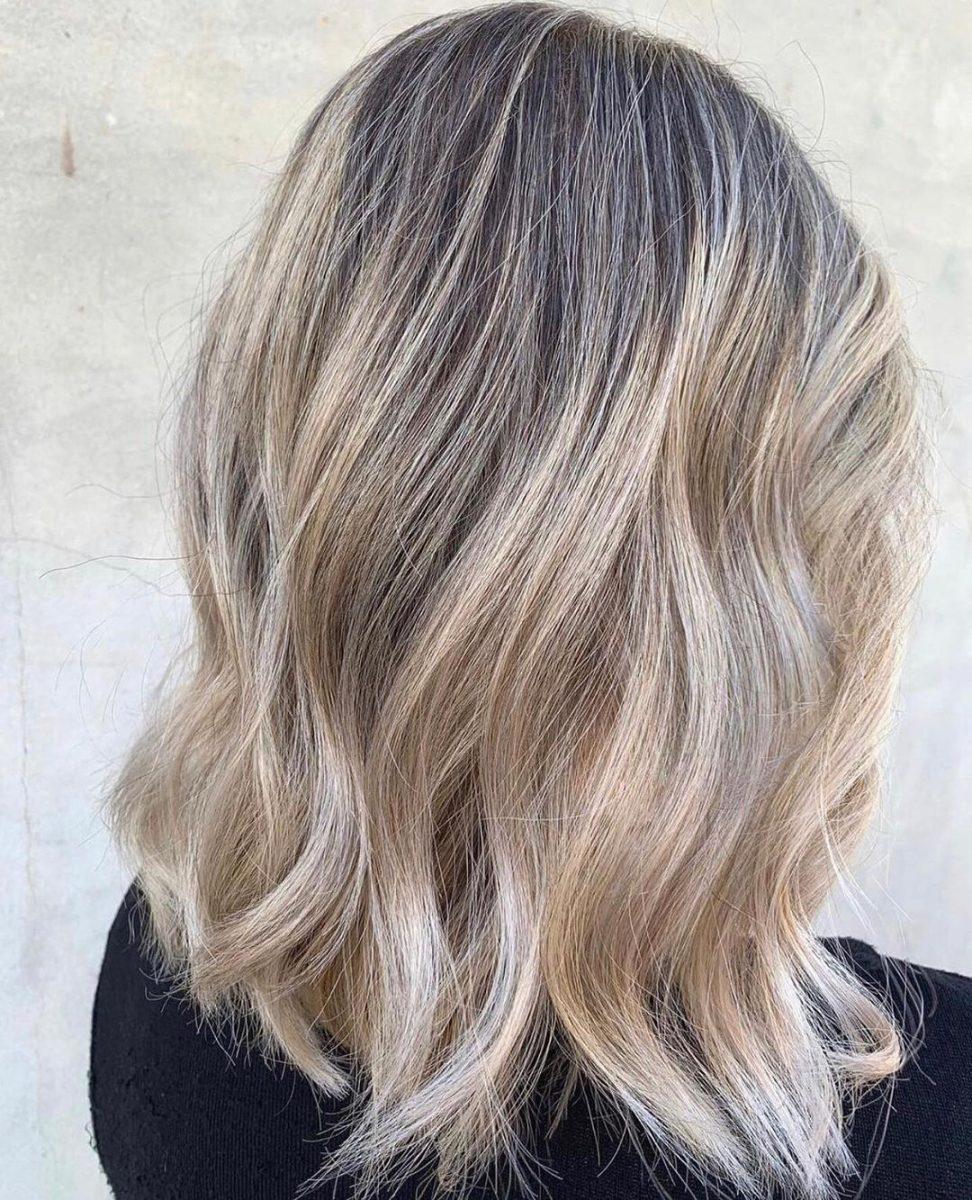
Courtesy of: glosty.com.au
Sandy beige blonde — soft, neutral, beachy without the summer baggage — is balayaged over a smudged root and worn at mid-back with gentle waves. The neutral undertone flatters fair to medium skin without pulling too warm or too cool. Fine to medium density works well; the smudged root adds depth that fine hair needs. A middle part keeps it clean and modern.
The technique pairs a root smudge with beige-toned balayage through the lengths. Expect 10 to 12 weeks between appointments. The advantage is a natural-looking blonde that never screams salon. The trade-off: beige is a quiet color — without enough contrast at the root it can wash out, so keep the smudge deep enough to frame the blonde.
Creamy Pearl Blonde With a Deep Root
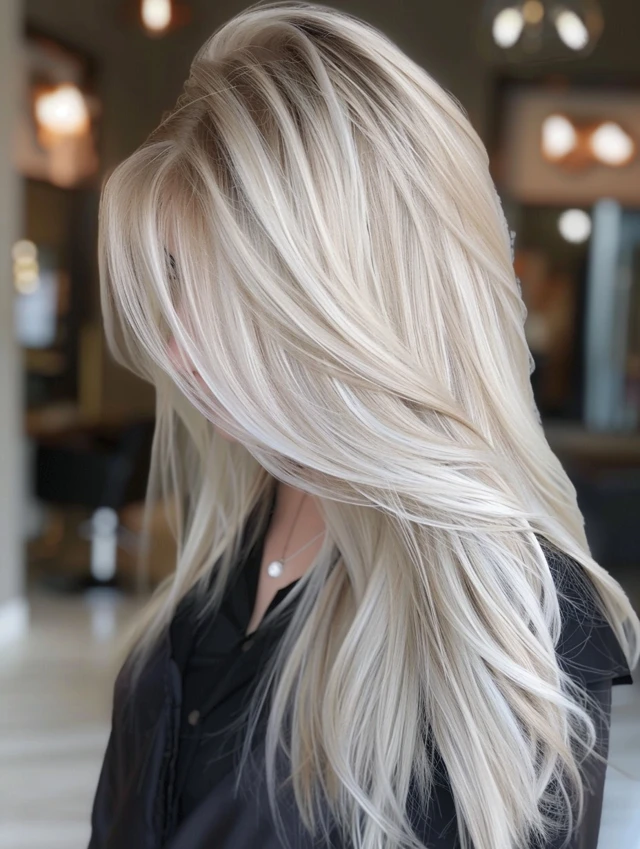
Photo credit: jawdropink.com
Creamy pearl blonde — luminous, slightly iridescent — floats over a deep natural root, worn at mid-back with a smooth, polished texture. The cool-pearl undertone flatters cool and fair skin, giving that lit-from-within glow. Fine to medium hair looks thicker with the root depth, and a middle part keeps the contrast symmetrical and intentional.
Ask for a deep root with pearl-toned lengths — the toner is everything here. The root buys you 8 to 10 weeks between appointments, but the pearl toner itself fades in 4 to 6, so plan a gloss refresh midway. The advantage is blonde that looks expensive and dimensional. The trade-off: that mid-cycle gloss appointment is the hidden maintenance cost. See also Short Fall Hairstyles Ideas for more variations on this look.
Cowboy Copper Lived-In Color

Image credit: hebeautyhere.com
Cowboy copper — a lived-in blend of copper and warm brown — sits at mid-back with undone, textured waves. The brown-copper undertone is warmer than auburn but deeper than classic copper, flattering warm skin tones especially. Thick, wavy texture is ideal; the color looks best with movement. A middle part keeps it effortless.
The technique is lived-in color: copper painted with softness at the root, no harsh lines. Upkeep is 10 to 12 weeks. The advantage is trend-forward color that does not look overdone — it is copper for people who do not do bright. The trade-off: even muted copper fades, so a copper-depositing gloss every couple of months keeps it from sliding into plain brown.
Burnished Auburn Ombre to Copper Ends
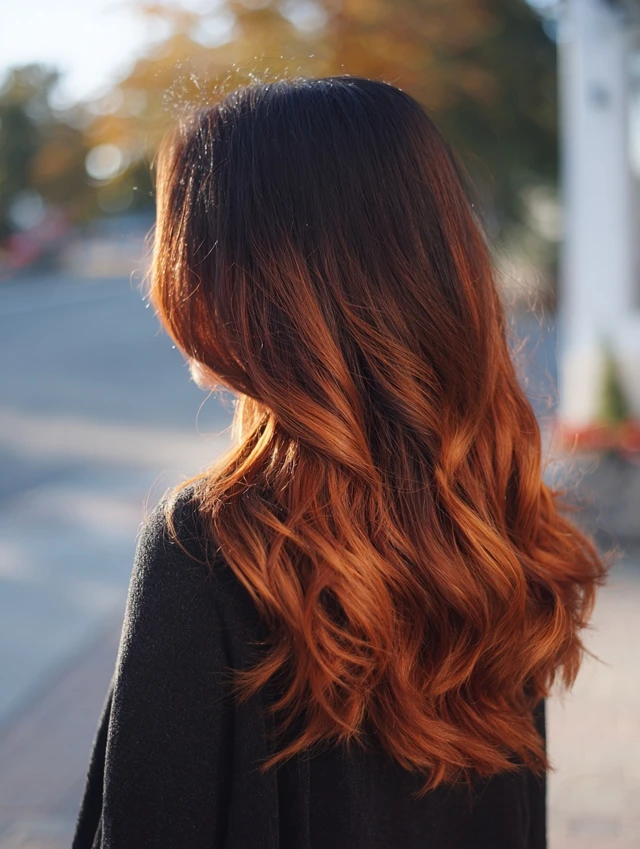
Source: yournextinspo.com
Deep burnished auburn at the roots graduates into bright copper ends in a soft ombre, worn long with waves. The warm red-brown undertone flatters warm and deep skin tones. Long, thick hair carries the gradient best — the more length, the more room for the color to travel. A middle part shows off the symmetry of the fade.
Ask for a soft ombre, not a dip-dye — the transition should be seamless, which takes a skilled hand with a brush. The gradient means roots grow out invisibly for 12 to 14 weeks. The advantage is maximum impact with minimum root maintenance. The trade-off: ombre that is too stark looks dated, so the blend quality matters more than the colors themselves. A companion piece, I Tried 5 Caramel Hair Colors for Spring 2026 Heres What Actually Worked, explores the same palette.
Deep Mahogany All-Over With Low Shine
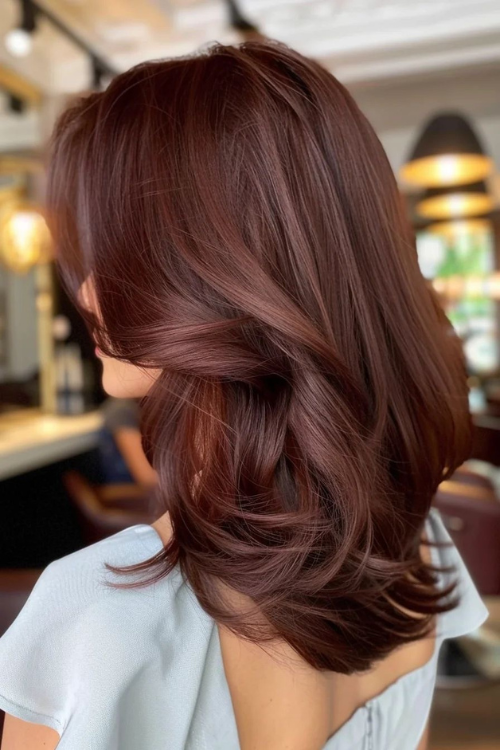
One even coat of deep mahogany — brown with a red-wine depth — finished with low, velvety shine rather than high gloss, worn from shoulder to mid-back. The red-brown undertone flatters medium to deep skin tones. Medium density looks lush in a single deep shade, and a side part adds a little asymmetry to keep it modern.
The salon request is a single process in deep mahogany — the simplest appointment on this list. The advantage is one-and-done color with no dimension to maintain. The trade-off is frequency: roots show in 6 to 8 weeks with no blend to hide behind. If your natural color is dark, you can stretch it; if it is light, budget for regular touch-ups.
Dirty Blonde With a Blurred Root
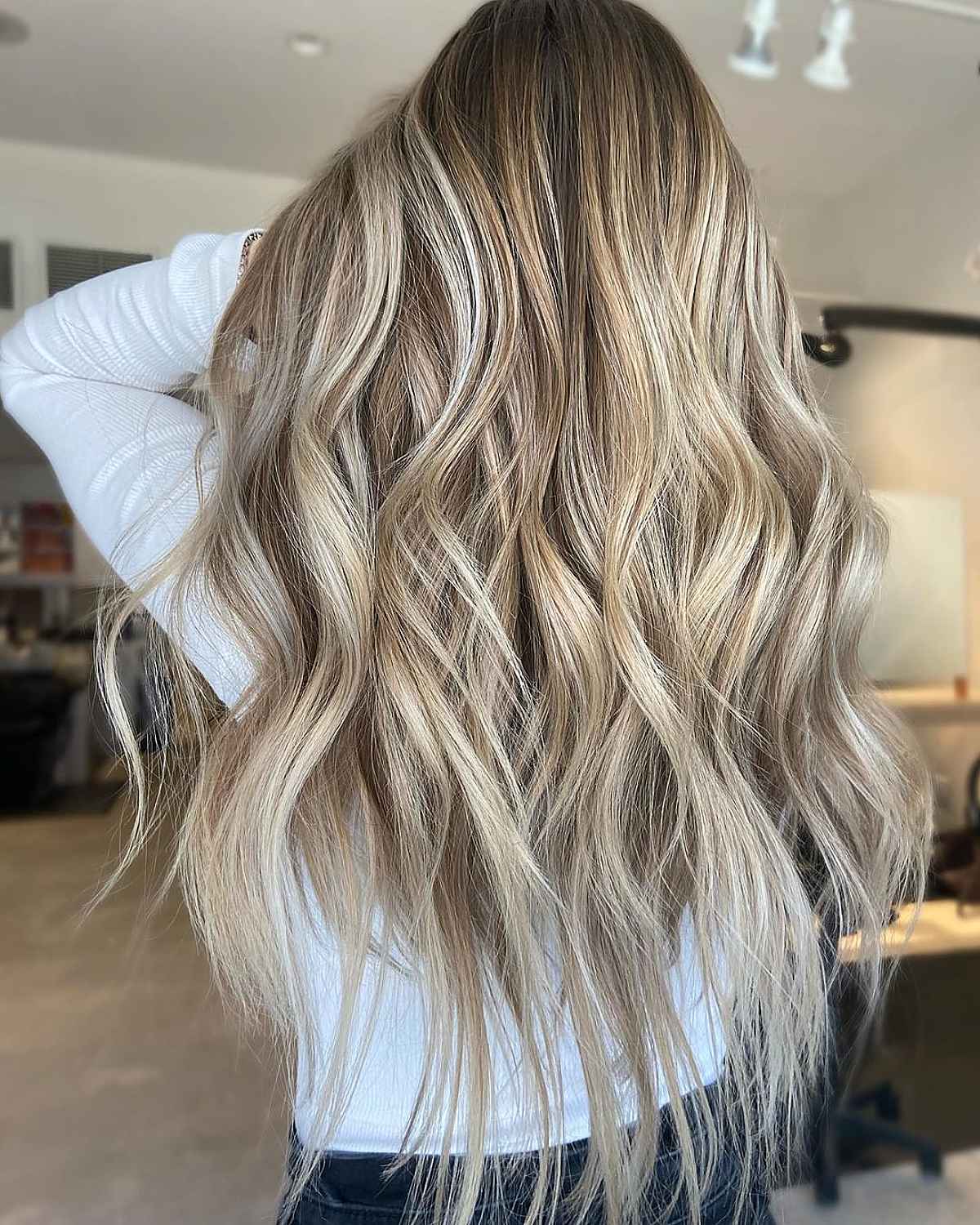
Courtesy of: hairs.london
Dirty blonde — the dark, lived-in blonde that looks like your natural color, only better — sits over a blurred root and falls to the shoulders or mid-back with tousled texture. The neutral undertone works across skin tones. Fine to medium wavy hair is the sweet spot; the blur adds depth that keeps it from looking flat. A middle part keeps it unfussy.
Ask for a root blur or smudge with dirty blonde through the lengths — the goal is is-that-her-real-color. Upkeep is 10 to 12 weeks. The advantage is the most believable blonde on the list. The trade-off: without a toner refresh it can drift dull rather than dirty-sexy, so a gloss at week six keeps it in the sweet spot. We break down a similar look in Classy Half Up Mother of the Groom Hairstyles.
Soft Black With Subtle Espresso Dimension
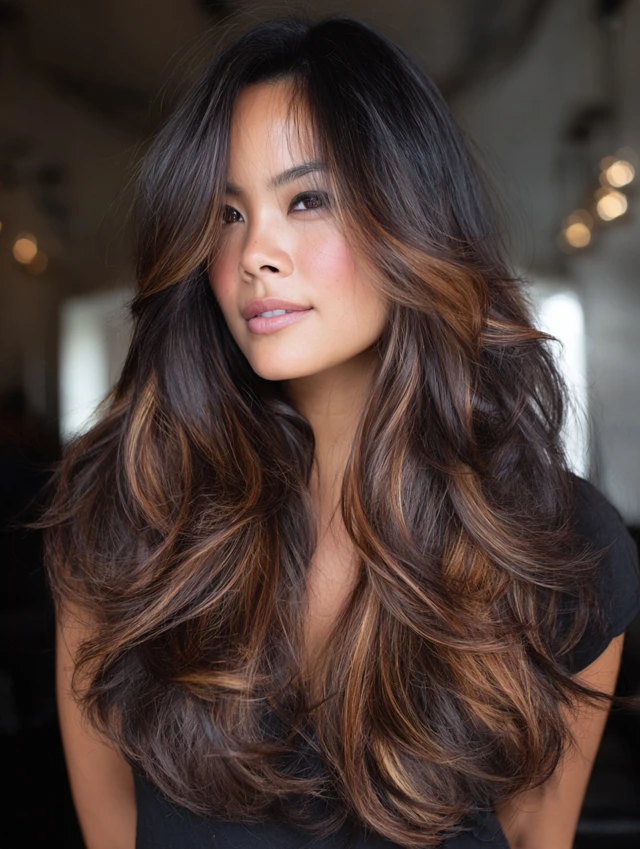
Photo credit: womenshairtoday.com
A soft, natural black base gets whisper-quiet espresso lowlights for movement, worn at mid-back with a sleek, polished texture. The neutral undertone flatters deep skin tones and dark eyes. Thick hair keeps the dark shade from looking heavy, and a middle part gives it a clean, modern line. It is black hair with a secret.
The technique is subtle — espresso lowlights just a shade or two lighter than the base, or even just a gloss for reflect. Upkeep is a gloss every 8 to 10 weeks; the base itself barely needs touching if it is close to your natural. The advantage is depth and shine with almost no color calendar. The trade-off is subtlety — in indoor light, no one may notice the dimension at all.
Butterscotch Balayage for Thick Hair

Image credit: behindthechair.com
Golden butterscotch blonde balayage sweeps through a brunette base, worn at mid-back with big, bouncy waves. The warm golden undertone flatters warm skin tones beautifully. Thick hair is the ideal canvas — the density lets the butterscotch ribbon through without looking sparse. A middle part keeps the golden pieces even.
Ask for hand-painted balayage in butterscotch and golden tones, concentrated through the mid-lengths and ends. Upkeep is 10 to 12 weeks. The advantage is warm, radiant color that glows in winter light. The trade-off: golden blondes can tip into brassiness, so a purple shampoo used sparingly — once a week, not daily — keeps the gold golden instead of yellow. If this look speaks to you, Easy Chic Winter Hairstyles for Women in 2025 2026 That Elevate Your Everyday Style continues the thread.
Dark Caramel Balayage on Long Brunette
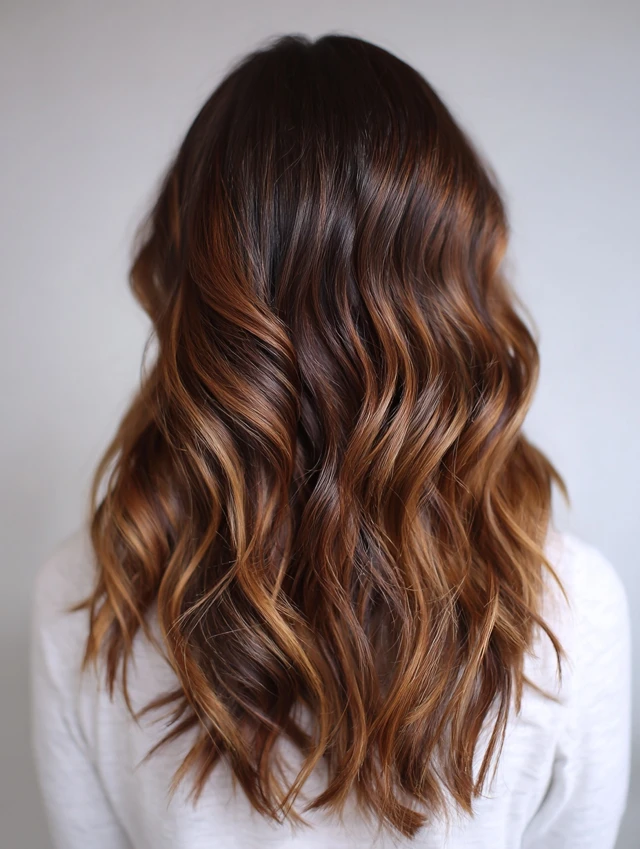
Source: womenshairtoday.com
A dark brunette base gets ribbons of caramel balayage through long, wavy lengths — the classic for a reason. The warm caramel undertone flatters warm and olive skin tones. Long, thick, wavy hair is the ideal texture; the waves catch the caramel and make it glow. A middle part lets the ribbons fall naturally on both sides.
Ask for balayage starting mid-length, keeping the root dark so regrowth disappears. Expect 12 to 14 weeks between appointments — one of the longest intervals on this list. The advantage is a proven, grow-out-friendly classic. The trade-off: on very dark bases, caramel can pull brassy as it fades, so a cool-leaning caramel formula is worth requesting.
Final Thoughts
Across these 24 colors, the strongest options work because of dimension and undertone, not simply because they are dark or light. A shadow root buys a blonde ten extra weeks; a warm undertone lets a brunette fade without brass; a single-process shade trades dimension for simplicity. Choose based on your maintenance tolerance first, then your texture, then your skin tone — and when in doubt, go one shade closer to your natural color. Winter is long; your grow-out should be graceful.
- Trim every six to eight weeks to keep the shape sharp.
- Use a heat protectant before every hot-tool session.
- Tone blonde or highlighted hair every six weeks to keep brassiness away.
- Match the upkeep schedule to your routine before committing to high-maintenance color.
The best color is the one that still looks intentional at week six.