If you are chasing a smooth, glowing complexion, exfoliation is a step worth understanding — but the shelf full of scrubs, acids, and enzymes can be confusing. Which one suits your skin? How often is enough? And when does helpful turn into harmful? This guide breaks down physical and chemical exfoliation in plain language, matches each method to the skin types it suits best, and flags the mistakes that cause most of the irritation people blame on exfoliation itself.
Everything here is general information to help you make a careful choice. Exfoliation is not a treatment for skin conditions, and if you have rosacea, eczema, very sensitive skin, or persistent acne, a dermatologist is the right person to guide you before you start. A calm, even complexion also makes everything else easier — from the soft, natural makeup looks in Best School Makeup Ideas: Easy Natural Styles to the polished nails in Best Fall Nail Colors 2025 for Women Over 40, which both look their best on a well-cared-for base.
Key Takeaways
- Exfoliate one to three times per week, starting with once a week to see how your skin reacts.
- Choose chemical exfoliants such as AHAs for dry skin and BHAs for oily or acne-prone skin.
- Always follow exfoliation with a moisturizer and daily broad-spectrum SPF 30+ sunscreen.
- Avoid harsh physical scrubs with irregular particles, such as crushed nut shells.
- Stop exfoliating if you notice severe redness, burning, or excessive dryness, and seek professional advice.
What Is Exfoliation, and Why Does Skin Need It?
Exfoliation is the process of removing dead skin cells from the surface of your skin. Done gently, it can leave skin looking brighter and feeling smoother, and it helps your serums and moisturizers absorb better. The catch is that the right method depends on your skin type: what suits oily skin may irritate dry or sensitive skin, and the same product used too often can undo its own benefits.
Your skin already renews itself. Roughly every 28 to 30 days, it sheds dead cells from the surface and replaces them with fresh ones, a process called desquamation. As you get older, that natural turnover slows down. Dead cells can linger instead of shedding neatly, leaving skin looking dull, rough, or uneven. Exfoliation simply helps that renewal along — clearing the lingering layer so the fresher skin beneath can show.
How Your Skin Sheds Cells
Think of the surface of your skin as a tidy cycle: new cells rise, old cells flake away, and the rhythm keeps your complexion even. When the rhythm slows — with age, with dryness, with sun exposure — the flakes pile up instead. The result is not dramatic, just a gradual loss of light: makeup sits less smoothly, skin feels rough to the touch, and the glow you remember seems muted.

Photo via flderms.com
That is where gentle exfoliation earns its place. By removing the lingering dead cells, you help the renewal process stay efficient. The payoff is a smoother surface, a more radiant look, and better absorption of the moisturizer and serums you apply afterwards. The key word is gentle: the goal is to assist the cycle, not to scrub it into submission.
Physical vs Chemical Exfoliation: Which One Is Right for You?
The two main types work in completely different ways. Physical exfoliation uses abrasive materials — scrubs, brushes, or cloths — to manually buff dead cells away. Chemical exfoliation uses acids or enzymes to dissolve the bonds that hold dead cells together, so they release without scrubbing.
| Type | How it works | Best for |
|---|---|---|
| Physical | Manual buffing with fine granules, brushes, or cloths | Normal to oily skin; people who like immediate smoothness |
| AHAs | Water-soluble acids (glycolic, lactic) that work on the skin’s surface | Dry or sun-damaged skin; texture and brightness |
| BHAs | Oil-soluble acids (salicylic) that reach inside pores | Oily or acne-prone skin; unclogging pores |
| Enzymes | Fruit-derived (papain, bromelain) that gently dissolve dead cells | Sensitive skin; a milder alternative to acids |
Neither type is better in general — the right one is the one your skin tolerates happily. Many people do best with a chemical exfoliant, because it works evenly without friction. Others love the instant smoothness of a very gentle physical scrub used sparingly. What matters is the result on your skin: smooth and calm is right; tight, red, or stinging is a sign to back off. And remember that exfoliated skin is more sun-sensitive, so the sunscreen step in your morning routine becomes even more important — the same daily protection that keeps a manicure’s skin looking cared for, as in Stylish Fall Nail Colors for Women Over 50.
Choosing the Best Method for Your Skin Type
Your skin type decides which method fits and how often to use it. Here is a practical breakdown.
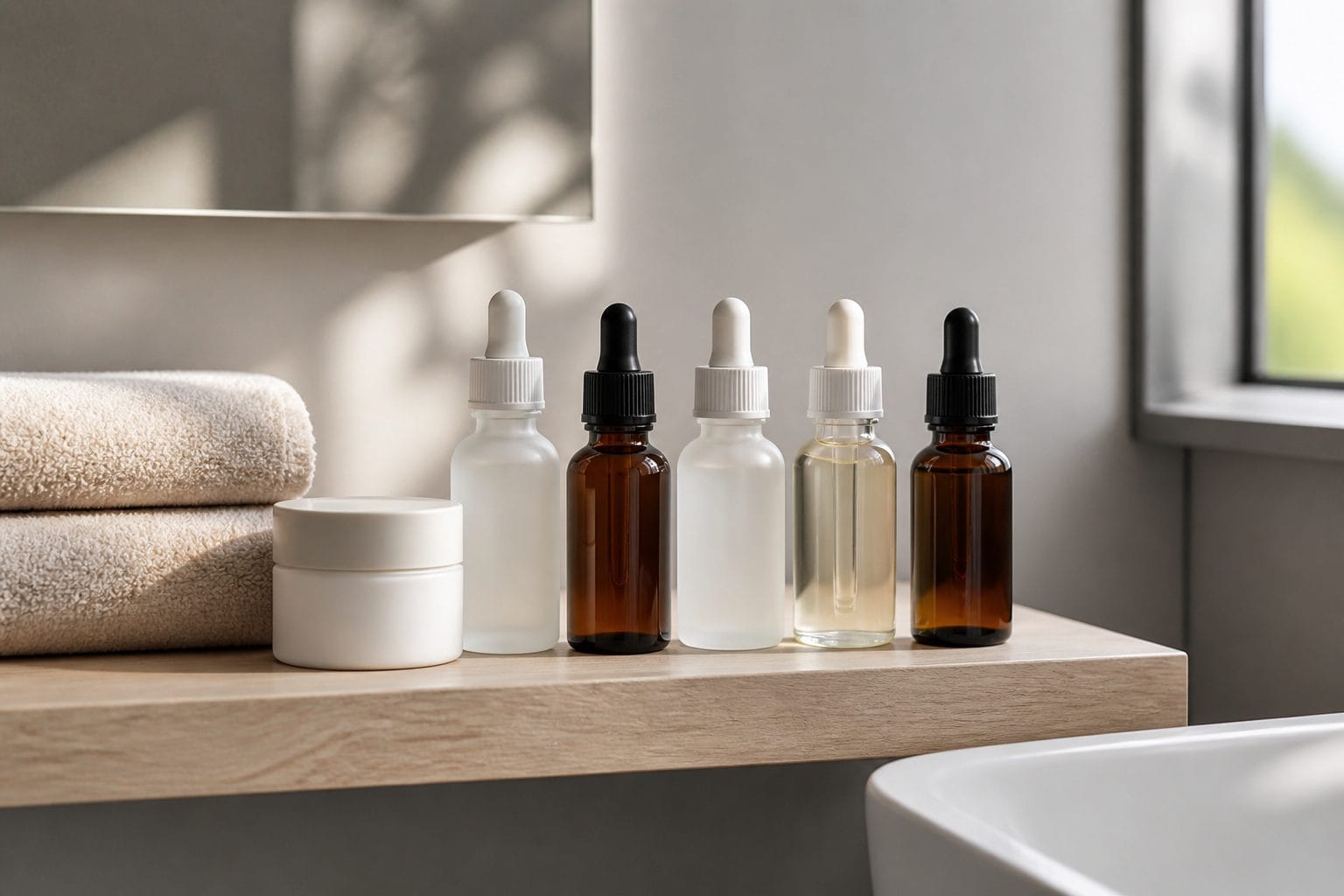
Photo via obviouslyskincare.com
Sensitive Skin
Stick with milder chemical options such as lactic acid or enzyme exfoliants from papaya or pineapple. If you prefer a physical method, use a very soft washcloth or a gentle scrub with smooth beads, and limit it to once a week. Stop if you notice redness or stinging, and always patch-test a new product first on a discreet spot such as behind your ear.
Oily and Acne-Prone Skin
BHAs such as salicylic acid are often the best fit because they are oil-soluble and can reach into pores to clear congestion. You may tolerate exfoliation up to three times a week, but start with once or twice and build up. A leave-on BHA toner or serum gives consistent, gentle exfoliation without the friction of a scrub.
Dry Skin
AHAs, especially lactic acid or mandelic acid, are a good choice because they exfoliate while also helping skin hold on to moisture. Use them one to two times a week and always follow with a rich moisturizer. Avoid harsh physical scrubs, which can strip away the little moisture dry skin has.
Normal and Combination Skin
You have the most flexibility. Alternate a gentle physical scrub with a chemical exfoliant such as glycolic acid, or use a combination product. Start with once a week and adjust based on how your skin responds. A useful trick for combination skin is a BHA on the oilier T-zone and an AHA on the drier cheeks.
No matter your skin type, always finish with moisturizer and apply broad-spectrum sunscreen SPF 30 or higher during the day, since exfoliation can increase sun sensitivity.
Your Exfoliation Essentials: Tools and Products
For physical exfoliation, the choices are scrubs with fine particles such as sugar, salt, or jojoba beads; exfoliating brushes, manual or electric; and soft cloths. For chemical exfoliation, look for alpha hydroxy acids (AHAs) such as glycolic, lactic, or mandelic acid; beta hydroxy acids (BHAs) such as salicylic acid; and enzyme exfoliants derived from papaya (papain) or pineapple (bromelain).

Photo via projectebeauty.nl
When you buy, check the particle type on physical scrubs first. Smooth, round beads are far kinder than jagged, irregular particles such as crushed nut shells, which can scratch the skin surface. With chemical products, a lower strength used consistently usually beats a strong formula used once and abandoned because it stung. Keep the rest of your routine simple while you test a new exfoliant — the fewer variables, the clearer the verdict.
Common Mistakes to Avoid
Using the wrong exfoliant: a product that is too harsh or too strong for your skin type can cause irritation and damage the barrier you are trying to help.
Exfoliating too often: more than one to three times a week can disrupt the skin’s natural barrier, leading to redness and sensitivity. Daily exfoliation is too much for most people.
Skipping moisturizer and sunscreen: exfoliation can leave skin dry and more sensitive to the sun. Moisturizer restores hydration, and daily sunscreen is non-negotiable afterwards.
Ignoring irritation: redness, stinging, or excessive dryness are signals to stop and let skin recover — not to push through.
Using too much pressure: scrubbing hard with a physical exfoliant can create tiny tears in the skin. Be gentle and let the product do the work, with light circular motions for no more than about 30 seconds.
Expert Tips for Safe and Effective Exfoliation
Start slow and build up: begin once a week. If your skin tolerates it well, gradually increase to two or three times a week.

Photo via facialsculpting.co.uk
Always patch-test: before using a new chemical exfoliant, apply a small amount to a discreet area such as behind your ear and wait 24 hours to check for a reaction.
Be gentle with physical scrubs: light, circular motions, and never scrub for more than about 30 seconds.
Listen to your skin: stinging, tightness, or redness after exfoliating means you need a break and a lower frequency.
Do not mix strong exfoliants: combining multiple strong acids, or using a physical and a chemical exfoliant in the same routine, can easily lead to over-exfoliation. If you are unsure about combining exfoliants with other active ingredients such as retinoids, seek professional guidance. The same careful, unhurried approach applies to the rest of your self-care — even small rituals like the pedicure colours in Stylish Fall Toe Nail Ideas 2025 and Cozy Chic Fall Toe Nail Ideas reward a gentle hand over a rushed one.
When to Talk to a Dermatologist
Stop exfoliating immediately if you experience severe redness, burning, stinging, or excessive dryness. Avoid exfoliating over active breakouts, open sores, or sunburned skin, as this can worsen inflammation and delay healing. Consult a dermatologist if you have a skin condition such as rosacea or eczema, or very sensitive skin, before starting any exfoliation routine. Professional guidance is also wise if you are unsure about combining exfoliants with other active ingredients in your skincare routine.
Frequently Asked Questions
How often should I exfoliate?
Most people exfoliate one to three times per week. The exact frequency depends on your skin type and the strength of the product. Start with once a week, and if your skin tolerates it well, gradually increase to two or three times per week.
Can I exfoliate if I have sensitive skin?
Yes, but carefully. Sensitive skin generally benefits from milder chemical exfoliants such as lactic acid or enzyme exfoliants derived from papaya or pineapple. If you prefer physical exfoliation, use a very gentle method and limit it to once a week or less. Always patch-test a new product first.
What is the difference between AHA and BHA?
AHAs (alpha hydroxy acids) such as glycolic and lactic acid are water-soluble and work on the skin’s surface, making them a good fit for dry or sun-damaged skin. BHAs (beta hydroxy acids) such as salicylic acid are oil-soluble and can reach deeper into pores, which is why they are often recommended for oily or acne-prone skin.
Can exfoliation help with acne?
It can help by unclogging pores and removing the dead skin cells that contribute to breakouts. BHAs such as salicylic acid are particularly useful for acne-prone skin because they reach inside pores. However, avoid exfoliating over active, inflamed breakouts, as this can worsen irritation — and persistent acne is worth discussing with a dermatologist.
Is it okay to exfoliate every day?
For most people, daily exfoliation is too much and can damage the skin’s natural barrier, leading to redness, irritation, and increased sensitivity. Stick to one to three times a week, and pay attention to how your skin feels. If you notice stinging or dryness, reduce the frequency.
Final Thoughts
Start with the gentlest option for your skin type and build up from there. For most people, consistent exfoliation once or twice a week leads to noticeably smoother, brighter skin within a few weeks. The real win is finding a routine that leaves your skin looking healthy without any redness or tightness. Listen to your skin — it will tell you the right schedule, if you give it the chance.
Disclaimer: This article is for general informational purposes only and does not constitute medical or professional advice. Skincare routines and products affect individuals differently. If you have a persistent skin condition, severe irritation, or concerns about your skin’s health, please consult a dermatologist or a qualified healthcare professional.