You have been doing crunches for weeks, maybe months, and your stomach looks much the same. It is frustrating — and it is not your fault. A flatter stomach is rarely built by abdominal exercises alone, and the most common workout mistakes are the quiet ones: the wrong exercise mix, the missing rest days, the diet that works against the training.
This guide covers the mistakes that slow progress toward a flatter stomach, the core exercises that actually work, and the weekly plan that ties training, food, sleep, and stress together. The approach is simple and sustainable — no extreme diets, no two-hour workouts, just the right moves done consistently. Comfortable workout clothes help you show up, and the easy athleisure in Gym Outfit Ideas for Your Next Workout makes the whole thing feel less like a chore.
Key Takeaways
- Spot reduction is a myth — a flatter stomach comes from overall fat loss plus core strength, not crunches alone.
- Train the whole core: rectus abdominis, obliques, and the deep transverse abdominis.
- Add full-body strength training two to three times a week and regular cardio to burn overall body fat.
- Diet, sleep, and stress directly affect belly fat — training alone cannot outwork them.
- Expect visible changes in body composition within eight to twelve weeks of consistent effort.
Why Your Flat Stomach Workout Isn’t Working
The core misunderstanding is spot reduction: the idea that exercising one area burns fat from that area. It does not work that way. Crunches strengthen the abdominal muscles underneath, but the fat covering them only reduces when your body loses fat overall — through a combination of training, food, and daily habits. You can have strong abs and still carry a layer of belly fat if the rest of the equation is missing.
The second problem is narrow training. Crunches mostly work one muscle, the rectus abdominis — the “six-pack” muscle. A strong, flat-looking midsection also needs the obliques at the sides and the transverse abdominis, the deep corset-like muscle that pulls everything inward. A routine built only on crunches leaves most of the core undertrained. And the third problem is everything outside the workout: a diet high in refined sugars and processed foods, too little sleep, and chronic stress all encourage fat storage around the midsection, quietly undoing the work of your training sessions.
The Core Moves That Actually Work
A good core session takes twenty to thirty minutes and covers the whole midsection. Warm up first with a few minutes of gentle movement — the cat-cow stretch, done slowly on all fours, wakes up the spine and the deep core muscles before the harder work begins.

Photo via viralstrange.com
Plank
Start on your forearms with your body in a straight line from head to heels. Pull your belly button toward your spine, squeeze your glutes, and keep your hips level — neither sagging nor piked. Hold for 30 to 60 seconds, for three sets. Drop to your knees to make it easier; lift one foot slightly for a challenge. The plank trains the entire core at once, including the deep transverse abdominis that crunches miss.
Dead Bug
Lie on your back with knees bent at 90 degrees over your hips and arms reaching toward the ceiling. Slowly extend your right arm overhead and your left leg forward, hovering just above the floor, while keeping your lower back pressed into the mat. Return and switch sides. Aim for 10 to 12 reps per side, three sets. The dead bug is one of the best exercises for teaching your core to stay stable while your limbs move.
Bicycle Crunches and Side Plank
Bicycle crunches work the obliques: lie on your back, hands behind your head, and bring opposite elbow to knee in a slow pedalling motion, keeping your elbows wide and your chin off your chest. The side plank targets the obliques from another angle — prop yourself on one forearm, stack your feet, lift your hips into a straight line, and hold 30 to 45 seconds per side. Leg raises finish the set: lying on your back, slowly lower straight legs toward the floor without letting your lower back arch, then lift with control. Comfortable, stretchy leggings make floor work far easier, whether you prefer the classic fit of Cute Leggings Outfit Ideas or the relaxed shape of Flare Leggings Outfit Ideas.
A Smarter Weekly Plan
Core work alone is not enough. The weekly plan below combines targeted core training with full-body strength and cardio, which is what actually drives overall fat loss — including around the stomach.
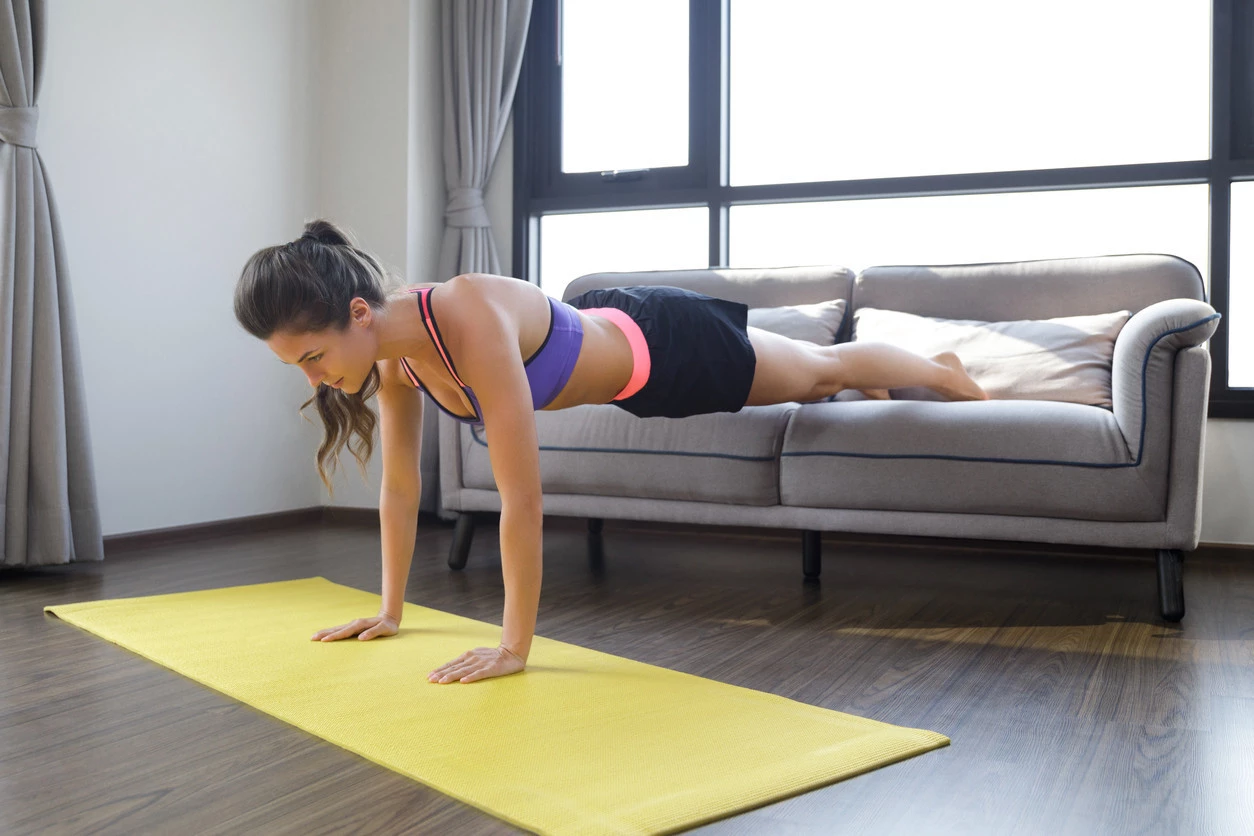
Photo via vitonica.com
- Three to four core sessions a week: the circuit above, with at least one rest day between sessions so the muscles recover and grow stronger.
- Two to three full-body strength sessions: squats, lunges, push-ups, and rows. Building muscle raises your metabolism, which helps burn fat around the clock — including belly fat.
- Two to three cardio sessions: brisk walking, cycling, or short high-intensity intervals. Cardio burns overall body fat, and consistency matters more than intensity.
- One full rest day: recovery is when muscles repair and grow. A gentle walk or stretching is fine; a hard workout is not.
A sample week might look like core plus cardio on Monday, full-body strength on Tuesday, rest or a walk on Wednesday, core plus strength on Thursday, cardio on Friday, core plus strength on Saturday, and full rest on Sunday. Adjust the days to fit your life — the pattern matters more than the exact schedule.
The Mistakes That Quietly Stall Progress
Only doing crunches: as above, crunches train one muscle. Rotate planks, dead bugs, bicycle crunches, and side planks so every part of the core gets worked.
Ignoring your diet: you cannot out-exercise a poor diet. Overall fat loss starts in the kitchen — whole foods, lean protein, plenty of vegetables, and limited refined sugar and processed food. Protein deserves special attention, and the guidance in High Protein Diet for Women explains how to build meals that support training and keep you full.
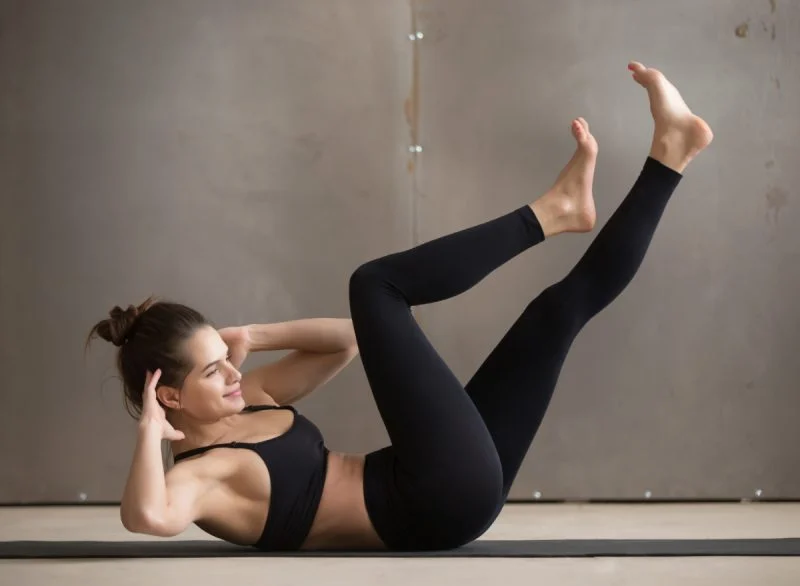
Photo via eatthis.com
Skipping strength and cardio: without full-body training, fat loss stalls. Strength work builds the muscle that keeps your metabolism higher, and cardio burns the calories that reveal the core underneath.
Using poor form: rushed, sloppy reps are less effective and risk injury, especially to the lower back. Slow down, prioritise technique over rep count, and if you are unsure, watch a reliable demonstration or ask a trainer to check your form.
Training abs every day: abdominal muscles need recovery like any other muscle group. Daily ab workouts lead to overtraining and slower progress, not faster results. Three to four sessions a week with rest days is the sweet spot.
Food, Sleep, and Stress: The Other Half of the Equation
Two factors outside the gym have an outsized effect on belly fat. The first is stress: chronically high cortisol is linked to fat storage around the abdomen, so stress management — deep breathing, walking, meditation, or simply protecting downtime — is genuinely part of a flat-stomach plan. The second is sleep. Short or poor-quality sleep disrupts the hormones that regulate hunger and fat storage, making it harder to lose weight and easier to crave sugary food. Seven to nine hours a night supports everything your training is trying to achieve.

Photo via eatthis.com
On the food side, the basics carry the day: enough protein at each meal, vegetables and whole grains, water through the day, and a limit on sugary drinks and heavily processed snacks. Supplements and waist trainers are not the answer — waist trainers only compress the midsection temporarily and can weaken your core over time. The honest route is slower and far more durable: train well, eat well, sleep well, and let the results accumulate. Good nutrition also means covering the basics, and Vitamins for Women: Essential Nutrients is a helpful check on the nutrients that support energy and recovery. And when the workout is done, comfortable layers like Blue Leggings Outfit Ideas With a Hoodie make the walk home part of the pleasure.
What to Expect: A Realistic Timeline
With consistent effort across training and diet, most people notice their core feeling stronger within a few weeks and visible changes in body composition within eight to twelve weeks. Individual results vary with starting point, genetics, and consistency — and the scale does not always tell the full story, since muscle gain can offset fat loss in weight even as your waistline shrinks. Take measurements or photos every few weeks instead of relying on the scale alone. The changes you feel — a stronger core, better posture, more energy — usually arrive before the changes you see, and they are worth celebrating on their own.
Frequently Asked Questions
How long does it take to see results from a flat stomach workout?
With consistent training and a balanced diet, noticeable changes in body composition typically appear within eight to twelve weeks. Strength and energy often improve sooner, within the first few weeks, even before visible changes show.
Can diet alone give me a flat stomach?
Diet plays the biggest role in reducing overall body fat, which is necessary for a flatter stomach. But without core-strengthening exercise, you may lose fat while your abdominal muscles stay weak. The combination of balanced eating and targeted core work is most effective.
Do waist trainers help achieve a flat stomach?
Waist trainers compress the midsection temporarily but do not cause fat loss or build muscle. Relying on them can weaken your core over time. A sustainable routine of exercise and healthy eating is safer and far more effective.
Is it possible to get a flat stomach after pregnancy?
Yes, many women regain core strength and a flatter stomach after pregnancy, but it takes patience and a tailored approach. Consult a doctor or physical therapist before starting abdominal exercises, especially if you have diastasis recti or other postpartum concerns.
Final Thoughts
A flatter stomach is not won with crunches alone. It comes from training the whole core, adding full-body strength and cardio, eating in a way that supports fat loss, and giving your body the sleep and recovery it needs to change. That sounds like a lot, but each piece is simple on its own — and the plan works because the pieces support each other. Start with the core circuit three times a week, add strength and cardio around it, and give yourself eight to twelve weeks. Your body is changing even before you can see it.
Disclaimer: This article is for general informational purposes only and does not constitute medical or professional advice. Always consult a healthcare professional before starting a new exercise program, especially if you have underlying health conditions, are pregnant, or are postpartum. Stop any exercise that causes sharp pain and listen to your body.