If your skin feels tight, dry, or a little dull, the fix does not have to come in an expensive bottle. Glycerin — also called glycerol — is one of the simplest and most affordable hydrating ingredients in skincare. It is a clear, odourless liquid that pulls moisture from the air into your skin, leaving it softer and more comfortable, often within minutes of applying it.
This guide explains what glycerin does, how to dilute and use it correctly, the easiest ways to fit it into a routine you already have, and the mistakes that can turn a great hydrator into a drying one. It pairs well with the basics in Glowing Skin Morning Skincare Routine, where glycerin can slot in as the hydration step between cleansing and moisturizer.
Key Takeaways
- Always dilute pure glycerin to a 5–10% solution with water, rosewater, or a hydrosol before putting it on skin.
- In very dry air, even diluted glycerin can pull moisture out of skin, so seal it in with a moisturizer on top.
- Glycerin is non-comedogenic and generally gentle, but a patch test is still wise before first use.
- Hydration feels immediate, while real barrier improvement builds over one to two weeks of steady use.
- Never apply pure, undiluted glycerin directly — it feels sticky and can leave skin drier than before.
What Is Glycerin and Why Skin Loves It
Glycerin is a humectant, which means it attracts water. When you apply a diluted glycerin solution, it draws moisture from the surrounding air into the outer layer of your skin, where it is held and put to use. That is why skin feels plumper and smoother almost right away. It also helps reinforce the skin barrier — the outer layer that keeps moisture in and irritants out — so skin stays comfortable for longer between applications.
Another reason glycerin is so widely used is that it suits most skin types. It is non-comedogenic, so it does not clog pores, and it rarely causes irritation on its own. You will find it listed as an ingredient in countless cleansers, serums, and moisturizers, often near the top of the list. Buying it on its own, though, costs only a few dollars for a bottle that lasts months, which makes it one of the best-value skincare ingredients you can own. If your routine already includes exfoliation, the guide to Exfoliation: Physical vs Chemical Skin Care explains how to keep that step gentle so a humectant like glycerin has healthy skin to work with.
Glycerin works in two ways at once. First, it binds water to the surface of the skin, which softens the look and feel of dryness. Second, by keeping the outer layer hydrated, it supports the barrier function that prevents water from escaping throughout the day. Over time, consistent use helps skin hold onto its own moisture more effectively, so the tight, papery feeling that comes with dryness fades.
Photo via tryblossom.com
The Humidity Catch
There is one important caveat. A humectant pulls water from wherever it can find it. In humid air, that means plenty of moisture from the environment. In very dry air — heated rooms in winter, desert climates, air-conditioned offices — there is little moisture in the air, so glycerin can draw water upward from the deeper layers of your own skin instead. The fix is simple: apply glycerin to damp skin and follow it with a moisturizer or a light occlusive layer, which locks the hydration in place.
Who Benefits Most
Dry and dehydrated skin types see the biggest difference, but combination and oily skin can benefit too, since glycerin hydrates without adding oil or heaviness. Sensitive skin usually tolerates it well, though a patch test on the inner wrist, checked after 24 hours, is the sensible first step for anyone trying it for the first time.
What You Need for DIY Glycerin Skincare
You only need a few inexpensive basics to start using glycerin at home.
- Pure vegetable glycerin: sold in small bottles at health stores, pharmacies, and online. Food-grade or cosmetic-grade both work for skin use.
- Distilled water or a hydrosol: this is what you dilute the glycerin with. Rosewater or lavender hydrosol adds a light scent and a little extra soothing benefit.
- A small spray bottle or cotton pads: a spray bottle turns the mixture into a fine facial mist, while cotton pads let you apply it like a toner.
- Your regular moisturizer: to seal the glycerin layer in, especially in dry weather.
Keep the mixture simple. Glycerin does its best work when it is not competing with a dozen other actives in the same step, so a plain dilution is often more effective than a complicated blend.
How to Use Glycerin on Your Face, Step by Step
The ratio matters more than anything else here. A 5% solution is a good starting point for most people, and you can work up to 10% if your skin likes it.
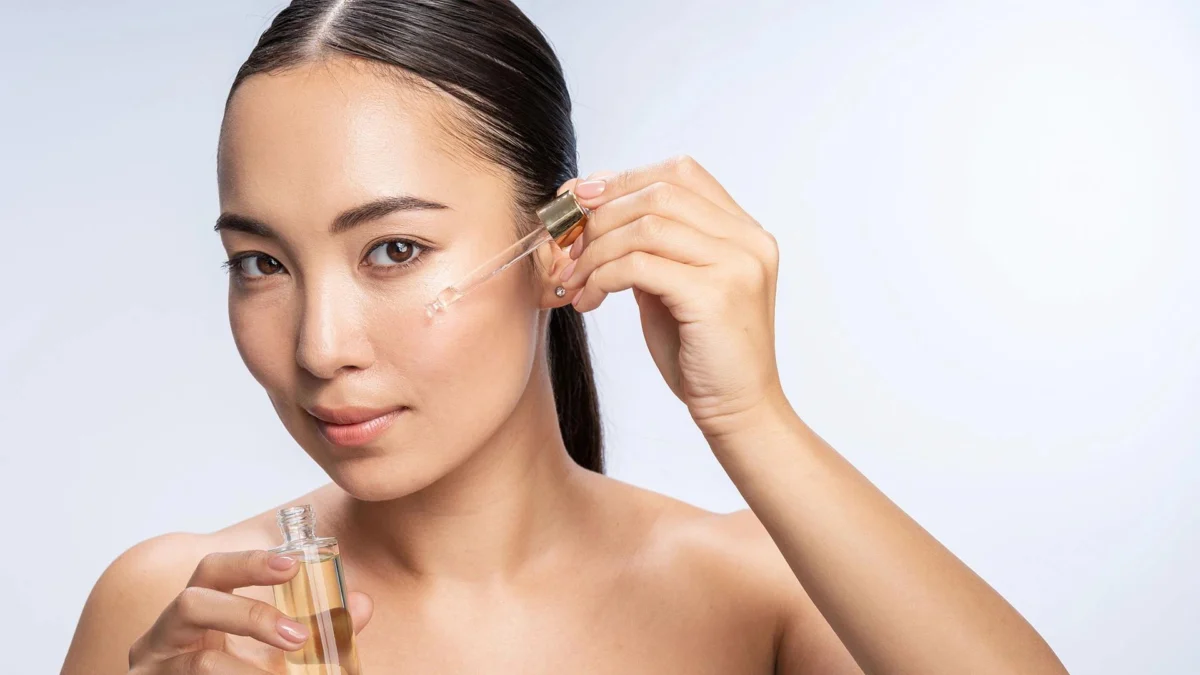
Photo via smytten.com
- Dilute the glycerin: mix 1 teaspoon of pure glycerin with 20 teaspoons of distilled water or rosewater. That gives you a 5% solution. Shake well in a small bottle.
- Patch test first: apply a drop of the diluted mixture to the inside of your wrist and wait 24 hours. If there is no redness or itching, it is safe to use on your face.
- Apply to damp skin: after cleansing, spritz the mixture onto your face or sweep it on with a cotton pad while your skin is still slightly wet. Damp skin gives the glycerin water to hold onto.
- Follow with moisturizer: once the mist has settled, apply your usual moisturizer. This seals in the hydration and prevents moisture loss in dry environments.
Use the mixture once or twice a day, typically after cleansing and before heavier products. If you use it in the morning, sunscreen still goes on last, as always.
Different Ways to Add Glycerin to Your Routine
A spray bottle is only the beginning. Glycerin is flexible enough to fit into almost any routine.
DIY Facial Mist
Fill a spray bottle with 1 cup of distilled water and 2 tablespoons of pure glycerin, shake well, and mist over your face after cleansing or whenever skin feels dry during the day. Rosewater in place of plain water adds a soothing touch. Store the mist in the fridge and use it within a week for freshness.
Boost Your Moisturizer or Serum
Add two or three drops of your pre-diluted glycerin solution to your palm along with your regular moisturizer, then apply as usual. This gives an extra hydration lift without adding a separate step. The key word is pre-diluted: never mix pure glycerin straight into a product.
Hydrating Face Mask
Mix 1 tablespoon of plain yogurt, 1 teaspoon of honey, and 1 teaspoon of diluted glycerin solution. Apply to clean skin, leave on for 10–15 minutes, then rinse with lukewarm water. Once or twice a week is plenty for a noticeable moisture boost. Hydration from the inside matters too — the nutrients covered in Vitamins for Women: Essential Nutrients support skin health alongside any topical routine.
Photo via topestetic.pl
Common Glycerin Mistakes to Avoid
Using it undiluted: pure glycerin is thick and sticky, and it can pull moisture out of your skin rather than adding it. Always dilute to 5–10% first.
Ignoring the humidity: in very dry climates, even diluted glycerin can leave skin drier if it is not sealed in. A light moisturizer or occlusive layer on top solves this.
Expecting it to treat everything: glycerin is a hydrator, not a treatment for acne, wrinkles, or dark spots. It works best as one part of a balanced routine that includes cleansing, gentle exfoliation, and sun protection.
Skipping the patch test: reactions are uncommon, but they happen. A one-day wrist test costs nothing and saves a week of irritation.
Storing a DIY mist too long: a homemade water-based mist has no preservatives. Make small batches, keep them in the fridge, and discard after a week.
What to Expect: Timeline and Cost
Hydration is immediate — skin feels plumper and smoother after the first application. For lasting barrier improvement, use glycerin consistently for one to two weeks and the difference becomes easier to see: less tightness, fewer dry patches, and makeup that sits more smoothly. The cost is the real win. A single bottle of pure vegetable glycerin costs a few dollars and, diluted at 5%, lasts for months of daily use, making it one of the most cost-effective skincare ingredients available. And when skin looks calm and hydrated, the rest of a look comes together easily — whether that is a soft finish like the ideas in Natural Nail Designs with a Subtle Glow, warm-toned hair like Cute Caramel Brown Hair with a Sun-Kissed Glow, or a simple everyday outfit from Classy Simple Style Outfits in Linen.
Photo via olejove.com
Frequently Asked Questions
What is the best way to dilute glycerin for skin?
A 5–10% solution is the safest and most effective range. Mix 1 teaspoon of pure glycerin with 20 teaspoons of distilled water or rosewater for a 5% solution, shake well, and patch test on your wrist before using it on your face.
Can glycerin cause dryness in some climates?
Yes, in very low-humidity environments, even diluted glycerin can draw moisture from the deeper layers of your skin toward the surface. If you live in a dry climate, apply a moisturizer or occlusive layer over the glycerin to lock the hydration in.
Is glycerin safe for all skin types?
Glycerin is generally well tolerated by most skin types, including sensitive and acne-prone skin, because it is non-comedogenic and gentle. If you have a specific skin condition or react easily to products, patch test first and stop using it if irritation appears.
How often should I use glycerin on my face?
A glycerin mist or diluted solution can be used once or twice daily, usually after cleansing and before moisturizer. Apply it to damp skin for the best effect, and give it one to two weeks of consistent use to see lasting improvement in your skin barrier.
Can I mix glycerin with my regular moisturizer?
Yes, add a few drops of already-diluted glycerin to your moisturizer or serum for an extra hydration boost. Make sure the glycerin is pre-diluted to 5–10% first — never add pure glycerin directly to a product.
Final Thoughts
Glycerin is a quiet powerhouse: cheap, gentle, and genuinely effective when it is used the right way. Start with a simple 5% dilution in a spray bottle, mist it over damp skin after cleansing, and seal it in with moisturizer. You will feel the hydration right away, and with a week or two of daily use, your skin barrier will start holding moisture better on its own. Keep it simple, keep it diluted, and let one of skincare’s oldest ingredients do its work.
Disclaimer: This article is for general informational purposes only and does not constitute medical or professional skincare advice. Skincare results vary from person to person, and DIY mixtures should always be patch tested first. If you have a persistent skin concern, irritation, or a medical condition, please consult a dermatologist or healthcare professional before changing your routine.