Hyaluronic acid is one of the most loved ingredients in skincare — and one of the most misunderstood. It is famous for holding many times its weight in water, which sounds like a guarantee of plump, hydrated skin. Yet plenty of people apply it faithfully and end up with skin that feels tighter and drier than before. The ingredient is rarely the problem. The way it is applied usually is.
This guide explains how hyaluronic acid actually works, the mistakes that turn a hydrating serum into a drying one, and the simple method that lets it do what it is meant to do. The fixes are small — damp skin, the right order, a moisturiser on top — but they make the difference between a serum that works and one that quietly backfires. For the full morning framework this fits into, see the Glowing Skin Morning Skincare Routine.
Key Takeaways
- Hyaluronic acid is a humectant: it attracts water, so it needs moisture available — from damp skin or the air — to work.
- Apply it to damp, not dry, skin, and always seal it with a moisturiser.
- In dry climates or heated indoor air, it can pull moisture from deeper skin layers if left unsealed.
- Layer thinnest to thickest: serum first, then moisturiser, then sunscreen in the morning.
- A pea-sized amount is enough — more product does not mean more hydration, and can feel sticky or pill.
How Hyaluronic Acid Actually Works
Hyaluronic acid is a substance the body produces naturally, found in skin, joints, and connective tissue. In skincare, it works as a humectant — a molecule that attracts and holds water. A single molecule can bind many times its weight in water, which is why it is so effective at making skin look plump and dewy when conditions are right.
The key phrase is “when conditions are right.” A humectant does not create water; it moves water toward itself. If the air is humid or the skin is damp, it pulls that moisture in and skin looks hydrated. If the air is dry and the skin is dry, it can pull moisture from the deeper layers of the skin instead — which is exactly how a hydrating serum ends up leaving skin feeling tight and dehydrated. Understanding that one mechanism explains nearly every hyaluronic acid mistake.
Mistake 1: Applying It to Dry Skin
This is the most common error, and the most consequential. Hyaluronic acid applied to completely dry skin has no surface moisture to draw from, so it reaches downward instead. The result can be skin that feels drier after using the product than before.
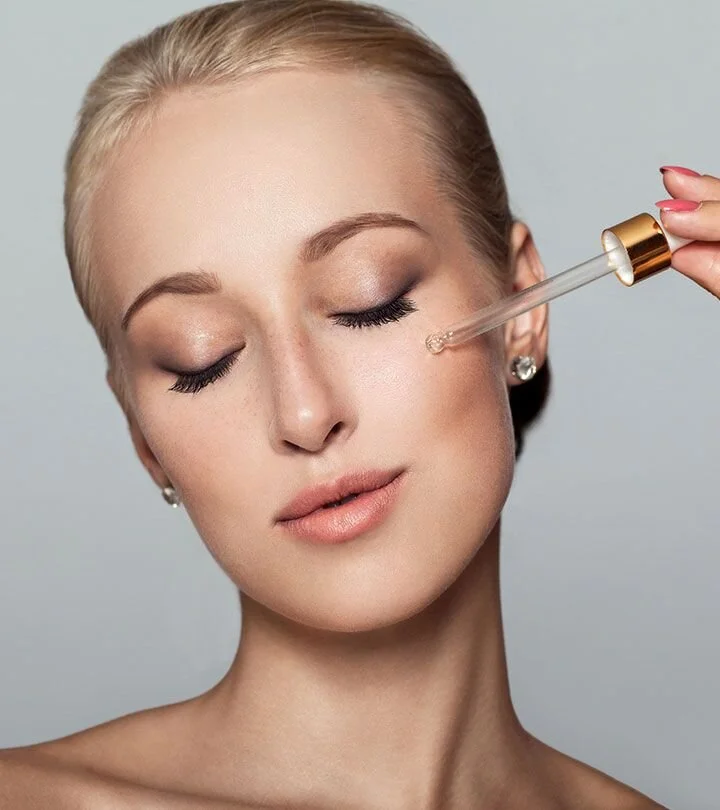
Photo via nghb.com.au
The fix is simple: apply the serum while your skin is still slightly damp from cleansing or from a mist of water or toner. A light spritz before application is enough. The serum then has moisture to bind, and the plumping effect follows. This single change resolves the problem for most people who think hyaluronic acid “does not work” for them.
Mistake 2: Skipping the Moisturiser on Top
Hyaluronic acid draws water in, but it does not hold it there. Without an occlusive layer on top — a moisturiser — the water it attracts can evaporate, taking some of the skin’s own moisture with it. The serum and the moisturiser are a pair: one attracts hydration, the other seals it in.
Apply your moisturiser within a minute or two of the serum, while the skin is still slightly tacky. In the morning, sunscreen goes on last, after the moisturiser has settled. In the evening, a slightly richer cream works well as the sealing step, especially in dry or cold weather. Skipping the seal is the second most common reason the serum disappoints.
Mistake 3: Using Too Much Product
More serum does not mean more hydration. A pea-sized amount — two or three drops — is enough for the whole face. Using too much leaves a sticky film, can cause pilling when you apply moisturiser or makeup on top, and wastes an often expensive product. Pat the serum in gently rather than rubbing it, and wait a few seconds before the next layer.

Photo via neutrogena.com
The same “less is more” principle applies to the rest of the routine. Layering several hydrating products at once can overwhelm the skin and cause pilling. One well-applied serum, sealed with moisturiser, outperforms a stack of products used carelessly.
Mistake 4: Wrong Order and Bad Pairings
Skincare layering follows a simple rule: thinnest to thickest. Hyaluronic acid serum goes on after cleansing and toning, and before heavier creams and oils. Applying it over a thick cream blocks it from reaching the skin properly, and applying it under the wrong actives can cause irritation.
- After cleansing, on damp skin: serum first, while the skin is still slightly wet.
- Then moisturiser: to seal the hydration in.
- Then sunscreen (mornings): as the final step, after the moisturiser settles.
- With vitamin C: the two generally work well together; apply vitamin C first, let it absorb, then the hyaluronic acid serum.
- With retinol: hyaluronic acid can buffer dryness from retinol — apply the serum first on damp skin, then retinol, then moisturiser. If your skin is sensitive, use them on alternate nights instead.
Exfoliation also affects how well the serum works: a smooth, freshly exfoliated surface absorbs product more evenly. The Exfoliation Guide for Physical and Chemical Methods explains how to exfoliate without overdoing it.
Mistake 5: Ignoring Your Climate and Environment
Hyaluronic acid performs differently depending on where you are. In humid climates, it has plenty of moisture to draw from the air and works beautifully. In dry climates, air-conditioned offices, or heated homes in winter, the air offers little moisture — which is exactly when the serum is most likely to pull water from your skin instead.
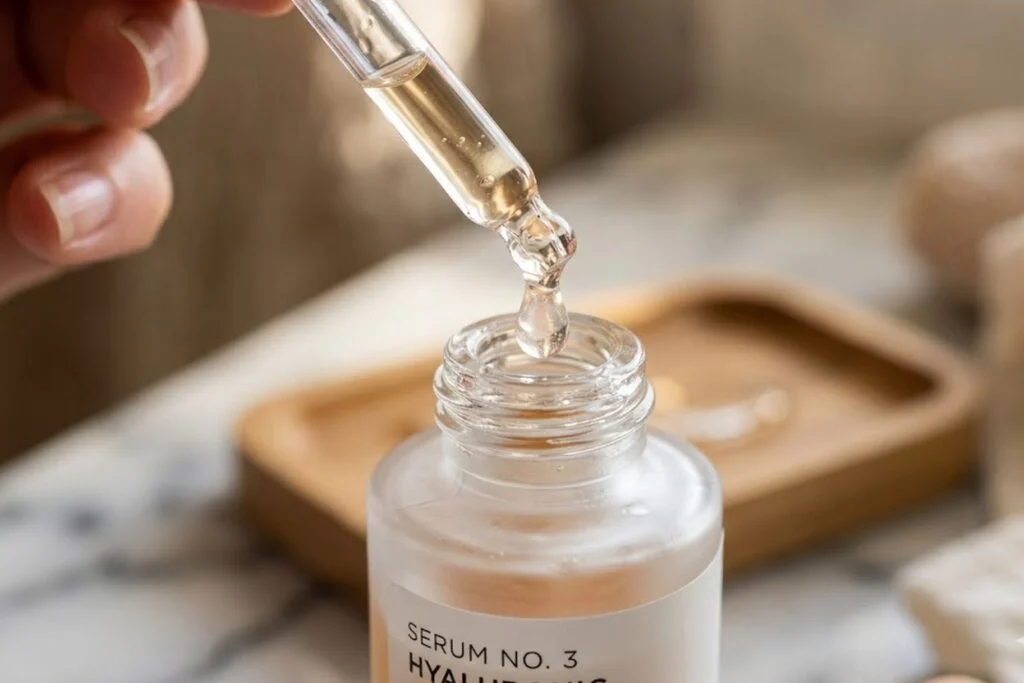
Photo via biyo-beauty.com
In dry conditions, the damp-skin step and the moisturiser seal become even more important. A facial mist before application, a richer moisturiser on top, and a humidifier in the bedroom all help. If your skin still feels tight despite doing everything right, your climate may be the reason — and a ceramide-rich cream or a hydrating essence may suit your skin better than a humectant serum alone.
The Right Way to Apply Hyaluronic Acid
Put together, the correct method is short and easy to remember:
- Cleanse gently with lukewarm water and a mild cleanser, then pat — do not rub — your face with a towel, leaving it slightly damp.
- Mist if needed: if your skin has already dried, a light spritz of water or toner restores the dampness the serum needs.
- Apply two to three drops of serum, patting it evenly over the face and neck.
- Seal with moisturiser within a minute or two, while the skin is still slightly tacky.
- Finish with sunscreen in the morning, after the moisturiser has settled.
Used this way, twice daily, most people notice skin feeling smoother and looking more hydrated within two to four weeks. Hydration also supports the skin from within: drinking water regularly and eating well — the nutrients in Vitamins for Women: Essential Nutrients and the protein focus of the High Protein Diet for Women — set the ceiling for what any serum can do. And when skin looks healthy, the finishing touches follow naturally: a soft, natural look like Natural Nail Designs with a Subtle Glow and a weekly reset from the Sunday Reset Checklist for Home and Body keep the whole routine feeling effortless.

Photo via spaziolifestyle.it
Frequently Asked Questions
Can hyaluronic acid make skin drier?
Yes, if it is used on dry skin without a moisturiser on top, especially in dry air. As a humectant, it attracts water — and if there is no surface moisture available, it can draw water from deeper skin layers. Applying it to damp skin and sealing with moisturiser prevents this.
Should I apply hyaluronic acid to wet or dry skin?
Damp skin is ideal. Apply the serum right after cleansing, while the skin is still slightly wet, or mist your face with water first. Fully wet skin dilutes the product, and fully dry skin gives it nothing to bind to.
Can I use hyaluronic acid with vitamin C and retinol?
Yes. With vitamin C, apply the vitamin C first, let it absorb, then the hyaluronic acid serum. With retinol, the serum can help buffer dryness — apply it first on damp skin, then retinol, then moisturiser. If your skin is sensitive, alternate the actives on different nights.
How much hyaluronic acid serum should I use?
Two to three drops — about a pea-sized amount — is enough for the face and neck. Using more does not increase hydration and can cause stickiness or pilling under moisturiser and makeup.
When will I see results from hyaluronic acid?
Surface hydration can improve within days of correct use, with skin feeling smoother and looking plumper. More visible changes in texture and fine lines from dehydration typically take two to four weeks of consistent twice-daily use.
Final Thoughts
Hyaluronic acid is a genuinely effective ingredient — but only when it is given what it needs: damp skin to draw from and a moisturiser to seal the hydration in. Those two small steps are the whole secret. Get them right, and the serum does exactly what it promises: skin that looks plump, smooth, and comfortably hydrated, morning and night.
Disclaimer: This article is for general informational purposes only and does not constitute medical or professional advice. Skincare results vary from person to person, and what works for one person may not work for another. If you have a persistent skin concern, irritation, or a medical condition, please consult a dermatologist or healthcare professional before changing your routine.