There is a familiar hour in most afternoons when focus slips, eyelids grow heavy, and even a simple task feels like wading through mud. It is not laziness. The body runs on a natural rhythm that dips in the early afternoon, and a short, well-timed nap is one of the simplest ways to work with that rhythm instead of fighting it.
Done right, a nap can sharpen alertness, lift mood, and make the rest of the day feel easier. Done wrong, it leaves you groggy and can steal sleep from the night ahead. This guide covers the ideal nap length, the best time to take one, and the small habits that turn twenty minutes of rest into a genuine reset. A good nap also pairs well with a calmer week overall, and a gentle weekly reset like the one in Sunday Reset Checklist for Home and Body can make rest feel like a habit rather than a luxury.
Key Takeaways
- A 20-minute power nap boosts alertness and mood without the grogginess of deeper sleep.
- The best window for a nap is early to mid-afternoon, roughly between 1 PM and 3 PM.
- A 90-minute nap covers a full sleep cycle and supports memory and creativity.
- Always set an alarm — oversleeping is the fastest way to ruin a good nap.
- If daytime tiredness persists despite good sleep habits, it is worth talking to a healthcare professional.
Why Naps Work: The Afternoon Dip Is Real
Most adults experience a natural drop in alertness in the early afternoon, driven by the body’s circadian rhythm and a build-up of sleep pressure since waking. That dip is why the hours after lunch feel so slow, even after a full night’s sleep. A short nap releases some of that pressure, giving the brain a brief chance to rest and reset.

Photo via expertarena.net
Research on daytime sleep consistently finds that short naps improve reaction time, short-term memory, and mood. The key is keeping the nap short enough that you wake before sinking into deep sleep. Once deep sleep begins, waking up mid-cycle produces sleep inertia — that heavy, disoriented feeling that can take half an hour to shake off. Length and timing, more than anything else, decide whether a nap helps or hurts.
The Ideal Nap Length: 20 Minutes or 90 Minutes
Two lengths stand out as genuinely useful, and they serve different purposes. Choosing between them depends on how much time you have and what you want from the nap.
The 20-Minute Power Nap
Twenty minutes is the sweet spot for most people. It is long enough to ease sleep pressure and sharpen alertness, but short enough that you wake before deep sleep begins. A power nap like this is ideal before an afternoon of focused work, a long drive, or an evening event. It fits into a lunch break and rarely interferes with nighttime sleep.
The 90-Minute Full Cycle
A full sleep cycle lasts roughly 90 minutes, moving through light sleep, deep sleep, and dreaming. Waking at the end of a complete cycle means you surface from light sleep again, which feels far easier than being dragged out of deep sleep. A 90-minute nap suits days off, weekends, or times when you are catching up after a poor night — and it is the length most linked to benefits for memory and creative thinking.
Lengths between 30 and 60 minutes are the ones to avoid. That is exactly the window where deep sleep is most likely, so a 45-minute nap often feels worse than no nap at all. If you only have half an hour, keep the nap to 20 minutes and use the remaining time to wake up slowly.
Your Napping Toolkit
You do not need special equipment to nap well, but a few simple items make falling asleep faster and waking up easier.
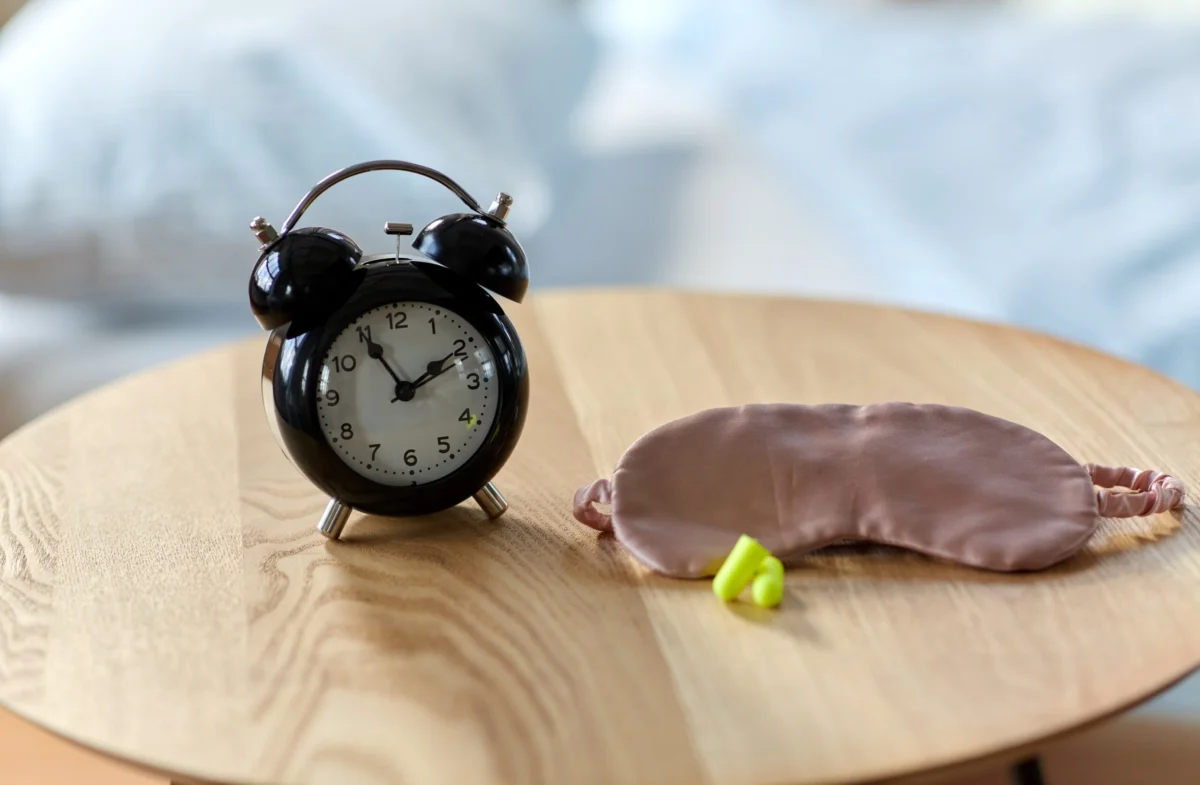
Photo via inspirerecoverycenter.com
- An alarm or phone timer: the single most important tool. Set it for 20 or 90 minutes and trust it completely.
- A sleep mask: blocks light so you drift off faster, especially in a bright room or near a window.
- Earplugs or soft background noise: muffle household sounds, traffic, or a ticking clock.
- A light blanket: body temperature drops as you fall asleep, so a light cover keeps you comfortable without overheating.
- Comfortable clothes: there is no need to change, but loosening a waistband or swapping into something soft helps. The relaxed layers in Simple Leggings Outfits: Casual Cozy Layers are the kind of easy outfits that suit a restful afternoon at home.
How to Take an Effective Nap, Step by Step
A good nap is a small ritual. The more consistent the steps, the faster your body learns to fall asleep on cue.
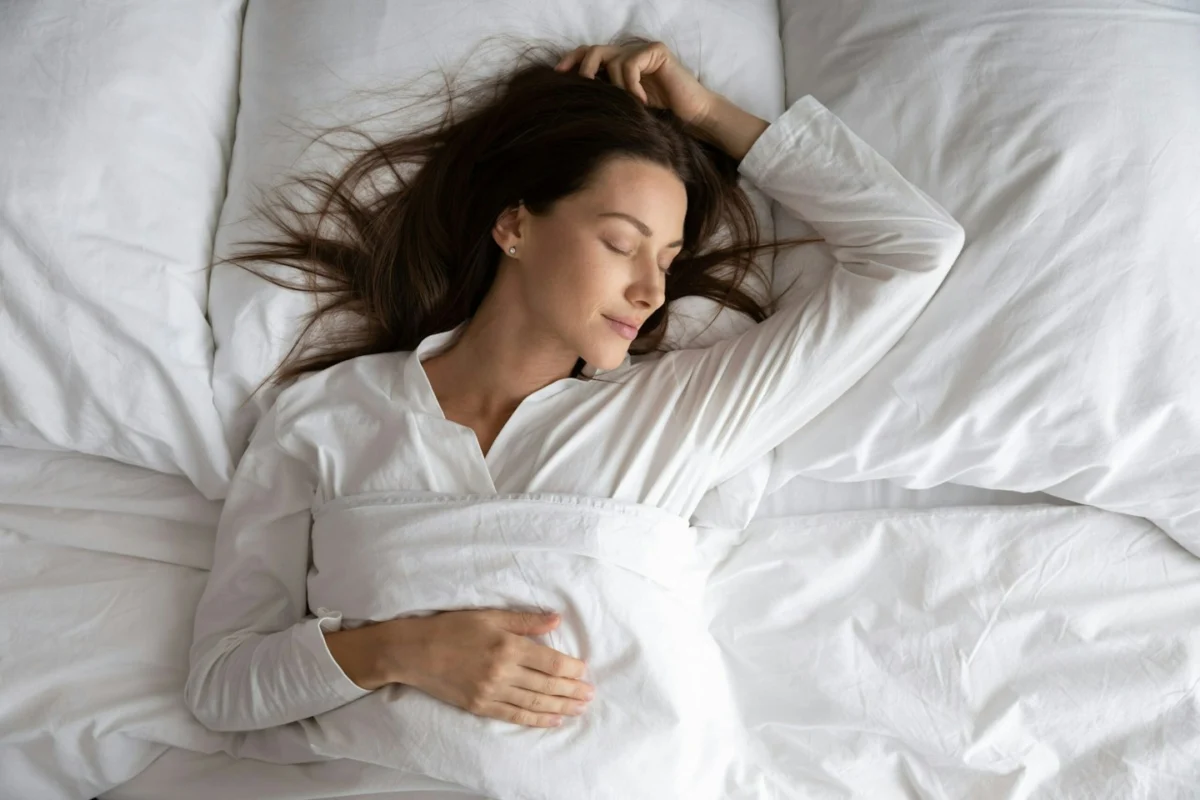
Photo via takeabreak.co.uk
- Pick your length first: decide on 20 minutes for a quick lift or 90 minutes for a full cycle, and set the alarm before you lie down.
- Time it for early afternoon: aim for between 1 PM and 3 PM, when the body’s natural dip makes sleep come easily and nighttime sleep stays protected.
- Make the space dark, cool, and quiet: draw the curtains, use a sleep mask and earplugs if needed, and keep the room slightly cool.
- Lie down and let go: close your eyes and breathe slowly. If sleep does not come within ten minutes, rest quietly anyway — even quiet rest restores some energy.
- Wake up gently: when the alarm sounds, sit up slowly, stretch, and give yourself a few minutes before diving back into the day. A glass of water and a little daylight help the fog clear fast.
One useful trick is the caffeine nap: drink a coffee just before lying down for a 20-minute nap. Caffeine takes about 20 minutes to take effect, so you wake just as it kicks in. It is not for everyone — if caffeine late in the day affects your nights, skip it — but for many people it adds a noticeable lift to a short nap.
Common Napping Mistakes to Avoid
Napping too late in the day: a nap after 3 or 4 PM eats into the sleep pressure you need to fall asleep at night. If the afternoon has already slipped past, a walk or a glass of water is a better pick-me-up than a late nap.
Sleeping for 30 to 60 minutes: this is the grogginess zone. You wake from deep sleep feeling worse than before you lay down. Stick to 20 or 90 minutes and the problem largely disappears.
Using naps to cover chronic sleep debt: naps help with an occasional short night, but they cannot replace regular, sufficient nighttime sleep. If you need a nap every day just to function, the real fix is earlier bedtimes and better sleep habits, not longer naps.
Forcing a nap when you are not tired: lying awake and frustrated defeats the purpose. If sleep does not come, get up and do something calm — read, stretch, or step outside — and try again another day.
Napping in a bright, noisy spot: the sofa in front of a blaring television rarely delivers real rest. Even a small effort — a mask, earplugs, a quieter corner — noticeably improves the quality of the nap. Soft, comfortable layers help too, whether that is the plush feel of Fleece Outfit Ideas for Cozy Comfort or the easy ease of Grey Sweatpants Outfit Ideas for Cozy Chills.
When to Talk to a Healthcare Professional
Occasional daytime tiredness is normal, but some patterns deserve a professional opinion. If you feel the need to nap every day despite sleeping seven to nine hours a night, or if naps never seem to relieve your fatigue, a doctor can help look for underlying causes such as sleep apnoea, thyroid issues, or low iron.
Photo via boldsky.com
People who struggle with insomnia should also be cautious with naps, since daytime sleep can make it harder to fall asleep at night. In that case, a doctor or sleep specialist can help you decide whether short naps fit your situation or whether it is better to protect your nighttime sleep drive. Rest is healthiest when it works as part of a steady routine — good nights, calm mornings like the ones in Glowing Skin Morning Skincare Routine, and the occasional well-timed nap in between.
Frequently Asked Questions
Can naps replace a full night’s sleep?
No. Naps can ease sleep debt and restore alertness for a few hours, but they do not provide the full restorative benefits of a complete night’s sleep. Relying on naps instead of sleeping enough at night leads to chronic tiredness over time.
Why do I feel more tired after a nap?
That groggy feeling is sleep inertia, and it usually means you woke from deep sleep — most common with naps of 30 to 60 minutes. Sticking to 20 minutes, or going all the way to a full 90-minute cycle, helps you wake from lighter sleep instead.
Is it okay to nap every day?
For most people, a short daily nap in the early afternoon is fine and can even be beneficial. If daily napping makes it harder to fall asleep at night, or if you have insomnia, it is better to limit naps or skip them and focus on nighttime sleep quality.
Can naps help with stress?
Yes, a short nap can lower stress and improve mood by giving the mind and body a genuine break. Even resting quietly with your eyes closed for 15 to 20 minutes can calm a busy day, which is one reason a relaxed afternoon in comfortable clothes like Blue Sweatpants Outfit Ideas for Cozy Comfort feels so restorative.
What is a caffeine nap?
A caffeine nap means drinking a cup of coffee right before a 20-minute nap. Since caffeine takes about 20 minutes to take effect, you wake up just as it peaks, combining the refreshment of the nap with a caffeine lift. It works best earlier in the afternoon.
Final Thoughts
The perfect nap is not complicated: 20 minutes for a quick lift, 90 minutes for a full reset, taken between 1 PM and 3 PM, in a dark, cool, quiet spot, with an alarm you trust. Keep it short, keep it early, and let it support your nights rather than compete with them. Used that way, a nap stops being a guilty pleasure and becomes one of the simplest tools for feeling sharper, calmer, and more like yourself in the afternoon.
Disclaimer: This article is for general informational purposes only and does not constitute medical or professional advice. Sleep needs vary from person to person. If you experience persistent daytime fatigue, difficulty sleeping at night, or suspect a sleep disorder, please consult a healthcare professional or sleep specialist.