Dark spots, uneven patches, and lingering marks after a breakout all share one root cause: melanin produced in the wrong place, at the wrong time, usually triggered by the sun. Pigmentation is one of the most common skin concerns, and it is also one of the most misunderstood — many people chase brightening serums while skipping the one step that makes all the others work.
That step is sunscreen. This guide explains what causes pigmentation, why sun protection is the foundation of any pigmentation routine, how to use sunscreen properly, and which brightening ingredients genuinely help fade existing spots. For the morning routine that ties it together, Glowing Skin Morning Skincare Routine covers the full sequence.
Key Takeaways
- Daily broad-spectrum sunscreen of SPF 30 or higher is the single most important step for pigmentation care.
- Sun spots, melasma, and post-inflammatory marks all worsen with UV exposure — even on cloudy days.
- Brightening ingredients like vitamin C, niacinamide, and azelaic acid help fade spots over weeks to months.
- Gentle, consistent care beats aggressive treatments, which can trigger more pigmentation.
- See a dermatologist for changing spots, stubborn melasma, or pigmentation that does not respond to care.
What Causes Pigmentation?
Pigmentation happens when melanocytes — the cells that produce melanin — make too much pigment in one area. The most common trigger is ultraviolet light, which is why dark spots appear on the face, hands, and chest, the areas most exposed to the sun. Hormonal changes can also play a role, particularly in melasma, which often appears during pregnancy or with hormonal medication. A third cause is inflammation: after acne, a burn, or a skin injury, the healing skin can leave a dark mark known as post-inflammatory hyperpigmentation.
All three types share a trait that shapes the whole approach to care: UV exposure makes them darker and slower to fade. That is why sunscreen is not just prevention — it is treatment. Without it, every brightening product fights an uphill battle against daily sun exposure.
Sunscreen: The Foundation of Pigmentation Care
No brightening serum can outwork skipped sunscreen. UV light stimulates melanin production within minutes of exposure, and it reaches your skin on cloudy days, through car windows, and in reflected light from sand, water, and snow. For anyone concerned about pigmentation, sunscreen is a daily habit, not a beach-day accessory.
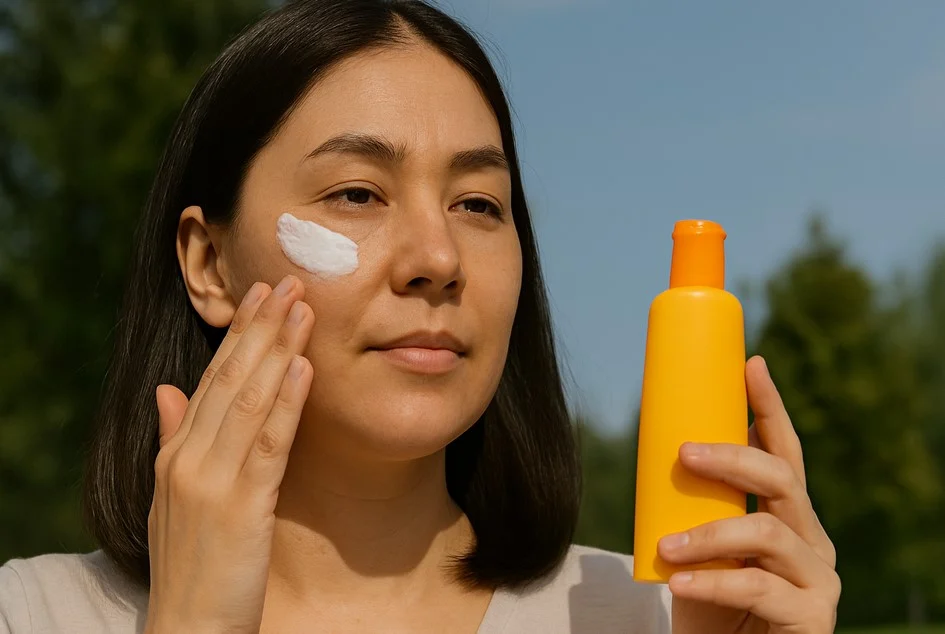
Photo via tokostephan.com
Choosing the Right Sunscreen
Look for a broad-spectrum sunscreen of SPF 30 or higher — broad-spectrum means it protects against both UVA (ageing and pigmentation) and UVB (burning). Mineral sunscreens with zinc oxide or titanium dioxide are often preferred for sensitive or pigmentation-prone skin, while chemical sunscreens tend to feel lighter and leave less white cast. The best sunscreen is the one you will actually wear every day, so texture and comfort matter as much as the label.
Applying It Properly
Most people use too little. For the face and neck, about two finger-lengths of product is a good guide; for the body, roughly a shot-glass amount. Apply it as the last step of your morning routine, wait a few minutes before makeup, and reapply every two hours outdoors — more often after swimming or sweating. A missed patch around the hairline or ears is a common reason spots appear in exactly those places.
Sun Protection Beyond Sunscreen
Sunscreen works best as part of a broader sun protection habit. A wide-brimmed hat shades the face, ears, and neck far more effectively than any cream alone, and seeking shade between late morning and mid-afternoon reduces total exposure. Sunglasses protect the delicate skin around the eyes, where pigmentation and fine lines show early.

Photo via bellezaideal.es
Clothing counts too. Tightly woven fabrics and UPF-rated garments block UV far better than a thin cotton t-shirt, and long sleeves on a bright day are simple, reliable protection. Sun-smart dressing can still look good — the breezy, beach-ready ideas in Coastal Outfit Ideas for Beach Vacations and the light layers in White Jacket Outfit Ideas for Casual Looks pair easily with a hat and sunglasses. For feet in sandals, a polished finish like Pedicure Nail Ideas for Beach Vacations completes the look, and the soft neutrals in Beige Dress Looks with Ribbed Styling work beautifully for sunny days out.
Brightening Ingredients That Actually Help
Once sunscreen is in place, brightening ingredients can help fade existing spots. They work by slowing melanin production, speeding up cell turnover, or both — and they all need weeks of consistent use to show results.
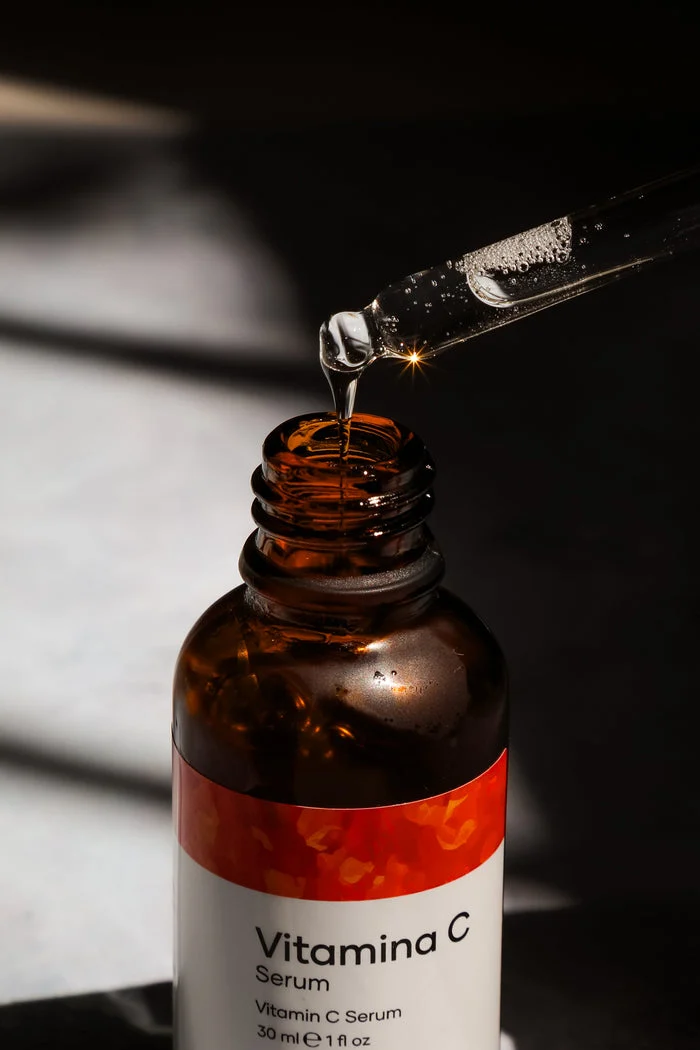
Photo via promofarma.com.uy
- Vitamin C: an antioxidant that brightens skin and supports sunscreen’s protection against environmental damage. Best used in the morning under SPF.
- Niacinamide: a gentle, well-tolerated ingredient that helps even skin tone and supports the skin barrier. Suitable for most skin types, including sensitive skin.
- Azelaic acid: effective for both post-inflammatory marks and melasma, and generally safe for sensitive skin. Available over the counter at lower strengths.
- Retinoids: speed up cell turnover, which helps fade spots over time. Start slowly — two to three nights a week — and always pair with sunscreen, since retinoids increase sun sensitivity.
- AHAs (glycolic and lactic acid): chemical exfoliants that help remove pigmented surface cells. Gentle, regular use beats aggressive peels.
- Tranexamic acid: increasingly used for melasma, available in serums and sometimes prescribed orally by dermatologists for stubborn cases.
Introduce one new active at a time, and give each product six to eight weeks before judging it. Combining several strong actives at once is a common cause of irritation — and irritation itself can trigger more pigmentation, especially in deeper skin tones. For safe exfoliation guidance, Exfoliation: Physical vs Chemical for Skin explains the difference between the two approaches.
Mistakes That Make Pigmentation Worse
Skipping sunscreen while using brighteners: the most common and most costly mistake. UV exposure undoes brightening work faster than any serum can build it.
Over-exfoliating: harsh scrubs and frequent peels irritate the skin, and irritation can cause new dark marks. Gentle exfoliation two to three times a week is enough for most people.
DIY remedies like lemon juice: citrus juice on skin can cause burns and worsen pigmentation when exposed to sunlight. It is not a safe brightener.
Expecting overnight results: pigmentation fades slowly, over two to three months of consistent care. Changing products every two weeks never gives any of them time to work.
Picking at blemishes: squeezing or picking acne increases inflammation and the chance of a lasting dark mark. Hands off is a pigmentation habit too.
What to Expect, and When
With daily sunscreen and one or two brightening products, most people notice skin looking more even within four to six weeks, with visible fading of spots over two to three months. Melasma is the slowest to respond and the most likely to return with sun exposure, which is why lifelong sun protection matters more than any single treatment. Cost varies widely — a good sunscreen and one well-chosen serum are a complete starting kit, and expensive products are not automatically better.

Photo via moicosmetics.vn
For stubborn pigmentation, dermatologists can offer stronger options: prescription hydroquinone, stronger retinoids, chemical peels, or laser treatments. These carry their own risks and are not suitable for every skin type, so they belong in a professional setting rather than a home routine.
When to See a Dermatologist
See a dermatologist promptly if a dark spot changes in size, shape, or colour, bleeds, itches, or looks different from your other spots. Any new or changing mole deserves a professional look. A dermatologist can also diagnose melasma, distinguish pigmentation from other conditions, and build a treatment plan that fits your skin type — particularly important for deeper skin tones, where aggressive treatments carry a higher risk of making pigmentation worse.
Frequently Asked Questions
Can sunscreen alone fade dark spots?
Sunscreen prevents spots from getting darker and allows the skin’s natural turnover to fade them gradually, but it works slowly on its own. Pairing daily SPF with a brightening ingredient like vitamin C or niacinamide gives faster, more visible results.
What SPF is best for pigmentation?
SPF 30 or higher, broad-spectrum, worn every day. For melasma or very sun-sensitive skin, SPF 50 is often recommended. The number matters less than daily, generous application and regular reapplication outdoors.
How long does it take for dark spots to fade?
With consistent sunscreen and brightening care, most spots visibly fade over two to three months. Deeper pigmentation and melasma can take longer and may need professional treatment. Patience and consistency matter more than product strength.
Is vitamin C good for pigmentation?
Yes. Vitamin C is an antioxidant that helps brighten skin and reduce the appearance of dark spots, and it supports sunscreen’s protection when used in the morning. Results build over weeks of daily use.
Can pigmentation come back after it fades?
Yes, especially melasma, which often returns with sun exposure. Continued daily sunscreen, hats, and shade are the best protection against recurrence, even after spots have faded completely.
Final Thoughts
Pigmentation care is simpler than the shelf of brightening products suggests: protect first, brighten second, and be patient. Daily sunscreen stops new pigment from forming, one or two well-chosen actives fade what is already there, and gentle consistency does the rest. Give the routine two to three months, protect your skin every single day, and let a dermatologist handle anything that does not respond — even skin is a long game, and the daily habits win it.
Disclaimer: This article is for general informational purposes only and does not constitute medical or dermatological advice. Pigmentation can have many causes, and some dark spots need professional evaluation. If a spot changes, or if pigmentation does not respond to care, please consult a dermatologist.