Long, strong hair is not the result of a single miracle product. Hair grows at a fairly fixed rate — roughly one to one and a half centimetres a month — and what actually determines how long it gets is how much of that growth you keep. Breakage, split ends, and an unhealthy scalp quietly undo months of growth, which is why the most effective hair growth routine is really a hair protection routine.
This guide covers the simple, evidence-based habits that help hair grow longer and stronger: scalp care, nutrition, gentle handling, smart styling, and realistic expectations. There are no overnight fixes here — but there are changes that show real results over three to six months. Healthy long hair also shows off a good cut beautifully, whether it is the flowing lengths in Black Long Hair Styles with Curtain Bangs or the face-framing layers in Long Haircut Ideas with Face Framing.
Key Takeaways
- Hair grows about 1–1.5 cm per month; keeping that growth depends on preventing breakage.
- A healthy scalp is the foundation — gentle cleansing and regular massage support growth.
- Protein, iron, zinc, and biotin from food matter more than any single supplement.
- Gentle handling — wide-tooth combs, silk pillowcases, minimal heat — preserves length.
- Visible results take three to six months of consistent care; there are no overnight fixes.
How Hair Growth Actually Works
Each hair follicle cycles through three phases: growth (anagen), transition (catagen), and rest and shedding (telogen). The growth phase lasts two to seven years, and its length is largely genetic — it is what sets your maximum hair length. At any given time, about 85–90 percent of your hair is in the growth phase, and shedding 50–100 hairs a day is normal.
Because the growth rate is mostly fixed, the lever you control is retention: how much of each strand survives to the next month. Hair that breaks at the ends never gets longer, no matter how fast it grows at the root. Almost every tip in this guide works by reducing breakage and keeping the scalp healthy so follicles can do their job.
Start with a Healthy Scalp
Hair grows from the scalp, so scalp health is hair health. A clean, balanced scalp supports strong follicles; a scalp clogged with product buildup, excess oil, or dandruff does not.

Photo via saturn.health
- Cleanse regularly: wash often enough to remove oil and buildup — for most people, every two to three days. An unwashed scalp is not a healthier scalp.
- Massage your scalp: a few minutes of gentle massage with your fingertips, daily or while shampooing, increases blood flow to the follicles. It is relaxing, free, and one of the few growth habits with direct research support.
- Exfoliate occasionally: a scalp scrub or a clarifying shampoo once or twice a month removes buildup that regular shampooing can miss.
- Address dandruff and itching: persistent flaking or irritation can affect growth. A medicated shampoo usually helps; if it does not, a dermatologist can advise.
Eat for Stronger Hair
Hair is made of keratin, a protein, so nutrition matters more than any topical product. No supplement can compensate for a diet that is missing the building blocks.
- Protein: eggs, fish, poultry, beans, and lentils supply the amino acids hair is built from. Low protein intake is a known cause of shedding.
- Iron: low iron is one of the most common nutritional causes of hair loss in women. Red meat, lentils, spinach, and fortified cereals are good sources.
- Zinc and selenium: both support follicle function. Nuts, seeds, shellfish, and whole grains cover them easily.
- Biotin and B vitamins: eggs, nuts, and whole grains provide them. Biotin supplements only help if you are actually deficient, which is uncommon — food first.
- Omega-3 fatty acids: oily fish, flaxseed, and walnuts support scalp health and shine.
A varied, balanced diet covers all of this for most people. Supplements are worth discussing with a doctor if you suspect a deficiency, but they are not a shortcut around nutrition.
Handle Your Hair Gently
Everyday handling causes more breakage than most people realise. Small changes in how you wash, detangle, and dry your hair add up to centimetres of retained length over a year.

Photo via glam.com
- Detangle from the ends up: work in sections with a wide-tooth comb, starting at the tips and moving upward. Never drag a brush through a knot.
- Be gentle when wet: wet hair stretches and snaps more easily. Squeeze water out with a microfibre towel or an old T-shirt instead of rubbing with a rough towel.
- Limit heat: use the lowest effective temperature on styling tools, always use a heat protectant, and give your hair heat-free days each week.
- Loosen tight styles: tight ponytails, braids, and buns pull on the roots and can cause breakage and even traction hair loss over time. Softer styles and silk scrunchies reduce the strain.
- Sleep on silk or satin: a silk pillowcase or a loose braid at night reduces the friction that roughs up the cuticle and snaps strands.
- Trim regularly: a small trim every eight to twelve weeks removes split ends before they travel up the strand. It does not make hair grow faster, but it stops breakage from stealing length.
Products That Support Growth — and Ones That Do Not
The market is full of growth promises. Here is what is actually worth your attention.
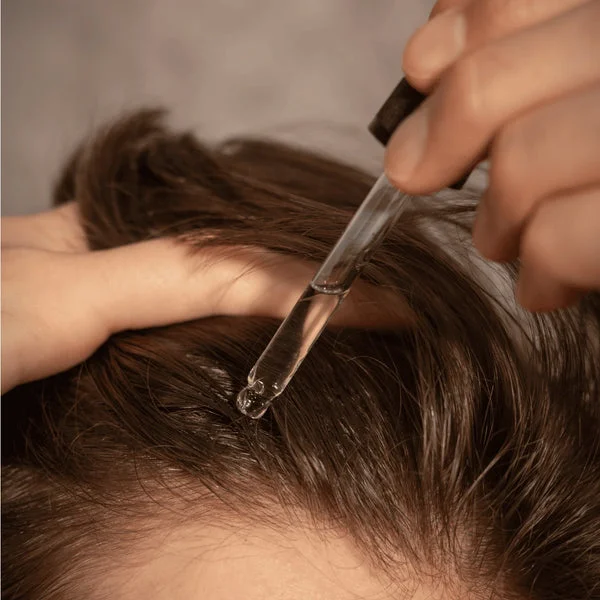
Photo via sattva.pl
Worth Trying
- Scalp serums with proven ingredients: minoxidil is the best-studied topical for hair loss and is available over the counter in many countries. Peptide and caffeine serums have some supportive evidence. Any serum needs months of consistent use.
- Gentle, sulphate-free shampoo: cleans without stripping the scalp, which suits most hair types trying to grow length.
- Weekly deep conditioner or mask: replaces moisture, keeps the lengths flexible, and reduces breakage.
- Heat protectant: essential if you heat-style at all — it measurably reduces the damage that shortens hair.
Save Your Money
- Shampoos that claim to grow hair: shampoo sits on the scalp for a minute or two — not long enough for growth ingredients to act. A good shampoo supports growth by keeping the scalp healthy, nothing more.
- Expensive “miracle” oils: oils condition and add shine, and rosemary oil has modest evidence for scalp stimulation, but no oil meaningfully speeds up growth on its own.
- Biotin gummies without a deficiency: if your levels are normal, extra biotin does not grow more hair — and high doses can interfere with some lab tests.
Styles That Protect Length While It Grows
Protective styling — keeping the ends tucked away and reducing daily manipulation — is one of the most effective growth strategies, especially for curly and coily hair. Loose braids, buns, and twists protect the ends from friction and weather, and they look polished with minimal effort.
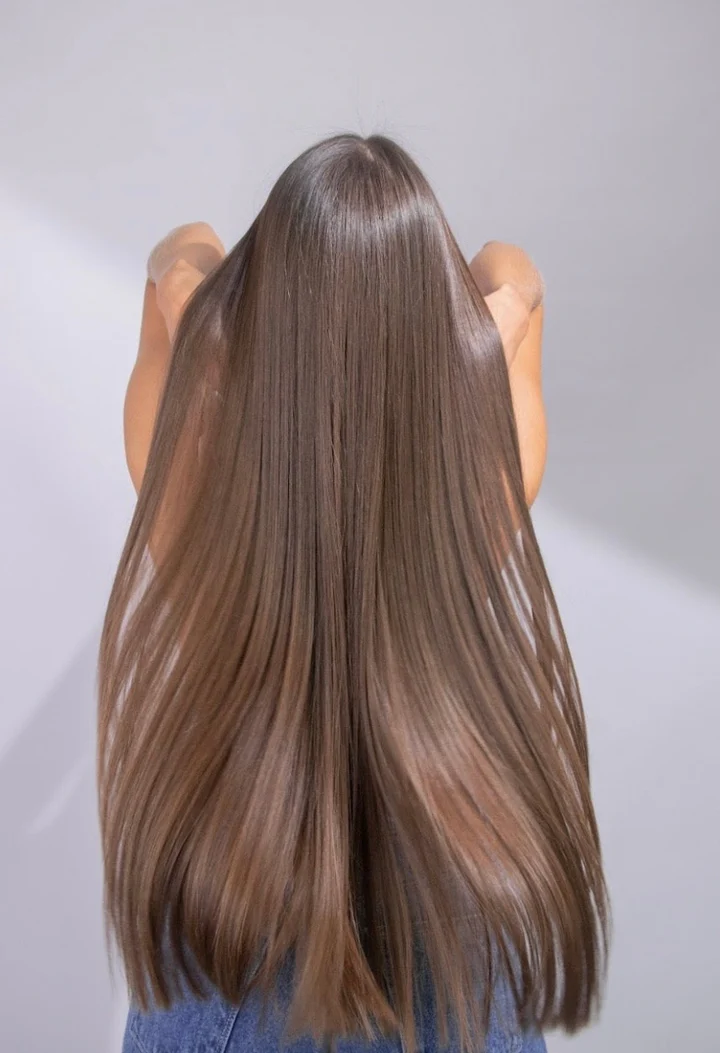
Photo via clickhair.com.co
Layered cuts also help while hair grows out — they keep the shape flattering at every length instead of a heavy, shapeless curtain. The flowing layers in Trendy Butterfly Haircut with Curtain Bangs, the volume-friendly shapes in Simple Volume Hairstyles for Long Hair, and the soft fringe options in Cute Bangs for Round Faces with Long Hair all work beautifully while length builds. For special occasions, the polished looks in Simple Wedding Hairstyles for Long Hair show what well-cared-for length can do.
What to Expect, and When
Hair grows roughly 1–1.5 cm a month, so three months of consistent care typically shows about 3–4 cm of new length — and, more importantly, stronger, smoother strands with fewer split ends. Six months is when the change becomes obvious to other people. Progress photos, taken in the same light every month, are the best way to see it, because day-to-day change is invisible.
If shedding suddenly increases, or you notice patches of hair loss, that is worth a conversation with a doctor. Hormonal changes, stress, illness, thyroid issues, and some medications can all affect hair growth, and treating the underlying cause matters more than any product.
Frequently Asked Questions
How fast does hair grow?
On average, hair grows about 1–1.5 cm (half an inch) per month, or roughly 12–15 cm per year. The rate varies with genetics, age, health, and season, but it cannot be dramatically increased by products. The realistic goal is keeping the growth you produce.
Does trimming hair make it grow faster?
No — trimming does not affect the growth rate at the root. What it does is remove split ends before they travel up the strand and cause breakage, which means you keep more of the length you grow. Regular small trims help hair get longer over time.
Do hair growth serums work?
Minoxidil is the best-studied topical and has solid evidence for stimulating growth and slowing loss. Peptide and caffeine serums have some supportive evidence but are less proven. Any serum needs consistent daily use for at least three to six months before you can judge it.
Which foods help hair grow?
Protein-rich foods (eggs, fish, poultry, beans), iron sources (red meat, lentils, spinach), and foods rich in zinc, biotin, and omega-3s (nuts, seeds, oily fish) all support healthy growth. A balanced diet matters more than any single food or supplement.
Why is my hair not growing past a certain length?
Usually it is breakage, not slow growth: the ends snap off as fast as the roots grow. Heat damage, rough detangling, tight styles, and skipped trims are the usual causes. Reducing damage and protecting the ends is what lets hair pass its old length limit.
Final Thoughts
Stronger, longer hair comes from a handful of unglamorous habits done consistently: a clean, massaged scalp, enough protein and iron, gentle detangling, minimal heat, and regular trims. None of them is dramatic on its own, but together they protect every centimetre your hair grows. Give it three to six months, take a progress photo each month, and let the results speak for themselves.
Disclaimer: This article is for general informational purposes only and does not constitute medical or professional advice. If you experience sudden, patchy, or severe hair loss, or scalp conditions that do not improve, please consult a dermatologist or trichologist before starting any treatment.