Winter ombre is a different animal from its summer cousin. Instead of sun-kissed lightness, the cold-weather version leans into deliberate contrast — deeper roots, cooler silvers, richer caramels, and transition lines that are meant to be seen rather than hidden. It is dimension that holds up under flat winter light and looks even better against dark coats and chunky knits. You’ll find the same spirit in Stylish Homecoming Hairstyles.
This roundup collects 24 chic winter ombre looks for 2027, spanning icy platinums, warm coppers, smoky lavenders, and a few bolder turns like cherry red and slate blue. Every look is described the way you would actually discuss it at the salon — what the base and ends are doing, who it flatters, and what the upkeep really involves. We break down a similar look in Best Cozy Hair Colors for October 2025.
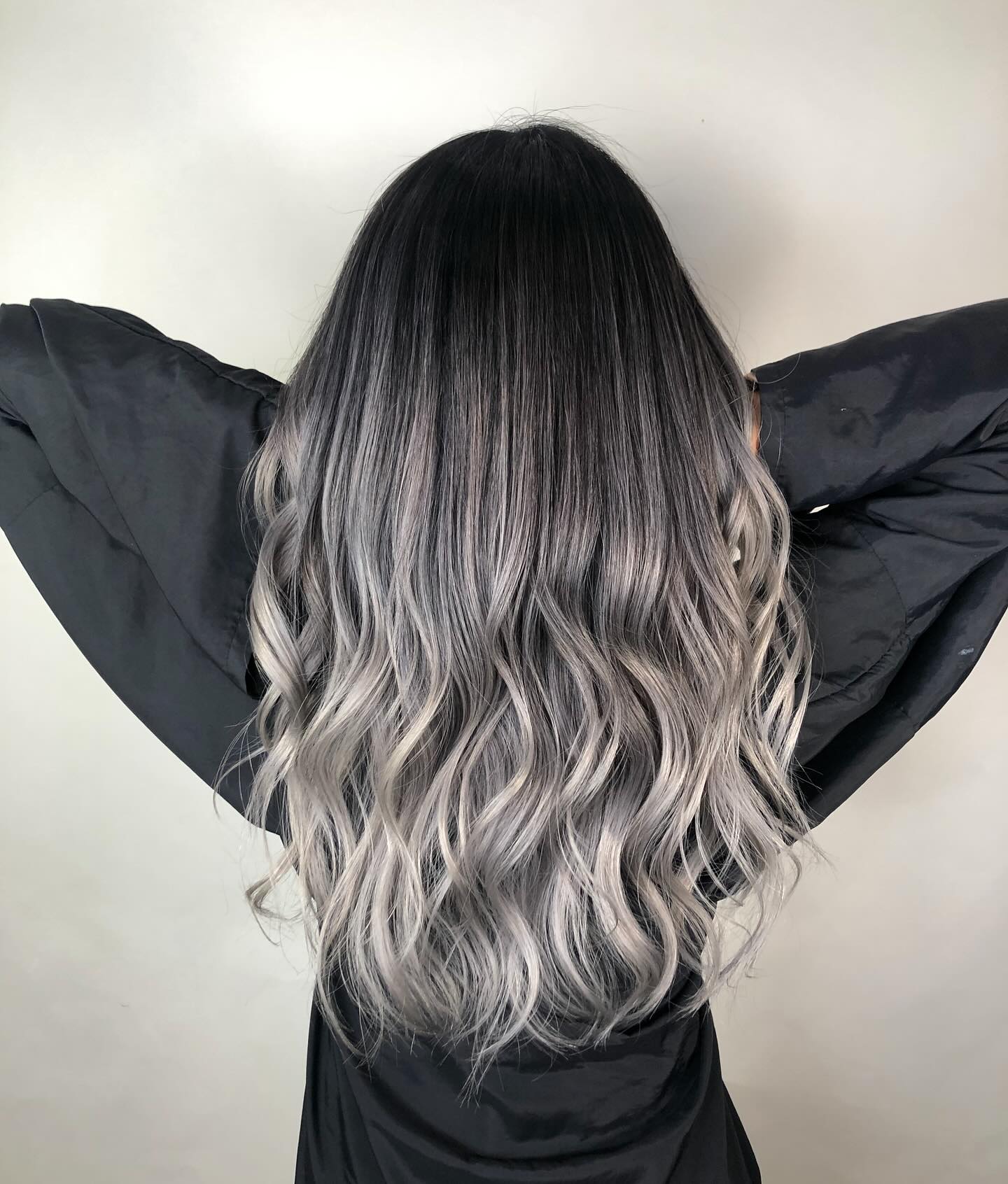
Silver Ash Ombre with Root Depth on Long Waves
Courtesy of: pixelify.net
Near-black roots melt seamlessly into silver-ash grey ends across long, softly waved hair worn with a center part. The transition is gradual rather than striped, so the silver reads as a deliberate gradient instead of grown-out color. The cool ash tone sharpens the whole look, and the length gives the gradient room to unfold — shorter hair would compress the effect. For readers who want more, Winter Blonde Hair Color Ideas keeps the ideas coming.
Ask your colorist for an ash-grey ombre with the root depth kept close to your natural level; the blend is usually built with balayage plus a root smudge. Expect toning every six to eight weeks, plus purple shampoo at home to keep the silver from warming up. This suits medium to thick hair best — fine hair can look sparse at lightened ends — and rewards anyone ready for genuine maintenance.
Honey Blonde Ombre with Warm Golden Undertones
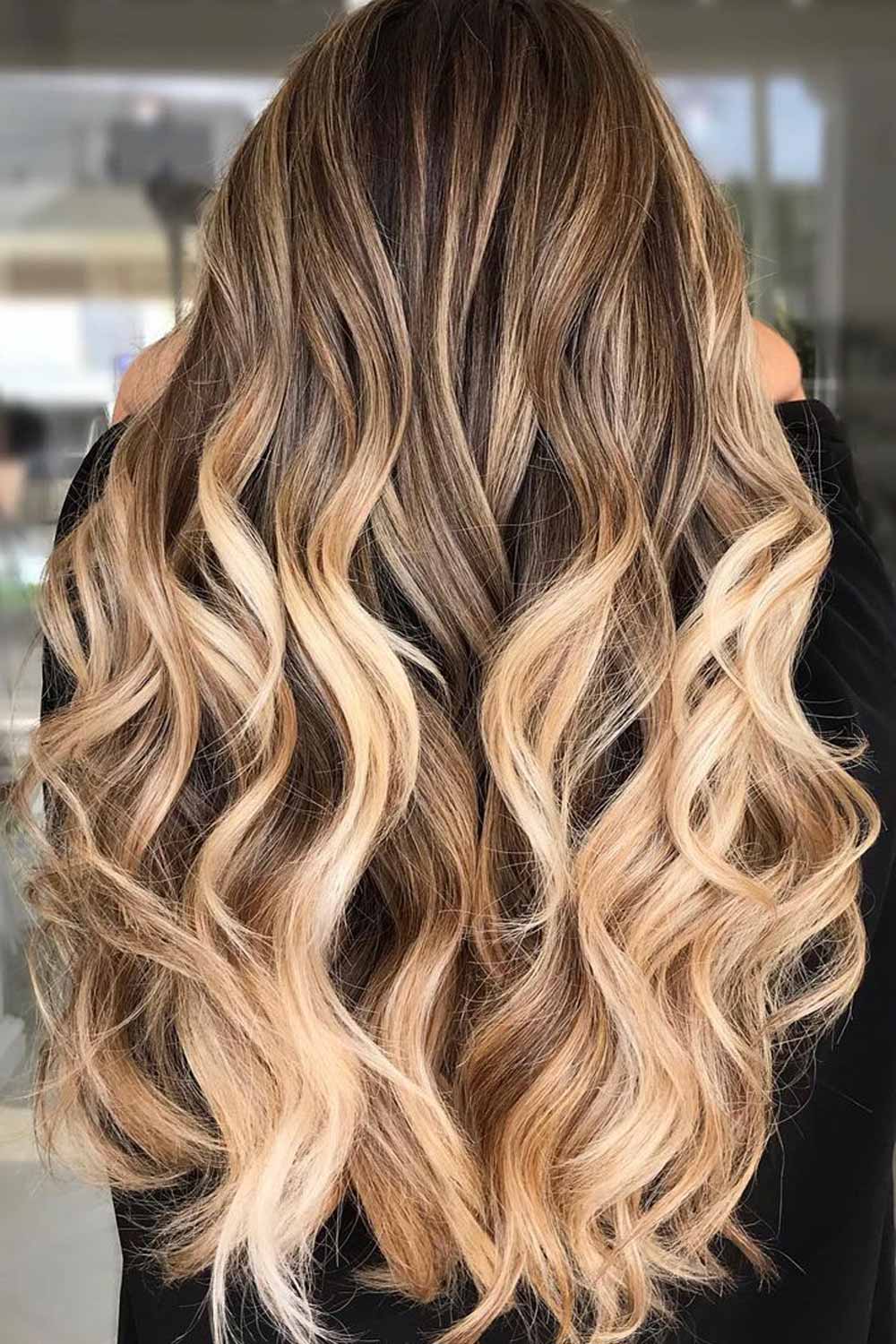
Photo credit: glaminati.com
Medium-brown roots flow into warm golden honey-blonde ends on long, cascading waves. The warmth is the point here: golden rather than ashy, so the color glows instead of frosting. Worn in loose curls, the honey tones catch the light through the mid-lengths and keep the overall effect soft and wearable.
This is one of the more forgiving ombres — the warm base means regrowth blends naturally, and salon visits can stretch to ten or twelve weeks with a gloss in between. A curling wand or overnight braids will give you the loose wave that shows off the blend. If your skin has cool undertones, the golden warmth may clash; an ash-based blonde ombre would be the safer pick. This pairs naturally with the ideas in Trendy Fall Hairstyles for 2025 Stylish Ideas Tips and Inspiration for the Season.
Caramel Melt Ombre with a Soft Mid-Shaft Blend
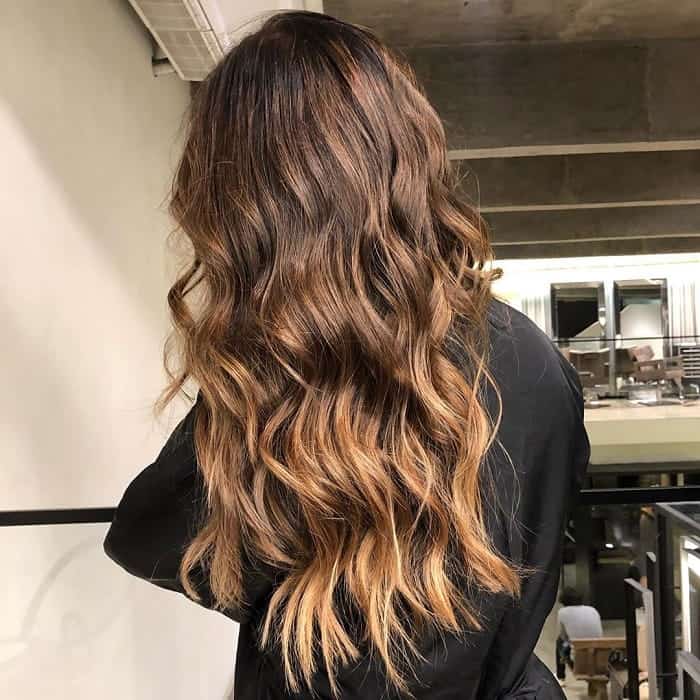
Image credit: hairstylecamp.com
Dark brown roots dissolve into caramel-gold ends, with the lightest ribbons concentrated from the mid-shaft down. The melt is soft and diffused, with no visible line where the dark stops and the caramel begins. On long waves, the caramel reads as warmth and movement rather than a stark two-tone effect.
Request a caramel balayage melt with the brightness kept off the root — that placement is what makes the grow-out graceful. Maintenance is moderate: a toning gloss every eight to ten weeks keeps the caramel from going brassy. This is a strong choice for brunettes who want visible change without the commitment of all-over blonde.
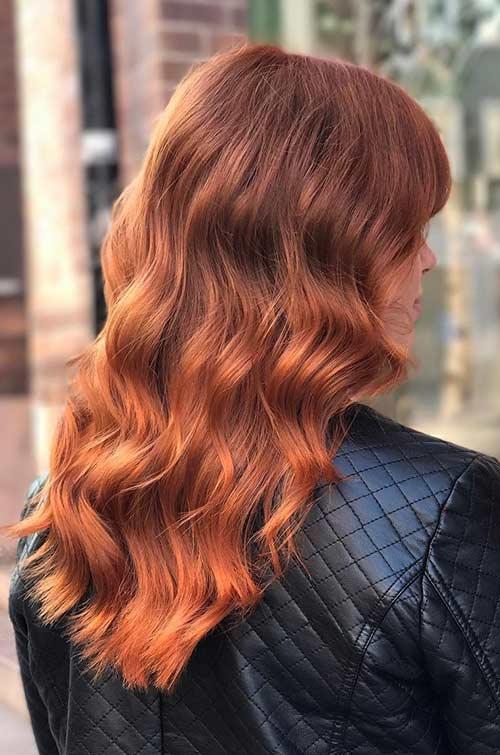
Warm Copper Color Melt with Penny-Bright Ends
Source: stylecraze.com
Deeper copper at the roots melts into bright, penny-like copper ends on long, textured waves. The metallic warmth is unapologetic — this is an ombre that announces itself, especially in daylight. The multi-dimensional copper catches light differently across each wave, which keeps the color from reading flat.
Copper is one of the fastest-fading color families, so plan on a color-depositing conditioner or gloss every four to six weeks to keep the penny brightness. Cooler water and sulfate-free shampoo slow the fade. If you are not ready for that refresh cycle, a caramel or bronze ombre will give you warmth with less upkeep. For the fuller picture, Fall Bronzed Balayage 2025 Warm Sun Kissed Hair Color Ideas for Autumn is worth your time.
Icy Platinum Ombre with Dark Ash Roots
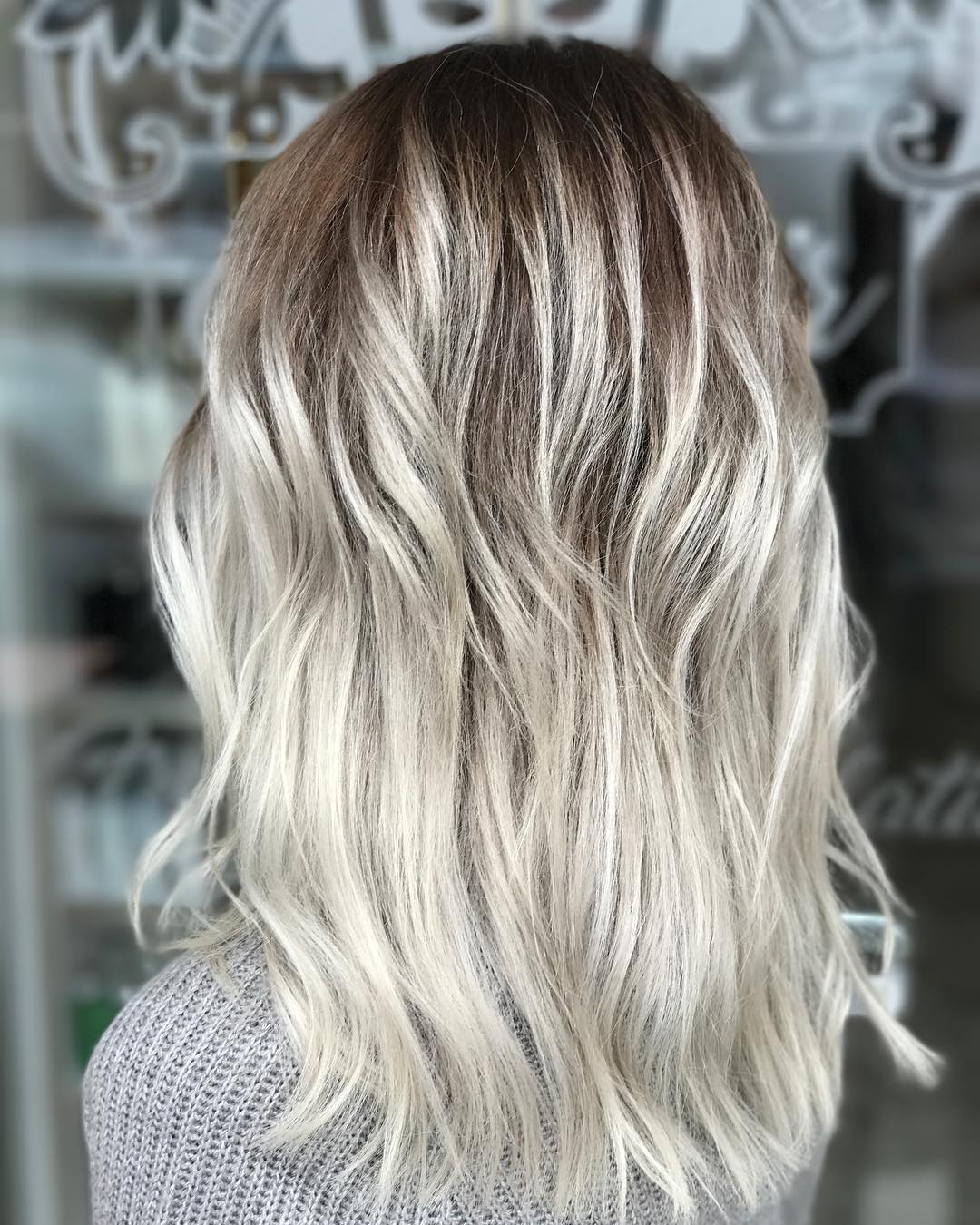
Dark ash-brown roots drop into icy, near-white platinum ends on medium-length waves. The contrast is high and intentional — this is not a subtle grow-out look. The cool platinum reads crisp against winter palettes, and the darker root grounds the brightness so it does not wash out the face.
This is a salon-only color: lifting to near-white requires careful lightening, and the ends will need bond-building care afterward. Purple shampoo is non-negotiable, and expect a toner every four to six weeks. Fine or fragile hair should approach with caution — the amount of lightening involved can be too much for compromised ends.
Rose Gold Ombre with a Dusty Pink Finish
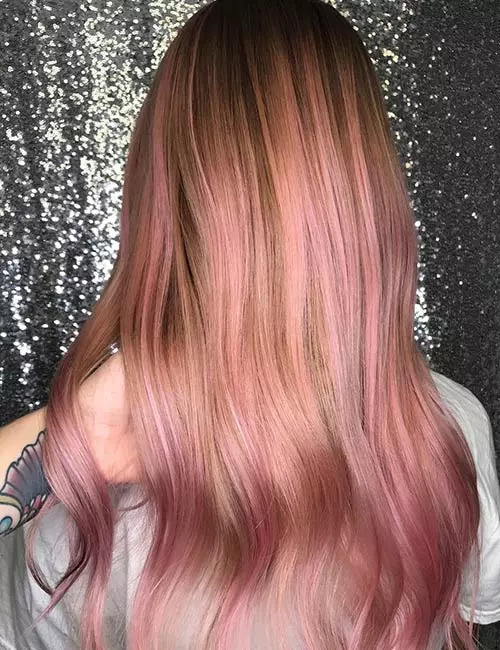
Courtesy of: thebridalbox.com
Light brownish-rose roots fade into soft rose-gold pink ends on long, flowing waves. The tone is dusty rather than bubblegum, which keeps it sophisticated instead of costume-like. The pink catches light beautifully in motion, giving the hair a luminous quality that flat color cannot match.
Pastel-leaning tones fade fast — expect the rose to soften within a few weeks, so a pink color-depositing conditioner extends the life considerably, along with cool water. This suits light to medium bases best; on very dark hair, the lift required to reach rose gold is significant, making it a bigger commitment. For more ideas in the same lane, see our Fall Bronzed Balayage 2025 the Hottest Autumn Hair Color.
Chocolate-to-Mocha Ombre with Ribboned Mid-Lengths
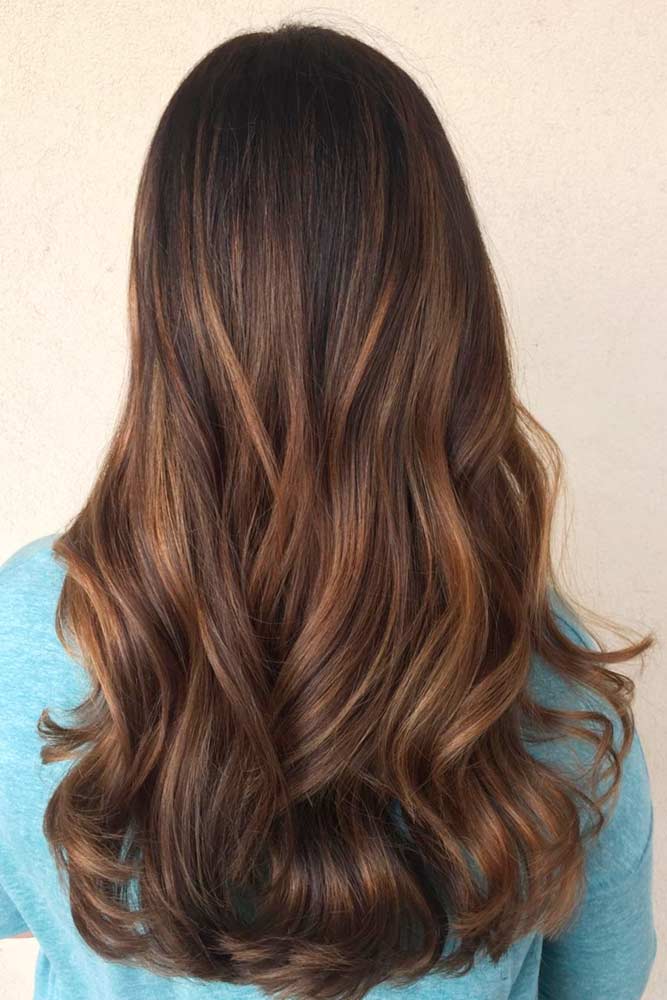
Photo credit: lovehairstyles.com
Rich chocolate brown melts into warm mocha-caramel ends, with subtle lighter ribbons woven through the mid-lengths for dimension. The overall effect stays in the brunette family — this is an ombre for people who want depth and movement without leaving brown behind. Long waves show off the ribboning best.
Among ombres, this is one of the lowest-maintenance: the tones sit close to natural, so regrowth is barely noticeable. A gloss every couple of months keeps the mocha from dulling. It is an excellent first ombre for brunettes, though anyone craving dramatic contrast will find it too subtle.
Stacked Silver Bob with Smoky Shadow Roots
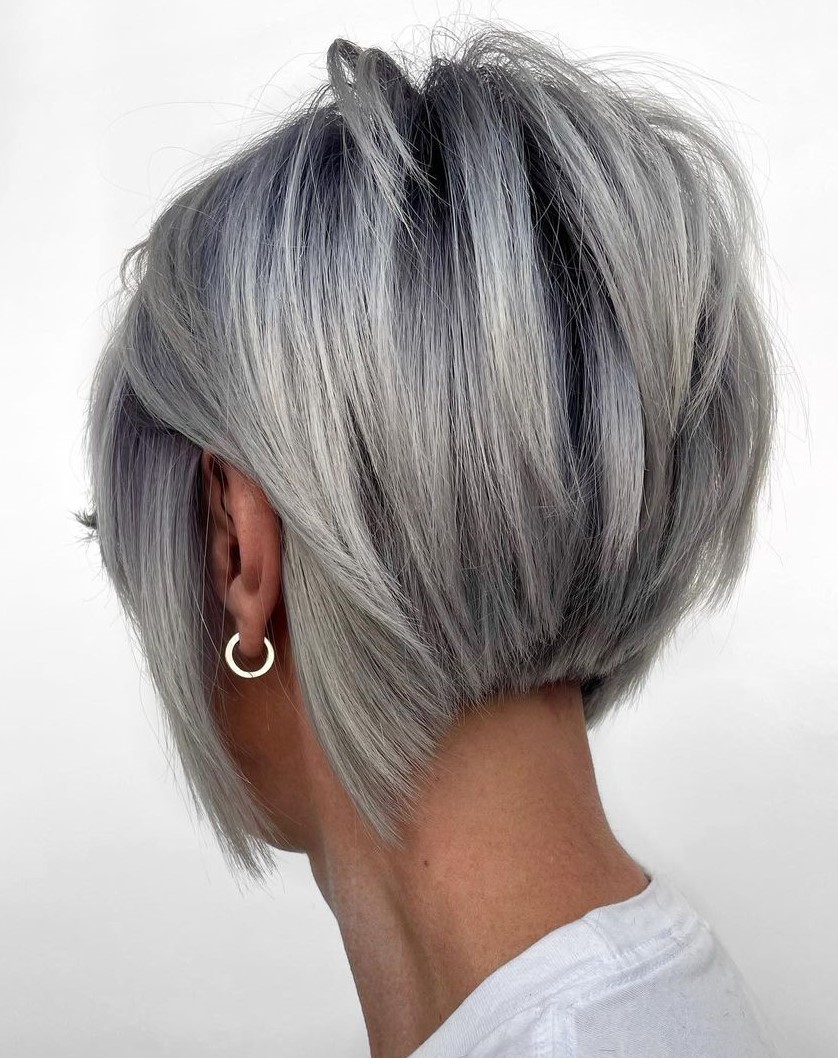
Image credit: therighthairstyles.com
A stacked, graduated bob carries dark shadow roots that release into silver-grey ends, with straight, textured layers fanning out at the nape. The shorter length compresses the gradient into a bold statement — the silver hits right where the bob ends, framing the jawline. The smoky tone keeps it modern rather than costume.
The cut does half the work here: the stacked shape needs a trim every six to eight weeks to hold its line, and the silver needs regular toning. Styling is simple — air-dry or a quick pass with a flat iron. This suits straight to slightly wavy textures; very curly hair will fight the precise graduation. Our Fall Braid Hairstyles 2025 2 rounds up more takes on this exact idea.
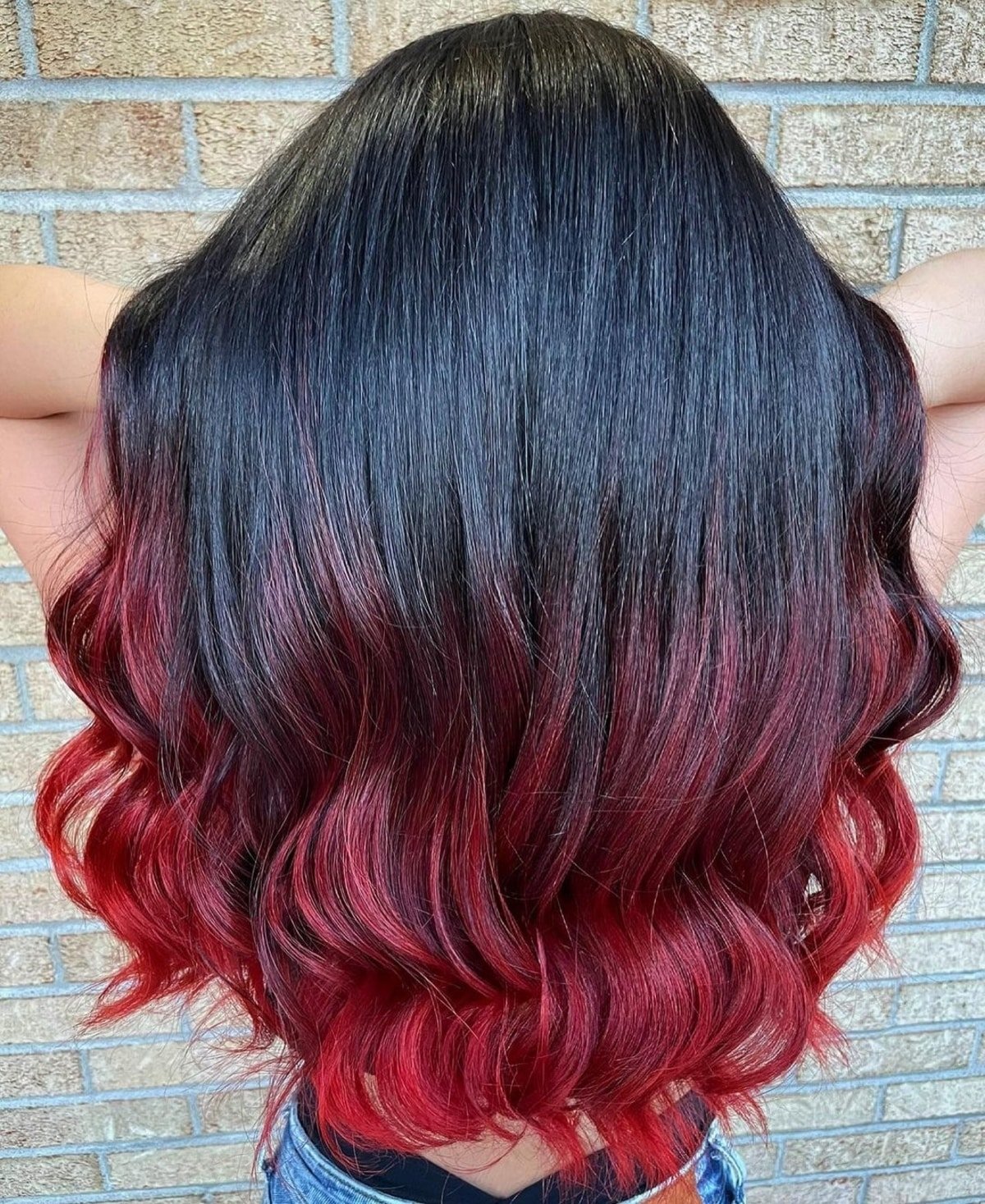
Black-to-Cherry Ombre with Burgundy Mid-Lengths
Source: thefashionflare.org
Jet-black roots flow through burgundy mid-lengths into vivid cherry-red ends on long waves. The three-stage gradient gives the color depth — the burgundy bridge keeps the black-to-red jump from looking harsh. It is bold, glossy, and unapologetically dramatic.
Red is the fastest-fading color family of all, so this demands commitment: color-safe shampoo, cool water, and a refresh every four to six weeks. The dark root is forgiving on regrowth, but the red ends will need regular attention. If low maintenance is a priority, this is not the ombre for you — but few colors deliver this much impact.
Golden Bronze Ombre with a Center Part
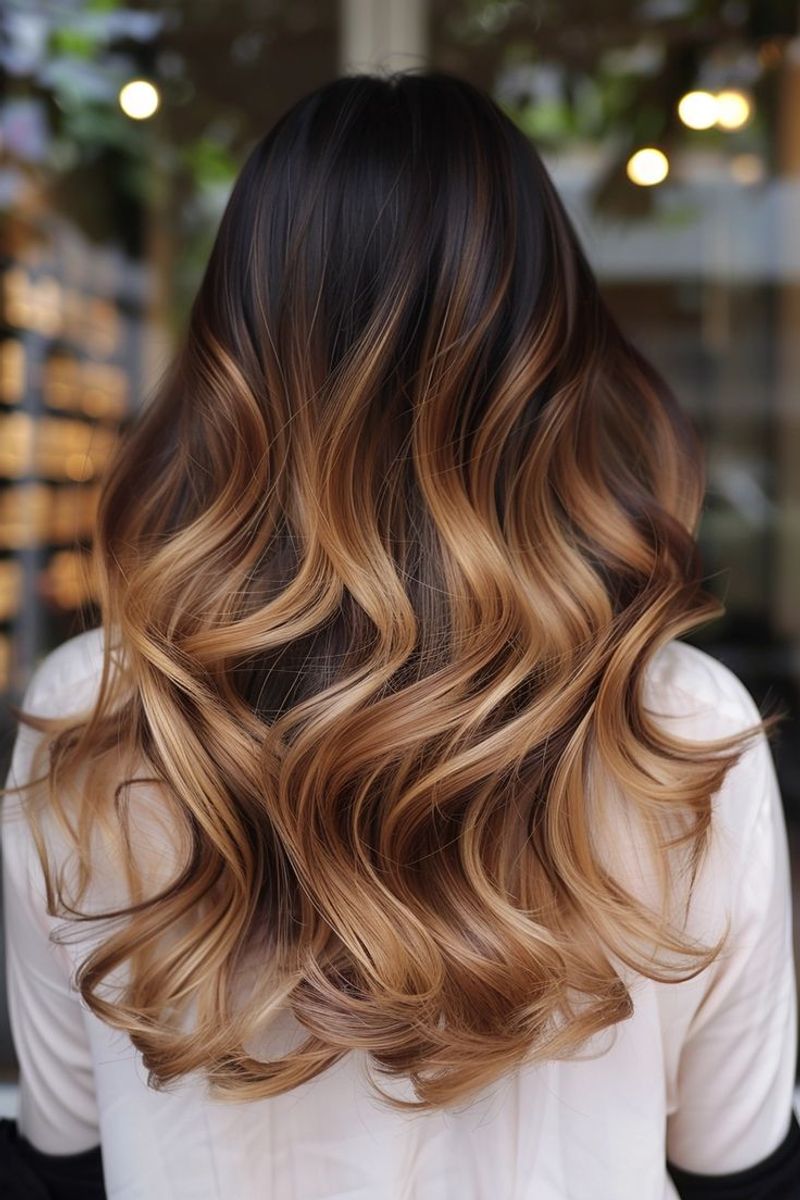
Dark brown-black roots melt into golden bronze-caramel ends on long, loose waves worn with a center part. The bronze sits between brown and blonde — warm, metallic, and luminous without going full blonde. The center part keeps the look symmetrical and lets the gradient frame the face evenly. The same theme, explored from another angle, is in Pretty Fall Wedding Hairstyles 2025.
Bronze tones are relatively easy to maintain; the warmth is forgiving as it fades. A gloss every eight to ten weeks keeps the metallic shine. This flatters warm and neutral skin tones especially well. Cooler complexions may prefer the ash or silver ombres in this roundup for better harmony.
Burgundy Wine Ombre with Melted Balayage

Courtesy of: lovehairstyles.com
A dark base carries burgundy wine-red balayage that melts through the mid-lengths to the ends of long waves. Unlike a stark ombre, the balayage placement means the wine color appears in soft, painterly sweeps rather than a horizontal band. The effect is rich and dimensional, especially in natural light.
The balayage technique makes this one of the more graceful grow-outs — there are no harsh lines to maintain. Refresh the wine tone every six to eight weeks, as reds fade. This is a good middle ground for anyone who wants red’s richness with less upkeep than a vivid cherry ombre.
Smoky Lavender Ombre on a Charcoal Base

Photo credit: hairs.london
Smoky charcoal-grey roots melt into silvery lavender ends on long waves, worn fanned out to show the full gradient. The lavender is dusty and muted rather than pastel-bright, which keeps it wearable and winter-appropriate. The cool tones read almost pearlescent in changing light. A companion piece, Stunning Fall 2025 Blonde Hair Color Ideas, explores the same palette.
Pastel-adjacent tones need regular toning — expect a refresh every four to six weeks with purple shampoo in between. The dark root makes regrowth painless, but the lavender ends are the high-maintenance part. This suits medium to thick hair; fine hair may struggle to hold the lightened ends without looking thin.
Toffee Blonde Ombre on a Collarbone Lob
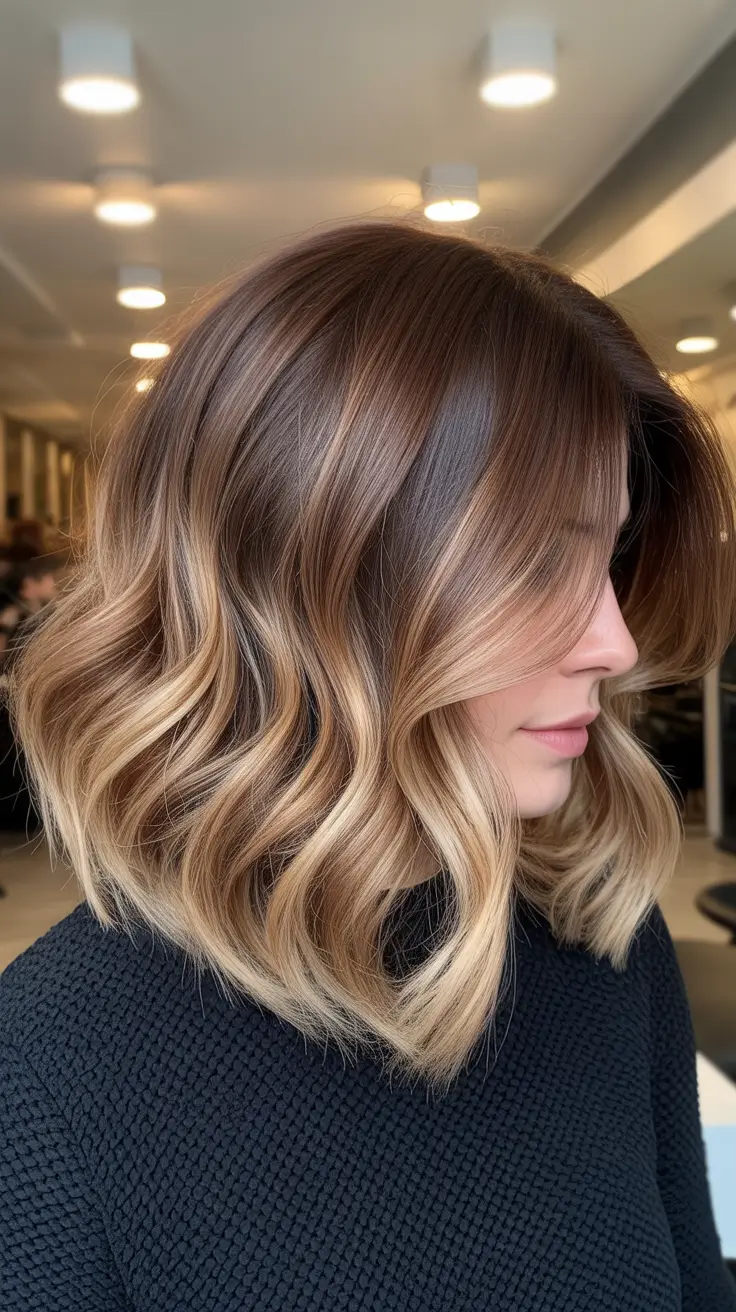
Image credit: styles-4-you.com
Chocolate-brown roots melt into honey-blonde toffee ends on a chin-to-collarbone lob with soft waves. The shorter length makes the ombre punchier — the gradient unfolds over less hair, so the contrast reads stronger. The toffee tone is warm and golden, flattering against winter skin.
Lobs need trims every six to eight weeks to keep their shape, which conveniently refreshes the lightened ends at the same time. The warm tone is forgiving between appointments. This is a great choice for anyone who wants ombre impact without very long hair — the cut keeps it modern and manageable.
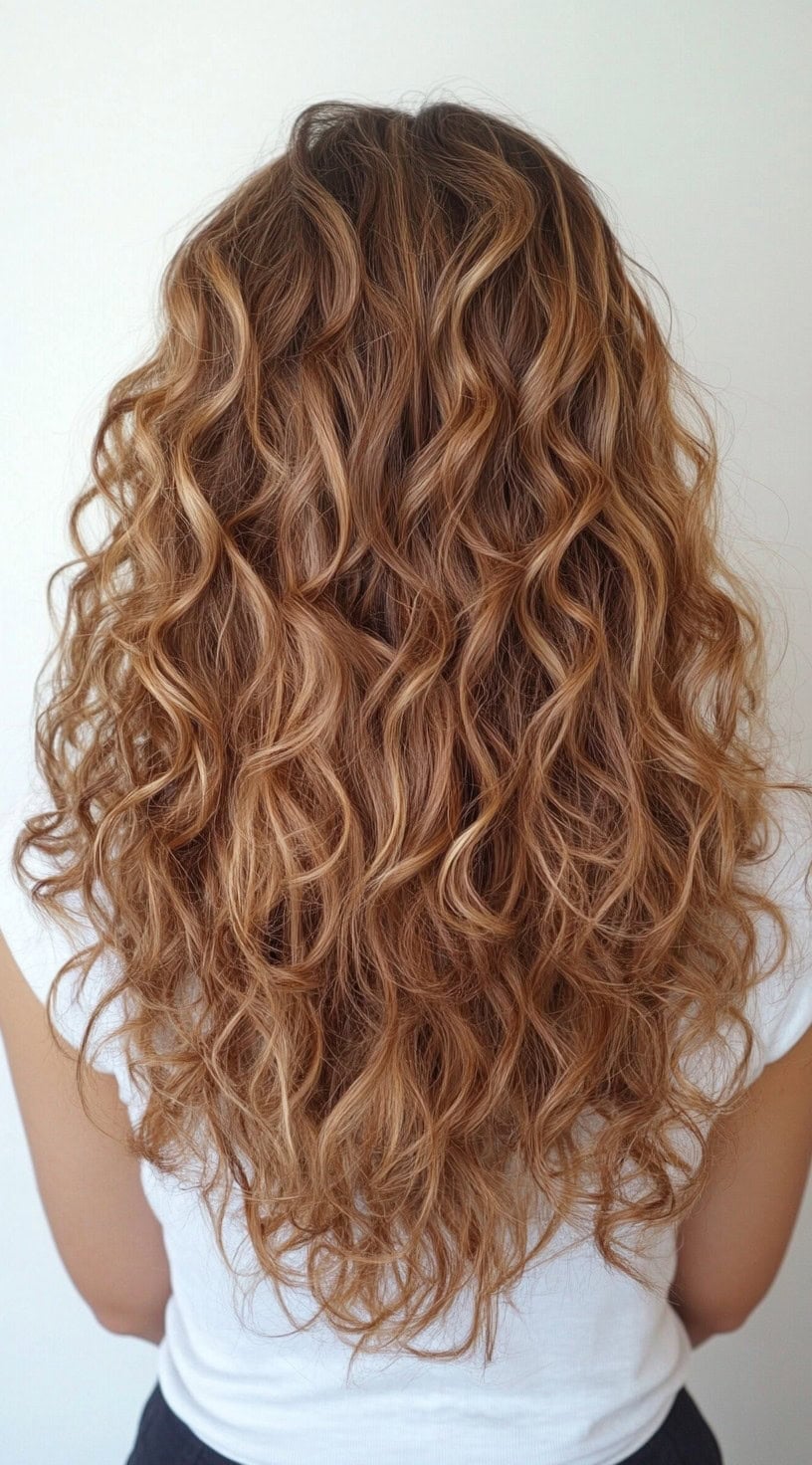
Espresso-to-Caramel Ombre on Natural Curls
Source: looksniceonme.com
Dark espresso roots melt into caramel-honey ends across long, voluminous natural curls. The curl pattern breaks up the gradient into dimensional ribbons of color — each curl catches the light differently. The ombre enhances the texture rather than fighting it, giving the curls visible depth. The concept gets a fuller treatment in Trendy Sleek Ponytail Hairstyles.
Curly hair needs extra moisture after lightening, so a rich conditioning routine is essential. The dark root means color appointments can stretch, but regular trims keep the ends healthy. Ask for a curl-by-curl or balayage placement designed for texture — traditional foiling can create harsh lines on curls.
Muted Mauve Ombre with Dusty Pink Ends
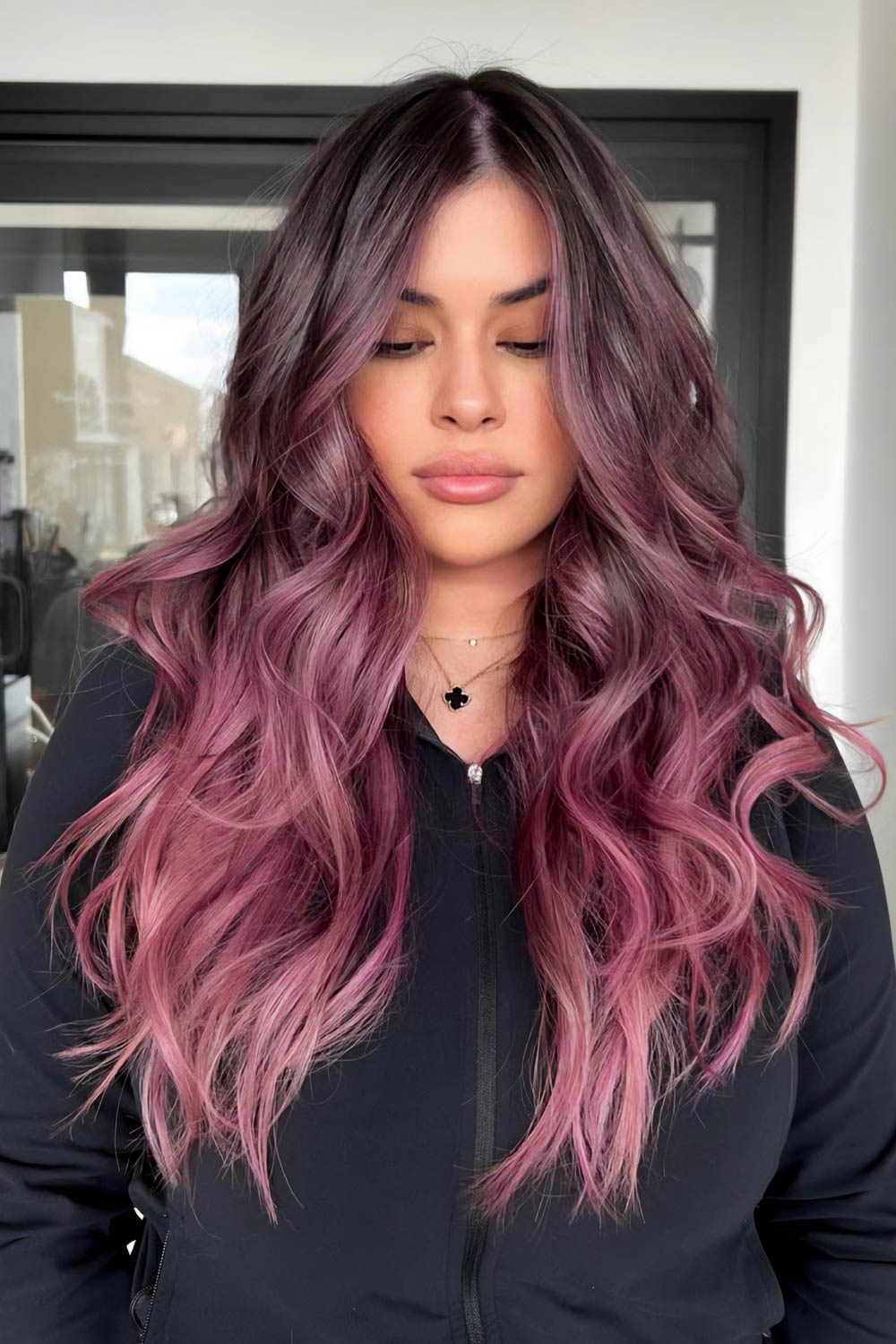
Via glaminati.com
Dark roots fade into muted mauve — a dusty pink-purple — on long, softly waved hair. The tone is desaturated and sophisticated, reading more like a smoky neutral with a pink cast than a fashion color. Worn with a center part, the gradient frames the face in an even wash of muted color.
Muted fashion tones fade faster than natural shades; a color-depositing conditioner in a mauve or pink tone will extend the life. Cool water and minimal washing help. This suits those who want something unusual but still office-friendly — it reads as dimensional color rather than a statement dye.
Chestnut-to-Auburn Ombre with a Side Part
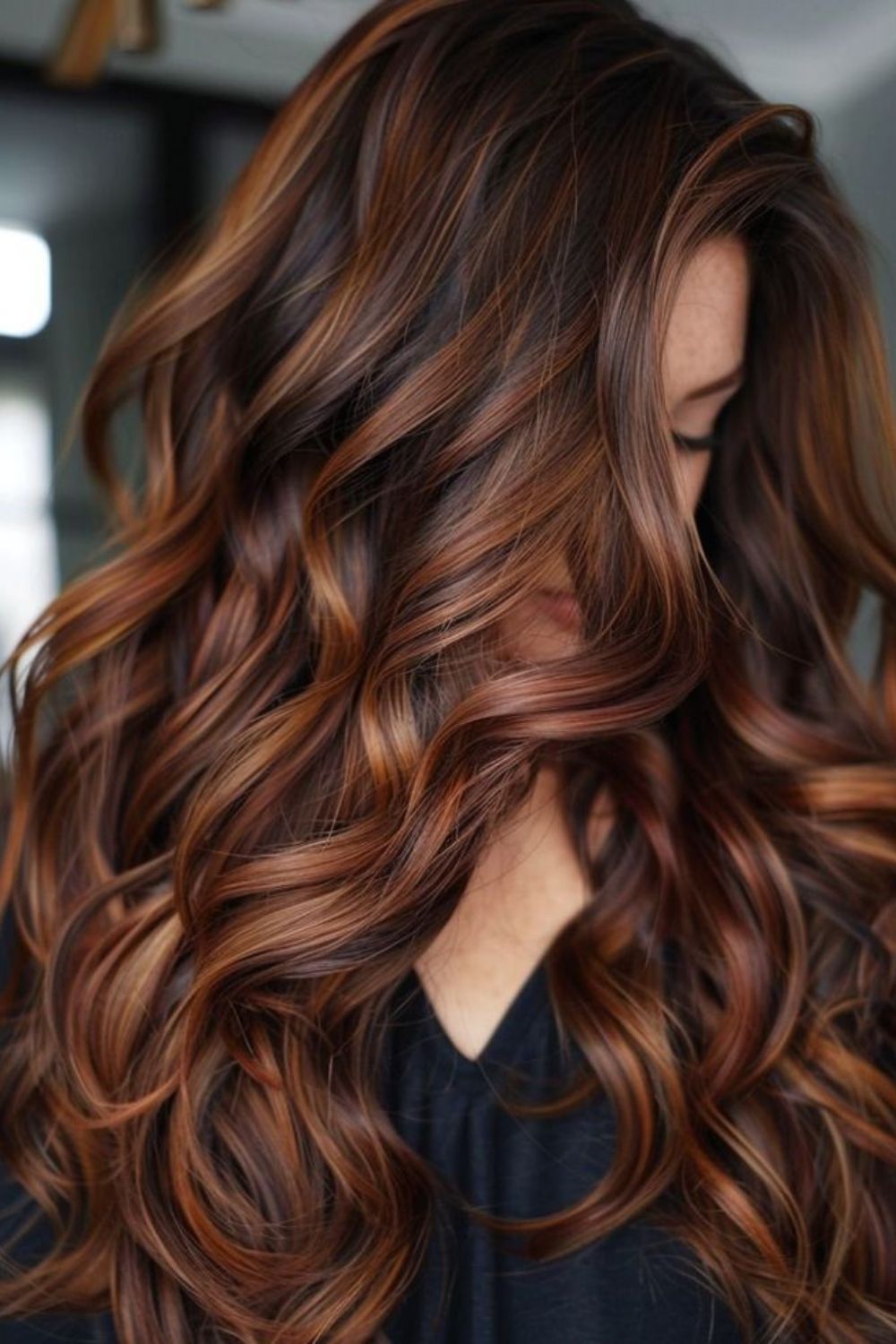
Courtesy of: stylishhairideas.com
Chestnut-brown roots melt into auburn-copper ends on long, loose waves worn with a side part. The auburn brings warmth and richness without the high maintenance of a vivid red — a natural-looking gradient that adds glow through the lengths. The side part adds volume at the crown. If this look speaks to you, Fall Braid Hairstyles 2025 continues the thread.
Auburn is one of the more forgiving reds; it fades gracefully toward copper rather than washing out. A gloss every eight weeks keeps the richness. This is an excellent entry point into red-toned ombre — warm, dimensional, and far less demanding than cherry or copper brights.
Smoky Pewter Ombre with Tousled Texture
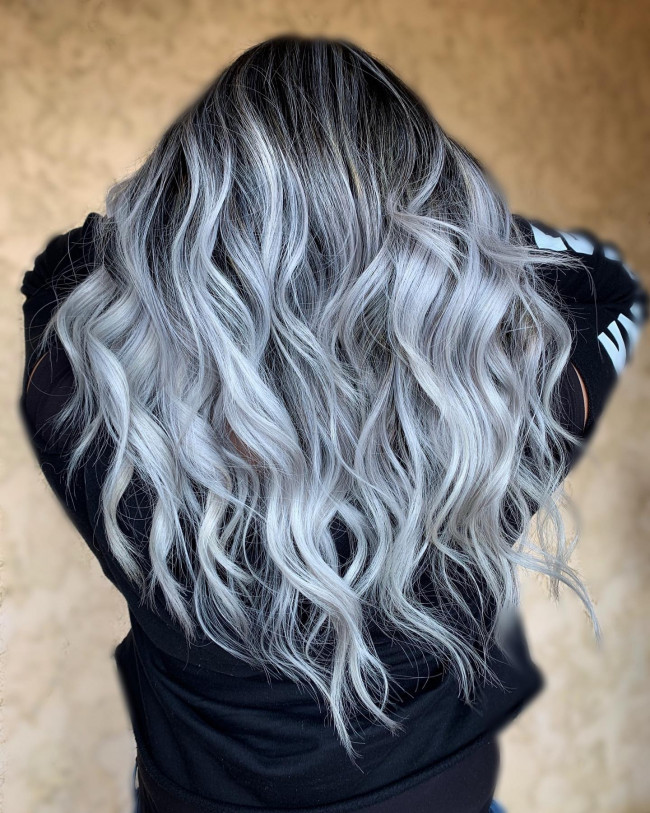
Photo credit: itakeyou.co.uk
A black base releases into smoky pewter-silver ends on long, tousled waves. Where a polished silver-ash ombre reads sleek, this one reads lived-in — the tousled texture and smokier tone give it an undone, editorial edge. The pewter has a slightly darker, moodier cast than bright silver.
The smoky tone is more forgiving than icy silver as it fades — it grows out into a soft grey rather than going brassy. Still, purple shampoo and toning every six to eight weeks keep it crisp. This suits those who want the silver family with a bit more edge and slightly less upkeep than a bright platinum gradient. For a different spin on the same theme, browse Chic Age Positive Fall Hairstyles for Women Over 60.
Champagne Blonde Ombre with Warm Roots
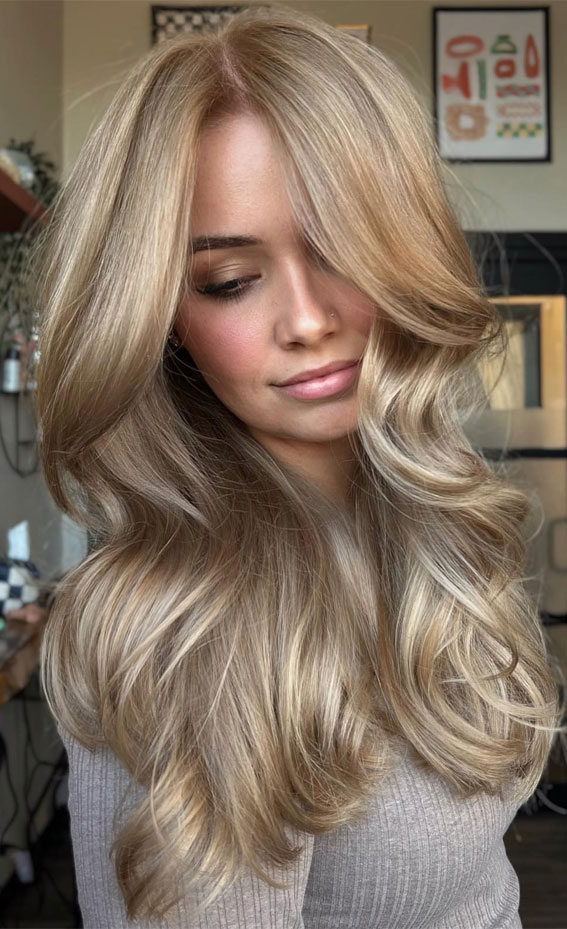
Image credit: itakeyou.co.uk
Warmer, darker roots melt into golden champagne-blonde ends on long, soft waves worn with a middle part. The champagne tone is effervescent — light and bright without tipping into platinum. Keeping the roots warm rather than ashy makes the grow-out nearly invisible and the overall effect sunlit.
This is one of the easiest blonde ombres to live with: warm roots disguise regrowth, and the champagne ends fade gracefully. A gloss every ten to twelve weeks is usually enough. It flatters warm skin tones beautifully; very cool complexions might find the golden warmth less harmonious.
Frosty Blonde Ombre Blowout with Shadowed Roots
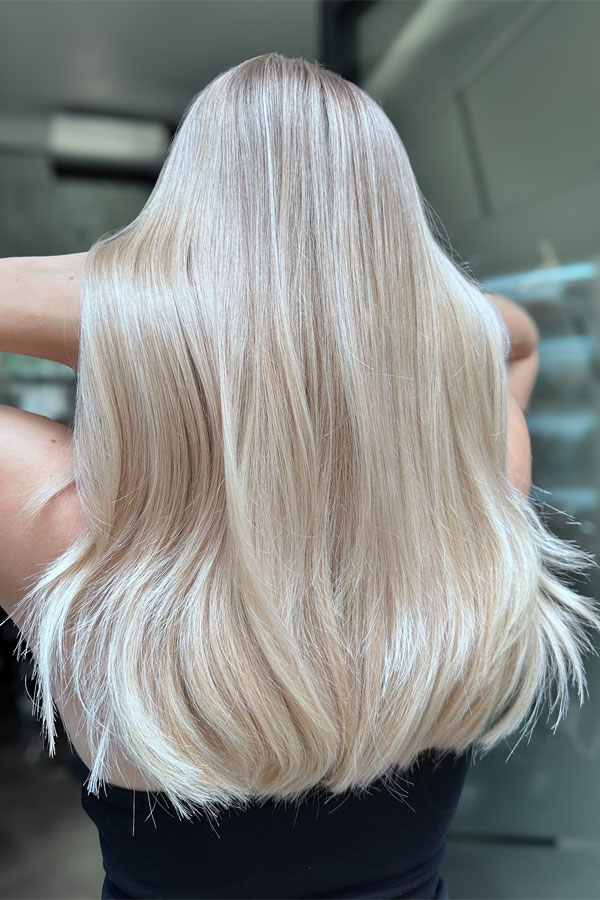
Source: itakeyou.co.uk
Subtly shadowed roots give way to frosty blonde ends on a voluminous mid-back blowout with full, straight volume and soft ends. The blowout styling is the star — the smooth, bouncy finish makes the frosty gradient look expensive and deliberate. The shadowed root keeps the brightness from looking stripey.
A blowout like this needs heat protection and regular trims to keep the ends from splitting — lightened ends are more fragile. Tone every six to eight weeks to keep the frost from warming. This suits medium to thick hair that can hold a blowout; very fine hair may fall flat by midday. The same idea, styled another way, appears in Winter Hairstyles 2025 2026 25 Chic Trendy Ideas for Black Women.
Honey Ombre on Fine, Straight Lengths
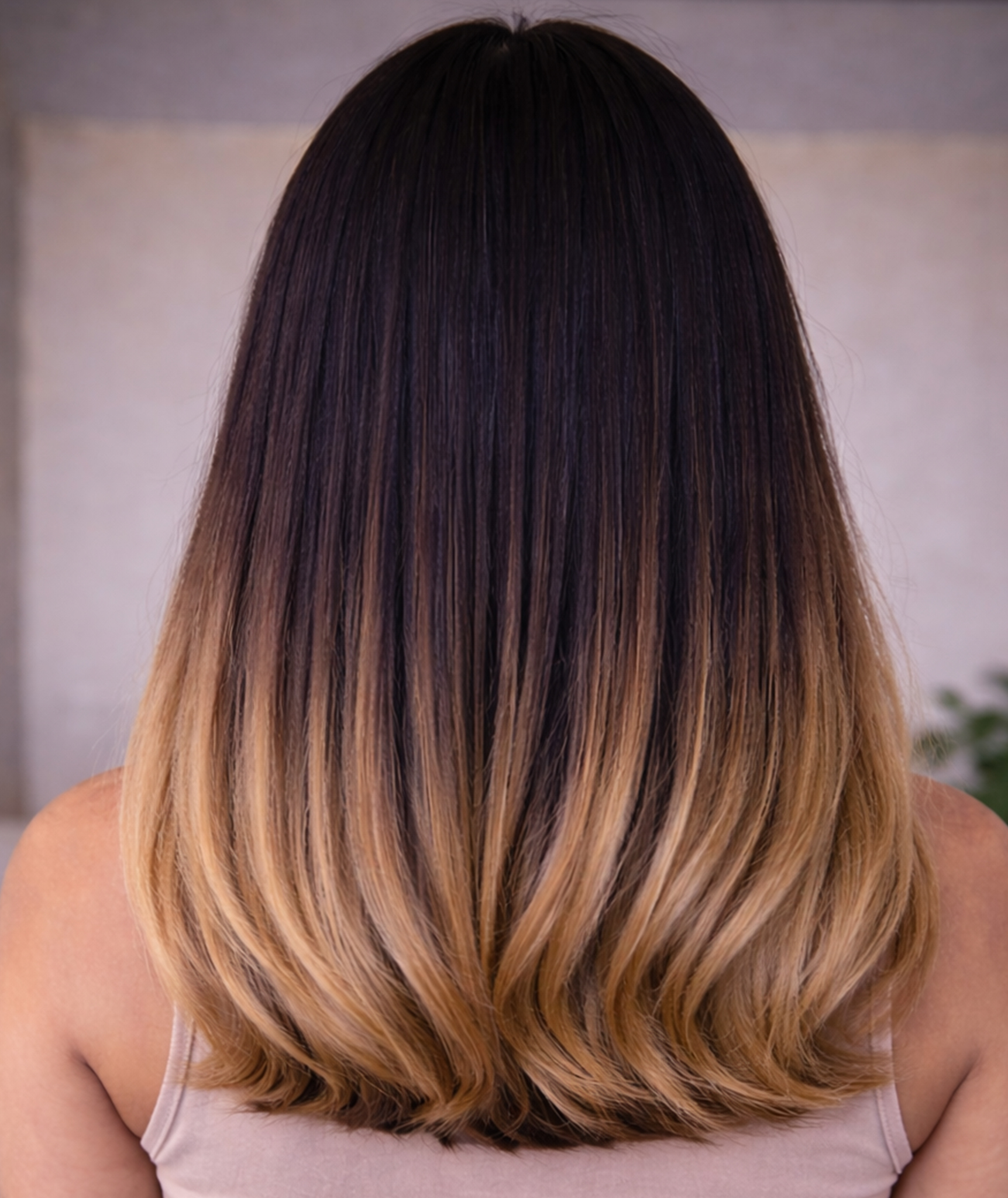
Via thenestsalon.in
A dark brown base melts into golden honey-blonde ends on straight, fine-textured hair at mid-back length. The ombre adds the illusion of dimension that fine, straight hair often lacks — the gradient creates visual movement even without waves or curls. The honey tone keeps it warm and natural-looking.
Fine hair lightens quickly, which means less time in the chair but ends that need gentle care — lightweight products avoid weighing the hair down. The dark root stretches appointments nicely. This is proof that ombre is not just for thick, wavy hair; on fine straight lengths, it is one of the easiest ways to fake fullness.
Plum Purple Ombre with Glossy Violet Ends
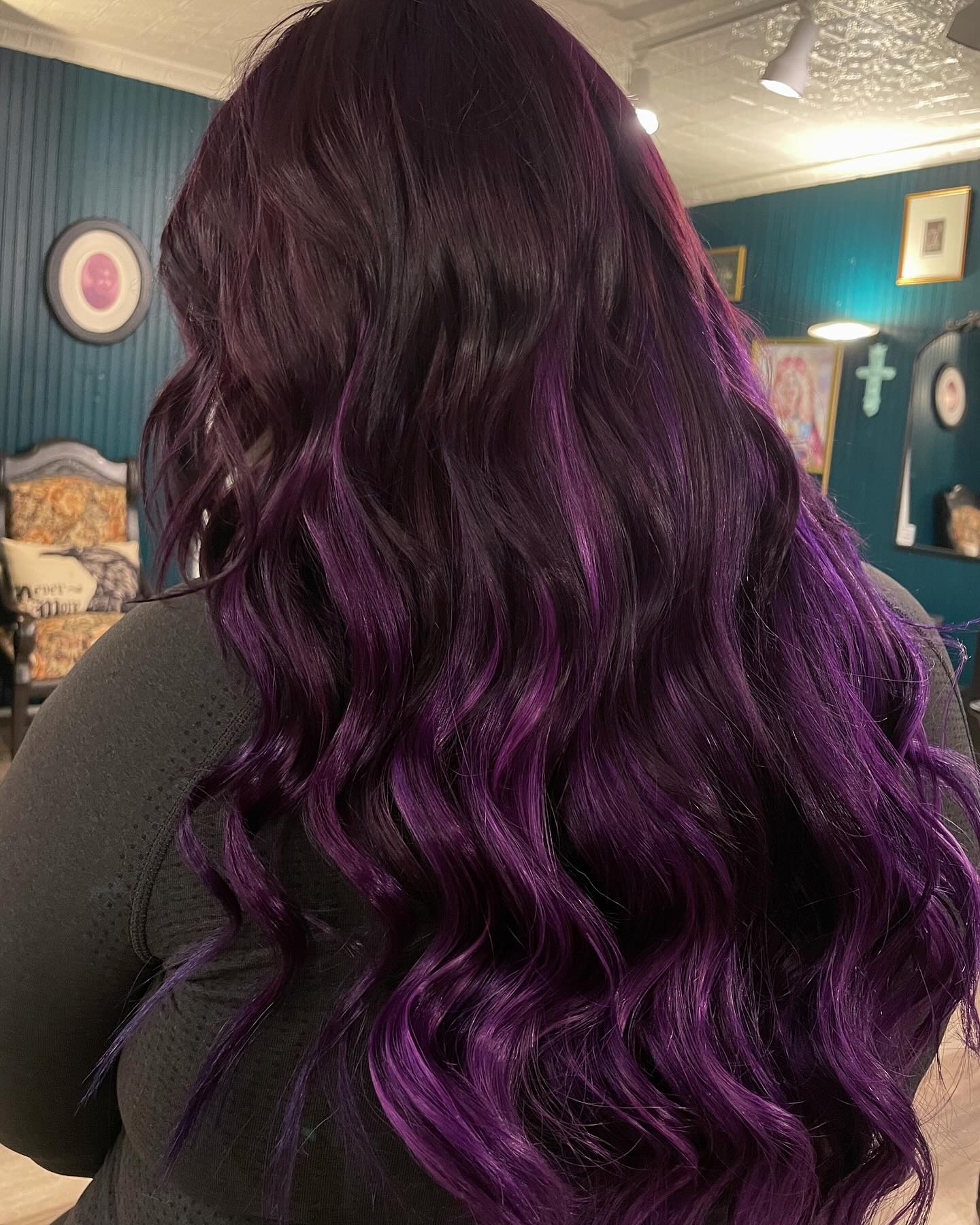
Courtesy of: indieyespls.com
Dark brown roots deepen into plum-purple mid-lengths and finish in glossy violet-purple ends on long waves. The color is vivid rather than muted — a rich, jewel-toned gradient with serious shine. The purple reads luxurious against winter fabrics, especially black and charcoal.
Vivid purples fade with washing, so extend time between shampoos and use color-safe products; a purple color-depositing conditioner keeps the violet rich. Expect a refresh every four to six weeks. This is a statement choice — if you want purple with less commitment, the smoky lavender ombre earlier in this roundup fades more gracefully. Related reading: Classy Half Up Mother of the Groom Hairstyles takes the same concept further.
Bronze Glow Ombre on Sleek Long Hair
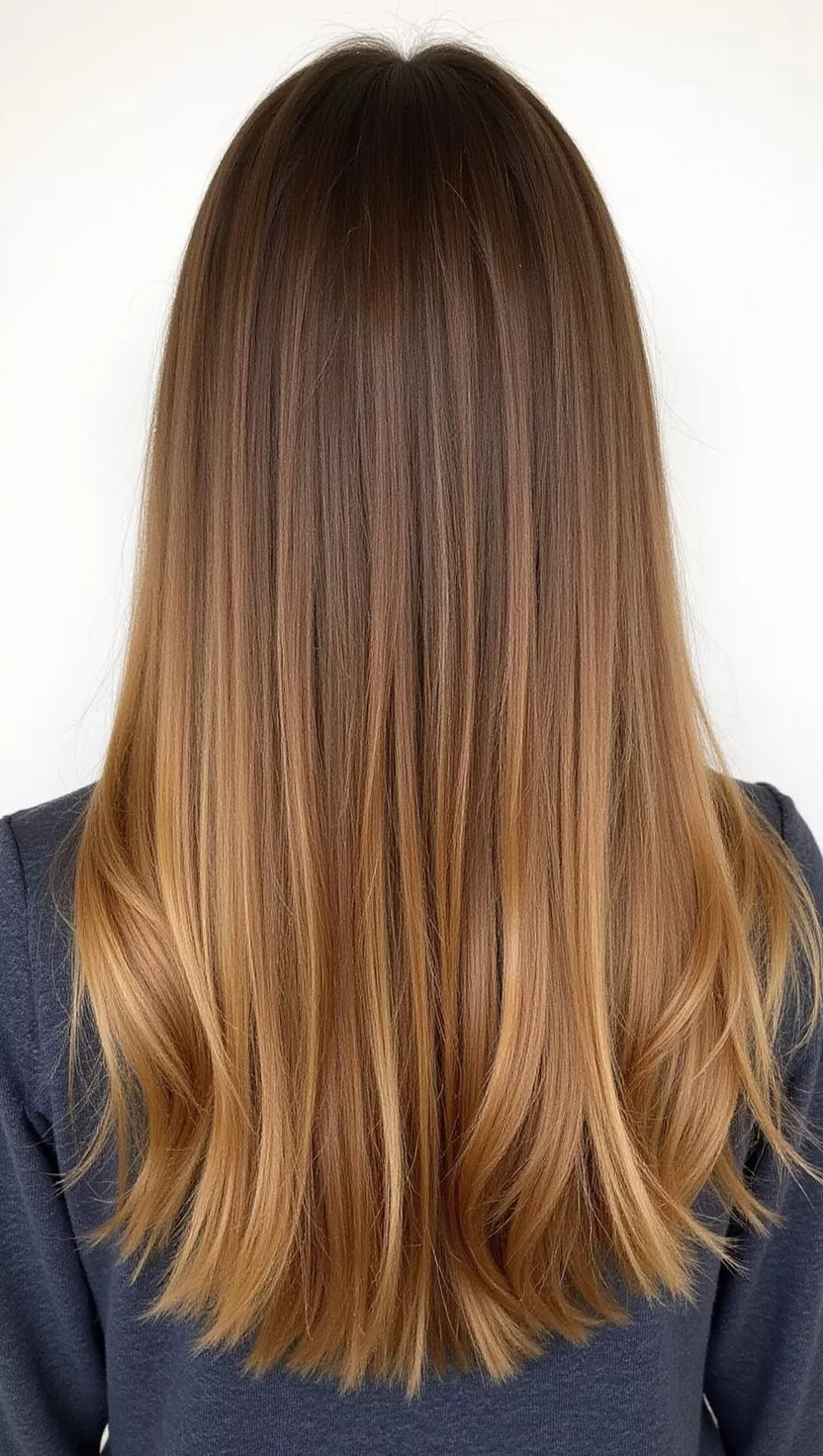
Photo credit: partygleam.com
Medium-brown roots flow into golden bronze ends on long, sleek hair with a smooth, straight finish. Worn straight, the gradient reads as a seamless glow — the bronze illuminates the lengths without any wave or curl to break it up. It is understated luxury: noticeable, but never loud.
Sleek styling shows off healthy ends, so regular trims matter more here — split ends are visible on straight hair. The bronze tone itself is low-maintenance, needing only a gloss every couple of months. This suits straight and slightly wavy textures best; it is the polished counterpart to the wavier bronze ombre earlier in the roundup.
Slate Blue-Grey Ombre with Steel Ends
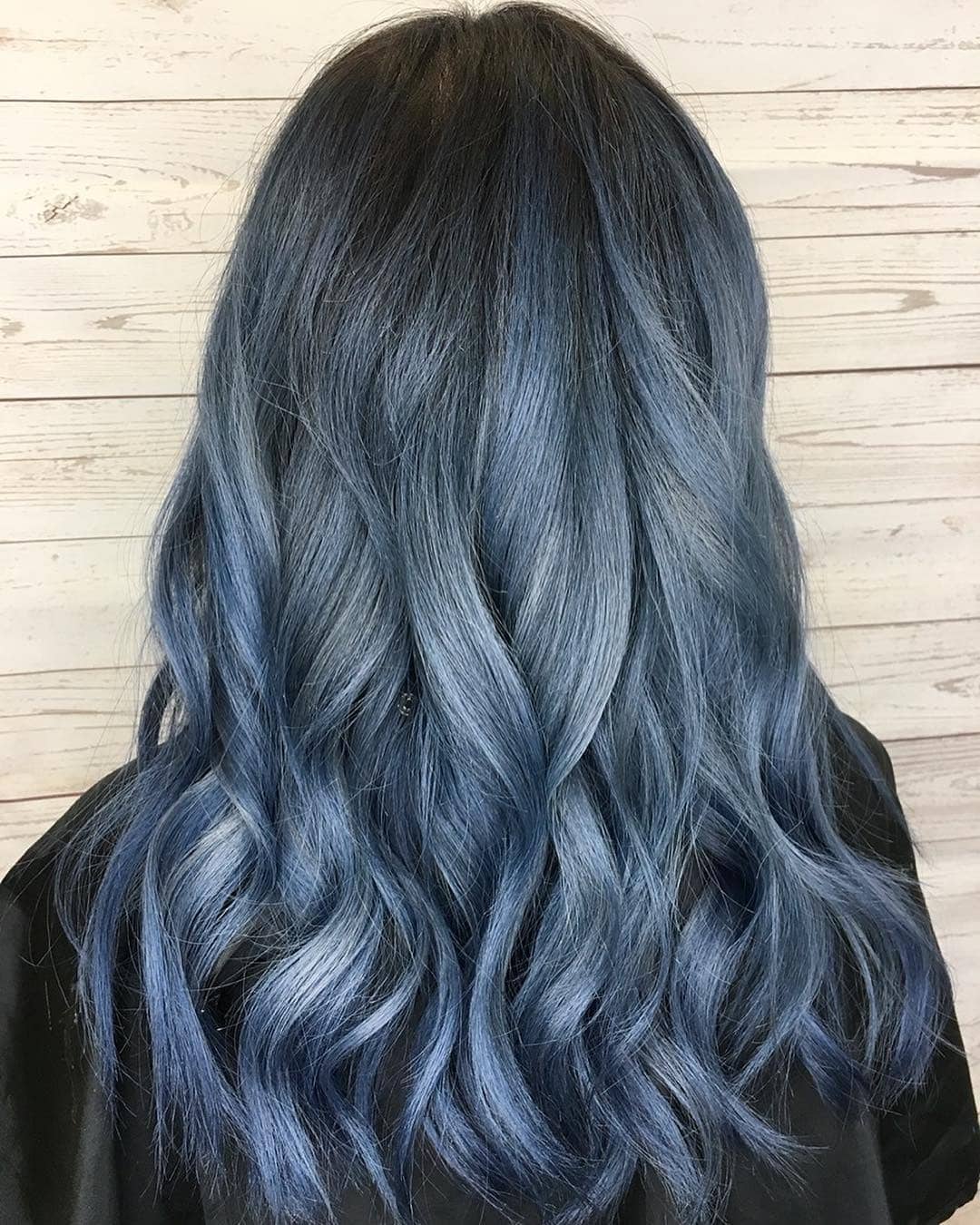
Image credit: cozyandhome.com
Dark roots melt into slate blue-grey ends with a smoky steel-blue cast on long, loose waves. The blue is desaturated and smoky rather than electric — it reads as a cool, moody neutral from a distance and reveals its blue character up close. It is the most unexpected gradient in this roundup.
Blue-based tones fade fastest of all — expect the steel to soften within weeks without a blue or silver color-depositing conditioner. Cool water is essential. This is strictly for the committed: the payoff is a genuinely unique winter color, but the maintenance schedule is the most demanding here. We covered this territory more deeply in Summer Ombre Hair Colors 2026.
Cinnamon Spice Ombre with Copper-Gold Ends
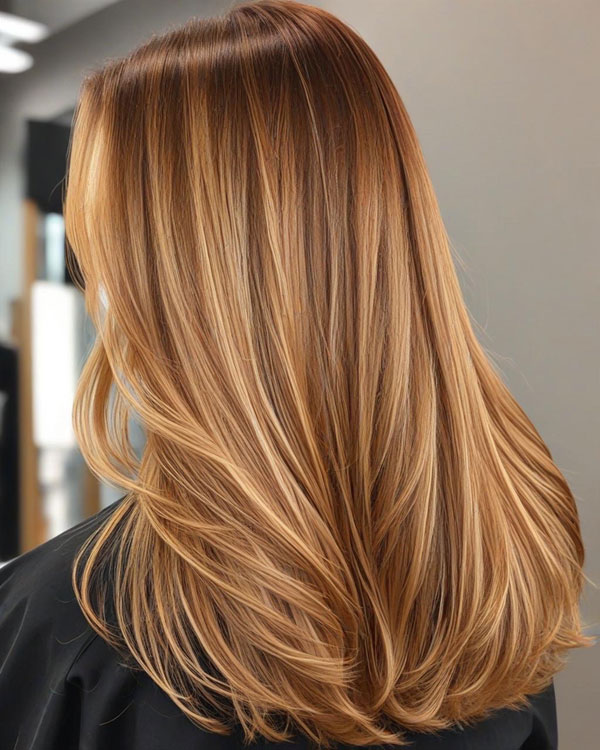
Source: itakeyou.co.uk
Warm spiced reddish-brown mid-lengths melt into golden-copper ends on long, layered hair with soft waves. The cinnamon tone is cozy and rich — think spiced cider rather than bright copper. The layering lets the gradient shift as the hair moves, revealing different depths of spice and gold.
Warm reds need regular glossing to stay vibrant — every six to eight weeks keeps the cinnamon from dulling to plain brown. Color-safe shampoo and cool water slow the fade. This is a beautiful middle path: warmer and richer than caramel, softer and more wearable than vivid copper.
Final Thoughts
Across these 24 looks, the strongest options work because of how the undertone and the transition placement flatter the wearer — not simply because the ends are light or dark. A seamless melt suits low-maintenance routines; a high-contrast gradient suits those ready for regular toning. Choose based on your hair’s texture, how often you want to see your colorist, and how much warmth or coolness your skin tone favors. When in doubt, start with a tone close to your natural base — caramel, mocha, or auburn — and go bolder from there.
- Trim every six to eight weeks to keep the shape sharp.
- Use a heat protectant before every hot-tool session.
- Tone blonde or highlighted hair every six weeks to keep brassiness away.
- Match the upkeep schedule to your routine before committing to high-maintenance color.
The best color is the one that still looks intentional at week six.