Short hair and winter color go together like cocoa and a snowstorm. With less length to hide behind, every shade choice on a pixie or bob reads louder — which is exactly why the cold months are the best time to go bolder, deeper, or icier than you would in July. The winter 2027 palette for short hair splits into a few clear camps: rich, cozy brunettes (espresso, mahogany, chocolate), statement reds and coppers that glow against grey skies, and high-contrast blondes with shadow roots or dark regrowth for low-maintenance edge. If this look speaks to you, Fall Braid Hairstyles 2025 2 continues the thread.
Below are 24 winter hair color ideas for short hair, each on a real short cut — pixies, bobs, and lobs — with honest notes on who each shade suits, what to ask for in the salon, and how much upkeep you are signing up for. Short hair grows fast and shows color fade quickly, so every pick includes realistic maintenance guidance. Our Formal Winter 2025 2026 Hairstyles for Women 25 Chic Styles rounds up more takes on this exact idea.
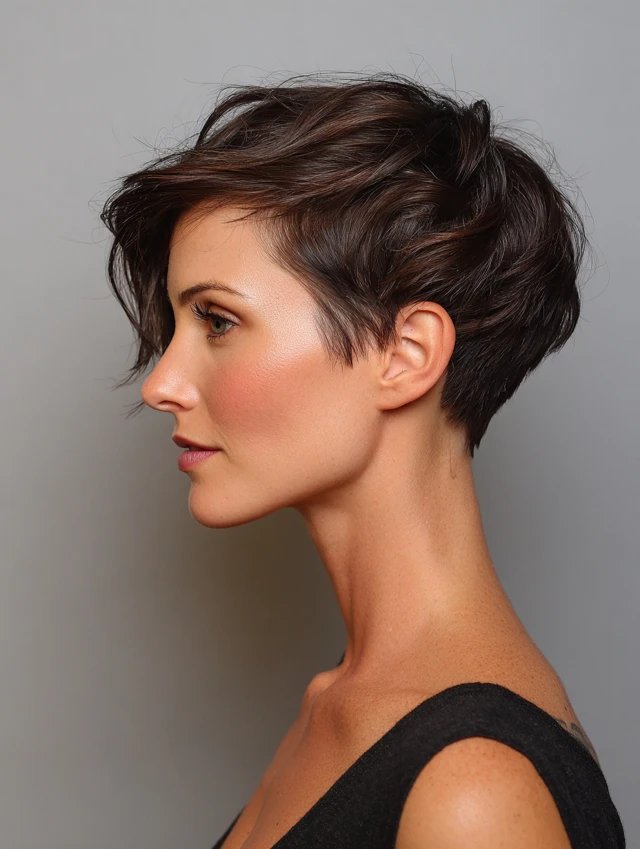
Dark Espresso Pixie with Subtle Bronze Highlights
Courtesy of: womenshairtoday.com
A near-black espresso base with fine bronze highlights woven through the crown is the kind of winter color that looks expensive without trying. The dark base keeps the short pixie silhouette crisp and defined, while the bronze pieces catch winter light and stop the color from reading flat. It flatters warm and neutral skin tones especially, and the short length means regrowth shows as a soft halo rather than a harsh line. The concept gets a fuller treatment in Fall Brunette Hair Colors 2026.
Ask your colorist for a level 3 espresso base with babylight bronze pieces through the top only — no need to lighten the nape. Styling is wash-and-go with a dab of matte pomade for texture. The upside is very low upkeep: a root touch-up every 8 to 10 weeks and a gloss refresh at 6 weeks keeps the bronze from dulling. The trade-off is commitment to the dark side; lifting back out to blonde later takes patience and more than one session.
Chocolate Brown Bob with Caramel Highlights
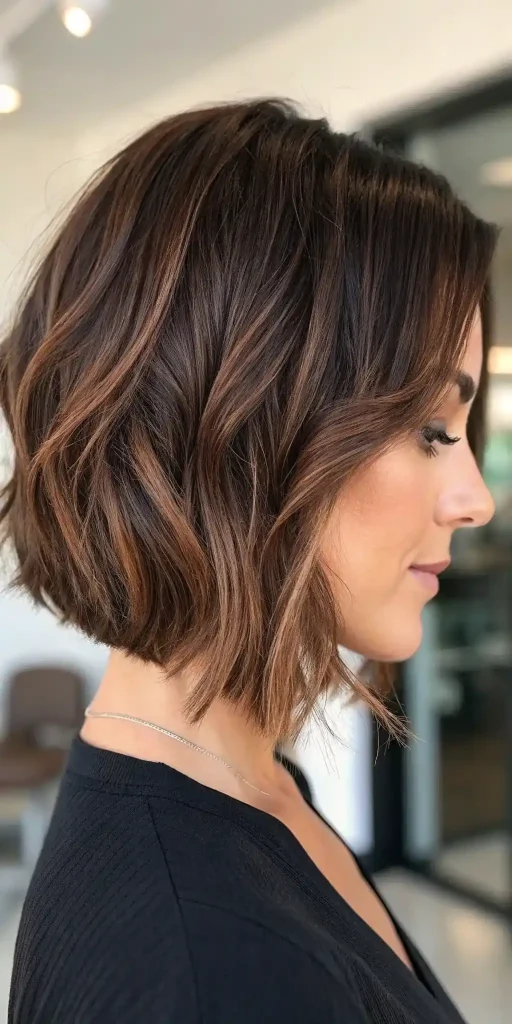
Photo credit: herstylepulse.com
This chin-length wavy bob pairs a rich chocolate brown base with caramel highlights concentrated through the mid-lengths and ends, creating a warm, dimensional glow that feels made for December. The highlights are painted rather than foiled, so the root area stays deep and natural while the ends lighten gradually. On wavy, medium-density hair the cut holds its curved shape at chin length, and the lighter pieces emphasize every wave.
Request a chocolate level 4 base with hand-painted caramel pieces, slightly heavier around the face for brightness. Style with a 1-inch barrel, leaving the ends out for an undone finish. Maintenance is forgiving: toning every 6 to 8 weeks and highlights every 12 weeks. The main drawback is warmth — if your skin has very cool undertones, the caramel may read brassy, so ask for a neutral-warm toner rather than golden.
Black Cherry Bob with Wine Glaze
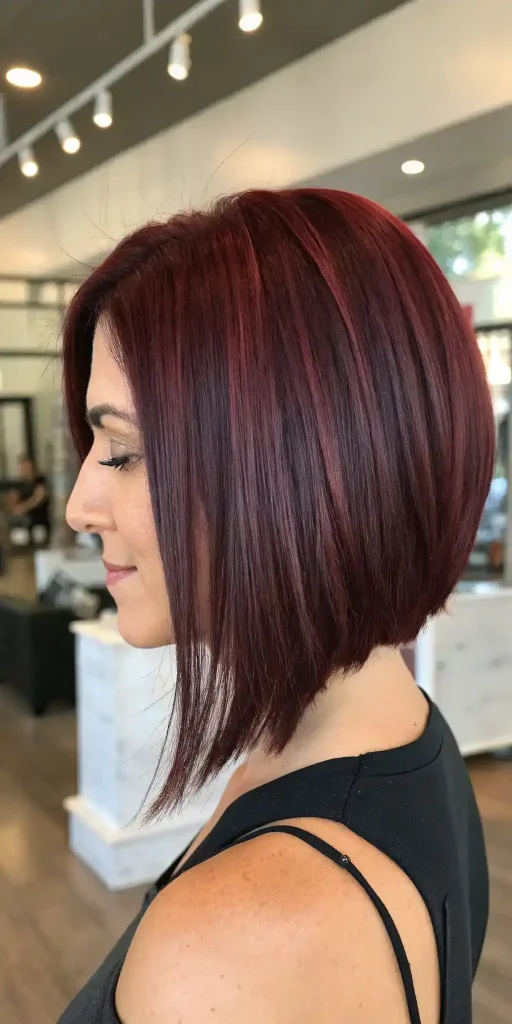
Image credit: herstylepulse.com
Black cherry — a blackened red with wine-colored depth — is one of winter 2027’s defining short-hair shades. Indoors it reads almost black; in daylight the red undertones glow through, especially around the face. On a bob, the color gives the cut a glossy, almost vinyl finish that makes even simple styling look deliberate. It suits fair to deep skin tones alike, since the red is deep rather than bright. The same idea, styled another way, appears in Best Hair Colors for Neutral Skin Tones.
Ask for a black base with a red-violet demi glaze, plus subtle brighter cherry pieces through the front if you want more visible dimension. The glaze fades gently over 4 to 6 weeks, so plan a refresh at that interval; sulfate-free shampoo stretches it. The honest trade-off: red molecules wash out fastest of any color family, so the first two weeks look dramatically richer than week five — embrace the fade as part of the look.
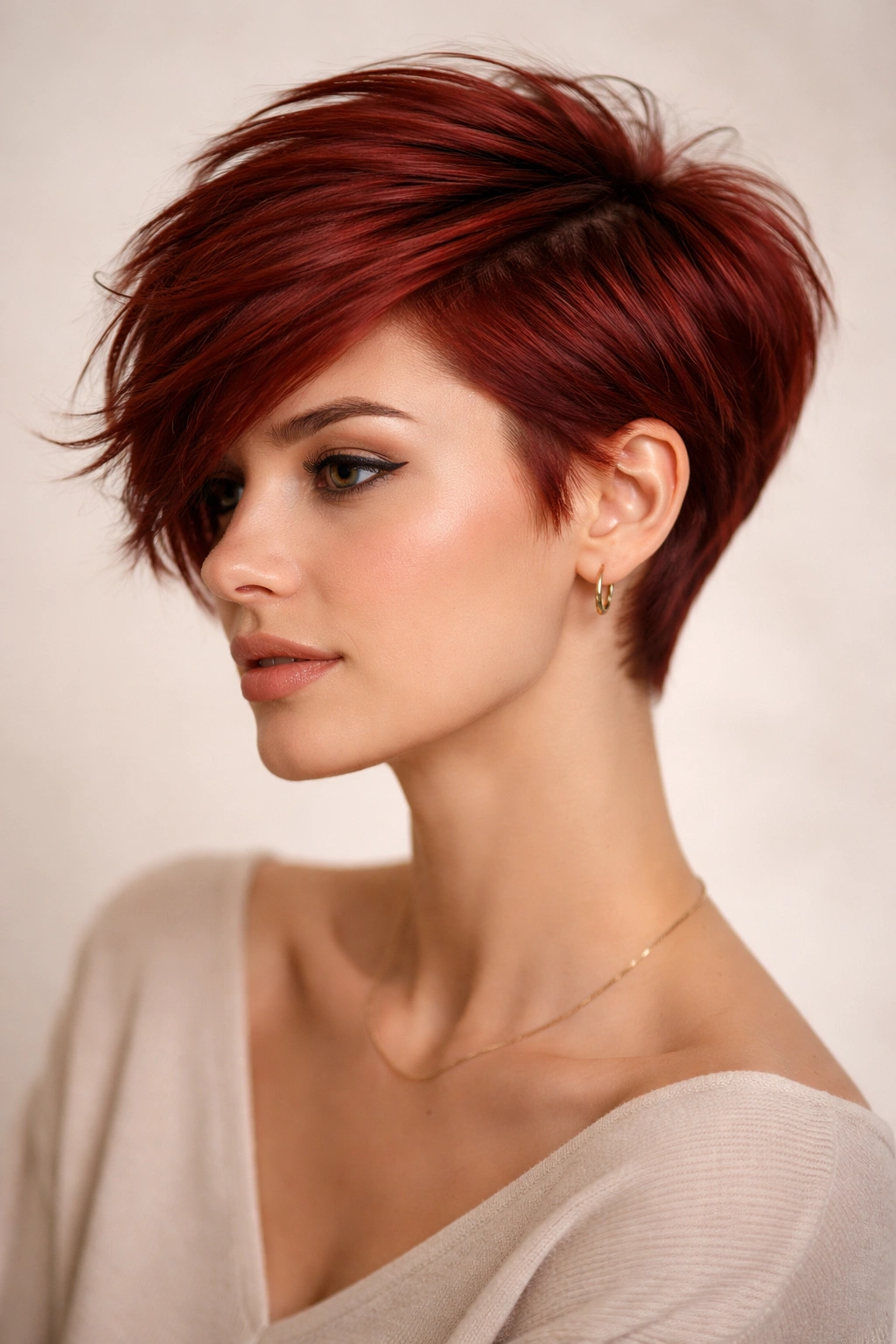
Copper Penny Pixie with Textured Top
Source: hairtical.com
A copper penny shade on a textured pixie is pure winter fire. The cut keeps the sides close with length and piecey layers on top, swept to the side, and the copper tone makes every textured bit stand out. It is especially striking on fair skin with warm undertones, where the copper echoes the complexion instead of fighting it. Fine to medium hair gets the most lift from the short layers.
This is a salon color: pre-lightening is usually needed even on medium brown hair to get that true copper clarity. Ask for a level 7 copper with a hint of gold, and a color-safe routine at home. Refresh every 4 to 6 weeks — copper fades fast. The payoff is a shade that turns heads in a grey season, but go in knowing the upkeep rhythm is non-negotiable.
Deep Mahogany Lob with Warm Undertones
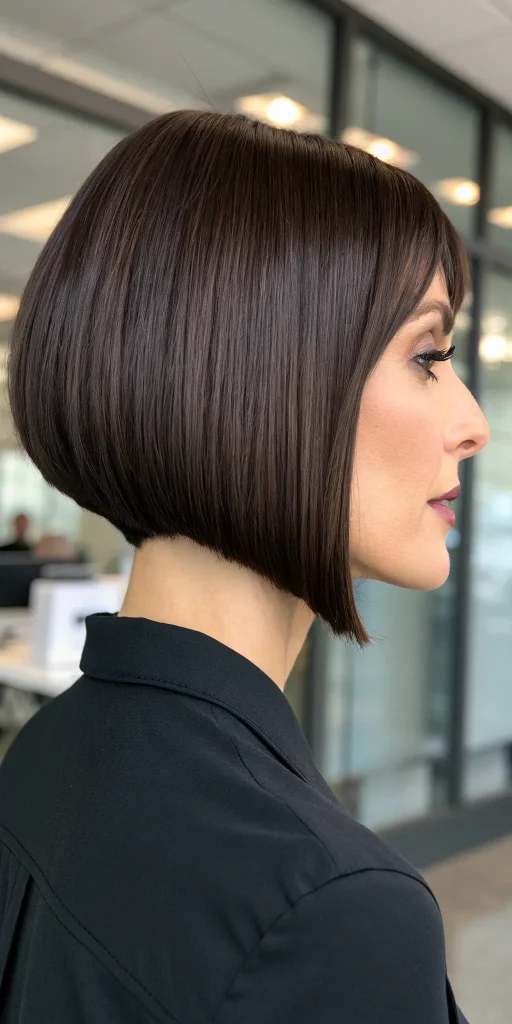
Deep mahogany sits between brown and red — a reddish-brown with warm, winey undertones that reads richer than either parent shade. On a collarbone-length lob it looks plush and dimensional, the warm tones coming alive in low winter sunlight. It is a generous color for medium to thick hair, where the density gives the shade depth, and it flatters most skin tones because the red is muted rather than vivid. For a different spin on the same theme, browse Stunning Hair Colors That Make Green Eyes.
Ask for a level 4 mahogany with a warm copper-red undertone, applied as a demi for extra shine. The collarbone length keeps styling easy: loose waves with a flat iron or a smooth blowout both work. Gloss refreshes every 6 weeks keep the red from going muddy. The trade-off versus brighter reds is subtlety — if you want high drama, mahogany whispers rather than shouts.
Icy Platinum Blunt Bob
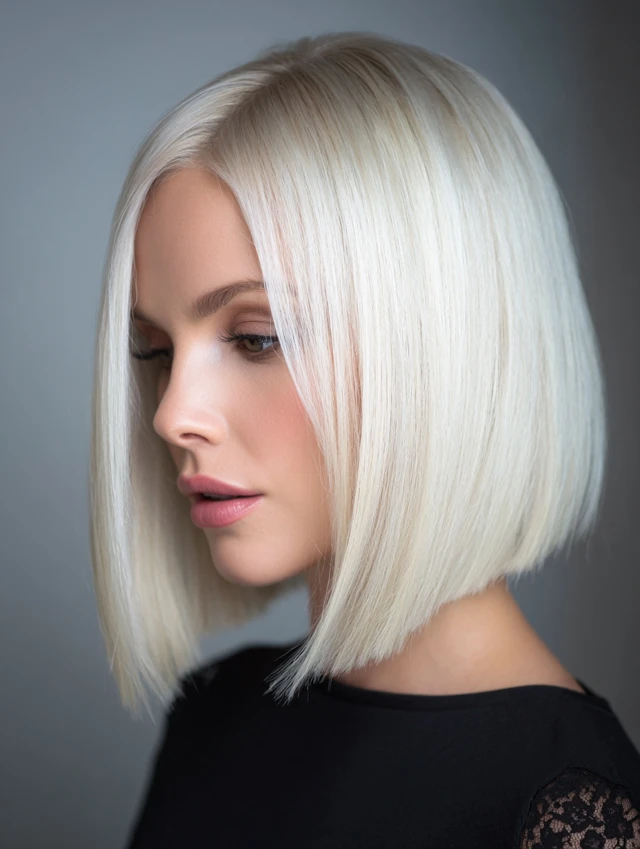
Courtesy of: yournextinspo.com
Nothing says winter like an icy platinum blunt bob — the color mirrors frost, and the sharp, unlayered edge keeps it architectural. The absence of layers makes straight, fine-to-medium hair look thicker and sleeker, and the chin-to-collarbone length shows off the cool tone from every angle. It is a power color on cool skin tones, though confident warm-toned wearers can pull it off with the right makeup balance.
Be realistic: platinum is the highest-maintenance color on this list. Roots show at three weeks, and toning is needed every 3 to 4 weeks to fight brass. Deep conditioning is mandatory since the lightening process is aggressive. The blunt line needs a trim every 4 to 6 weeks to stay crisp. If the upkeep sounds exhausting, the ash blonde bob with dark roots further down this list gives a similar vibe with half the salon time.
Honey Blonde Pixie with Wispy Fringe
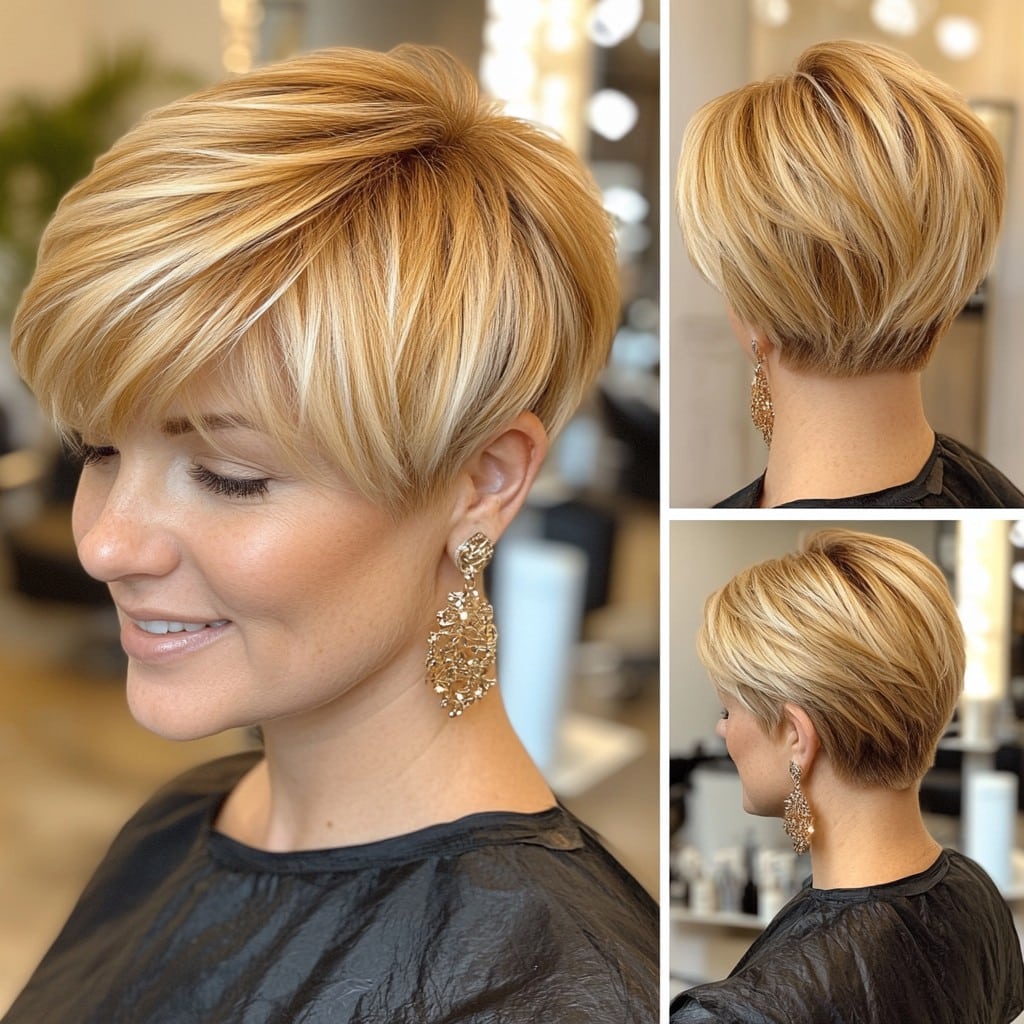
Photo credit: hairs.london
Honey blonde is winter’s warmest blonde — golden, buttery, and far more forgiving than platinum. On a pixie with a wispy fringe, the shade softens the short cut’s edges and keeps it feminine rather than severe. The golden undertones flatter warm and neutral skin, and the color has enough depth that regrowth blends in for weeks. Fine hair benefits because the warm tone adds visual thickness compared to icy shades. Related reading: Cornrow Hairstyles for 2025 takes the same concept further.
Ask for a level 8 honey blonde with a golden (not orange) undertone and a shadow root a shade deeper than the lengths for grow-out grace. Style with texturizing paste to define the fringe. Touch-ups every 6 to 8 weeks, toner at the same visit. The trade-off: honey can drift brassy in hard water or sun, so a purple-toned shampoo used sparingly keeps it golden rather than yellow.
Chestnut Brown Bob with Caramel Ribbons
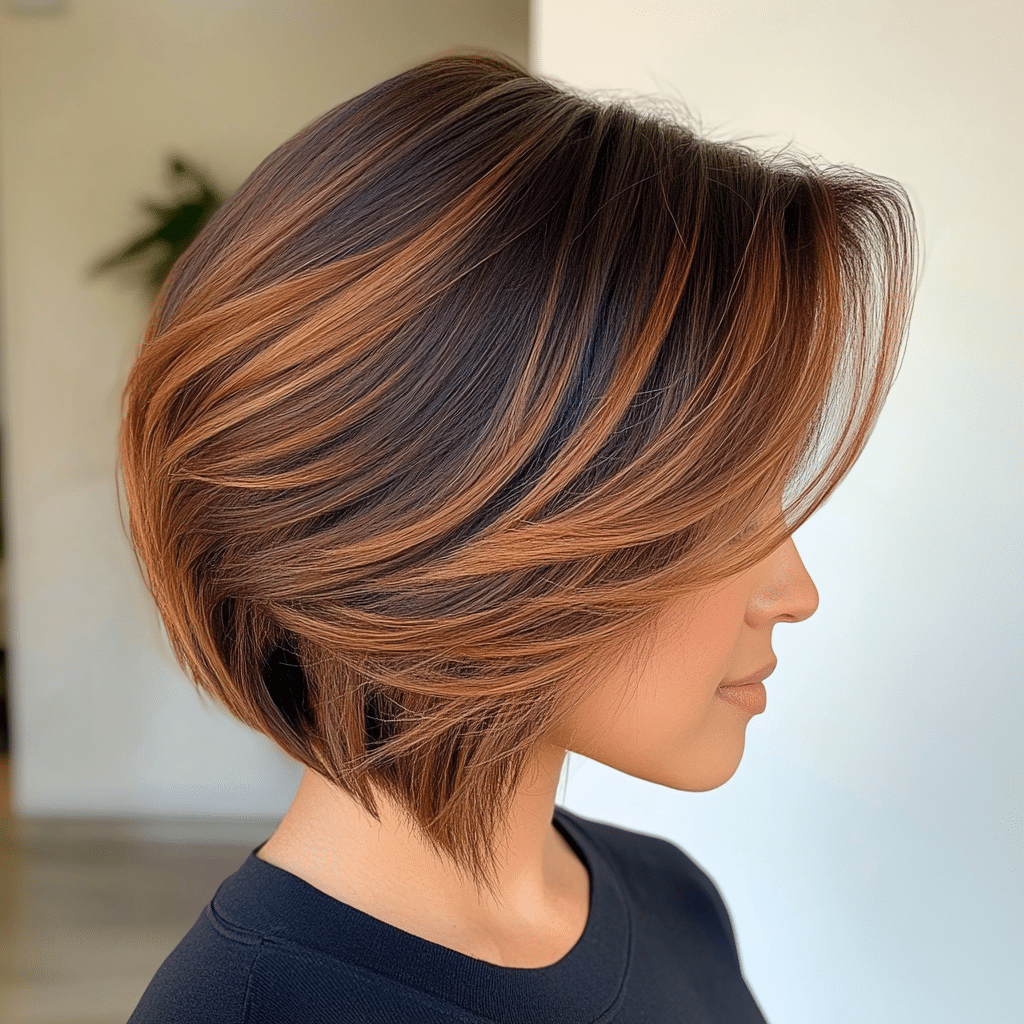
Image credit: hairs.london
Chestnut — a warm, reddish mid-brown — gets lifted with caramel ribbon highlights woven through a graduated bob in this cozy winter combination. The ribbons are placed to follow the bob’s stacked shape, so the lighter pieces trace the curve of the cut. The overall effect is autumnal and rich, like the color equivalent of a wool coat, and it works beautifully on medium to thick hair where the graduation shows.
Request a chestnut level 5 base with caramel ribbons through the interior layers, heavier toward the ends. The graduated shape needs a trim every 6 weeks to keep the stack from growing out bulky. Color refresh every 8 weeks. The main consideration is warmth balance: too much caramel and the chestnut base loses its identity, so ask your stylist to keep the base dominant.
Coppery Auburn Bob with Layered Texture
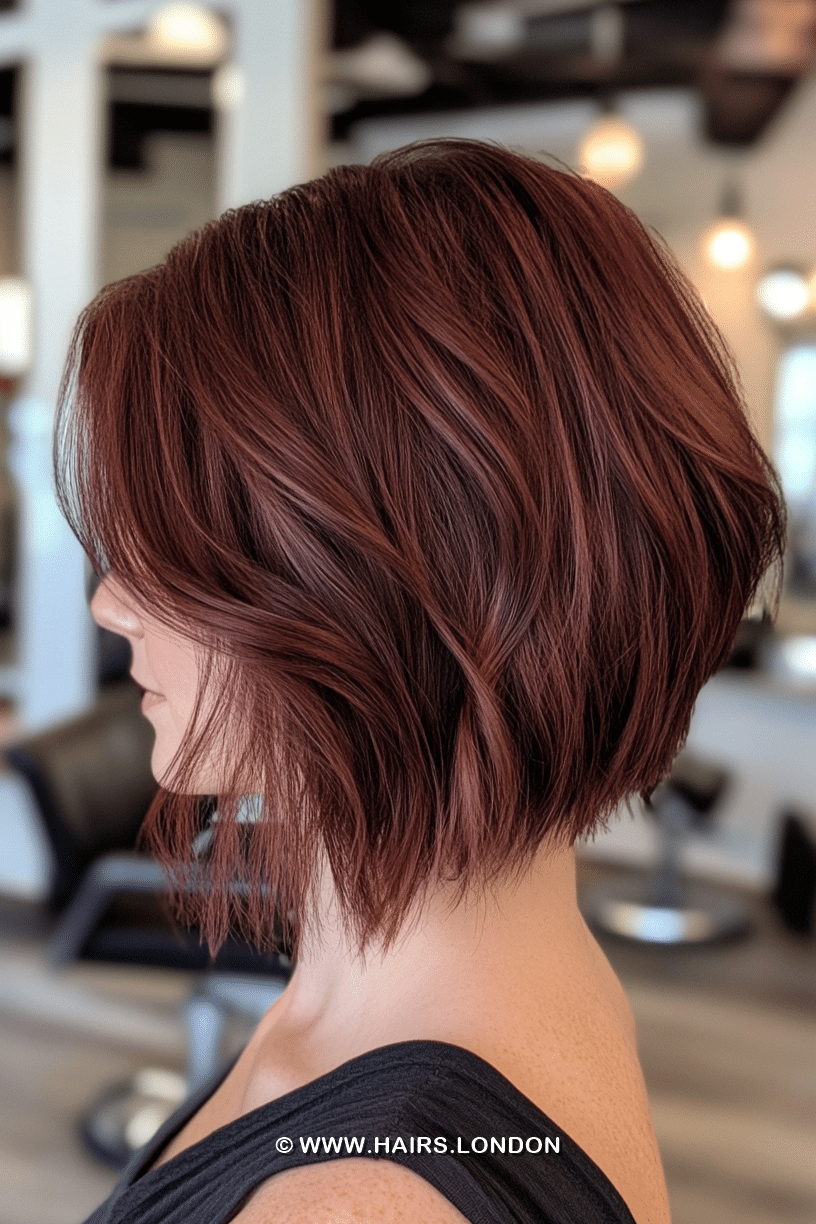
Source: hairs.london
A deep auburn — brown with a strong copper-red cast — gives a bob a lit-from-within quality that flat winter light cannot dim. The layered cut adds movement so the red reads dimensional rather than solid, and the shade flatters green and hazel eyes in particular. It sits in the sweet spot between natural and statement: clearly red, but deep enough for the office. For more ideas in the same lane, see our Winter Hairstyle Ideas for 2025 2026 Cute Easy and Trendy Looks to Try This Season.
Ask for a level 5 auburn with copper undertones, layered through the ends for swing. Auburn fades toward copper-pink if neglected, so color-safe shampoo and a red-depositing conditioner every other week are your friends. Refresh every 5 to 6 weeks. The trade-off is that red fades fastest — but on the plus side, faded auburn still looks like an intentional copper, so the grow-out phase is graceful.
Jet Black Glass Bob
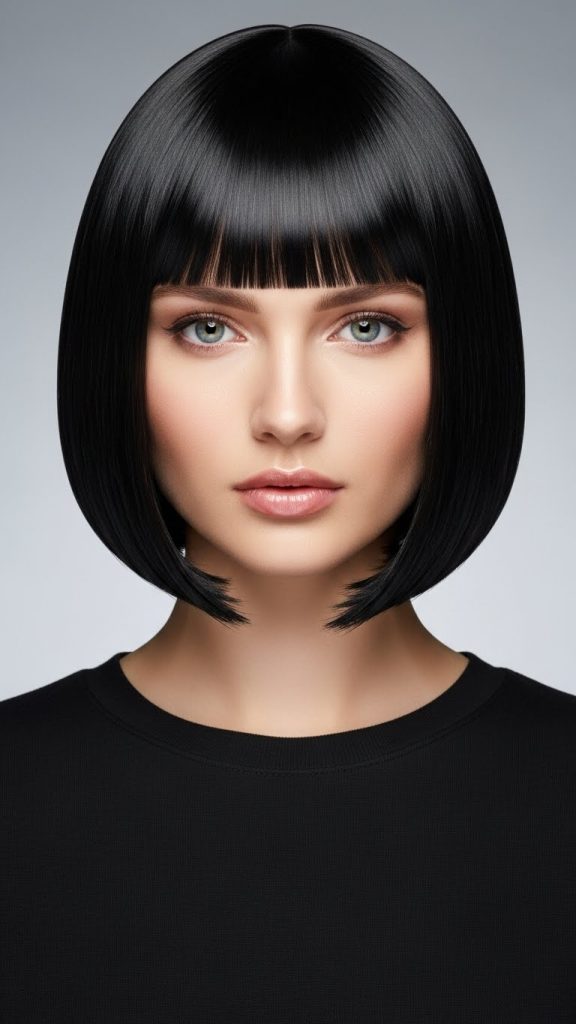
Via hairguru.net
The glass bob — pin-straight, ultra-glossy, reflective as a mirror — looks most dramatic in jet black. On a chin-length bob the dark color makes the blunt edge look razor sharp, and the shine does all the talking: no highlights needed. It suits straight, coarse hair best, since the style depends on a perfectly smooth finish, and it frames the face with graphic precision that flatters oval and heart shapes.
Achieving glass hair means a keratin-smooth blowout or flat iron pass, plus a shine serum or gloss treatment — ask your salon about a clear gloss service for that lacquered finish. Black is low-maintenance color-wise (a root touch-up every 6 to 8 weeks if you have greys), but the cut demands precision trims every 5 weeks. The trade-off: any frizz or damage shows instantly on black glass hair, so heat protectant is non-negotiable.
Golden Wheat Pixie with Side Sweep
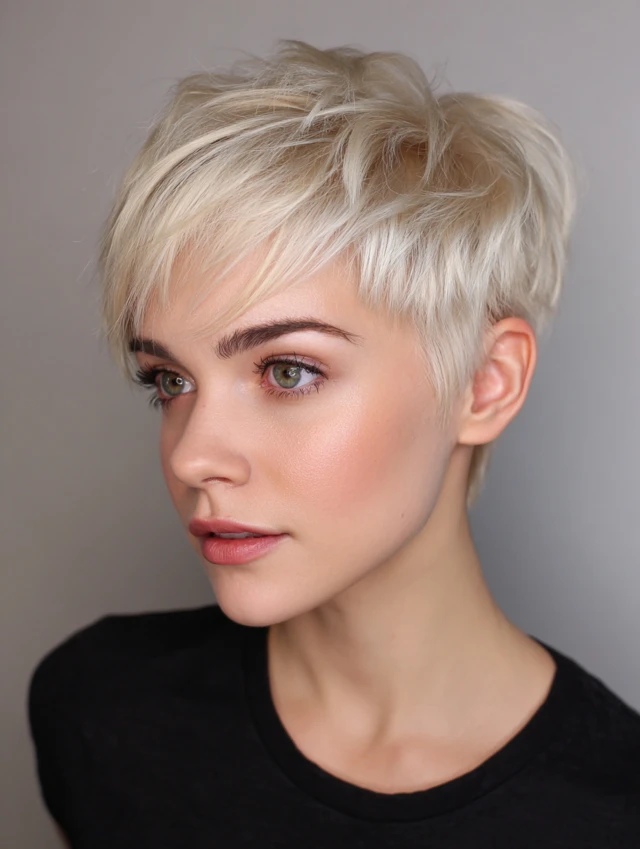
Courtesy of: fitsbydee.com
Golden wheat blonde — a sunny, yellow-gold blonde — brings warmth to a pixie when everything outside is grey. The side-swept top keeps the cut soft and versatile: sweep it for polish, tousle it for edge. The golden tone flatters warm complexions and adds the illusion of density on fine hair, since light shades with warmth read thicker than icy ones. The same theme, explored from another angle, is in Curly Hairstyles to Try in 2026 Fresh Styles for Short Medium Long Curls.
Ask for a level 9 golden blonde with a beige (not brassy) finish, and keep the top long enough to sweep. A pea-sized amount of styling cream gives the side sweep hold without stiffness. Maintenance runs every 6 to 8 weeks for roots, with toner as needed. The trade-off versus cooler blondes: golden shades can look yellow in certain lighting, so check your color in daylight before you leave the salon.
Deep Plum Pixie with Violet Sheen
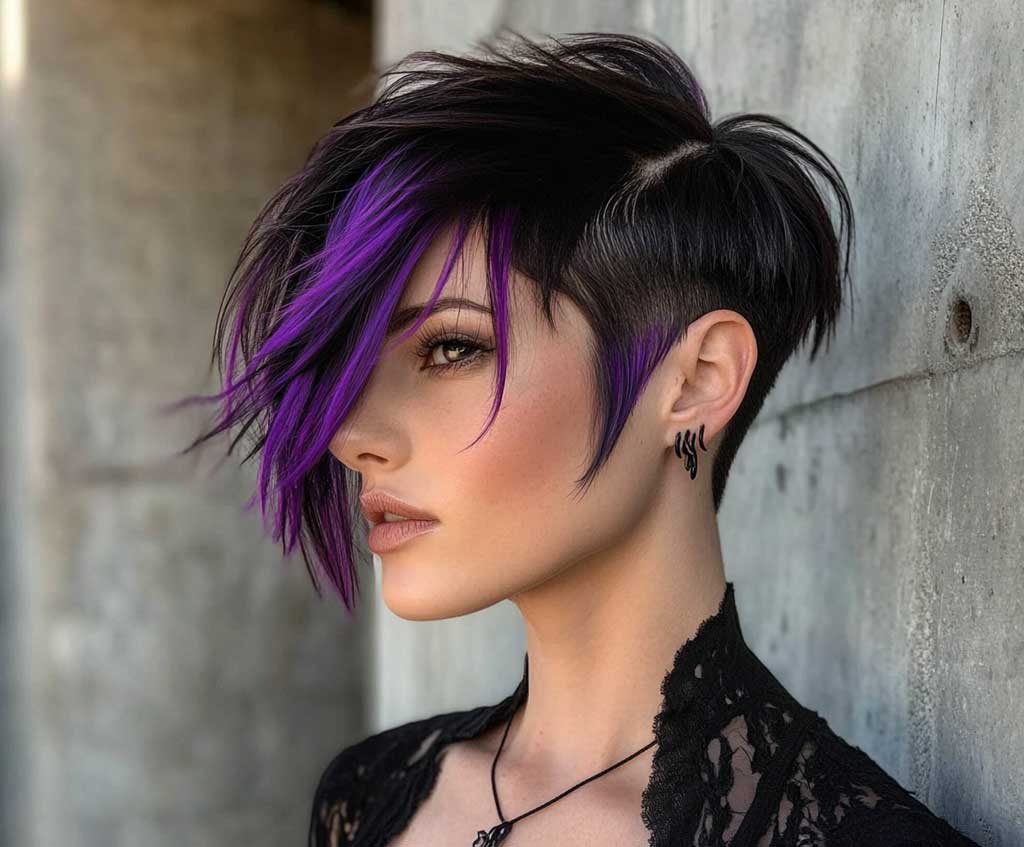
Photo credit: artfasad.com
Deep plum — a blackened purple with violet undertones — is winter’s moodiest short-hair color. On a longer pixie the dark base keeps it wearable while the violet sheen flashes purple in the light, giving you a fashion color that still works in conservative settings. It flatters cool and neutral skin tones and makes brown eyes look richer by contrast.
Ask for a level 3 violet-black with a violet gloss overlay; the sheen is what sells it, so do not skip the gloss. Purple fades to a dusty mauve over 4 to 6 weeks, which many wearers actually love — but if you want the deep plum to stay, refresh the gloss monthly. Cold-water rinses and sulfate-free shampoo slow the fade. The trade-off: purple can stain light-colored pillowcases in the first week, so wash thoroughly and sleep on dark cases initially.
Toffee Balayage Lob with Curtain Bangs
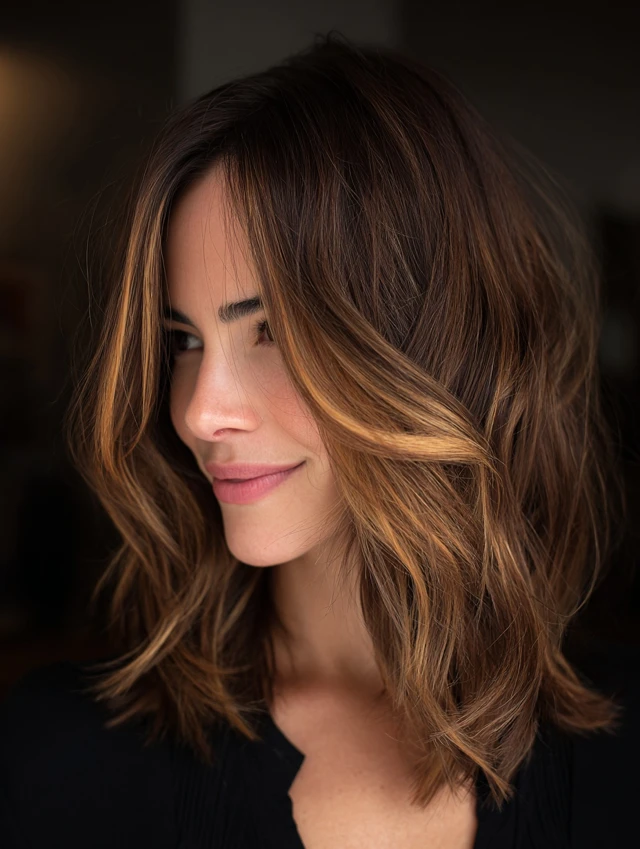
Image credit: yournextinspo.com
Toffee — a warm, golden-brown caramel — painted as balayage over a deep brunette lob is the low-commitment blonde-adjacent color of winter 2027. The hand-painted pieces start a few inches from the root, so grow-out is seamless, and the curtain bangs frame the face while carrying a few of the lightest pieces. The overall effect is sun-warmed even in January, and it flatters nearly every skin tone because the toffee is warm but not orange.
Ask for a dark brunette base with toffee balayage, slightly face-framing, plus long curtain bangs that part in the middle. Style with loose waves to show off the dimension. Balayage touch-ups only every 3 to 4 months, with toner in between — this is one of the lowest-maintenance options here. The trade-off is cost upfront: quality balayage is a longer, pricier appointment, though it pays for itself in fewer visits. We covered this territory more deeply in Easy Chic Winter Hairstyles for Women in 2025 2026 That Elevate Your Everyday Style.
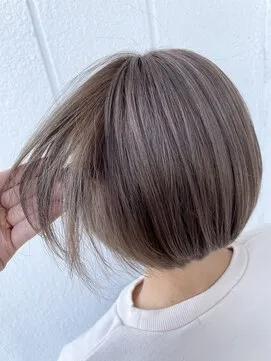
Mushroom Taupe Short Bob
Source: beauty.hotpepper.jp
Mushroom brown — a cool, grey-beige taupe — gives a short bob a soft, smoky finish that feels very 2027. The ashy tone mutes warmth entirely, creating a matte, almost velvety color that looks striking against winter palettes of black, grey, and cream. It is a sophisticated choice on straight or slightly wavy short bobs, and the cool tone can make blue and grey eyes pop.
Ask for a level 7 mushroom beige with an ash-violet toner to cancel warmth — this shade only works if the underlying warmth is fully neutralized, which usually means lightening first. Toner refreshes every 4 to 5 weeks keep it from drifting brassy. The trade-off is the process: achieving true mushroom on naturally warm hair takes time and bleach, so it is best for hair that is already lightened or naturally ashy.
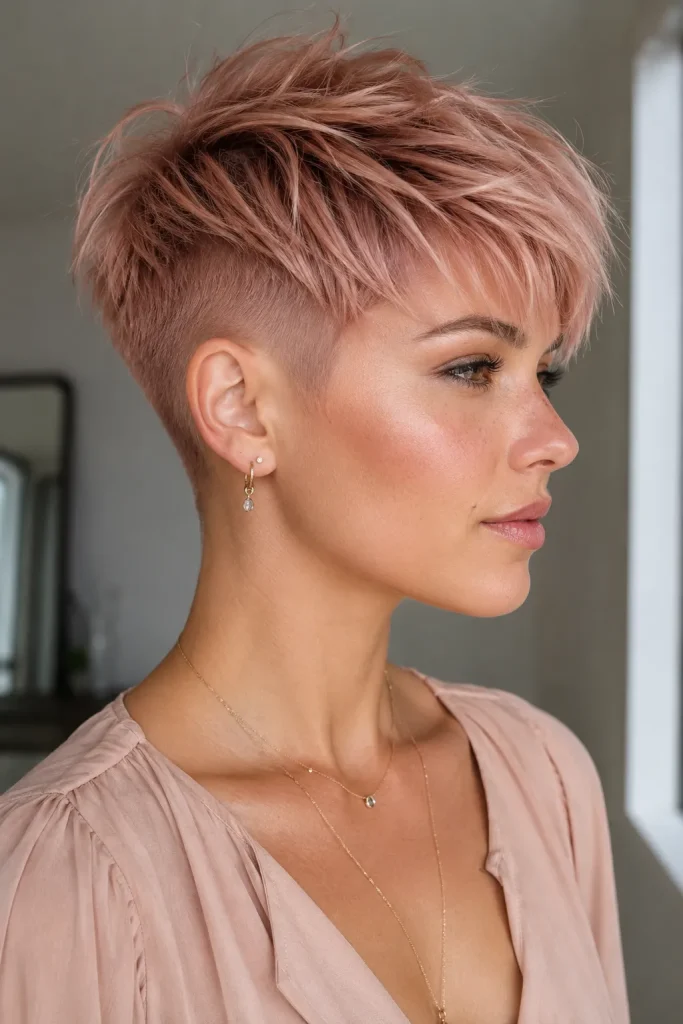
Rose Gold Choppy Pixie
Via glownstylish.com
Rose gold — pink with a metallic golden base — on a choppy pixie is playful without being juvenile. The pink reads soft and rosy rather than neon, and the choppy layers give the metallic tone texture to bounce off. It flatters fair to medium skin with warm or neutral undertones, and on a pixie the commitment is small: if you tire of it, a few trims grow it out fast.
This needs pre-lightening to at least a level 9 for the rose to show true, so it is a salon job. Ask for a rose gold toner over the lightened base. The pink washes out over 3 to 5 weeks into a pretty blush blonde, which extends the wearable life. The trade-off: pastels fade fastest of all, so go in expecting the color to evolve — many wearers consider the fade the best part. A companion piece, Best Fall Hairstyles for Round Faces 2025, explores the same palette.
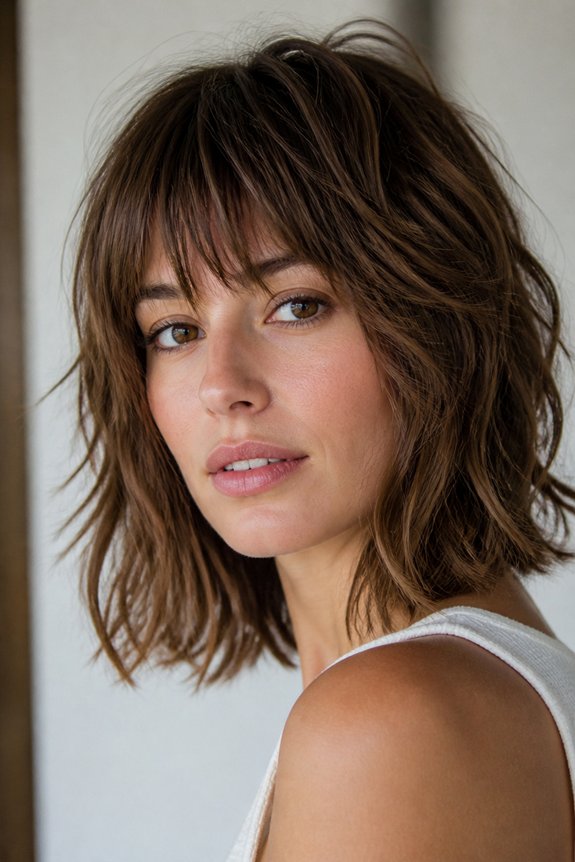
Cognac Brown Bob with Curtain Bangs
Courtesy of: vibranthaircare.com
Cognac — a rich amber-brown with golden depth — warms up a textured bob with curtain bangs in a way that feels both retro and current. The curtain bangs open the face and carry the warm tone right to the eyes, while the textured ends keep the bob from looking too done. It is a flattering winter shade for warm and olive skin tones, adding glow when complexions go pale.
Ask for a level 6 cognac with golden-amber undertones and curtain bangs that graze the cheekbones. The bangs need a trim every 3 to 4 weeks to hold their shape. Color refresh every 6 to 8 weeks with a gloss. The trade-off is bang maintenance — curtain bangs are the easiest fringe to grow out, but they still need regular shaping to look intentional rather than accidental.
Silver Lavender Choppy Pixie
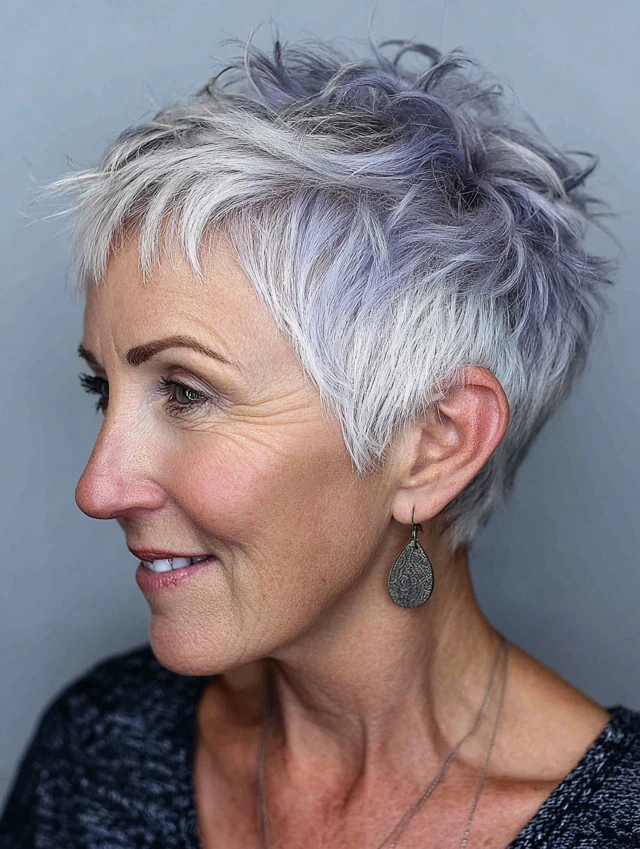
Photo credit: outfitarea.com
A silver base with a whisper of lavender is a stunning winter choice, especially for anyone blending natural grey — it turns regrowth into part of the design. On a choppy pixie the pale tone makes every textured piece visible, and the lavender tint keeps the silver from reading flat or dull. It is elegant on mature hair and edgy on younger wearers, a rare shade that works across ages.
Achieving silver-lavender usually requires lightening to near-white, then toning with a violet-silver formula. Ask for a sheer lavender toner rather than a saturated purple — the goal is a tint, not a statement. Purple shampoo maintains the tone between salon visits every 4 to 6 weeks. The trade-off: the lightening process is hard on hair, so this suits hair in good condition, and deep conditioning becomes a weekly ritual. This pairs naturally with the ideas in Blonde Winter Hair Color Ideas.
Molten Caramel Layered Bob
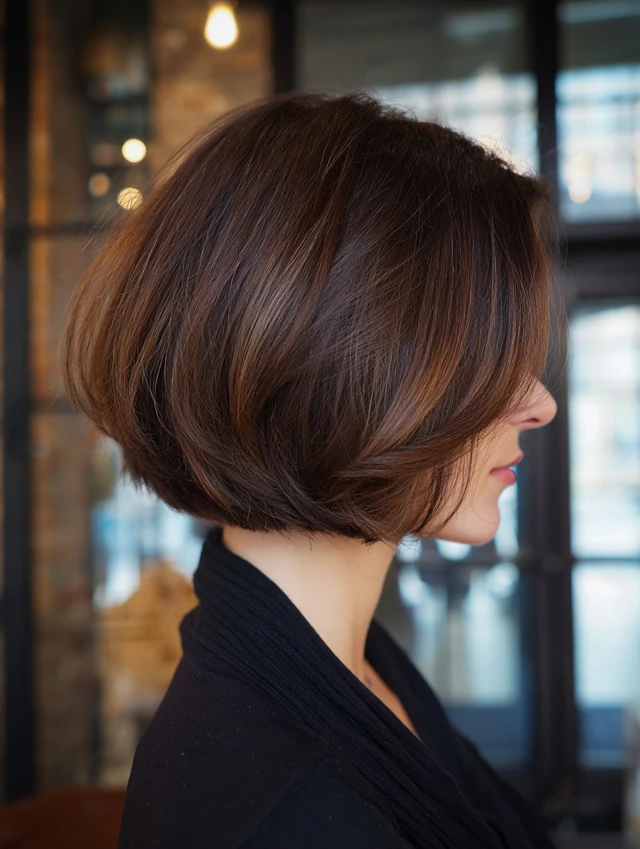
Image credit: fitsbydee.com
Molten caramel — a glossy, golden mid-brown — poured over a layered bob creates movement you can see from across the room. The layers let the lighter caramel pieces shift and catch light as the hair moves, which keeps the color from ever looking flat. It is a warm, approachable shade that flatters warm and neutral complexions and looks particularly good on wavy textures.
Ask for an all-over caramel gloss or a level 7 caramel with slightly lighter pieces through the layers. A shine gloss every 6 weeks keeps the “molten” quality — dullness is this color’s enemy. Style with a round brush for bounce. The trade-off: caramel needs warmth to look right, so on very cool skin tones it can clash; ask your colorist to adjust the tone toward neutral if you are cool-toned.
Deep Wine Lob with Dark Roots
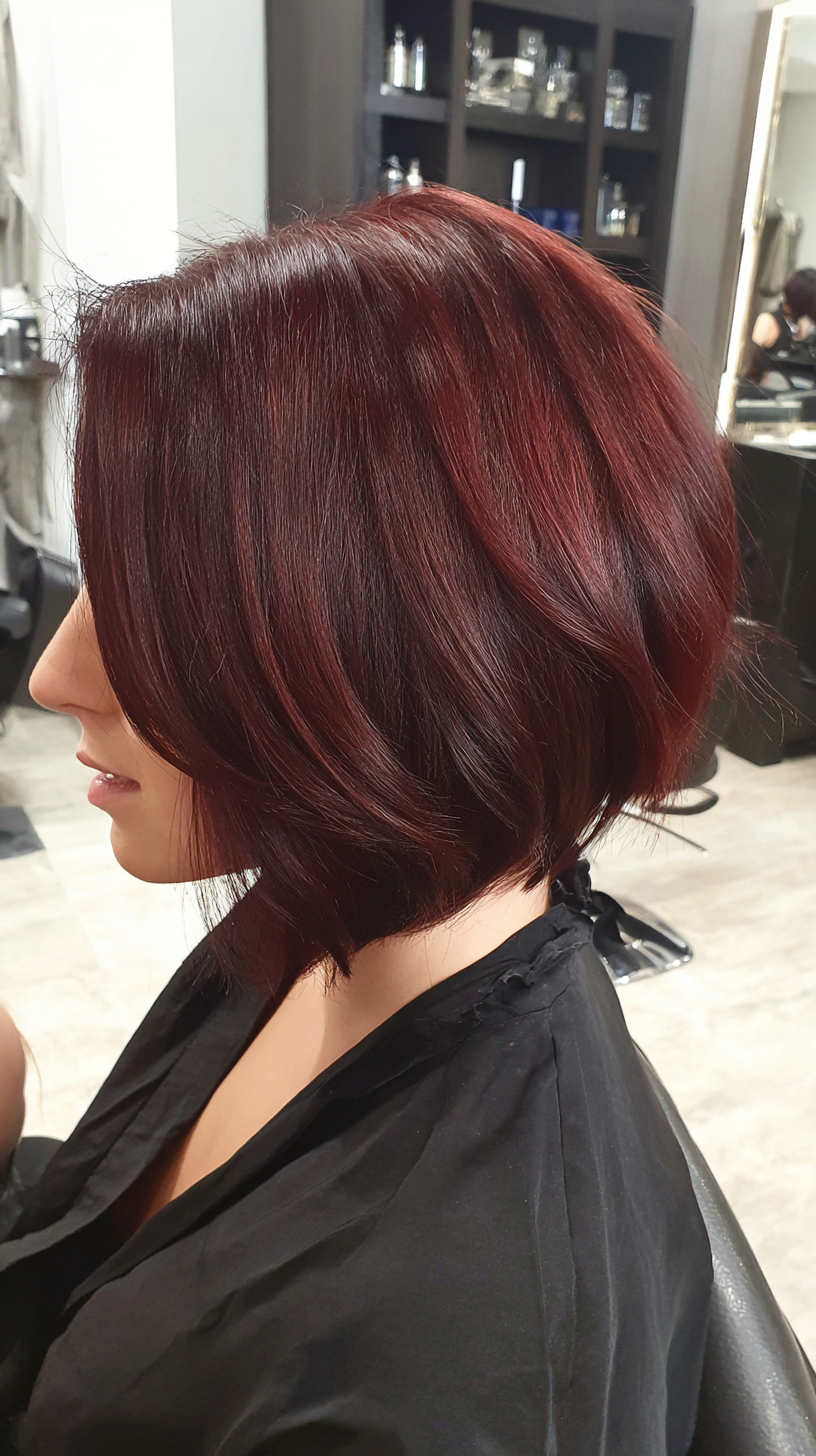
Source: sheworeitlikethis.com
Deep wine — a dark red with berry depth — on a lob with darker roots is winter color with built-in grow-out insurance. The dark root melts into the wine lengths, so regrowth looks like an intentional shadow root rather than neglect. The berry tone is rich and festive without being loud, and it gives fine hair visual depth that single-process color cannot.
Ask for a dark natural root with a wine-red demi through the mid-lengths and ends, blended at the transition. Refresh the wine every 5 to 6 weeks; the root can go 10 to 12 weeks. The trade-off is the same as all reds — fade — but the dark root means the fade reads as an ombré effect rather than a problem, which buys you extra weeks between appointments. We break down a similar look in Stylish Short Winter Haircuts 2025 2026 for Women.
Sandy Beige Blonde Pixie
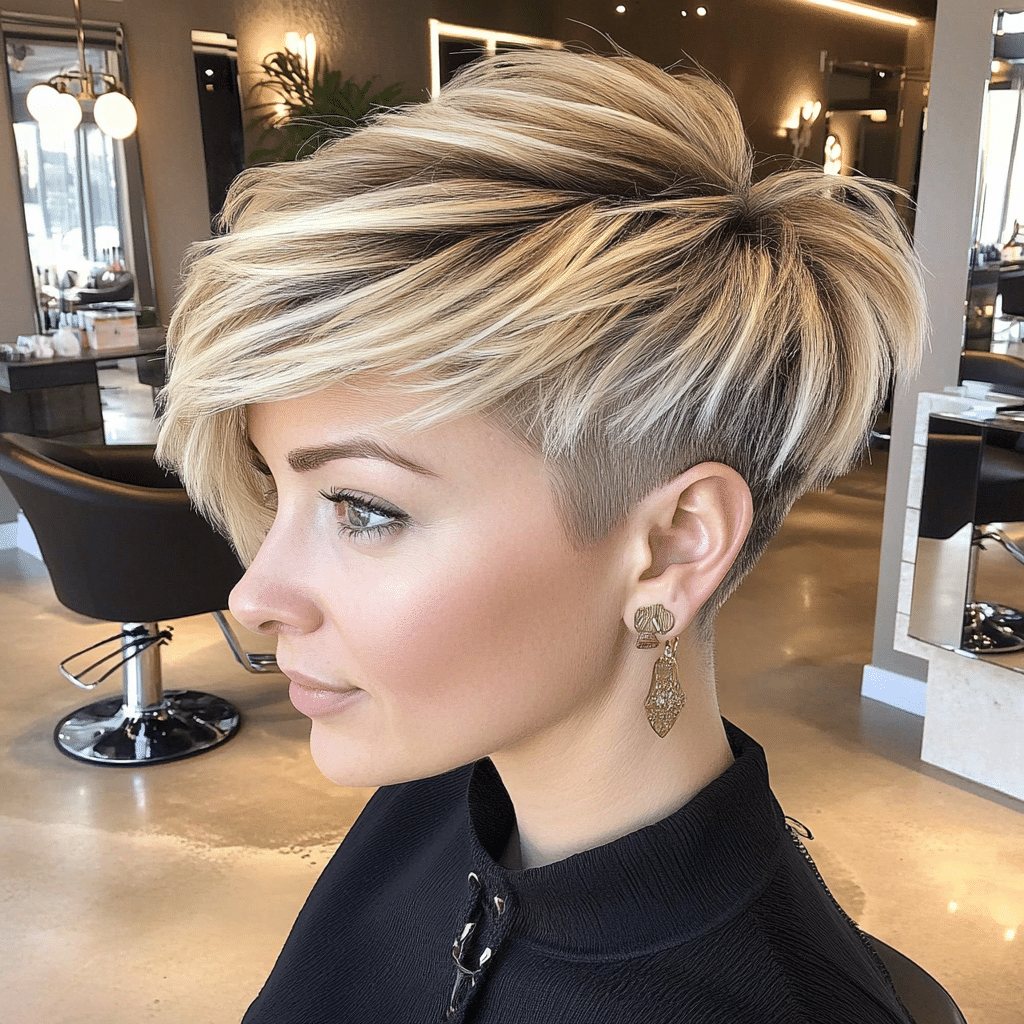
Via hairs.london
Sandy beige blonde — a neutral, neither-warm-nor-cool blonde — is the diplomat of winter blondes. On a pixie it looks soft and natural, like your hair just happens to be this pretty shade, and the neutrality means it flatters both warm and cool skin tones. The beige tone also hides regrowth better than icy shades, since there is less contrast with most natural bases.
Ask for a level 8.5 beige blonde with a neutral toner — the key word is “sandy,” which tells your colorist to avoid both gold and ash extremes. Roots every 6 to 8 weeks. The trade-off is that neutrality can read as “plain” next to bolder shades on this list; if you want more personality, ask for a few brighter face-framing pieces to lift it.
Bronzed Copper Lob with Caramel Lights
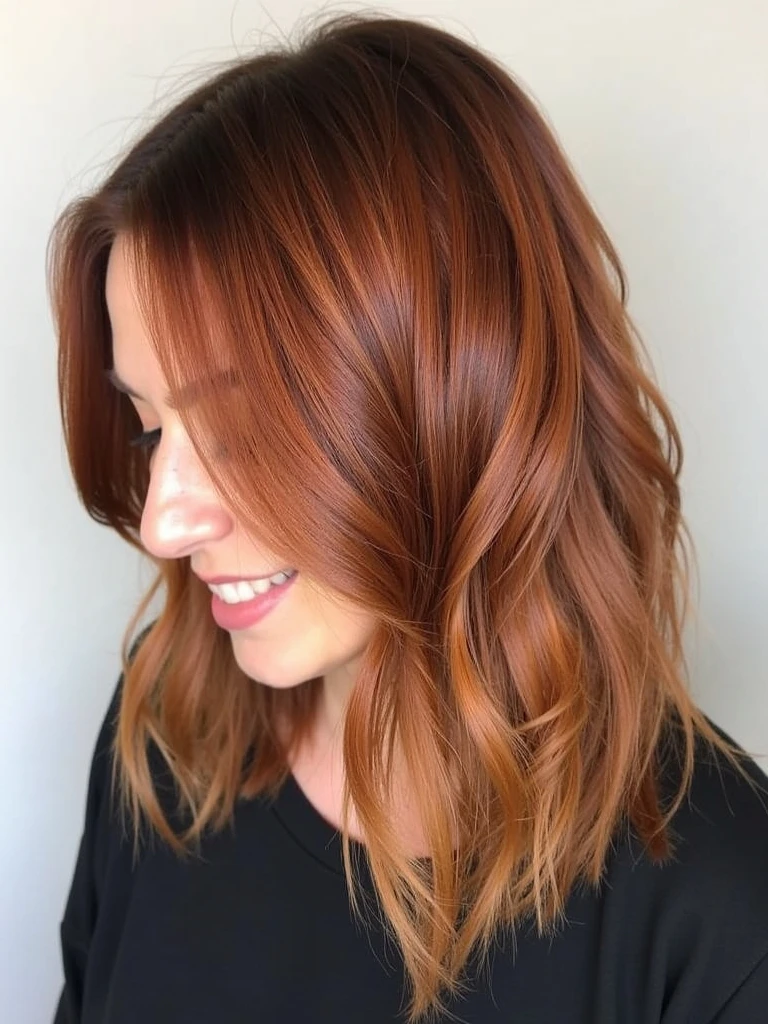
Courtesy of: glamdew.com
Bronzed copper — copper deepened with brown — keeps the warmth of copper while staying grounded enough for everyday wear. On a lob, caramel lights woven through add a sunlit dimension that stops the copper from going one-note. It is a generous color for thick hair, where the density shows off the multi-tonal effect, and it glows beautifully in winter’s low golden-hour light.
Ask for a level 6 bronzed copper base with caramel babylights through the top layers. The lights grow out softly, so full refreshes can stretch to 10 weeks with a toner in between. Style with loose waves to show the dimension. The trade-off: like all coppers, it fades — but the brown base means the fade lands on a pretty auburn rather than a washed-out orange. For readers who want more, Fall Hair Colors 2026 keeps the ideas coming.
Ash Blonde Bob with Dark Roots
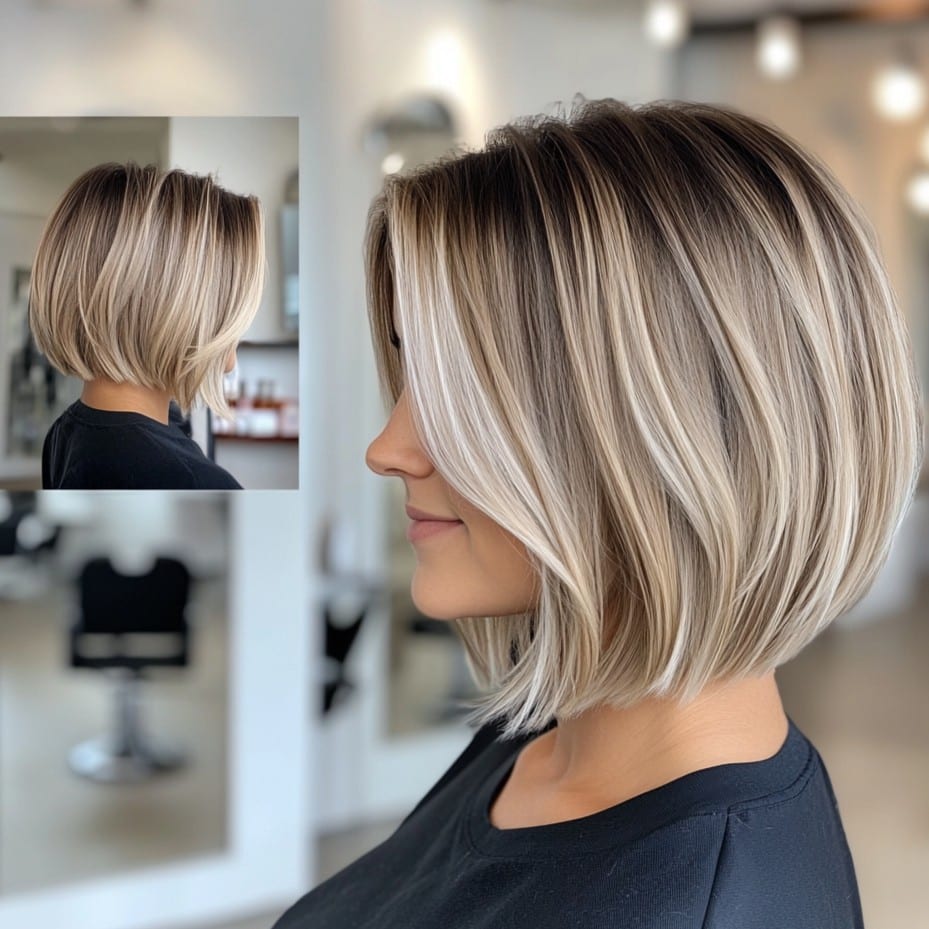
Photo credit: hairs.london
The ash blonde bob with dark roots is the pragmatic person’s platinum: all the cool-toned impact, a fraction of the salon time. The dark root — whether natural or painted — creates a lived-in effect that makes regrowth invisible for weeks, while the ash blonde lengths stay cool and modern. On a chin-length bob the contrast reads intentional and edgy rather than grown-out.
Ask for a shadow root in your natural depth with ash blonde lengths, blended with a smudge technique so there is no line. Toner every 6 to 8 weeks keeps the ash from warming up; the root itself needs attention only every 10 to 12 weeks. The trade-off is that ash tones can look dull on very warm skin — if your complexion is golden, consider the toffee balayage above instead.
Cherry Cola Pixie with Tapered Sides
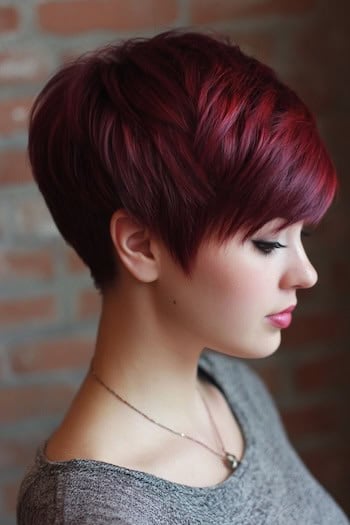
Image credit: thehairstyleedit.com
Cherry cola — a deep red-brown with cherry brightness — on a pixie with tapered sides is bold color in a low-maintenance cut. The tapered sides keep the silhouette neat between trims, while the longer top shows off the rich red dimension. It is a confident winter shade that works on most skin tones because the brown base grounds the red.
Ask for a level 4 cherry base with brighter cherry pieces through the top, and a tapered nape and sides. The cut needs shaping every 4 to 5 weeks, but the color fades gracefully toward a warm auburn. Use color-safe shampoo and refresh the red every 5 to 6 weeks. The trade-off: the taper grows out fast, so this is a cut for someone who does not mind frequent barber visits. See also Best Old Money Short Hairstyles for more variations on this look.
Buttery Blonde Bob with Root Smudge
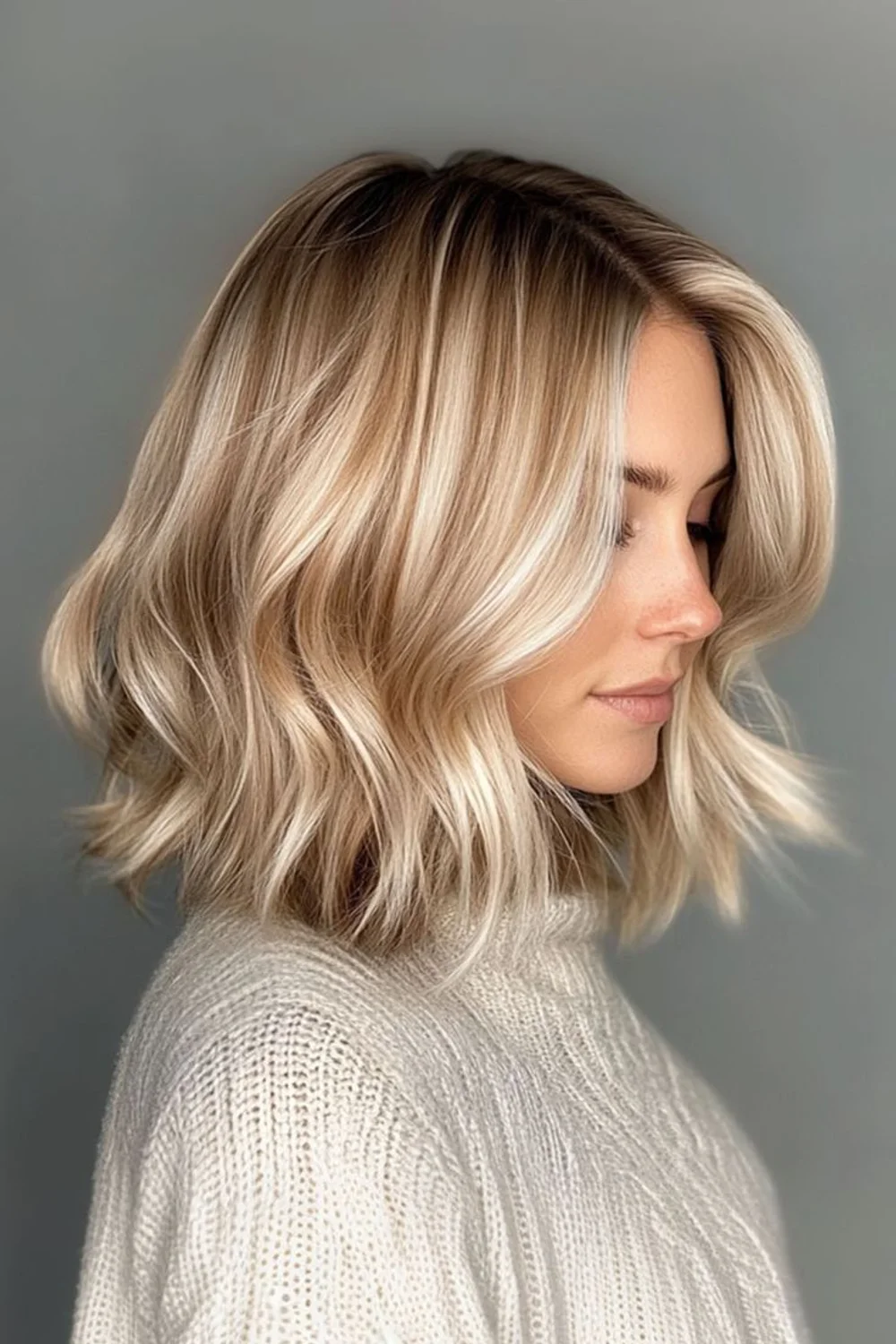
Source: looksgreatonme.com
Buttery blonde — a soft, creamy warm blonde — with a root smudge is winter’s coziest blonde. The smudged root erases the regrowth line entirely, so the blonde looks like it naturally deepens at the scalp, and the buttery tone keeps the overall effect warm and soft rather than stark. On a wavy bob it looks touchable and effortless, the kind of color that suits chunky knits and candlelight.
Ask for a buttery level 9 blonde with a root smudge one to two shades deeper than the lengths. Style with soft waves to show the dimension. Maintenance is gentle: toner every 8 weeks, smudge refresh every 10 to 12. The trade-off is warmth management — buttery can tip brassy, so a blue-violet toning mask once a week keeps it creamy instead of yellow.
Final Thoughts
The strongest winter colors for short hair work because of dimension and undertone, not simply because they are dark or light. Espresso, mahogany, and chocolate succeed through glossy depth; coppers and wines win on warmth against grey skies; and the smart blondes — shadow roots, smudges, balayage — earn their place through grow-out grace. Choose based on your maintenance tolerance first: if you want fewer salon visits, lean toward the rooted and balayaged options; if you love the ritual, platinum and copper reward the effort. Either way, short hair is the ideal canvas for winter color — every shade shows, and every shade grows out fast enough to try another by spring.
- Trim every six to eight weeks to keep the shape sharp.
- Use a heat protectant before every hot-tool session.
- Tone blonde or highlighted hair every six weeks to keep brassiness away.
- Match the upkeep schedule to your routine before committing to high-maintenance color.
The best color is the one that still looks intentional at week six.