Braids and winter are a natural match. Cold air, wind, scarves, and beanies all punish loose hair, while a well-built braid keeps everything tidy, tucked, and intentional from morning to night. For 2027, the prettiest braided looks balance structure with softness: bold dutch braids loosened at the edges, intricate fishtails worn relaxed over one shoulder, protective styles like box braids and cornrows that thrive in dry winter air, and romantic updos built from woven plaits. Below are 24 original ideas, each with a real inspiration photo, honest styling notes, and practical guidance on time, upkeep, and who each style suits best. If this look speaks to you, Fall 2025 Hairstyles for Women Over 40 continues the thread.
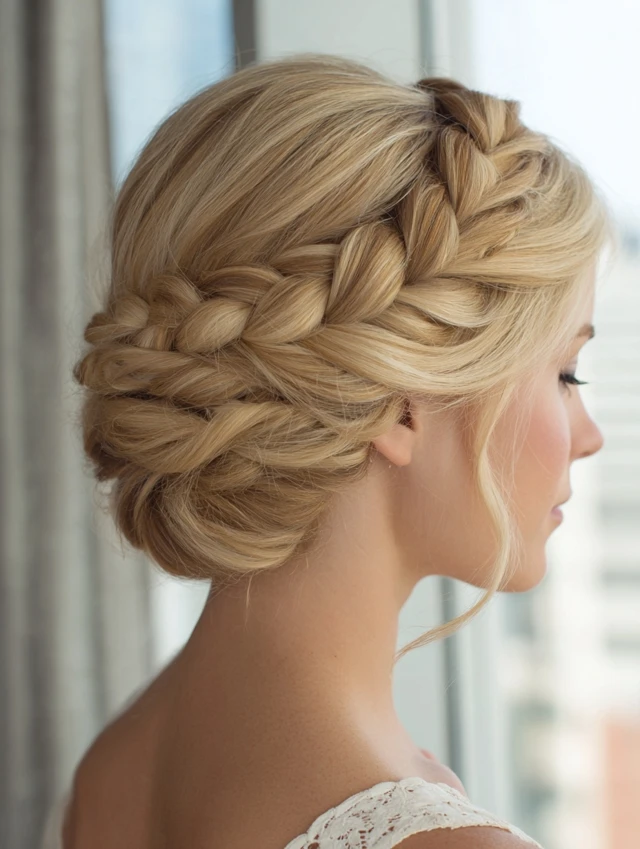
Dutch crown braid with soft face-framing waves
Courtesy of: inkinspo.com
The hero of this style is the dutch braid itself, worked from one ear around to the other so it sits like a crown against the head. Because the strands are crossed under rather than over, the braid pops outward with real dimension, and the loosened edges give it a soft, winter-romantic finish. Length matters here: shoulder-length hair or longer works best, and a few loose waves through the ends keep the look from reading too severe. A middle or slightly off-center part helps the braid frame the face evenly. Related reading: Short Fall Hairstyles for 2025 takes the same concept further.
This is one to plan for a morning when you have fifteen minutes rather than five, since a tidy crown takes some practice. The payoff is a style that holds through wind, scarves, and a full day out, which makes it a strong pick for outdoor winter events or long commutes. If your hair is fine, a little texture spray at the roots before braiding gives the braid something to grip. Expect to refresh the front pieces with a curling wand on day two rather than re-braiding from scratch. The same idea, styled another way, appears in Easy Fall Hairstyles for Medium Hair.
Side-swept fishtail braid with textured ends
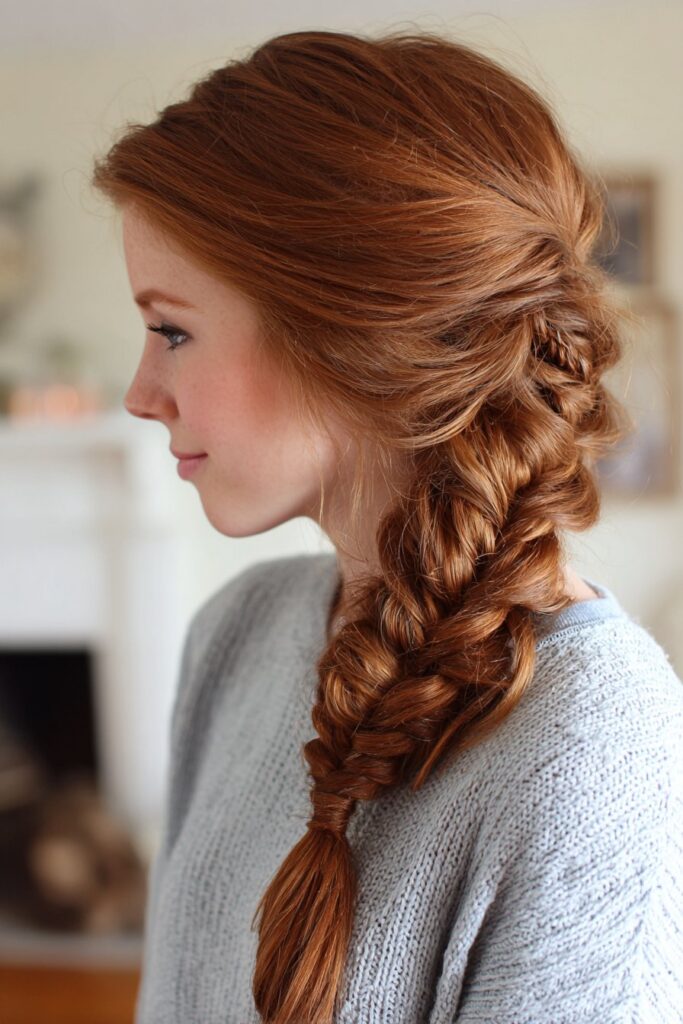
Photo credit: socialglamm.com
A fishtail braid swept over one shoulder has a relaxed, off-duty feel that works beautifully with winter layers. The weave alternates small sections from each side, which creates that intricate herringbone pattern, and pulling the braid slightly apart (pancaking) makes it look twice as thick. This suits medium to long hair best, and wavy or second-day texture actually helps the fishtail hold its shape without slipping. An off-center or deep side part starts the sweep naturally.
Ask for this as a loose fishtail at the salon, or learn it at home with a mirror — the pattern is repetitive once your hands find the rhythm. It pairs well with turtlenecks and oversized coats because the braid sits in front where it will not get crushed under a collar. The trade-off is that fishtails can loosen at the nape on very silky hair, so a light-hold spray at the start is worth it. A clear elastic at the end keeps the finish clean.
French braid flowing into a high ponytail
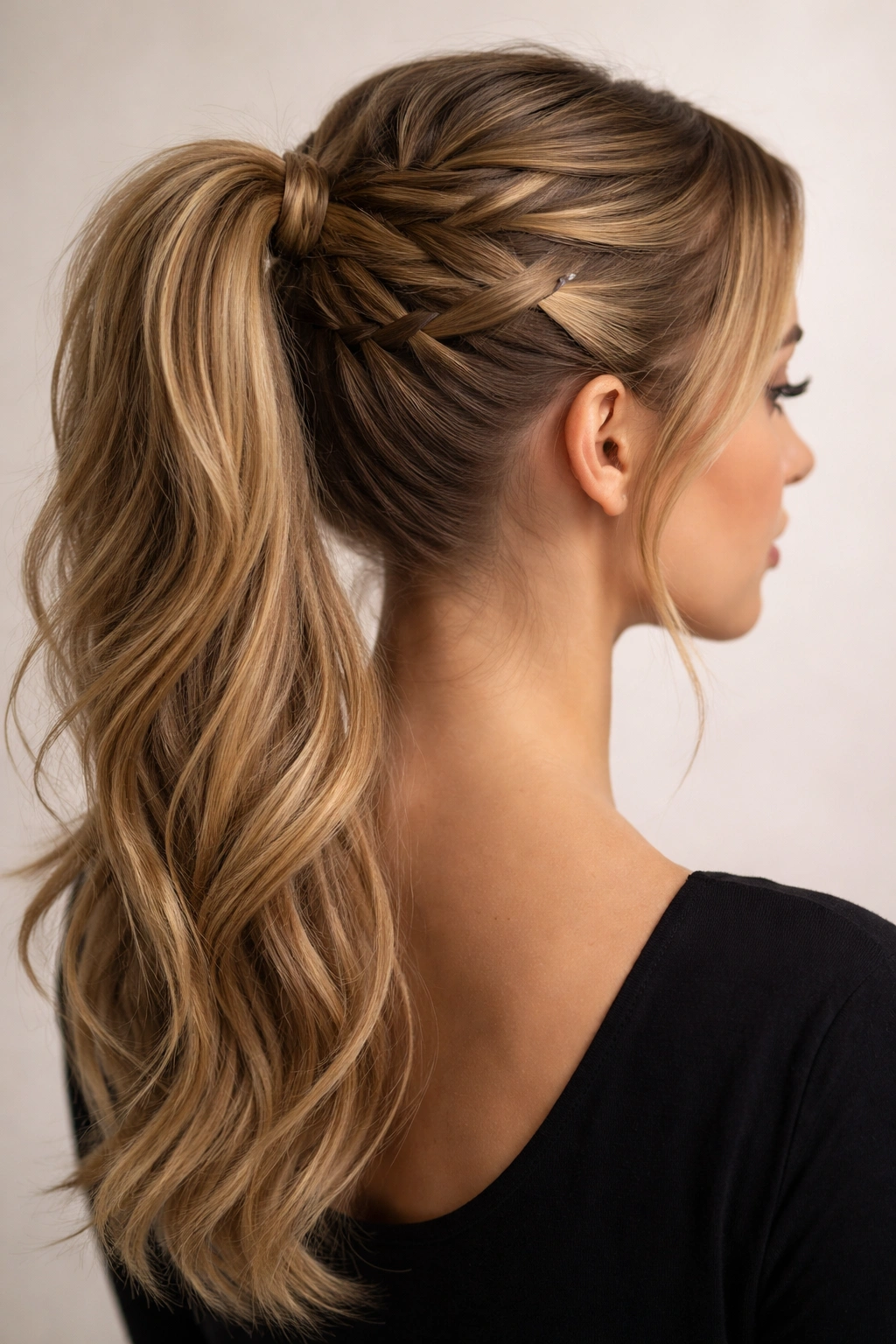
Image credit: boldhairstyles.com
This style starts as a classic french braid along the crown and then opens into a high ponytail, giving you structure at the roots and movement at the ends. The braided section keeps everything neat through the top — a real advantage on windy winter days — while the ponytail can be curled, straightened, or left natural. It works on medium to long hair and flatters most face shapes, since the height at the crown adds lift. A middle part through the braid keeps it symmetrical.
Styling time is about ten minutes once you know the pattern: braid to the crown, secure, then gather the rest into the ponytail over it. It is a practical choice for workouts, travel days, or anything where hair needs to stay put but still look intentional. The main trade-off is tension — pulling the braid too tight at the hairline can cause discomfort, so keep the first few crosses gentle. A wrapped strand of hair around the elastic hides it for a polished finish. We covered this territory more deeply in Stunning Fall Hair Colors for Brunettes.
Double dutch braids with a chunky finish
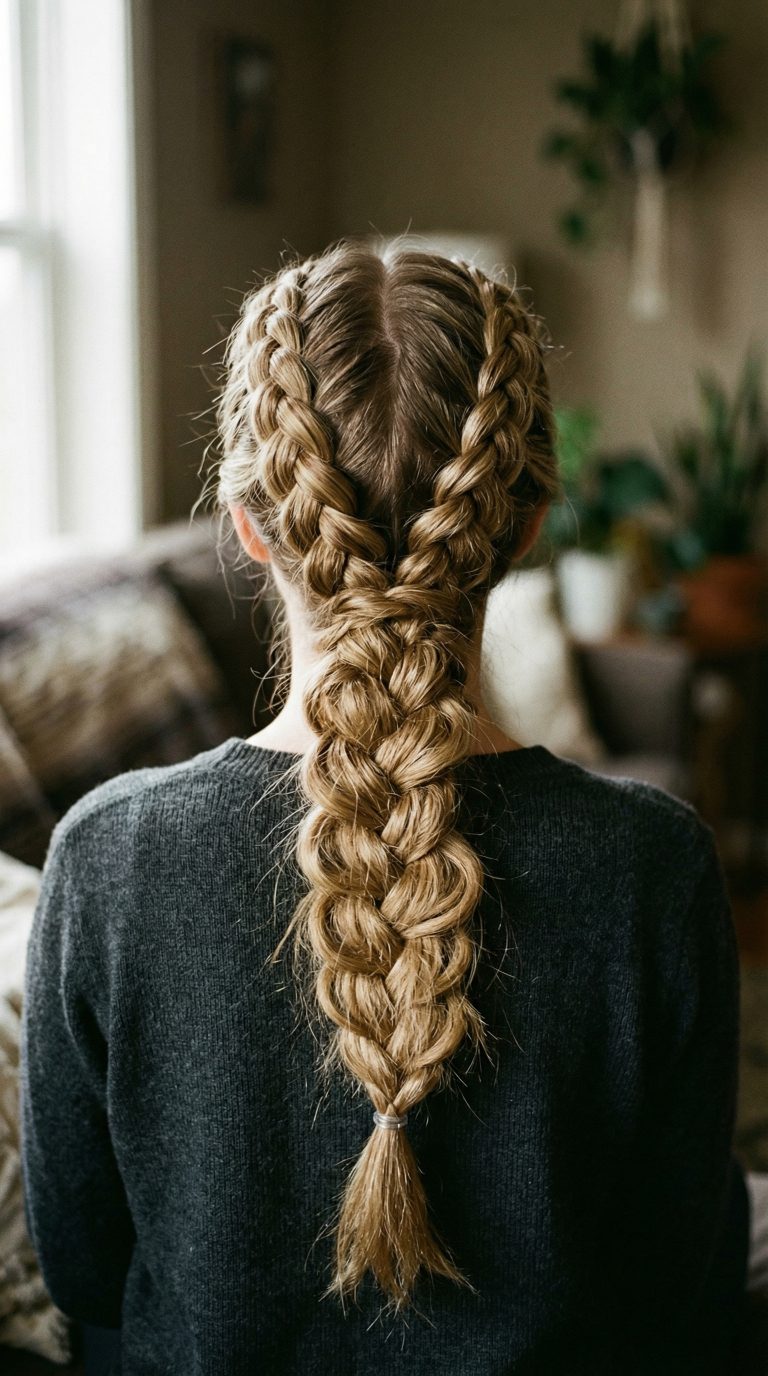
Source: herslay.com
Two dutch braids running from the hairline to the nape give a sporty, put-together look that survives hats, hoods, and helmets. The dutch technique makes each braid stand out in relief, and gently tugging the edges wider creates that chunky, full effect. A clean center part is the classic setup, though a zigzag part adds a playful twist. This works on medium to long hair; shorter layers can be pinned into the braid as you go.
Expect about ten to fifteen minutes of braiding, and know that symmetry takes practice — braiding in front of a mirror helps. This is one of the most practical winter styles there is: nothing hangs in your face, it fits comfortably under a beanie, and it can go a second day with a little dry shampoo at the roots. On very thick hair, the braids can feel heavy by evening, so keep them slightly loose at the scalp for comfort.
Waterfall braid woven through loose waves
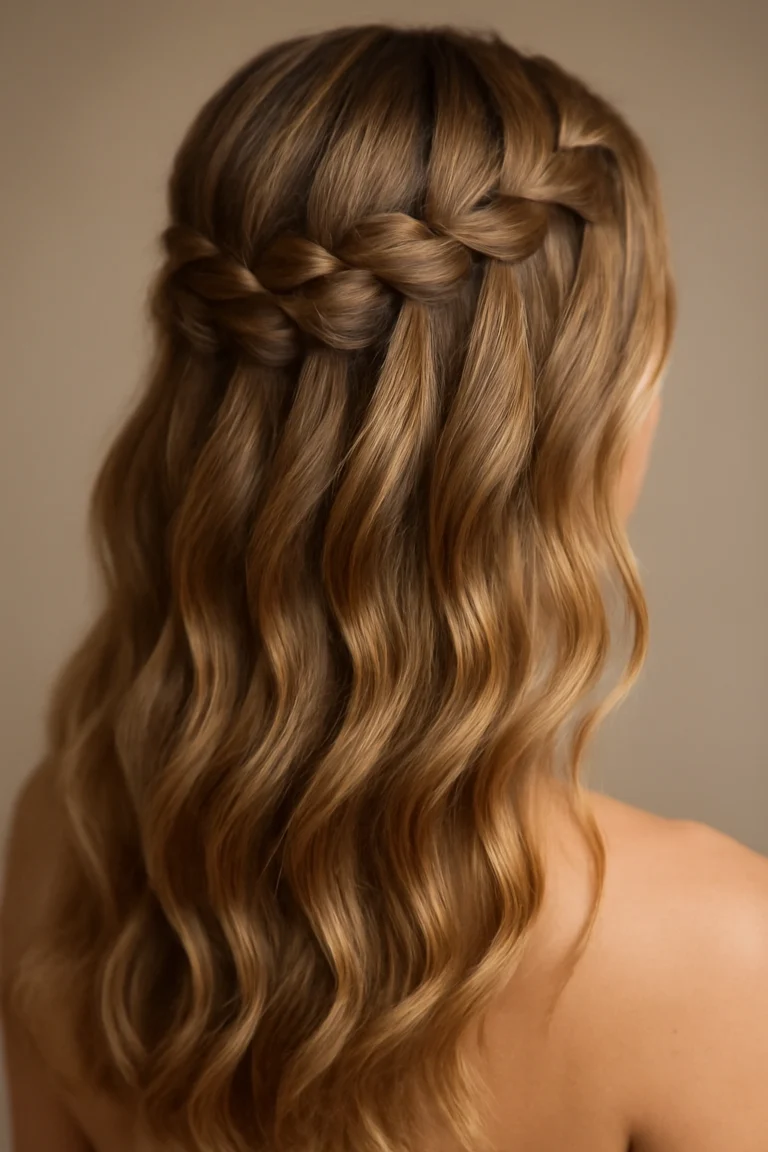
Via hairtical.com
The waterfall braid is the dreamiest of the half-up options: a horizontal braid across the back of the head that lets sections drop through like falling water. It shows off long hair beautifully, especially with soft waves or curls that emphasize the cascading pieces. Length is the key requirement — you need enough to drape — and highlighted or balayaged hair makes the woven pattern stand out. A center or side part both work, depending on where you want the braid to travel.
This is more of an occasion style than a daily driver, since the dropped strands can tangle in scarves and coat collars. For a winter party or photos, though, it is hard to beat. A salon can set it in about twenty minutes; at home, bobby pins at each end keep it secure. The trade-off is hold: on fine, slippery hair the braid may loosen, so a texture spray beforehand is a sensible step. You’ll find the same spirit in Trendy Fall Hairstyles for 2025 Stylish Ideas Tips and Inspiration for the Season.
Milkmaid braids pinned into a low halo
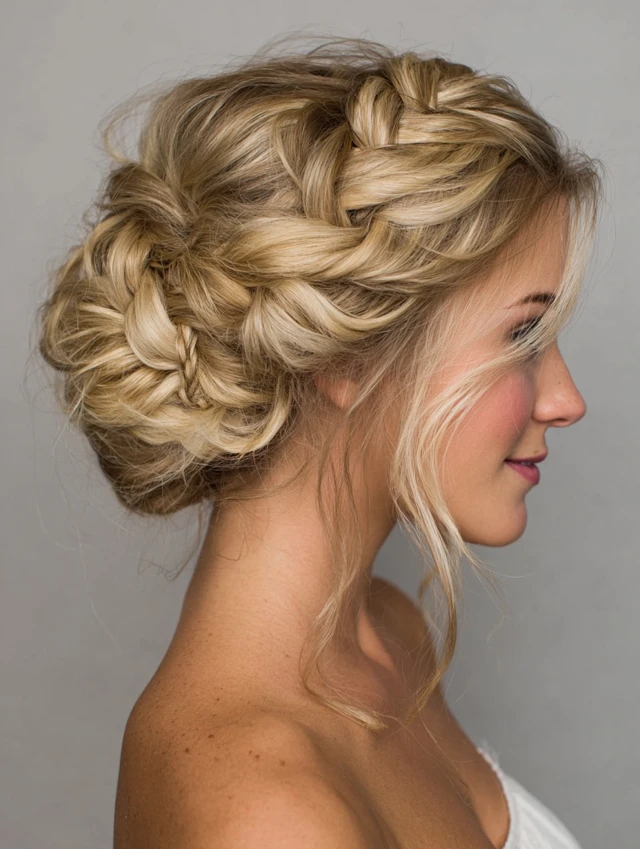
Courtesy of: glamdew.com
Milkmaid braids cross two braids over the top of the head and pin them into a halo, giving a romantic, vintage-leaning updo. It works best on long, medium-to-thick hair, since you need enough length for the braids to meet across the crown. Loosening the braids before pinning keeps the finish soft rather than severe, and a few face-framing pieces left out add to the winter-soft mood. A center part sets up the symmetry.
Plan on fifteen to twenty minutes and a handful of bobby pins; the pinning is the fiddly part, not the braiding. This style is wonderfully practical in cold weather — everything is tucked up and away from collars, wind, and static. It can feel formal, so it suits weddings, holiday dinners, and dressy evenings best. If your hair is very long, the braids may overlap at the back; crossing them at the nape first solves it.
Four-strand braid with a woven ribbon effect
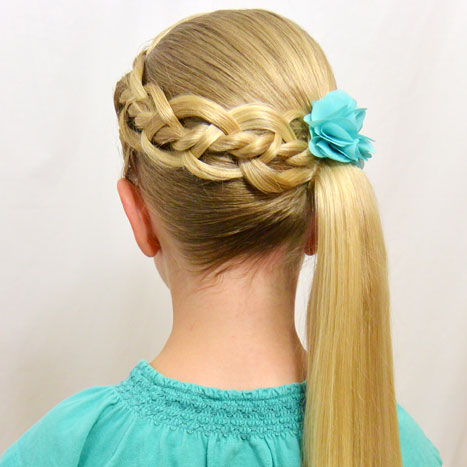
Photo credit: babesinhairland.com
A four-strand braid adds one more section to the classic three, which creates a flatter, more woven-looking plait with beautiful symmetry. It reads as more intricate than a standard braid without requiring any accessories, and it photographs especially well. This suits medium to long hair of any texture, and it looks particularly striking on one-length hair where the pattern stays clean. A low side part or center part both work.
The learning curve is real — your hands need to track four sections instead of three — so give yourself a practice run before wearing it out. Once learned, it takes about the same time as a regular braid and holds just as well through a winter day. The main trade-off is that mistakes show more clearly in the pattern, so keep the tension even. A small elastic and a spritz of flexible-hold spray finish it. The concept gets a fuller treatment in Cornrow Hairstyles for 2025.
Box braids gathered into a high top knot
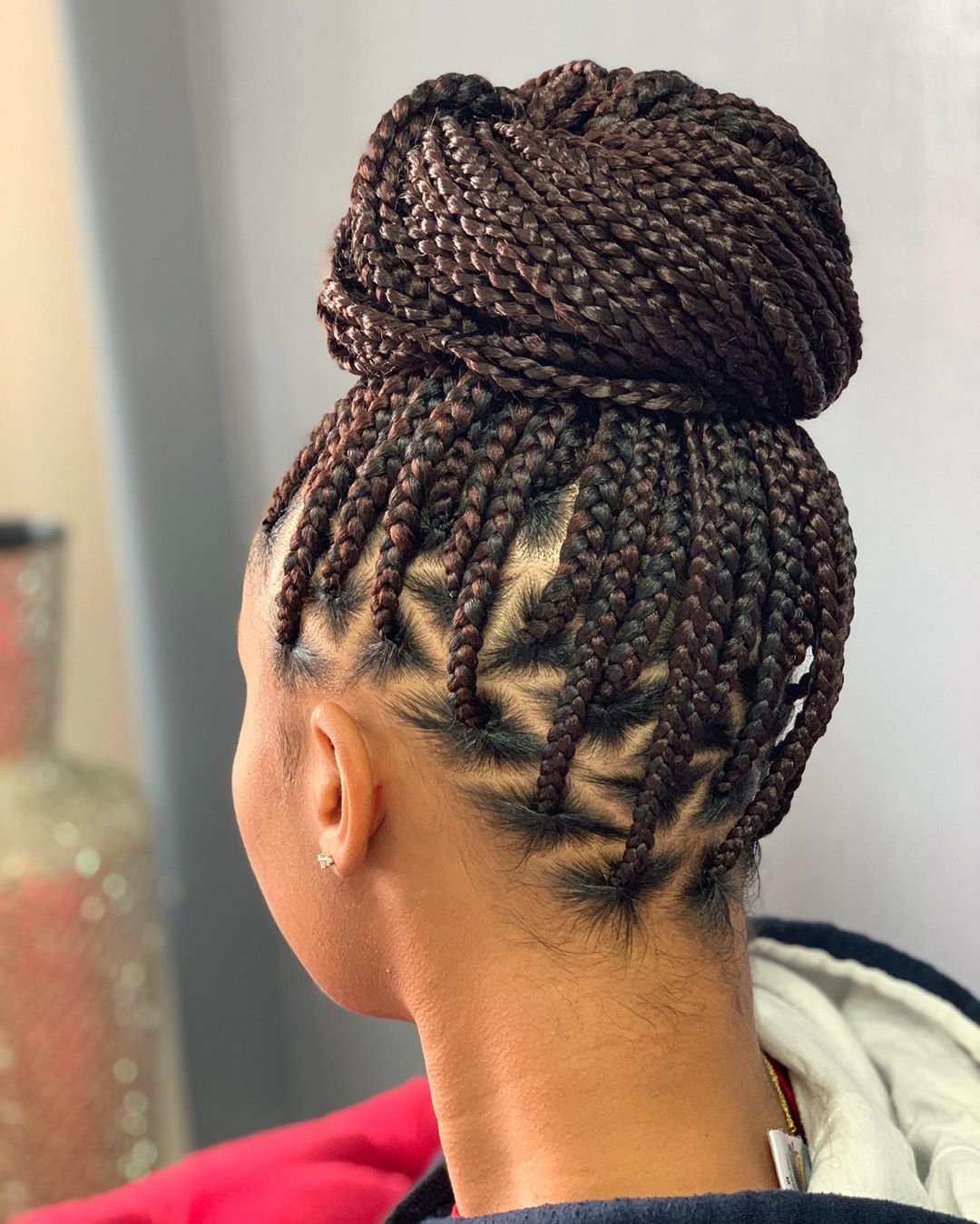
Image credit: iloveboxbraids.com
Gathering box braids into a high top knot is equal parts practical and striking: the braids become a sculptural bun with beautiful texture all around. It keeps braids off the neck and shoulders, which is a comfort win under heavy winter coats, and it shows off the length and neatness of the parts. Any length of box braids works, though longer braids make a fuller knot. Edges can be smoothed with a light gel for a clean hairline.
This is a protective style that can last weeks with proper care — tie it down with a satin scarf at night and moisturize the scalp regularly. The top knot itself takes five minutes once the braids are in. The trade-off to watch is weight: a very full knot on long braids can pull at the hairline, so keep it positioned slightly back rather than dead-center front if you feel tension. It suits both casual days and dressed-up evenings.
Bubble braid ponytail with soft volume
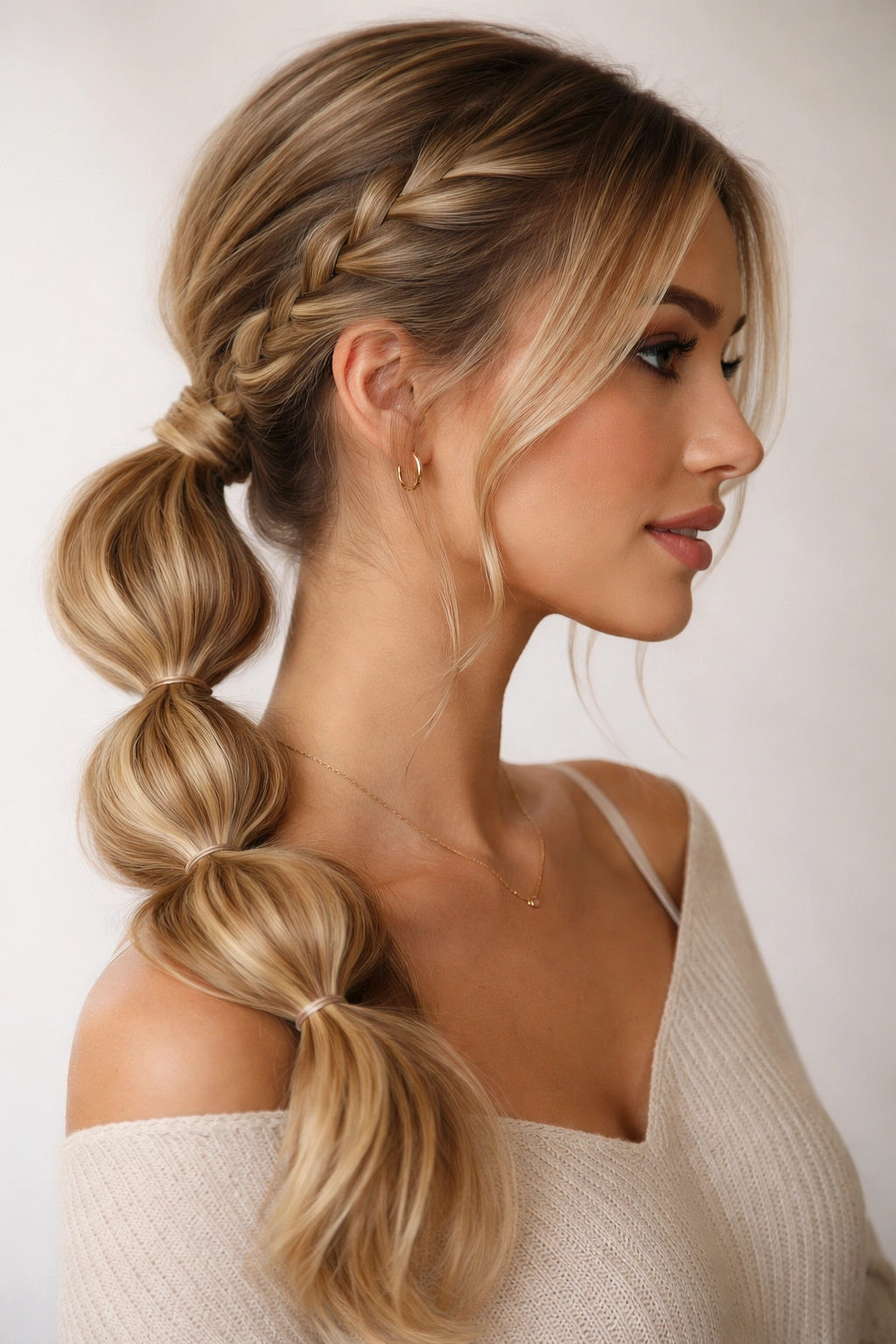
Source: boldhairstyles.com
The bubble braid — a ponytail divided into puffed segments with small elastics — is one of the easiest braided looks to master, and it has a playful, modern feel. Each bubble can be gently pulled wider for more volume, which makes it a great choice for fine hair that needs the illusion of fullness. It works on medium to long hair, and a low or side placement keeps it relaxed while a high placement feels sportier. Any parting works since the braid starts at the ponytail.
Expect five to ten minutes total, most of it spent placing elastics evenly. It holds up well under hats and through busy days, and it is gentle on hair since there is no tight weaving. The trade-off is that very long bubbles can catch on coat zippers and bag straps, so a mid-back length is the sweet spot. Clear mini elastics keep the look clean, and a little pancaking gives each bubble its shape. For the fuller picture, Trendy Hairstyles for School 2025 Simple Stylish Ideas for All Hair Types is worth your time.
Dutch headband braid with loose length
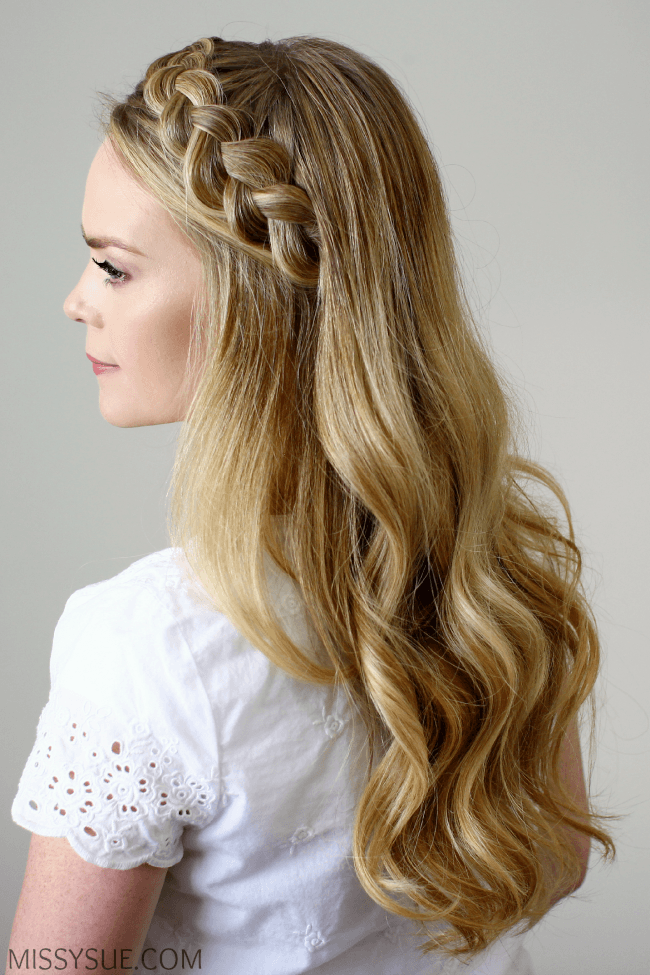
Via missysue.com
A headband braid runs along the front hairline from one temple to the other, acting like a built-in accessory while the rest of the hair falls loose. The dutch technique makes it stand out in relief, and it is brilliant at taming winter flyaways and keeping hair off the face. It suits medium to long hair, and wavy or curly lengths underneath add to the romantic effect. The braid typically starts at a deep side part.
This takes about ten minutes and a few bobby pins to anchor the tail behind the ear. It is a lovely day-to-night style: polished enough for the office, soft enough for dinner. The main challenge is keeping the braid close to the hairline as you work — angling it slightly back helps it sit flat. On very short hair the tail may not reach; pinning it behind the ear with the ends tucked solves that.
Rope braid swept into a side updo
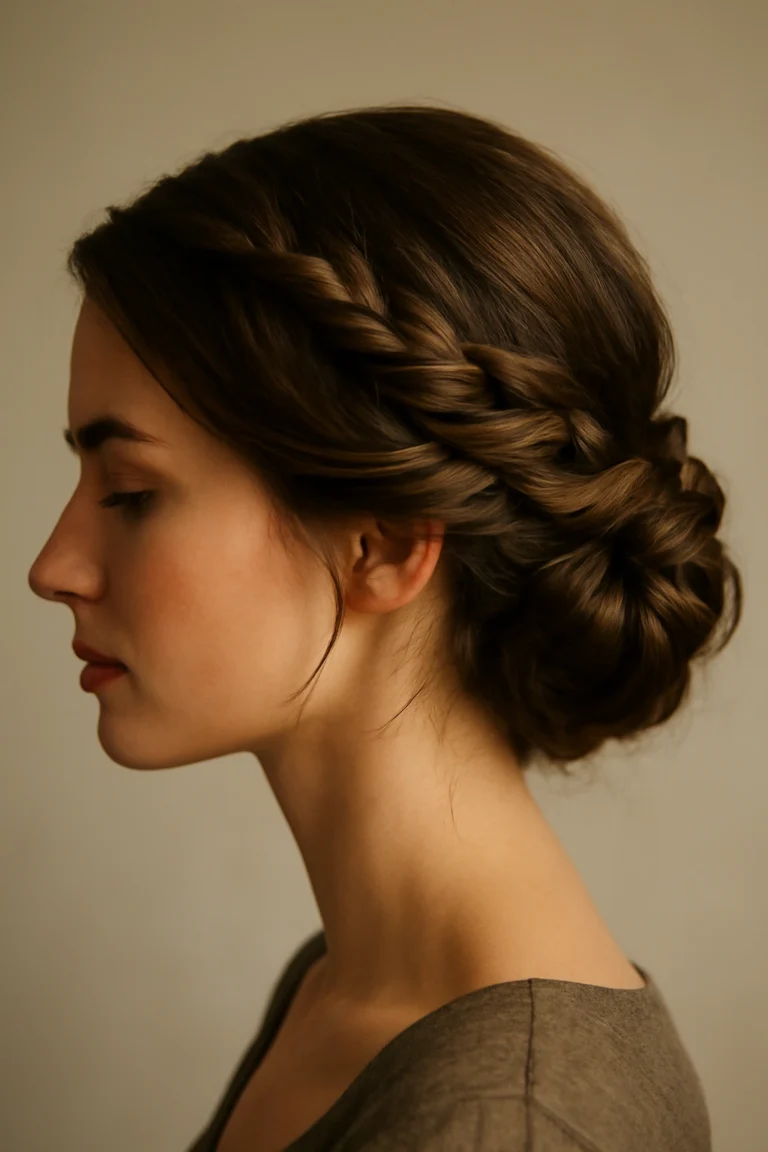
Courtesy of: hairtical.com
Rope braids — two sections twisted around each other — have a sleek, rope-like finish that looks elegant with minimal effort. Swept to one side and pinned into a loose updo, they create an asymmetrical style that flatters round and square face shapes especially well. This works on medium to long hair; the twisting technique actually suits smooth, straightened hair since the sections glide easily. A deep side part starts the sweep.
Twisting is faster than braiding, so the whole style takes about ten minutes. It is a strong pick for evenings out or holiday parties, and it holds well because the twist naturally tightens on itself. The trade-off: rope braids can unravel at the ends if not secured, so finish each with a small elastic before pinning. A touch of shine serum on the twists gives a polished winter gleam. Our Hair Colors That Highlight Green Eyes rounds up more takes on this exact idea.
Undone boho braid with wispy texture
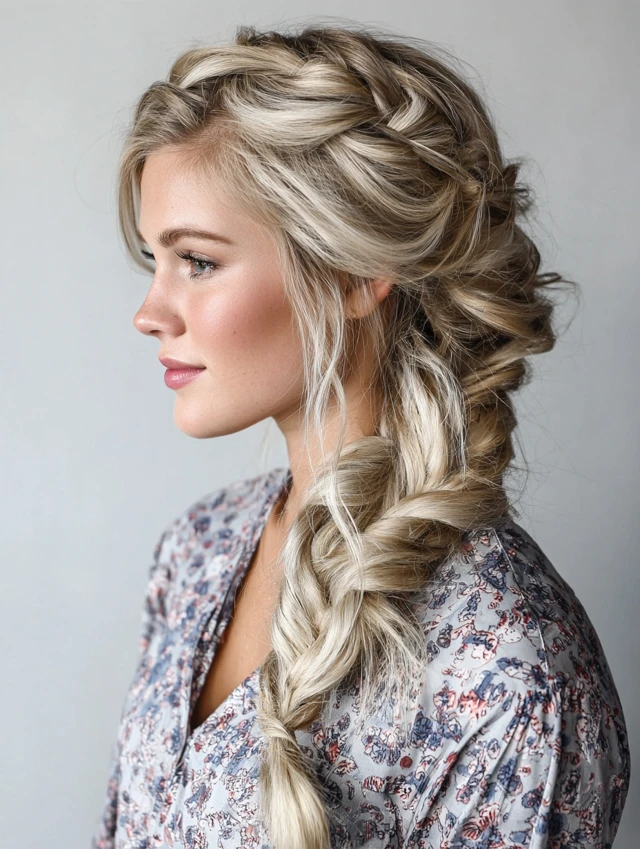
Photo credit: forthewardrobe.com
The boho braid is deliberately imperfect: a loose three-strand plait with pieces pulled out, a few strands left around the face, and an overall undone texture. It has an effortless, creative feel that pairs naturally with chunky knits and winter layers. This is one of the most forgiving braided styles — it suits all hair types and lengths from shoulder down, and second-day or wavy hair actually improves the result. Any parting works.
Five minutes is genuinely enough, which makes it a true everyday style. It is comfortable, hat-friendly, and easy to redo. The trade-off is longevity: because it starts loose, it can look fully undone by evening on slippery hair. A light texture spray at the start and a loose elastic (not a tight one) keep it in the sweet spot between polished and messy. It is not the pick for formal events, but for daily winter life it is hard to beat.
Dutch braid pigtails with a cozy finish
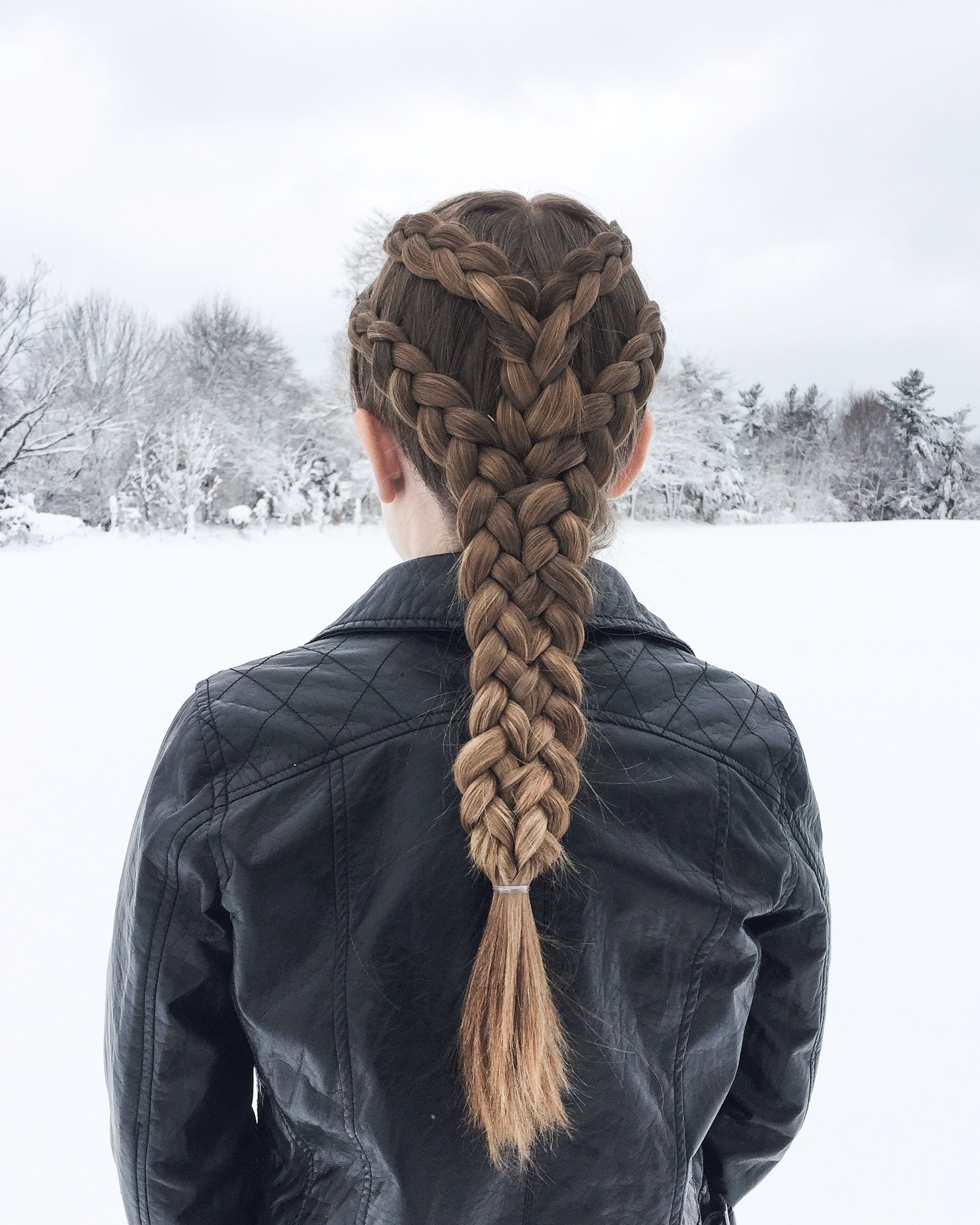
Image credit: wholesale.dhb.co.uk
Dutch braid pigtails split the hair into two braids worn over the shoulders or down the back, giving a youthful, energetic look. The dutch technique keeps them bold and dimensional, and pancaking the edges adds fullness that reads cozy against winter knits. A center part is classic, and this works best on medium to long hair. It is also one of the most beanie-compatible styles out there — the braids sit flat enough to slide under a hat.
Expect ten to fifteen minutes, with the usual symmetry challenge of matching both sides. This is a fun weekend or casual-day style rather than an office pick, though a sleeker, tighter version can read more polished. On thick hair the pigtails can feel heavy; keeping the braids slightly loose at the scalp helps. Small elastics in a matching shade keep the finish tidy. For a different spin on the same theme, browse Fall 2025 Bob Hairstyles Ideas.
Sleek braided low bun for polished days
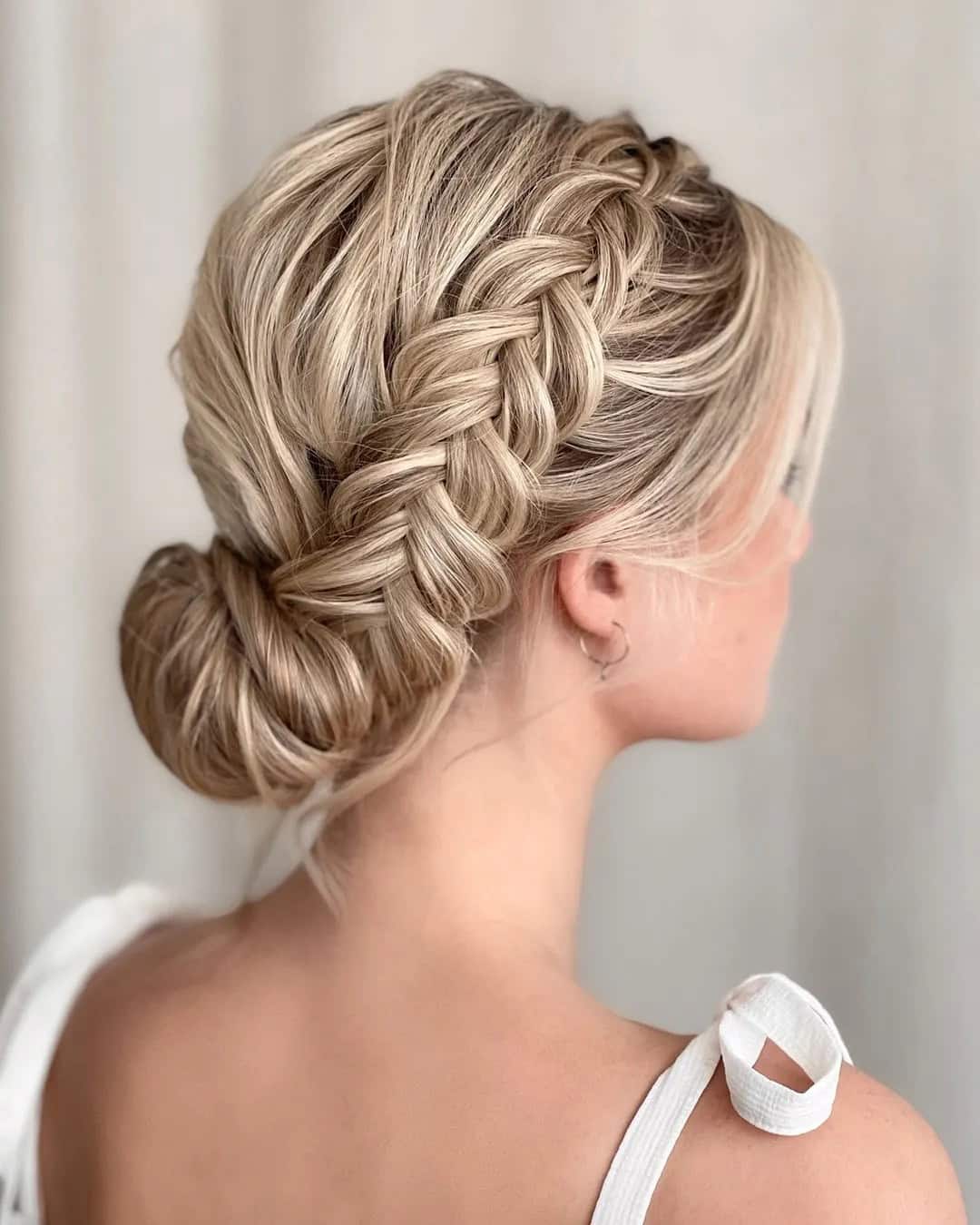
Source: bridewhimsy.com
A low bun wrapped with a braid is the definition of polished: smooth through the crown, a tidy coil at the nape, and the braid adding just enough detail to keep it interesting. It suits straight or smoothed hair best, and it flatters oval and heart-shaped faces by keeping the silhouette close to the head. A center or side part both work; the key is sleekness through the top, which a light smoothing cream helps achieve.
This is a workhorse for offices, interviews, and formal winter events, taking about ten minutes with practice. It holds all day, stays neat under coats and scarves, and transitions easily to evening. The trade-off is that it can read severe on very straight, flat hair — softening the front with a slight pouf or a few loose pieces fixes that. Bobby pins in your hair color disappear into the style.
Straight-back cornrows with clean parts
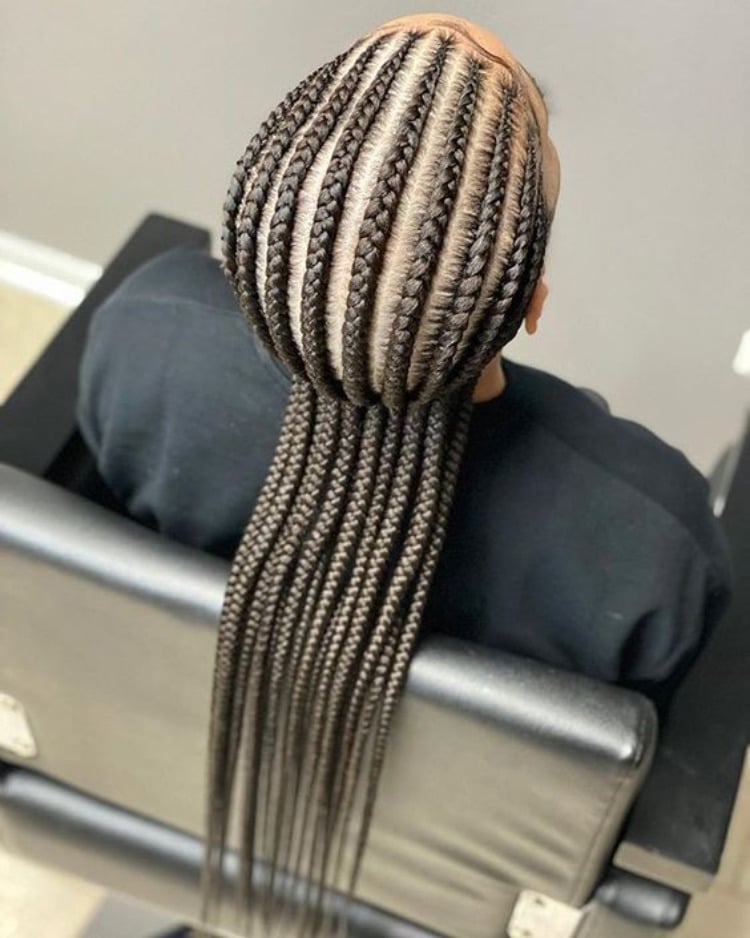
Straight-back cornrows are a timeless protective style: rows braided close to the scalp from the hairline to the nape, with clean, precise parts. They are supremely practical for winter — nothing to restyle daily, no ends exposed to dry air — and they can be worn alone or as a base under wigs. The neatness of the parts is what elevates the look, so this is best done by a skilled braider. It suits all face shapes, with the rows creating flattering vertical lines.
As a protective style, cornrows can last two to four weeks with nighttime protection and regular scalp moisturizing. The installation takes a couple of hours at the salon, but daily maintenance is close to zero. The trade-off is tension: braids done too tight at the hairline can cause breakage, so speak up during the appointment. For winter, this is one of the lowest-effort, highest-polish options available. The same theme, explored from another angle, is in Gorgeous Pixie Hairstyles for Straight Hair.
Fishtail braid crown with soft texture
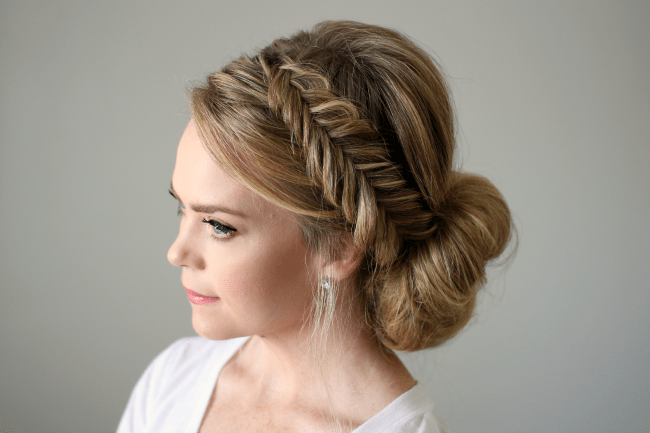
Courtesy of: missysue.com
Wrapping a fishtail braid into a low crown combines the intricate herringbone pattern with an elegant updo silhouette. The fishtail’s fine weave catches the light beautifully, especially on highlighted or dimensional hair, and pinning it low at the nape keeps the mood soft rather than formal. Long hair works best, and wavy texture helps the braid grip as you pin. A center part sets up the wrap evenly.
This is an occasion style — weddings, holiday parties, winter formals — taking about twenty minutes including pinning. The fishtail itself is the time-consuming part; once braided, coiling and pinning is quick. The trade-off is that the fine weave can loosen if handled too much, so pin decisively and finish with a flexible-hold spray. It photographs beautifully from the back, which is worth knowing for event season.
Braided chignon with a woven finish
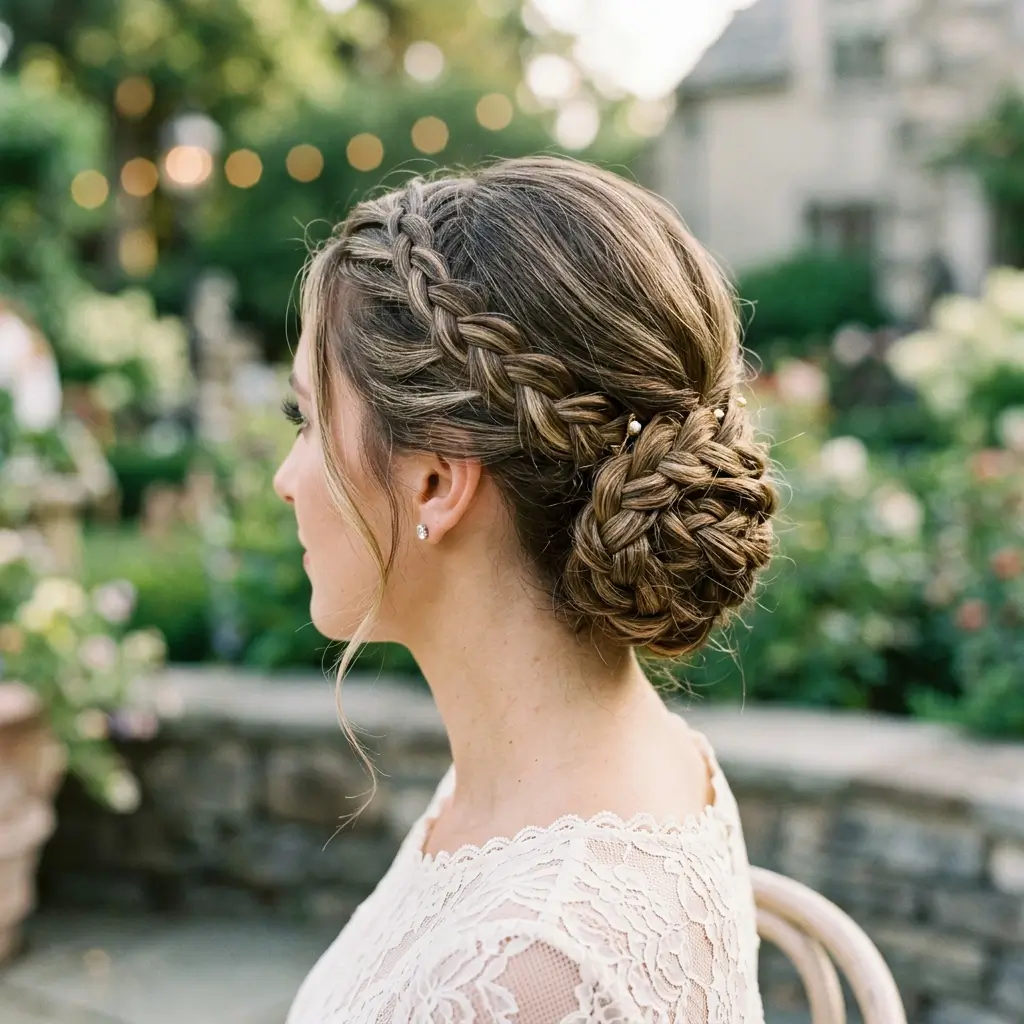
Photo credit: bestintrending.com
A chignon built from braids rather than smooth twists has wonderful texture: each plait adds dimension to the coiled bun at the nape. It reads classic and refined, making it a natural choice for winter weddings and formal evenings. Medium to long hair works best, and the braided texture means it holds its shape well even on hair that usually slips out of updos. A side part adds a touch of asymmetry.
Expect fifteen to twenty minutes, braiding first and then coiling and pinning. A salon can set this beautifully for an event, but it is achievable at home with patience and pins. The main trade-off is that very thick hair makes a large chignon — pancaking less and keeping braids snug controls the size. A few strategically placed pins and a mist of strong-hold spray keep it secure through the night. For readers who want more, Blonde Winter Hair Color Ideas keeps the ideas coming.
Long knotless box braids worn loose
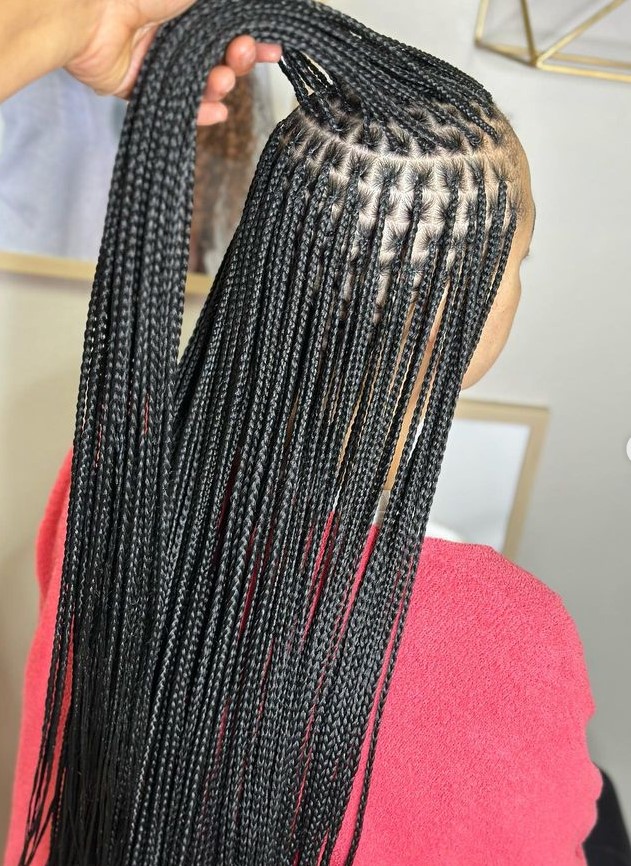
Image credit: afrochicbeauty.com
Long knotless box braids worn loose are a statement protective style with beautiful swing and movement. The knotless technique starts each braid with your natural hair, which means less tension at the scalp and a more natural-looking root — a meaningful comfort upgrade for a style worn weeks at a time. Length is the whole point here, and the braids can be styled half-up, in buns, or simply worn down. They suit everyone, with the long vertical lines flattering round faces especially.
Installation takes several hours at the salon, but the style then lasts six to eight weeks with proper care: satin protection at night, regular scalp cleansing, and light oiling. For winter, braids keep ends tucked away from dry, cold air. The trade-off is the upfront time and cost, plus the weight of very long braids — medium-length is a lighter alternative if that concerns you. This is a commitment style, and it rewards the commitment.
French braid melting into a low bun
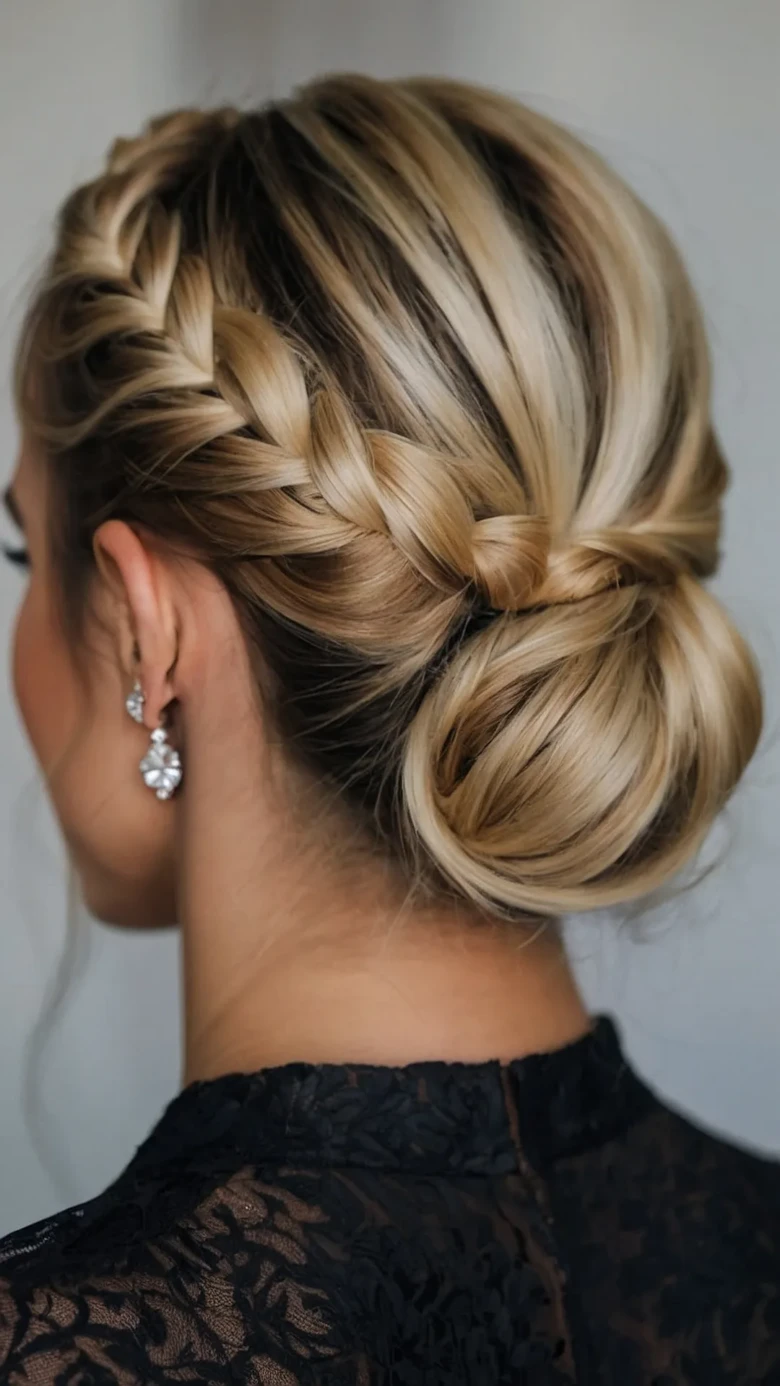
Source: glamdew.com
This style braids from the hairline down to the nape and then coils the remaining length into a soft bun, blending two classic techniques into one seamless look. The braided crown adds interest and keeps the top perfectly smooth, while the low bun sits comfortably at the nape — ideal under winter coats and scarves. It works on medium to long hair and flatters most face shapes. A center part through the braid keeps it balanced.
About fifteen minutes does it, and the style holds remarkably well because the braid anchors the bun. It is polished enough for work and pretty enough for evenings out. The trade-off is that the transition from braid to bun needs a secure pin or two to avoid a visible bump — overlapping the coil over the braid’s tail hides the join. A light-hold spray finishes it without stiffness. We break down a similar look in Trendy Sleek Ponytail Hairstyles.
Accent micro-braids in loose waves
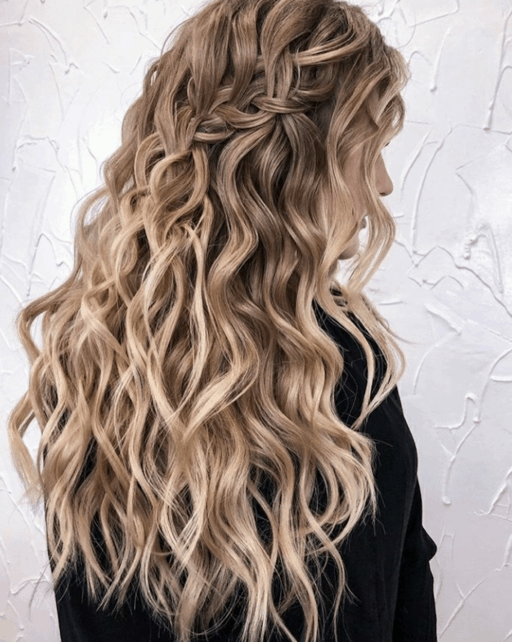
Accent braids are the low-commitment way into the braided trend: two or three tiny plaits worked into otherwise loose, wavy hair. They add detail and a hint of boho spirit without changing the overall silhouette, which makes them perfect for anyone who wants braids without the styling time. This works on any length past the chin and any texture, and the braids can sit at the temples, behind the ears, or woven through the crown. No parting rules apply.
Each micro-braid takes a minute or two, so the whole look is under ten minutes. They hold well because they are small and can be secured with tiny clear elastics. The trade-off is subtlety — from a distance the detail can disappear — so placement near the face has the most impact. They are also easy to remove at night, making this a nice trial run before committing to bigger braided styles.
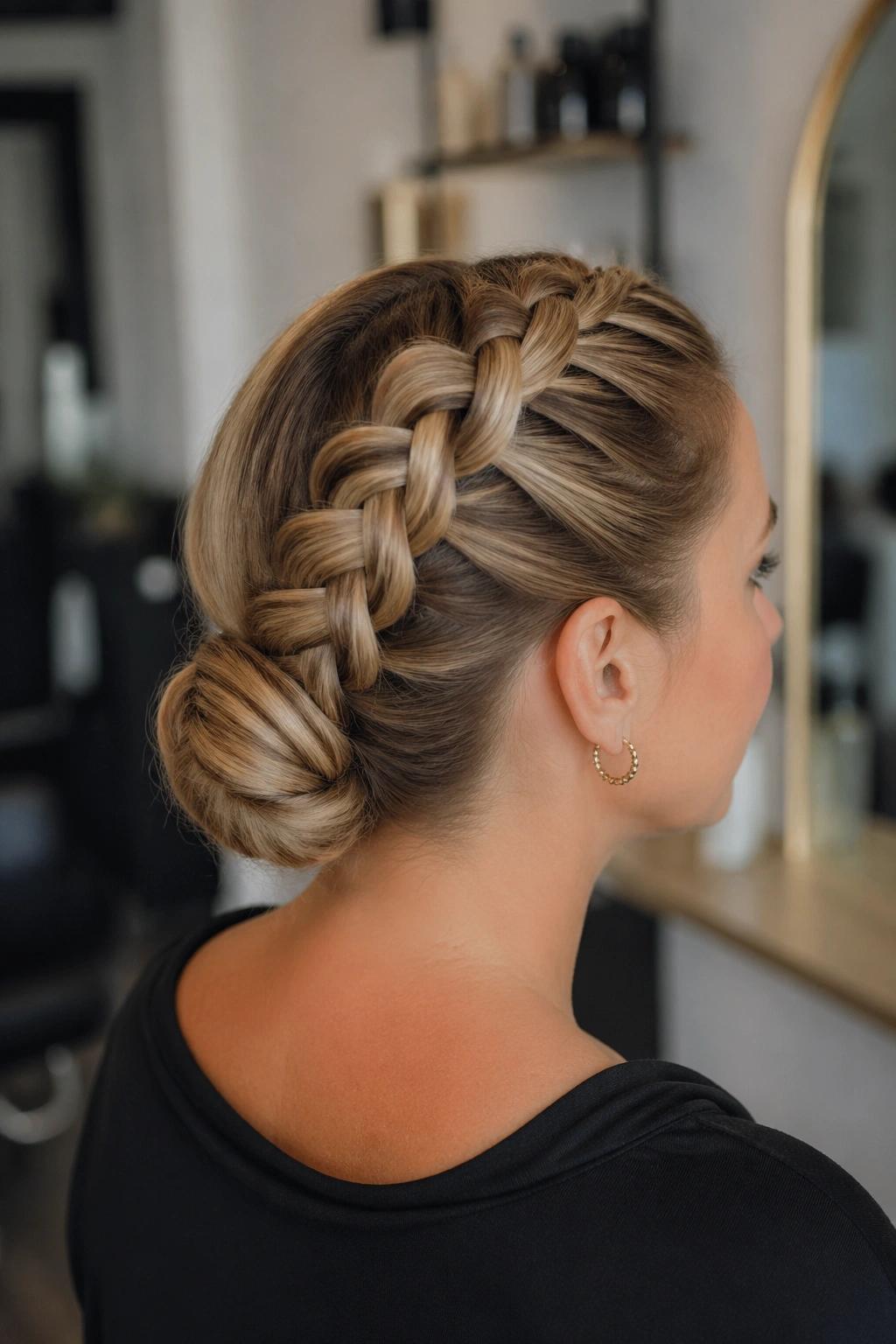
Side dutch braid wrapping into a bun
Courtesy of: hairstyleloom.com
This style sends a dutch braid along one side of the head — starting at the temple and traveling back — then wraps the tail into a bun at the nape or slightly to the side. The asymmetrical path is flattering and a little unexpected, and the dutch technique keeps the braid bold and visible. It suits medium to long hair, and the side placement works beautifully with a deep side part. Straight or wavy textures both work.
Expect about fifteen minutes: the braid is the main event, and the bun is simply a coil-and-pin finish. It holds well through the day since the braid anchors everything, making it a solid choice for busy winter days that run into evenings. The trade-off is that the wrap point can feel bulky if the braid is very thick — pancaking less on the final few crosses keeps it manageable. It is dressy enough for dinners yet easy enough for daily wear. See also Elegant Fall Hairstyles for Women Over 60 for more variations on this look.
Winter wedding braided updo with soft twists
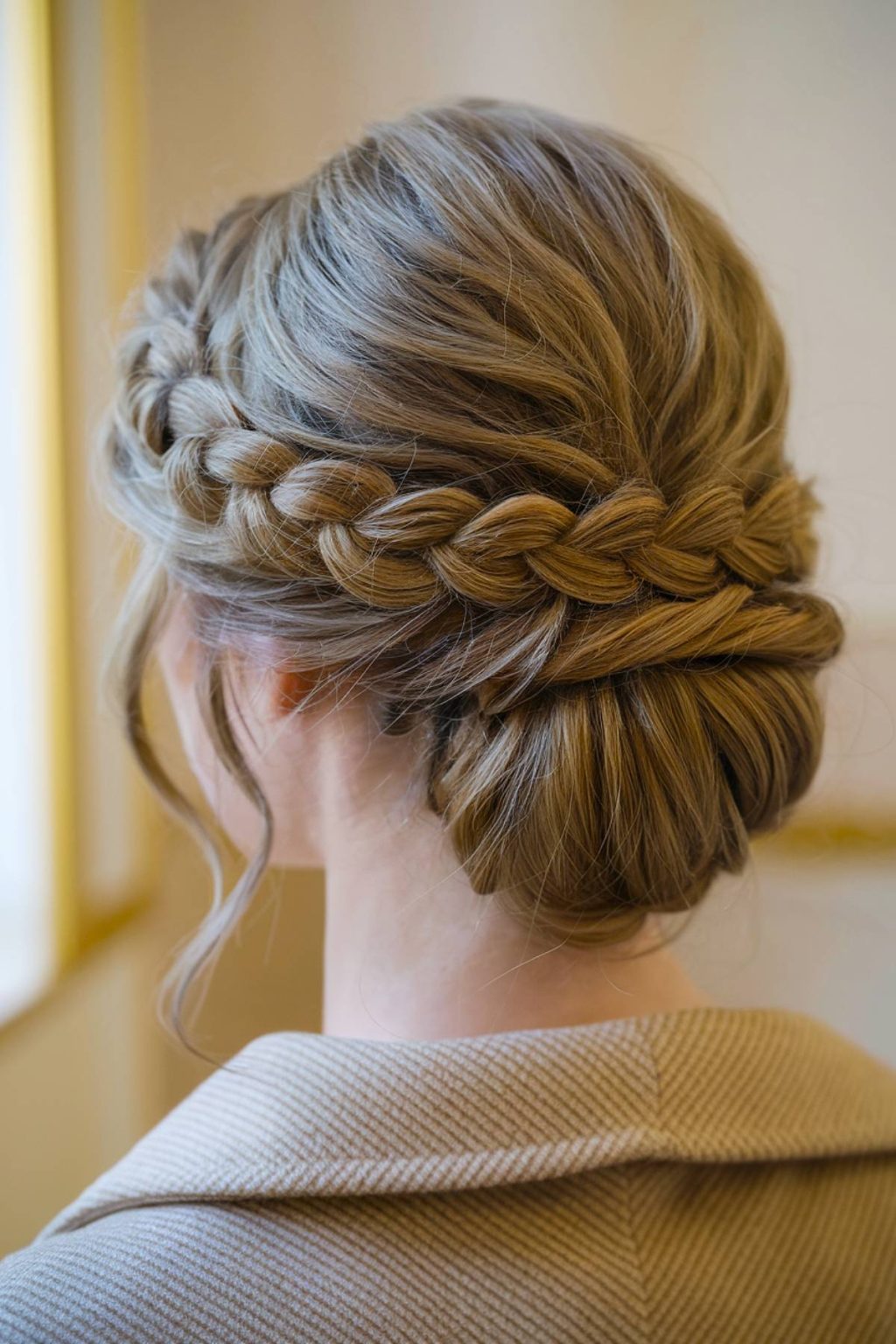
Photo credit: dealzgreat.com
A braided wedding updo combines plaits and soft twists into a romantic, textured style built for the aisle — or any formal winter occasion. The mix of techniques gives the updo dimension that smooth styles cannot match, and pinned curls or twists around the braids add softness. Long, medium-to-thick hair gives the stylist the most to work with, and an updo like this flatters most face shapes since height and face-framing pieces can be adjusted. Side-swept fronts are classic here.
This is firmly a salon style: expect forty-five minutes to an hour in the chair, plus a trial run before the big day. The payoff is a style engineered to last through ceremonies, photos, and dancing. The trade-off is cost and the need for enough hair — extensions can fill in if length is short. For winter weddings, an updo also keeps hair clear of faux-fur wraps and high collars.
Goddess braids with curly ends
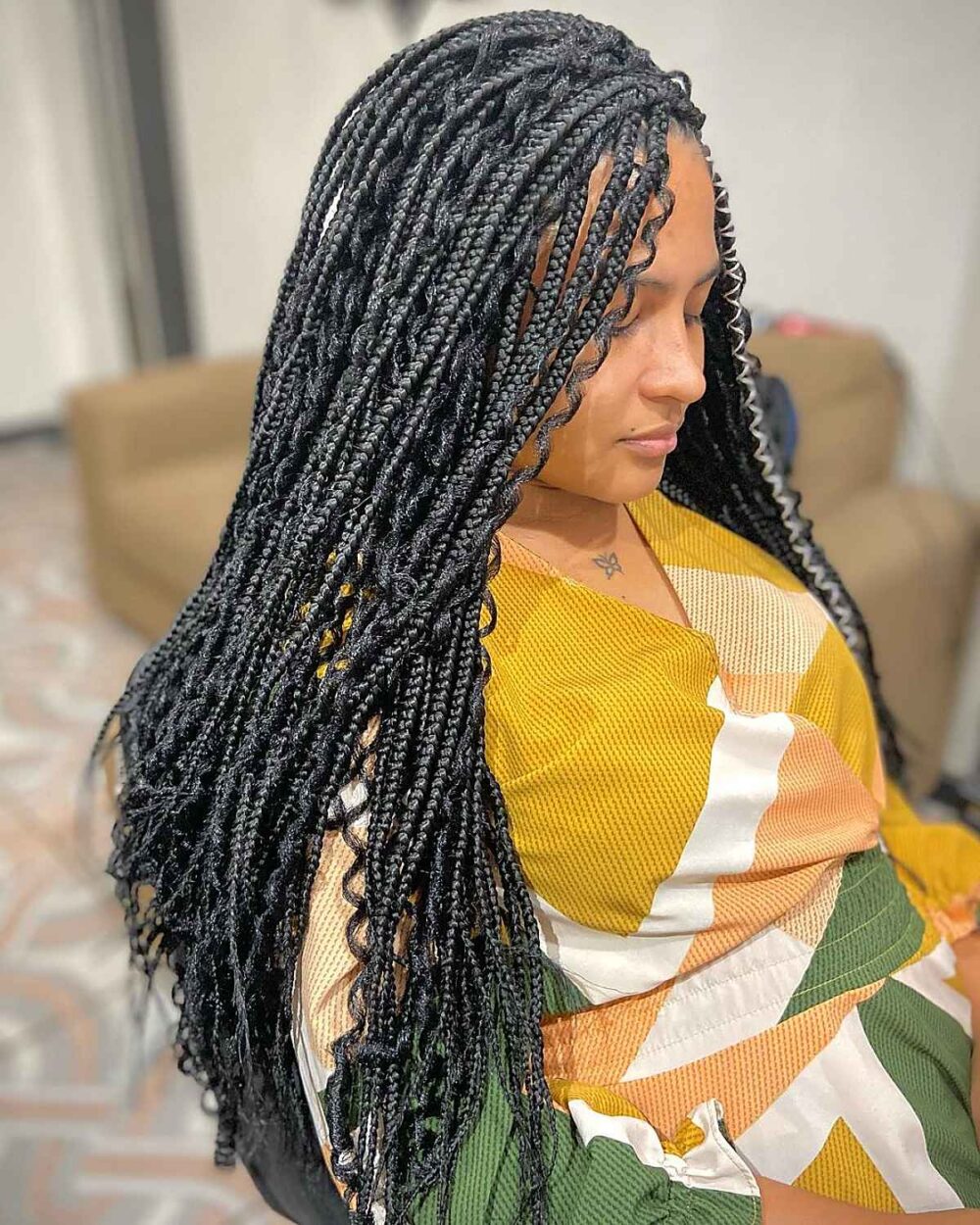
Image credit: exploretrending.com
Goddess braids are larger, raised cornrows — often just a few of them — and leaving curly ends unbraided adds softness and movement to the bold pattern. The scale makes them striking, while the curls keep the finish feminine and modern. They are a protective style that suits natural hair beautifully, and the bigger parts mean faster installation than small braids. The look flatters all face shapes, with the height on top adding flattering lift.
Installation takes a few hours at the salon, and the style lasts two to four weeks with nighttime protection. Daily maintenance is minimal: refresh the curls with a little mousse or water, and moisturize the scalp. The trade-off versus smaller braids is less styling versatility, but what you lose in options you gain in presence. For winter, the covered scalp and tucked ends are genuinely practical. A companion piece, Stunning Fall 2025 Blonde Hair Color Ideas, explores the same palette.
Two-strand twists coiled into a crown bun
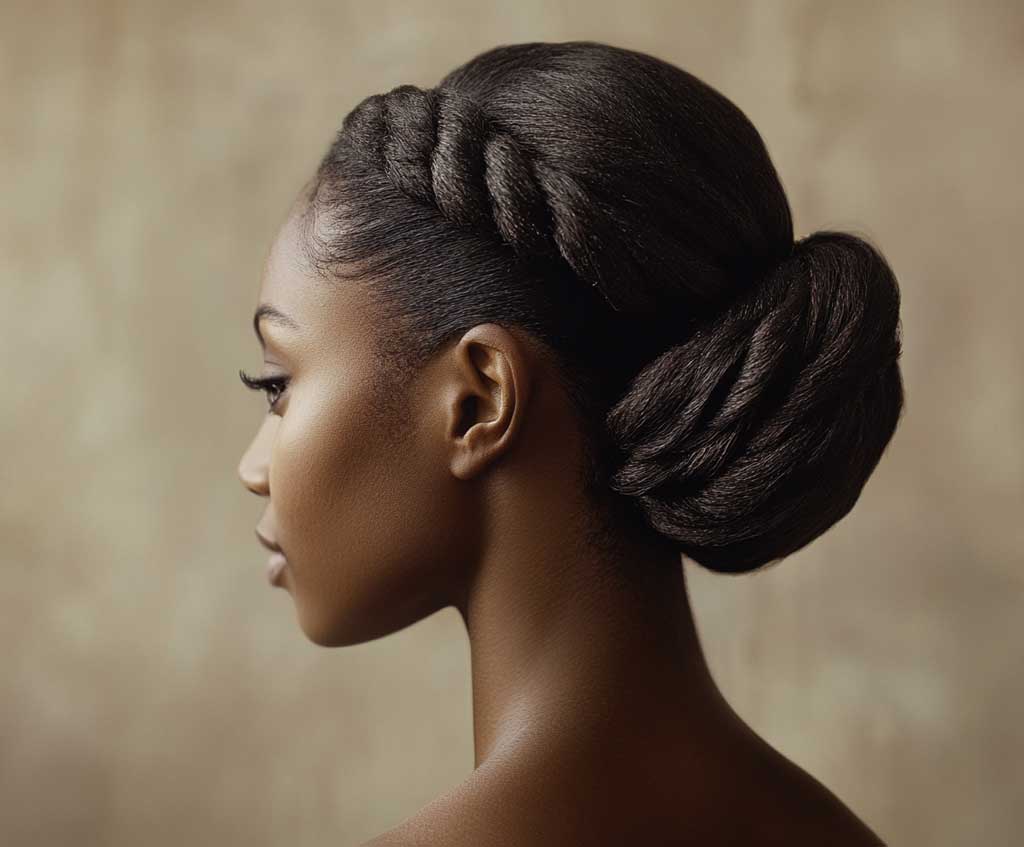
Source: artfasad.com
Two-strand twists gathered into a high crown bun create a regal, textured updo that celebrates natural curl patterns. Twisting is gentler and faster than braiding, and the resulting bun has gorgeous dimension from the twisted sections. This suits medium to long natural hair and is especially flattering with the bun placed high, which elongates the silhouette. Edges can be laid softly for a finished hairline.
Twisting the whole head takes time, but the style then lasts one to two weeks with a satin scarf at night — and the bun itself is a five-minute daily restyle. It is protective, elegant, and works for both everyday wear and occasions. The trade-off is that twists can frizz faster than braids in winter dryness, so a light oil or cream on the twists helps them stay defined. Refreshing the front twists mid-week keeps the whole style looking intentional.
Final Thoughts
The strongest of these 24 styles work because of thoughtful structure — the dimension of a dutch braid, the clean geometry of cornrows, the softness of a loosened fishtail — not simply because braids are trendy. Choose based on your maintenance appetite, your hair’s texture and length, and how the style needs to perform under your real winter life: hats, wind, long days, and all. A five-minute boho braid and a salon-set wedding updo both count as braided hairstyles; the right one is the one you will actually wear.
- Trim every six to eight weeks to keep the shape sharp.
- Use a heat protectant before every hot-tool session.
- Tone blonde or highlighted hair every six weeks to keep brassiness away.
- Match the upkeep schedule to your routine before committing to high-maintenance color.
The best color is the one that still looks intentional at week six.