Acne is often thought of as a teenage problem, but for many women it arrives — or returns — in their twenties, thirties, and forties. Breakouts along the jawline and chin, spots that appear with each cycle, and skin that is somehow both oily and sensitive are all familiar patterns of adult acne. It is frustrating, but it is also very common, and a simple, consistent routine can make a real difference.
This guide walks through an adult acne skincare routine built on gentle cleansing, proven active ingredients, and the moisturiser and sunscreen that acne-prone skin still needs. The approach is calm and steady: no harsh scrubbing, no ten-step routines, just the steps that work, done daily. A good morning structure helps, and the simple layering in Glowing Skin Morning Skincare Routine shows how the morning steps fit together.
Key Takeaways
- Cleanse gently twice a day with lukewarm water — harsh scrubbing makes acne worse, not better.
- Use one proven active at a time: salicylic acid, benzoyl peroxide, or a retinoid.
- Moisturise daily, even oily skin — a damaged barrier breaks out more, not less.
- Wear broad-spectrum sunscreen every morning; many acne treatments increase sun sensitivity.
- Give a new routine six to eight weeks before judging it, and see a dermatologist for persistent or painful acne.
Why Adult Acne Happens
Adult acne has several drivers, and hormones sit at the centre of most of them. Fluctuations around the menstrual cycle, pregnancy, perimenopause, or stopping hormonal contraception can all increase oil production and trigger breakouts — typically along the jawline, chin, and lower cheeks. Stress raises cortisol, which can also stimulate oil glands. Certain hair products, heavy moisturisers, and comedogenic makeup can clog pores around the hairline and jaw.
Unlike teenage acne, which often covers the T-zone, adult acne tends to be deeper, more inflamed, and slower to heal — and it often appears on skin that is also dealing with dryness, sensitivity, or the first fine lines. That combination is why the harsh, drying routines marketed to teenagers usually backfire for adults. Adult skin needs treatment that clears breakouts without stripping the barrier that keeps it healthy.
The Morning Routine: Cleanse, Treat, Protect
Mornings are about starting clean and protected. The routine is short — four steps, in order — and it sets up the rest of the day.
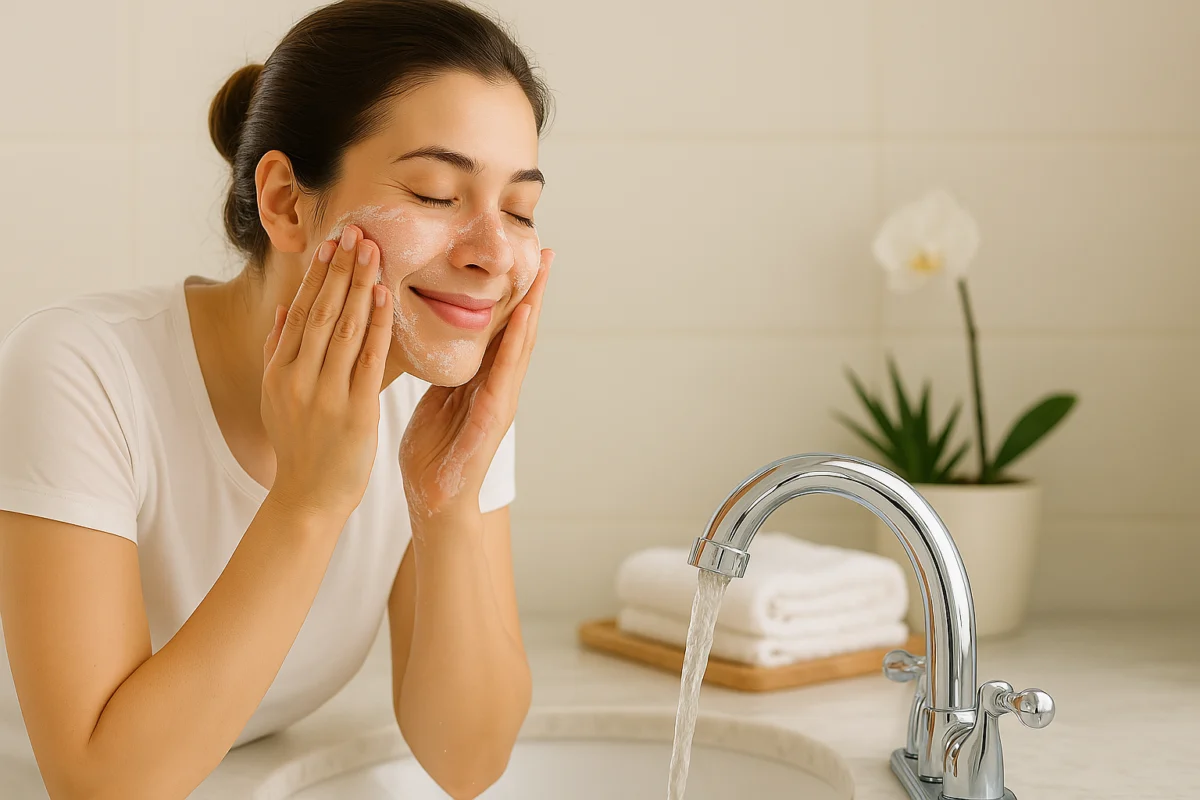
Photo via mypristinebeauty.com
- Cleanse gently: wash with lukewarm water and a mild, fragrance-free cleanser. A cleanser containing salicylic acid can help keep pores clear, but a plain gentle cleanser is fine too — the goal is clean skin, not squeaky skin.
- Apply a lightweight treatment: a thin layer of benzoyl peroxide or azelaic acid on breakout-prone areas, or a niacinamide serum to calm redness and regulate oil. Use one active, not three.
- Moisturise lightly: choose an oil-free, non-comedogenic moisturiser. Gel or light lotion textures suit oily and combination skin best. Skipping moisturiser makes skin produce more oil to compensate, which worsens breakouts.
- Finish with sunscreen: a broad-spectrum SPF 30 or higher, every morning, without exception. Many acne treatments increase sun sensitivity, and sun exposure worsens the dark marks breakouts leave behind. Look for oil-free, non-comedogenic formulas that will not clog pores.
The Evening Routine: Where the Real Work Happens
Evenings are when treatment ingredients do their heaviest work, because the skin repairs itself overnight and there is no sun or makeup in the way. Keep the routine simple and consistent.
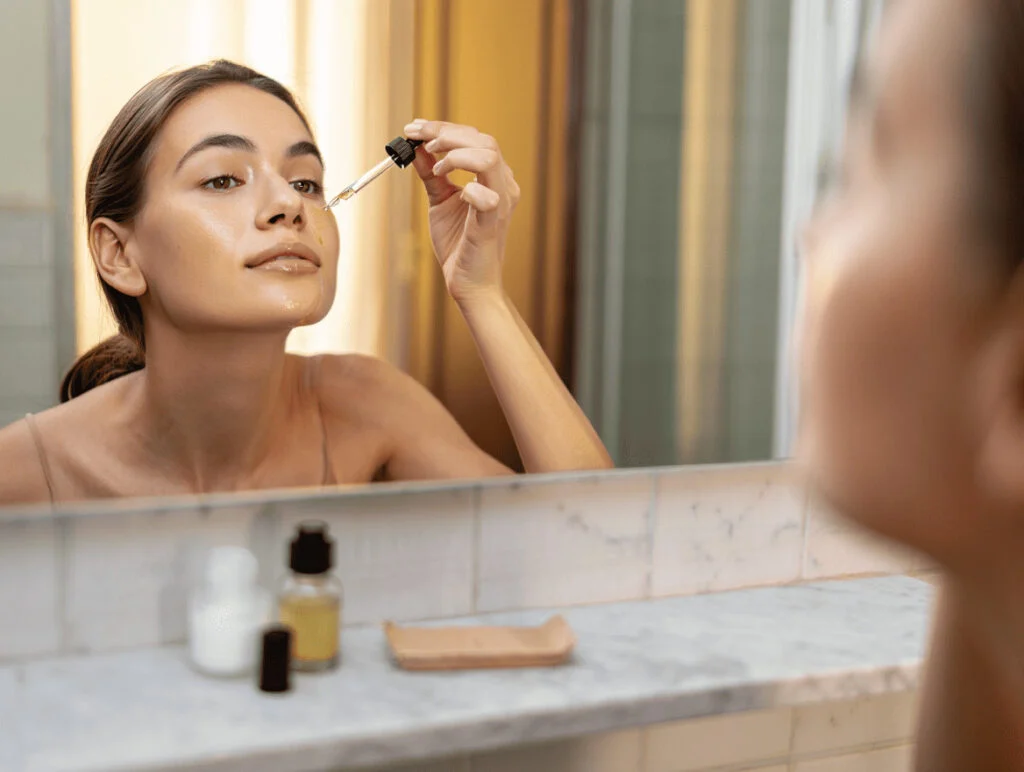
Photo via fashiondepo.ru
Cleanse Thoroughly, Then Treat
Remove makeup and sunscreen first — a gentle micellar water or cleansing balm works well — then follow with your regular cleanser. This double cleanse matters for acne-prone skin, because leftover makeup and sunscreen can clog pores overnight. Pat dry with a clean towel, and change your pillowcase a couple of times a week: it collects oil, hair products, and bacteria that transfer back to your face.
Retinoids: The Workhorse Ingredient
Retinoids are the most effective over-the-counter option for adult acne. They speed up cell turnover, keep pores clear, and reduce the clogged pores that become breakouts — and as a bonus, they also soften fine lines. Start with a low-strength retinol two to three nights a week, applied to dry skin after cleansing, and build up gradually. Expect some dryness or flaking in the first few weeks; this usually settles as skin adjusts. Use a pea-sized amount for the whole face, moisturise well, and never combine a retinoid with a strong acid on the same night until your skin is used to both. The guide to Exfoliation: Physical vs Chemical for Skin explains how exfoliating acids fit alongside retinoids without overdoing it.
Moisturiser and Sunscreen: Non-Negotiable for Acne-Prone Skin
It feels counterintuitive to moisturise skin that already looks oily, but a damaged moisture barrier is one of the most common reasons acne routines fail. When skin is stripped and dry, it overproduces oil, becomes more reactive, and heals more slowly. A light, non-comedogenic moisturiser used morning and night keeps the barrier intact, which lets the active ingredients do their job without constant irritation.
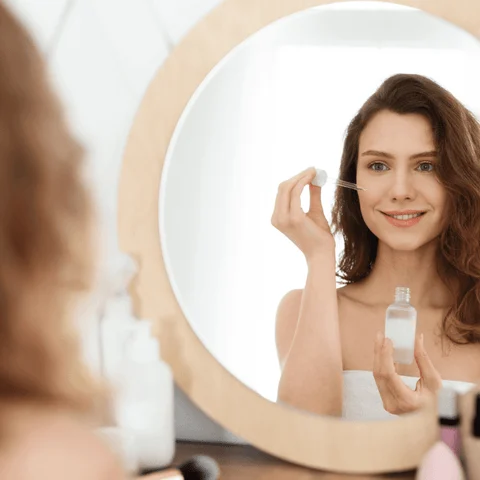
Photo via bioinfinity.com.co
Sunscreen matters just as much. Acne treatments like retinoids and acids make skin more sun-sensitive, and UV exposure deepens the dark marks that breakouts leave behind — the post-inflammatory marks that often linger long after the spot itself has healed. A lightweight, oil-free SPF 30 or higher, applied as the final morning step, protects both your skin and your progress. If a sunscreen feels heavy or breaks you out, try a gel or fluid formula designed for oily skin rather than skipping it.
Habits That Help — and Mistakes That Hurt
Don’t pick or squeeze: it pushes bacteria deeper, increases inflammation, and is the fastest route to scarring and dark marks. If a spot is painful or deep, leave it alone or see a professional.
Don’t over-exfoliate: scrubbing daily or layering multiple acids strips the barrier and triggers more breakouts. Gentle chemical exfoliation once or twice a week is enough for most people.
Don’t introduce everything at once: adding three new actives in one week makes it impossible to tell what helps and what irritates. Add one product at a time, wait two weeks, then decide.
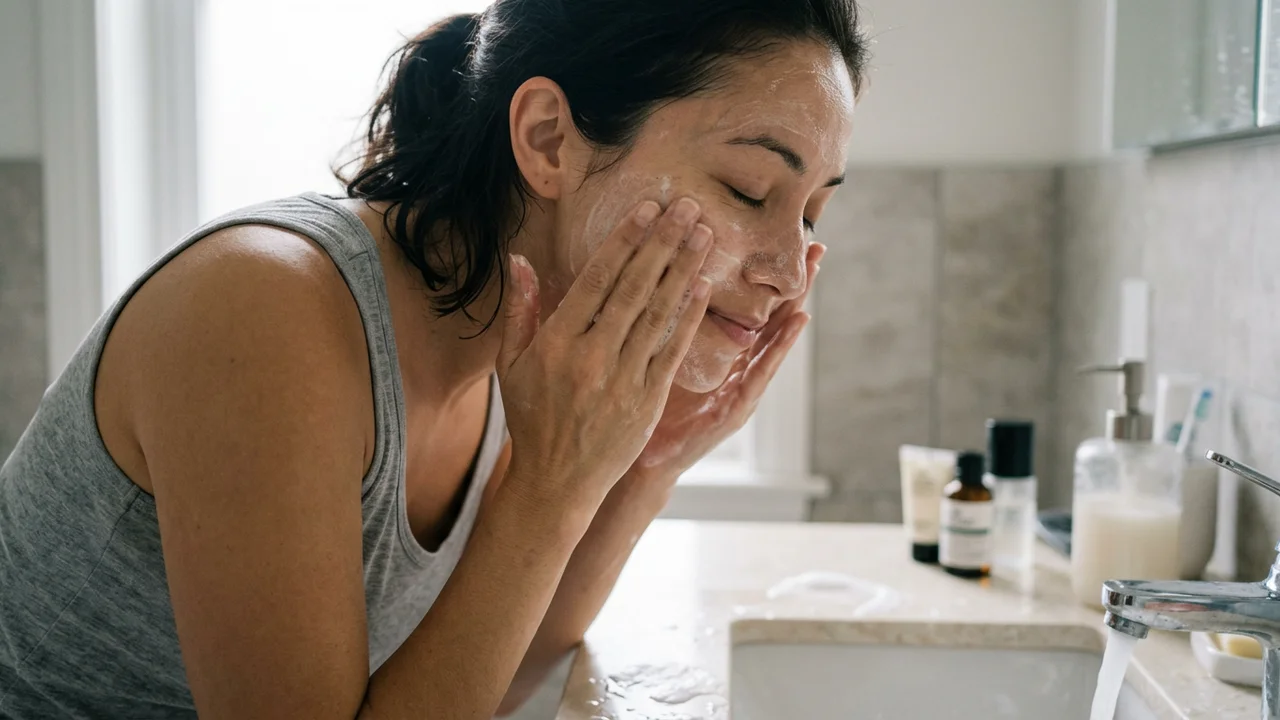
Photo via ramble.cz
Keep hair products off your face: heavy oils, pomades, and hair sprays can clog pores along the hairline and jaw. Tie hair back at night and rinse your face after applying styling products.
Look after the basics: sleep, stress, and diet all influence breakouts. Seven to nine hours of sleep, stress management, and a balanced diet with enough protein support skin from within — the guidance in High Protein Diet for Women and Vitamins for Women: Essential Nutrients covers the nutritional side. And while your skin is healing, small touches of polish elsewhere — a natural manicure like Natural Nail Designs With a Subtle Glow or Simple French Tip Nail Designs in Natural Pink — can lift your confidence without touching your face at all.
What to Expect, and When to See a Dermatologist
Give any new routine six to eight weeks before judging it. Skin takes about a month to renew itself, so early changes are often subtle — fewer new breakouts, faster healing, less redness — before the overall picture improves. Some purging (a temporary increase in breakouts) is normal when starting a retinoid or acid, as clogged pores surface more quickly; it usually settles within a few weeks. If breakouts keep worsening after a month, the product may not suit you, and it is worth stopping it.
See a dermatologist if acne is painful, cystic, or widespread; if over-the-counter products have not helped after two to three months; or if breakouts are leaving scars or dark marks. Prescription options — topical retinoids, antibiotics, hormonal treatments, or isotretinoin for severe cases — can achieve what shop-bought products cannot, and a dermatologist can match the treatment to your skin type and triggers. There is no prize for struggling alone with something a professional can help with.
Frequently Asked Questions
What causes acne in adult women?
Hormonal fluctuations are the most common cause, often linked to the menstrual cycle, pregnancy, perimenopause, or changes in contraception. Stress, certain hair and skincare products, and genetics also play a role. Breakouts along the jawline and chin are a typical hormonal pattern.
Benzoyl peroxide or salicylic acid — which is better for adult acne?
Both work, in different ways. Salicylic acid exfoliates inside the pore and suits blackheads and clogged pores. Benzoyl peroxide kills acne-causing bacteria and suits inflamed spots. Many people use one in the morning and the other at night, or alternate them — just avoid layering both on the same area at the same time at first.
Is retinol safe for acne-prone skin?
Yes — retinoids are one of the most effective treatments for adult acne. Start with a low strength two to three nights a week, moisturise well, and use sunscreen daily. Some dryness and flaking at first is normal and usually settles as your skin adjusts.
Does diet really affect acne?
The link is individual, but some people find that high-glycaemic foods and dairy worsen their breakouts, while a balanced diet rich in vegetables, whole grains, and healthy fats supports skin health. If you suspect a food trigger, track your diet and breakouts for a few weeks rather than cutting out whole food groups at once.
How long does it take for an acne routine to work?
Expect six to eight weeks before judging a new routine. Skin renews itself roughly every month, so early improvements are often subtle. Consistency matters far more than the number of products — a simple routine done daily beats a complicated one done occasionally.
Final Thoughts
Adult acne is common, treatable, and not a reflection of how well you look after yourself. The routine that works is a simple one: gentle cleansing, one proven active at a time, daily moisturiser and sunscreen, and the patience to let it work over weeks rather than days. Avoid the temptation to attack your skin — it responds far better to steady, gentle care. And if the breakouts persist despite a good routine, a dermatologist has options that go well beyond the shop shelf. Clearer skin is usually a matter of the right routine and enough time.
Disclaimer: This article is for general informational purposes only and does not constitute medical or professional advice. Skincare results vary from person to person. If you have persistent, painful, or scarring acne, or a skin condition that concerns you, please consult a dermatologist or healthcare professional before starting new treatments.