Ashwagandha has moved from Ayurvedic tradition to mainstream wellness shelves, and with that move has come a flood of claims — calmer stress, better sleep, steadier energy, balanced hormones. Some of those claims have reasonable research behind them; others have been stretched far beyond what the evidence shows. Before adding any supplement to your routine, it helps to know what ashwagandha actually is, what it can and cannot do, and who should skip it.
This guide covers the basics for women considering ashwagandha: how it works, the forms it comes in, typical dosages used in studies, possible side effects, and the situations where a doctor’s input comes first. For the broader picture of supplements and daily nutrition, Vitamins for Women: Essential Nutrients is a useful starting point.
Key Takeaways
- Ashwagandha is an adaptogenic herb from Ayurvedic medicine, traditionally used to help the body manage stress.
- Research most strongly supports its role in reducing perceived stress and supporting sleep quality.
- Common study doses are 300–600 mg of standardised root extract per day, taken consistently for weeks.
- It is not suitable for everyone — pregnancy, thyroid medication, and autoimmune conditions need medical advice first.
- Choose third-party tested products with standardised extracts, and give any supplement several weeks before judging it.
What Is Ashwagandha?
Ashwagandha (Withania somnifera) is a small shrub native to India, the Middle East, and parts of Africa. Its root has been used in Ayurvedic medicine for thousands of years, traditionally as a tonic for strength, stamina, and resilience. The name comes from Sanskrit, roughly meaning “smell of the horse” — a reference to both the root’s earthy scent and the traditional belief that it imparts the strength of a stallion.
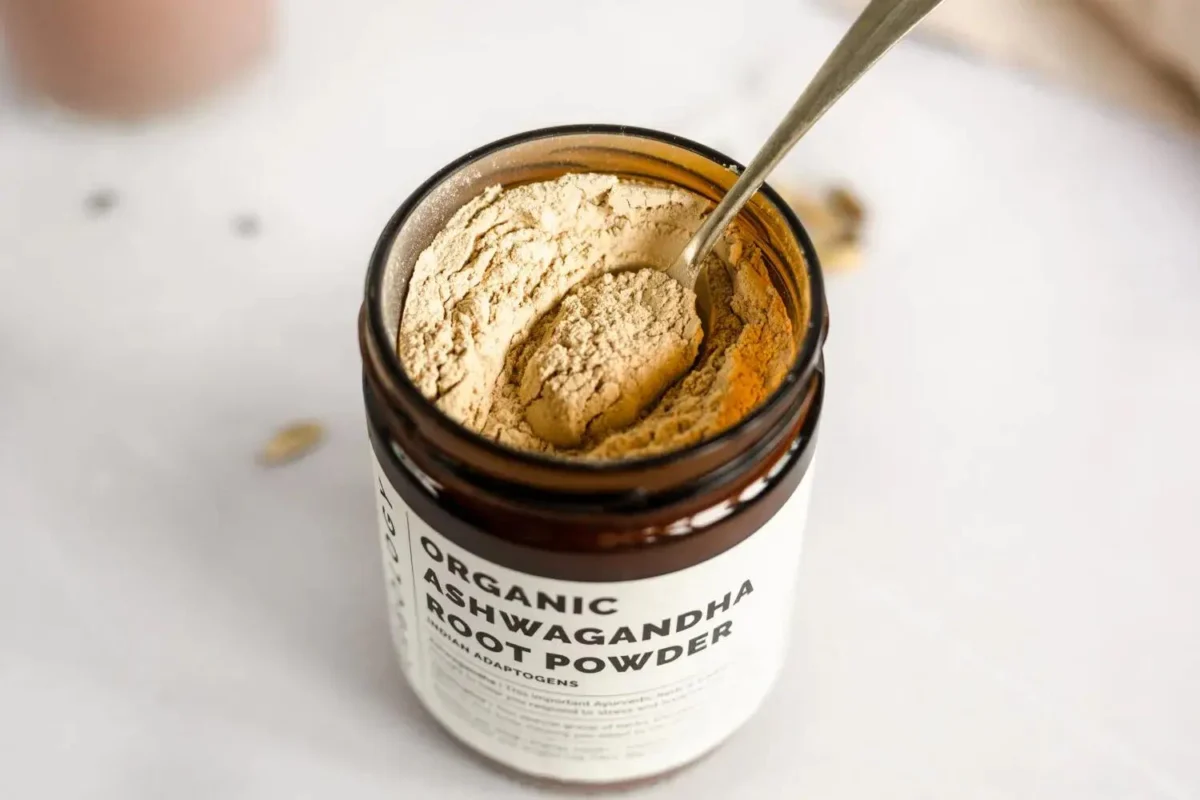
Photo via erbology.co
In modern terms, ashwagandha is classed as an adaptogen — a substance thought to help the body adapt to physical and mental stress. Its active compounds, called withanolides, are believed to influence the stress response system, including cortisol levels. Most supplements use the root, either as a whole powder or as a concentrated extract standardised to a set withanolide content.
What the Research Suggests
The evidence for ashwagandha is promising in some areas and thin in others. It is worth separating what studies support from what marketing claims.
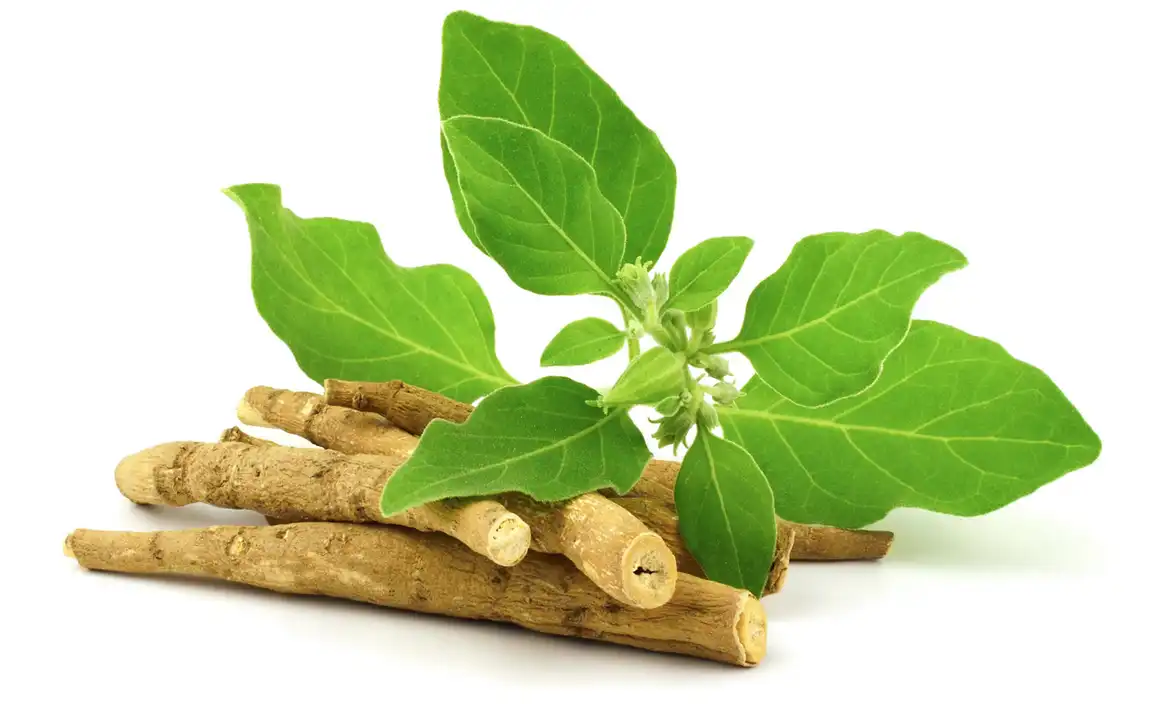
Photo via thataquaponicsguy.com
Stress and Cortisol
The strongest evidence relates to stress. Several randomised trials have found that standardised ashwagandha extract reduces perceived stress and anxiety scores, and some have measured lower cortisol levels in participants taking it for 8 to 12 weeks. The effect is modest rather than dramatic, and it builds over weeks rather than appearing overnight.
Sleep Quality
Studies also suggest ashwagandha can improve sleep quality and help people fall asleep faster, particularly those whose sleep is disrupted by stress. This is one reason many people take it in the evening, sometimes as a warm drink before bed.
Energy, Focus, and Hormones
Evidence for energy and focus is more limited, though some trials report improvements in alertness and cognitive performance. Claims about hormonal balance in women are popular but less well established — a few small studies suggest effects on thyroid hormones and reproductive hormones, which is precisely why anyone with a hormonal condition should get medical advice before starting. Stress and sleep also show up on the skin, so a calm, consistent routine like the one in Glowing Skin Morning Skincare Routine pairs naturally with any effort to lower daily stress.
Forms, Dosage, and How to Take It
Ashwagandha comes in several forms, and the right choice depends on preference and how the dose is measured.

Photo via countrylifevitamins.com
- Capsules and tablets: the most common form, usually containing a standardised root extract. Study doses typically range from 300 to 600 mg per day.
- Powder: whole root powder, traditionally stirred into warm milk or water. A typical serving is about one to two teaspoons, though the withanolide content varies.
- Tinctures and liquid extracts: concentrated drops taken in water, useful for people who dislike swallowing pills.
- Gummies: convenient and palatable, but check the label — the actual extract dose per gummy is often lower than a capsule, and added sugars are common.
Most products suggest taking ashwagandha with food to reduce stomach upset. Morning or evening both work; some people find it mildly relaxing and prefer the evening, while others take it in the morning for daytime stress support. Whatever the timing, consistency matters more than the hour — benefits in studies generally appeared after four to eight weeks of daily use. A calm morning sets the tone for that consistency, and the easy, comfortable layers in Simple Leggings Outfits with Casual Cozy Layers or Blue Sweatpants Outfit Ideas for Cozy Comfort suit slow, unhurried starts.
Side Effects and Who Should Avoid It
Ashwagandha is generally well tolerated in studies, but side effects do occur. The most common are digestive — nausea, loose stools, or stomach discomfort — along with drowsiness in some people. Rare cases of liver irritation have been reported, which is one reason to choose tested products and avoid very high doses.
Certain groups should not take ashwagandha without medical advice. It is generally advised against during pregnancy and breastfeeding. People taking thyroid medication should be cautious, since ashwagandha may influence thyroid hormone levels. Those with autoimmune conditions, liver disease, or upcoming surgery should also check with a doctor, as should anyone taking sedatives, immunosuppressants, or diabetes medication — ashwagandha can interact with all of these. If you take any prescription medication, a quick conversation with your doctor or pharmacist is the safest first step.
Choosing a Quality Product
Supplements are not regulated as strictly as medicines, so quality varies widely. A few checks help narrow the field.

Photo via pickyeaterblog.com
- Look for standardised extracts: products listing a withanolide percentage (commonly 2.5% to 5%) are more consistent than unstandardised powders.
- Prefer root-only extracts: most clinical research uses root extract; products mixing root and leaf have less evidence behind them.
- Check for third-party testing: independent testing for purity and contaminants is a meaningful quality signal.
- Read the full label: check the extract dose per serving, not just the total powder weight, and watch for unnecessary fillers or added sugars.
- Start low: begin at the lower end of the recommended dose for a week or two to see how your body responds.
A simple evening ritual — a warm mug of milk with ashwagandha powder, cinnamon, and a little honey, often called moon milk — is a traditional way to take it, and the quiet wind-down matters as much as the herb itself. Pairing that ritual with a calm wardrobe helps too; the soft, structured layers in Black Cardigan Outfit Ideas and the clean, minimal looks in Clean Girl Outfits with a Cream Trench suit slow evenings and unhurried mornings alike.
When to Talk to a Doctor
Talk to a healthcare professional before starting ashwagandha if you are pregnant, breastfeeding, taking thyroid medication, living with an autoimmune or liver condition, or scheduled for surgery. Stop taking it and seek advice if you develop persistent nausea, abdominal pain, unusual fatigue, or yellowing of the skin or eyes. A supplement should support your health, not complicate it — and a short consultation can prevent most problems before they start.
Frequently Asked Questions
How long does ashwagandha take to work?
Most studies show effects building over four to eight weeks of consistent daily use. Some people notice better sleep sooner, but stress-related benefits usually take longer. If nothing changes after two to three months, the supplement may not be the right fit.
Is ashwagandha safe to take every day?
Short-term daily use (up to about three months) is the most studied pattern and is generally well tolerated in healthy adults. Long-term safety data is more limited, so many practitioners suggest periodic breaks. Discuss ongoing use with a healthcare professional.
Should I take ashwagandha in the morning or at night?
Either works. Some people find it mildly relaxing and prefer the evening, especially if sleep is the goal. Others take it in the morning for daytime stress support. Consistency matters more than timing.
Can ashwagandha affect hormones?
Some small studies suggest ashwagandha can influence thyroid and reproductive hormones, but the evidence in women is limited. Anyone with a thyroid condition, a hormone-sensitive condition, or who is taking hormonal medication should get medical advice first.
What is the difference between KSM-66 and Sensoril?
Both are standardised, clinically studied root extracts — KSM-66 is a full-spectrum root extract, while Sensoril combines root and leaf. Both have been used in published trials; the practical difference for most people is the dose and the product format rather than the brand name.
Final Thoughts
Ashwagandha is a genuinely interesting herb with reasonable evidence for stress and sleep support, but it is not a cure-all, and it is not right for everyone. If you decide to try it, choose a tested, standardised product, start at a low dose, take it consistently for several weeks, and check with a doctor first if you have any health condition or take medication. A supplement works best as one part of a steady routine — good sleep, regular movement, and calm evenings do the heavy lifting, and ashwagandha can support the edges.
Disclaimer: This article is for general informational purposes only and does not constitute medical advice. Supplements can interact with medications and health conditions. Consult a healthcare professional before starting ashwagandha, especially if you are pregnant, breastfeeding, taking medication, or living with a thyroid, autoimmune, or liver condition.