If your mind replays the day’s conversations or starts planning tomorrow the moment your head touches the pillow, you are far from alone. Many women find that the hardest part of sleep is not tiredness but switching off — the brain stays in problem-solving mode long after the body is ready for rest. A steady sleep routine works because it trains the brain to recognize a sequence of cues that mean the day is over.
This guide covers how to build that routine: the wind-down steps that quiet a busy mind, the bedroom setup that supports deep sleep, the daytime habits that make nights easier, and the mistakes that quietly undo good intentions. Better sleep also shows up in the mirror — rested skin holds a healthier glow, which is one reason a calm evening pairs so well with the Glowing Skin Morning Skincare Routine the next day.
Key Takeaways
- Keep the same bedtime and wake time every day, including weekends, to steady your internal clock.
- Start winding down 60 to 90 minutes before bed, with screens off for at least the last hour.
- Keep the bedroom cool (60–67°F / 15–19°C), dark, and quiet.
- Skip alcohol in the evening — it may help you fall asleep but fragments sleep later in the night.
- If sleep does not improve after several weeks of a consistent routine, talk to a healthcare professional.
Why Your Mind Stays Busy at Bedtime
Falling asleep is not a switch you flip; it is a gradual handover from alertness to rest. Several everyday factors can stall that handover, and most of them are fixable once you spot them.

Photo via sustainhealth.fit
Stress Keeps the Brain Alert
Stress raises cortisol, a hormone that keeps you awake and watchful. When the day’s worries are still unresolved at bedtime, the brain treats the quiet dark as thinking time and replays conversations, deadlines, and decisions. A short wind-down ritual gives those thoughts a place to land before bed instead of after lights-out.
Blue Light Tells Your Body It Is Daytime
Light from phones, tablets, and laptops suppresses melatonin, the hormone that signals sleepiness. Even a few minutes of scrolling can push sleep onset later, because your eyes read that light as daylight. Screens are the most common reason a tired person lies awake.
Caffeine, Alcohol, and an Irregular Schedule
Caffeine lingers for hours — an afternoon coffee can still be active at bedtime. Alcohol may cause drowsiness at first, but it tends to make sleep lighter and more broken in the second half of the night. And a shifting schedule confuses the circadian rhythm: a 10 p.m. bedtime on weeknights and a 1 a.m. one on weekends leaves the body unsure when to start winding down.
Simple Tools for a Restful Bedroom
You do not need to buy much to sleep better. A few inexpensive items make the bedroom genuinely sleep-friendly.
- Eye mask: blocks light completely, which helps melatonin production even if the curtains are thin.
- Earplugs or a white noise machine: muffles sudden sounds that jolt you awake.
- Blackout curtains: keep out streetlights and early morning sun.
- Aromatherapy diffuser with lavender: a scent cue that the brain starts to associate with sleep.
Start with just an eye mask and earplugs if you want to keep it simple. Comfort matters too — slipping into soft, cozy loungewear like the ideas in Blue Sweatpants Outfit Ideas for Cozy Comfort can become part of the wind-down signal itself, telling your body the day is done.
Your Step-by-Step Calming Bedtime Routine
Follow these steps in the same order every night for at least two weeks. The repetition is the point: your brain learns the sequence and starts relaxing at step one.

Photo via feriebeznudy.pl
- Set a fixed bedtime and wake time: choose a bedtime that allows seven to nine hours of sleep, and keep it even on weekends. Your internal clock adjusts to regularity faster than to any gadget.
- Begin winding down 60–90 minutes before bed: put work away, dim the lights, and switch to something gentle — a warm bath, a paperback, or calming music.
- Make the bedroom cool, dark, and quiet: aim for 60–67°F (15–19°C), use blackout curtains or an eye mask, and silence anything that glows or beeps.
- Stretch or breathe for five to ten minutes: slow breathing, a body-scan meditation, or light yoga releases physical tension and slows racing thoughts.
- Keep screens out of the last hour: no phones, tablets, laptops, or TV. Reading a physical book, like the one in the photo above, is a far kinder way to spend the final hour.
If you are still awake after about twenty minutes, get up and do something relaxing in dim light until drowsiness returns. Lying awake teaches the brain to associate the bed with wakefulness, which makes the next night harder.
Common Sleep Mistakes to Avoid
Using alcohol as a sleep aid: a glass of wine may speed up falling asleep, but it disrupts the deeper stages of sleep later in the night, leaving you groggy despite a full eight hours.
Scrolling “just for a minute”: blue light and stimulating content are a poor combination before bed. Charge the phone outside the bedroom if willpower is not enough.
Keeping an irregular schedule: sleeping in on weekends feels like catching up, but it shifts the clock and makes Sunday night and Monday morning harder. Consistency beats catch-up sleep.
Exercising hard late at night: intense workouts raise body temperature and alertness. Finish vigorous exercise at least two hours before bed, and save the evening for gentle movement.
Forcing sleep: watching the clock and worrying about not sleeping creates the exact alertness that prevents sleep. A calm, boring activity in dim light works better than effort.
Daytime Habits That Protect Your Nights
Good sleep starts in the morning. Daylight exposure early in the day is one of the strongest signals for the circadian rhythm — a short walk outside or breakfast near a window helps the body know when to be alert and, later, when to rest.
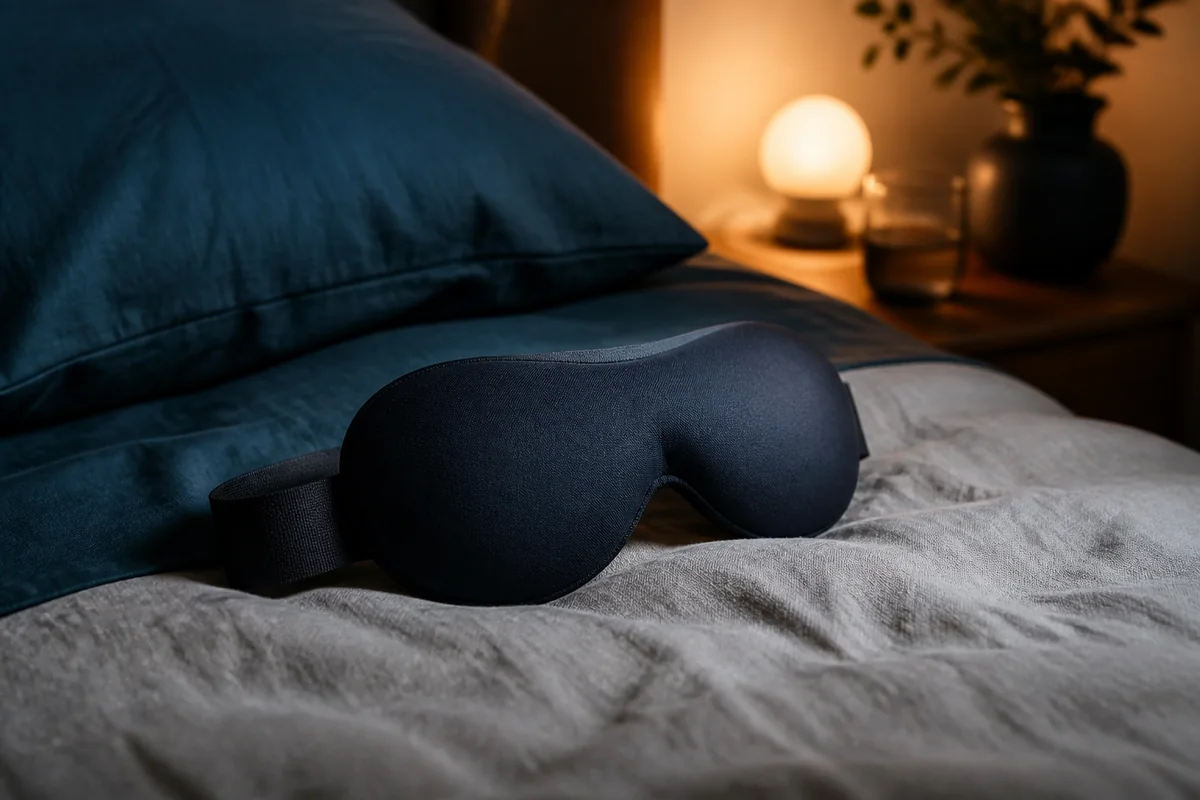
Photo via longevitymate.com
Regular daytime movement improves sleep quality too, as long as it is not too close to bedtime. Short stress breaks during the day — a few slow breaths, five minutes of journaling, a walk around the block — keep cortisol from building up to a bedtime peak. Eating a light dinner a few hours before sleep also helps, since a full stomach keeps the body working when it should be resting. A gentle evening routine can even include small pleasures, like choosing tomorrow’s outfit or trying a simple manicure from Simple Nail Ideas with a Sheer Look, as long as screens stay out of it.
When to Talk to a Healthcare Professional
If you have followed a consistent routine for several weeks and still struggle to fall asleep or stay asleep, it is time to seek professional advice. Persistent sleep difficulties can signal conditions such as sleep apnea, restless leg syndrome, or anxiety that benefits from treatment rather than willpower.

Photo via 1001-lead.agency
Always consult a doctor before starting any supplement or over-the-counter sleep aid, since these can interact with medications or mask an underlying problem. And if poor sleep is affecting your mood, energy, or daily functioning, do not wait it out — a short conversation with a professional can save months of tired days. A weekly planning habit helps too: the Sunday Reset Checklist for Home and Body is a good place to build in the small daytime habits that make nights easier.
Frequently Asked Questions
How long does it take for a new sleep routine to work?
Most people notice real improvements after several weeks of consistent practice. The internal clock adjusts gradually, so the first few nights may feel unchanged. Stick with the same bedtime and wind-down sequence even when progress feels slow.
Can napping during the day hurt my night sleep?
Yes, if naps are long or late. A short nap of twenty to thirty minutes in the early afternoon is usually fine, but a long or late-afternoon nap can make it harder to fall asleep at night.
Is reading on my phone in bed okay?
No — even reading exposes you to blue light, which suppresses melatonin. A physical book or an e-reader without a backlight is a much better choice for the last hour before bed.
What should I do if I wake up in the middle of the night?
Stay calm and avoid checking the time or your phone. If you are awake for more than about twenty minutes, get up, do something quiet and boring in dim light, and return to bed when you feel drowsy again.
How can I stop my mind from racing at night?
Try writing tomorrow’s to-do list before bed so the brain can let go of it, then use a calming activity such as reading, gentle stretching, or slow breathing. If racing thoughts persist for weeks, it is worth discussing with a healthcare professional.
Final Thoughts
Better sleep rarely comes from one big change. It comes from a small set of cues repeated every night: the same bedtime, the screens put away, the room cool and dark, and a few quiet minutes that belong only to you. Start tonight with one change — a fixed bedtime, or a phone-free last hour — and let the rest of the routine grow around it. Within a few weeks, your body will start doing the work for you, and mornings will feel like the fresh start they are supposed to be. And when the morning finally feels rested, a soft, natural look — from the glow of good sleep to the subtle polish of Natural Nail Designs with a Subtle Glow — comes easily.
Disclaimer: This article is for general informational purposes only and does not constitute medical advice. Sleep difficulties can have many causes, and persistent problems with falling or staying asleep should be discussed with a qualified healthcare professional. Always consult a doctor before starting any new supplement or sleep aid.