Small white bumps under the skin’s surface, most often on the forehead, nose, and chin, are one of the most common skin complaints — and one of the most misunderstood. Whiteheads, known as closed comedones, form when a pore becomes completely blocked by oil and dead skin cells. They are not a sign of dirty skin, and scrubbing harder will not remove them. What works is a gentle, consistent routine built around ingredients that keep pores clear.
This guide explains the difference between whiteheads and blackheads, why pores clog in the first place, which over-the-counter treatments actually help, and the daily habits that prevent new ones from forming. It fits naturally into a simple morning routine like the Glowing Skin Morning Skincare Routine, where gentle cleansing and daily sunscreen already do much of the preventive work.
Key Takeaways
- Whiteheads are closed comedones; blackheads are open comedones whose trapped material oxidizes and darkens.
- Salicylic acid (BHA) is oil-soluble, so it can get inside pores to dissolve sebum and dead skin.
- Consistent treatment usually shows results in 4 to 8 weeks — patience is part of the treatment.
- Never pick or squeeze whiteheads; it risks inflammation, infection, and scarring.
- Use non-comedogenic products and daily sunscreen, especially when using retinoids or acids.
What Whiteheads and Blackheads Actually Are
Both whiteheads and blackheads start the same way: a hair follicle — a pore — becomes clogged with sebum (skin oil) and dead skin cells that have not shed properly. The difference is what happens at the surface. In a whitehead, the pore opening is blocked by a thin layer of skin cells, trapping everything beneath the surface as a small, white bump. In a blackhead, the pore stays open, so the trapped material is exposed to air and oxidizes, turning dark. The dark color is oxidized oil, not dirt.
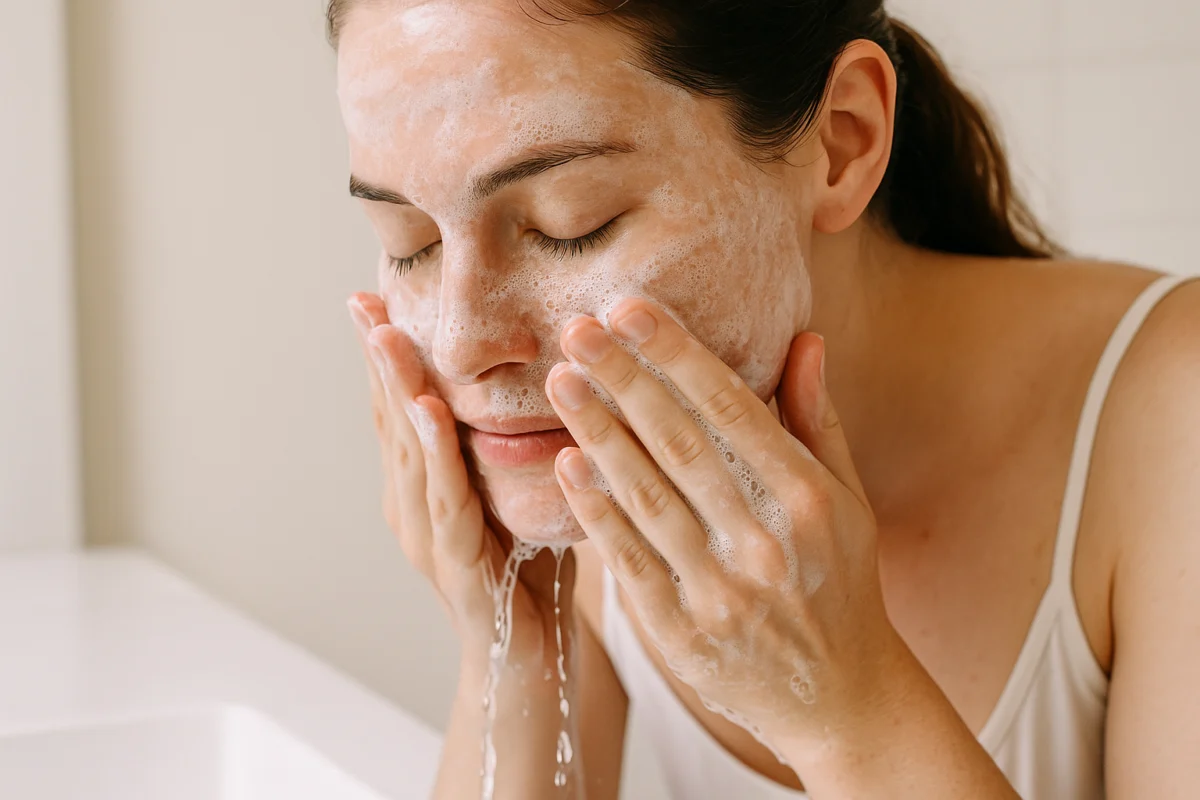
Photo via dermatologie.com.mx
Both are non-inflammatory forms of acne, which means they are not red, swollen, or painful like a pimple. They respond best to slightly different approaches, but the foundations — gentle cleansing, chemical exfoliation, and non-comedogenic products — are the same for both.
Why Pores Get Clogged
Excess Oil and Slow Shedding
Skin constantly produces sebum and sheds dead cells. When oil production is high or shedding is slow, the two mix inside the pore and form a plug. This is why whiteheads cluster in the T-zone — forehead, nose, and chin — where oil glands are most active. Heavy, oily, or pore-clogging products can add to the problem, which is why checking labels for “non-comedogenic” matters.
Hormones, Genetics, and Other Triggers
Hormonal fluctuations can increase oil production, which is why breakouts often follow a cycle or appear during periods of stress, puberty, pregnancy, or medication changes. Genetics plays a role too: some people simply produce more oil or shed skin more slowly. Diet is sometimes mentioned — high-glycemic foods and dairy appear to influence acne in some individuals — but the evidence is mixed, and diet alone is rarely the whole story.
Treatments That Work
Three over-the-counter ingredients do most of the heavy lifting against whiteheads. Start with one, use it consistently, and add others slowly if needed.
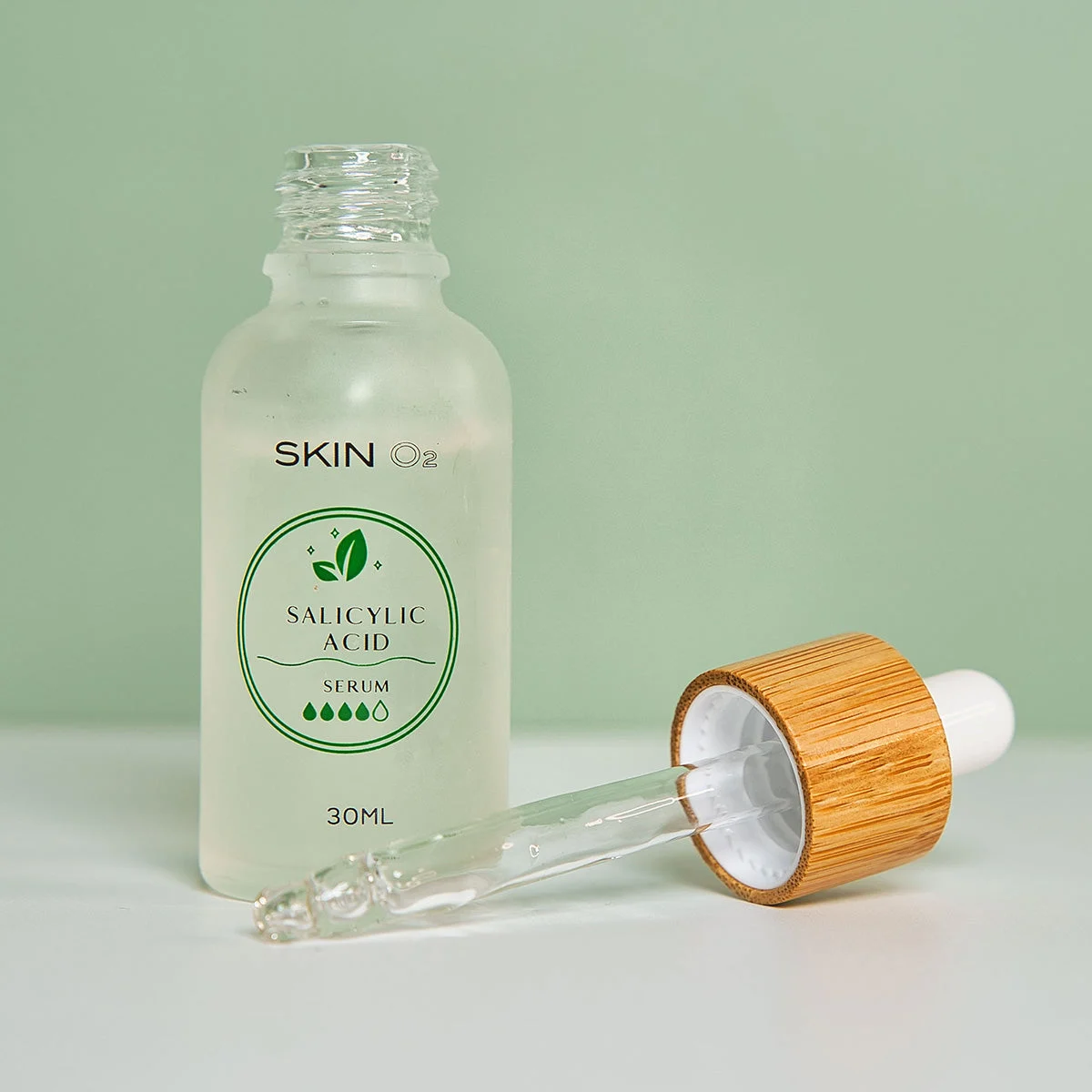
Photo via almuhja.com
Salicylic Acid (BHA)
Salicylic acid is a beta-hydroxy acid that is oil-soluble, which means it can penetrate into the pore itself to exfoliate dead cells and dissolve excess sebum. It is the most directly useful ingredient for both whiteheads and blackheads. Start with a salicylic acid cleanser or leave-on serum two to three times a week, then increase frequency as your skin tolerates it. For a fuller explanation of how chemical exfoliants compare with physical scrubs, the Exfoliation: Physical vs. Chemical for Skin guide is a useful companion.
Benzoyl Peroxide
Benzoyl peroxide kills acne-causing bacteria and helps shed dead skin cells from the surface. It is useful for comedones and for inflammatory breakouts alike. One practical caution: it can bleach fabric, so apply it to clean, dry skin and let it absorb fully before your face touches a pillowcase or towel.
Retinoids (Retinol and Adapalene)
Retinoids normalize how skin cells turn over inside the follicle, which prevents new clogs from forming and gradually clears existing ones. Start slowly — a pea-sized amount every third night for two weeks, then every other night if no irritation appears. Always use sunscreen in the morning, because retinoids increase sun sensitivity.
Whichever treatment you choose, consistency is what delivers results. Expect visible improvement in four to eight weeks, not four to eight days.
Mistakes That Make Things Worse
Picking or squeezing: tempting as it is, pressing on a whitehead can push the clog deeper, causing inflammation, infection, and permanent scarring. Leave extractions to a professional.
Aggressive scrubbing: scrubbing harder does not clean pores out. It irritates the skin, damages the barrier, and can spread bacteria, making acne worse.
Skipping moisturizer: even oily skin needs hydration. Skipping moisturizer can leave skin dehydrated, which often triggers even more oil production in response.
Layering too many actives at once: combining retinoids, acids, and benzoyl peroxide from day one is a fast route to redness, peeling, and a damaged barrier. Introduce one active at a time.
Ignoring product labels: makeup, sunscreen, and hair products that are not non-comedogenic can clog pores while you are treating them. Check the label on everything that touches your face.
Preventing New Whiteheads
Prevention is mostly the same routine as treatment, kept up after the bumps clear. Stopping usually means the clogs return.
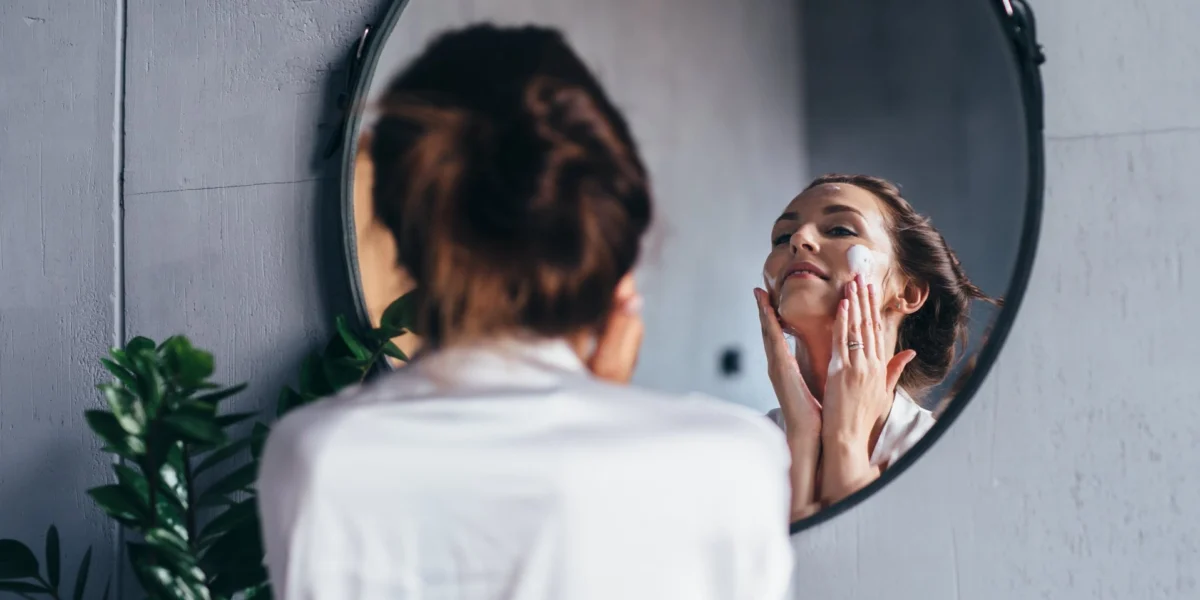
Photo via eucerin.de
- Cleanse gently, twice daily: a mild, non-comedogenic cleanser removes surface oil and impurities without stripping the skin.
- Exfoliate chemically, a few times a week: a salicylic acid serum clears dead cells and oil from inside the pore before a whitehead forms.
- Moisturize daily: a lightweight, oil-free moisturizer maintains hydration and barrier function.
- Wear sunscreen every morning: broad-spectrum SPF 30 or higher protects skin made more sun-sensitive by acids and retinoids.
- Choose non-comedogenic products: check skincare, makeup, and sunscreen labels for the words “non-comedogenic” or “non-acnegenic.”
- Keep hair products off the face: heavy oils and styling products along the hairline can clog forehead pores — a common and often overlooked cause.
Building the routine into a weekly rhythm helps it stick. The Sunday Reset Checklist for Home and Body is a simple moment to review what is working, restock what is running low, and keep the habit going without thinking about it every day.
Timeline, Cost, and When to See a Dermatologist
With consistent over-the-counter treatment, most people see noticeable improvement in four to eight weeks. Maintenance is ongoing: the routine that cleared the whiteheads is usually the routine that keeps them away. Costs are modest — basic cleansers, serums, and creams typically run $10 to $30, with more advanced formulations reaching $50 to $80. Prescription treatments and dermatologist visits cost more, but they are worth it when over-the-counter options have not worked after several weeks of consistent use.

Photo via bii-sg.org
See a dermatologist if whiteheads are persistent, widespread, or painful; if cystic or deeply inflamed breakouts appear alongside them; or if products cause significant irritation. A dermatologist can offer prescription retinoids, oral medications, or in-office procedures such as professional extractions and chemical peels, tailored to your skin type. A simple, steady routine — and a little patience with it — will take most people a long way before that step is needed.
Frequently Asked Questions
Can diet cause whiteheads?
Some research suggests high-glycemic foods and dairy may influence acne in certain individuals, but diet is not a direct cause for everyone. If you notice a pattern, try adjusting one thing at a time and observe — and keep the overall diet balanced, since the nutrients covered in the Vitamins for Women: Essential Nutrients guide support skin health from the inside. For persistent issues, a dermatologist can give personalized advice.
How long does it take for whiteheads to go away?
With consistent over-the-counter treatment, noticeable improvement usually takes four to eight weeks. Ongoing maintenance is often needed to prevent new whiteheads, so the routine should continue after the skin clears.
Are whiteheads a sign of dirty skin?
No. Whiteheads form when pores clog with oil and dead skin cells, which happens regardless of how often you wash. Over-washing can irritate skin and make acne worse, not better.
Can I use natural remedies for whiteheads?
Some natural ingredients, such as tea tree oil or green tea extract, may have mild antibacterial or anti-inflammatory properties, but they are less studied and less reliably effective than proven treatments like salicylic acid or benzoyl peroxide. For best results, stick with clinically tested products.
What is the difference between a whitehead and a pimple?
A whitehead is a closed comedone — a non-inflammatory clogged pore. A pimple is an inflammatory lesion that appears red and swollen because of bacteria and inflammation. A whitehead can develop into a pimple if it becomes irritated or infected, which is one more reason not to squeeze it.
Final Thoughts
Clear skin comes from a gentle, consistent routine, not from force: cleanse twice daily, use a chemical exfoliant like salicylic acid or a retinoid, moisturize, and protect with sunscreen every morning. Give it four to eight weeks before judging the results, and resist the urge to pick, scrub, or stack on actives all at once. Skin rewards patience far more than intensity. And while the routine does its quiet work, a little everyday polish — the soft sheen of Simple Nail Ideas with a Sheer Look or the subtle glow of Natural Nail Designs with a Subtle Glow — is an easy way to feel put-together in the meantime.
Disclaimer: This article is for general informational purposes only and does not constitute medical advice. Acne treatment varies from person to person, and products affect everyone differently. If you have a persistent or serious skin condition, or if a product causes significant irritation, please consult a dermatologist or healthcare professional before starting a new skincare routine.