Waking up tired, dragging through the afternoon, and falling asleep on the sofa before dinner — if that sounds familiar, you are far from alone. Feeling tired all the time is one of the most common complaints women bring to their doctors, and it rarely has a single cause. More often it is a mix of sleep, stress, food, hormones, and the sheer mental load of holding everything together.
This guide looks at the everyday causes of fatigue, the medical checks that are worth making, and the gentle self-care habits that genuinely restore energy — without expensive supplements or punishing routines. A good place to start is a weekly reset, like the one in Sunday Reset Checklist for Home and Body, which builds rest into your week instead of leaving it to chance.
Key Takeaways
- Eight hours in bed does not equal eight hours of restorative sleep — quality matters more than quantity.
- Iron deficiency, thyroid issues, and vitamin D or B12 gaps are common, correctable causes of fatigue in women.
- Chronic stress and the mental load drain energy physically, not just emotionally.
- Regular meals, gentle daily movement, and less caffeine late in the day help many women feel more energetic within weeks.
- Persistent fatigue lasting more than a few weeks without a clear cause deserves a doctor’s visit and a blood test.
Why Fatigue Is So Common in Women
Women face a combination of factors that make chronic tiredness more common than in men. Hormonal shifts across the menstrual cycle, pregnancy, postpartum, and perimenopause all directly affect energy levels. Iron deficiency, driven largely by menstruation, is dramatically more common in women. On top of the biology, women statistically carry a disproportionate share of household and caregiving labour — the “mental load” of remembering, planning, and coordinating — which creates a specific kind of exhaustion that more sleep alone does not fix. Understanding that fatigue has layers is the first step to addressing it properly, instead of blaming yourself for being tired.
The Everyday Causes of Feeling Tired
Poor Sleep Quality, Not Just Quantity
You can spend eight hours in bed and still wake up exhausted if that sleep is not restorative. Frequent waking, inconsistent bedtimes, and undiagnosed sleep disorders like sleep apnoea — which is underdiagnosed in women because it does not always present with the classic symptoms seen in men — can all mean the sleep you get is not doing its job. Good sleep hygiene is the single most impactful and lowest-cost step for chronic fatigue: a consistent bedtime even on weekends, a dark and cool room, and screens off well before bed.
Chronic Stress and the Mental Load
Ongoing stress keeps cortisol elevated, and while cortisol helps you respond to short-term demands, chronically high levels disrupt sleep, deplete energy reserves, and eventually create a state of persistent exhaustion that rest alone does not resolve. This kind of fatigue often comes with a specific “wired but tired” feeling — exhausted, but unable to properly relax or switch off. Anxiety and low mood drain energy in the same physical way, because biologically, they are the same drain.

Photo via navyprofessional.com
Blood Sugar Ups and Downs
Diets high in refined carbohydrates and sugar cause repeated blood sugar spikes and crashes through the day, and the crash portion of that cycle feels remarkably like fatigue. Regular meals and healthy snacks every three to four hours, built around whole foods, keep energy steadier than one large meal or a day of grazing on sugar. Protein at each meal helps too — the approach in High Protein Diet for Women is built around exactly that kind of steady fuel.
Too Little Movement
When you are tired, exercise feels like the last thing you need. But regular movement makes you feel less tired in the long run, and even one 15-minute walk can give you an energy lift. In a small trial, sedentary young adults with persistent tiredness exercised three times a week for six weeks, and both low and moderate intensity improved their feelings of energy — with the gentler sessions helping tiredness most. A 10–15 minute walk, ideally in daylight, most days is a realistic starting point.
Medical Causes Worth Checking
If you have felt tired for a few weeks and cannot explain why, see a doctor. A blood test can check for several common and correctable causes.
- Iron deficiency anaemia: lack of energy, shortness of breath, noticeable heartbeats, pale skin, and headaches. Heavy periods are a common cause, and it is very common in women of reproductive age.
- Vitamin B12 or folate deficiency: extreme tiredness, pins and needles, a sore red tongue, and mouth ulcers.
- Vitamin D deficiency: low vitamin D is widespread and can contribute to fatigue, low mood, and muscle aches.
- Underactive thyroid: tiredness, weight gain, feeling cold, dry skin, and hair thinning are hallmark symptoms.
- Diabetes: feeling very tired, very thirsty, peeing more often, and losing weight without trying.
The nutrients involved are covered in Vitamins for Women: Essential Nutrients, but a deficiency needs a blood test to confirm — guessing and supplementing blindly can miss the real cause or mask it.

Photo via go-fit.es
Gentle Self-Care That Restores Energy
Self-care for fatigue is not about adding a long list of new tasks to an already full day. It is about small, repeatable habits that protect your energy instead of spending it.
Protect Your Sleep Window
Go to bed and get up at the same time every day, and aim for seven or more hours. Keep the bedroom dark, cool, and quiet. Avoid caffeine after mid-afternoon and heavy exercise close to bedtime. If your mind races at night, a short wind-down — a warm bath, a few pages of a book, a cup of herbal tea — signals to your body that rest is coming.
Eat for Steady Energy
Focus on whole foods: leafy greens, lean meats, eggs, beans, whole grains, and nuts. Drink plenty of water through the day — dehydration alone can leave you feeling sluggish. Keep regular meal times rather than skipping meals and then crashing.
Move Gently, Daily
Gentle movement like walking, stretching, yoga, or tai chi supports circulation and energy without demanding a hard workout. The goal is regularity, not intensity. Ten minutes counts, and it counts more than a heroic session you never repeat.
Make Room for Real Rest
Rest is not only sleep. Ten quiet minutes with a cup of tea, a short walk without your phone, or an evening with nothing scheduled are all real rest. Comfortable clothes help you actually relax into it — the easy layers in Blue Sweatpants Outfit Ideas for Cozy Comfort and Fleece Outfit Ideas for Cozy Comfort are made for exactly those slow evenings, as are the soft layers in Grey Sweatpants Outfit Ideas for Cozy Chills.
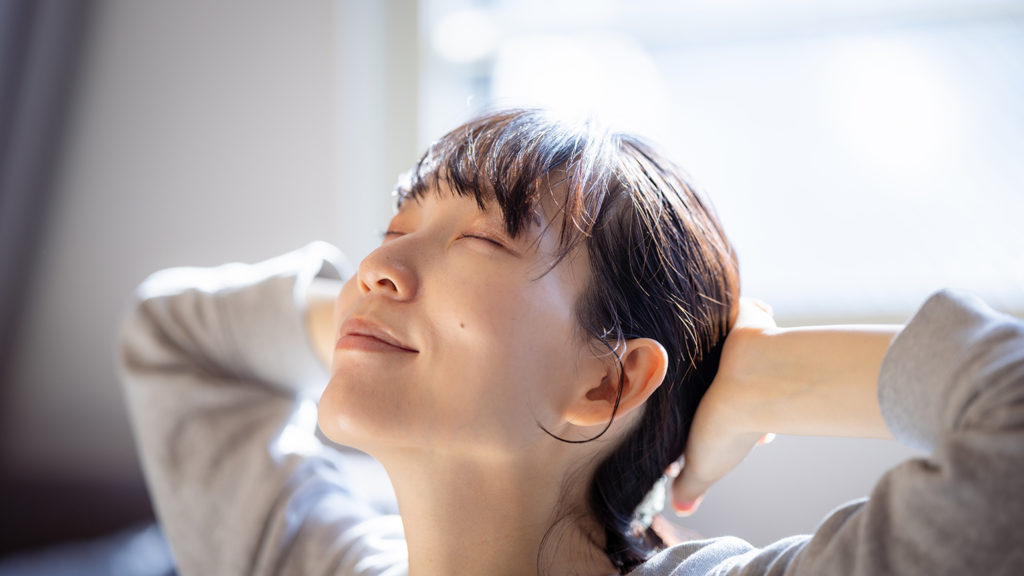
Photo via abide.com
A Simple Two-Week Energy Plan
Rather than changing everything at once, try one small shift per week and notice what changes.
- Week one — sleep and water: set a fixed bedtime and wake time, keep a water bottle nearby, and cut caffeine after 2 p.m.
- Week two — food and movement: eat regular meals with protein at each one, and add a 10–15 minute daylight walk most days.
- Throughout: note your energy in the morning and afternoon. Patterns usually show up within days — a 3 p.m. crash, a better morning after an earlier bedtime.
- After two weeks: keep what helped, drop what did not, and if nothing has shifted, book the doctor’s appointment and ask for the blood tests listed above.
When to See a Doctor
See a doctor if you have felt tired for a few weeks and are not sure why, if tiredness affects your daily life, or if it comes with other symptoms such as weight loss, mood changes, hair loss, or feeling cold all the time. In about a third of cases there is no single apparent reason, and some people do not receive a specific diagnosis — but ruling out the treatable causes is always worth doing. Fatigue that comes with chest pain, breathlessness, or thoughts of harming yourself needs urgent medical attention.

Photo via sunlighten.com
Frequently Asked Questions
Why am I tired even after 8 hours of sleep?
Eight hours in bed does not guarantee restorative sleep. Frequent waking, inconsistent sleep times, stress, or an undiagnosed sleep disorder like sleep apnoea can all mean your sleep is not doing its job. Sleep quality matters as much as quantity.
Can low iron make you tired all the time?
Yes. Iron deficiency is one of the most common and most frequently missed causes of persistent fatigue in women, particularly those with heavy periods. Iron carries oxygen to your tissues, and low levels leave your brain and muscles under-fuelled. A simple blood test can confirm it, and it is often straightforward to correct.
Does exercise help or worsen fatigue?
Regular gentle exercise helps in the long run, even though it feels counterintuitive when you are tired. Research shows that even low-intensity exercise three times a week improves feelings of energy. Start with a short daily walk and build from there — intensity matters far less than regularity.
How long should I try lifestyle changes before seeing a doctor?
If fatigue has lasted more than a few weeks without a clear cause, or it is affecting your daily life, see a doctor rather than waiting. Lifestyle changes and a medical check can happen at the same time — one does not need to come before the other.
Can stress really cause physical tiredness?
Yes. Chronic stress keeps cortisol elevated, disrupts sleep, and depletes energy reserves, creating a physical exhaustion that feels identical to being physically tired — because biologically, it is. Stress management is not a luxury add-on; it is part of treating fatigue.
Final Thoughts
Feeling tired all the time is not a personal failure, and it is not something to simply push through. Most fatigue has identifiable causes — sleep quality, stress, food, movement, or a correctable deficiency — and most of them respond to small, steady changes within a few weeks. Start with sleep and water, add regular meals and a daily walk, and get the blood tests if nothing shifts. Your energy is worth protecting, and rest is not the reward for finishing everything. It is part of the work itself.
Disclaimer: This article is for general informational purposes only and does not constitute medical advice. Persistent fatigue can be a symptom of many conditions, some of which need treatment. If you have felt tired for several weeks without a clear cause, or your tiredness affects your daily life, please consult a healthcare professional.