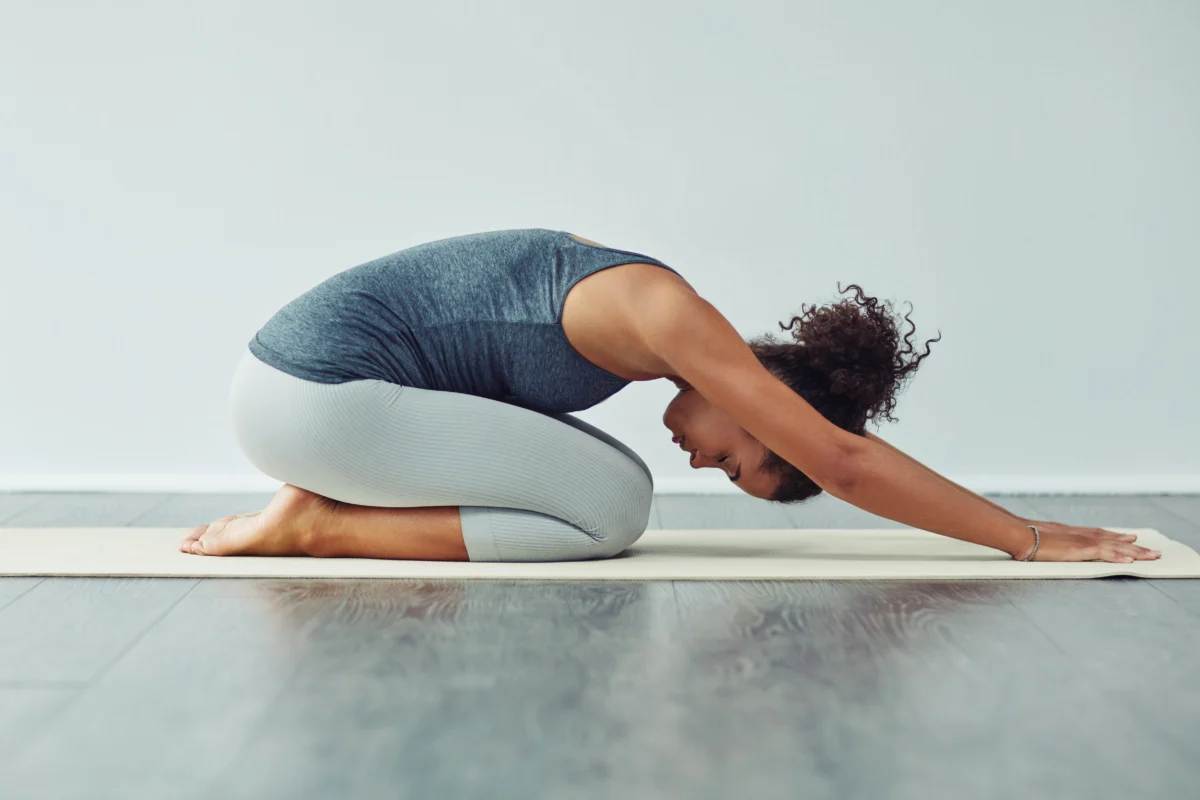
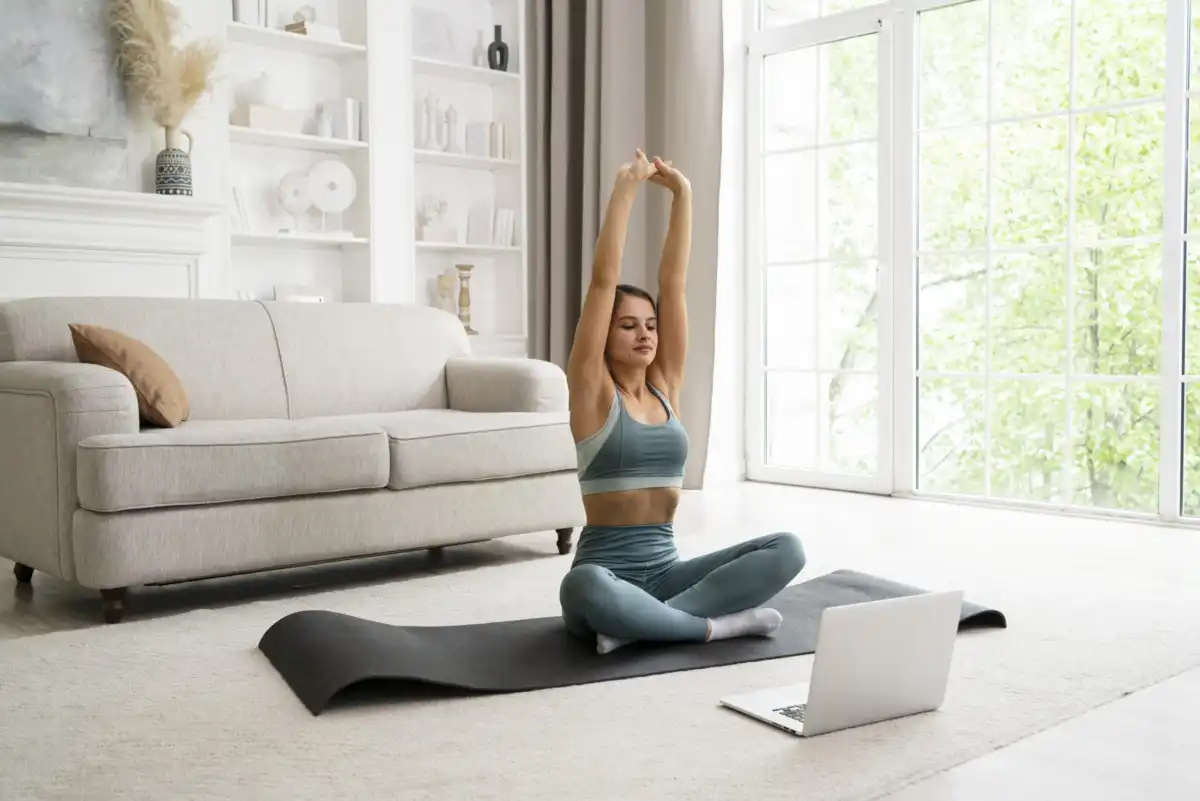
You know the moment: your heart is racing, your thoughts are spiralling, and you just need the chaos to stop. The good news is that you can interrupt that stress response in just a few minutes. Calming down quickly is not about willpower or positive thinking — it is about giving your nervous system a clear signal to settle, using your breath, your senses, and your body.
This guide covers five immediate techniques that work by engaging those signals, explains why each one helps, and shows how a little practice on calm days makes them far more reliable on hard ones. They are tools for acute moments, not a replacement for professional help with chronic anxiety — but for the overwhelmed minutes, they genuinely work. A weekly pause to review your stress patterns, like the one in the Sunday Reset Checklist for Home and Body, helps you spot the triggers before they build.
Key Takeaways
- Slow breathing with a longer exhale — such as 4-7-8 — activates the vagus nerve and calms the nervous system.
- The 5-4-3-2-1 grounding method redirects attention from racing thoughts to the present moment.
- Cold water on the face can trigger the diving reflex and slow your heart rate quickly.
- Brief movement — a short walk or a few stretches — releases pent-up stress hormones.
- Practising two or three go-to methods on calm days makes them easy to recall when you need them most.
What Happens When You Feel Overwhelmed
When stress hits, the body’s fight-or-flight response kicks in: heart rate rises, breathing quickens, muscles tense, and attention narrows to the perceived threat. That response is useful in a genuine emergency, but in everyday overwhelm — a tense email, a crowded train, a difficult conversation — it overshoots. Calming down quickly means activating the opposite branch of the nervous system, the parasympathetic “rest and digest” response, which slows the heart, deepens breathing, and lets the body stand down.
The techniques below all work on that switch. Breathing stimulates the vagus nerve, the main pathway of the parasympathetic system. Sensory grounding pulls the brain’s attention away from internal distress and toward neutral, external stimuli. Movement burns off the stress hormones that keep the alarm ringing. None of them requires equipment or privacy — most can be done at a desk, in a car, or in a bathroom stall.
Five Techniques to Try Right Now
When you feel overwhelmed, pick one of these and give it two or three minutes. Each works by interrupting the stress cycle and shifting the body toward relaxation.
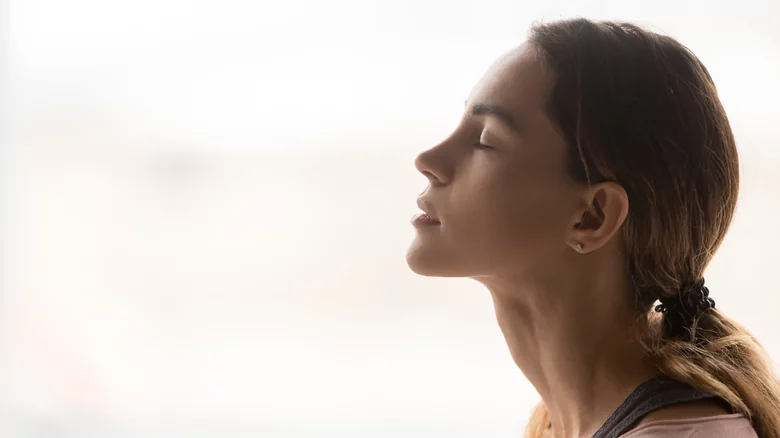
Photo via thelist.com
1. Deep breathing with 4-7-8
Inhale through your nose for four counts, hold your breath for seven counts, then exhale slowly through your mouth for eight counts. Repeat three to four times. The key is the long exhale: making the out-breath longer than the in-breath is what triggers the relaxation response most effectively.
2. The 5-4-3-2-1 grounding method
Engage your five senses to pull attention away from racing thoughts. Name five things you can see, four things you can touch, three things you can hear, two things you can smell, and one thing you can taste. This forces the brain to focus on the present moment rather than the source of distress.
3. Progressive muscle relaxation
Tension in the body mirrors mental stress. Starting from your toes, tense each muscle group for about five seconds, then release completely. Work your way up through the legs, abdomen, chest, arms, and face. The contrast between tension and release helps the body let go of physical tightness.
4. Cold water exposure
Splashing cold water on your face or holding an ice cube can trigger the diving reflex, which slows the heart rate and shifts blood flow. The physiological change can bring a quick sense of calm. Avoid this technique if you have a heart condition or are sensitive to cold.
5. Mindful observation
Pick one object in your line of sight — a candle flame, a plant leaf, a textured surface. For two minutes, notice every detail about it: its colour, shape, texture, and how it catches the light. Anchoring attention on a single neutral object quiets mental chatter surprisingly fast.
Simple Tools That Make Calming Easier
Having a few things on hand makes these techniques easier to reach for in the moment.
- A quiet corner: even a small space where you will not be interrupted helps you focus without distraction.
- Cold water or ice cubes: for the diving reflex, or simply holding an ice cube to ground yourself through sensation.
- A journal and pen: writing down your thoughts for two minutes externalises them and makes them feel more manageable.
- Calming music or nature sounds: slow-tempo music or sounds like rain can lower heart rate and blood pressure.
- A warm drink: the ritual of making and holding a cup of tea slows the pace and gives your hands something to do.
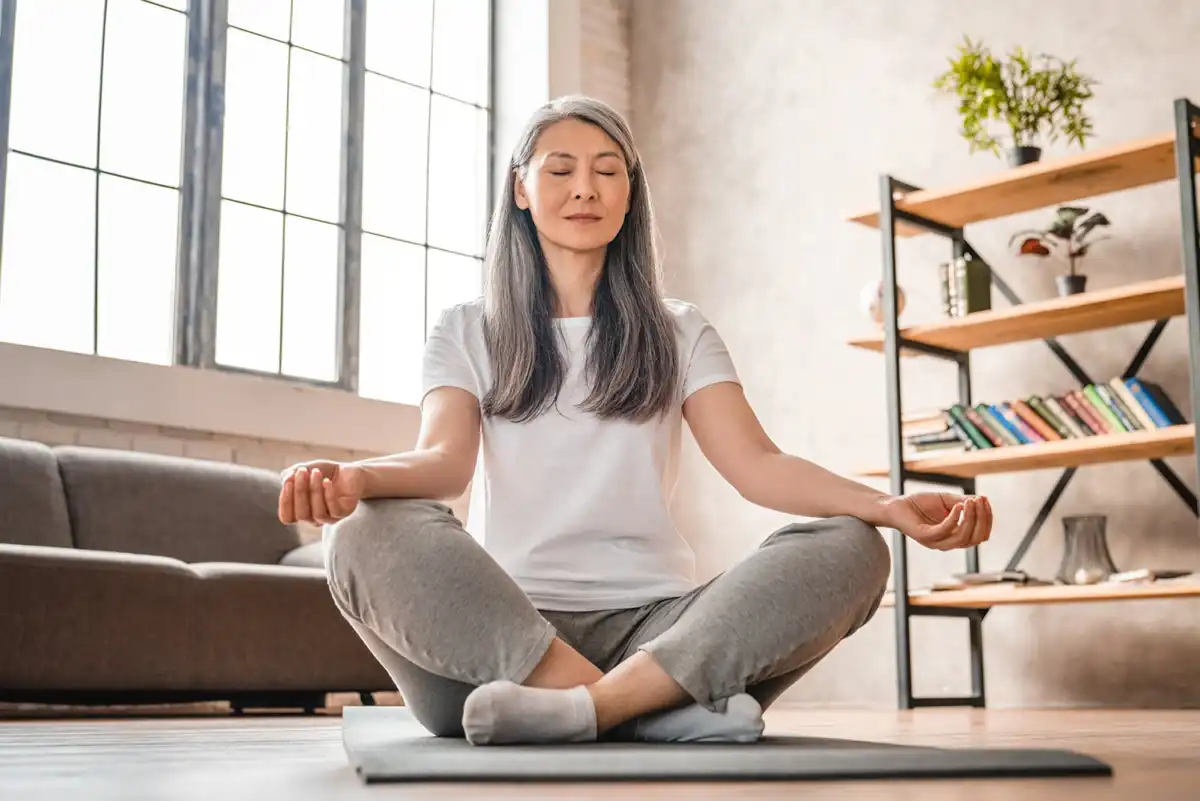
Photo via intunehealth.com
Essential oils such as lavender can also help some people relax, though they should always be diluted and patch-tested first, since some people react to them. The tools matter less than the habit: knowing where your quiet corner is, or keeping a journal nearby, removes friction in the moment you need it most.
Tips for Making These Techniques Work
Practise when you are calm. Using these techniques on low-stress days builds the neural pathways that make them easy to reach under pressure. It is the difference between having a tool and knowing how to use it.
Memorise two or three go-to methods. Have a short list you can recall without thinking — for many people, 4-7-8 breathing and the 5-4-3-2-1 exercise are enough.
Focus on the exhale. In any breathing exercise, make the out-breath slower and more complete than the in-breath. That is the part that signals the body to relax.
Acknowledge the feeling first. Instead of fighting the emotion, name it silently: “I am feeling overwhelmed right now.” Naming reduces the urge to struggle against it.
Move briefly. A few stretches, a short walk, or even rolling your shoulders releases pent-up tension and signals to the brain that the threat has passed.
Calm is also supported by the broader rhythms of the day. A steady morning — the kind built by the Glowing Skin Morning Skincare Routine — and the nutritional basics in Vitamins for Women: Essential Nutrients lower the baseline stress your body carries into each day. Comfort helps too: a soft layer like Turtleneck Outfits for Cozy Fall Days or a small pleasure such as Milky Pink Floral Nail Designs can be a tiny anchor of calm in a hectic week.
Common Mistakes When Trying to Calm Down
Expecting one method to work every time: what calms you during a work deadline may not help after a conflict. Experiment and keep two or three options ready.
Forcing relaxation: demanding that you calm down usually backfires. Approach the practice with gentle curiosity instead of a deadline.
Giving up too fast: if a breathing exercise does not work in thirty seconds, do not abandon it. Consistency across multiple rounds builds the effect.
Only practising when stressed: a technique tried for the first time in a panic will feel foreign. Short daily practice makes it familiar.
Confusing relief with a cure: these tools manage acute moments. They do not resolve chronic stress on their own — that takes rest, boundaries, and sometimes professional support.
Building Calm into Everyday Life
The fastest way to calm down in a crisis is to have practised calm when there was no crisis. A few minutes of breathing or grounding built into your morning or bedtime routine makes the techniques automatic when you need them. Over time, the same habits lower your overall stress baseline, so the overwhelming moments become less frequent and less intense.
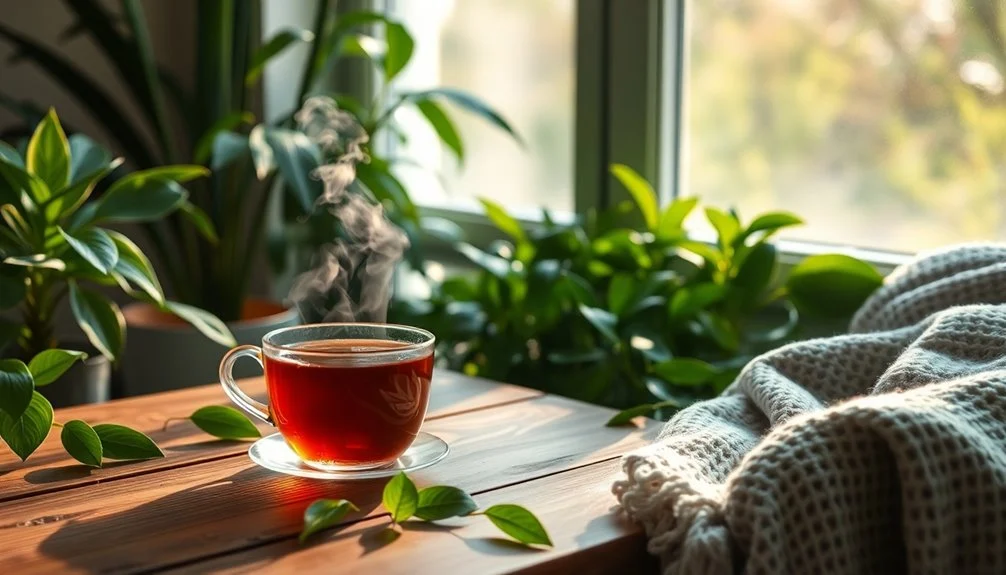
Photo via sallyteacups.org
Small rituals help: a cup of tea without a screen, a short walk after lunch, a few slow breaths before opening your inbox. None of these is dramatic. Together, they train the nervous system to return to calm more quickly — which is the real goal, more than any single technique.
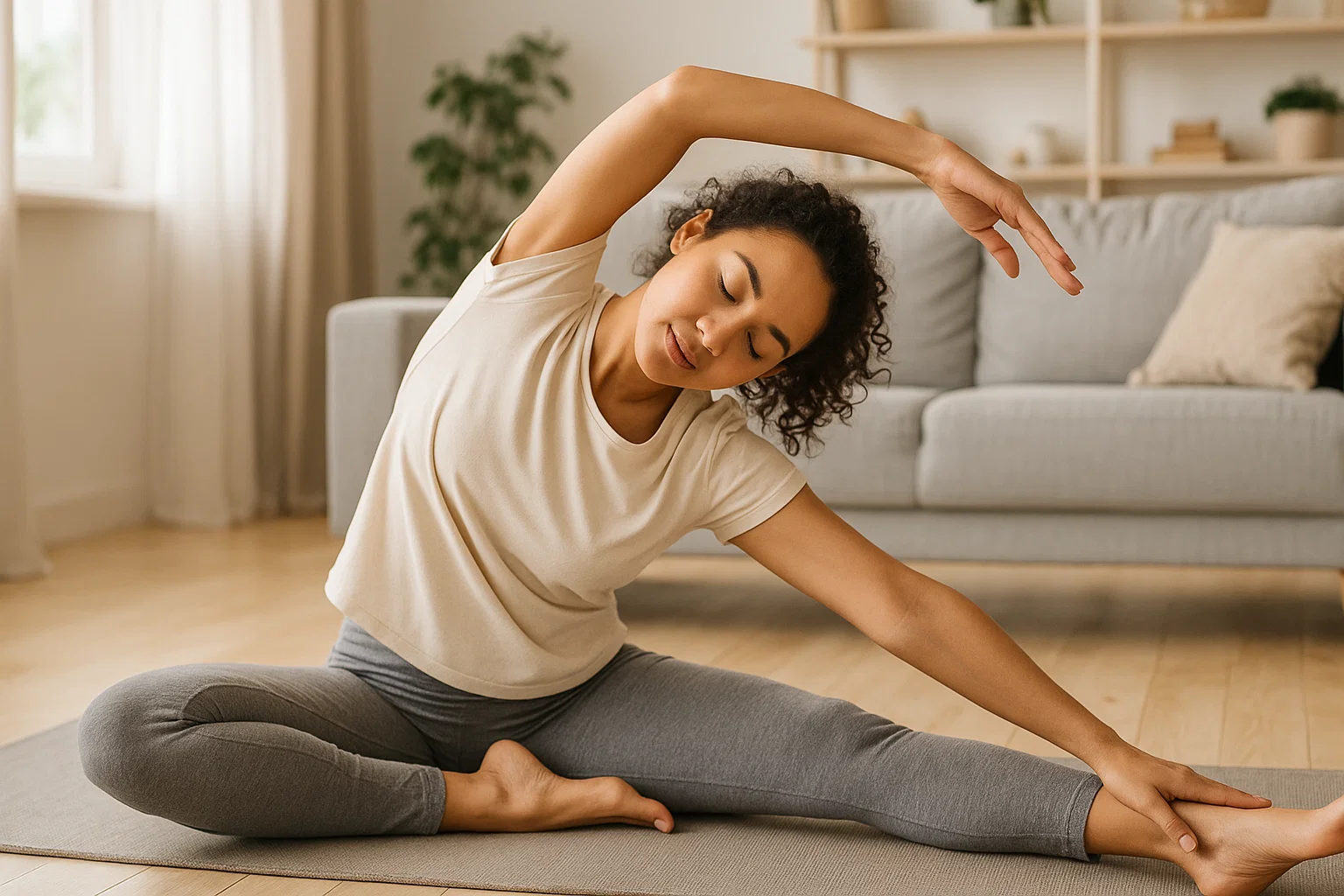
Photo via topteny.com
When to Seek Professional Help
These calming techniques are helpful tools, but they are not a replacement for professional care. If you experience frequent or debilitating panic attacks, or if stress and anxiety significantly interfere with your daily life, work, or relationships, consult a doctor or mental health professional. Seek immediate medical attention if you have chest pain, dizziness, or severe shortness of breath.
Frequently Asked Questions
How long do calming techniques take to work?
Many offer relief within a few minutes, especially deep breathing and cold water exposure. The 4-7-8 breathing method can start shifting your nervous system after just one cycle. Consistent practice when you are calm makes the effects faster and more reliable when you are stressed.
Can I use these techniques during a panic attack?
Yes. These methods can help during a panic attack by interrupting the fight-or-flight response. However, if panic attacks are frequent or debilitating, it is important to see a doctor or mental health professional. These techniques are aids, not a replacement for professional care.
Are there side effects to deep breathing exercises?
For most people, deep breathing is safe. Some may feel lightheaded if they breathe too quickly or forcefully. If you experience chest pain, dizziness, or severe shortness of breath during any technique, stop and seek immediate medical attention.
What if I cannot focus during a grounding exercise?
That is completely normal, especially when you are very stressed. If your mind wanders, gently bring it back to the sensory details without judging yourself. You can also try a shorter version — naming just three things you can see — or switch to a different technique.
How often should I practise calming methods?
Practise regularly, even when you are not distressed, to build what some call nervous system memory. A few minutes daily makes the techniques much easier to use in a crisis. For chronic stress, pairing them with professional support gives the best long-term results.
Final Thoughts
Pick one technique from this guide and practise it on a calm day first. That way, when stress hits, your brain already knows the path. Most methods offer relief within minutes, but consistent practice makes them even more effective over time. Keep these tools handy — and remember that you have the ability to reset your nervous system whenever you need it.
Disclaimer: This article is for general informational purposes only and does not provide medical advice. These techniques are not a substitute for professional mental health care. If you experience frequent panic attacks, chronic anxiety, or symptoms such as chest pain or dizziness, please consult a doctor or qualified mental health professional.