The fine lines fanning out from the outer corners of the eyes are one of the first signs of ageing most people notice. Known as crow’s feet, they appear when you smile or squint, and over time they can settle in even when your face is at rest. They are a normal part of life, and they are also one of the most manageable skin concerns — the skin around the eyes responds well to steady, gentle care.
This guide covers what crow’s feet are, why they form, and the steps that genuinely help: daily sun protection, an eye cream with proven ingredients, a light touch when applying products, and a few everyday habits that protect the delicate eye area. It pairs naturally with a broader morning routine, like the one in Glowing Skin Morning Skincare Routine, which sets up the same cleanse, treat and protect rhythm for the whole face.
Key Takeaways
- Wear broad-spectrum SPF 30 or higher around the eyes every day, even indoors and on cloudy days.
- Choose an eye cream with retinoids, hyaluronic acid, peptides or antioxidants for targeted care.
- Pat eye cream on gently with your ring finger — never rub, tug or pull the delicate skin.
- Sunglasses and a wide-brimmed hat reduce squinting and add a physical layer of sun defence.
- Visible softening of fine lines usually takes 4 to 12 weeks of consistent daily care.
What Are Crow’s Feet?
Crow’s feet are the fine lines and wrinkles that spread outward from the outer corners of the eyes. Dermatologists call them lateral canthal lines. They begin as dynamic wrinkles, visible only when the muscles around the eyes contract during smiling or squinting. With repeated movement, sun exposure and the gradual loss of collagen that comes with age, they can become static lines that stay visible when the face is relaxed.
Three factors make the eye area especially prone to them. First, the skin there is among the thinnest on the body, with fewer oil glands to keep it supple. Second, the eyes move constantly — blinking, smiling, squinting — so the same creases form thousands of times a day. Third, the eye area takes a lot of direct sun, and ultraviolet light breaks down collagen and elastin, the fibres that keep skin firm and springy. Understanding those causes is what makes the care plan below work: each step answers one of them directly.
Sun Protection Comes First
If there is one step that matters more than all the rest, it is sun protection. UV radiation is the single biggest accelerator of the lines around the eyes, and it reaches your skin on cloudy days, through car windows and even indoors near bright windows. A broad-spectrum sunscreen of SPF 30 or higher, applied around the entire orbital bone every morning, is the foundation of crow’s feet care.

Photo via thehuntmagazine.com
Reapply every two hours when you are spending time outside, and choose a formula that does not sting the eyes — mineral sunscreens with zinc oxide are often comfortable around this area. Physical protection matters just as much: sunglasses reduce the squinting that deepens the lines, and a wide-brimmed hat shades the whole eye area. They are easy habits to build into sunny days out, whether that is a walk in the park or a seaside break planned around the ideas in Coastal Outfit Ideas for Beach Vacations.
Choosing the Right Eye Cream
A dedicated eye cream is worth it because the eye area needs lighter textures and lower concentrations of active ingredients than the rest of the face. The ingredient list matters more than the brand name, so look for one or more of the following.
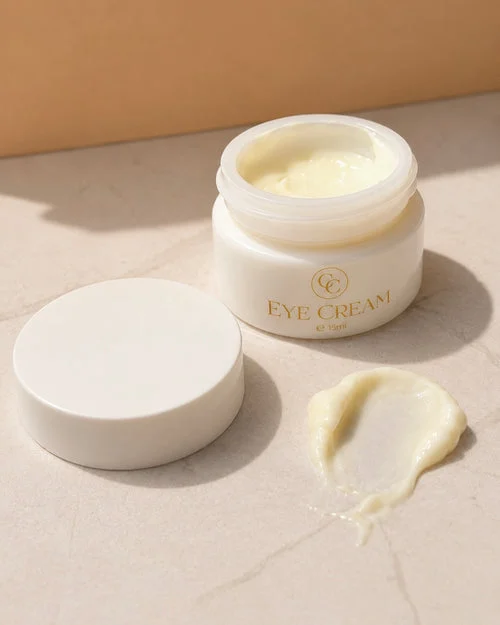
Photo via chrysalia.de
Retinoids for Collagen Support
Retinoids, derived from vitamin A, are the best-studied ingredients for encouraging collagen production and softening existing wrinkles. Eye creams use gentler retinoids, such as retinol at a low concentration, because the skin here is sensitive. Start a few nights a week and build up slowly, and always patch test first.
Hyaluronic Acid for Instant Plumping
Hyaluronic acid is a humectant that draws water into the skin, temporarily plumping it so fine lines look less noticeable. It will not erase wrinkles on its own, but the smoothing effect is immediate and it keeps the delicate eye area comfortable and hydrated.
Antioxidants and Peptides for Defence
Vitamin C and vitamin E help neutralise the free radicals that break down collagen, making them a good daytime partner to sunscreen. Peptides are short chains of amino acids that signal skin to firm up, and they are generally well tolerated even by sensitive eyes. An eye cream that combines an antioxidant with a hydrator covers both protection and comfort in one step.
Applying Eye Cream the Gentle Way
How you apply eye cream matters almost as much as which one you choose. The skin around the eyes is thin and easily stretched, so the goal is the lightest possible touch.
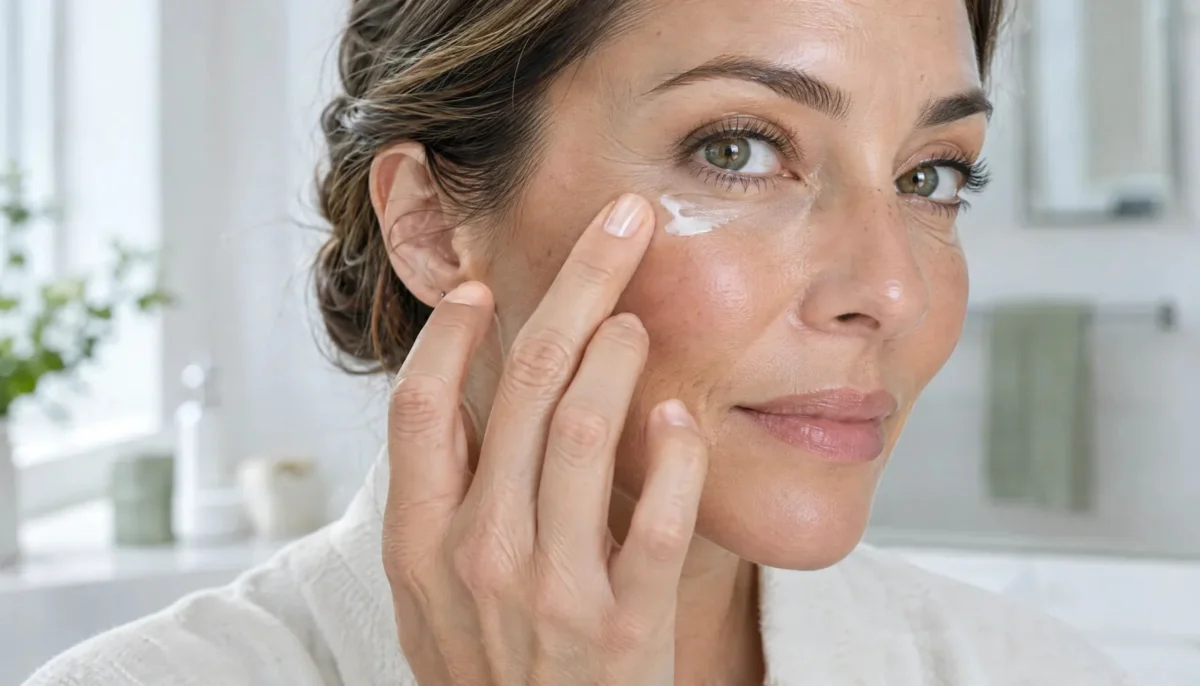
Photo via opanutrition.com
- Use your ring finger: it naturally applies the least pressure of any finger, which is exactly what this area needs.
- Take a pea-sized amount: a small dab is enough for both eyes. More product does not mean more benefit, and excess can migrate into the eyes.
- Dot along the orbital bone: place small dots around the bone that circles the eye, from the inner corner outward.
- Pat, do not rub: gently tap the cream in until it absorbs. Rubbing or dragging stretches the skin and can worsen the very lines you are trying to soften.
- Stay clear of the lash line: applying too close to the lashes can irritate the eyes. The product will travel a short distance on its own as it warms to skin temperature.
Apply eye cream after your serum and before your moisturiser, both morning and night. Consistency beats intensity here — a gentle routine done daily will outperform an expensive cream used now and then.
Everyday Habits That Protect the Eye Area
Skincare products do the visible work, but daily habits set the ceiling for how well they perform. A few small adjustments protect the eye area around the clock.
Sleep, Water and Food
Skin does most of its repair work overnight, so seven to nine hours of quality sleep helps fine lines look less prominent. Drinking water steadily through the day keeps skin plump from within — dehydration makes every line look deeper. A balanced diet rich in colour, with berries, leafy greens, nuts and oily fish, supplies the antioxidants and healthy fats skin needs; the guide to Essential Vitamins for Women is a useful starting point for the nutrients that support skin health.
Be Gentle When Cleansing
Harsh cleansers and scrubs strip the eye area’s natural oils and leave it dry and irritated, which makes lines look worse. Use a mild, hydrating cleanser for the whole face, remove eye makeup with a soft touch rather than scrubbing, and keep exfoliating products away from the eyes entirely. If you exfoliate the rest of your face, the comparison in Physical vs Chemical Exfoliation for Your Skin explains which approach is kinder.
Do Not Smoke
Smoking accelerates skin ageing by breaking down collagen and elastin and reducing blood flow to the skin. It works directly against every other step in this guide, so quitting is one of the most effective changes for the eye area and for skin everywhere.
Building these habits into a calm weekly rhythm helps them stick. A regular reset, like the one in Sunday Reset Checklist for Home and Body, is a good moment to check your products, replace anything that has expired, and set the week up well. Small self-care rituals count too — even a quiet manicure moment with Natural Nail Designs with a Subtle Glow can turn routine care into something you look forward to.
What Results to Expect, and When
Skincare is a slow build, and the eye area is no exception. Hydration-based softening can show within days, but visible improvement in the lines themselves typically takes 4 to 12 weeks of consistent daily use. That timeline is normal. Judge a new eye cream after at least a month of steady use, and change only one product at a time so you know what deserves the credit when something works.
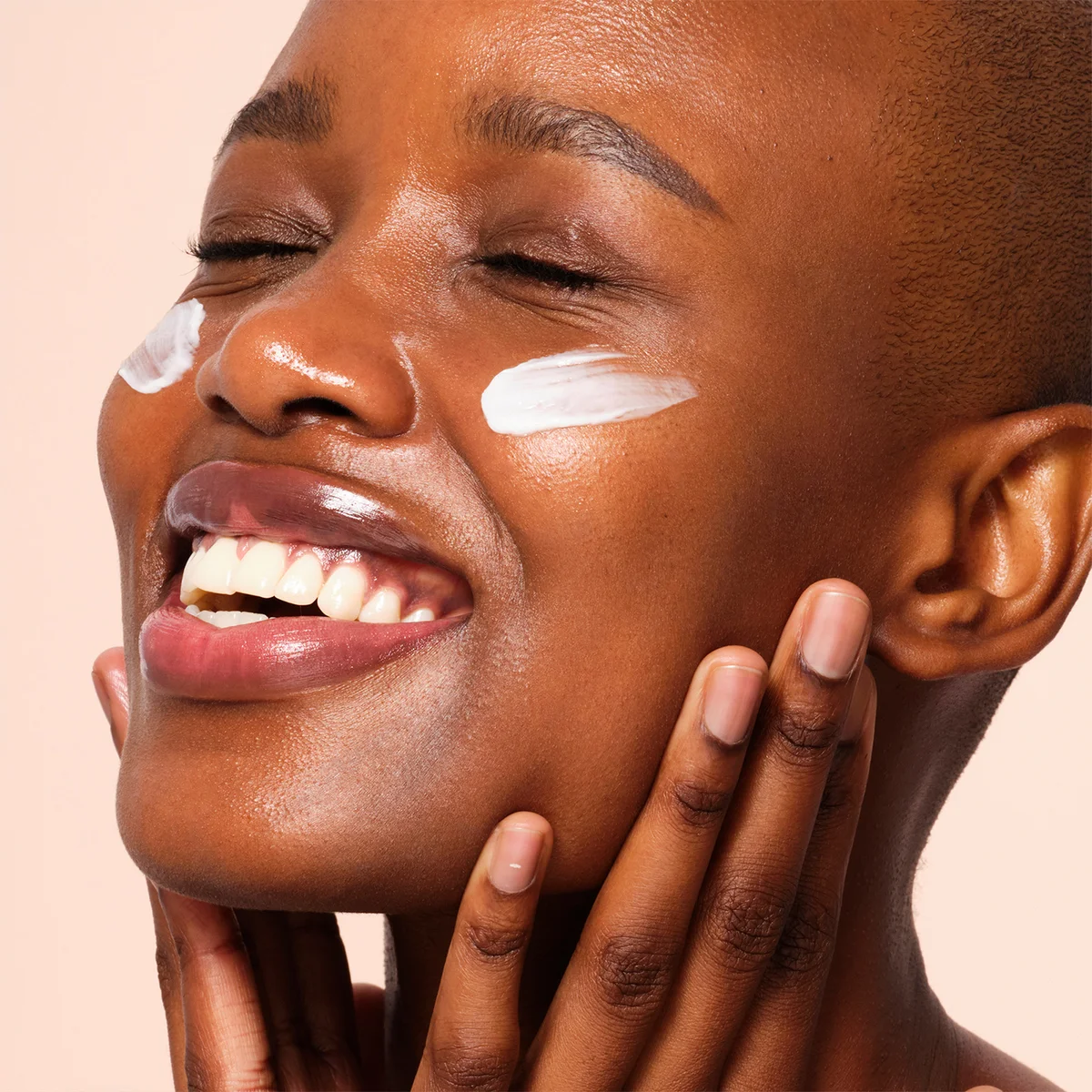
Photo via lookfantastic.com
Cost does not need to be high. An effective routine can be as simple as a gentle cleanser, one well-formulated eye cream and a sunscreen you enjoy wearing. Spend where it shows — usually the eye cream and the sunscreen — and keep the rest of the routine simple.
When to See a Dermatologist
If over-the-counter products are not giving you the results you want for deeper lines, a dermatologist can discuss options such as prescription retinoids, laser treatments or injectables. Persistent irritation, redness, itching, swelling or burning from any eye product is also worth a professional opinion. And any unusual change in the skin around the eyes — a new dark spot, a sore that does not heal, or a mole that changes — deserves a prompt check.
Frequently Asked Questions
Can crow’s feet be completely removed?
No topical product can completely erase crow’s feet. Consistent SPF, a good eye cream and gentle habits can significantly soften their appearance and stop them from deepening. For deeper lines, a dermatologist can offer more advanced options.
Is it okay to use facial moisturiser around the eyes?
It is not ideal. Facial moisturisers are often heavier than the eye area needs and may lack the targeted ingredients, such as retinoids or peptides, that eye creams are formulated with. They can also irritate the eyes if they migrate too close to the lash line.
Do sunglasses really help prevent crow’s feet?
Yes. Sunglasses reduce squinting, which lessens the repetitive muscle contractions that form these lines, and they block UV rays that break down collagen. They protect the eye area in two ways at once.
How long does it take to see results from eye cream?
Visible improvements typically appear within 4 to 12 weeks of consistent daily use. Hydration benefits show sooner, while collagen-related softening takes longer. Continued use is needed to maintain any improvement.
What causes crow’s feet?
They form from a combination of repetitive facial movements like smiling and squinting, sun exposure that breaks down collagen and elastin, and the natural ageing process. The thin, delicate skin around the eyes makes it especially prone to these lines.
Final Thoughts
Caring for crow’s feet comes down to two non-negotiables — daily broad-spectrum SPF and a gentle eye cream with proven ingredients — supported by a light touch and a few protective habits. Start there, give it 4 to 12 weeks before judging the results, and keep the routine short enough to do every day. The skin around your eyes rewards patience and protection far more than it rewards complicated routines.
Disclaimer: This article is for general informational purposes only and does not constitute medical or dermatological advice. Skincare results vary from person to person, and what works for one person may not work for another. If you have a persistent skin concern, irritation, or a medical condition, please consult a dermatologist or healthcare professional before changing your routine.