Full, natural-looking eyebrows frame the whole face — they lift the eyes, balance your features, and can make you look more awake with no other makeup at all. But years of over-plucking, harsh waxing, or simply the passage of time can leave brows thinner than you would like, and growing them back takes more patience than most people expect.
The good news is that fuller brows are usually achievable with a gentler approach: less plucking, smarter grooming, a little daily care, and realistic expectations about the timeline. This guide covers why brows thin out, the habits that help them recover, and how to shape and fill them while they grow. Healthy brows start with healthy skin underneath, and the gentle routine in Glowing Skin Morning Skincare Routine is a good foundation for the whole face.
Key Takeaways
- Stop over-plucking — the single biggest step toward fuller brows is simply leaving them alone.
- Eyebrow hairs grow slowly: allow two to four months before judging regrowth.
- Brush brows daily and trim only the longest hairs; gentle grooming keeps them neat without thinning them.
- Oils and peptide serums can support the appearance of fullness, but results vary and take weeks.
- Shape brows to your own bone structure rather than copying a trend — your natural arch is your best guide.
Why Eyebrows Thin Out
Several things can thin the brows over time. The most common is over-plucking: repeated removal can damage hair follicles, and hairs that have been plucked for years sometimes grow back finer, slower, or not at all. Aggressive waxing and threading can have a similar effect, especially if the same area is treated again and again.
Ageing plays a part too. Like the hair on your head, brow hairs become finer and sparser with age as growth cycles slow down. Hormonal changes, thyroid issues, nutritional deficiencies, and certain medications can also contribute to brow thinning. Stress and harsh skincare — strong exfoliants or retinoids applied right over the brow area — can weaken hairs as well. If your brows have thinned suddenly, or you notice hair loss elsewhere at the same time, it is worth mentioning to a doctor, since it can occasionally signal something that needs attention.
The First Rule: Stop Over-Plucking
The fastest route to fuller brows is counterintuitive: put the tweezers down. Most brow experts recommend a hands-off period of at least six to eight weeks, and ideally two to four months, to let the full growth cycle play out. Eyebrow hairs grow slowly — roughly a third of the speed of scalp hair — and hairs that look like they will never return are often just in a resting phase.
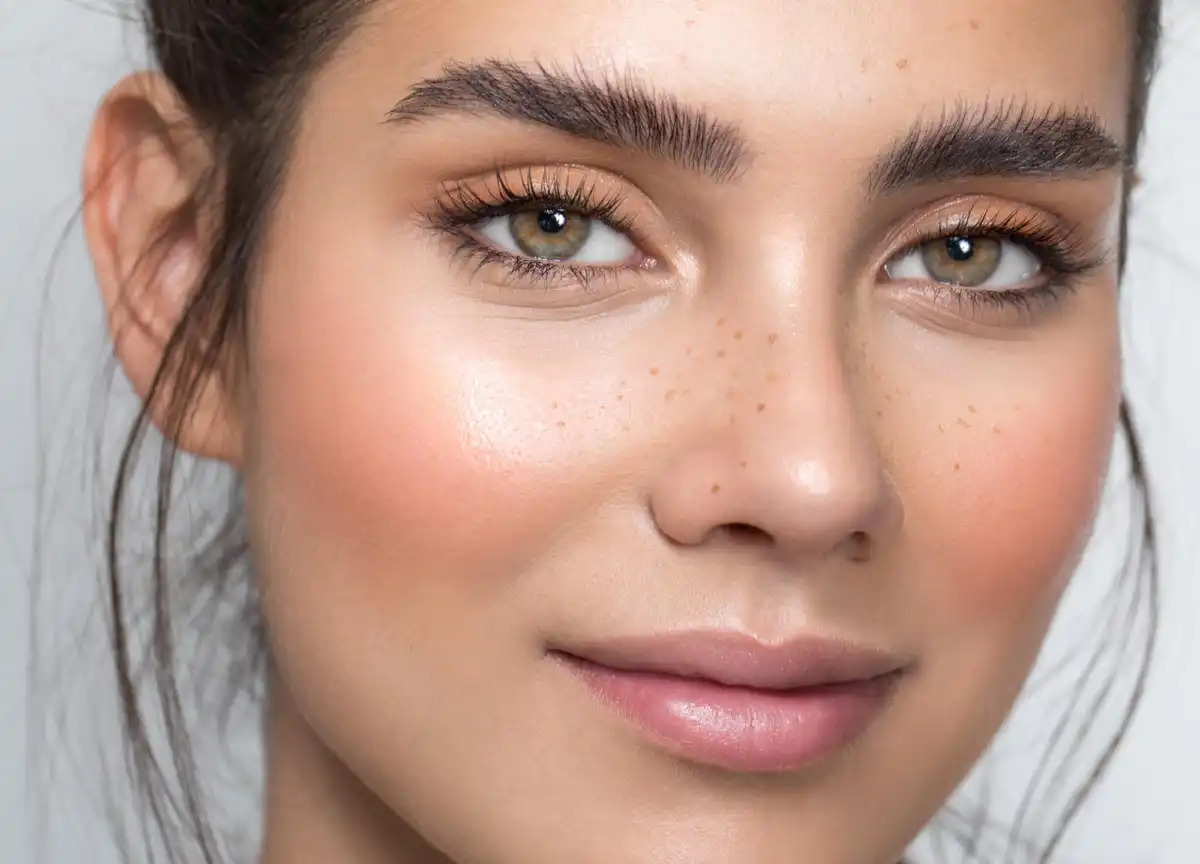
Photo via realself.com
During the grow-out period, resist the urge to clean up strays daily. Tidy only the obvious outliers — hairs growing well below the brow line or between the brows — and leave everything else, even the hairs that seem to be growing in the wrong direction. Those awkward in-between hairs are often the ones that fill in sparse patches. If the untidy phase bothers you, a tinted brow gel can hold hairs in place and make the shape look intentional while you wait.
Grooming Habits for Fuller Brows
Once your brows have had time to recover, gentle grooming keeps them looking neat without undoing your progress. The key word is gentle — every step below is designed to preserve hairs, not remove them.
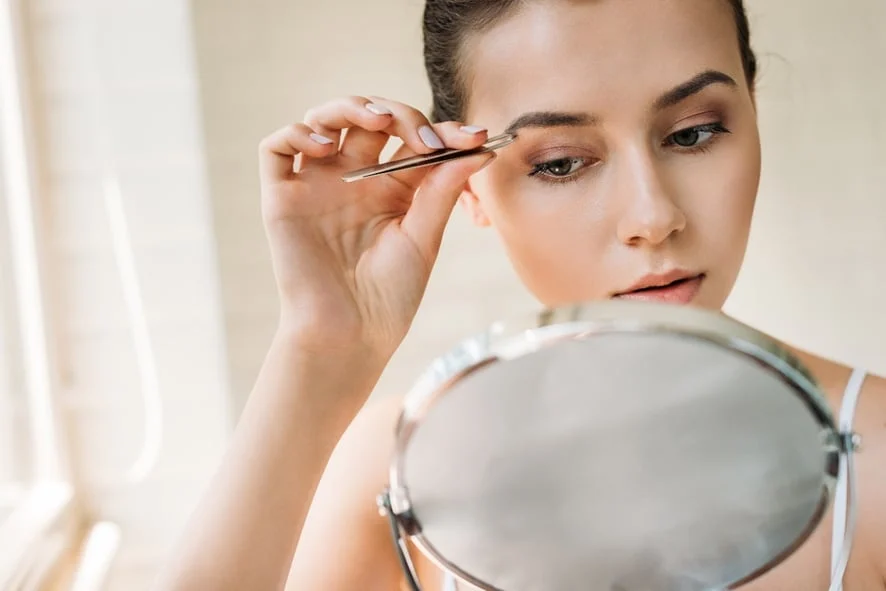
Photo via shibu-cli.com
- Brush daily with a spoolie: brushing brows upward each morning trains hairs into place, exfoliates the skin beneath, and makes brows look instantly fuller. A quick brush before filling in also shows you where the real gaps are.
- Tweeze sparingly, in good light: use a regular mirror, not a magnifying one, which tempts you to remove hairs you cannot even see at a normal distance. Pull one hair at a time, in the direction of growth, and step back often to check the overall shape.
- Trim, don’t pluck, long hairs: brush hairs upward and snip only the tips that extend well beyond the brow line with small scissors. Trimming keeps the shape tidy while keeping every hair in place.
- Be careful with skincare actives: avoid applying strong retinoids, exfoliating acids, or hair-removal creams directly over the brows, since they can weaken hairs or irritate the delicate skin there.
- Keep the area moisturised: healthy skin supports healthy hair. A light moisturiser or a drop of oil smoothed over the brows at night keeps the skin underneath from drying out.
Oils, Serums, and Growth Support
Castor oil is the most popular home option for brows, and many people find that nightly application makes hairs look shinier and healthier, even if the evidence for actual growth is anecdotal. If you try it, use a clean spoolie or cotton bud to apply a small amount, and patch-test first — oils can irritate eyes if they migrate overnight. Coconut oil and olive oil are sometimes used the same way, mainly for conditioning rather than growth.
Peptide-based brow serums are the cosmetic option with the most consistent anecdotal support. They typically promise visible fullness after eight to twelve weeks of nightly use. Results vary widely, and the effect usually fades if you stop using the product — so treat a serum as maintenance, not a one-time fix. Prescription options exist for more significant brow loss, but they require a doctor’s guidance and are not suitable for everyone.
Nutrition plays a supporting role too. Hair is made of protein, and deficiencies in iron, zinc, biotin, or vitamin D can contribute to thinning. A balanced diet with enough protein and a variety of nutrients gives your brows the raw materials they need. If you suspect a deficiency, a blood test is more useful than guessing with supplements.
Shaping Brows That Flatter Your Face
Fuller brows still need a shape — the goal is definition, not a wild tangle. The most flattering shape follows your own bone structure, and a simple three-point map works for most faces.
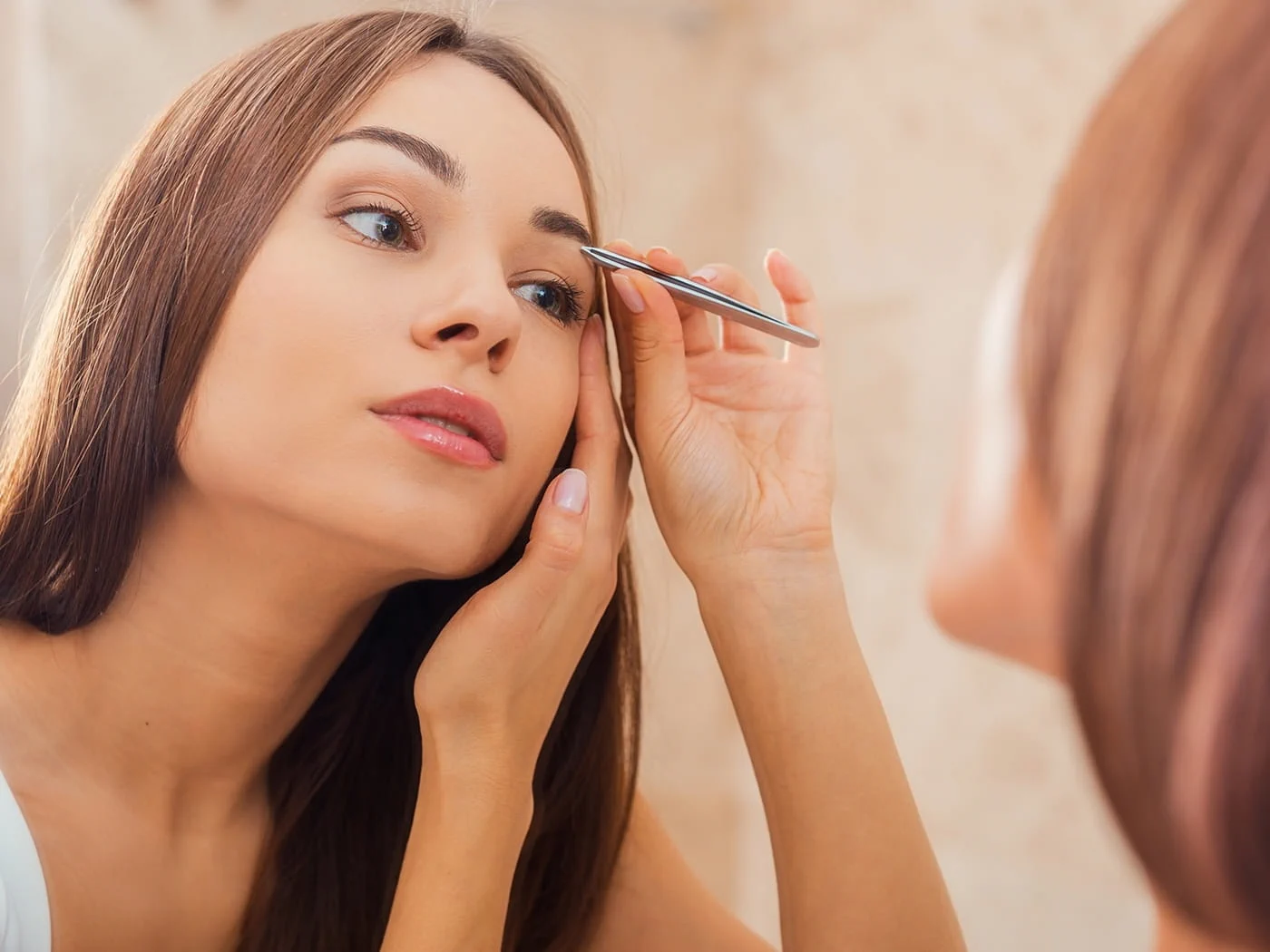
Photo via nivea.sk
- Find the start: hold a pencil vertically from the outer edge of your nostril. Where it crosses your brow bone is where the brow should begin.
- Find the arch: angle the pencil from your nostril through the outer edge of your iris. That point is usually the natural peak of your arch.
- Find the end: angle the pencil from your nostril to the outer corner of your eye. The brow should taper off around there — ending much shorter can make the face look unfinished.
Work with the arch you have rather than forcing a high, dramatic one. A soft, natural arch suits most faces and ages far better than a severe shape. If you are unsure, one professional shaping session — threading or waxing by an experienced brow artist — can set a clean baseline that you then maintain yourself with occasional tweezing. A natural, well-groomed brow pairs beautifully with an understated look overall, from the soft polish of Natural Nail Designs With a Subtle Glow to the clean minimalism of Aesthetic Clean Girl Outfits.
Filling In While They Grow, and When to Get Help
While your brows are growing back, filling them in makes the wait far more comfortable. A fine brow pencil used with short, hair-like strokes in sparse areas looks far more natural than a heavy fill. Follow with a tinted brow gel to add thickness and hold the hairs in place. Choose a shade that matches your brow hair, not your hair colour — going one shade lighter than your brows usually looks softer and more natural than going darker.
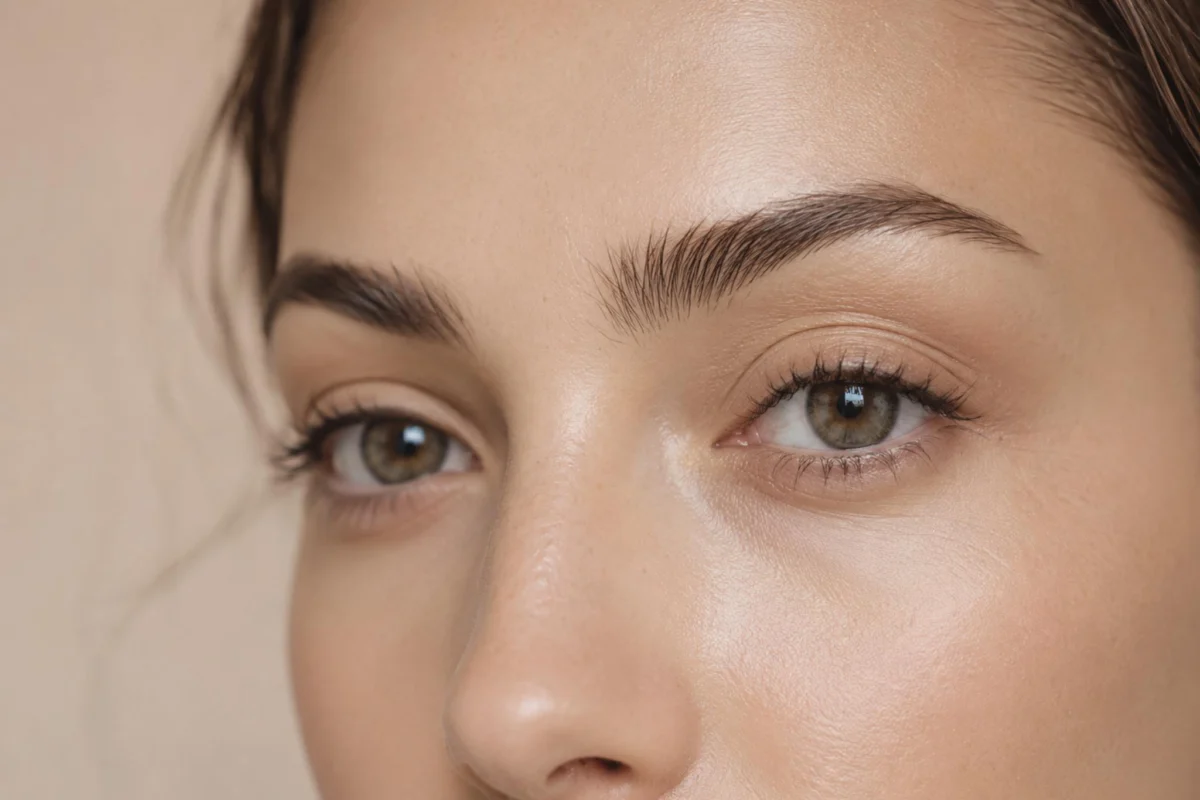
Photo via injectablesbooking.be
If patches refuse to fill in after several months of gentle care, professional options can help. Brow lamination sets hairs in a fuller, brushed-up direction for several weeks. Microblading — a semi-permanent tattoo technique — creates the look of individual hairs and lasts a year or more, but it needs a skilled, reputable artist and a patch test first. Brow tinting is a simpler option that darkens fine, light hairs so brows look denser. Whatever route you choose, research the practitioner carefully and ask to see healed results, not just fresh ones. A polished finish extends to the small details too — a natural manicure such as Simple French Tip Nail Designs in Natural Pink or Simple Pink Nail Colors for a Sheer Natural Manicure keeps the whole look soft and cohesive, and natural texture in the hair, like the styles in Classy Natural Hair Hairstyles, completes an effortless, groomed impression.
Frequently Asked Questions
How long does it take for eyebrows to grow back?
Eyebrow hairs grow slowly, and a full regrowth cycle typically takes two to four months. Hairs that have been over-plucked for years may take longer, and some follicles may not recover fully — which is why patience and gentle care matter more than any quick fix.
Does castor oil really make eyebrows grow?
The evidence is mostly anecdotal. Castor oil conditions the hairs and the skin beneath, which can make brows look healthier and fuller, but there is no strong clinical proof that it speeds growth. It is low-risk for most people if patch-tested first.
Should I pluck, wax, or thread my eyebrows?
For fuller brows, tweezing is the gentlest option because it removes one hair at a time with precision. Waxing and threading remove many hairs at once and are easier to overdo. Whichever method you choose, do it sparingly and maintain the shape yourself between sessions.
Can I fix uneven eyebrows?
Yes — most brows are naturally slightly uneven, and the goal is sisters, not twins. Let both brows grow out, then shape the fuller one first and match the other to it gradually. Filling in with a pencil evens out any remaining differences day to day.
What brow shape suits a round face?
A soft, defined arch usually flatters a round face by adding structure and length. Avoid very flat or very rounded shapes, which can emphasise roundness. Your natural arch is the best starting point — enhance it rather than redrawing it.
Final Thoughts
Fuller eyebrows are mostly a matter of patience and restraint. Put the tweezers down for a few months, brush and trim gently, support growth with good nutrition and a little daily care, and shape what grows to suit your own face. The regrowth phase tests everyone’s patience, but the hairs that come back — and most of them do — reward the wait with brows that look naturally full rather than drawn on. Start today by doing less, and let your brows do the rest.
Disclaimer: This article is for general informational purposes only and does not constitute medical or professional advice. Results vary from person to person. If you experience sudden eyebrow hair loss, patchy loss elsewhere, or skin irritation, please consult a doctor or dermatologist before trying new treatments or products.