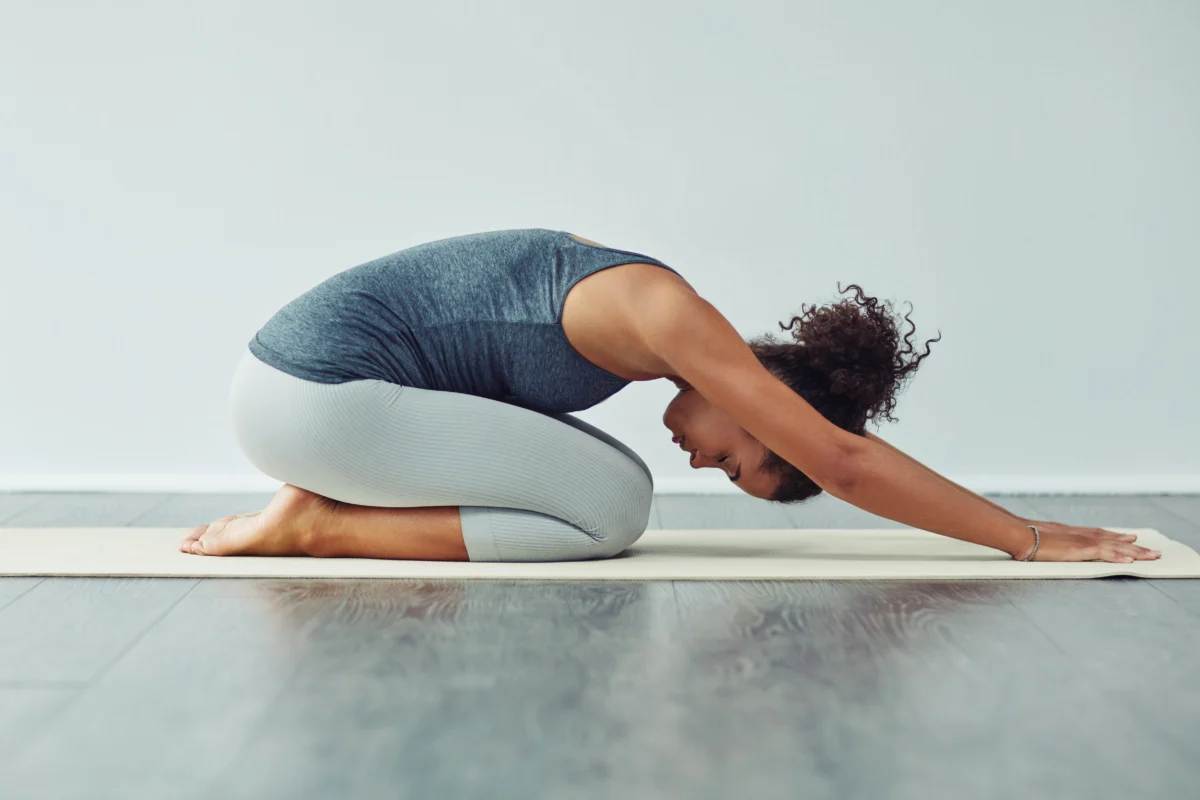
You already have a packed schedule, and the idea of adding meditation to it can feel like one more thing you do not have time for. The good news is that mindfulness does not require extra time. It is about bringing a different kind of attention to the moments you already live — your morning coffee, your walk to the car, the minute before a meeting starts.
This guide covers tiny, doable mindfulness practices you can weave into your busiest days, without sitting on a cushion for an hour. Even one to two minutes at a time, done consistently, can reduce stress and sharpen focus. A calm morning ritual helps set the tone, and a simple step like the one in Glowing Skin Morning Skincare Routine is a natural moment to practise paying attention.
Key Takeaways
- Mindfulness means paying attention to the present moment without judgment — not emptying your mind.
- Start with just one minute of mindful breathing to build the habit.
- Pick one routine activity, like drinking coffee or washing dishes, to practise mindfulness with.
- Use your breath as an anchor to gently return to when your mind wanders.
- Benefits accumulate over weeks and months, so be patient and kind to yourself.
What Mindfulness Is — and What It Is Not
Mindfulness means bringing your full, intentional attention to the present moment without judging what you find. It is not about emptying your mind of thoughts. Instead, you observe thoughts and feelings as they arrive and pass, like clouds moving across the sky. For busy women, even short, consistent practices of one to two minutes can reduce stress and improve focus throughout the day.
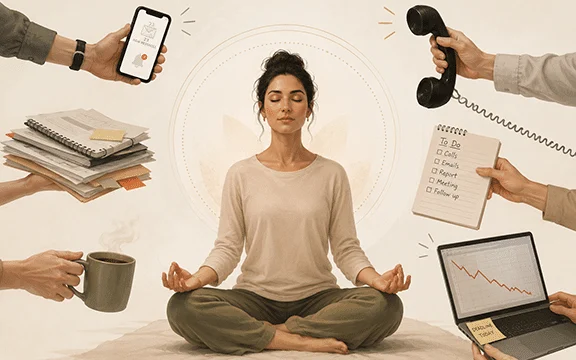
Photo via integralyogamagazine.org
Mindfulness has roots in Buddhist meditation, but today it is practised in a secular way by people around the world. You do not need to follow any religion to practise it, and you do not need a quiet room, special clothes, or an hour of free time. All you need is a moment of attention — which is why it fits a busy life better than most wellness habits. A comfortable outfit helps you feel at ease through a full day, and the relaxed polish of Aesthetic Clean Girl Outfits with a Cream Trench is an easy choice for days that run from morning to night.
How Mindfulness Calms a Busy Mind
The core mechanism is simple: you consciously pay attention to the present moment without judging what you notice. Instead of trying to stop thoughts, you learn to observe them as they arise. Regular practice trains your brain to notice a thought or feeling without automatically reacting to it.

Photo via nutrihealthmagazine.com
That creates a small pause between stimulus and response — and that pause is where emotional regulation improves. Over time, you get better at stepping back from stressful mental patterns rather than being carried away by them. You are not fighting your thoughts; you are watching them from a distance. The effect builds gradually: many people notice a shift in focus or calm within a few weeks of daily practice, with deeper benefits accumulating over months.
Simple Mindfulness Practices for Your Busy Day
You do not need a meditation cushion or a quiet hour. These practices fit into the moments you already have.

Photo via siliconvalleyhypnosiscenter.com
Mindful Breathing (1 Minute)
For one minute, focus on the physical sensations of your breath: the air entering your nostrils, your chest rising, the pause, the exhale. When your mind wanders, gently bring it back to the breath. Do it before a meeting, in the car before you walk in, or while the kettle boils.
Mindful Eating
Pick one meal or snack a day. Notice the colours, smells, and textures of your food. Chew slowly and savour each taste. Put your fork down between bites. Eating mindfully turns a rushed refuel into a genuine pause.
Quick Body Scan (30 Seconds)
Close your eyes for thirty seconds. Bring attention to the top of your head, then slowly move down to your face, shoulders, arms, torso, legs, and feet. Notice any tension or tingling without trying to change it. This is a good reset between tasks.
Mindful Walking
As you walk to your car or down a hallway, focus on the feeling of your feet hitting the ground. Notice the movement of your legs and the air on your skin. Look at the colours and shapes around you. An ordinary walk becomes a short meditation.
Best Tips for Starting Your Mindfulness Journey
- Start with one minute: set a timer for sixty seconds and focus on your breath. That is enough to begin.
- Pick one routine: choose an activity you already do every day, like brushing your teeth or drinking your morning coffee, and do it mindfully.
- Use your breath as an anchor: when your mind wanders — and it will — just notice that and return your attention to your breath without scolding yourself.
- Observe without judgment: notice thoughts and feelings as they come up. Label them gently (“thinking,” “worrying”) and let them go.
- Be patient: this is a practice, not a destination. Some days will feel easier than others. That is normal.
- Weave it in, don’t add it on: do not turn mindfulness into another task on your to-do list. Attach it to what you already do so it feels like a pause, not a chore.
A mindful pause pairs naturally with a mindful moment of self-care — a slow cup of tea, for instance, or a small grooming ritual like the soft manicures in Basic Nail Designs in Milky Pink Floral, enjoyed without rushing.
Common Mindfulness Mistakes to Avoid
Trying to empty your mind: mindfulness is not about having zero thoughts. It is about noticing your thoughts as they come and go without getting caught up in them. Let thoughts drift by like clouds.
Getting frustrated by distractions: your mind will wander, and that is normal. The practice is not about perfect focus but about gently bringing your attention back each time. No judgment needed.
Waiting for the perfect time: you do not need a silent room or a free hour. Short practices during your morning coffee or commute count. Consistency matters more than conditions.
Treating it as a quick fix: mindfulness is not a one-time reset button. Benefits build gradually with regular, even brief, practice over weeks and months.
Comparing your journey: everyone’s experience is different. Focus on your own progress without measuring against others or against what you think it “should” feel like.
Mindfulness at Work and On the Move
Busy days offer more mindfulness opportunities than quiet ones, once you know where to look. The commute is one: instead of scrolling, notice the light, the sounds, the rhythm of the journey. Waiting rooms, queues, and loading screens are others — small gaps that usually fill with impatience and can instead hold a few slow breaths.

Photo via izumitherapy.com
At work, try a one-minute breathing pause before opening your inbox, or a mindful minute between meetings to clear the last conversation before the next one begins. Even washing your hands can be a reset: warm water, the smell of soap, thirty seconds of attention. These micro-practices add up, and they ask nothing of your schedule. A workday built around small pauses feels different from one run entirely on autopilot — and feeling comfortable in your clothes helps too, whether that is the easy professionalism of Classy Casual Work Outfits in Oversized Style or the smart simplicity of Cute Smart Casual Outfits with Lilac Blazers.
When to Consider Professional Support
Mindfulness is generally safe, but consult a healthcare professional before starting intensive practices if you have a severe mental health condition, as mindfulness can sometimes intensify certain experiences. Mindfulness is a complementary tool and should not replace professional medical or psychological treatment. If your practice brings up distressing feelings or makes existing symptoms worse, seek guidance from a qualified therapist or doctor.
Frequently Asked Questions
What is the main goal of mindfulness?
The main goal is to intentionally bring your attention to the present moment without judging what you find. It is not about stopping your thoughts or achieving a blank mind, but about observing your thoughts, feelings, and sensations as they come and go.
Can mindfulness help with anxiety?
Regular mindfulness practice has been associated with reduced stress and symptoms of anxiety. By learning to observe anxious thoughts without getting carried away by them, many people find they can respond more calmly. However, mindfulness is a complementary tool and should not replace professional treatment for a diagnosed anxiety disorder.
How long does it take to see benefits from mindfulness?
Benefits can be noticed with consistent daily practice, even if it is just a few minutes each day. Many people report feeling a shift in focus or calm within a few weeks, but the effects accumulate gradually over months. The key is consistency, not length of practice.
Is mindfulness a religious practice?
Mindfulness originated from Buddhist meditation traditions, but today it is widely practised in a secular way for its mental health benefits. You do not need to follow any religion to practise mindfulness — it is simply a technique for training attention and awareness.
What if I can’t stop my thoughts during mindfulness?
You are not supposed to stop your thoughts. Mindfulness is about noticing your thoughts as they come and go without getting caught up in them. When your mind wanders, simply acknowledge it and gently bring your attention back to your breath or the activity you are focusing on. That act of returning is the practice.
Final Thoughts
Pick one activity you already do every day — your morning coffee, the walk to your car, the minute before bed — and commit to doing it mindfully for one minute. The results will not appear overnight, but with consistent daily practice you may notice a greater sense of calm and focus over the coming weeks. The goal is not perfection; it is simply showing up for the present moment, one tiny practice at a time. A walk is one of the easiest mindful moments of all, and the active meditation ideas in Blue Sweatpants Outfit Ideas for Cozy Comfort make stepping out feel easy.
Disclaimer: This article is for general informational purposes only and does not constitute medical or professional advice. Mindfulness practices are generally safe, but if you have a severe mental health condition, consult a healthcare professional before starting. Do not replace professional medical or psychological treatment with mindfulness.