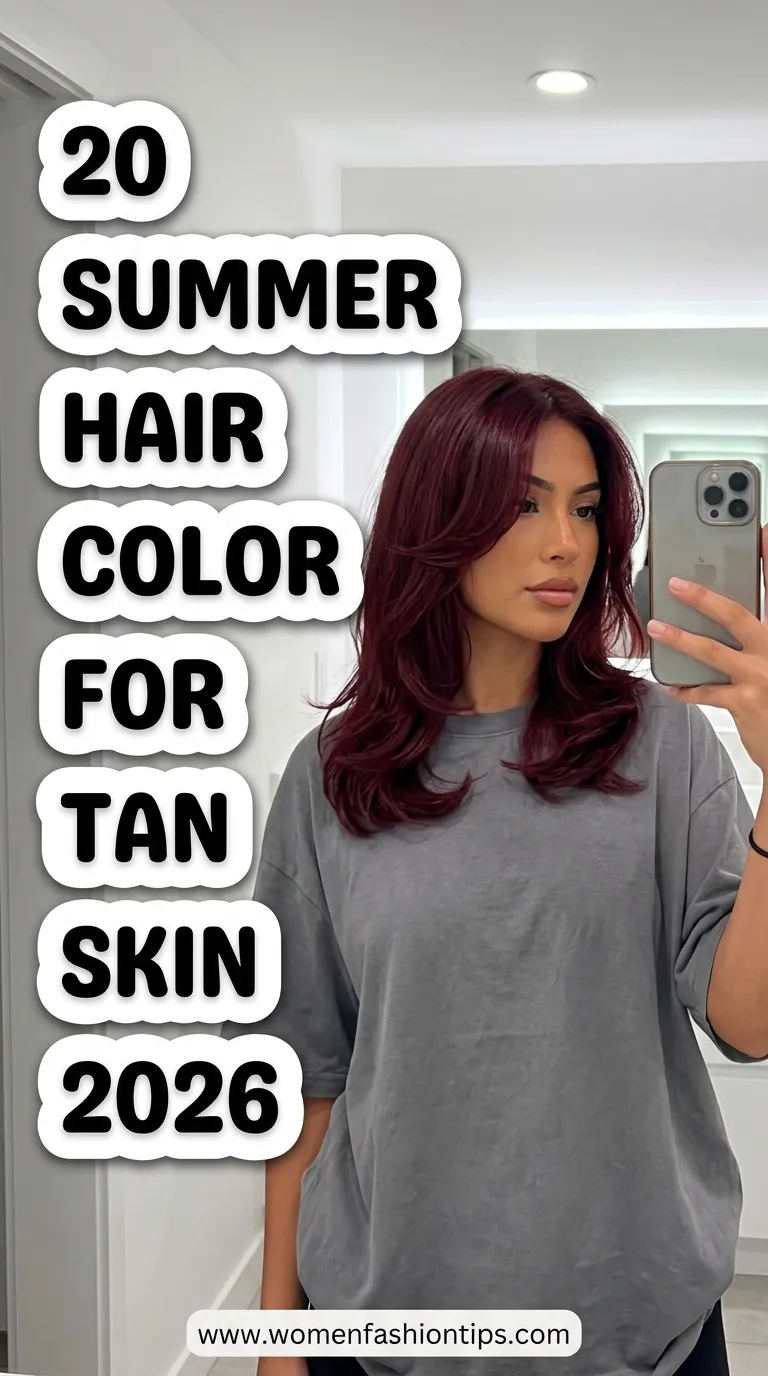
The moment Hailey Bieber stepped out with what colorists are now calling “Oyster Shell Blonde” at Coachella this spring, salon booking apps crashed in three major cities — and honestly, it was deserved. That single photo launched a thousand consultations, but the real story of summer 2026 hair color is bigger than one celebrity moment. From TikTok’s obsession with “Smoked Chai Brunette” (over 280 million views and counting) to the Met Gala’s parade of “Iced Lilac Dip Dyes” and “Merlot Balayage” moments, cool-toned color is having its loudest summer yet. The shift away from generic warm highlights toward intentional, skin-flattering dimension has been building for two years, and this is the season it fully arrives.
This guide covers 20 of the best soft summer hair color for tan skin 2026 options — ranging from the subtlest ash brown ombré to a full-commitment icy lilac dip dye. Whether you have fine, straight hair that needs the illusion of thickness or thick, textured hair that benefits from strategic lightening, there’s a formula here that works. These aren’t flat, single-process looks either; every option is built with dimension, movement, and a specific technique in mind, from foilayage to root melts to hand-painted balayage. The goal is color that makes your tan skin glow cooler and richer, not wash it out.
I’ll be honest — I spent three summers chasing warm caramel highlights that made my tan skin look vaguely jaundiced before a colorist finally told me, “You need cool undertones, not warm ones.” That single appointment changed everything about how I approach summer color, and it’s exactly the kind of specificity I want to give you here.
1. Ash Brown Ombré for Tan Skin
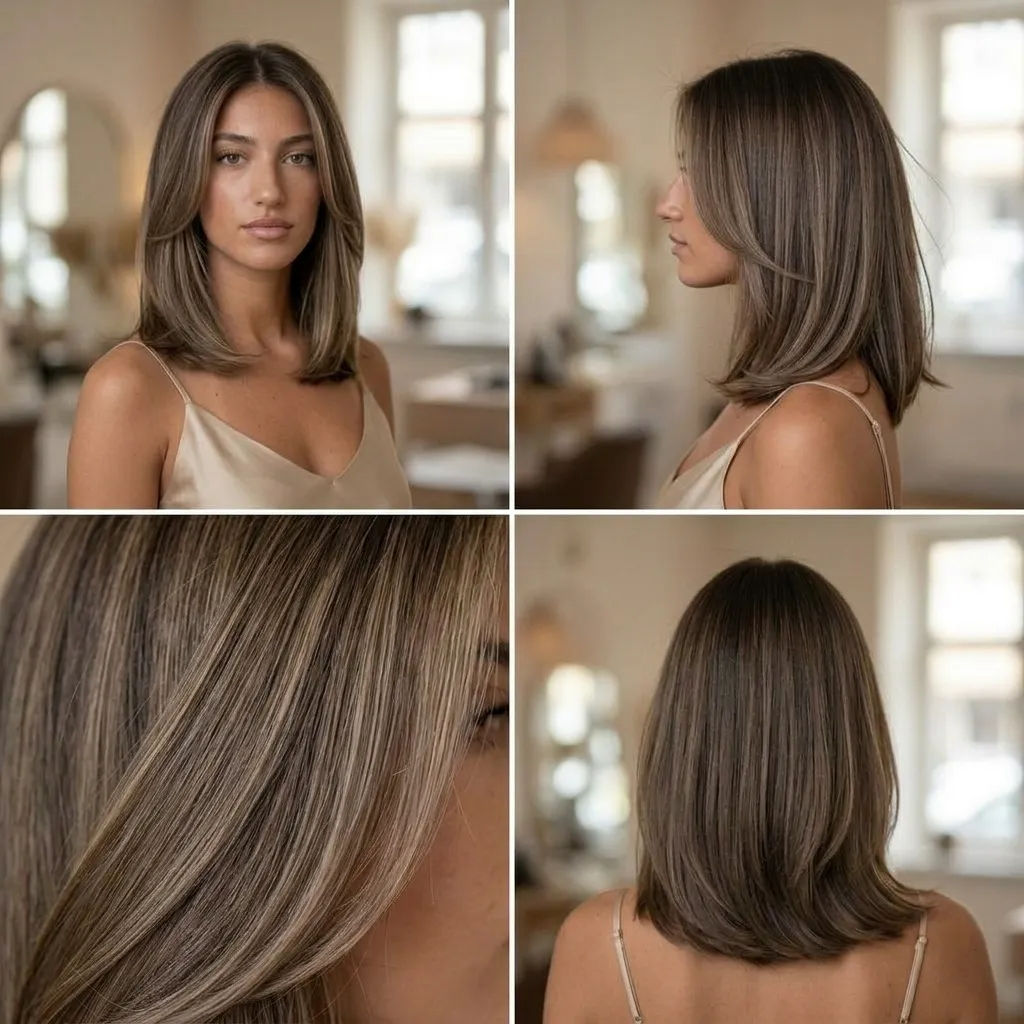
If you’ve been burned by balayage that turns brassy within two weeks, ash brown ombré is the redemption arc your hair deserves. The technique involves a seamless gradient from your natural dark base (typically Level 3-4) into a cool, smoky Level 6-7 ash brown through the mid-lengths and ends — no foils, no harsh lines. What makes this particular shade so flattering on tan skin is the absence of gold or copper undertones; instead, the ashy finish creates a sophisticated contrast that lets warm skin tones do the glowing. Your colorist will likely use a demi-permanent toner with a violet or blue base to neutralize any warmth after lightening (which is the real secret to keeping it cool, not the lift itself).
Expect this ash brown hair tan skin look to hold its tone beautifully for about 8 weeks before needing a gloss refresh — one of the longest-wearing cool shades I’ve tracked. Maintenance is genuinely low: a sulfate-free shampoo and a blue-toning mask every third wash will keep brassiness at bay. The grow-out is practically invisible since the ombré starts well below the root area. Skip this if you’re someone who gravitates toward honey or golden tones — the cool undertone is non-negotiable here. Smoky sophistication, zero effort.
2. Mushroom Brown Balayage for Tan Skin
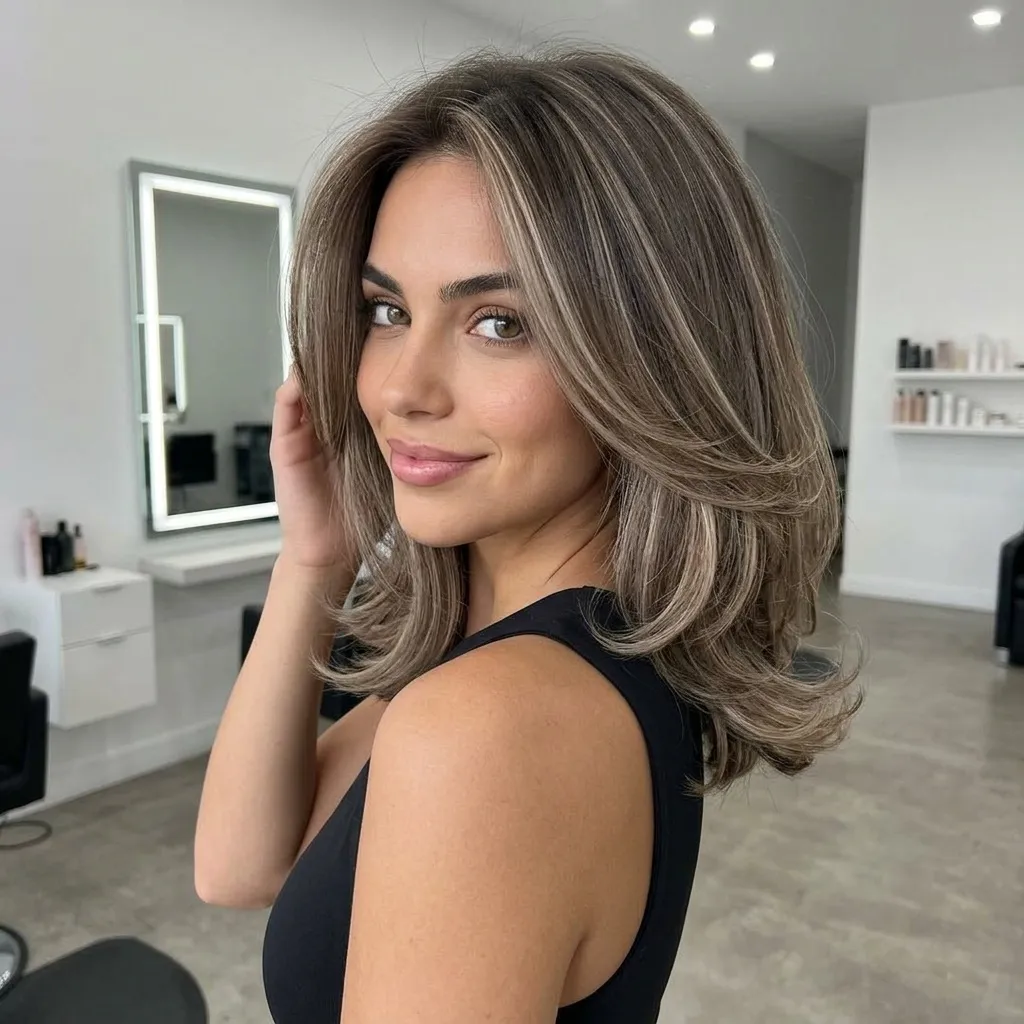
Everyone kept calling mushroom brown “the trend that would die in six months” back in 2023, and here we are in 2026 — it’s still the most-requested brunette shade in every salon I’ve visited this year. The mushroom bronde balayage technique blends a cool, slightly violet-tinged brown base with lighter taupe and greige highlights painted through the mid-lengths, creating that signature “Is it brown? Is it gray? Is it mauve?” ambiguity that photographs incredibly well. On tan skin specifically, the cool-neutral undertones prevent the flat, muddy effect that can happen with generic brown balayage. A skilled colorist will use a combination of freehand painting and strategic foil placement to build depth without weight.
This mushroom brown hair for tan skin shade maintains its dimensional quality for about 10-12 weeks, which is exceptional for a balayage technique. You’ll want a color-depositing conditioner in an ash or mushroom shade for weekly use, and a clarifying shampoo once a month to prevent product buildup from dulling the tone. The one honest caveat: if your natural base is very dark (Level 2 or below), achieving this requires more lifting, which means more potential for damage — budget for a bond-building treatment like Olaplex during the process. The color that finally made brunette interesting.
3. Butter Blonde Babylights for Tan Skin
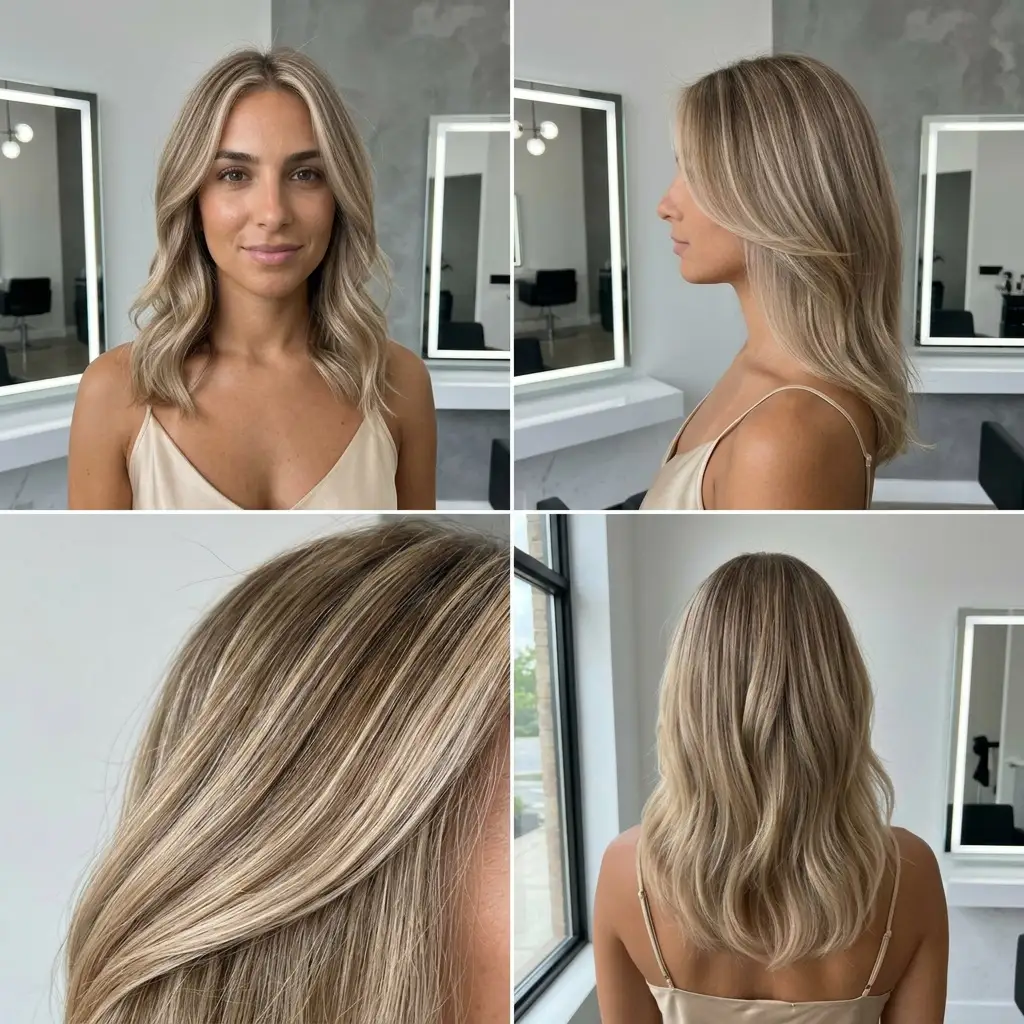
Here’s where I break from the strictly cool-toned narrative, because butter blonde babylights on tan skin are simply too good to exclude. Babylights — those ultra-fine, closely woven highlights that mimic the natural lightening patterns of childhood — create a softness that chunkier techniques can’t replicate. The “butter” aspect refers to the toner formula: a Level 8-9 with a warm beige-yellow base rather than a stark platinum or icy tone. On tan skin, this reads as sun-drenched and natural rather than processed, especially when the colorist leaves the root area untouched for a lived-in shadow effect. This typically involves 60-80 foils for full coverage (yes, your appointment will be long, probably 3+ hours).
Butter blonde babylights tan skin combinations photograph beautifully in natural light — this is genuinely the most Instagram-worthy option on this list. Plan for touch-ups every 8-10 weeks, and invest in a quality purple shampoo for once-weekly use to prevent the yellow from tipping into brassiness. A good thermal protectant is non-negotiable since the lightened strands are more vulnerable to heat damage. Skip this if your budget is tight — babylights are labor-intensive, and you’re looking at $250-$400 for a full application depending on your city. Expensive taste, natural finish.
4. Linen Blonde Foilayage
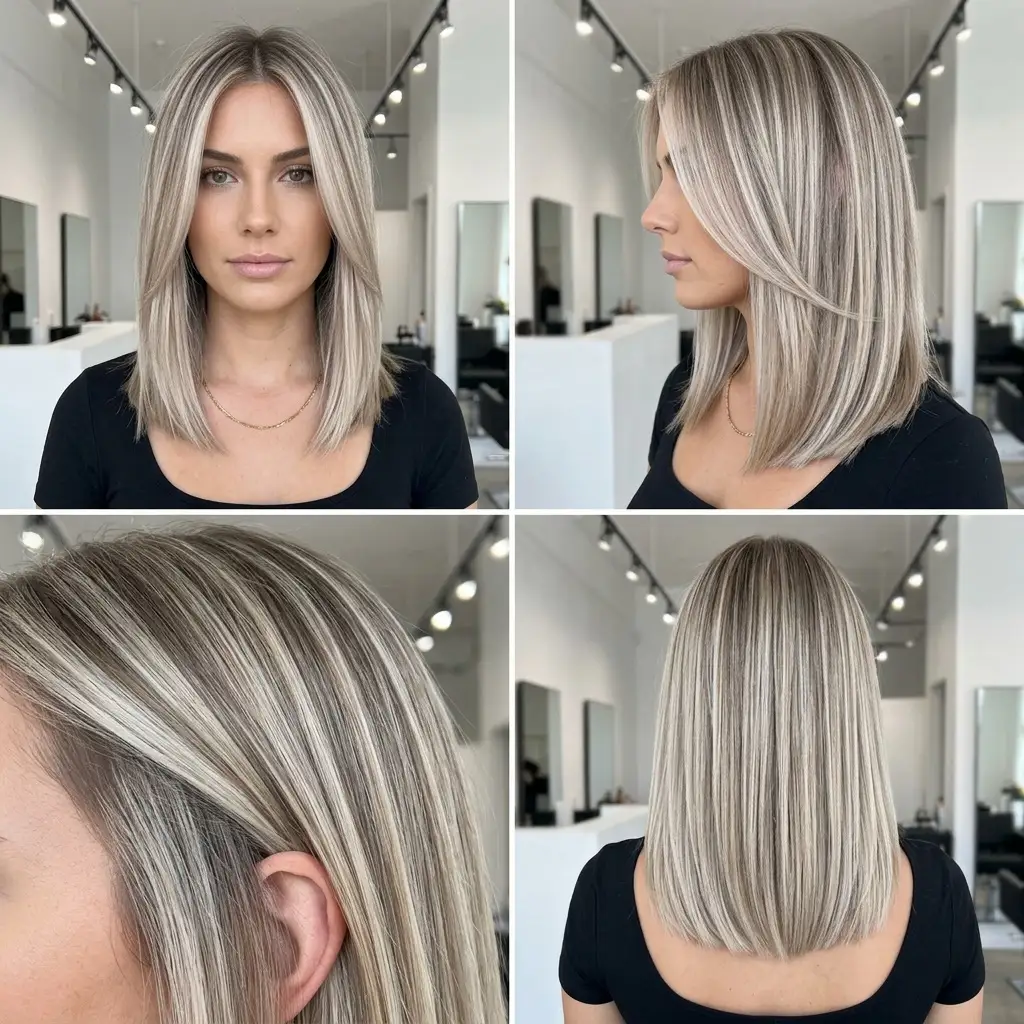
Foilayage is what happens when a colorist decides that balayage is too imprecise and traditional foil highlights are too uniform — and honestly, the hybrid result is stunning. Linen blonde foilayage specifically targets a cool, almost fabric-like pale blonde (think unbleached linen, not white-blonde) using foil-wrapped freehand sections that allow for maximum lift with controlled placement. The result on tan skin is striking: a high-contrast, editorial blonde that doesn’t read as harsh because the underlying technique preserves darker roots and low-light panels naturally. Your colorist paints the lightener by hand, then wraps each section in foil for more efficient processing — you get the artistry of balayage with the lifting power of traditional foils.
This linen blonde foilayage look requires commitment, full stop. You’re looking at salon visits every 6-8 weeks to maintain the cool tone and prevent visible banding at the regrowth line. Between appointments, a blue or violet shampoo rotation (blue for orange tones, violet for yellow) is essential. The investment typically runs $300-$450 for the initial session. One limitation worth noting: this technique works best on hair that’s already been pre-lightened or is naturally a Level 5 or above — starting from very dark virgin hair may require multiple sessions to reach the desired pale linen shade. Cool, crisp, completely worth it.
5. Oyster Shell Blonde Babylights
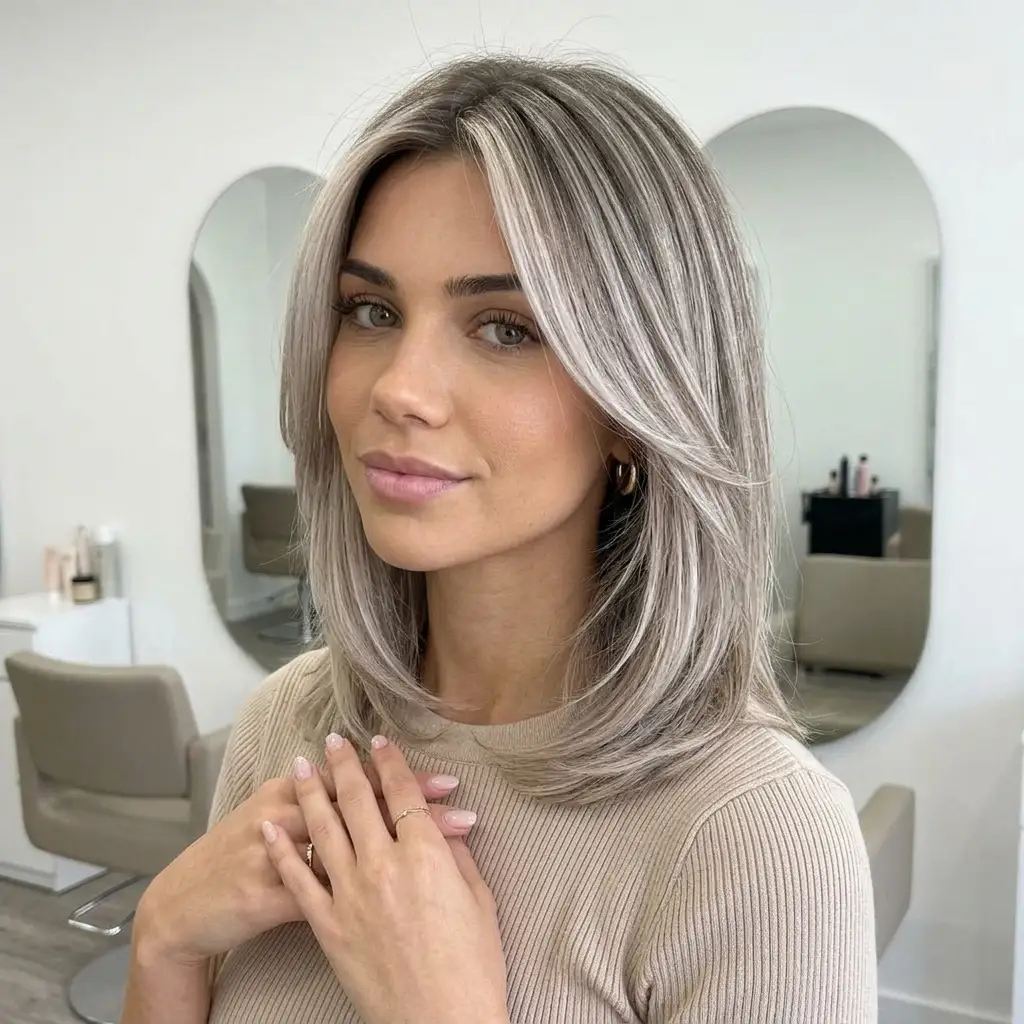
My colorist described oyster shell blonde as “the color that makes people think you were born somewhere expensive,” and I haven’t been able to forget that. This shade sits in a remarkable sweet spot between silver, pearl, and the palest cool beige — like the inside of an actual oyster shell, iridescent and shifting depending on the light. The babylight technique distributes this tone in whisper-thin sections throughout the hair, creating an effect that’s luminous without looking highlighted in any obvious way. On tan skin, oyster shell blonde creates a striking, almost editorial contrast that reads as intentional and modern rather than washed-out (which is the danger zone with most ultra-cool blondes on warm skin tones).
Maintaining oyster shell blonde babylights requires what I’d call “medium-high” dedication. A professional toning gloss every 5-6 weeks keeps the pearlescent quality alive, and at home, you’ll need a silver-toning shampoo for weekly use plus a deep conditioning mask to combat the dryness that comes with high-lift blonde. The initial appointment runs long — expect 4+ hours — and the price reflects the precision ($350-$500 at most metropolitan salons). Skip this if you’re not prepared to baby your blonde between appointments; neglected oyster shell blonde quickly turns into generic dishwater. Pearl-finished and impossibly chic.
6. Champagne Blonde Babylights
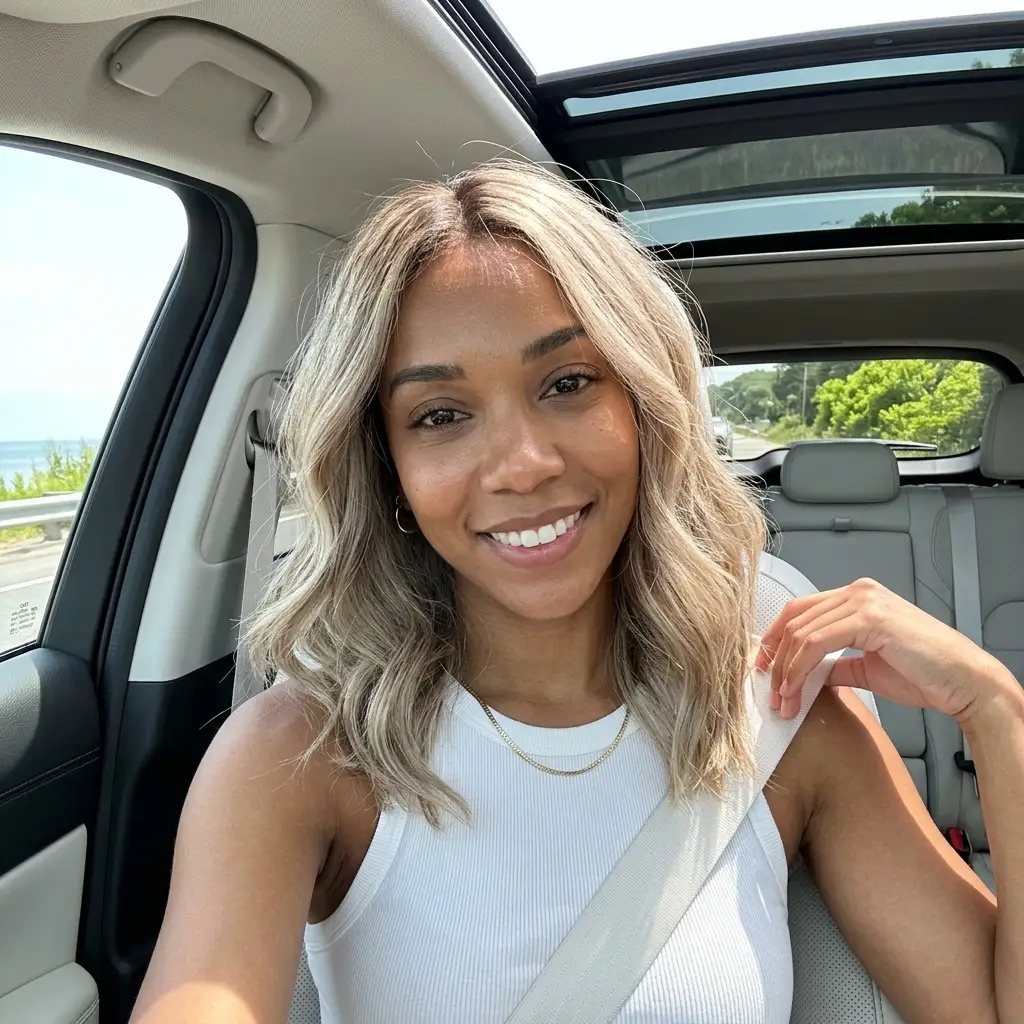
Where oyster shell blonde leans silver, champagne blonde babylights lean toward the warmest edge of “cool” — like a glass of actual champagne held up to sunlight. The tone is a Level 9 with the faintest golden-pink undertone, just warm enough to feel approachable but cool enough to avoid that over-processed brassy disaster everyone fears. The babylight technique here uses ultra-fine weaving to scatter the champagne tone throughout a slightly deeper base, creating the illusion of natural, sun-kissed lightening that happens to look perfect on tan skin. This is the shade I recommend most often to clients who say “I want to go blonde but I’m scared” — it’s blonde with training wheels, and I mean that as the highest compliment.
Champagne blonde babylights wear exceptionally well on tan skin because the soft warmth in the tone echoes the warmth in the skin without competing with it. Maintenance is moderate: a toning gloss every 8 weeks and a good bond-repair treatment monthly will keep things healthy and luminous. Purple shampoo once a week is your friend, but don’t overdo it — over-toning champagne blonde strips out the delicate golden undertone that makes it special. One honest note: if your water is hard (high mineral content), invest in a shower filter, because minerals will turn this shade green faster than you’d believe. Golden hour in a bottle.
7. Cool Caramel Balayage for Tan Skin
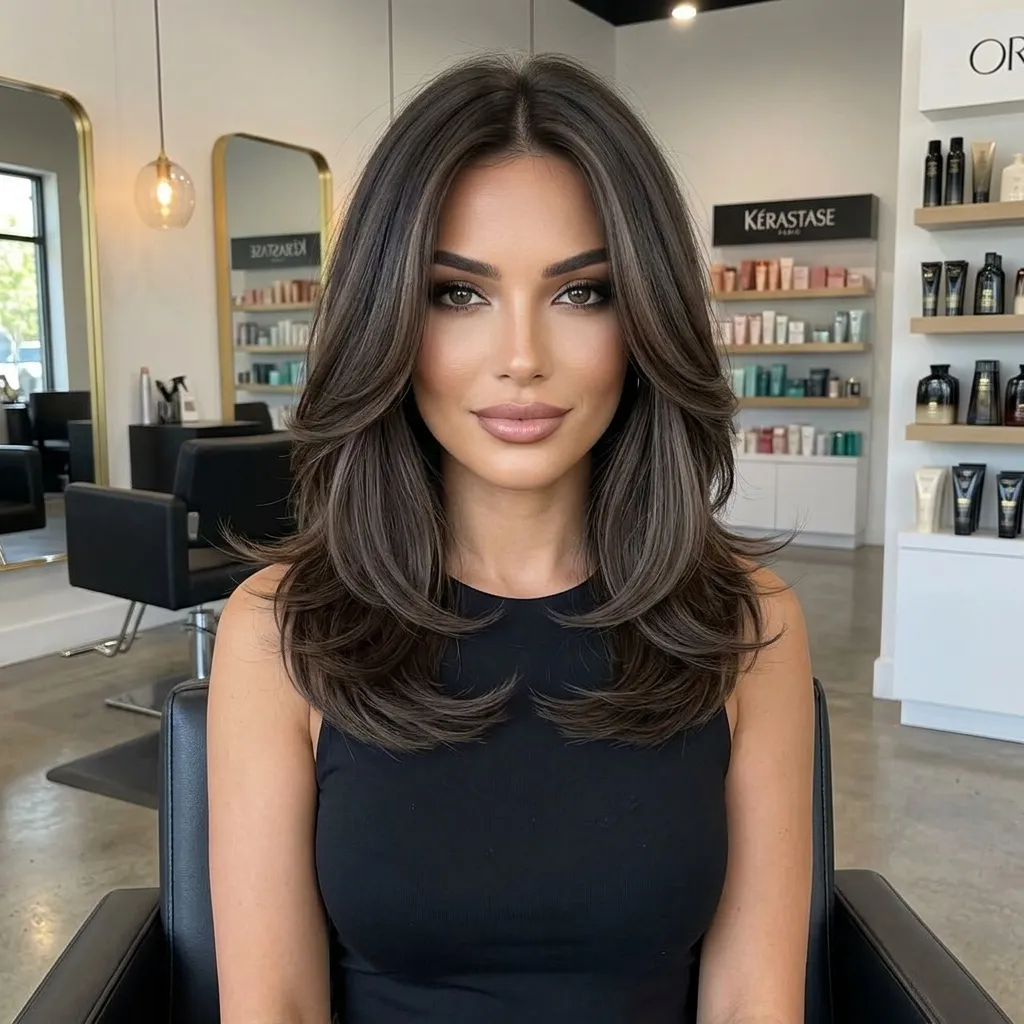
The phrase “cool caramel” sounds like an oxymoron, and that’s exactly why it works — it’s unexpected enough to turn heads while remaining completely wearable. Traditional caramel highlights pull warm and orangey on most hair, but cool caramel balayage uses a toner with an ash or beige base to neutralize the warmth after lightening, resulting in a caramel that reads as muted, sophisticated, and almost smoky. On tan skin, this cool caramel balayage creates a gorgeous dimensional effect where the highlights seem to shift between warm and cool depending on the lighting, which adds a richness that flat warm highlights simply can’t achieve. The balayage application concentrates the lightest pieces around the face and through the ends, keeping the roots dark and natural.
Expect about 10-12 weeks of beautiful wear before the toner fades and the natural warmth starts creeping back in — a toning gloss at the 6-week mark extends the cool tone significantly. Home maintenance involves a sulfate-free shampoo and a cool-toned color-depositing mask every other week. This is one of the most budget-friendly options here since it requires less lightening than blonde looks (typically $180-$280 for a full balayage session). The only limitation: if your starting shade is very light, the “cool caramel” won’t have enough contrast against the base to create that dimensional effect. Caramel, but make it moody.
8. Cool Sand Blonde Balayage
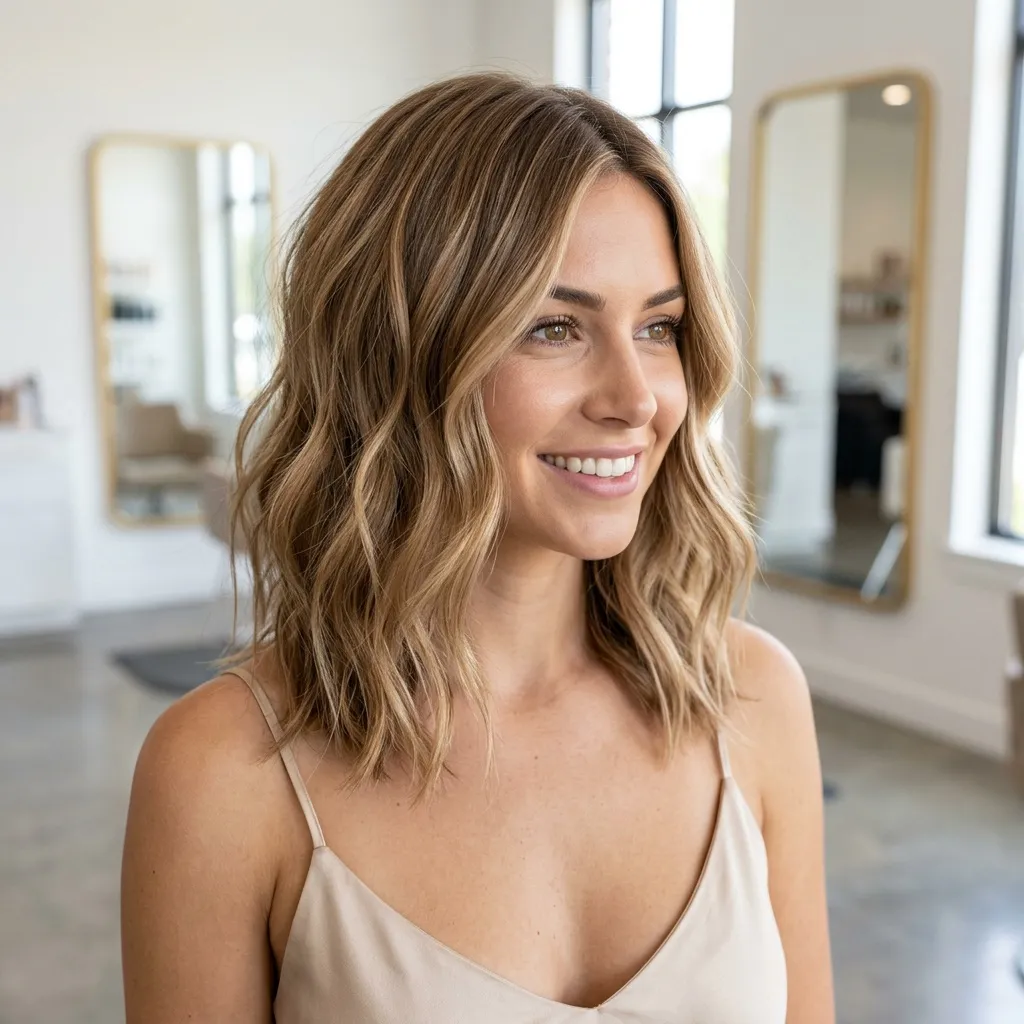
Sand blonde is the color of a Northern California beach at sunset — not golden, not gray, but that perfect neutral in-between that makes everyone look like they spent the summer surfing even if they haven’t left their apartment. Cool sand blonde balayage achieves this through a combination of Level 7-8 highlights with a beige-neutral toner applied over a natural medium-brown base. The balayage technique is applied with a lighter hand than typical blonde work, creating fewer but more impactful ribbons of color that blend seamlessly into the base. For tan skin specifically, this cool sand blonde balayage is practically foolproof — the neutral undertone neither clashes with warm skin nor washes it out.
This is genuinely one of the lowest-maintenance blonde-adjacent looks you can get, which is why it’s become a staple recommendation for anyone who wants to lighten up without committing to full blonde upkeep. The grow-out is soft and natural, buying you 12-14 weeks between appointments comfortably. A gentle purple shampoo every other week prevents any yellow drift, and a lightweight leave-in conditioner keeps the texture looking beachy rather than dry. Skip this if you want high drama — cool sand blonde is intentionally understated, and that’s its entire appeal. Beach blonde for realists.
9. Taupe Haze Color Melt
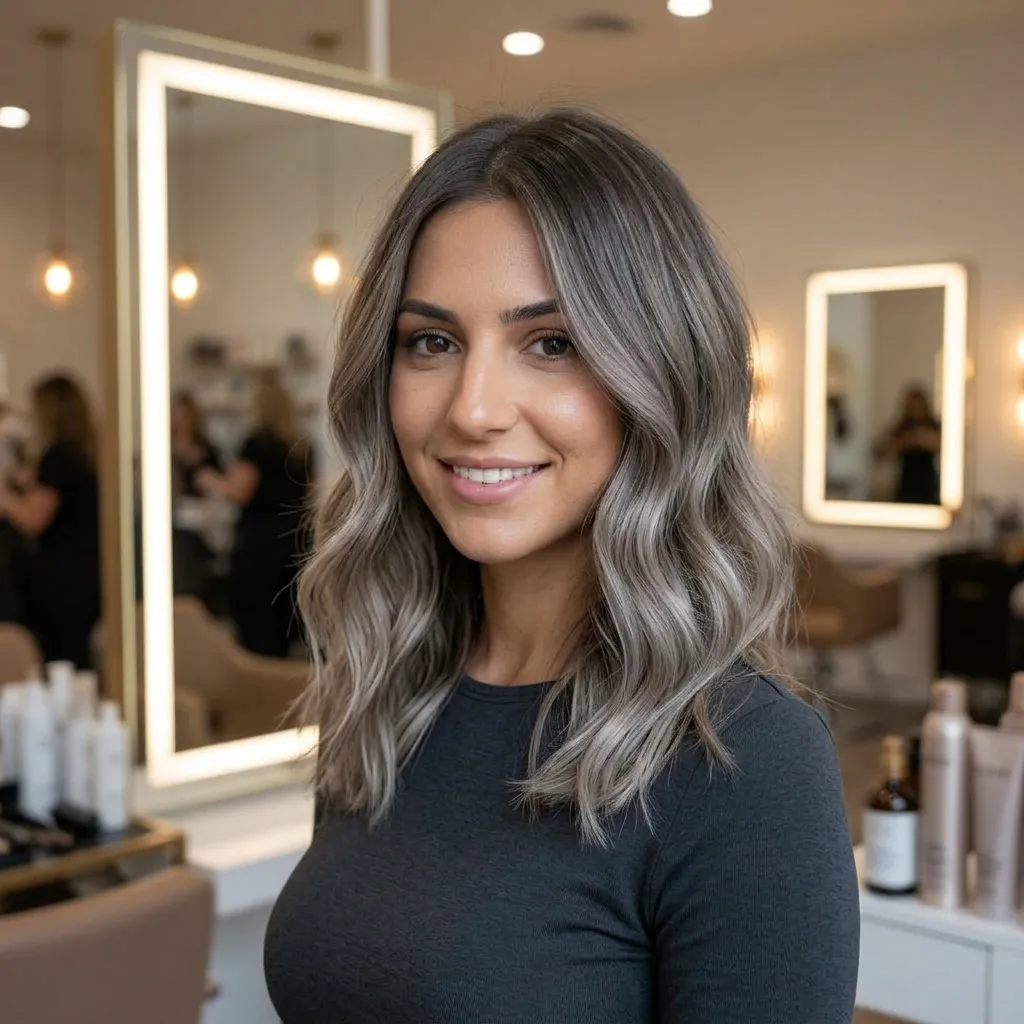
Color melts are the technique you choose when you want zero visible lines between your root color and your ends — and taupe haze might be the most flattering shade I’ve seen executed in this format. The “haze” descriptor is accurate: this is a smoky, slightly purple-tinged taupe that melts from a dark root into progressively lighter, ashier mid-lengths and ends. The color melt technique involves applying multiple shades in overlapping horizontal bands while the hair is still at the backbar, allowing them to bleed into each other naturally before processing. On tan skin, taupe haze creates an almost iridescent quality that shifts between cool brown, gray, and the faintest lavender depending on your lighting situation.
The taupe haze color melt holds its multi-tonal quality for about 8-10 weeks before the individual shades start blending into a more uniform tone (which, honestly, still looks good — just less dimensional). Maintenance involves a silver or cool-brunette toning shampoo alternated with your regular sulfate-free wash. A gloss appointment at the 5-week mark is the single best investment for extending the life of this look. One caveat: the taupe tone requires precise formulation, so this is absolutely a “bring reference photos and find a colorist who’s done it before” situation — a miscalculated toner can push it green. Smoky, shifting, hypnotic.
10. Smoky Blonde Color Melt
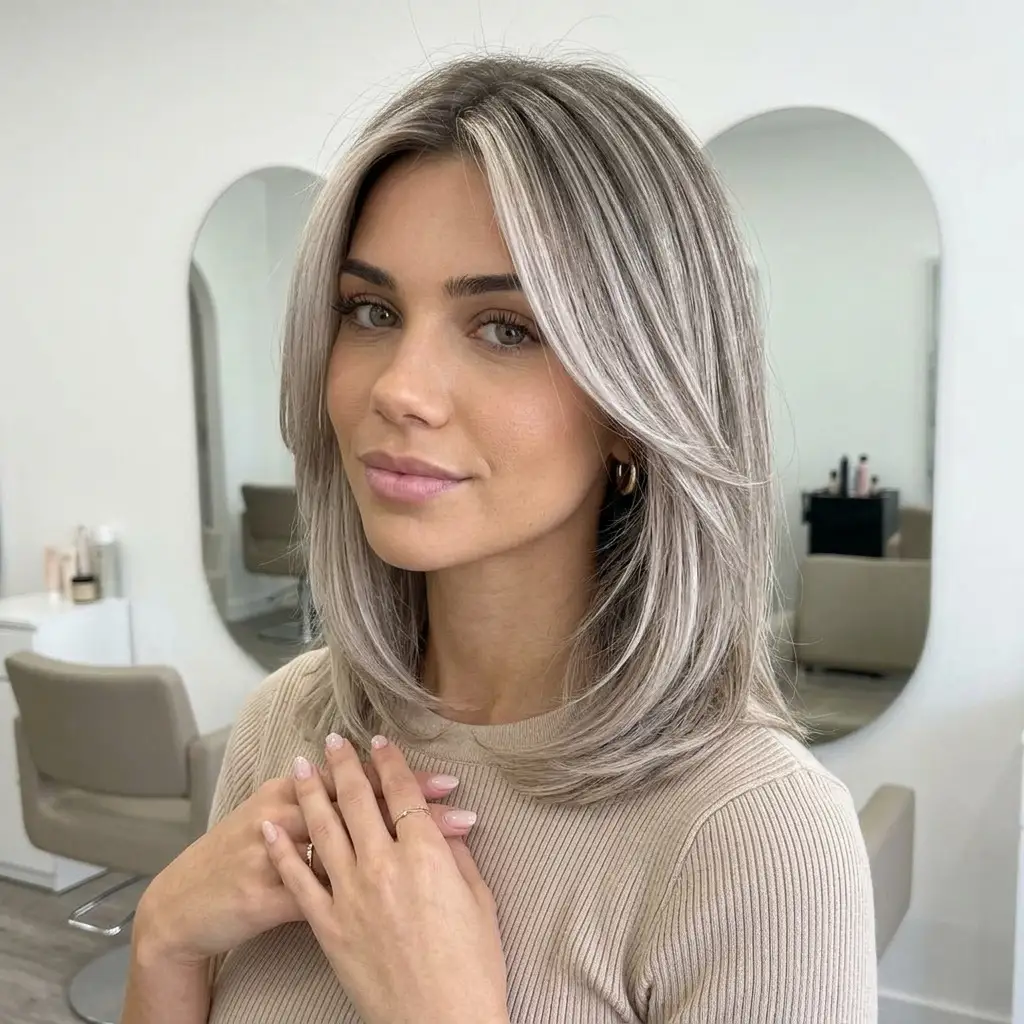
If taupe haze is the introvert of cool-toned color melts, smoky blonde is its confident, outgoing sibling. This technique takes the same seamless-gradient approach but pushes the endpoint lighter — into Level 8-9 territory with a distinctly ashy, almost silvery finish through the ends. The “smoky” quality comes from the intentional preservation of darker tones at the root and throughout the interior of the hair, so the blonde you see on the surface has depth and shadow behind it rather than looking flat or one-dimensional. On tan skin, this smoky blonde color melt is incredibly photogenic — the cool silver tones against warm skin create the kind of contrast that stops scrolling on Instagram.
Plan for salon visits every 6-8 weeks to maintain the smoky quality; as the toner fades, the blonde underneath tends to skew warm, which kills the entire smoky effect. Between appointments, a rotation of purple shampoo (for yellow tones) and blue shampoo (for orange tones at the mid-shaft) is the winning combination. A heat protectant with UV filters is essential since sun exposure accelerates toner fade dramatically — which is ironic for a summer color, but there it is. Skip this if you’re a wash-and-go minimalist; the toning regimen is real. Silver screen energy.
11. Iced Mocha Hair Color for Tan Skin
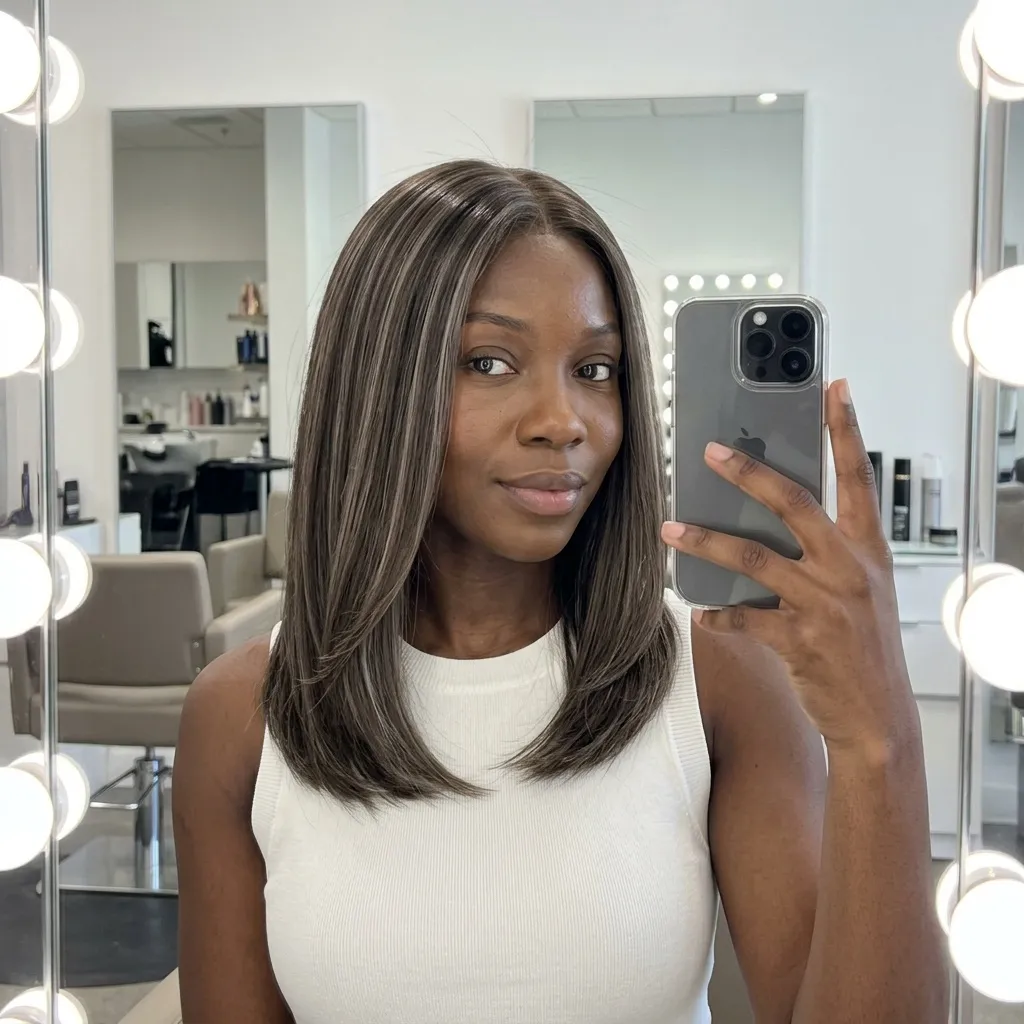
Not every summer color needs to involve significant lightening, and iced mocha hair color for tan skin is proof that brunettes can have the most interesting shade in the room. This is a Level 4-5 cool chocolate brown with strategic micro-highlights in an ashy taupe (think espresso with a splash of oat milk), creating depth without any warmth whatsoever. The technique typically involves a single-process base color followed by fine, face-framing babylights and scattered highlights through the mid-lengths — enough dimension to catch light, not enough to read as “highlighted.” On tan skin, iced mocha creates a rich, almost luxurious contrast that makes the skin look radiant and healthy.
The maintenance on this iced mocha hair color tan skin look is refreshingly minimal. A demi-permanent base refresh every 8-10 weeks keeps the cool tone saturated, and the highlights need attention only every 12-16 weeks since they’re so subtle. A color-safe shampoo and weekly conditioner is really all you need at home — no special toning products required. The cost is also friendlier than blonde work, typically $150-$250 for the full service. The only real limitation: if you crave noticeable blonde contrast or dramatic dimension, iced mocha will feel too subtle for your taste. Quiet luxury in hair form.
12. Mushroom Blonde for Tan Skin
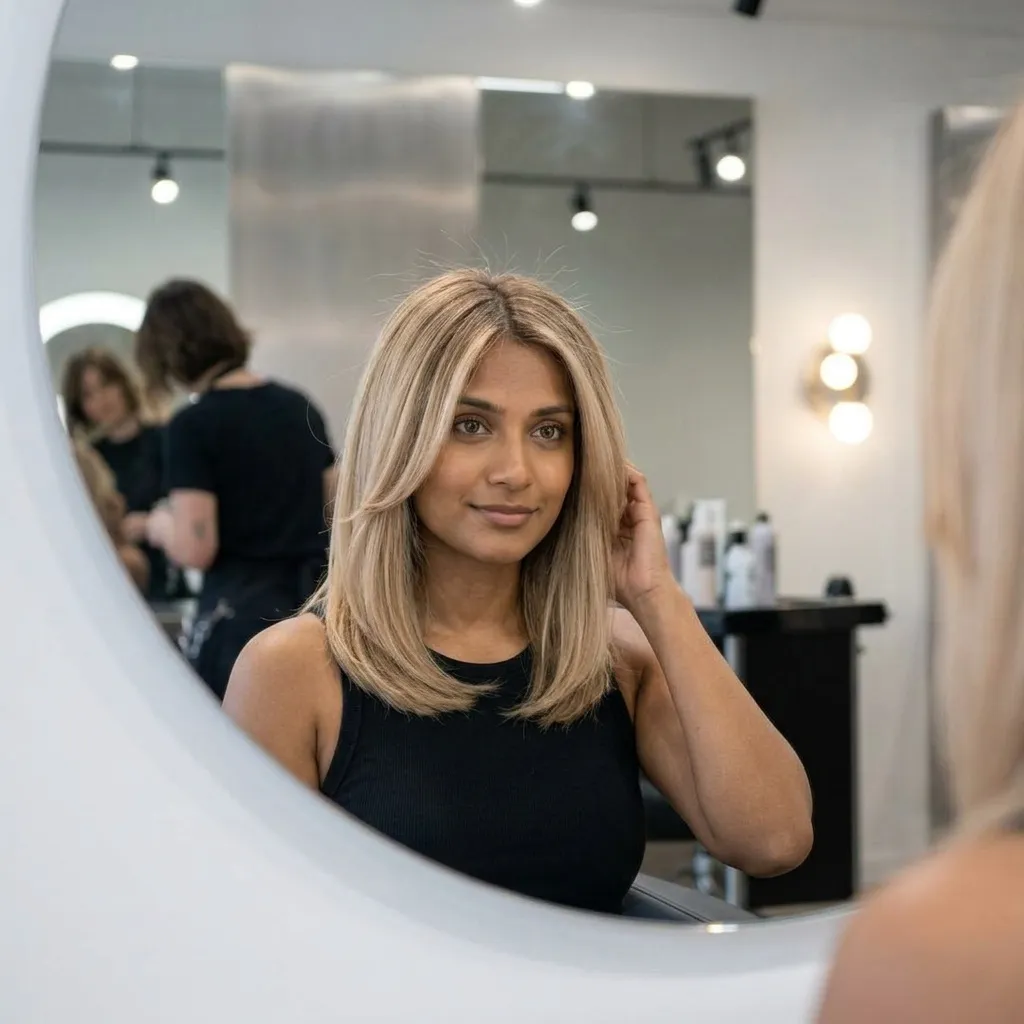
Mushroom blonde sits in the fascinating no-man’s-land between brunette and blonde where neither side can fully claim it — and that ambiguity is precisely what makes mushroom blonde hair for tan skin so compelling this summer. The shade is a Level 7 cool beige-blonde with intentional gray and taupe undertones woven throughout, creating a dimensional neutral that flatters tan skin without any of the brassiness risks that come with warmer blonde shades. The technique usually combines a partial balayage for the lighter pieces with a demi-permanent glaze over the entire head to unify the tone into that signature “mushroom” quality (my colorist calls it “the great equalizer” for uneven previous color).
Mushroom blonde hair for tan skin wears beautifully for about 10 weeks before the glaze starts to fade and the underlying warmth peeks through. A cool beige toning mask every week — I like Moroccanoil’s Cool Brunette mask for this specific shade — extends the life significantly. The grow-out is gentle since the root area stays relatively natural-looking. Budget $200-$350 depending on whether you need balayage or just a glaze over existing lightened hair. Skip this if you want a shade that makes an unmistakable statement; mushroom blonde’s power is in its subtlety, which some people find frustrating. Deliberately undecided, completely gorgeous.
13. Merlot Balayage for Tan Skin
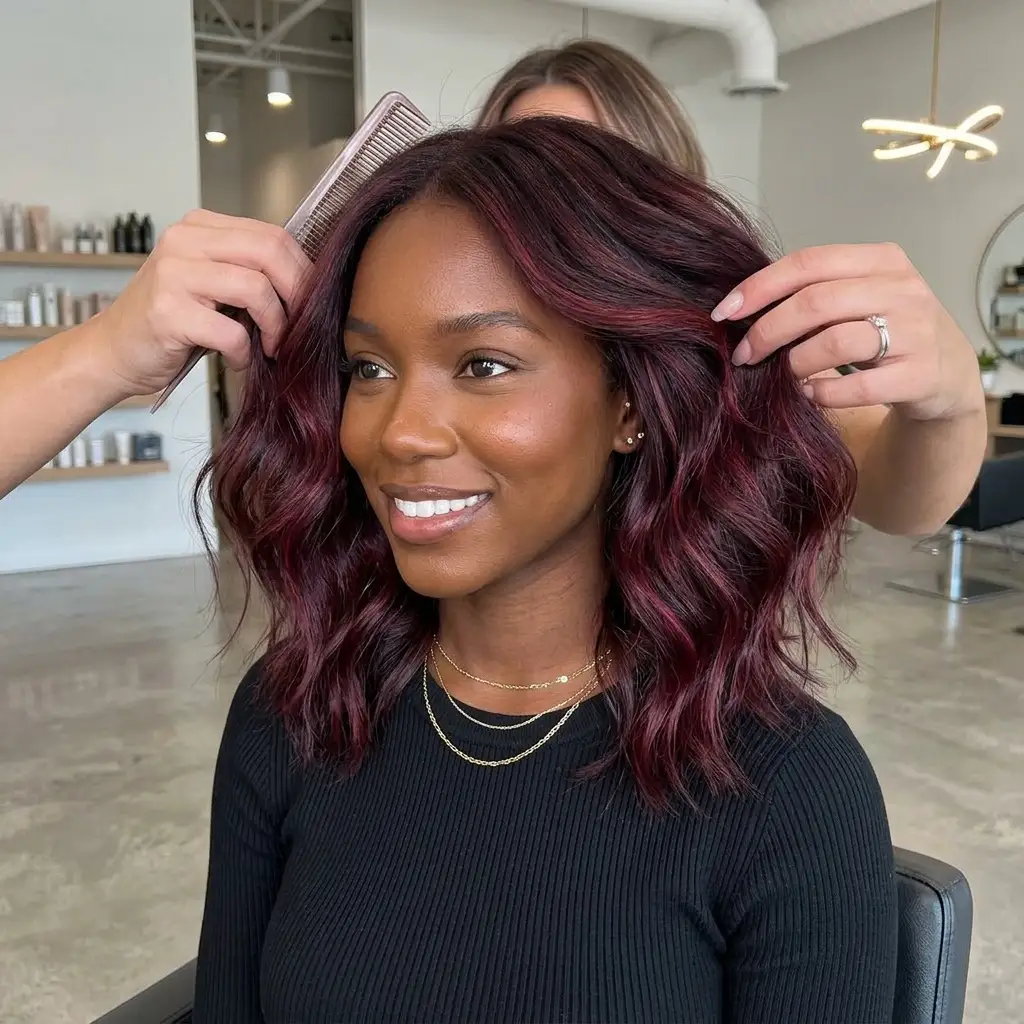
Merlot balayage for tan skin is the hair equivalent of choosing the interesting wine at dinner instead of the safe one — and it pays off every time. The shade draws from actual merlot: deep, cool-toned red-violet with a brownish base that prevents it from reading as fire-engine red or cartoonish. The balayage application places the merlot tones primarily through the mid-lengths and ends, allowing the natural dark base to serve as a shadow root, which creates a seamless, multi-dimensional finish. On tan skin, this shade is genuinely electric — the cool red-violet tones bring out the warmth in the skin in a way that no neutral shade can achieve (it’s the complementary color theory at work).
The honest truth about merlot balayage is that red tones fade faster than any other color family, period. You’re looking at a toning gloss every 4-6 weeks to maintain saturation, and a dedicated color-depositing shampoo in a red or burgundy shade for weekly use is mandatory, not optional. A sulfate-free formula is non-negotiable since sulfates strip red pigment aggressively. Budget for the maintenance cycle, not just the initial appointment ($180-$300 for the balayage, plus $60-$80 per gloss refresh). Skip this if color maintenance stresses you out. Wine country on your head.
14. Oxblood Hair Color for Tan Skin
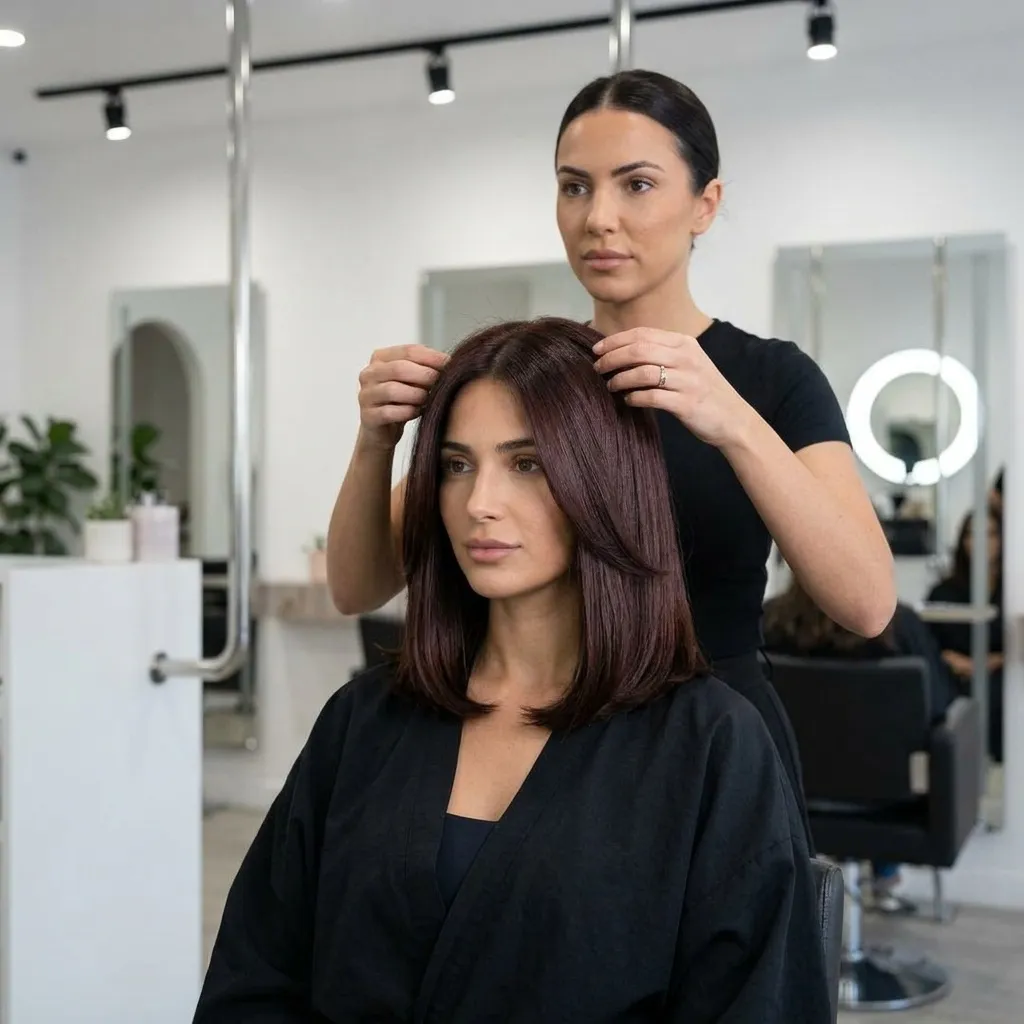
Where merlot is your Friday night wine, oxblood hair color for tan skin is the leather jacket you’ve had for a decade — darker, more serious, and undeniably cool. Oxblood sits deeper than merlot on the depth scale (Level 3-4), with a dominant blue-red undertone that keeps it from reading as warm or cherry. The application is typically a single-process color or a color melt from natural dark roots into oxblood lengths, creating a nearly monochromatic richness that catches burgundy and plum tones only in direct light. This depth against tan skin is incredibly striking — it creates a moody, fashion-forward contrast that works equally well in professional and creative settings.
Oxblood holds its tone longer than brighter reds because the darker depth means less toner fade is visible. Expect 6-8 weeks of rich color before you notice significant dulling. At home, a cool-toned red conditioner and sulfate-free shampoo are your essentials, and washing in lukewarm (not hot) water makes a genuine difference in color longevity. The upfront cost is reasonable since it’s usually a single-process application ($120-$200), but the ongoing gloss appointments add up. One limitation: lifting previously colored oxblood hair later is notoriously difficult — red pigment clings to the cortex — so commit thoughtfully. Dark, deliberate, magnetic.
15. Muted Berry Wine Root Melt
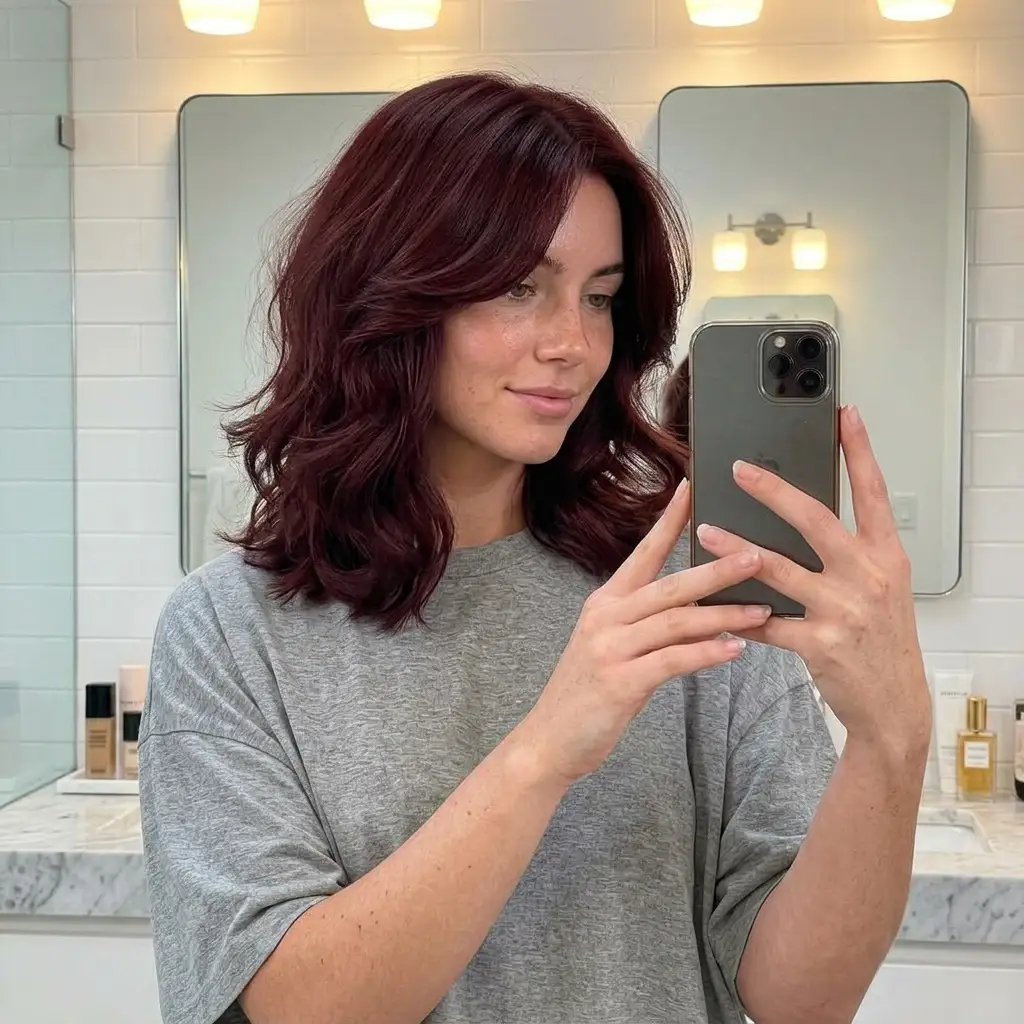
Root melts are having a serious moment in 2026, and the muted berry wine root melt might be the most wearable version of editorial red I’ve encountered. Unlike a traditional root shadow (which simply darkens the root area), a root melt involves blending the natural root color seamlessly into a lighter or brighter shade through the lengths — in this case, a muted, cool-toned berry wine that’s equal parts plum, burgundy, and dusty rose. The “muted” qualifier is key: this isn’t a vibrant fashion red but rather a sophisticated, lived-in wine tone that looks like you’ve been sipping the best vintage all summer. On tan skin, the muted berry wine root melt creates a gorgeous interplay between the cool red-violet tones and the warmth of the complexion.
This shade benefits enormously from a demi-permanent or semi-permanent formula for the wine tones, which means it fades gradually and gracefully rather than in harsh lines. Expect about 6-8 weeks of true color before the berry tones soften into a dusty mauve-brown (which, honestly, is a look in itself). Color-depositing conditioners in a wine or plum shade are essential for weekly maintenance. The technique requires a colorist comfortable with fashion tones and melt techniques — this is not a box-dye situation. Skip this if you want color that screams; this one whispers stylishly. Vintage wine, modern delivery.
16. Cool Mahogany Hair Color
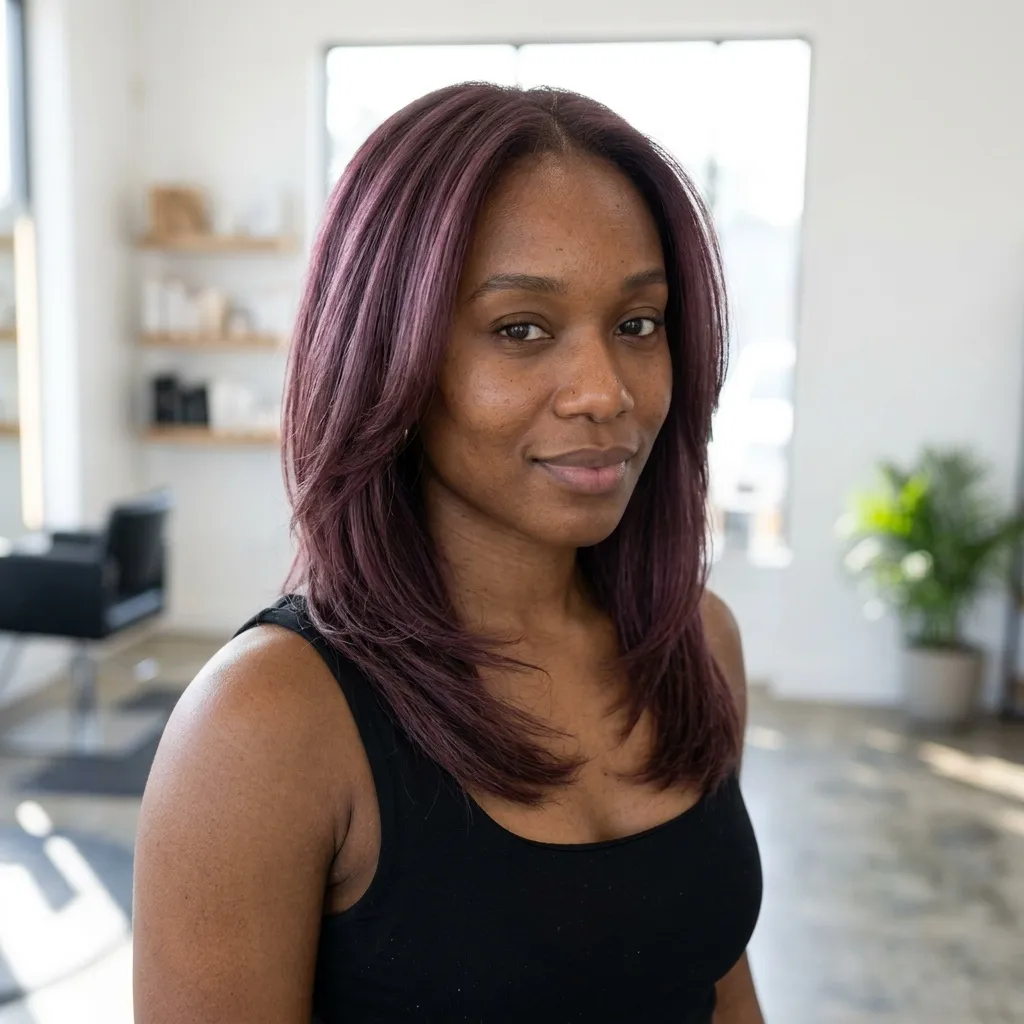
Cool mahogany is the shade I recommend to clients who say “I want something richer than brown but I’m not ready for full red” — it’s the perfect bridge color. Traditional mahogany pulls warm and coppery, but cool mahogany hair color uses a blue-violet base to neutralize the orange, resulting in a deep red-brown that leans plum rather than rust. The application is straightforward: a single-process permanent color at Level 4-5 with cool mahogany pigments, sometimes followed by a violet-based gloss for extra cool-tone insurance. On tan skin, this reads as incredibly polished and intentional — the kind of hair color people notice but can’t quite name, which is always the best kind.
Cool mahogany hair color is one of the easiest shades on this list to maintain, which makes it ideal for someone dipping into the red family for the first time. A sulfate-free, color-safe shampoo is all you really need at home, and a root touch-up every 6-8 weeks keeps things seamless. The color fades slowly into a softer, dustier version of itself rather than turning brassy or orange, which is a major advantage over warmer red-browns. Budget approximately $120-$200 for a single-process application. The limitation: cool mahogany is subtle, so if you’re hoping for a dramatic transformation, you may need to push into oxblood or merlot territory. Rich without trying.
17. Pearl Ash Blonde for Tan Skin
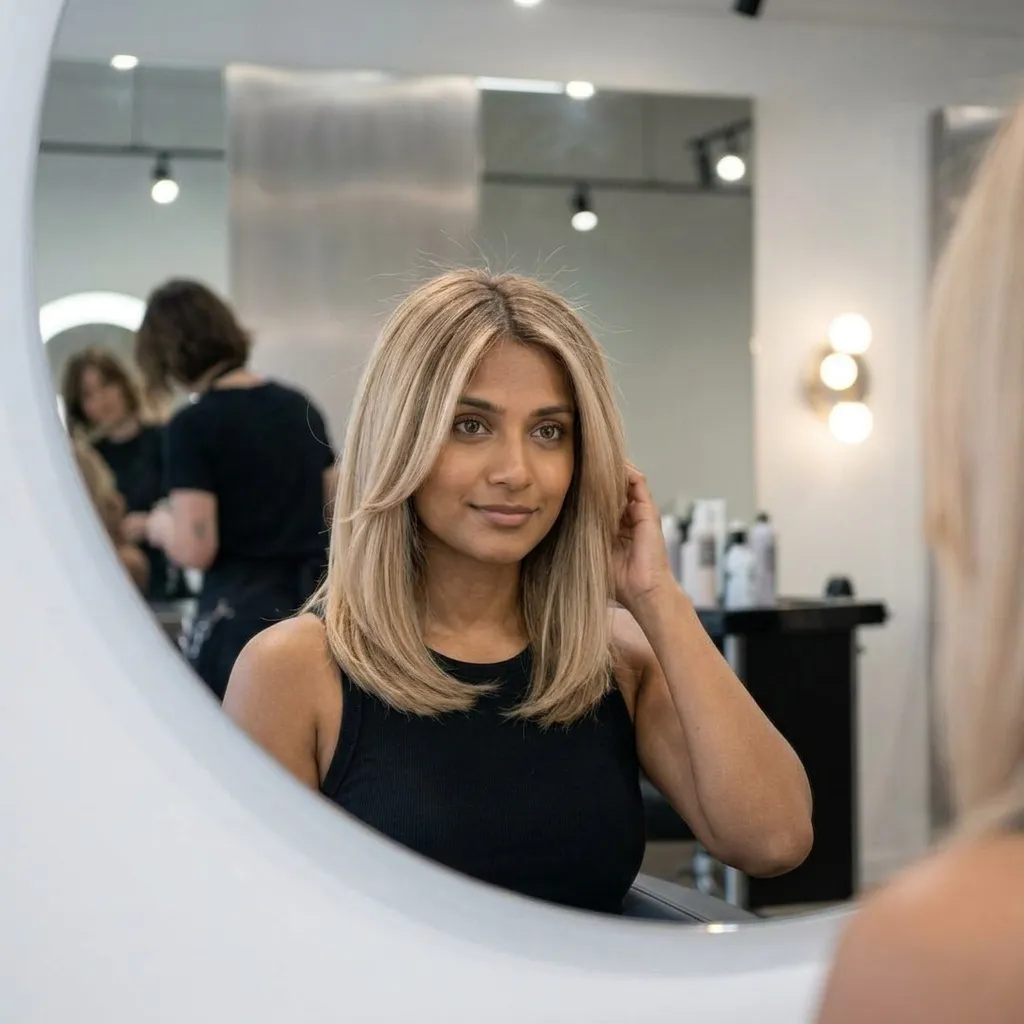
Pearl ash blonde for tan skin is the shade that separates the committed from the curious — and there’s no shame in either camp, but you should know which one you’re in before sitting in the chair. This is a high-lift blonde (Level 9-10) with a distinctly pearlescent, cool-silver finish that borders on platinum without crossing into ice-white territory. Achieving this requires significant lightening (often two sessions for darker starting points) followed by a precise pearl-toned gloss that deposits the iridescent quality. Against tan skin, pearl ash blonde creates possibly the highest contrast of any shade on this list — dramatic, fashion-forward, and impossible to ignore.
The maintenance on pearl ash blonde for tan skin is the highest-commitment option here, and I won’t sugarcoat it. Salon visits every 4-6 weeks for toning are essential, and you’ll need both purple shampoo and a pearl-toning mask in your shower rotation. Bond-repair treatments (Olaplex No. 3, K18, or similar) should be a weekly ritual since the level of lightening involved compromises hair integrity. The initial investment is significant: $400-$600+ for the first appointment, with toning sessions running $80-$120 each. Skip this if damaged or previously over-processed hair is your starting point — your colorist should be honest about whether your hair can handle the lift. High maintenance, higher reward.
18. Honey Blonde Shadow Root for Tan Skin
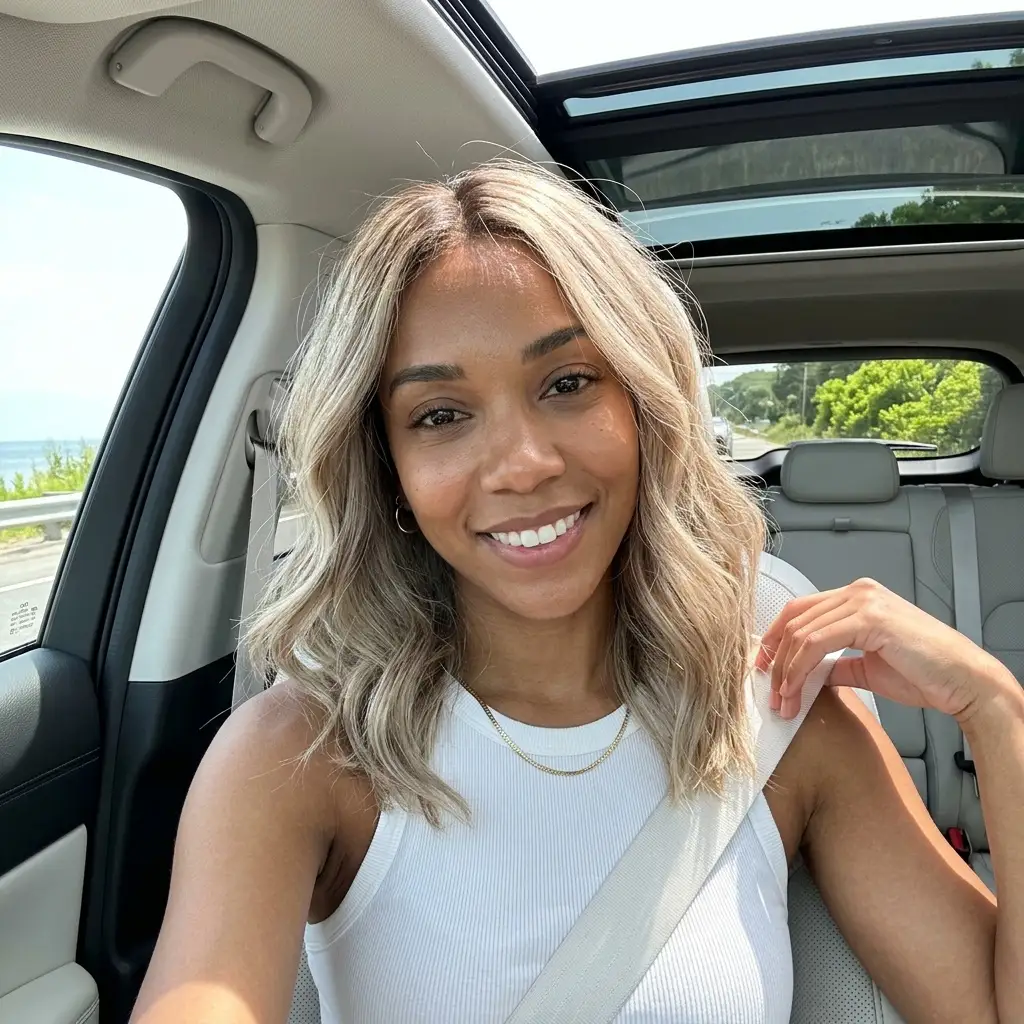
Shadow roots are the lazy genius hack of the hair color world (and I mean “lazy genius” as the highest compliment). A honey blonde shadow root for tan skin involves creating a deliberate gradient from your natural dark root color into warm, golden-toned blonde through the lengths — essentially giving you built-in grow-out from day one. The “shadow” is typically 1-2 inches of natural or toned-down root color that seamlessly melts into the honey blonde, eliminating the harsh regrowth line that makes traditional blonde feel like a part-time job. On tan skin, the warm honey tones create a harmonious, sun-kissed effect that looks like you spent the summer in Positano rather than a salon chair.
This is hands-down one of the most time-efficient blonde options because the shadow root means you can stretch appointments to every 10-14 weeks without looking like you’ve been neglecting your hair. A warm-toned toning conditioner once a week maintains the golden quality, and purple shampoo should be used sparingly (once every two weeks max) to avoid stripping the intentional warmth. The technique runs $220-$350 depending on how much lightening is involved. One caveat: if you strongly prefer cool-toned blondes, the warmth in honey blonde will bother you — this shade is unapologetically golden. Built-in grow-out, zero guilt.
19. Beige Walnut Balayage for Tan Skin
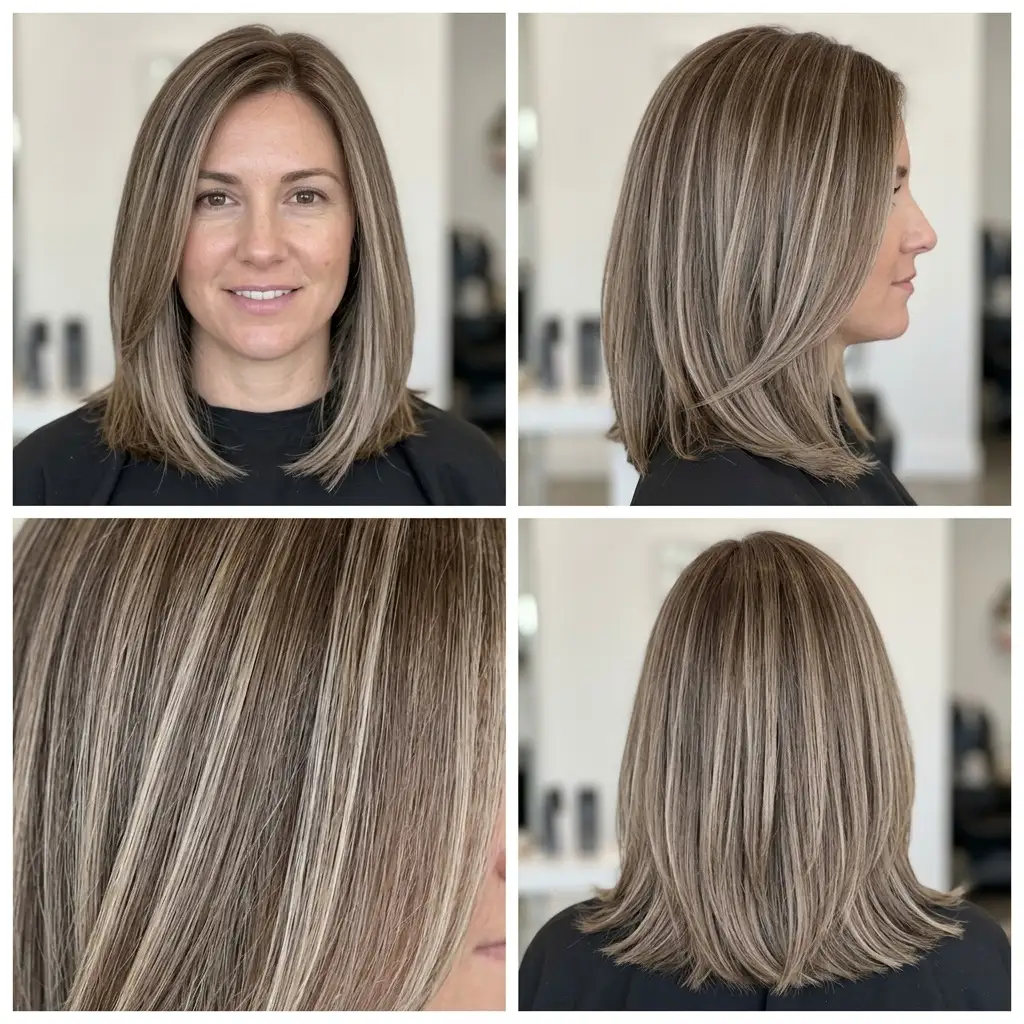
Beige walnut balayage tan skin is the shade for people who want to look expensive without looking like they’re trying — the hair equivalent of quiet luxury. The tone sits at a Level 5-6 cool neutral brown with ashy beige highlights woven through face-framing pieces and the lower lengths. “Walnut” captures the depth, while “beige” describes the highlight tone: not golden, not gray, but that perfectly balanced neutral that reads as effortlessly sophisticated. The balayage technique is applied conservatively here, with fewer, more strategic placements than a full blonde balayage — think editorial precision rather than all-over lightening.
Beige walnut balayage tan skin wears beautifully for 12-14 weeks, making it one of the most low-maintenance options in this entire guide. The subtle contrast between base and highlights means the grow-out is virtually invisible, and the ash-beige toner fades into a soft, natural-looking neutral rather than something brassy or unflattering. At home, a color-safe shampoo and a lightweight argan oil through the ends is really all you need. The technique typically costs $180-$280. The only downside: this shade is intentionally understated, so if you’re looking for a dramatic transformation or noticeable change, it may feel like you didn’t do enough. Quiet luxury, loud results.
20. Icy Lilac Dip Dye for Tan Skin
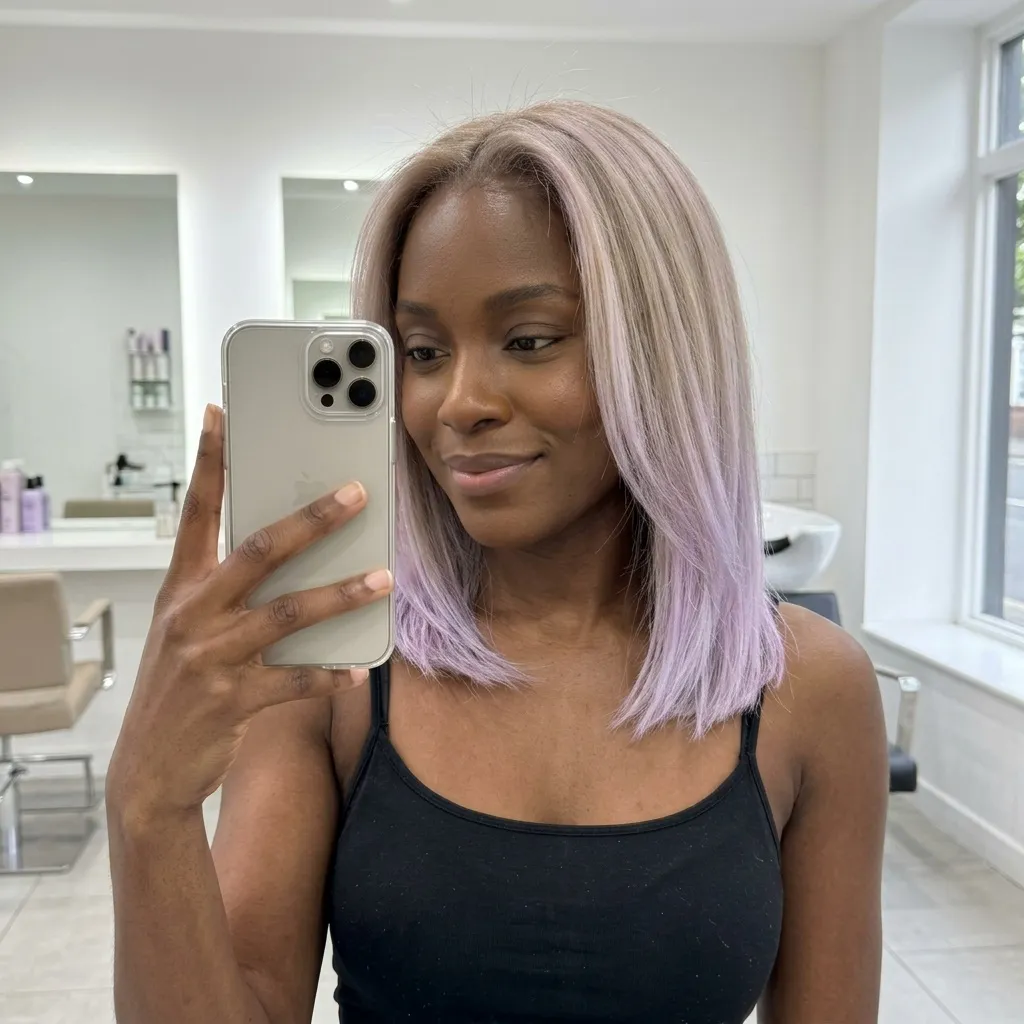
We’re ending with a curveball because every list of soft summer hair color for tan skin 2026 needs at least one option that makes you catch your breath — and icy lilac dip dye is exactly that. The technique is transparent: the hair is pre-lightened to a Level 9-10 pale blonde through the lower third, then a semi-permanent lilac formula is applied over the lightened section, creating a cool, pastel-violet dip-dye effect that fades into the natural darker color above. On tan skin, the contrast is genuinely stunning — the cool lilac against warm skin creates a complementary color effect that makes both the hair and the skin look more vibrant. This is the Met Gala moment in an otherwise wearable article.
Here’s the honest truth about icy lilac dip dye tan skin: semi-permanent pastel shades are the highest-maintenance color category in existence. The lilac tone lasts approximately 4-6 weeks before fading to a silvery-blonde (which some people actually prefer), and it requires cold-water washing, minimal heat styling, and a color-depositing conditioner in lavender for every single wash. The pre-lightening required for the dip-dye section means that hair integrity is a concern — bond treatments are mandatory, not optional. Budget $250-$400 for the initial service. Skip this entirely if you wash your hair daily or prefer hot showers; the lilac will be gone in ten days flat. Temporary magic, permanent memories.