A bright smile makes a difference in photos, at work, and in everyday confidence — and it is no surprise that at-home whitening has become so popular. Drugstore shelves are full of strips, toothpastes, pens, and LED kits, all promising a whiter smile without a dental appointment. Some of them genuinely work. Others do little, and a few can damage your enamel if used the wrong way.
This guide separates the safe, effective at-home methods from the ones to skip. It covers why teeth lose their whiteness, which products are worth your money, the natural approaches with realistic expectations, and the DIY trends dentists consistently warn against. A healthy smile pairs with the rest of your self-care too — a bright smile and glowing skin from the Glowing Skin Morning Skincare Routine make a polished pair.
Key Takeaways
- Whitening strips with peroxide are the most effective at-home option for most people.
- Whitening toothpaste removes surface stains but does not change the tooth’s natural colour.
- Custom-fit trays give more even results than one-size-fits-all products.
- Avoid lemon juice, baking soda scrubs, and charcoal — they can wear down enamel.
- Results typically last several months with good habits; coffee, tea, and smoking shorten them.
- See a dentist first if you have sensitive teeth, gum disease, or existing dental work.
Why Teeth Lose Their Whiteness
Teeth are not naturally pure white — healthy enamel is slightly off-white, and the dentin underneath is yellowish. Over time, two kinds of staining change how teeth look. Surface stains come from coffee, tea, red wine, berries, and smoking, which leave pigment on the enamel. Deeper discolouration happens as enamel thins with age and the darker dentin shows through more, or after certain medications and injuries.
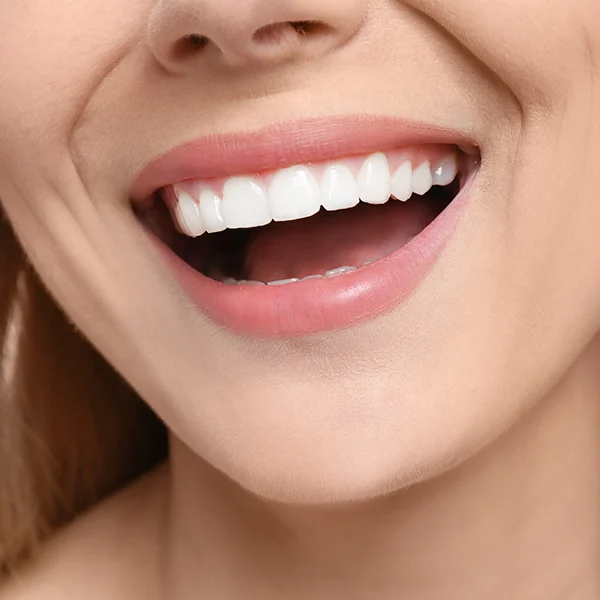
Photo via riczaradental.com
That distinction matters because it decides what at-home whitening can do. Surface stains respond well to gentle polishing and peroxide products. Deeper, intrinsic discolouration responds slowly, if at all, to home products and usually needs professional treatment. Knowing which kind you have keeps expectations realistic and stops you from overusing products that were never going to solve the problem.
Safe At-Home Whitening Methods That Work
These are the methods with the best balance of safety and results for most people. Start with the gentlest option that fits your goal, and follow the instructions exactly — more product or longer wear time does not mean whiter teeth, it usually means more sensitivity.
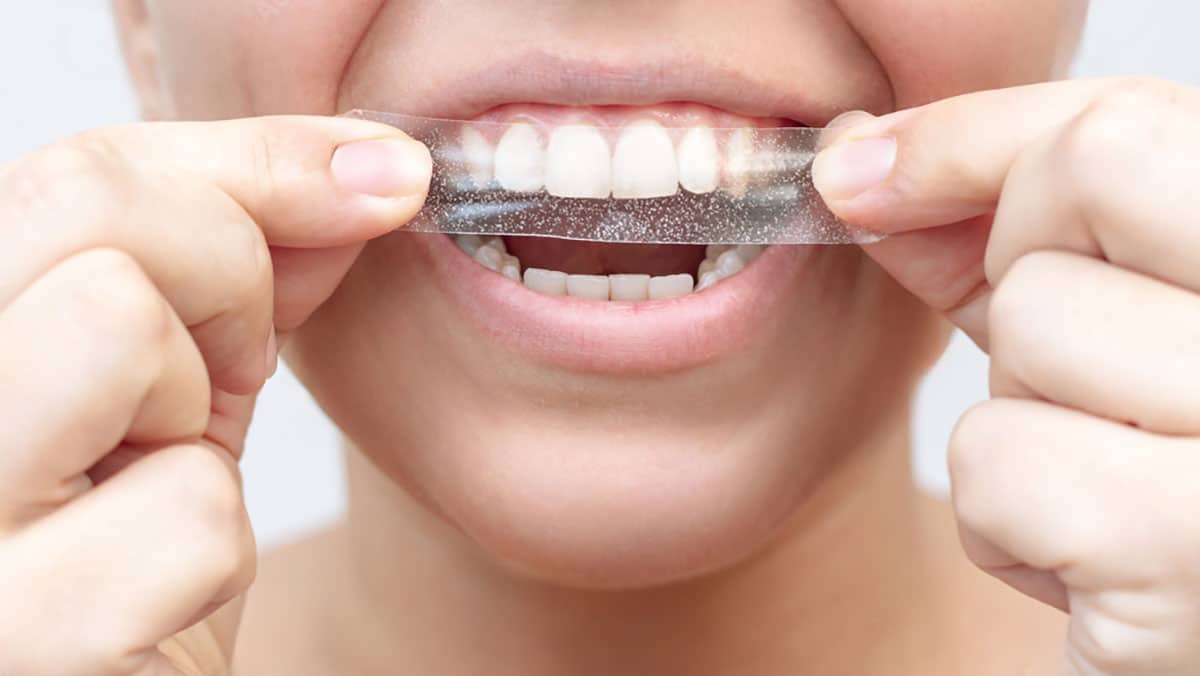
Photo via martindaledental.com
Whitening Strips
Peroxide-based whitening strips are the most studied at-home option. You apply a thin strip to your upper and lower teeth once or twice a day for about 30 minutes, usually for one to two weeks. Most people see a visible difference within a few days, with full results after the course ends. Strips work best on teeth that are yellowed from surface stains and age, and less well on grey-toned discolouration. Mild, temporary sensitivity is common and usually fades within a day or two of stopping.
Whitening Toothpaste
Whitening toothpastes use mild abrasives or low levels of peroxide to remove surface stains. They can brighten your smile by about one shade over several weeks of twice-daily use, but they do not change the tooth’s underlying colour. They are best used as maintenance after a whitening course, or as a gentle starting point if your teeth are sensitive. Look for a product with the ADA Seal of Acceptance or your country’s equivalent, and avoid anything that feels gritty — excessive abrasion wears enamel over time.
Whitening Trays and Gels
Trays hold a peroxide gel against your teeth for a set period, usually 30 minutes to an hour a day. Over-the-counter trays are one-size-fits-all and can let gel leak onto gums, which causes irritation. Custom-fit trays made by a dentist hold the gel evenly against each tooth and give more consistent results with less gum contact. If you already have trays from a dentist, refill gel is usually the most cost-effective way to top up your whitening.
LED Whitening Kits
LED kits pair a peroxide gel with a light that is said to speed up whitening. The evidence for the light itself is mixed — most of the whitening comes from the gel, not the lamp. Kits can still work well, but they are not necessarily better than strips, and they cost more. If you choose one, check the peroxide concentration and wear time, and stop if sensitivity appears.
Natural Approaches With Realistic Expectations
Several gentler, natural habits can help your smile look brighter without peroxide. Oil pulling — swishing coconut or sesame oil for 10 to 15 minutes — may reduce plaque and surface stains for some people, though evidence is limited. Eating crunchy foods like apples, celery, and carrots can help scrub surface stains naturally as you chew. And simply rinsing with water after coffee, tea, or red wine limits how much pigment settles on your teeth.
What natural approaches cannot do is change the colour of your teeth from within. If your goal is a visibly whiter shade, a peroxide product is the only at-home method with reliable evidence behind it. Think of natural habits as maintenance and prevention, not as a replacement for whitening.
Methods to Avoid
Some popular DIY whitening trends do more harm than good. Your enamel does not grow back, so anything that wears it away trades a short-term brightening effect for permanent damage — and thinner enamel actually makes teeth look more yellow over time, as the dentin underneath shows through.
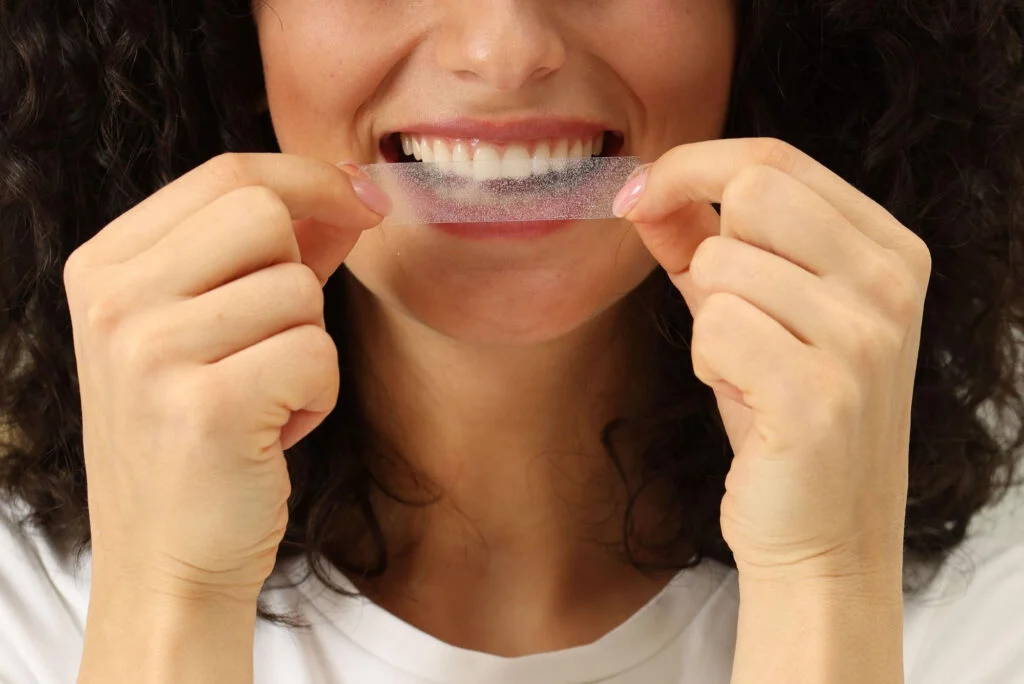
Photo via greenwoodsdental.com
Lemon juice and vinegar: both are acidic enough to soften and erode enamel. Any brightening you see is the acid stripping the tooth surface, not cleaning it. Repeated use leads to sensitivity and lasting damage.
Baking soda scrubs: baking soda is mildly abrasive, and occasional use in a formulated toothpaste is fine. Scrubbing teeth directly with baking soda paste, especially with a hard brush, wears enamel down over time.
Activated charcoal: charcoal powders and toothpastes are highly abrasive and there is no good evidence they whiten teeth. They can scratch enamel, stain dental work, and irritate gums. Most dentists advise against them.
Undiluted hydrogen peroxide: drugstore hydrogen peroxide is not formulated for teeth. Rinsing with it can burn gums and soft tissue, and the concentration is uncontrolled. Stick to products designed for oral use.
Overusing whitening products: using strips more often or longer than instructed does not whiten faster. It causes sensitivity, gum irritation, and a blotchy, translucent look at the edges of teeth. Follow the schedule on the box.
How to Keep Your Results Longer
Whitening results typically last from a few months to a year, depending on your habits. The biggest factors are what you eat and drink. Coffee, black tea, red wine, cola, and dark berries re-stain teeth fastest. You do not have to give them up — drinking through a straw, rinsing with water afterward, and brushing about 30 minutes later all help. Smoking and vaping stain teeth quickly and undo whitening faster than almost anything else.
Daily habits matter too. Brush twice a day with a fluoride toothpaste, floss daily, and keep up with regular dental cleanings — a professional cleaning removes surface stains that home products miss. A whitening toothpaste used a few times a week can help maintain results between courses. And if a special occasion is coming up, time your whitening course to finish a few days before it, so any sensitivity has settled — a bright smile is a lovely finishing touch to a date night dress or an evening look from the Cute Dinner Outfits collection, especially with a fresh natural pink French tip manicure or elegant nail designs to match.
When to See a Dentist First
At-home whitening is not right for everyone. See a dentist before starting if you have sensitive teeth, gum disease, cavities, cracked teeth, or a lot of existing dental work — crowns, veneers, and fillings do not whiten, so home products can leave your smile uneven. Pregnant or breastfeeding women are usually advised to wait. And if a single tooth is much darker than the others, that can signal an internal problem that whitening will not fix.
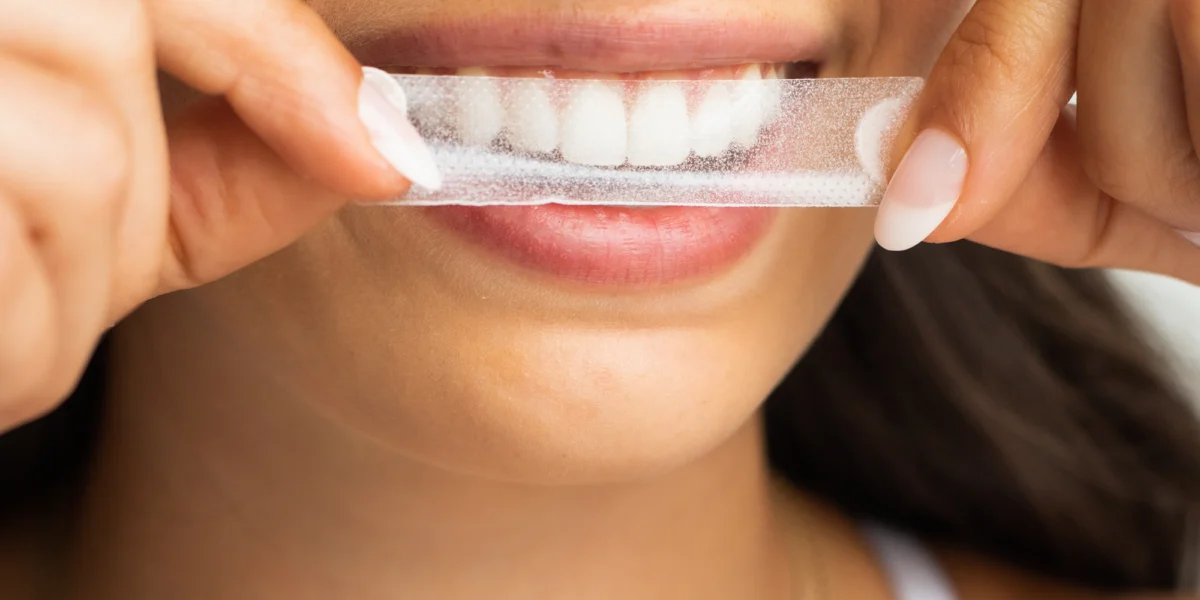
Photo via kaukasmile.com
A dentist can also tell you whether your discolouration is the surface kind that responds to home products or the deeper kind that needs professional treatment. A short check-up before you spend money on products can save you from a disappointing result — and from irritating teeth that needed care first. The same principle applies to skin: knowing what you are working with before choosing products is why guides like Physical vs Chemical Exfoliation for Skin start with skin type, not with the product shelf.
Frequently Asked Questions
How long do at-home whitening results last?
Typically a few months to a year, depending on your habits. Coffee, tea, red wine, and smoking shorten results, while good oral hygiene and a whitening toothpaste help maintain them. A short top-up course every few months keeps the shade steady.
Do whitening strips damage enamel?
When used as directed, peroxide strips from reputable brands are considered safe for enamel. Damage usually comes from overuse — wearing them longer or more often than instructed — or from abrasive DIY methods like charcoal and baking soda scrubs.
Why do my teeth feel sensitive after whitening?
Temporary sensitivity is the most common side effect. Peroxide can briefly open the tiny channels in your teeth, making them react to hot and cold. It usually fades within a day or two. Using a toothpaste for sensitive teeth before and after whitening helps, as does spacing out sessions.
Can I whiten my teeth if I have fillings or crowns?
Whitening products only lighten natural tooth enamel. Fillings, crowns, and veneers stay the same shade, which can leave your smile looking uneven. Talk to your dentist first if you have visible dental work — they can advise on the best approach.
Is charcoal toothpaste safe for whitening?
Most dentists advise against it. Charcoal is highly abrasive, there is no good evidence it whitens teeth, and it can scratch enamel, stain dental work, and irritate gums. A peroxide-based product used as directed is both safer and more effective.
Final Thoughts
At-home teeth whitening works best when it is gentle, patient, and honest about what it can do. Whitening strips or trays used exactly as directed will brighten most smiles by a few shades, while whitening toothpaste keeps the result going. Skip the acidic and abrasive DIY trends — your enamel is worth more than a quick fix. And when in doubt, a short visit to your dentist before you start will tell you whether home whitening is the right tool for your teeth.
Disclaimer: This article is for general informational purposes only and does not constitute medical or dental advice. Whitening results vary, and some products may not be suitable for people with sensitive teeth, gum disease, or existing dental work. Please consult a dentist before starting any whitening treatment, especially if you have ongoing dental concerns.