Everyone procrastinates sometimes. The email that stays unanswered for a week, the form that sits on the desk until the deadline is breathing down your neck, the project that matters most and gets touched last — delay is one of the most universal human patterns. Around one in five adults identifies as a chronic procrastinator, and among students the figure is far higher. It is not a rare failing. It is a normal brain doing what brains do.
Understanding procrastination starts with a correction: it is usually not a time-management problem or a character flaw. Research consistently describes it as an emotion-regulation problem — a way of dodging the uncomfortable feelings a task stirs up. Once you see it that way, the fixes change completely. This guide explains why we delay, names the common triggers, and offers practical strategies that make starting easier. A good place to practise them is a weekly planning ritual like the Sunday Reset Checklist for Home and Body.
Key Takeaways
- Procrastination is mostly an emotion problem, not laziness — you delay the feeling, not the task.
- Shrink the first step until it feels almost too small: the two-minute rule beats a grand plan.
- Name the trigger — fear, boredom, overwhelm, or perfectionism — before you try to fix it.
- Time-boxing, such as the Pomodoro Technique, makes starting feel manageable.
- Design your environment so focus is easy and distraction is inconvenient.
- Swap self-criticism for self-compassion; beating yourself up keeps the avoidance cycle going.
What Procrastination Really Is
Procrastination comes from the Latin procrastinare — to put things off until tomorrow. Psychologists define it more precisely as the voluntary delay of an intended action, even when you know you will be worse off for the delay. That last part is the key: procrastination is not forgetting, and it is not a scheduling error. It is choosing a more comfortable activity now, fully aware that the delay will cost you later.
It is not a medical diagnosis, though chronic procrastination can be distressing enough that professional help is worthwhile. It mainly affects tasks that are unpleasant, unclear, or larger than a quick fix — dealing with paperwork, filing a return, starting a difficult conversation, or beginning a project that matters. Notably, people often delay precisely because a task matters: the stakes make the feelings bigger, and the feelings make the starting harder.
Why We Procrastinate: It Is Not Laziness
The biggest myth about procrastination is that it comes from poor time management or laziness. Research tells a different story. When you put off a task, your brain is usually trying to avoid the negative emotions attached to it — boredom, anxiety, frustration, self-doubt, or fear of failure. Procrastination becomes a way of coping with a bad mood in the moment, at the cost of a worse mood later.
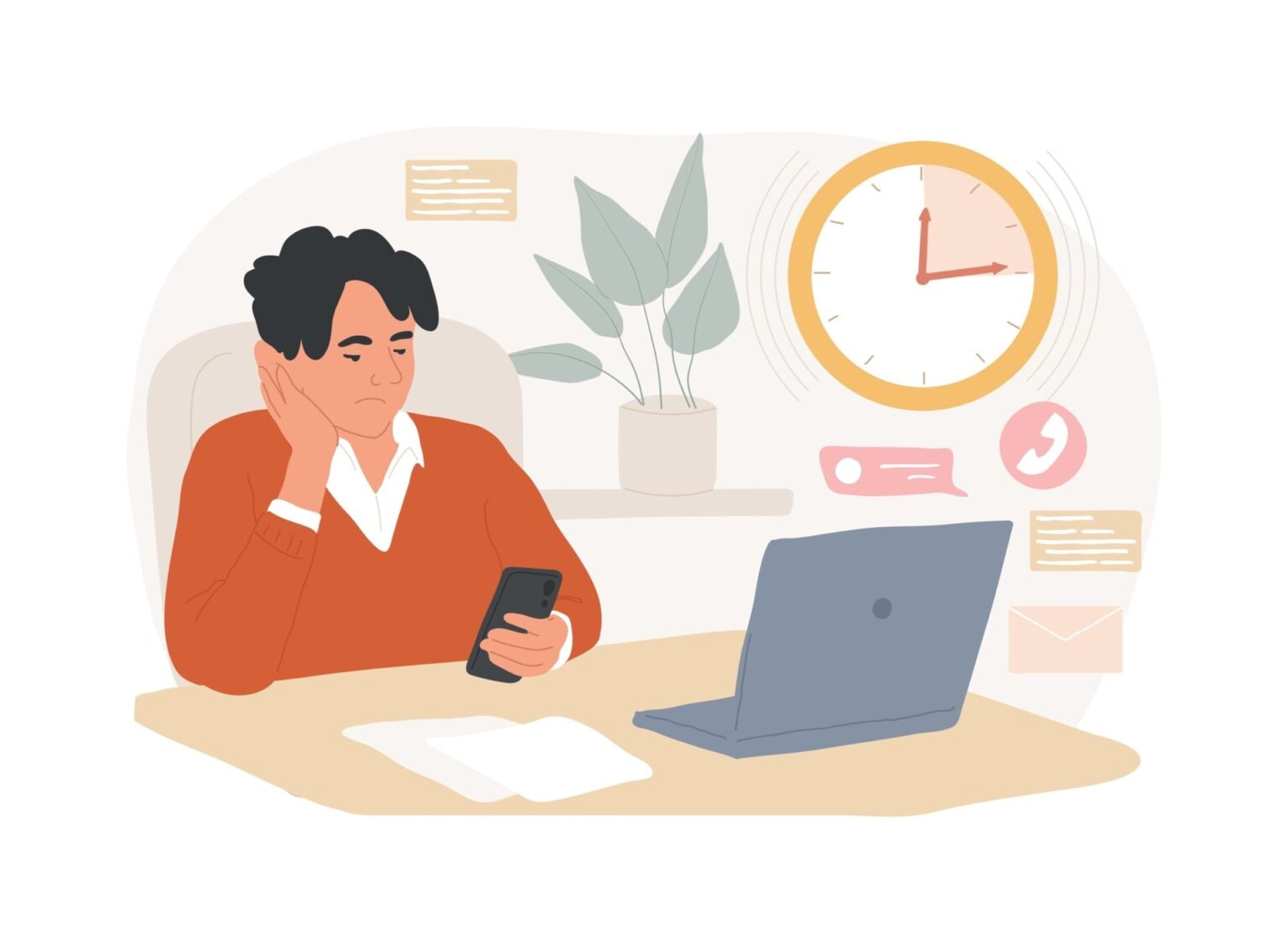
Photo via simplypsychology.org
Neuroscientists describe two systems negotiating in the brain: the limbic system, which wants immediate comfort, and the prefrontal cortex, which plans for the future. When a task feels threatening or dull, the limbic system wins the moment — and the phone, the snack, or the suddenly fascinating chore fills the gap. A 2007 paper linked chronic procrastination to higher stress and worse physical health, which is why treating it as a mood problem rather than a discipline problem is not just kinder, but more effective.
The Common Triggers Worth Naming
Procrastination becomes easier to work with when you stop treating every delay as the same problem. The most common triggers each need a slightly different response.
- Fear of failure: the task feels like a test, so not starting feels safer than starting badly. The fix is to lower the stakes of the first step.
- Perfectionism: if it cannot be done perfectly, it is not started at all. The Pareto principle helps here: 20% of the effort often yields 80% of the results — better done than perfect.
- Overwhelm: the project looks huge, so the mind sees the whole mountain every time. Breaking it into pieces is the only way through.
- Boredom: the task is dull, so anything else feels more alive. Temptation bundling — pairing the dull task with something enjoyable, like music — can help.
- Unclear next step: “work on the project” is not an action. “Open the document and write one paragraph” is. Vague goals stall; visible actions start.

Photo via lemundo.com.br
There is also “productive procrastination” — doing useful but unimportant tasks to avoid the important one. A tidy desk and a reorganised inbox can feel like progress while the real work waits. Noticing the pattern is the first step; naming the trigger is the second.
Strategies That Make Starting Easier
The Two-Minute Rule
If a task takes less than two minutes, do it right now. For bigger tasks, commit to just two minutes of the thing you have been avoiding: write one sentence, open the spreadsheet, put on your running shoes. The goal is to lower the starting requirement so far that resistance has nothing to push against. Most people find that once they have started, continuing is far easier than they expected.
Break It Down Until It Feels Small
Turn vague goals into visible actions. Instead of “prepare the presentation,” the next step might be “draft the three bullet points for slide one.” Instead of “get fit,” it might be “walk for thirty minutes after lunch.” Each small piece is a win on its own, and a chain of small wins builds momentum that a grand plan never does.
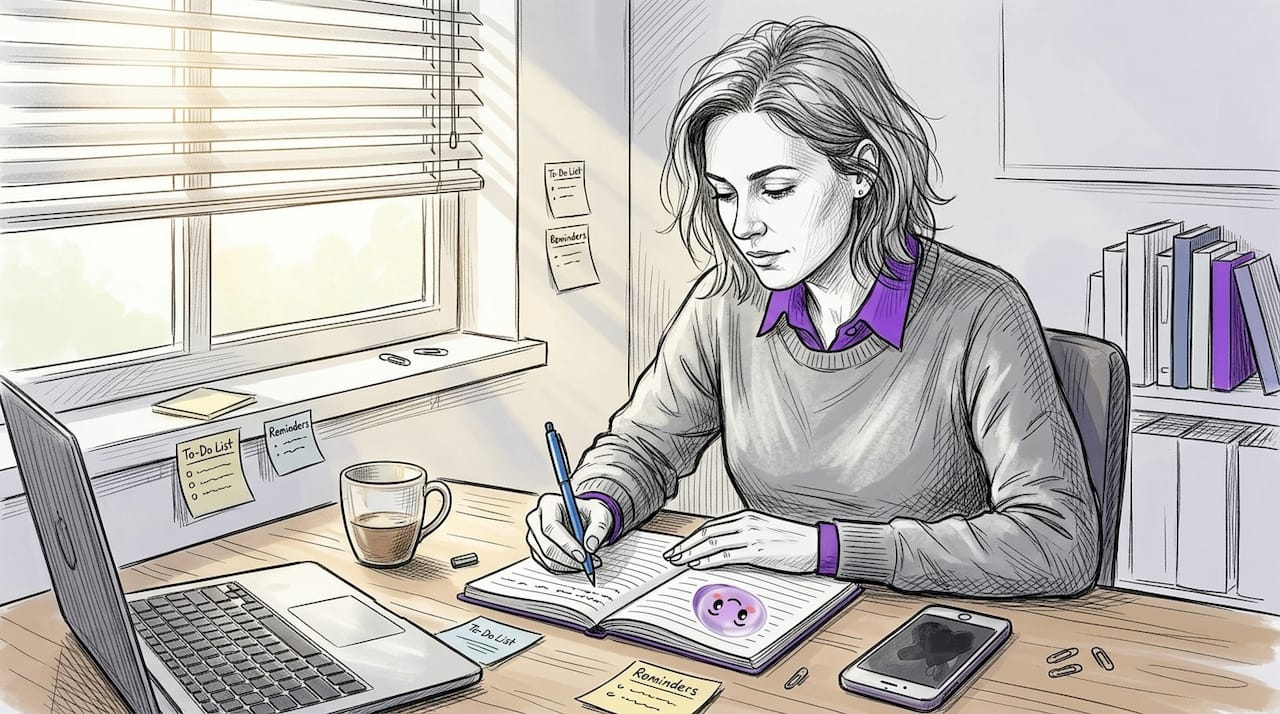
Photo via blog.voisley.com
Time-Box With the Pomodoro Technique
Work in focused 25-minute blocks followed by a five-minute break. The short horizon makes starting feel manageable, and the timer creates a gentle container for attention. After four blocks, take a longer break. The technique works because it asks for 25 minutes, not a whole afternoon.
Decide in Advance
Implementation intentions — deciding exactly when and where you will do a task — remove the daily negotiation. “I will draft the report at my desk at 10 a.m. on Tuesday” beats “I will do it this week” every time. Pairing the task with an existing habit helps too: if you already make coffee every morning, make that your cue to open the work.
Designing Your Environment for Action
Your environment is either working for you or against you — there is no neutral. The most effective anti-procrastination strategy is making the desired behaviour easier and the undesired behaviour harder. Create a dedicated workspace, even if it is just one chair at the kitchen table: the physical space becomes a cue for your brain, and sitting down there starts to mean work the way a bed means sleep.

Photo via yourtango.com
Move the phone to another room during focus blocks, close the tabs that pull you away, and keep the materials for the next task visible and ready. Accountability helps as well: there is a reason you can sit in a library for hours but cannot focus for twenty minutes at home. The presence of others working creates gentle social pressure, and virtual coworking sessions deliver the same benefit from home. Dressing for the day you want also cues the brain — a polished work look such as Classy Business Outfits for a Polished Workday, the simpler Simple Work Outfits for Women, or a sharp finish like Office Siren Outfit Ideas for a Polished Look tells your brain the workday has started.
Self-Compassion and Building the Habit
The final piece is the one most productivity advice skips: forgive yourself when you slip. Beating yourself up after a delay does not make the next start easier — it makes the task feel even more loaded with shame, which makes avoidance more likely. Research on self-compassion and procrastination points the same way: people who respond to a slip with kindness are more likely to try again soon than people who respond with criticism.
The goal is not to become someone who never delays anything. Everyone postpones tasks occasionally. A realistic goal is to recognise your patterns earlier, reduce unnecessary resistance, and develop practical ways to begin important work before avoidance consumes your time. Pick two or three strategies, apply them consistently for a couple of weeks, and build from there. Small systems, repeated daily, beat heroic bursts of willpower — and the basics of looking after yourself, including the nutrients in Vitamins for Women: Essential Nutrients and small polish like Professional Nail Ideas for a Polished Look, keep energy steady while the habits take hold.
Frequently Asked Questions
Is procrastination a sign of laziness?
No. Research consistently shows procrastination is an emotion-regulation problem, not laziness. You delay the uncomfortable feelings attached to a task — boredom, anxiety, fear of failure — rather than the task itself. Lazy people do not feel guilty about delaying; procrastinators usually do.
What is the two-minute rule?
If a task takes less than two minutes, do it immediately. For larger tasks, commit to just two minutes of work — write one sentence, open the file, lay out the materials. Starting is the hardest part, and two minutes is small enough to begin without resistance.
Does the Pomodoro Technique actually help?
For many people, yes. Working in focused 25-minute blocks with five-minute breaks makes starting feel manageable and creates a clear container for attention. It works best when combined with a defined next step, so the timer starts on a task you already know how to begin.
How do I stop procrastinating on tasks I find boring?
Try temptation bundling: pair the dull task with something enjoyable, such as music, a favourite drink, or a pleasant setting. Breaking the task into very small pieces also helps, as does setting a short timer — boredom is easier to tolerate in 25-minute blocks than in open-ended stretches.
When should I seek help for procrastination?
If procrastination is chronic, causes significant distress, or is seriously affecting your work, studies, or relationships, it is worth talking to a counsellor or psychologist. Procrastination can also be linked to anxiety, depression, or ADHD, and a professional can help identify what is underneath the pattern.
Final Thoughts
Procrastination is not a character flaw to be ashamed of — it is a pattern, and patterns can be changed. Start by naming what you are actually avoiding, then shrink the first step until it feels almost too small to matter. Two minutes, one sentence, one open document. Design the environment so starting is easy, use a timer to keep the horizon short, and forgive yourself quickly when you slip. The aim is not perfection; it is a slightly better starting habit, practised daily, until beginning feels like the normal thing to do.
Disclaimer: This article is for general informational purposes only and does not constitute medical or professional advice. If procrastination is chronic, causes significant distress, or interferes with your work, studies, or relationships, please consult a mental health professional or other qualified expert for support.