Winter hiking asks more of an outfit than almost any other cold-weather activity: you need to stay warm standing still at the trailhead, vent heat on the climb, and still look like yourself in the summit photo. The good news is that the formula barely changes — a moisture-wicking base, an insulating mid-layer, and a weather-ready shell, tuned to the day’s conditions. Below are 24 original winter hiking outfit ideas for 2027, from snowshoe epics to cabin-door step-outs, each built around that layering logic. Our Trendy Elegant Winter Outfit Ideas for Women Over 40 in 2025 2026 rounds up more takes on this exact idea.
Layer like a pro: Insulated down jacket with a fleece mid-layer
The insulated down jacket is the star here, worn over a lightweight fleece and a moisture-wicking base layer for a classic three-layer winter hiking system. Dark hiking pants and sturdy waterproof boots keep the lower half practical, while the slightly oversized fit of the jacket leaves room for the layers underneath without looking bulky. The palette stays mountain-neutral — charcoal, black, and deep navy — so the whole outfit reads as one intentional kit. For readers who want more, Winter Fashion for Women 2026 2027 keeps the ideas coming.
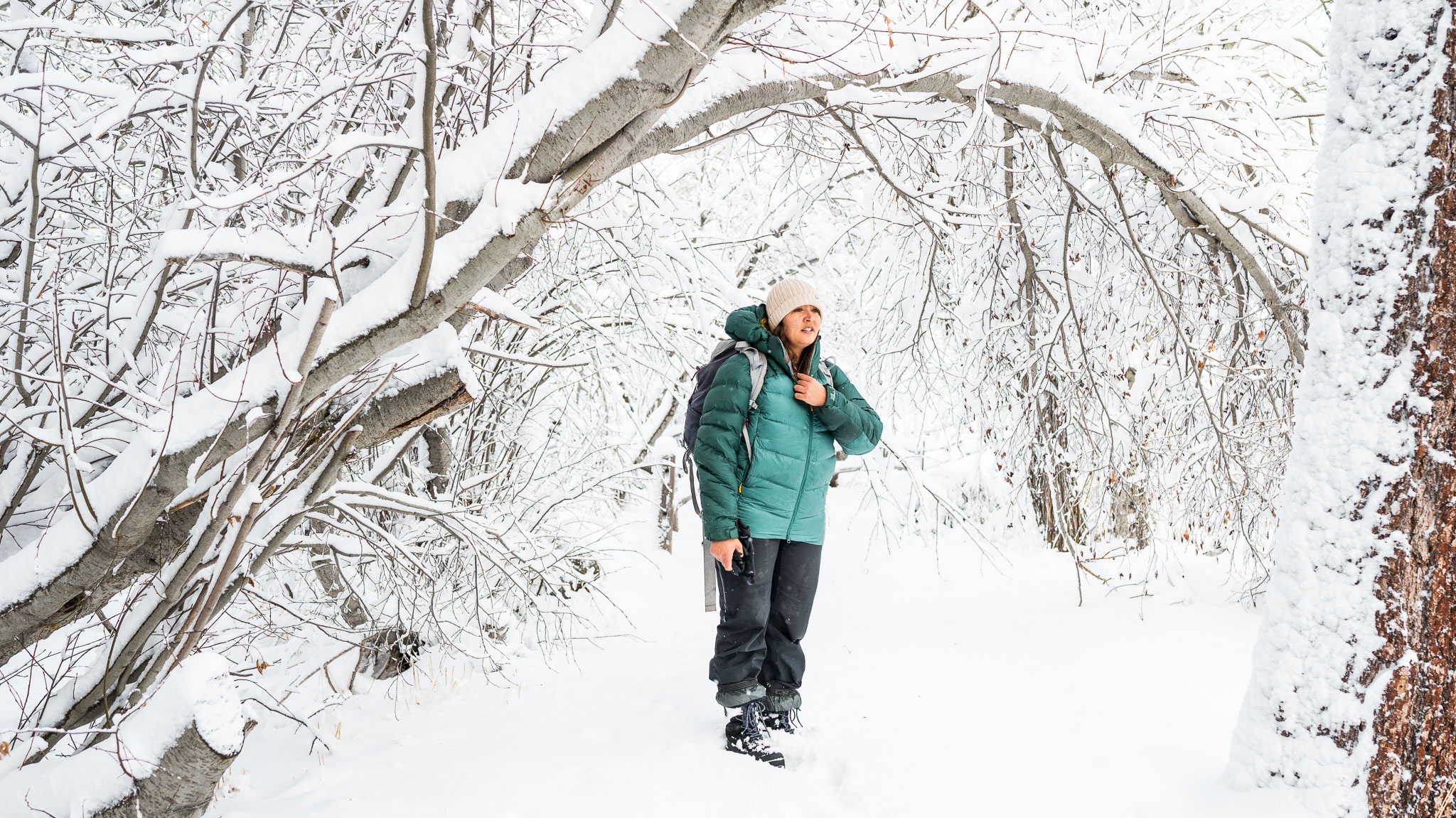
Photo via outdoorgearlab.com
This is the baseline outfit for cold-weather trail days when temperatures hover near freezing and the wind picks up above the treeline. The principle is simple: insulation only works if your base layer can move sweat away from your skin, so never skip the wicking layer even on short hikes. Keep a packable shell in your bag too, because down loses its warmth fast if it gets wet. For more ideas in the same lane, see our Winter 2025 Outfit Ideas for Women Chic Cozy Trendy Fashion Inspiration.
Float above the snow: Snowshoe-ready layers with a daypack
Snowshoes change the equation, and this outfit is built around them: a breathable insulated jacket, softshell pants that shed snow, and tall waterproof boots that seal out the drift at your ankles. A mid-size daypack carries water, snacks, and an extra layer, sitting high and snug so it doesn’t shift on uneven snow. Bright accents on the jacket make you easy to spot against a white landscape.
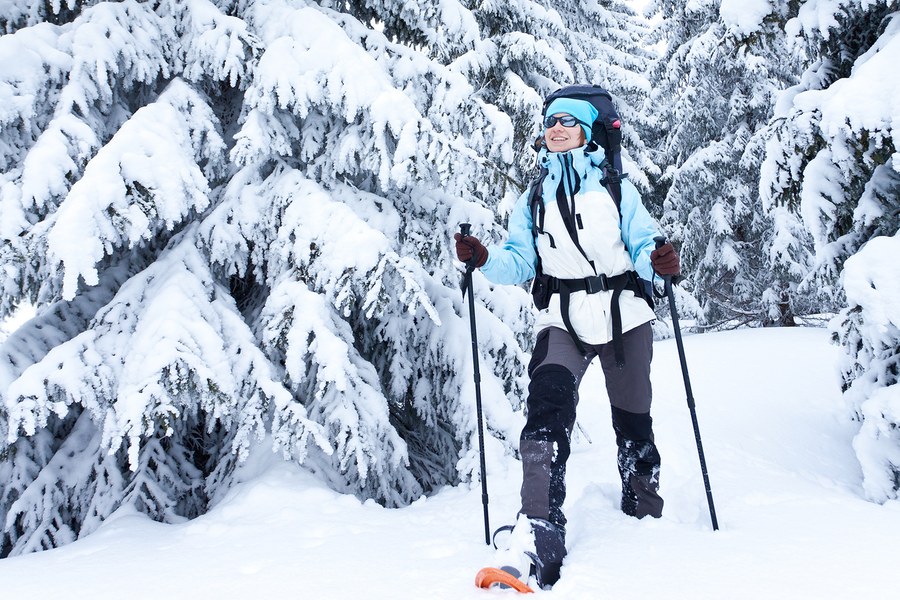
Photo via oneyogaglobal.com
Wear this on packed-snow trails and open meadows where snowshoes earn their keep. Snowshoeing runs warmer than you’d expect — most hikers overheat in the first twenty minutes — so the real principle is venting early with pit zips and a front zip before you sweat through your base layer. Gaiters are the small upgrade that makes the biggest comfort difference here.
Mild winter days: Lightweight puffer vest over a base layer and leggings
For those blue-sky winter days when the sun does half the work, a cream quilted puffer vest layered over a long-sleeve base layer is all the insulation you need up top. Black leggings keep the silhouette streamlined, white hiking socks peek above low trail shoes, and a small daypack rides on the shoulders. The cream-and-black palette feels fresh against dry, snow-free mountain slopes.
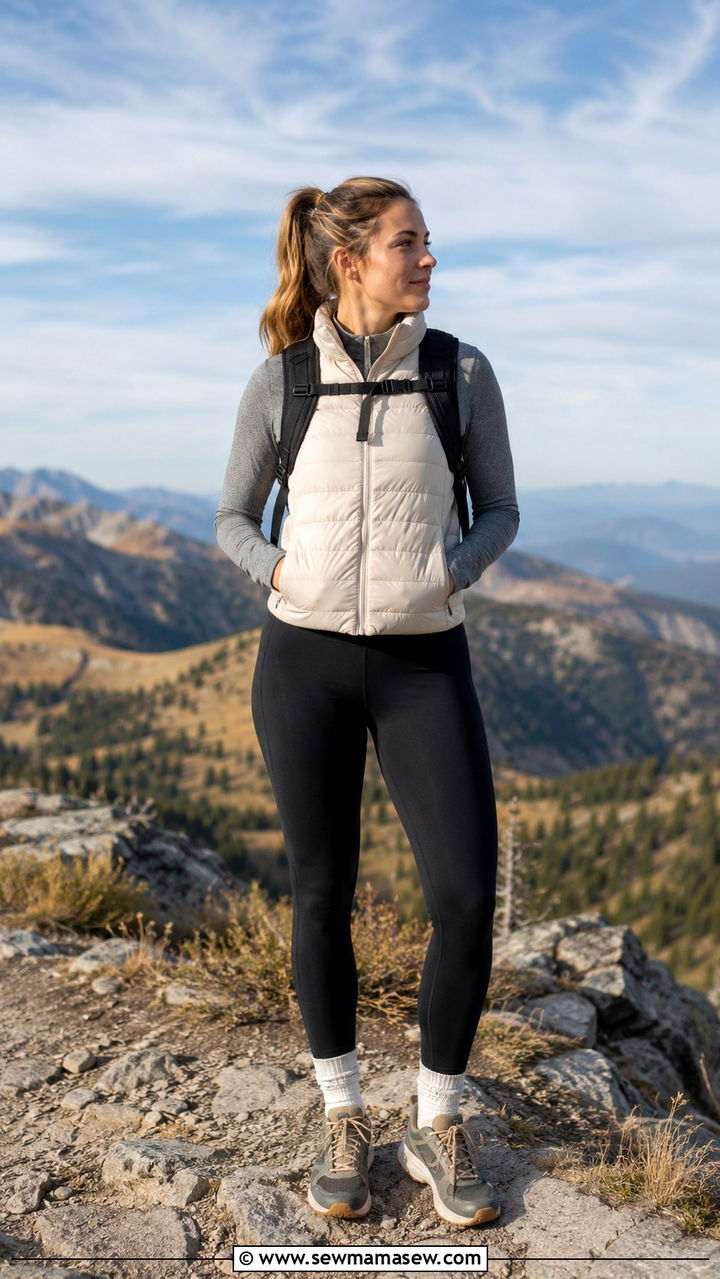
Photo via sewmamasew.com
This is the outfit for lower-elevation or late-season trails where snow hasn’t settled and the temperature sits just above freezing. The vest is the hero because it warms your core while leaving your arms free to regulate heat — the classic move when the forecast can’t decide. Toss a packable rain shell in the pack; mountain weather turns fast even on mild days.
Be seen at dusk: High-visibility shell jacket with dark leggings
A bright yellow shell jacket takes center stage, cut roomy enough to fit a mid-layer beneath without restricting your stride. Black leggings, a knit beanie, and a lightweight running vest pack complete the kit, keeping everything close to the body for fast movement on snowy forest trails. Against the blue hour and frost-covered pines, that yellow reads like a headlamp you wear. For a different spin on the same theme, browse Streetwear Women Winter Outfits.
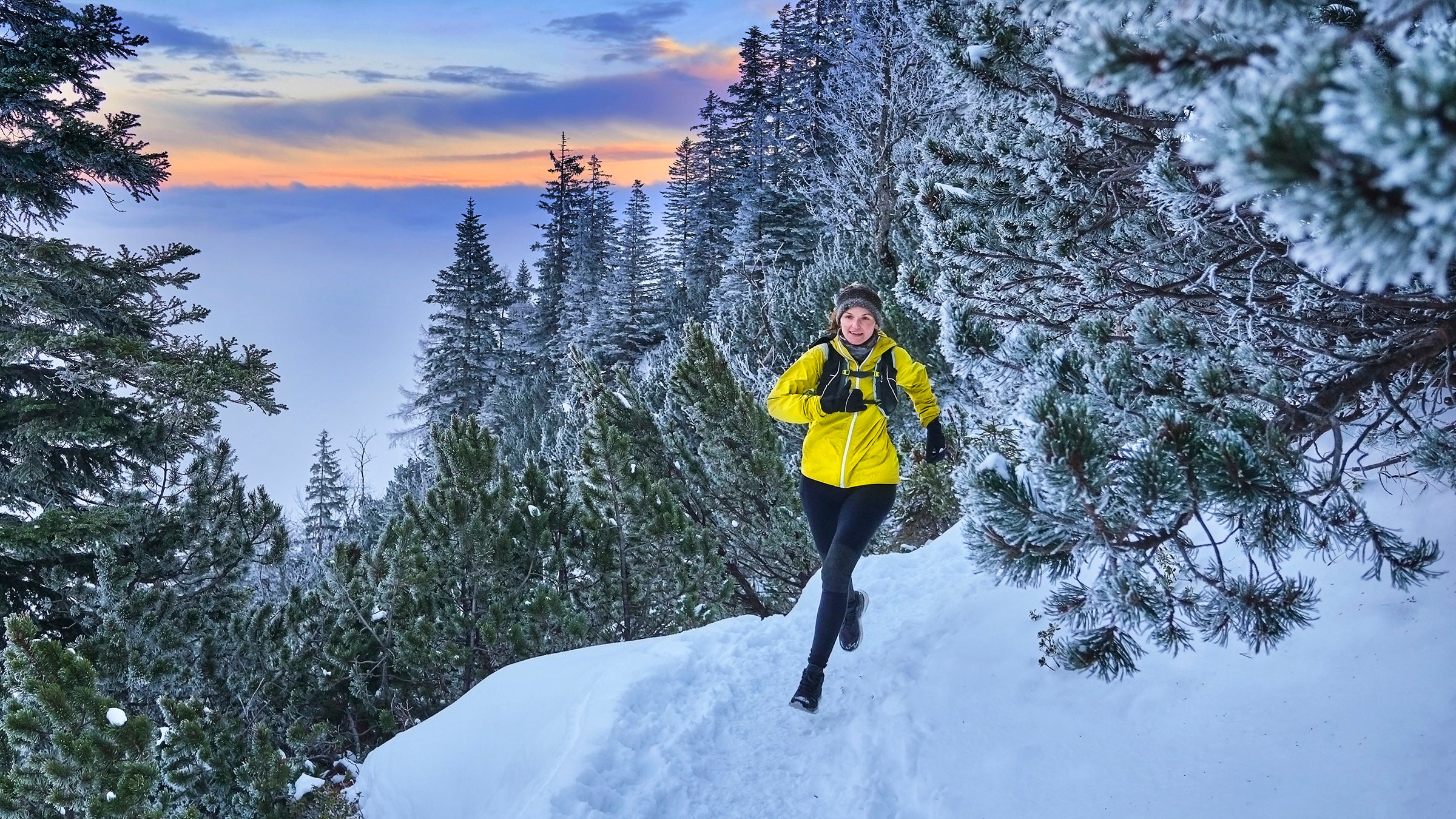
Photo via outsideonline.com
Short winter days make visibility a genuine safety feature, not just a style choice — this look is made for late-afternoon starts and fading light. The principle is contrast: one high-vis piece over dark basics keeps you visible to other trail users without a head-to-toe neon commitment. Pair it with a real headlamp anyway; dusk arrives earlier than your legs expect.
Borrow from the slopes: Technical ski jacket as a hiking shell
A technical ski jacket pulls double duty as a winter hiking shell, bringing taped seams, a powder skirt, and a hood that actually fits over a beanie. Worn over a mid-weight fleece with softshell pants, it handles wet snowfall that would soak through a lighter jacket. The sporty color-blocking keeps the look energetic rather than purely utilitarian.
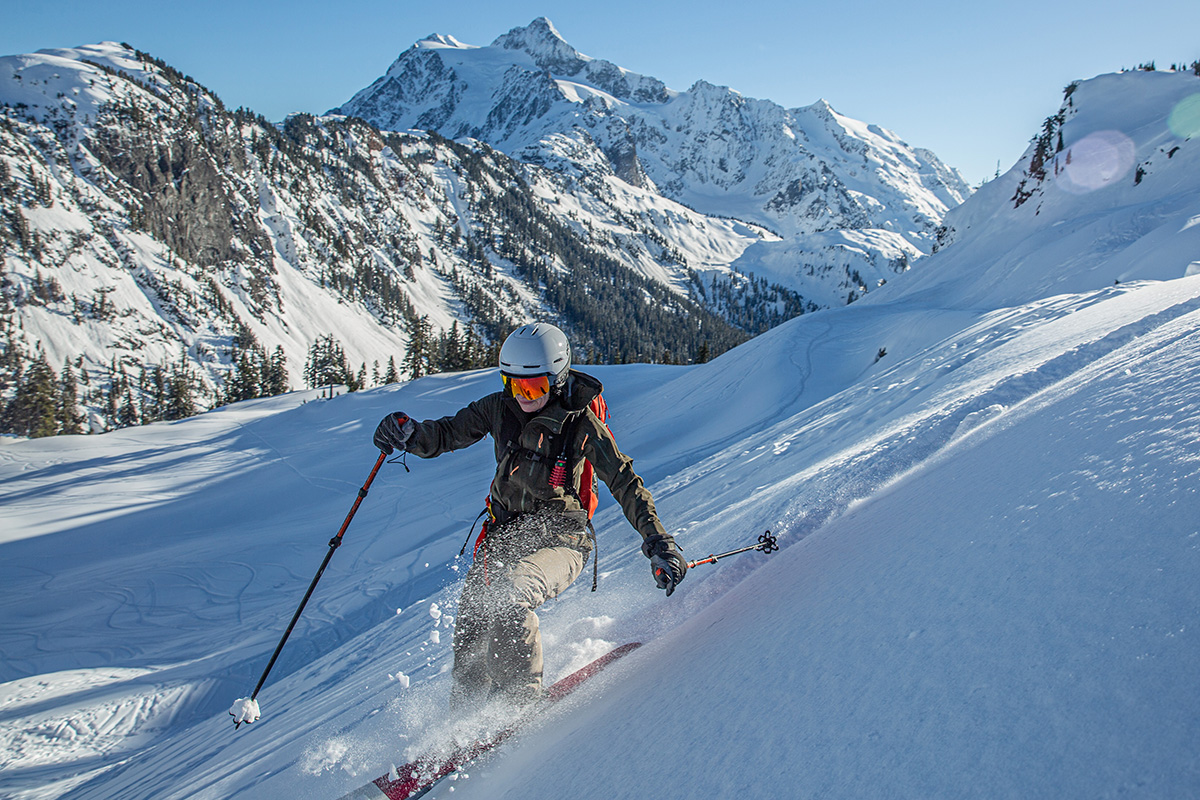
Photo via switchbacktravel.com
This is the pick for stormy trail days and resorts-adjacent hikes where the weather behaves like a ski mountain, because it does. Ski jackets run slightly longer and roomier than hiking shells, which is a bonus for layering but worth noting if you run between sizes — size for your mid-layer, not your base. Pit zips are non-negotiable on the uphill.
Pink on the trail: Quarter-zip base layer with an open shell
A blush-pink quarter-zip base layer brings unexpected color to a snow day, worn under an open black-and-white shell jacket that frames it like a vest. Black leggings, tan leather hiking boots, gloves, and ski goggles pushed up on a fleece-lined hat finish the look. The soft pink against bright snow photographs beautifully without trying too hard.
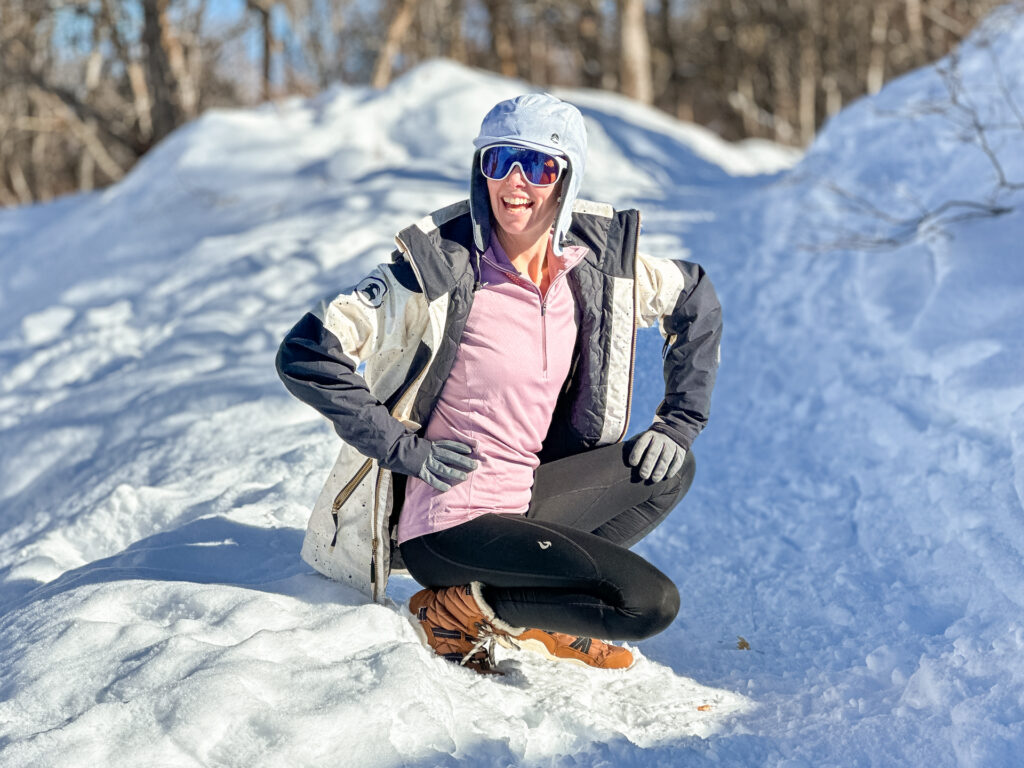
Photo via terradrift.com
Deep-snow days and slow, scenic hikes are where this outfit shines — when you’re stopping for photos, the open shell shows off the color story. The quarter-zip is the hardest-working detail here: zipped up at the windy trailhead, opened wide once your engine warms up. Goggles beat sunglasses when the snow starts blowing sideways.
Bring the dog: Tough winter layers for four-legged trail partners
Hiking with a dog means your outfit has to survive muddy paws and sudden sprints after squirrels, so durable softshell pants and a scuff-resistant insulated jacket lead here. Waterproof boots with real tread handle the stop-start pace, and a roomy pack carries water and treats for two. Dark, forgiving colors hide the evidence of a very happy trail companion. We break down a similar look in Winter Outfits for Plus Size Women.
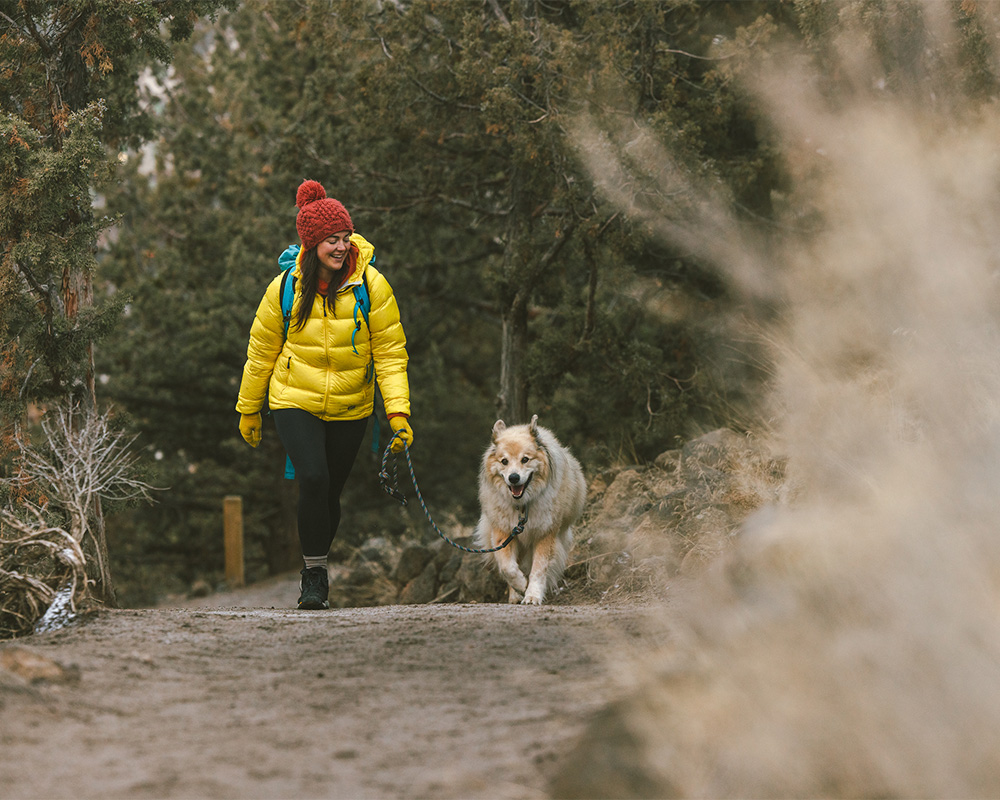
Photo via visitbend.com
Dog-friendly winter trails and snowy buttes are the natural habitat for this kit. The practical principle: dress for standing still as much as walking, because you will spend half the hike waiting while your dog investigates every smell. A packable bowl and a spare leash in the lid pocket complete the system better than any fashion choice.
Alpine snowshoe day: Bright jacket, snowshoes, and poles
A vivid insulated jacket sets the tone for a day on raquettes in the southern Alps, paired with dark snow pants and sturdy snowshoe-compatible boots. Trekking poles — often skipped — are the quiet heroes, taking the wobble out of uneven snow and saving your knees on the descent. A small backpack keeps the silhouette balanced and your hands free.
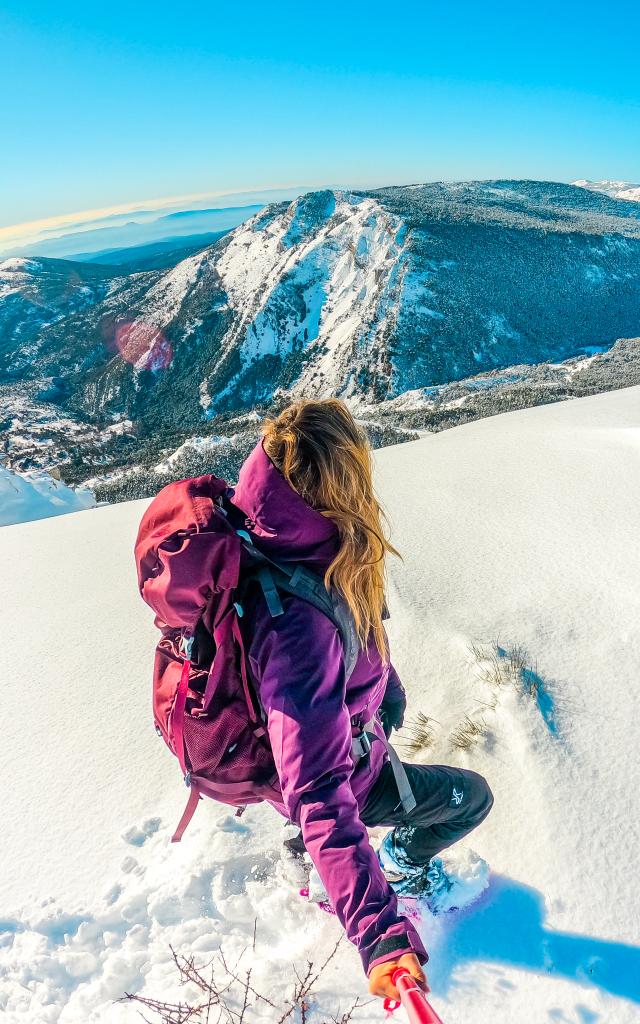
Photo via cotedazurfrance.fr
Guided snowshoe routes and marked winter trails are where this setup earns its place. Poles genuinely change snowshoeing from a workout into a glide, especially on traverses where one side of the trail sits higher than the other. Rent snowshoes before you buy; most alpine trailheads have outfitters within walking distance.
Pacific Northwest moody: Waterproof shell for drizzly forest trails
In the Cascades, winter hiking often means rain rather than deep snow, so a fully waterproof shell jacket over a warm mid-layer is the foundation. Quick-dry hiking pants and waterproof boots handle the mud, while a brimmed hat or hood keeps the drizzle off your face. Deep greens and grays blend with the mossy forest instead of fighting it.
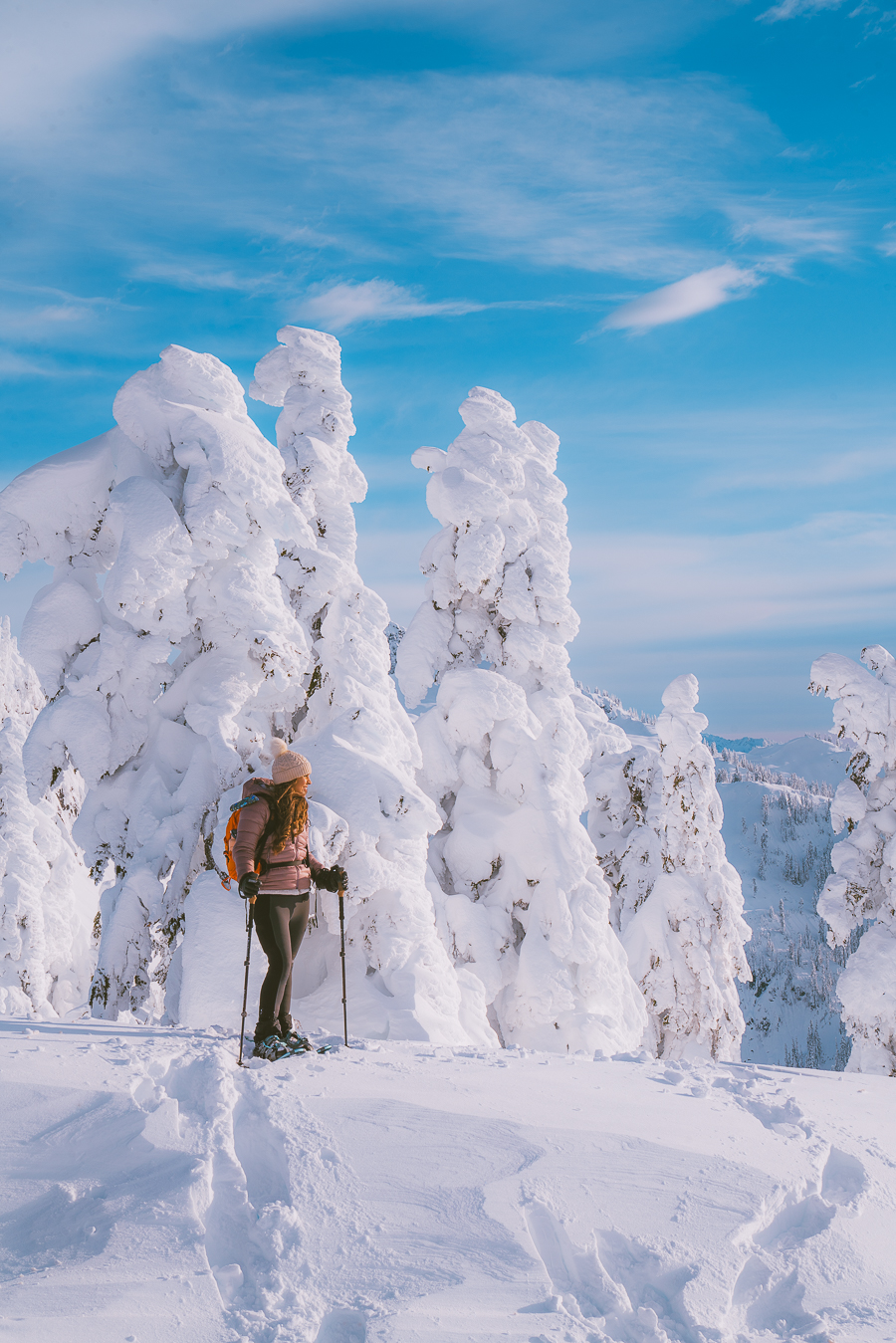
Photo via thewanderingqueen.com
This is the uniform for Washington and Oregon winter trails where the forecast says ’40 degrees and raining’ from November to March. The principle is waterproof-breathable everything, because the damp cold seeps in through cotton and cheap shells alike. Pack your insulation in a dry bag inside your pack — a wet puffy at the summit is a miserable discovery.
Yosemite in winter: Layered kit for the Upper Fall trail
Winter in Yosemite Valley means crisp air, possible ice on shaded switchbacks, and far fewer crowds — and this layered outfit is ready for all of it. An insulated jacket over a fleece, hiking pants with room for thermal leggings underneath, and boots with aggressive tread cover the range from sunny valley floor to icy upper trail. Microspikes live in the pack, not on the feet, until the trail demands them. The same idea, styled another way, appears in Chic Fall Outfit Ideas.
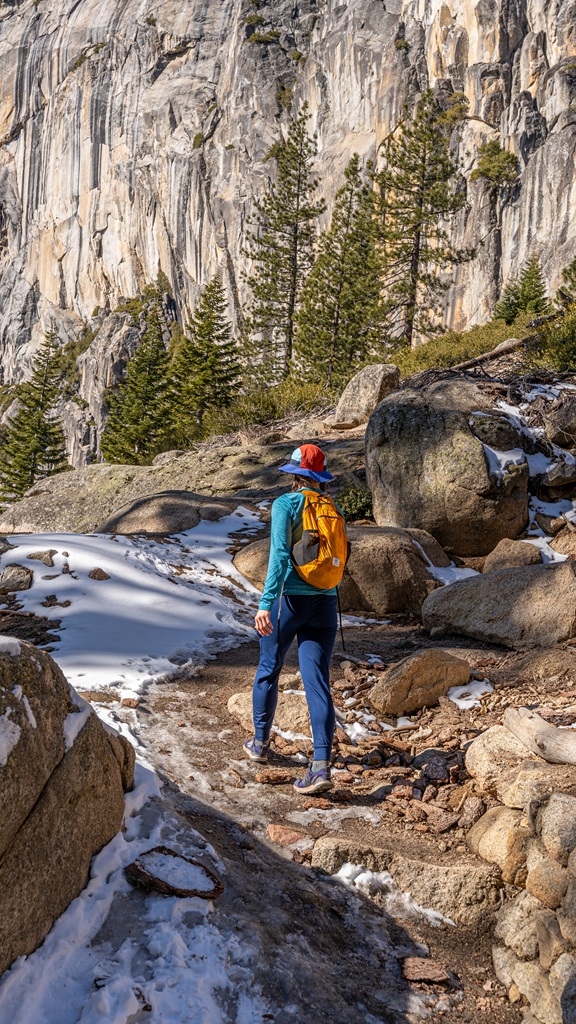
Photo via adventureplanningqueen.com
Iconic national park trails in winter reward the prepared: start early, because shaded ice lingers long after sunrise even on mild days. The layering principle matters most on big elevation-gain hikes like Upper Yosemite Fall, where you’ll strip down climbing and bundle up at every viewpoint. Check the park’s winter trail conditions before you commit to the full climb.
Statement color: Bold orange puffer with neutral base layers
An orange quilted puffer jacket does all the talking, worn open over a dark base layer with black hiking pants and sturdy boots. A brown knit beanie and gloves warm up the palette, while a daypack in olive keeps the whole thing grounded. Against gray winter skies and rocky terrain, that orange is pure main-character energy.
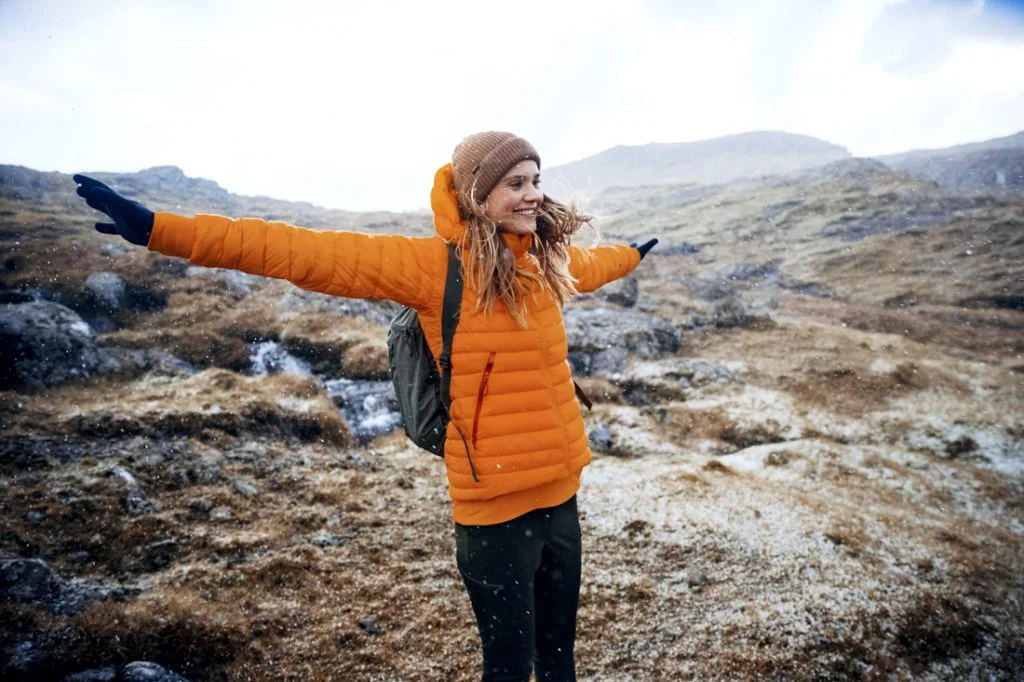
Photo via naturalborn-explorers.squarespace.com
Windy ridgelines and overcast days are where a statement puffer earns its keep — you’ll spot yourself in every trail photo for years. The styling rule is one loud piece and everything else quiet, so the jacket stays the focal point instead of competing with your pants. Orange also happens to be the most visible color in flat winter light, which your hiking partners will appreciate.
Après everything: Ski-lodge polish for the post-hike stop
The hike is over and the hot chocolate is calling — this is the outfit that carries you from trailhead to lodge without a costume change. Think a sleek black puffer, fitted turtleneck, dark jeans or coated leggings, and heeled ankle boots swapped in from the trunk. A knit headband keeps the just-hiked hair looking intentional.
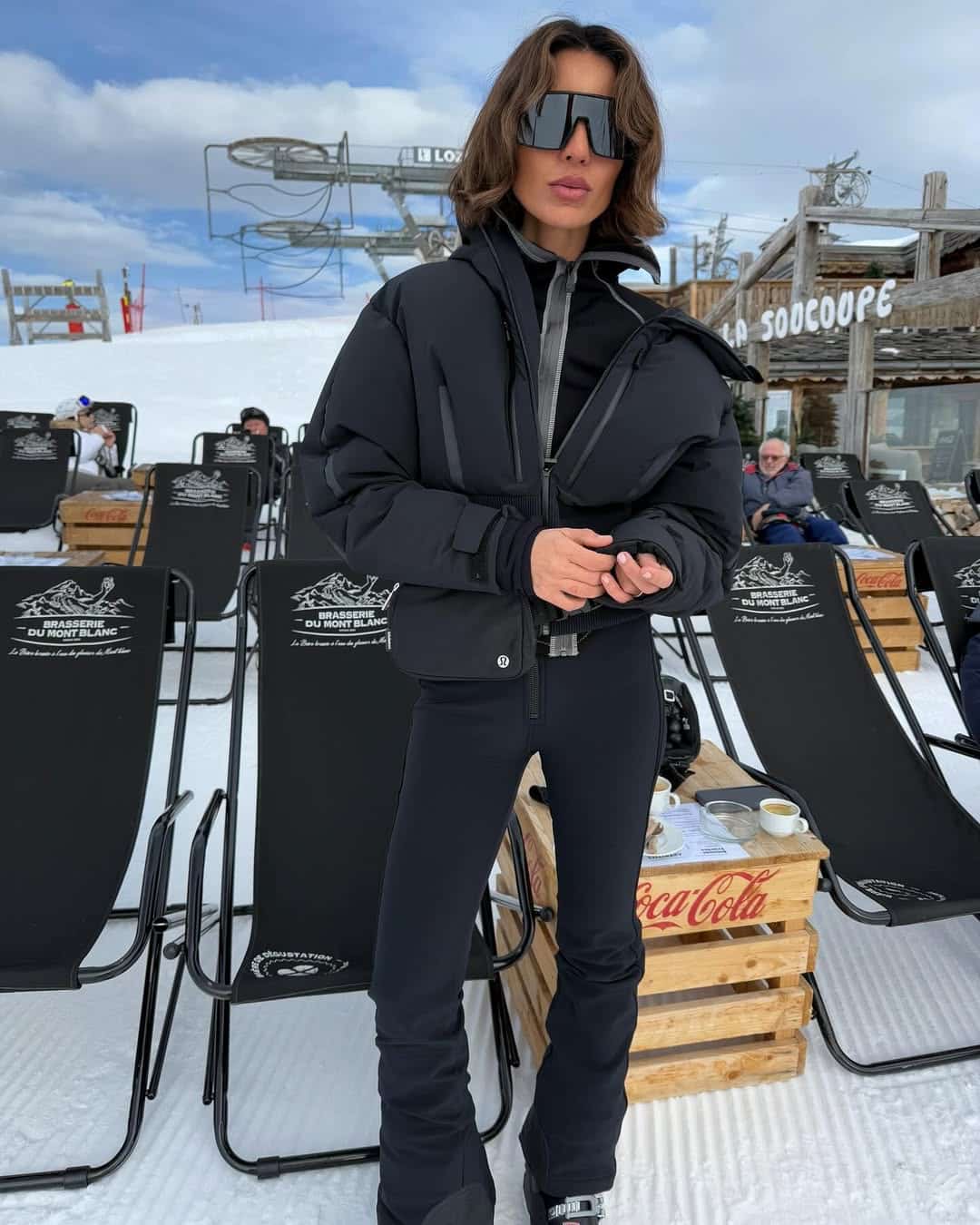
Photo via myfashionlife.com
Mountain towns, ski villages, and brewery patios after a winter hike are the whole point of this look. The principle is the trunk swap: hiking boots off, clean boots on, and suddenly the same base layers read as an outfit. Keep a small bag with your swap shoes and a fresh top in the car all winter — future you says thanks.
Cabin classic: Sherpa-lined flannel with jeans and hiking boots
A sherpa-lined flannel jacket is the cozy hero of this look, worn over a thermal henley with dark jeans and lace-up hiking boots. The red-and-black plaid brings instant cabin energy, while the sherpa lining means you can skip a separate mid-layer on all but the coldest days. Rolled cuffs and a beanie keep it casual rather than costume. Related reading: Nyc Outfit Ideas for Women 2026 Winter Street Style and Year Round Fashion Inspiration takes the same concept further.
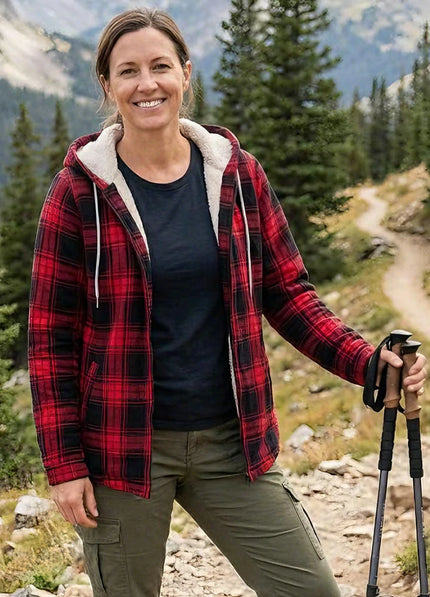
Photo via flannelgo.com
Cabin weekends, firewood runs, and easy forest loops are the natural setting — anywhere the hike ends at a wood stove. Flannel’s real advantage is how it handles campfire smoke and pine sap without complaint; this is the jacket you don’t have to baby. Just remember the sherpa lining adds bulk, so size up if you plan to layer a sweater under it.
Step-out layers: Teal half-zip with fleece-lined leggings and boots
A teal half-zip pullover brings a shot of color to a snowy cabin morning, paired with navy fleece-lined leggings and black hiking boots over patterned wool socks. The cropped athletic cut of the top keeps the proportions clean against the taller boots. It’s the outfit equivalent of stepping onto the porch with coffee before deciding the day deserves a real hike.
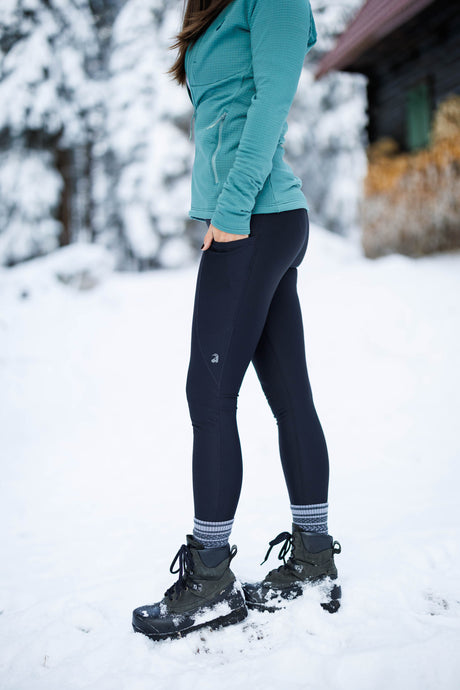
Photo via eu.alpinenation.com
Short neighborhood trails, snowy cabin loops, and ‘let’s just see how far we get’ mornings suit this lighter kit. Fleece-lined leggings are the quiet upgrade over standard leggings here — same streamlined look, meaningfully warmer legs. The patterned socks peeking over the boots are a small joy; let them show.
Rain or snow: Hardshell rain jacket over active layers
A hardshell rain jacket in a bold color tops this wet-weather hiking kit, worn over a grid fleece and quick-dry pants that won’t stay soggy. The longer cut covers your hips when the rain runs off the hood, and the hood’s brim keeps water off your glasses. Underneath, everything is synthetic or wool — nothing that holds water.
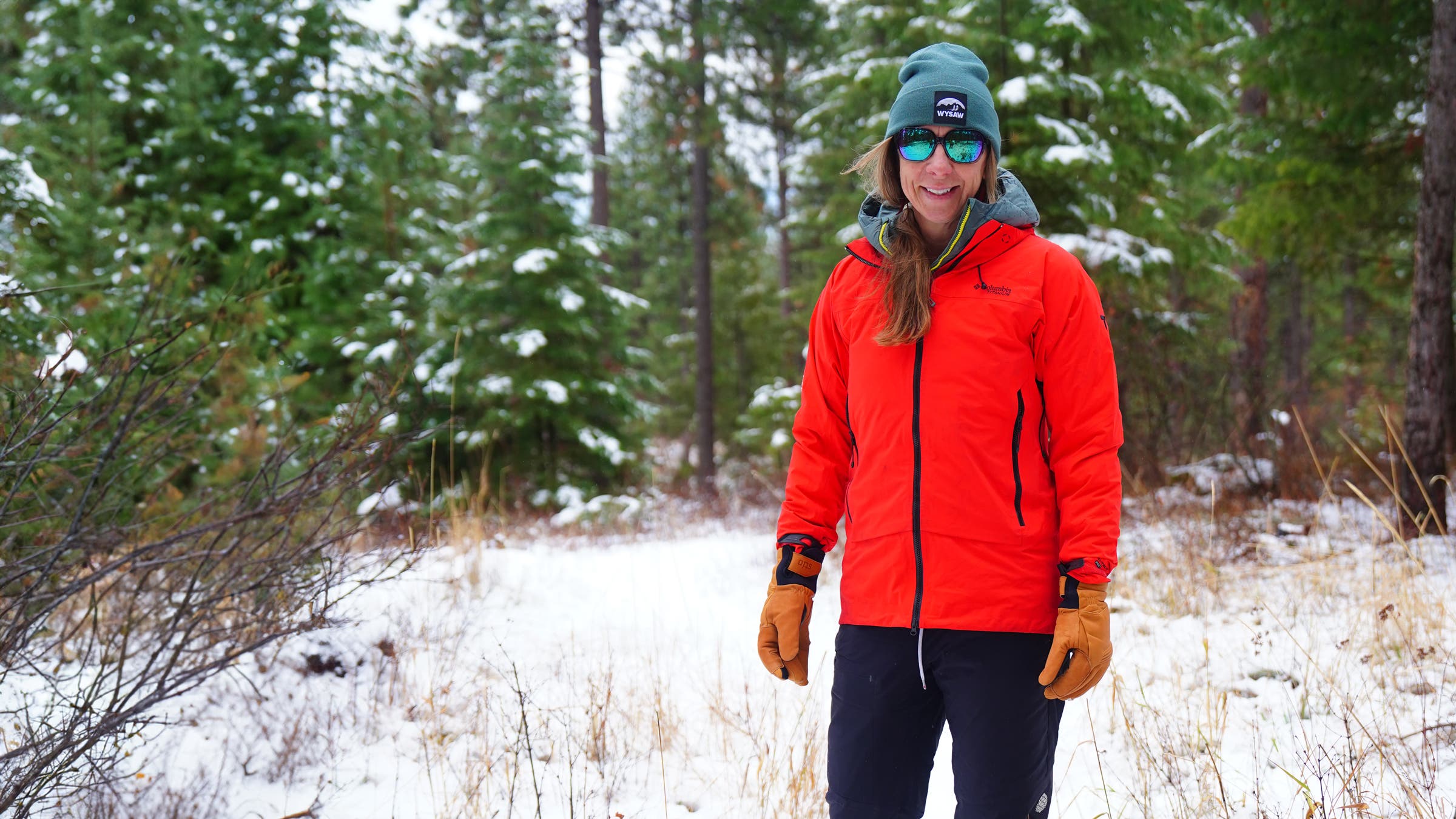
Photo via backpacker.com
Shoulder-season storms and coastal winter trails, where the precipitation can’t decide what it wants to be, are exactly what hardshells are for. The principle: your shell is only as good as what’s under it, so treat the fleece mid-layer as mandatory, not optional. This jacket also doubles as your wind layer on exposed ridges, which extends its season deep into spring.
Groomed alpine path: Red insulated jacket with a trekking pack
A cherry-red insulated jacket pops against a groomed alpine winter trail, paired with black hiking pants, gloves, and a beanie in a contrasting cool tone. A fitted trekking pack with a hip belt distributes the weight for longer days, and the jacket’s two-way zip lets you vent from the bottom on steep climbs. The whole palette is high-contrast and camera-ready. You’ll find the same spirit in Elegant Winter Outfits for Women.
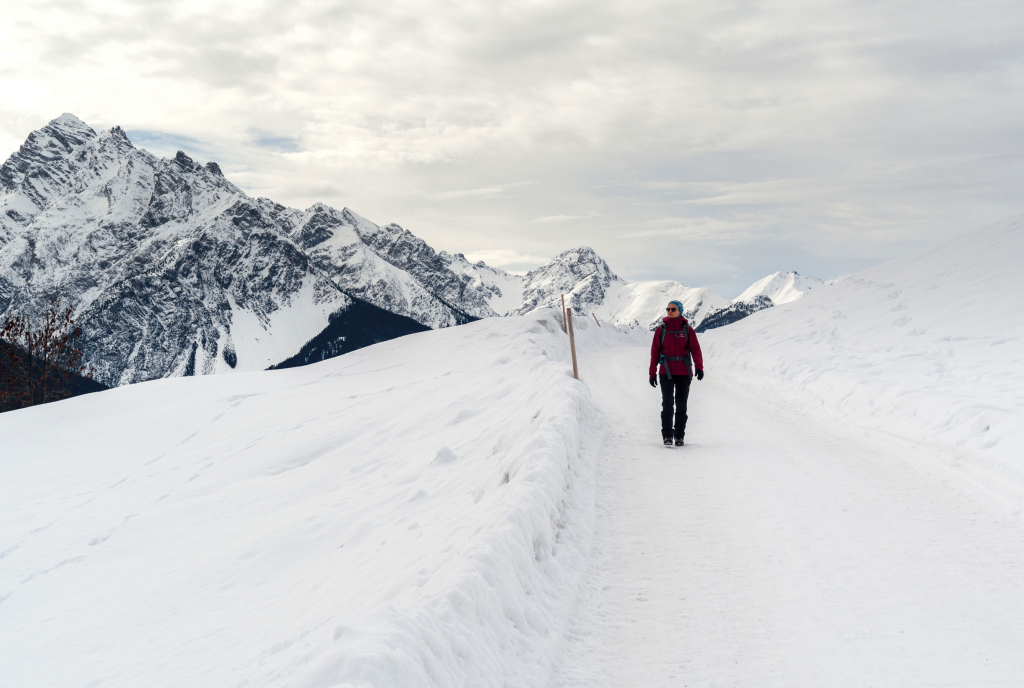
Photo via graubuenden.ch
Maintained winter walking routes in the Alps and Rockies — the kind with signage and mountain huts — are the sweet spot for this polished kit. On groomed paths you can trade heavy boots for lighter waterproof hikers, since the surface is predictable. Book the hut lunch in advance; the best sunny terraces fill by noon.
East Coast winter: Full layers for snowy New York trails
Winter hiking east of the Mississippi means freeze-thaw cycles and surprise ice, so this outfit leads with traction: insulated waterproof boots and traction devices in the pack, under a warm insulated jacket and windproof pants. A fleece neck gaiter pulls up over your face when the wind cuts across open ridgelines. Dark, practical colors hide road salt and slush.
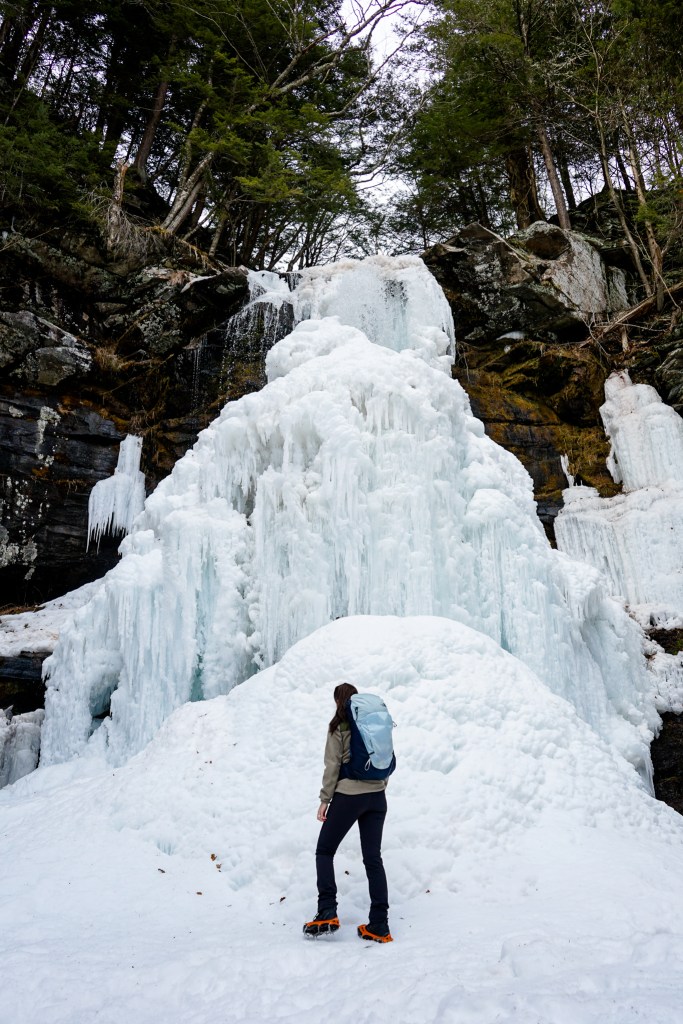
Photo via alifeofadventures.com
Catskills, Adirondacks, and Hudson Valley trails in January and February are the proving ground here. The honest principle for East Coast winter hiking is that conditions change hourly — bluebird at the trailhead can be whiteout at the summit. Traction devices weigh almost nothing and have saved more hikes than any jacket ever will.
Banff bound: Camera-ready layers for the Canadian Rockies
A trip through Banff and Jasper calls for layers that perform in real cold and still look good at Lake Louise — an insulated parka-style jacket, thermal leggings under hiking pants, and insulated boots rated well below freezing. A chunky knit scarf adds texture for photos, and touchscreen-compatible gloves mean you never expose your fingers to grab a shot.
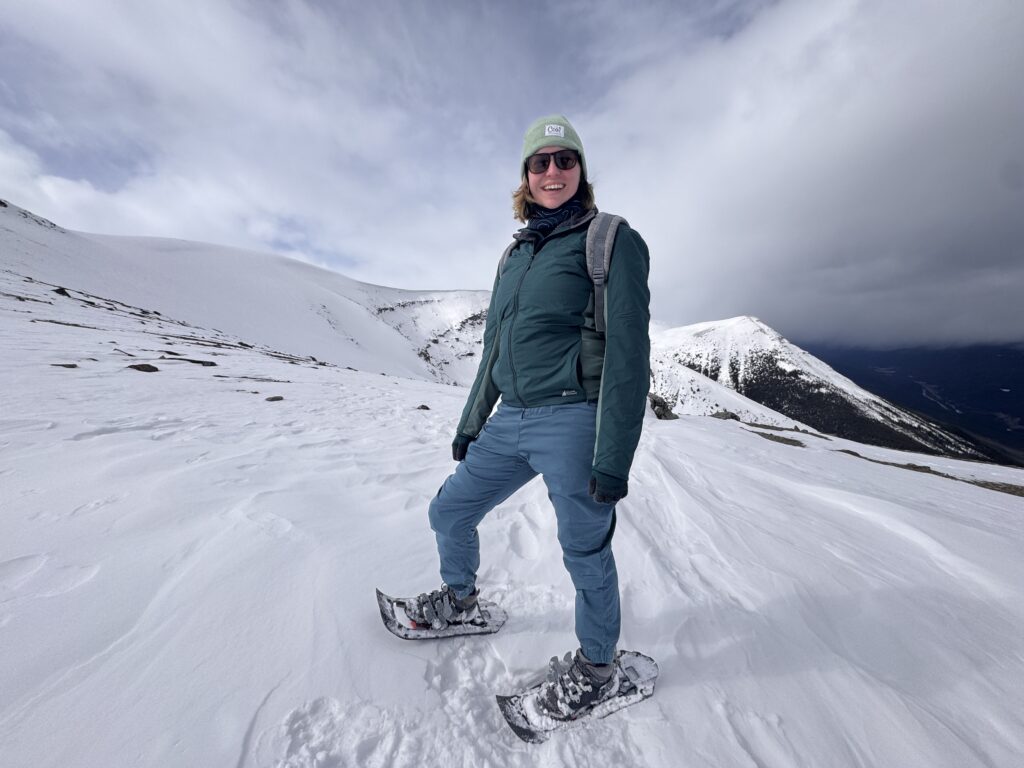
Photo via canadiangeographic.ca
Sightseeing-heavy winter trips where the ‘hikes’ are short walks between viewpoints suit this warmer, slightly dressier kit. The Rockies in winter are no joke: minus twenty is a normal Tuesday, so the principle is no exposed skin and no cotton anywhere. Hand warmers in the gloves and a thermos in the pack are the difference between a great day and a short one.
Skin track crossover: Ski-touring shell with hiking layers
A ski-touring shell jacket crosses over to winter hiking beautifully, with its longer cut, helmet-compatible hood, and vents placed for uphill movement. Worn over a breathable mid-layer with softshell pants and sturdy boots, it handles the stop-start rhythm of a steep winter trail. The athletic color-blocking keeps it looking fast even standing still. This pairs naturally with the ideas in Athleisure Fall Outfits Gym to Brunch Looks for Busy Women.
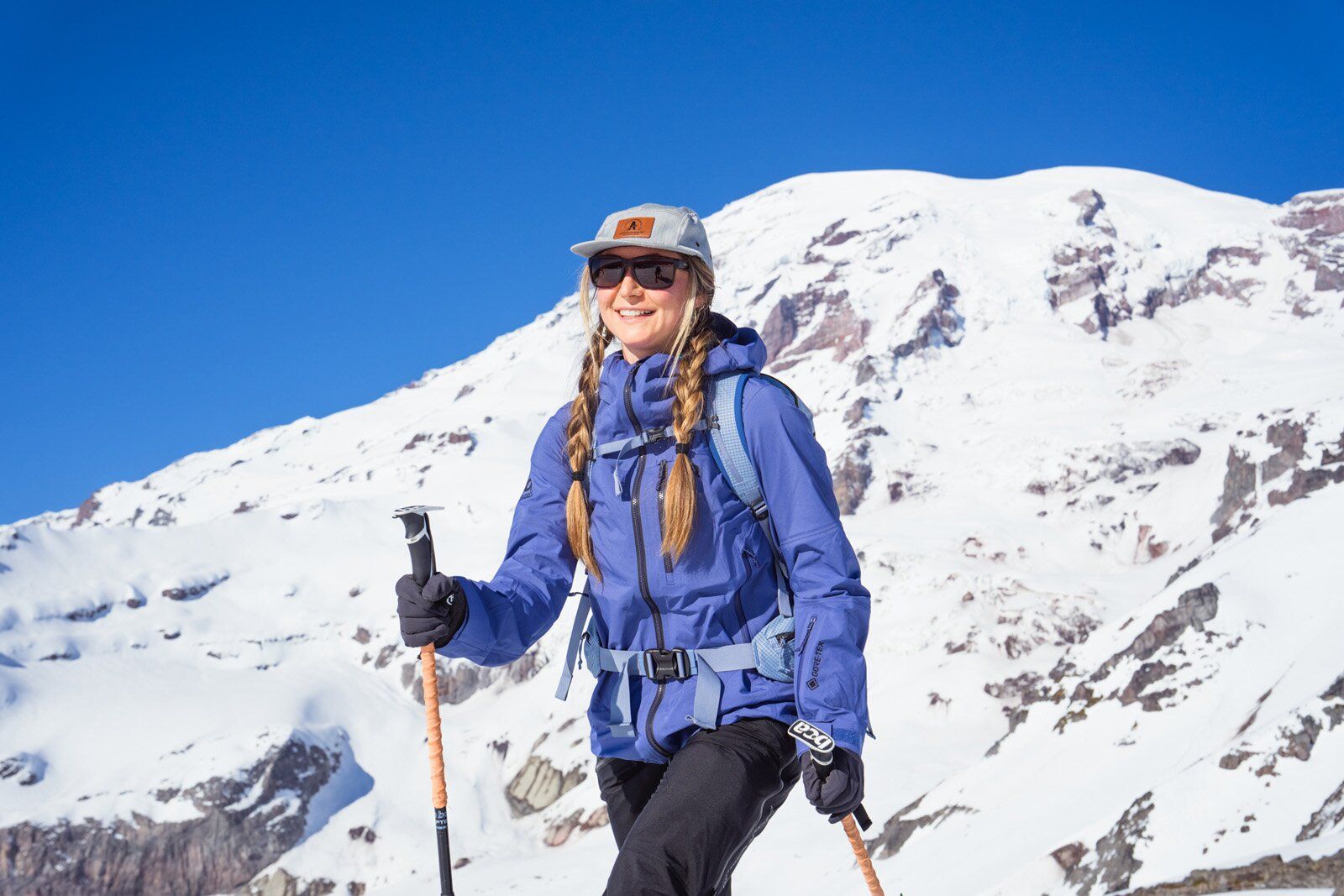
Photo via bettertrail.com
This is the kit for fit hikers tackling steep, snowy ascents where you’ll generate serious heat going up and freeze the moment you stop. Touring gear is built exactly for that rhythm — vent everything on the climb, seal everything at the top. If you already own a touring setup, there’s no reason to buy a separate hiking shell for winter.
Summit sit: Color-block puffer with red ski pants
A yellow-and-black color-block puffer paired with red ski pants is unapologetically bold — the kind of outfit that turns a windy summit into a photo shoot. A striped pom beanie, gloves, and red hiking boots tie the red through the whole look, while a blue daypack with trekking poles strapped on keeps it functional. Sitting on the summit rock, you are the view.
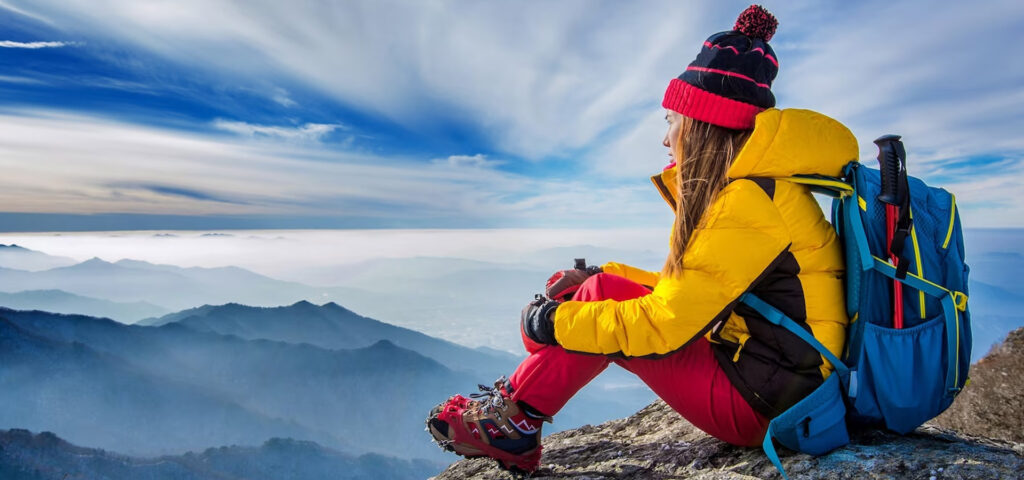
Photo via viddaofnorway.se
Bluebird summit days when the wind is low and the camera comes out deserve an outfit with personality. The principle is commitment: once you go bold on both top and bottom, keep every accessory in the same warm family so it reads as designed, not accidental. Windproof pants matter more than their weight suggests at exposed summits — check the rating, not just the look.
Boot school: The right boots for snowshoeing days
Snowshoeing lives or dies by footwear, so insulated, waterproof hiking boots take the starring role here, paired with tall socks and gaiters that seal the gap at the cuff. Above, a warm mid-layer and a windproof shell handle the temperature swings of a rolling snowshoe route. The boots’ stiff sole also plays nicer with snowshoe bindings than soft winter boots do.
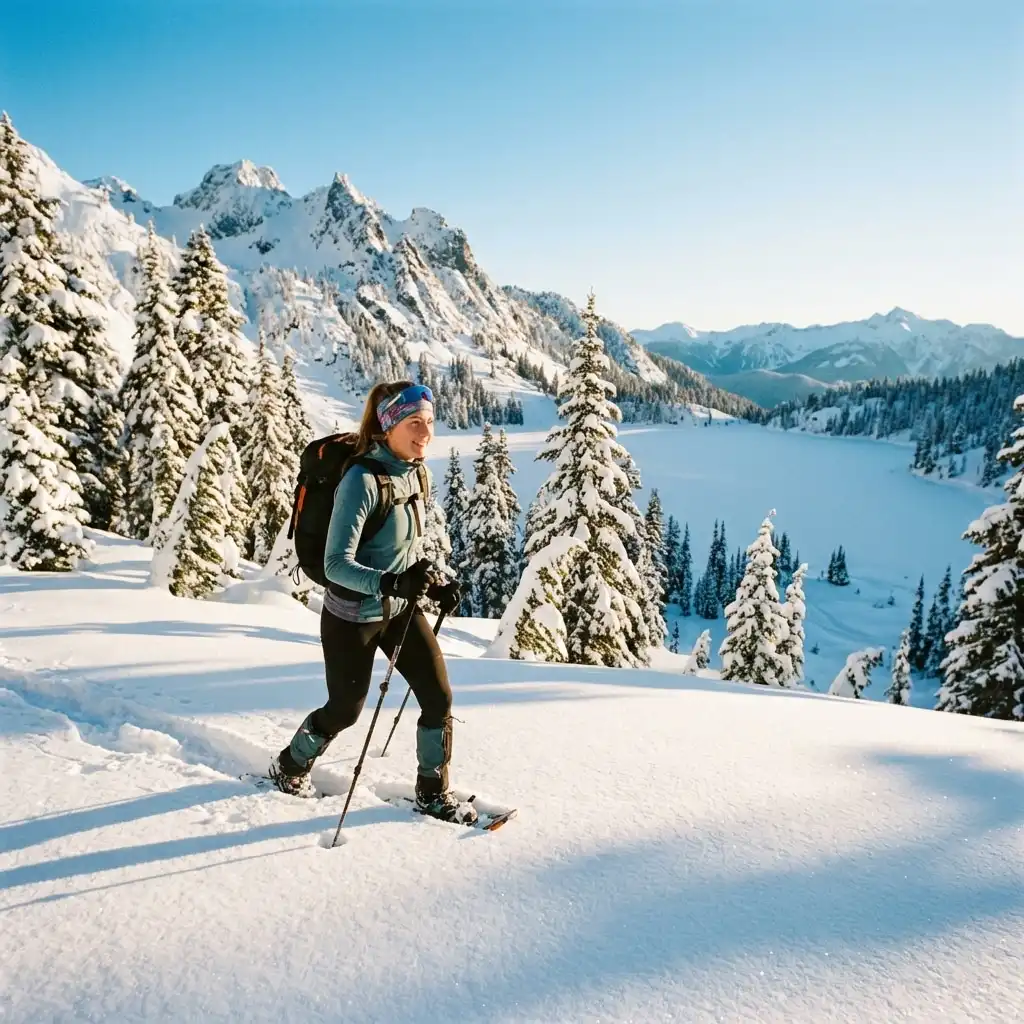
Photo via gripoutdoor.com
First-time snowshoers and anyone renting gear should build the outfit around the boots, because rental shops fit bindings to what’s on your feet. The practical rule: boots should be snug enough for control but roomy enough for thick socks without cutting circulation — cold toes end hikes early. Break new boots in on dry walks before trusting them on a snowshoe day.
Merino everything: Thermal base layer with beanie and shades
A light-gray merino wool base layer is the quiet luxury of this outfit — warm, breathable, and naturally odor-resistant for multi-day trips. A navy beanie, mirrored sunglasses, gloves, and a technical daypack with a hip belt complete the kit, all in cool tones that suit bright snow glare. The fitted cut layers cleanly under any shell you add later. See also Best Old Money Outfits with Skirt for more variations on this look.
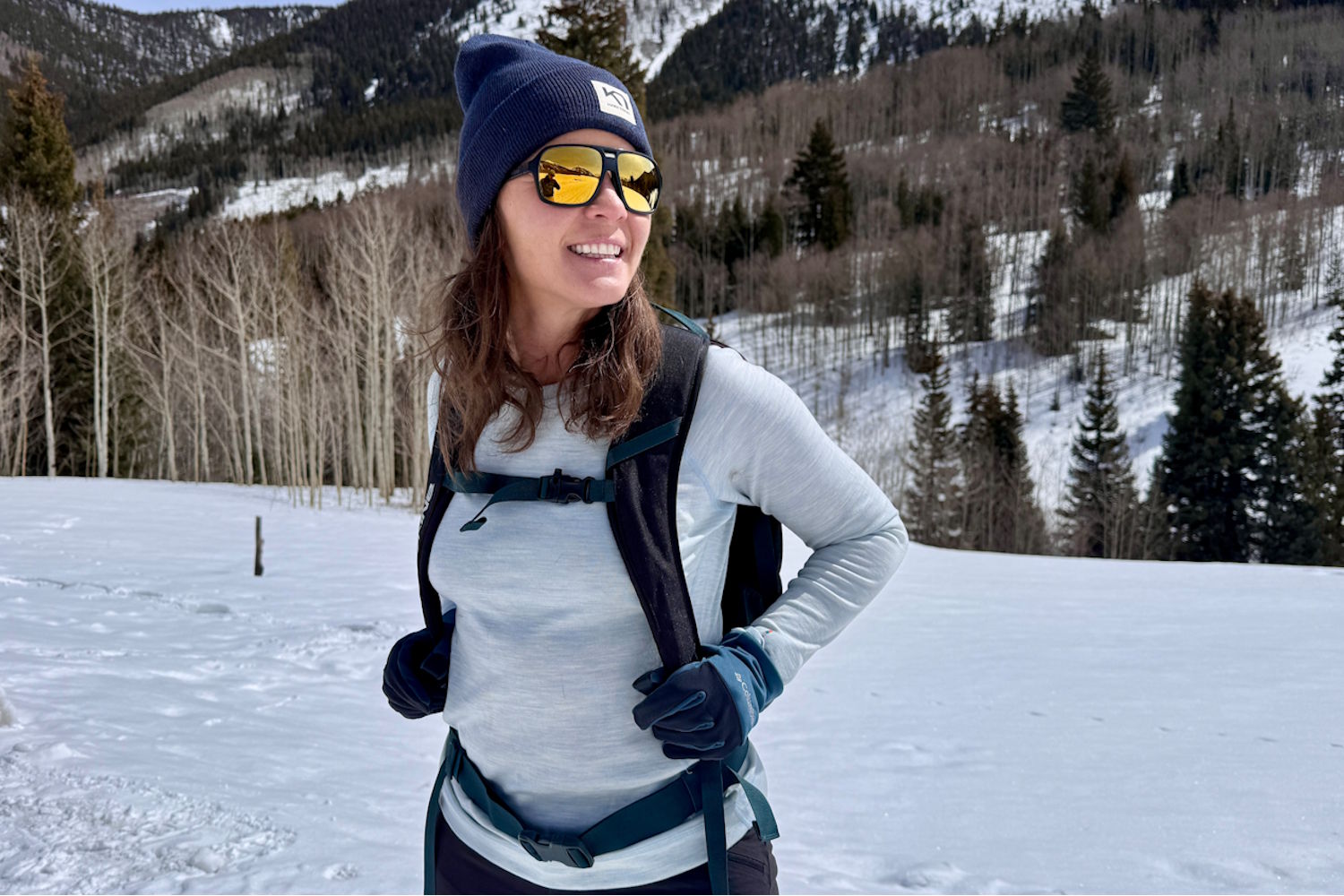
Photo via gearjunkie.com
Sunny winter days above the treeline, where UV bounces off the snow from every direction, are merino’s home turf. Sunglasses aren’t optional here — snow blindness is real, and mirrored lenses cut the glare that causes it. The base layer does the heavy lifting on temperature regulation, so invest here before upgrading anything else in the kit.
Chapel views: Scenic-trail layers for viewpoint hikes
Some winter hikes are really scenic walks with a destination — a mountain chapel, a frozen waterfall, a famous overlook — and this outfit matches that energy: a warm mid-layer jacket, comfortable hiking pants, and supportive boots, with a scarf for the windy viewpoint. The look is put-together enough for the mountain restaurant afterward.
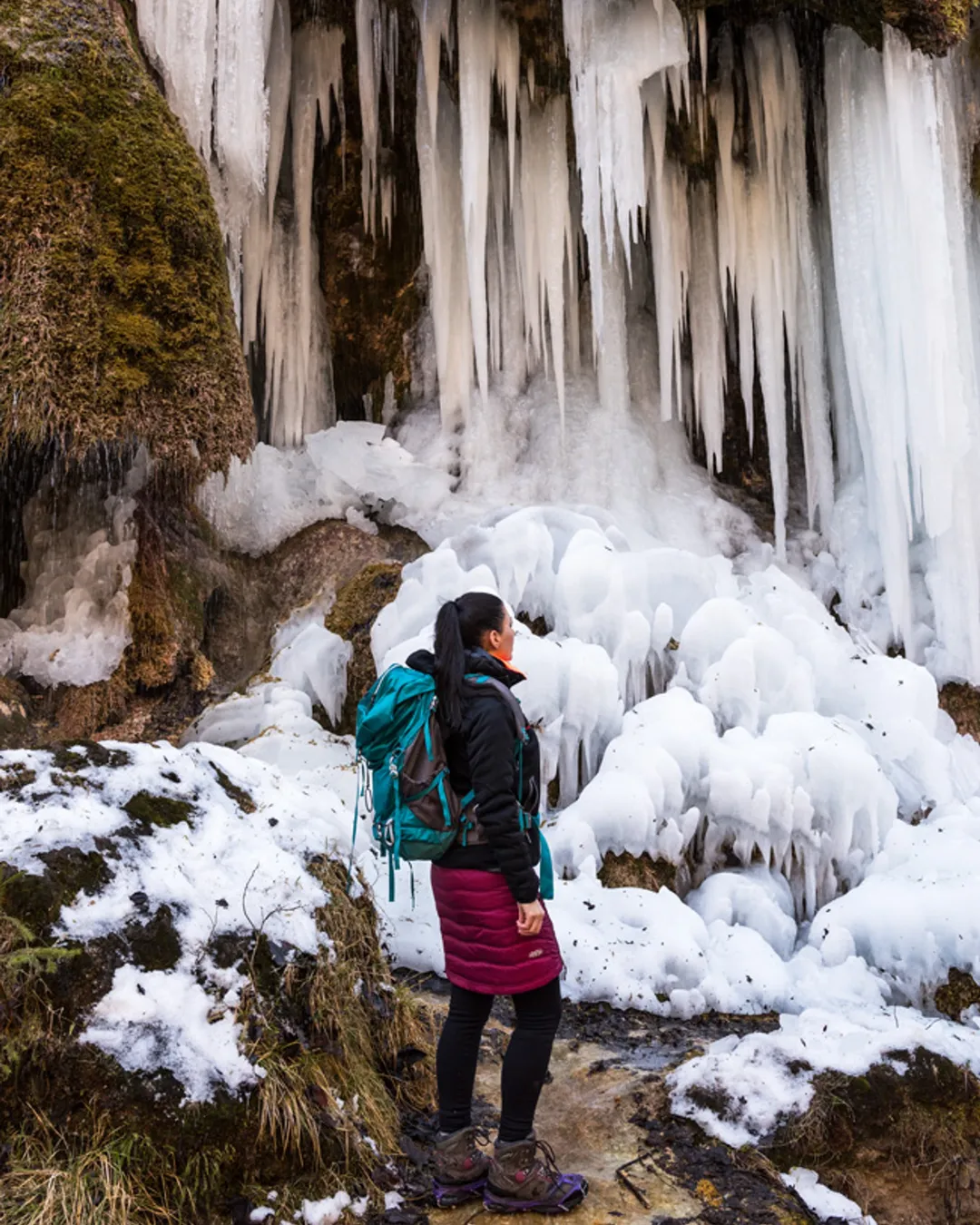
Photo via rexby.com
European panoramic trails and any hike that ends at a hut, chapel, or café suit this balanced kit. The principle is versatility over specialization: you want to look reasonable in photos, stay warm at the exposed viewpoint, and not feel overdressed at lunch. A packable down layer in the bag covers you if the viewpoint wind is fiercer than expected.
Gear-tester favorite: Technical softshell for active winter days
A technical softshell jacket is the choice of hikers who run warm — breathable enough to wear while moving, weather-resistant enough for light snow. Paired with a light base layer, stretch hiking pants, and mid-cut boots, it creates a streamlined silhouette built for pace. The matte fabric and clean lines keep it looking sharp on and off the trail.
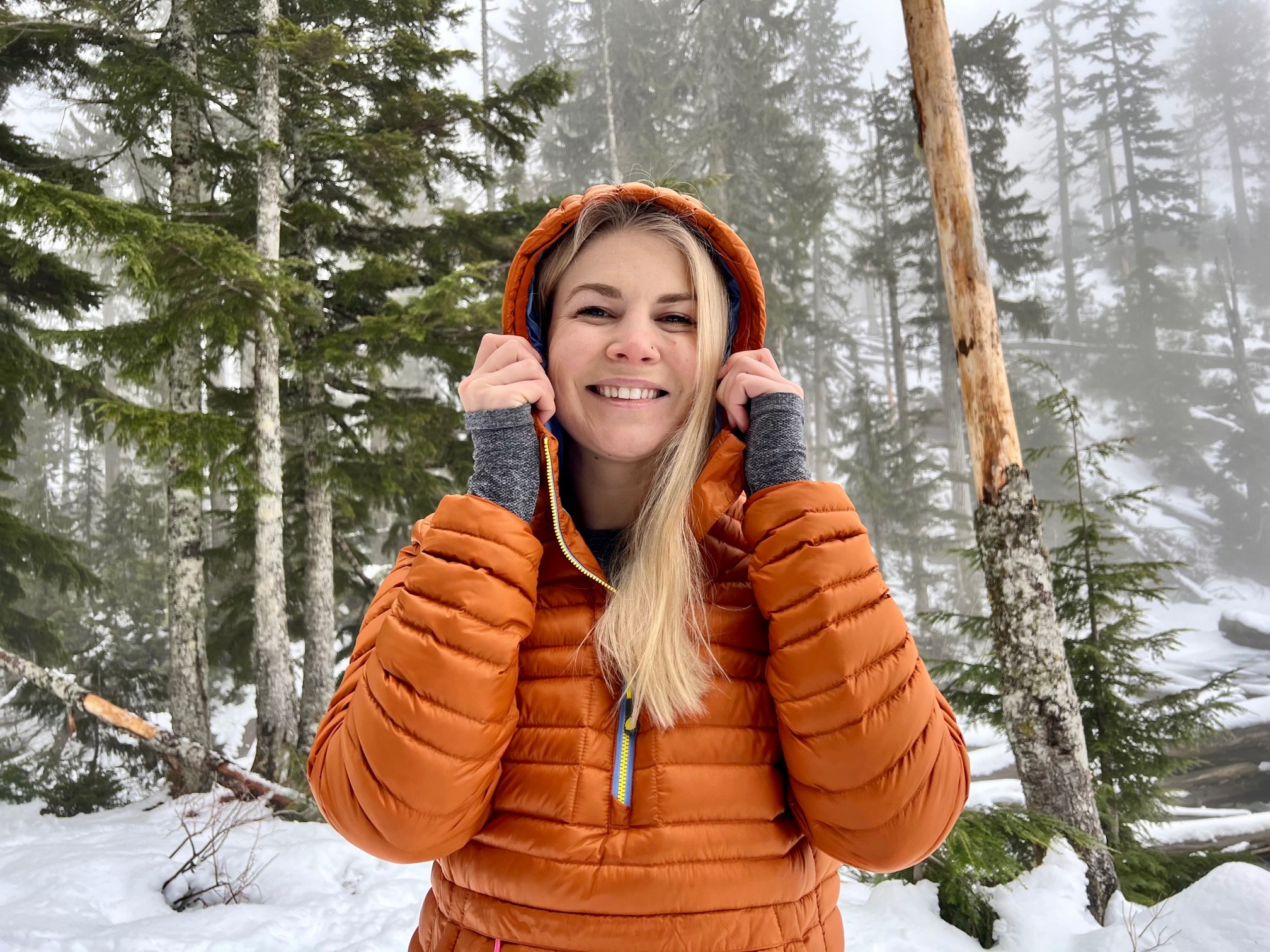
Photo via explorenborgen.com
Fast-paced winter hikes and trail-running-adjacent outings, where you’ll overheat in a hardshell within minutes, are the softshell’s domain. The honest trade-off: softshells breathe better than any waterproof jacket but won’t survive sustained rain — check the sky, not just the temperature. For most crisp, dry winter days, it’s the perfect middle ground.