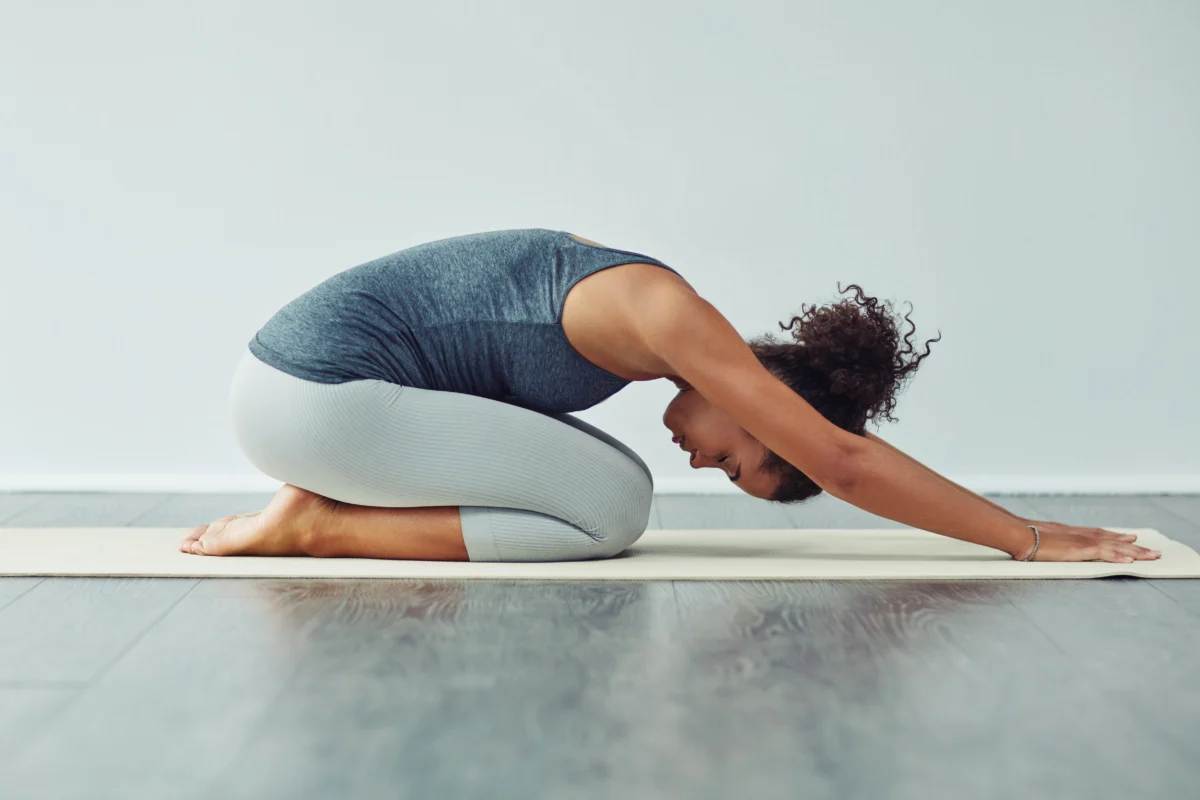
If you are a woman over 40, you may have noticed that staying strong and energetic feels different than it used to. That is not your imagination: muscle mass naturally declines with age, starting around 30 and speeding up after 40. The good news is that strength training is the most effective way to fight back — and it is never too late to start.
This guide covers why lifting weights matters so much at this stage of life, how to begin safely, what equipment you actually need, and what to expect in the first few months. You do not need a gym membership or any experience. You need a plan, a little patience, and the willingness to start light. Comfortable workout clothes help you show up consistently, and the easy athleisure in Gym Outfit Ideas for Your Next Workout is a good place to start.
Key Takeaways
- Strength training counters age-related muscle loss and builds bone density, lowering osteoporosis risk.
- Start with bodyweight or light weights and master your form before adding resistance.
- Aim for two to three full-body sessions a week, with a rest day between each.
- Always warm up before and cool down after every session to prevent injury.
- Consistency matters more than intensity — initial results often appear within four to eight weeks.
Why Strength Training Matters So Much After 40
Muscle loss with age — known as sarcopenia — begins gradually and accelerates after 40, affecting strength, balance, posture, and everyday energy. Lifting weights directly counters it: resistance training signals your body to build and maintain muscle, which keeps you stronger for the tasks of daily life, from carrying groceries to climbing stairs without thinking about it.

Photo via topstream.myshopify.com
The benefits go well beyond muscle. Resistance training builds bone density, which matters enormously for women, who face a higher risk of osteoporosis after menopause. Muscle tissue also burns more calories at rest than fat tissue, so building muscle supports weight management and keeps your metabolism steadier. And the less visible benefits are just as real: better balance and fewer falls, improved mood and sleep, steadier energy through the day, and a sense of capability that grows with every session. Strength training is one of the highest-return habits there is for this stage of life.
What You Need to Start
You do not need a garage full of gear. A beginner setup is small, affordable, and fits in a corner of a room.

Photo via nextbigideaclub.com
- Dumbbells: a set of light to medium weights — many beginners start with 2 to 5 kg pairs — lets you begin safely and increase resistance as you get stronger. Adjustable dumbbells save space if you want room to grow.
- Resistance bands: portable, versatile, and available in different strengths. Bands are excellent for adding resistance without heavy weights and for exercises that dumbbells do not cover well.
- An exercise mat: provides cushion and grip for floor work such as planks, glute bridges, and stretching.
- Supportive shoes and comfortable clothes: proper footwear gives you stability for standing exercises, and stretchy layers let you move freely. The flexible fits in Flare Leggings Outfit Ideas or Simple Leggings Outfits for Everyday Style work well for training and for the walk home afterwards.
- A water bottle: hydration supports performance and recovery. Keep water nearby and sip through the session.
A basic home setup of dumbbells and bands typically costs between $50 and $150. A gym membership, usually $20 to $60 or more a month, gives access to a wider range of equipment and classes — but it is entirely optional. You can start with no equipment at all, using bodyweight exercises, and add gear as you progress.
Your First Weeks: A Safe Step-by-Step Start
Starting safely is mostly about sequence: get clearance, warm up, learn the movements, then build gradually. Follow these steps in order and you will build good habits from day one.
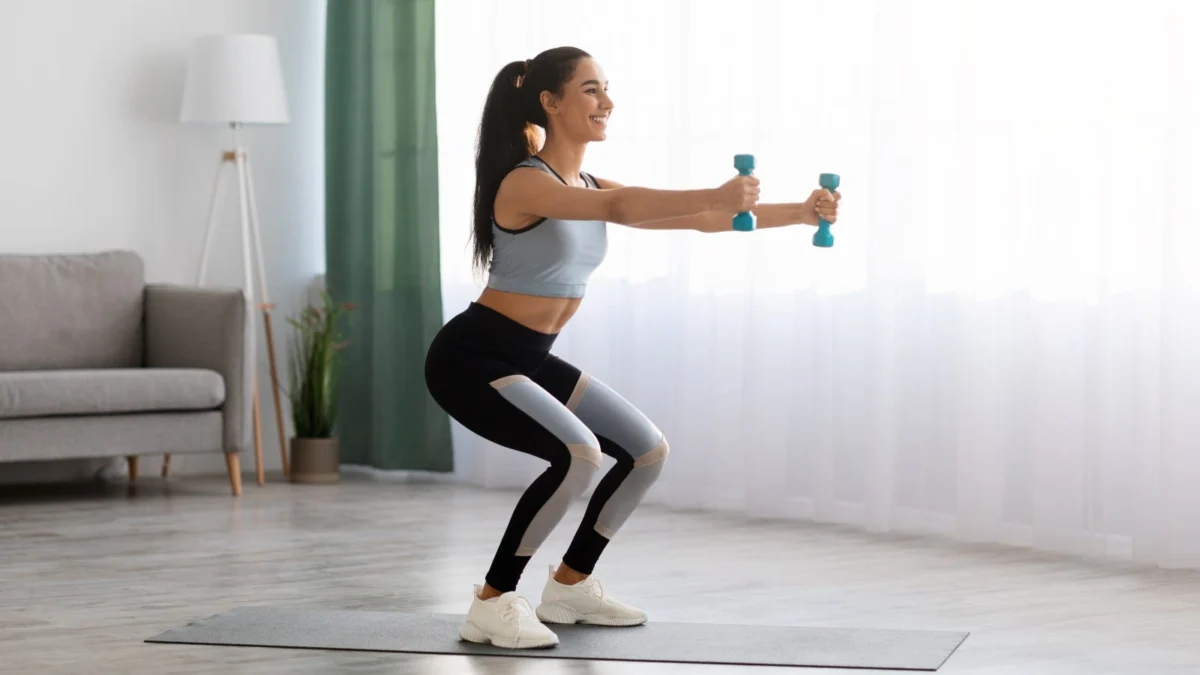
Photo via healthtodayeasy.com
- Consult your doctor first: get medical clearance before you begin, especially if you have chronic conditions, joint issues, or take medications. Your doctor knows your health history and can confirm that strength training is right for you.
- Warm up for five to ten minutes: light marching in place, arm circles, and leg swings raise your heart rate, increase blood flow to the muscles, and prepare your joints for work. Never skip this step.
- Master basic form with light resistance: begin with bodyweight exercises or the lightest dumbbells you own. Perform each movement slowly and with control. Good form now prevents bad habits — and injuries — later.
- Choose compound movements: pick exercises that work several muscle groups at once, such as squats, lunges, push-ups (on your knees if needed), rows, and overhead presses. They give you an efficient full-body workout and improve coordination.
- Breathe correctly: exhale during the effort phase — when you lift, push, or pull — and inhale as you lower or relax. Never hold your breath; steady breathing supports your muscles and keeps blood pressure stable.
- Cool down and stretch: finish with five to ten minutes of static stretches, holding each for 20 to 30 seconds without bouncing. This improves flexibility and helps your muscles recover.
A Simple Weekly Plan
Two to three full-body sessions a week, with rest days between them, is the ideal starting point. Each session lasts 30 to 45 minutes including warm-up and cool-down, and covers the major muscle groups with a handful of compound exercises.

Photo via fitnessmag.co.za
- Monday: full-body strength — squats, push-ups, rows, glute bridges. Include warm-up and cool-down.
- Tuesday: rest or light activity — walking, gentle stretching.
- Wednesday: full-body strength — lunges, overhead press, deadlifts with light dumbbells, plank. Focus on form.
- Thursday: rest or light activity — allow muscles to repair.
- Friday: full-body strength — repeat Monday’s session, or try a variation. A third session is optional at first.
- Weekend: rest and gentle movement. Listen to your body and take an extra rest day if you feel overly fatigued or sore.
Start with two sessions a week if three feels like too much. The pattern matters more than the number: regular sessions, spaced with rest, done with good form. Keep a simple log of the weights, reps, and sets you complete — seeing those numbers increase over weeks is one of the most motivating parts of the process. Comfortable training clothes help you stick with it, and the easy staples in Cute Leggings Outfit Ideas are made for exactly this kind of routine.
Mistakes That Slow You Down
Skipping the warm-up and cool-down: jumping straight into lifting without preparing your muscles increases injury risk. Always give yourself five to ten minutes at each end of the session.
Lifting too heavy too soon: heavy weights with poor form mean your body compensates with bad mechanics, which is how injuries happen. Master the movement with light weights first, then add resistance gradually.
Ignoring progressive overload: if you lift the same weight for the same reps every session, your muscles stop adapting. Gradually increase the weight, reps, or sets each week to keep challenging them safely.
Skipping rest days: muscles repair and grow during rest, not during the workout. Training the same muscles daily leads to fatigue and plateaus. At least one full rest day between strength sessions is essential.
Not eating enough protein: protein provides the building blocks for muscle repair. Include a source of protein at each meal, especially on training days, to support recovery. The meal ideas in High Protein Diet for Women make this straightforward, and Vitamins for Women: Essential Nutrients covers the micronutrients that support energy and bone health alongside training.
What to Expect, and When to Get Guidance
With consistent training two to three times a week, most beginners notice initial improvements in strength and muscle tone within four to eight weeks. More significant changes in body composition — visible muscle definition, a stronger posture, easier daily movement — typically take a few months. Progress depends on your starting point, nutrition, sleep, and consistency, so focus on your own trajectory rather than anyone else’s.
Consider working with a certified personal trainer for a few sessions at the start. A trainer can teach you proper form, design a programme suited to your body, and correct mistakes before they become habits. And always stop exercising and seek medical attention if you experience sharp pain, dizziness, chest discomfort, or any unusual symptoms during a workout. Muscle fatigue and mild soreness are normal; sharp or joint pain is not, and it is a signal to stop and get checked.
Frequently Asked Questions
Can strength training help with weight loss after 40?
Yes. Muscle tissue burns more calories at rest than fat tissue, so building muscle boosts your resting metabolism and makes long-term weight management easier, especially combined with a balanced diet and enough protein. It is not a quick fix, but it is one of the most reliable long-term strategies.
What are the best strength training exercises for beginners?
Compound movements that work multiple muscle groups at once: squats, lunges, push-ups (on knees if needed), rows, and overhead presses. Start with bodyweight or very light weights to learn the movement pattern first, then add resistance gradually.
Is it safe to strength train with joint pain?
It depends on the type and cause of the pain. Muscle soreness after a workout is normal, but sharp or persistent joint pain is a sign to stop. If you have arthritis or chronic joint issues, consult your doctor or a physical therapist before starting — they can recommend modifications that protect your joints.
How long does it take to see results from strength training?
With consistent training two to three times a week, you can notice initial improvements in strength and muscle tone within four to eight weeks. More significant changes in body composition typically take a few months. Focus on your own progress, not a fixed timeline.
How often should women over 40 strength train?
Most experts recommend at least two strength training sessions per week, targeting all major muscle groups. For beginners, a full-body workout two to three times a week with a rest day between sessions is a safe and effective starting point.
Final Thoughts
Strength training after 40 is not about becoming a weightlifter. It is about keeping the muscle, bone, balance, and energy that make everyday life easier — and it starts with two sessions a week, light weights, and good form. Pick two or three compound exercises, do them well, rest between sessions, and eat enough protein. Within a couple of months you will feel stronger and more energetic, and within a few more, you will see it too. Start where you are, use what you have, and give your body the strength it deserves.
Disclaimer: This article is for general informational purposes only and does not constitute medical or professional advice. Always consult your doctor before starting a new exercise program, especially if you have pre-existing health conditions, joint issues, or take medications. Stop exercising and seek medical attention if you experience sharp pain, dizziness, or chest discomfort.