Summer heat and humidity can turn a simple walk into a painful ordeal. That raw, stinging redness between the thighs — or under the arms, or beneath a bra band — is chafing, and it affects people of every size and fitness level. It is not a hygiene problem and it is not something to be embarrassed about. It is friction plus moisture, and it is highly preventable.
This guide covers the strategies that actually stop chafing before it starts: the fabrics that keep skin dry, the barrier products that stop friction, the shorts and bands that protect the inner thighs, and what to do when irritation appears anyway. With a little preparation, summer dresses, long walks, and hot days stop being something to dread — whether you are strolling the coast in one of the breezy looks from Coastal Outfit Ideas for Beach Vacations or just getting through a humid commute.
Key Takeaways
- Chafing is caused by friction plus moisture — preventing it means reducing both.
- Wear moisture-wicking synthetics for exercise and breathable cotton or linen for everyday wear.
- Apply an anti-chafing balm or petroleum jelly to prone areas before activity, and reapply on long, hot days.
- Bike shorts, slip shorts, or thigh bands create a physical barrier under skirts and dresses.
- Shower promptly after sweating, pat skin dry, and see a doctor if skin breaks open or shows signs of infection.
What Chafing Is, and Why Summer Makes It Worse
Chafing is a form of irritant contact dermatitis: skin becomes red, raw, and sore when it repeatedly rubs against other skin or against clothing. Heat and humidity make it far more likely, because sweat keeps the skin damp — and damp skin has more friction than dry skin. Salt left behind as sweat evaporates adds further irritation, which is why chafing often feels worse as the day goes on.
The inner thighs are the most common trouble spot, but chafing can appear anywhere skin meets skin or fabric repeatedly: under the arms, beneath the breasts, around the bra line, or between the toes. Anyone can get it — runners, walkers, people in dresses on a hot day — and it has nothing to do with body size or fitness. The good news is that the same few strategies prevent it almost everywhere: keep skin dry, reduce friction, and protect the spots that rub.
Dress to Prevent It: Fabrics and Fit
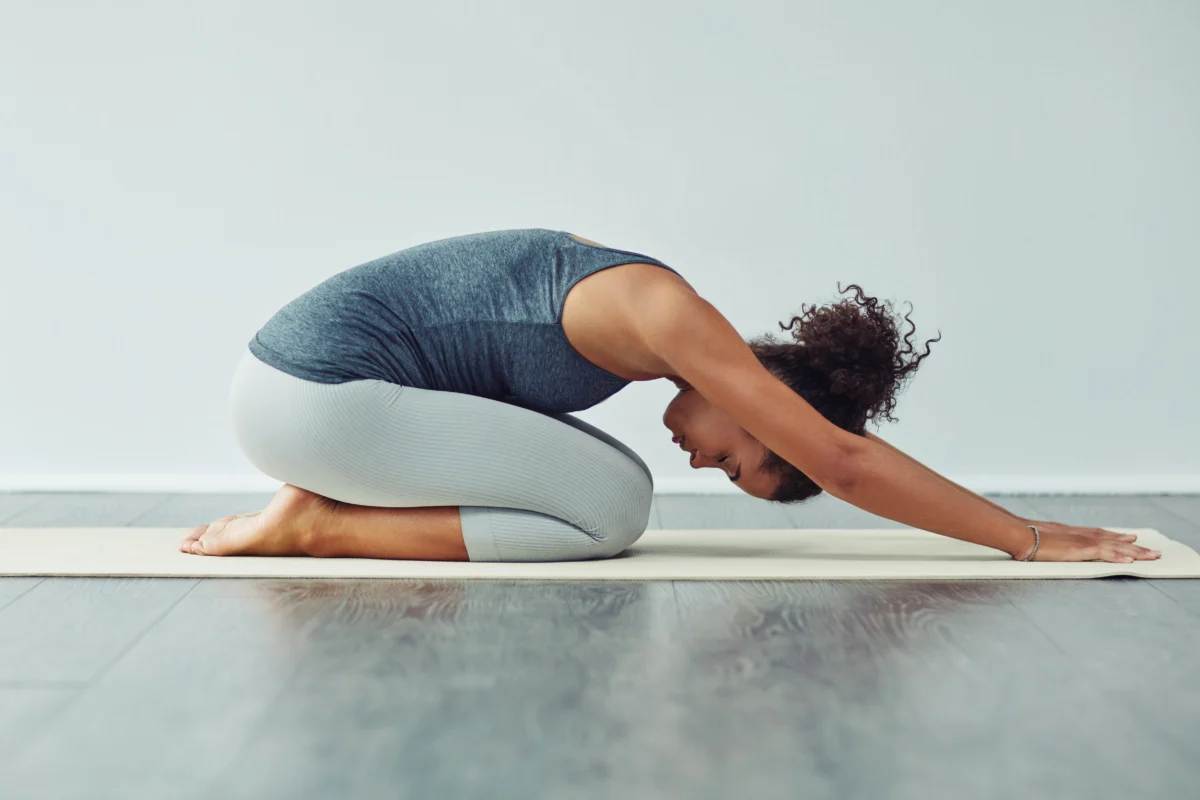
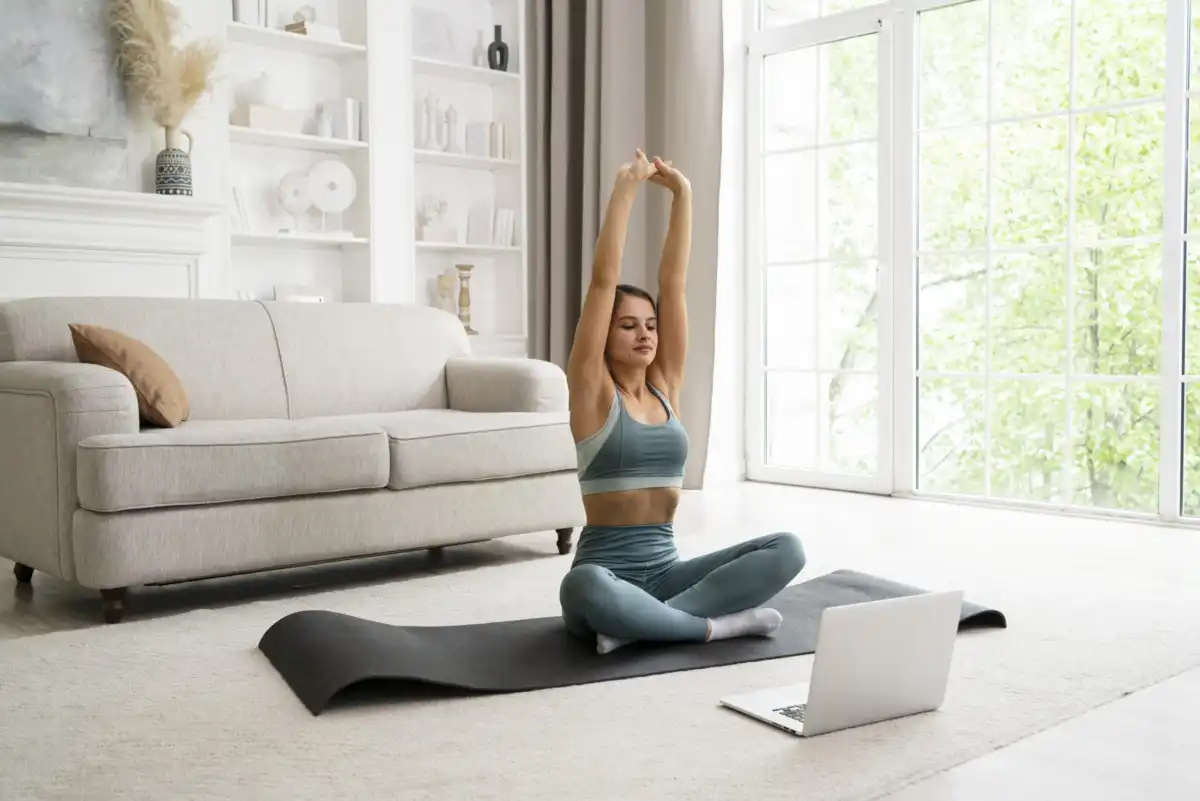
Clothing is your first line of defence, and the right fabric makes a bigger difference than most people expect. For exercise or any activity where you will sweat, choose moisture-wicking synthetics such as polyester or nylon blends. They pull sweat away from the skin and dry quickly, which keeps friction low. Avoid cotton for workouts — it absorbs moisture, stays wet, and increases rubbing exactly when you least want it.

Photo via bgpraia.com.br
For everyday wear on hot days, the logic flips: breathable natural fabrics like cotton and linen allow air to circulate and help prevent excessive sweating when you are not exercising. Loose, airy pieces such as Palazzo Pants Outfit Ideas for Summer or a light dress like the ones in Simple Gingham Dress Outfits for Summer keep air moving around the legs. Fit matters as much as fabric: clothes that are too tight press fabric against the skin, while clothes that are too loose let it rub back and forth with every step. Rough seams, zippers, and embellishments on the inside of a garment are common culprits too — run a hand over the inside before wearing something new, especially around the inner thighs and underarms.
Barrier Products That Stop Friction
When clothing alone is not enough, a barrier product creates a smooth, slippery layer that lets skin glide instead of grip. Anti-chafing balms and sticks are made for exactly this purpose: apply them to the inner thighs, under the arms, or anywhere else prone to rubbing before you head out, and reapply during long days or very humid weather to maintain the protective layer.
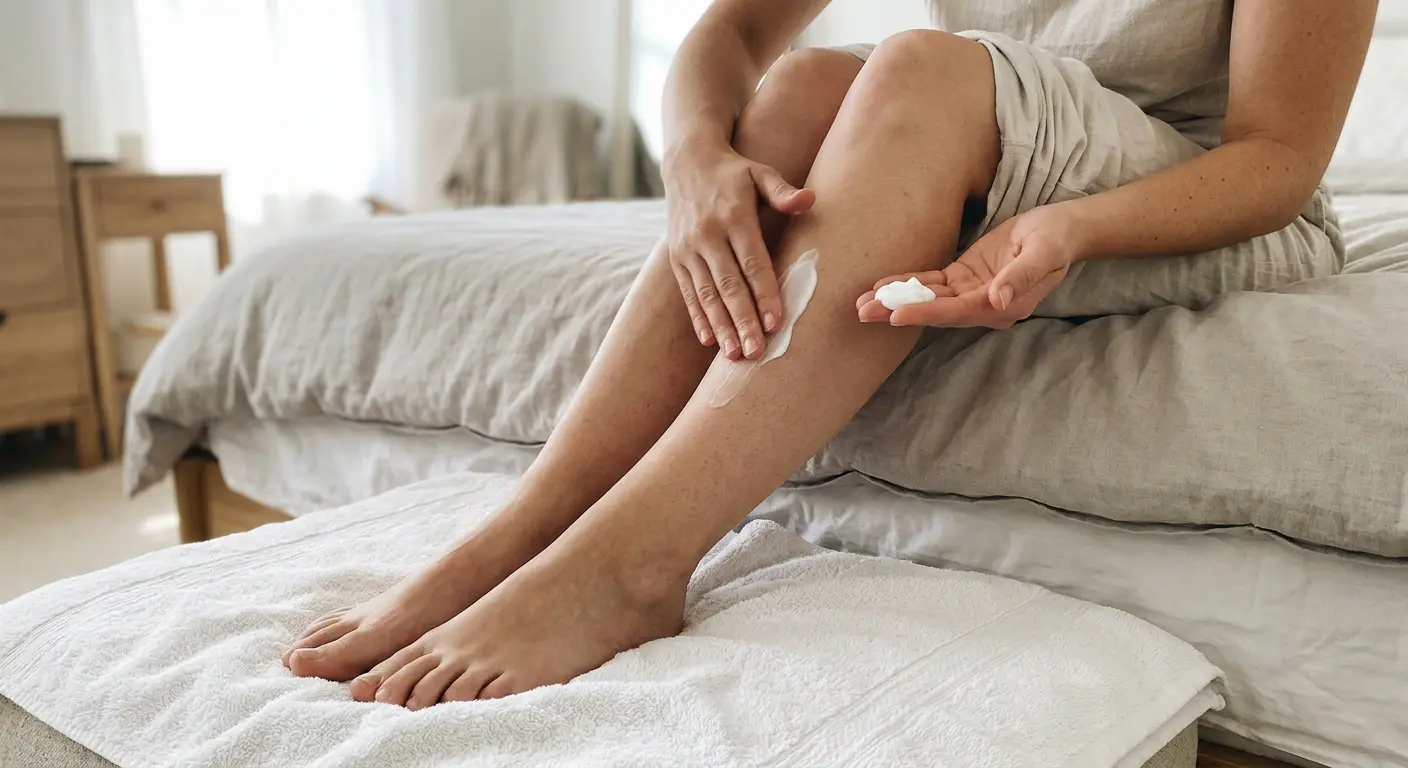
Photo via northbiomedical.com
Petroleum jelly is a simple, inexpensive alternative that works the same way — a thin layer before activity creates an effective barrier, and a little goes a long way. Some people use solid deodorant or antiperspirant on the inner thighs as a quick fix, but it is not designed for that purpose and can irritate sensitive skin, so a dedicated balm or petroleum jelly is the safer choice. Talc-free powders can absorb moisture and help on low-sweat days, but use them sparingly, only on unbroken skin, and avoid inhaling the powder when applying. Never apply any product — balm, jelly, or powder — to skin that is already raw or broken.
Physical Barriers: Shorts, Seamless Underwear, and Thigh Bands
Sometimes the simplest solution is putting something between the skin that rubs. Bike shorts or slip shorts worn under dresses and skirts create a smooth barrier between the thighs, and they have the added benefit of coverage on windy days. Look for seamless styles in a moisture-wicking fabric, in a length that covers the full area where your thighs meet — mid-thigh is usually enough.

Photo via alanooutlet.pl
Fit is everything here. Shorts that are too loose bunch up and create new friction points; too tight, and they dig in and cause pressure of their own. Seamless underwear helps in the same way by removing the seams that rub, and it is worth choosing for hot days even under trousers. Thigh bands — fabric strips worn around the upper thighs — are another option, available in lace or smooth fabrics, and they suit anyone who wants protection without an extra layer of shorts. They need to fit snugly enough to stay in place without rolling down. For everyday summer dressing, easy shorts like Simple Shorts Outfits in Beige or Skater Outfit Ideas With Shorts and a Tank keep the legs covered and comfortable, and stretchy leggings like Cute Leggings Outfit Ideas work well as a friction-free base layer under tunics and long tops.
After the Fact: Cleaning, Drying, and Healing
If chafing appears despite your precautions, early care keeps it from getting worse. At the first sign of redness or discomfort, clean the area gently with mild soap and lukewarm water, then pat it completely dry — do not rub, especially in skin folds. Apply a soothing balm or a thin layer of petroleum jelly to protect the skin while it recovers, and wear loose, soft clothing that does not press on the irritated area.
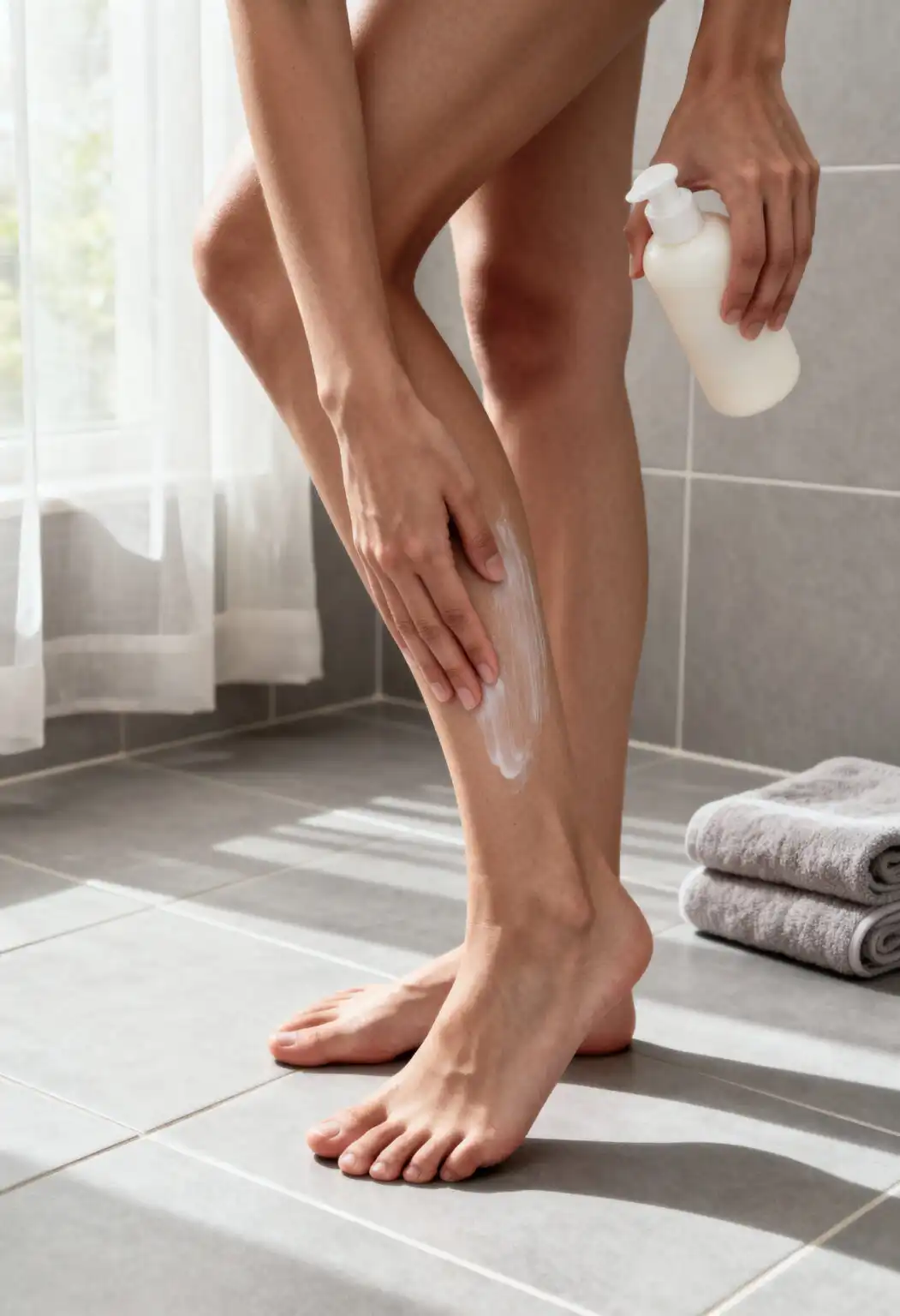
Photo via imda.es
Showering promptly after sweating is one of the most effective habits for both prevention and healing — salt and bacteria left on the skin worsen irritation the longer they sit there. A cool rinse after a workout can make a noticeable difference. Mild chafing usually heals within a few days with this kind of care. While it heals, keep the area clean, dry, and protected, and avoid the activity that caused it if you can. Staying hydrated helps too: it regulates body temperature and reduces excessive sweating, which means less moisture on the skin to drive friction.
When to See a Doctor
Most chafing is a minor irritation that heals on its own. But see a healthcare professional if the skin breaks open, bleeds, or develops sores; if you notice signs of infection such as pus, increasing pain, warmth, or spreading redness; or if the irritation does not improve after a few days of self-care. Recurring chafing in the same spot despite good prevention is also worth mentioning — a doctor can check for skin conditions that make irritation more likely and suggest stronger barrier options. Chafing is common, it is not your fault, and there is no reason to suffer through it in silence when simple treatments help.
Frequently Asked Questions
Can deodorant prevent chafing?
Some people use solid deodorant on the inner thighs as a quick barrier, but it is not designed for that purpose and may irritate sensitive skin. A dedicated anti-chafing balm or petroleum jelly is generally a safer and more reliable choice.
How long does it take for chafing to heal?
With proper care — gentle cleaning, patting dry, and a protective balm — mild chafing typically heals within a few days. Keep the area clean and dry, and avoid the activity that caused it until the skin feels comfortable again.
Is chafing a sign of poor hygiene?
No. Chafing is caused by friction and moisture, which can happen to anyone in hot weather or during physical activity, regardless of hygiene. Keeping skin clean and dry after sweating does help prevent and treat it, but it is not a cleanliness issue.
What is the best fabric to wear to prevent chafing?
For exercise or sweaty activities, moisture-wicking synthetics like polyester or nylon are best because they keep skin dry. For everyday wear in the heat, breathable natural fabrics like cotton and linen allow air to circulate and reduce sweating.
Can weight loss help with chafing?
Weight loss may reduce skin-on-skin contact for some people, but chafing affects people of all sizes. Focusing on moisture management, the right clothing, and barrier products is a more direct and reliable way to prevent it, whatever your body shape.
Final Thoughts
Thigh chafing is one of summer’s most annoying — and most preventable — problems. The formula is simple: moisture-wicking or breathable fabrics, a barrier product before you head out, shorts or a band under dresses, and a prompt shower when you get home. Keep a stick of anti-chafing balm in your bag and another at home, and the sting stops being part of your summer. The goal is not to avoid the heat or the dress — it is to enjoy both without paying for it later.
Disclaimer: This article is for general informational purposes only and does not constitute medical advice. Chafing is a common skin irritation, but if you experience broken skin, signs of infection, or persistent discomfort, please consult a healthcare professional or dermatologist for personalised guidance.