Eating clean has a reputation for being expensive, but that reputation is mostly built on fancy superfoods and specialty stores. In reality, the foods at the heart of clean eating — seasonal vegetables, beans, lentils, eggs, oats, and whole grains — are among the cheapest items in any supermarket. The trick is knowing which swaps actually save money and which ones are just marketing.
This guide breaks down what clean eating really means, how to stock a kitchen on a budget, and the simple swaps that make the biggest difference. It also covers the mistakes that quietly push the grocery bill up and how to build a routine that lasts beyond the first week. For a closer look at the protein side of a balanced plate, the ideas in High Protein Diet for Women pair well with the meals described here.
Key Takeaways
- Build meals around whole, unprocessed foods such as vegetables, legumes, eggs, and whole grains.
- Buy seasonal produce and keep frozen fruits and vegetables on hand to save money without losing nutrition.
- Cook at home most of the time — it is the single biggest lever for both cost and ingredient control.
- Read labels for hidden sugars and long additive lists, especially on foods marketed as healthy.
- Plan meals and batch cook once a week so busy days do not turn into expensive takeout days.
What Clean Eating Actually Means
Clean eating is not a diet with a rulebook. It is a way of choosing foods that are as close to their natural state as possible: fresh produce, lean proteins, whole grains, and healthy fats, with less room for refined grains, added sugars, and artificial ingredients. Nothing is banned outright; the focus is on what fills most of your plate, most of the time.
That framing matters for your budget. When clean eating is treated as a lifestyle rather than a strict plan, there is no need for expensive powders, bars, or branded “clean” snacks. A bag of lentils, a tray of eggs, and a head of cabbage do more for a week’s meals than any single specialty product, and they cost a fraction of the price.
Stock Your Kitchen Without Overspending
A well-stocked pantry turns clean eating from a daily effort into a default. Start with staples that keep well and work in many dishes, then add fresh produce each week.
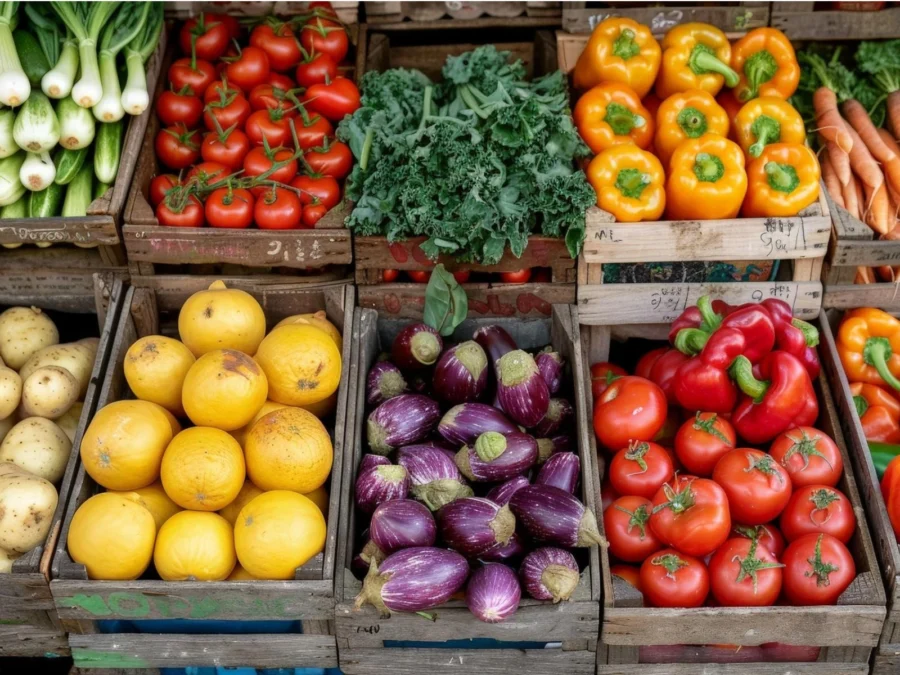
Photo via geogastronomica.com
- Fresh and frozen produce: the base of every meal. Aim for a mix of colours, and let the season decide what is cheapest.
- Affordable proteins: eggs, beans, lentils, chickpeas, and tinned fish give plenty of protein for very little money.
- Whole grains: oats, brown rice, and whole wheat pasta keep you full and cost little per serving.
- Healthy fats: olive oil, nuts, and seeds in small amounts add flavour and staying power.
- Herbs and spices: cumin, paprika, garlic, and dried herbs turn plain ingredients into meals worth repeating.
Shopping the perimeter of the store helps, since that is where fresh produce, dairy, and proteins usually live. The middle aisles hold most of the packaged foods that cost more and deliver less. A sturdy market bag makes the trip easier too — the practical picks in Tote Bag Outfit Ideas show how a good canvas tote works for errands as well as everyday outfits.
A Step-by-Step Plan for Eating Clean on a Budget
Changing how you eat works best as a sequence of small, repeatable steps rather than one dramatic overhaul. This order keeps the cost down while the habits take hold.
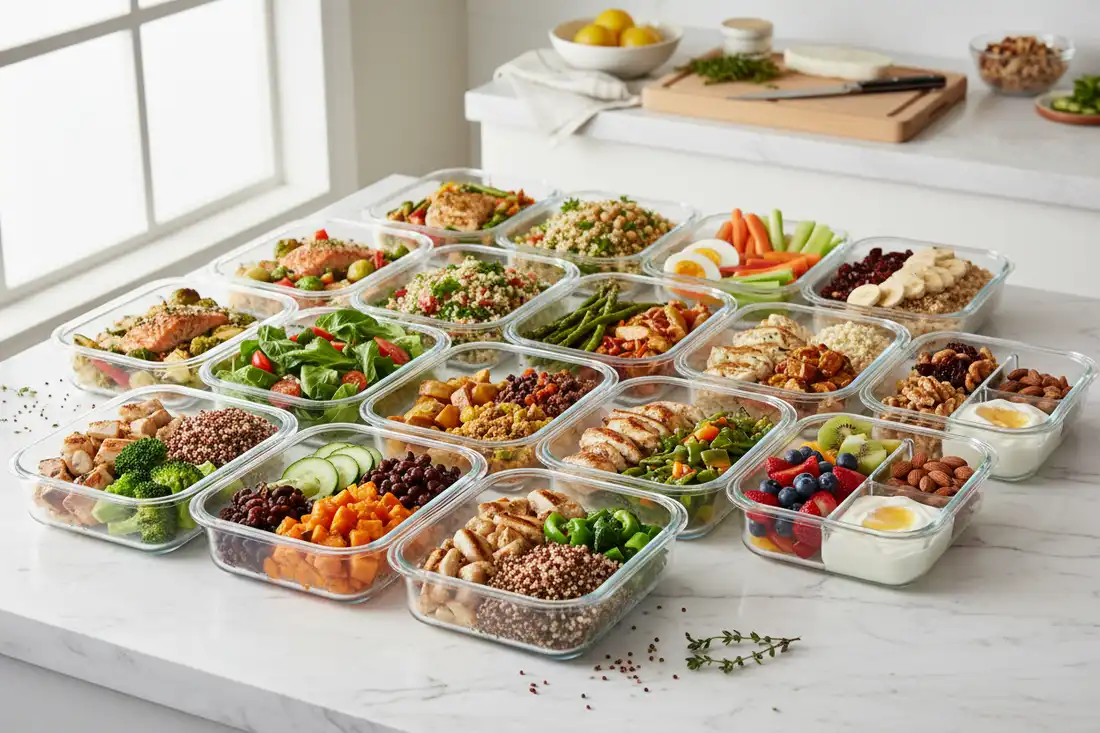
Photo via wslcoolstuff.com
- Read labels first: check ingredient lists for added sugars and additives. Short lists with recognisable foods are usually the better buy.
- Buy what is in season: seasonal produce is fresher, tastes better, and is usually priced lower than out-of-season imports.
- Choose cheap proteins: lentils, chickpeas, and eggs cost far less per gram of protein than meat, and they work in dozens of dishes.
- Batch cook once a week: cook grains, roast a tray of vegetables, and portion proteins on a quiet day so weekday meals assemble in minutes.
- Swap your grains: brown rice instead of white, whole wheat pasta instead of regular — small changes that add fibre and staying power.
- Make water your drink: replacing sugary drinks with water saves money every single day and removes a major source of added sugar.
Meal planning is the glue that holds all of this together. Even a loose plan — three dinners sketched out before the shop — prevents the last-minute decisions that lead to expensive, less healthy choices.
Why Whole Foods Cost Less Than You Think
The idea that clean eating is pricey usually comes from comparing organic berries and cold-pressed juices with instant noodles. Compare like with like, and the picture changes: a week of home-cooked meals built on grains, legumes, and seasonal produce is almost always cheaper than the same week of takeout and packaged food.
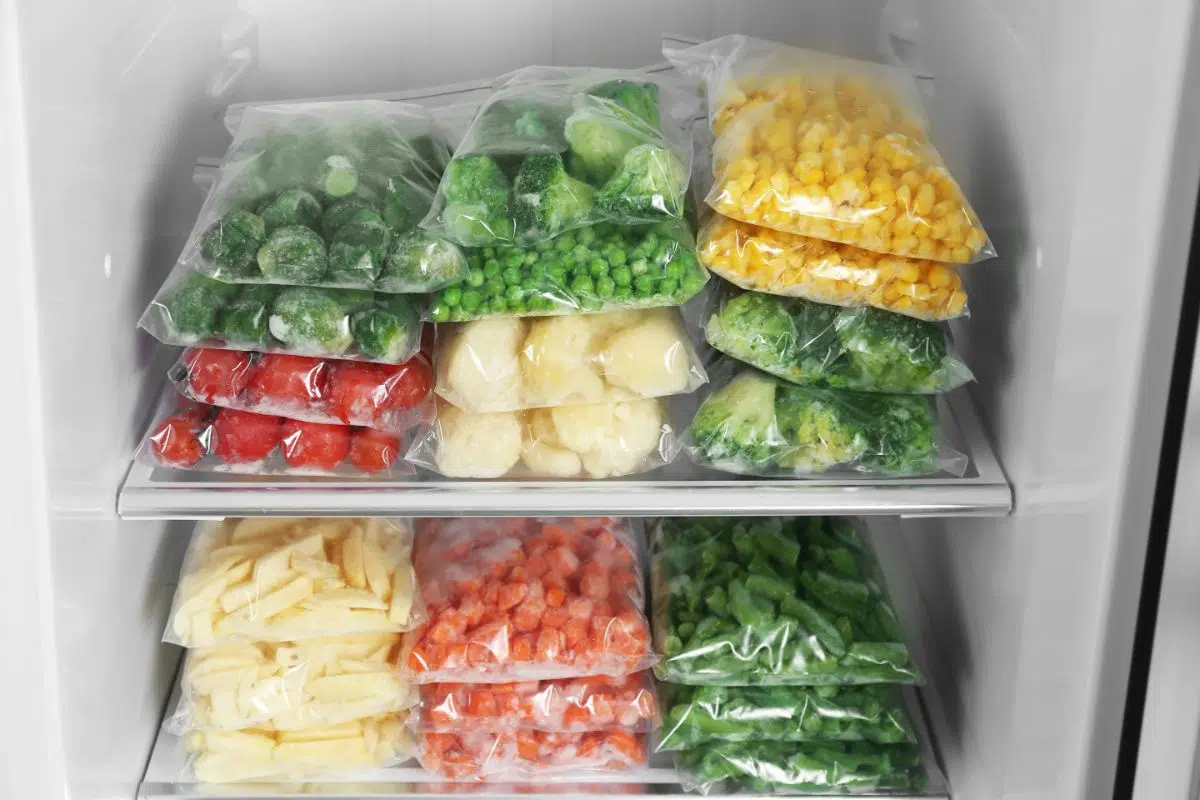
Photo via canyoumicrowavethis.com
Frozen Produce Is a Budget Superpower
Frozen fruits and vegetables are picked at peak ripeness and keep their nutrients well, often at a lower price than fresh — especially out of season. A bag of frozen spinach or mixed vegetables turns into a soup, a stir-fry, or a side dish in minutes, with zero waste. Keeping a few bags in the freezer means there is always a vegetable ready, even on a week when the fresh shop was skipped.
Legumes Do the Heavy Lifting
Dried beans and lentils are among the cheapest sources of protein and fibre available anywhere. They store for months, cook in bulk, and freeze well. A pot of lentil soup made on Sunday can cover lunches for days at a cost of well under a dollar a serving. For guidance on the nutrients that matter most alongside a plant-forward plate, Vitamins for Women: Essential Nutrients is a useful companion read.
Mistakes That Quietly Raise the Bill
Chasing perfection: trying to eat perfectly every day leads to burnout and expensive “all or nothing” shopping. Small, steady changes last longer and cost less.
Falling for health halos: packaged foods labelled natural, clean, or protein-packed often carry a premium price and a long ingredient list. The label matters more than the claim on the front.
Cutting out whole food groups: removing entire categories without guidance can create nutritional gaps and push spending toward pricey substitutes. If a restrictive change feels necessary, professional advice comes first.
Skipping the plan: shopping without a list almost always costs more. A short list built around the week’s meals keeps impulse buys — and waste — in check.
Ignoring leftovers: food thrown away is money thrown away. Planning one “use it up” meal a week, such as a soup or fried rice, turns odds and ends into dinner.
When to Ask a Professional
Most people can shift toward whole foods safely on their own, but there are times when professional guidance matters. If you live with a health condition such as diabetes, kidney disease, or a digestive disorder, talk to a doctor or registered dietitian before making major dietary changes. The same applies if you suspect a food allergy or intolerance — proper testing beats guesswork, and a dietitian can help build a plan that stays balanced.
Anyone considering a highly restrictive way of eating should also get input first. A professional can check that nutritional needs are still being met and suggest affordable alternatives rather than expensive specialty products. A relaxed weekend is a good time to plan the week ahead, and a comfortable outfit helps — the easy looks in Weekend Outfit Ideas for Casual Days are made for slow Sundays and market mornings alike.
What to Expect: Timeline and Cost
Many people notice steadier energy and better digestion within a few weeks of eating more whole foods. The bigger changes — a lighter grocery bill, a calmer relationship with food — build over months as the habits become automatic. Consistency matters far more than speed.

Photo via danslachambredemesenfants.fr
On cost, expect a small upfront spend on pantry staples — oils, grains, spices — followed by lower weekly shops. Eating out less is where the real savings appear, and batch cooking protects that saving on the busiest days. For workdays, a simple packed lunch in a reliable container beats the cafe queue, and pairing it with an easy polished look from Simple Professional Outfits for Everyday Wear or the warm tones in Brown Outfit Ideas for Everyday Looks keeps the whole day feeling put together.
Frequently Asked Questions
Is clean eating good for weight loss?
It can support weight loss because it emphasises nutrient-dense, filling foods such as vegetables and lean proteins while cutting added sugars and refined grains. Portion sizes still matter, since overall calorie balance decides weight change. For personalised advice, a registered dietitian is the right person to ask.
Can I eat out while eating clean?
Yes. Look for grilled or steamed dishes, ask for dressings and sauces on the side, and choose water as your drink. Many restaurants offer salads, vegetable sides, and lean protein dishes that fit clean eating well, so an occasional meal out does not undo the habit.
How do I handle cravings?
Cravings are normal. Keep satisfying snacks on hand — fresh fruit, nuts, or cut vegetables — so there is an easy option when a craving hits. Drinking a glass of water first helps too, since thirst is sometimes mistaken for hunger. Over time, cravings for very sweet foods often fade.
What if I have dietary restrictions or allergies?
Clean eating adapts well to most restrictions, including gluten-free, dairy-free, and vegetarian approaches, because it is built on whole foods rather than a fixed menu. With allergies or intolerances, a healthcare professional or dietitian can help plan meals that stay both safe and balanced.
How long does it take to see results from clean eating?
Some people notice more energy and better digestion within a few weeks, but results vary with starting point and consistency. Clean eating is a long-term way of eating, so the focus belongs on sustainable habits rather than quick changes.
Final Thoughts
Clean eating on a budget comes down to a few unglamorous truths: cook at home, buy what is in season, lean on beans and grains, and plan before you shop. Start with one swap — water instead of soda, brown rice instead of white — and let the habit grow from there. Small, consistent changes are what make clean eating work for your health and your wallet, week after week.
Disclaimer: This article is for general informational purposes only and does not constitute medical or dietary advice. Before making significant changes to your diet, especially if you have underlying health conditions or food allergies, please consult a healthcare professional or registered dietitian.