If you have ever wondered whether the coffee grounds in your kitchen could do more than wake you up, you are not alone. Coffee scrubs have become a favourite for natural exfoliation, promising smoother skin and a temporary lift — but the claims around them range from solid to seriously overstated.
This guide separates what coffee scrubs can genuinely do from what they cannot: how exfoliation and caffeine actually work on skin, how to make and use a scrub safely at home, and which popular claims are myths. Used well, a coffee scrub is a simple, inexpensive addition to a body-care routine — and it pairs naturally with a gentle morning ritual like the glowing skin morning skincare routine.
Key Takeaways
- Finely ground coffee gives gentle physical exfoliation, lifting away dead skin cells for smoother skin.
- Caffeine is a temporary vasoconstrictor, so it may reduce the appearance of cellulite for a few hours — not permanently.
- Use a coffee scrub no more than once or twice a week to avoid over-exfoliation and irritation.
- Always follow up with a moisturizer, since exfoliation removes natural oils along with dead cells.
- Do not expect permanent results for cellulite or stretch marks from a scrub alone.
What Is a Coffee Scrub and How Does It Work?
A coffee scrub is a physical exfoliant made from ground coffee beans, usually mixed with a carrier oil. The gritty texture manually lifts dead cells from the skin’s surface, revealing the fresher, smoother layer underneath. The caffeine in the coffee adds a second effect: as a vasoconstrictor, it temporarily narrows blood vessels, which can create a firmer, tighter look for a few hours and reduce the appearance of puffiness.
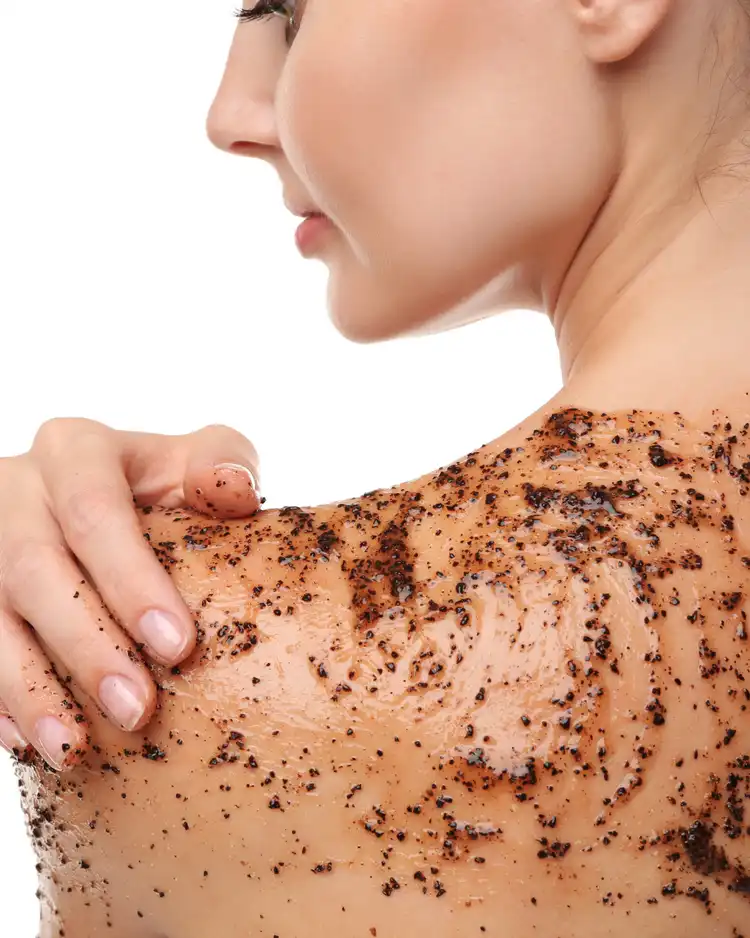
Photo via miliina.com
Coffee also contains antioxidants such as chlorogenic acids, which help neutralise free radicals from environmental stress. That antioxidant content is a genuine bonus, though a scrub is no substitute for a dedicated antioxidant serum. The appeal of a coffee scrub is its simplicity: a handful of kitchen ingredients, a few minutes in the shower, and skin that feels noticeably smoother straight away.
The Science Behind Coffee Scrubs
How Exfoliation Works
The abrasive particles of ground coffee act like tiny scrubbers. Massaged onto damp skin in small circular motions, they physically dislodge dead cells from the surface. This is the same job any physical exfoliant does, and coffee’s fine, even grit makes it a good fit — provided the grounds are finely ground. Coarse grounds are too harsh and can cause micro-tears, which is why grind size matters more than the brand of coffee.
The Role of Caffeine
Caffeine’s vasoconstricting effect is real but temporary. By narrowing blood vessels near the skin’s surface, it can make skin look firmer and less puffy for a few hours after use. It also has anti-inflammatory properties. What it does not do is remove fat deposits or restructure skin — the reason cellulite returns once the effect wears off.
Antioxidant Benefits
Coffee’s antioxidants offer a layer of protection against oxidative damage from pollution and UV exposure. In a rinse-off scrub, the contact time is short, so the antioxidant benefit is modest — but it is a real one, and one more reason coffee earns its place in skincare. For a fuller picture of how exfoliation fits into a routine, the guide to physical vs chemical exfoliation explains when to choose each method.
What You Need: DIY Coffee Scrub Essentials
You only need a few basics to make a coffee scrub at home, and most of them are already in your kitchen.
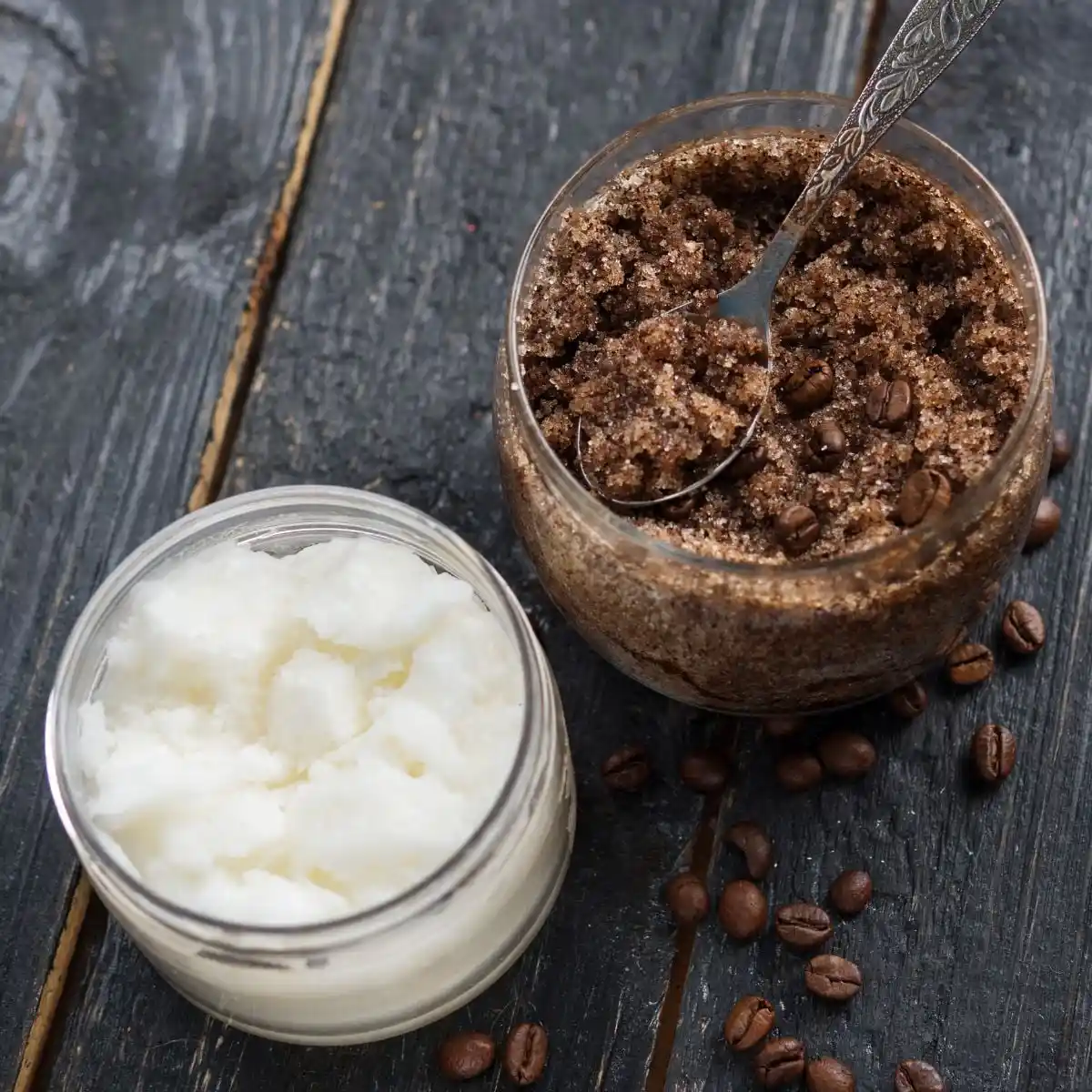
Photo via thehowtohome.com
- Finely ground coffee: the key exfoliant. Fine grounds are gentler and far less likely to irritate than coarse ones. Used grounds work well, and fresh grounds are fine too as long as they are fine in texture.
- Carrier oil: a moisturising base such as coconut, olive, or jojoba oil helps the scrub cling to skin and prevents the dryness exfoliation can cause.
- Optional additions: a spoonful of sugar or salt for extra exfoliation, and a drop or two of essential oil for fragrance.
How to Make and Use a Coffee Scrub at Home
Follow these steps for a safe, effective scrub session. The whole process takes about ten minutes, and the shower is the best place for it.
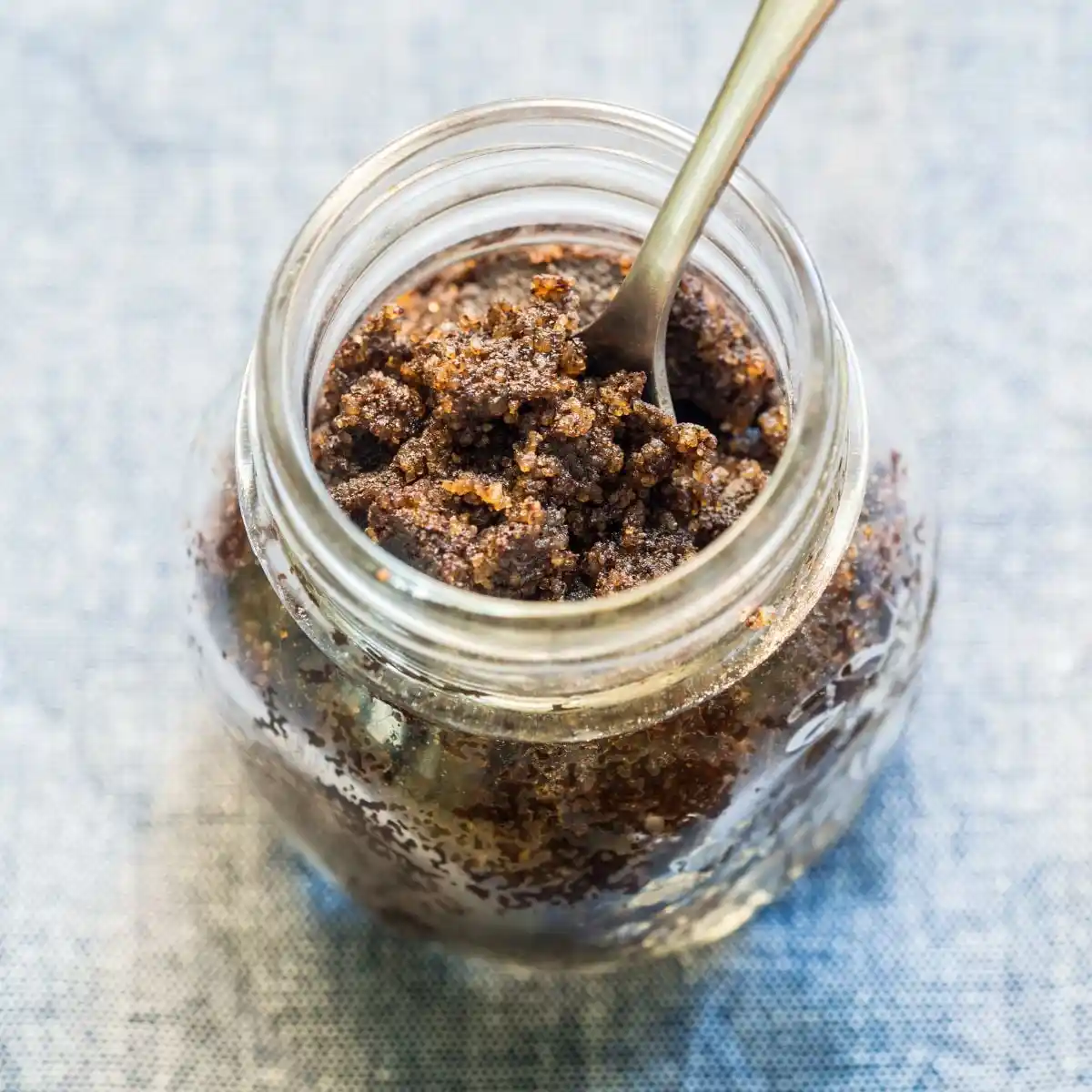
Photo via thehowtohome.com
- Mix the base: combine half a cup of finely ground coffee with a quarter cup of carrier oil and stir until it forms a spreadable paste. Add a tablespoon of sugar or a drop of essential oil if you like.
- Patch test: apply a small amount to your inner arm and wait 15 minutes. If there is no redness or irritation, go ahead.
- Apply to damp skin: in the shower, gently massage the scrub onto your body using small circular motions, focusing on rough areas like elbows and knees. About two minutes of massaging is enough.
- Rinse thoroughly: wash off all the grounds with warm water, and take care — oil on a shower floor is slippery.
- Moisturise: pat your skin dry and apply a moisturiser to lock in hydration while your skin is still slightly damp.
Once your skin feels smooth and cared for, the finishing touches are easy — a simple, polished look like the minimal nail designs keeps the whole effect understated and fresh.
Coffee Scrub Myths: What They Cannot Do
Myth: coffee scrubs permanently eliminate cellulite. Reality: caffeine can temporarily tighten blood vessels, which may reduce the appearance of cellulite for a few hours, but it does not remove fat deposits or change skin structure long term.
Myth: coffee scrubs cure stretch marks. Reality: there is limited scientific evidence for permanent stretch-mark reduction. Exfoliation can improve overall texture and smoothness, but it will not erase existing stretch marks.
Myth: more scrubbing equals better results. Reality: over-exfoliating damages the skin barrier, leading to irritation, redness, and sensitivity. Gentle application once or twice a week is more effective than aggressive daily scrubbing.
Myth: coffee scrubs lighten skin permanently. Reality: exfoliation may temporarily brighten your complexion by removing dull, dead cells, but it does not change your natural skin tone or reduce melanin production.
Common Coffee Scrub Mistakes to Avoid
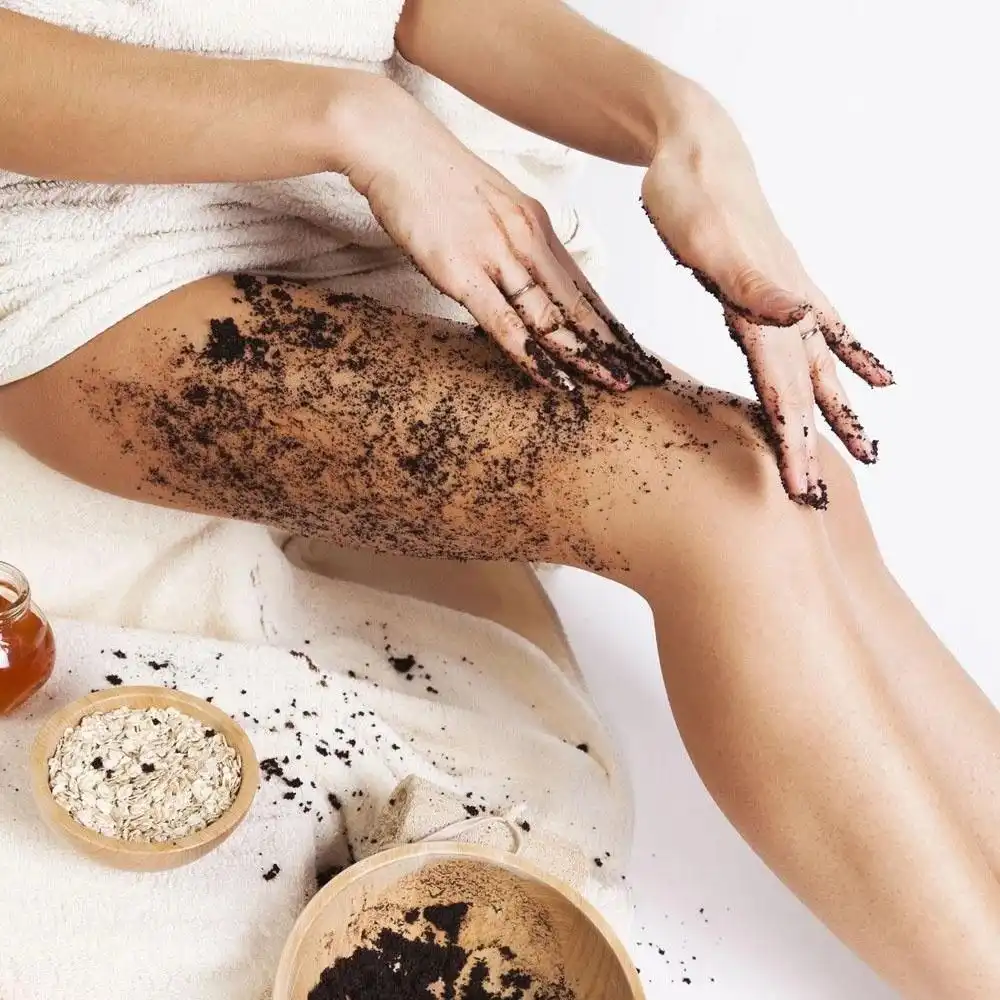
Photo via telegrafi.com
Using coarse grounds: coarse coffee can cause micro-tears in the skin. Always choose finely ground coffee for a gentler exfoliation.
Scrubbing too hard or too often: heavy pressure and daily use damage the skin barrier. Light pressure, once or twice a week, is the right rhythm.
Skipping moisturiser afterwards: exfoliation strips natural oils, leaving skin dry. Always follow with a moisturiser to hydrate and protect.
Using it on irritated skin: avoid applying a coffee scrub to broken, sunburned, or acne-prone areas, where it can worsen inflammation and cause pain.
Forgetting sun protection: any exfoliation can temporarily increase sensitivity to UV rays. Apply sunscreen and limit sun exposure for the rest of the day after scrubbing — especially before a day out in one of the breezy coastal beach vacation outfits.
When to Expect Results, and When to See a Dermatologist
Smoother skin is noticeable immediately after the first use, and any temporary firming or de-puffing typically lasts a few hours. For consistent results, stick to once or twice a week on the body. DIY scrubs are cost-effective, since they use common kitchen ingredients, and the ritual itself — a few unhurried minutes of self-care — is part of the appeal.
See a dermatologist if you notice persistent redness, burning, or irritation lasting more than a day after scrubbing, or if you have an existing skin condition such as eczema or psoriasis and want to know whether exfoliation is safe for you. Severe acne or unexplained rashes also deserve a professional opinion before you try a new scrub. A clean, fresh-faced finish pairs beautifully with the understated clean girl outfits for days when you want the glow to show.
Frequently Asked Questions
How often should I use a coffee scrub?
Once or twice a week is enough. Over-exfoliating can damage your skin barrier and cause redness or irritation, so stick to this frequency to keep skin smooth without overdoing it.
Can coffee scrubs help with acne?
Exfoliation can help unclog pores and remove dead skin cells, but coffee scrubs are not an acne treatment. The coarse texture can irritate active breakouts and worsen inflammation. If you have acne-prone skin, consult a dermatologist before using a coffee scrub on your face.
What kind of coffee should I use for a scrub?
Always use finely ground coffee. Coarse grounds can cause micro-tears and irritation. Used coffee grounds work well, and fresh grounds are also fine as long as they are fine in texture.
Can coffee scrubs lighten skin?
There is no scientific evidence that coffee scrubs permanently lighten skin. Exfoliation may temporarily brighten your complexion by removing dull, dead cells, but it does not change your natural skin tone or reduce melanin production.
Do coffee scrubs make your skin sensitive to the sun?
Any form of exfoliation can temporarily increase your skin’s sensitivity to UV rays, since the fresh cells revealed are more vulnerable to sun damage. Apply sunscreen and limit sun exposure for the rest of the day after scrubbing.
Final Thoughts
A DIY coffee scrub made with finely ground coffee and a carrier oil is a simple, effective way to keep skin smooth — used once or twice a week, with gentle circular motions and a good moisturiser afterwards. Its firming and anti-cellulite effects are real but temporary, lasting only a few hours, and no scrub will erase cellulite or stretch marks for good. Knowing what a coffee scrub can and cannot do is what lets you enjoy it for what it is: an affordable, pleasant ritual that leaves your skin feeling genuinely softer.
Disclaimer: This article is for general informational purposes only and does not constitute medical or dermatological advice. Always perform a patch test before trying a new skincare product, and consult a healthcare professional or dermatologist if you have a persistent skin condition, irritation, or concerns about your skin health.