White flakes on a dark top, an itch that starts halfway through a meeting — dandruff is a small problem that feels much bigger than it is. It is common, it is not caused by poor hygiene, and it can usually be brought under control with the right shampoo and a gentler washing routine. Most treatments fail for two simple reasons: the wrong active ingredient, or rinsing the shampoo out before it has had time to work.
This guide walks through a gentle dandruff care routine that calms flakes without stripping the scalp: how to tell dandruff from a dry scalp, which ingredients actually work, the wash technique that makes the biggest difference, and the habits that keep flakes from coming back. Healthy hair starts at the scalp, and the same care-first thinking behind styles like Curly Hair Haircut Ideas: Defined Curls begins with how you treat the skin underneath.
Key Takeaways
- Dandruff and dry scalp look similar but need opposite care — check which one you have first.
- Choose a shampoo by its active ingredient: zinc pyrithione, ketoconazole, selenium sulfide, or salicylic acid.
- Leave the lather on the scalp for three to five minutes so the active ingredient has time to work.
- Use a dandruff shampoo two to three times a week at first, then once a week for maintenance.
- Condition the lengths only, keeping conditioner off the scalp.
- Give any new shampoo about four weeks of steady use before deciding it does not work.
Dandruff or Dry Scalp? How to Tell
Dandruff and a dry scalp look similar, but they are opposite problems — and using the wrong treatment can make flaking worse. Dandruff happens when Malassezia, a yeast that lives naturally on everyone’s scalp, feeds on excess oil and triggers faster skin-cell turnover. The flakes tend to be larger, yellowish or oily, and the scalp often feels oily and itchy. Dermatologists consider dandruff a mild form of seborrhoeic dermatitis.
A dry scalp, by contrast, produces small, dry, white flakes, and the skin elsewhere — arms, legs, face — often feels dry too. It flares in cold weather and after hot showers. A strong medicated shampoo on a dry scalp can make it drier, so the distinction matters: oily, larger flakes point to dandruff; small, dry flakes with dry skin elsewhere point to dryness. If you are unsure, a dermatologist can tell at a glance.
The Active Ingredients That Actually Work
Every effective dandruff shampoo is built on one of a small set of active ingredients. The active ingredient and its strength are printed in the Drug Facts box on the bottle — that is what to read, not the brand name or the fragrance.
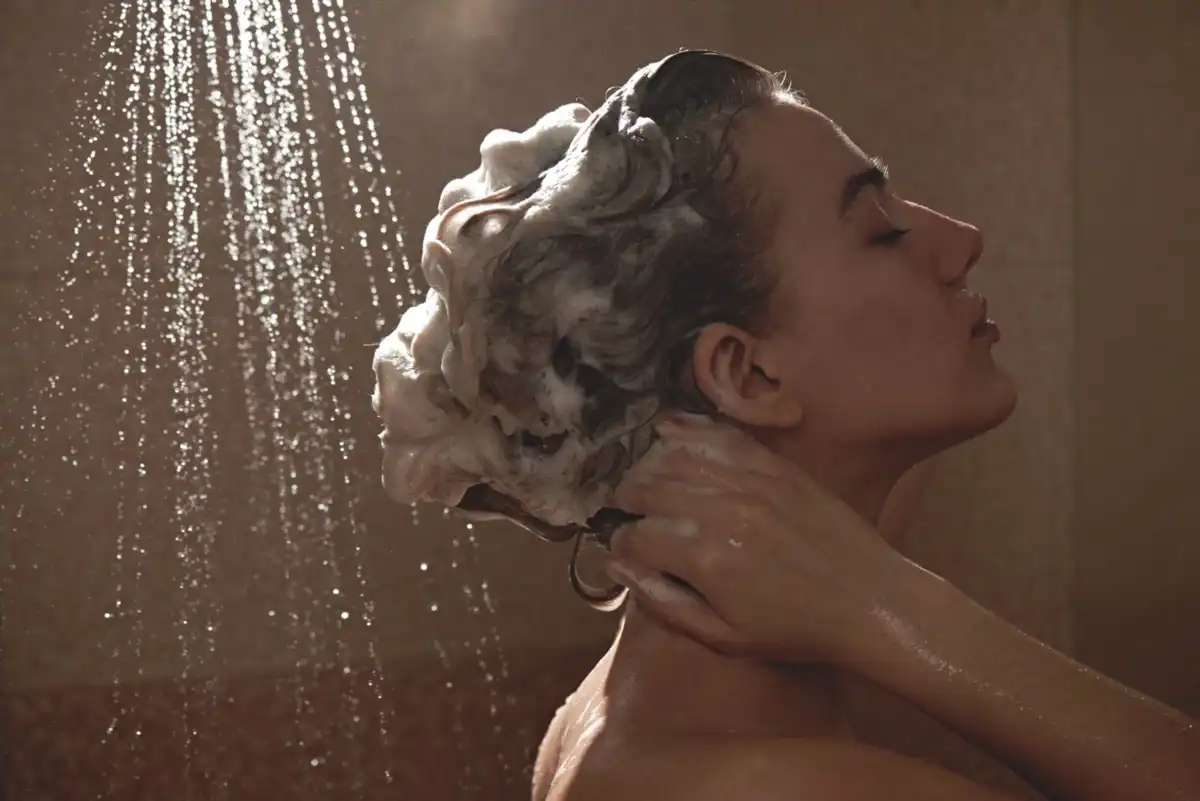
Photo via azbigmedia.com
- Zinc pyrithione: antifungal and antibacterial, gentle enough for frequent use. The active ingredient in most everyday anti-dandruff shampoos, usually at 1%. A good first choice for mild dandruff.
- Ketoconazole: a strong antifungal aimed directly at Malassezia. Sold over the counter at 1% in many countries, with a stronger version by prescription. Often suggested first for stubborn or recurring dandruff.
- Selenium sulfide: slows skin-cell turnover as well as controlling yeast. Suits oily scalps and heavy, greasy flakes, usually at 1%.
- Salicylic acid: loosens and lifts stuck-on scale rather than treating yeast. Best for thick buildup, though it can be drying, so follow with conditioner on the lengths.
- Coal tar: slows skin turnover and calms itch, and is also used for scalp psoriasis. It has a distinctive smell and can stain light hair, so it suits fewer people.
Start with zinc pyrithione or selenium sulfide for everyday flakes, and move to ketoconazole if those do not help after a few weeks. If one shampoo seems to lose its effect, rotating between two different actives often helps — alternate them on wash days, or use one for a few weeks and then switch.
A Gentle Step-by-Step Wash Routine
Technique matters as much as the product. The most common reason a dandruff shampoo “doesn’t work” is that it is rinsed out too quickly — these shampoos are medicines, and they need contact time with the scalp.
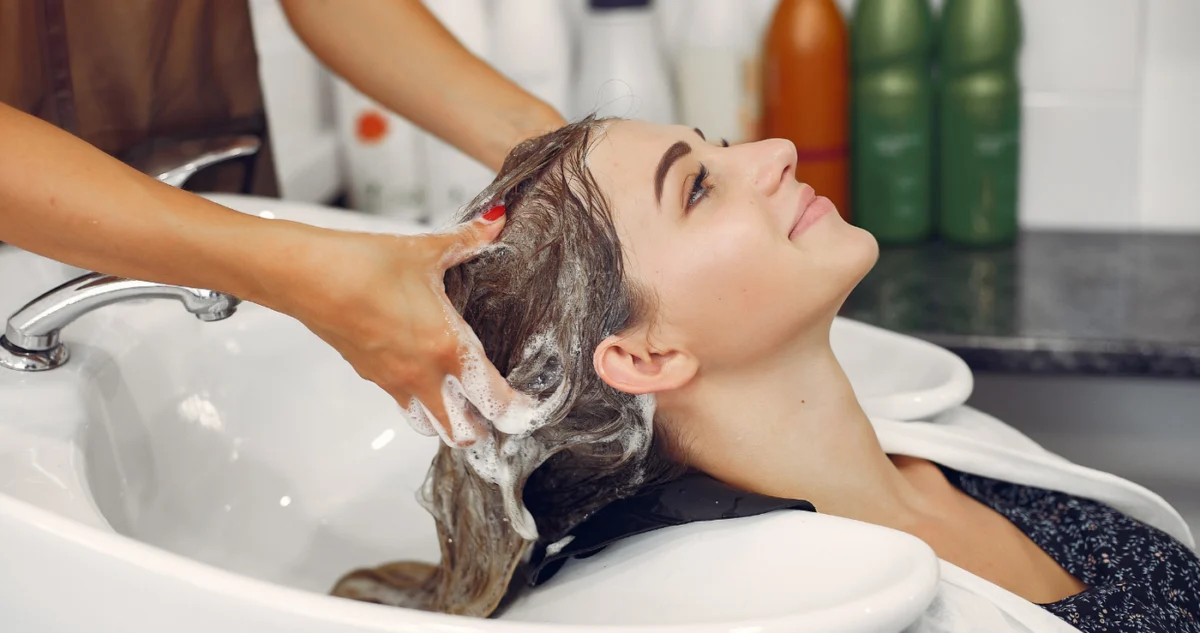
Photo via mokshabodycare.com
- Wet thoroughly with lukewarm water: hot water strips moisture and can irritate a sensitive scalp, so keep the temperature comfortable.
- Apply to the scalp, not just the hair: work a small amount directly onto the scalp, section by section, and lather with the fingertips — never the nails — for at least a minute.
- Leave it on: let the lather sit for three to five minutes, or as long as the bottle directs, before rinsing. This is the step most people skip, and it makes the biggest difference.
- Condition the lengths only: squeeze excess water from the hair, then apply conditioner from the mid-lengths to the ends. Keeping it off the scalp avoids buildup where flakes form.
- Rinse and dry gently: rinse thoroughly, then blot with a towel instead of rubbing, which can irritate the scalp and rough up the hair.
Use the dandruff shampoo two to three times a week at first, with a regular gentle shampoo on other wash days. Once the flakes settle, many people drop to once a week to keep them away. Daily medicated washing is rarely needed and can leave the scalp drier than when you began.
Scalp Care Habits Between Washes
Shampoo handles the surface; the rest of the routine keeps flakes from coming back. Treat the scalp much like the face: exfoliate, cleanse, condition, and treat in that order. A weekly scalp scrub, massaged into a damp scalp in small circles from the hairline back, lifts buildup that shampoo alone leaves behind. A soft scalp brush used gently during washing can help too, as long as the pressure stays light.
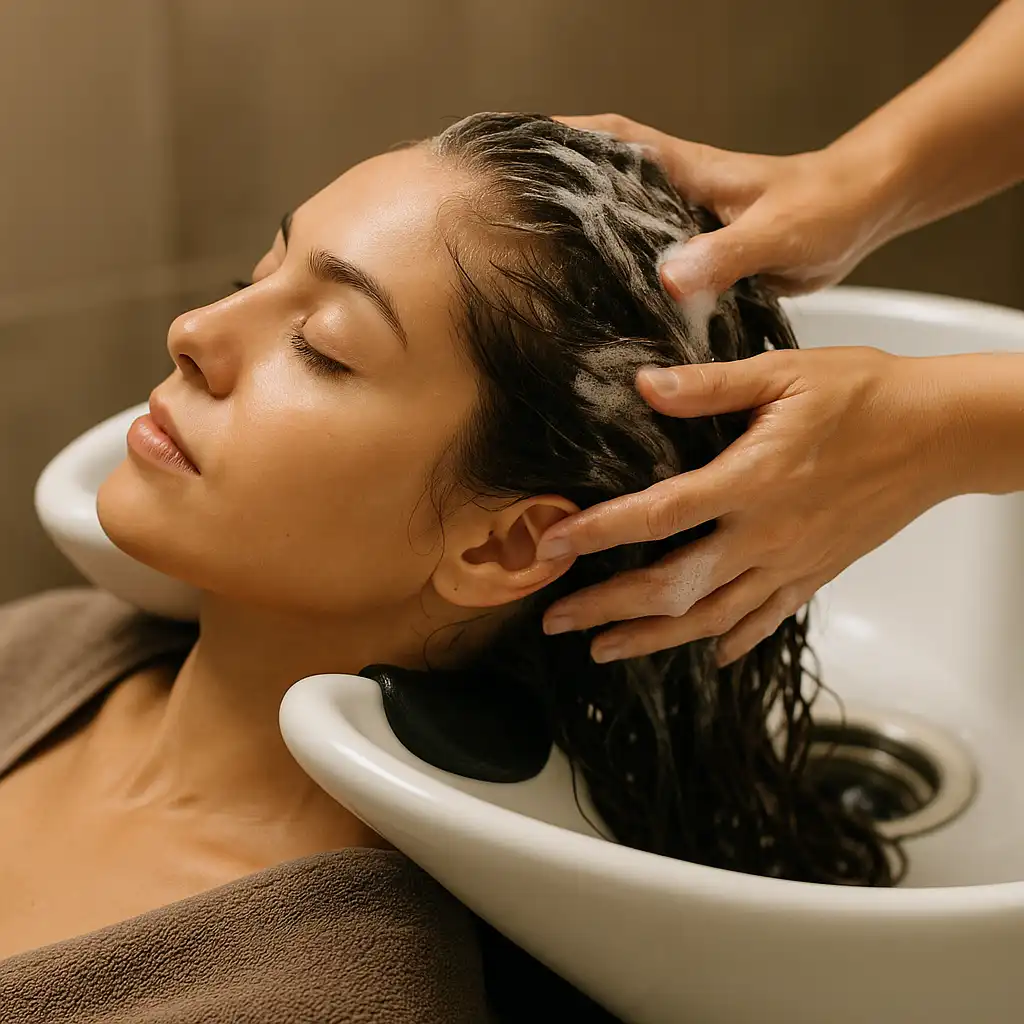
Photo via headspatoronto.ca
Small Habits That Help
Soak brushes and combs in hot, soapy water regularly — they collect oil and flakes that go straight back onto a clean scalp. Avoid piling long hair on top of the head and scrubbing it roughly while washing; handle tangled lengths gently instead. And resist scratching an itchy scalp, which breaks the skin and invites irritation — a cool rinse or a gentle fingertip massage is a kinder response. Healthy scalp habits also protect the styles you love, from soft waves like Classy Medium Curly Hair Hairstyles for Volume and Shine to the crown braids in Boho Braid Styles: Hairstyles With a Crown. Nutrition plays a supporting role too, and the essentials are covered in Vitamins for Women: Essential Nutrients.
Common Mistakes That Make Flaking Worse
Rinsing too fast: a dandruff shampoo needs three to five minutes on the scalp. Rinsing after thirty seconds wastes most of the active ingredient.
Scrubbing with nails: nails scratch and irritate the scalp, which can worsen flaking and itching. Fingertips only, with gentle pressure.
Using very hot water: hot water strips the scalp’s natural oils and increases irritation. Lukewarm is the kinder choice, every wash.
Over-washing with medicated shampoo: more is not better. Daily use can dry the scalp out and leave hair rough — two to three times a week is the usual starting point.
Judging too soon: most people see flaking ease within two weeks, but scalp health rebuilds slowly. Give a new shampoo four weeks of steady use before deciding it does not work — and do not stop the moment things improve, or the yeast returns.
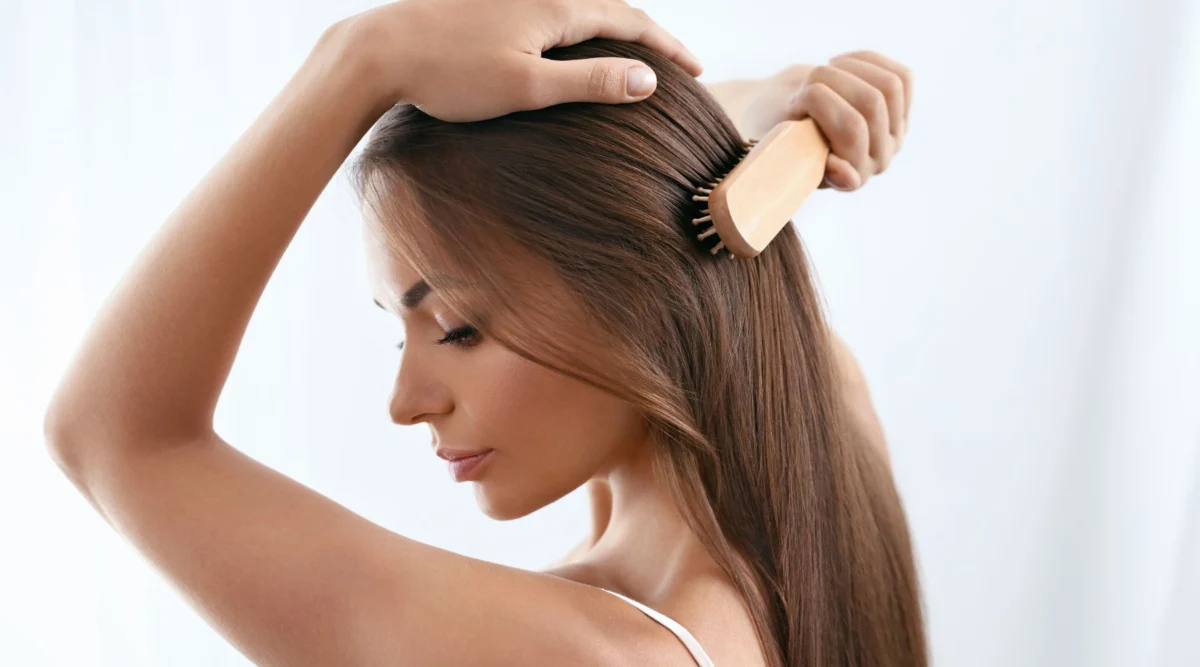
Photo via holistichair.co.nz
Putting conditioner on the scalp: conditioner is for the lengths. On the scalp it adds buildup and can trap flakes against the skin. The same separation of steps — treat the scalp, condition the lengths — keeps a layered cut like Layered Bob Hairstyle Ideas With Wispy Bangs looking light and clean rather than weighed down.
When to See a Dermatologist
Most dandruff responds to an over-the-counter routine within a month. See a dermatologist if flakes do not improve after four weeks of correct use, if the scalp becomes red, swollen, or sore, or if flaking spreads to the eyebrows, ears, or face. Thick, yellow, greasy scale, intense itching, or patches that look inflamed may be seborrhoeic dermatitis or psoriasis, which need a different treatment plan. A dermatologist can also check whether hair loss accompanying the flakes needs separate attention. As with skin — where a gentle, steady routine like the Glowing Skin Morning Skincare Routine is the starting point — the scalp rewards patience and consistency over harsh, hurried fixes.
Frequently Asked Questions
How often should I use a dandruff shampoo?
Two to three times a week to start, then drop back to once a week once the flaking settles. Daily use is rarely needed and can leave the scalp drier than when you began. Use a regular gentle shampoo on the other wash days.
How long should I leave dandruff shampoo on?
Three to five minutes is the usual guidance, or as long as the bottle directs — some products specify up to five to ten minutes. Contact time is what gives the active ingredient a chance to work, so this step matters more than any other.
Is dandruff contagious?
No. Dandruff is not contagious and is not caused by poor hygiene, although washing less often can make flakes more noticeable. It is a reaction to a yeast that lives on everyone’s scalp.
Should I rotate dandruff shampoos?
Yes, rotating can help if a shampoo seems to lose its effect. Switching between two different actives, such as ketoconazole and zinc pyrithione, gives the scalp more than one line of attack. Give any new shampoo about four weeks before judging it.
Can home remedies help dandruff?
Some people find diluted apple cider vinegar, tea tree oil, or aloe vera soothing, but the evidence for natural treatments is limited compared with medicated shampoos. They can complement a routine, but they are not a substitute for an active ingredient that targets the yeast.
Final Thoughts
A gentle dandruff routine is less about buying more products and more about using the right one correctly: pick a shampoo by its active ingredient, massage it in with fingertips, give it three to five minutes on the scalp, and condition only the lengths. Add a weekly scalp scrub, clean brushes, and lukewarm water, and most flakes settle within a few weeks. If they do not, a dermatologist can identify what is really going on. The scalp, like the rest of your skin, responds best to steady, gentle care — not to being scrubbed into submission.
Disclaimer: This article is for general informational purposes only and does not constitute medical advice. Dandruff can resemble other scalp conditions such as psoriasis or seborrhoeic dermatitis. If flaking is severe, painful, spreading, or does not improve after four weeks of correct treatment, consult a dermatologist for guidance tailored to your situation.