Deodorant and antiperspirant sit side by side on the shelf and are often used as if they were the same thing — but they do different jobs. One targets odour, the other targets sweat, and choosing the wrong one is the most common reason people feel their product “does not work.” Add in the questions about aluminium, natural formulas, and sensitive skin, and the choice gets confusing fast.
This guide explains what each product actually does, how the key ingredients work, when a natural deodorant makes sense, and how to pick the right option for your skin and lifestyle. The right choice is personal — it depends on how much you sweat, how sensitive your skin is, and what you are comfortable using every day. A fresh, confident feeling pairs well with easy everyday style, whether that is the relaxed looks in Basic Outfit Ideas in Black Tailoring or the clean, simple lines in Clean Girl Outfits with a Cream Trench.
Key Takeaways
- Deodorant controls odour; antiperspirant reduces sweat. Many products combine both.
- Antiperspirants work with aluminium salts that temporarily block sweat ducts — this is how they reduce wetness.
- Natural deodorants use ingredients like baking soda, magnesium, or zinc to fight odour, but they do not stop sweat.
- Apply antiperspirant to clean, dry skin — at night is often more effective than in the morning.
- Sensitive skin does better with fragrance-free formulas; irritation is a sign to switch, not to push through.
Deodorant vs Antiperspirant: What Is the Difference?
Sweat itself has almost no smell. Odour happens when skin bacteria break sweat down, which is why the underarm — warm, moist, and full of sweat glands — is where it shows up most.
Deodorant targets the odour. It uses antimicrobial ingredients to reduce the bacteria that cause smell, plus fragrance to mask what remains. It does nothing to reduce how much you sweat.
Antiperspirant targets the sweat. Its active ingredient — usually an aluminium salt such as aluminium chlorohydrate — forms a temporary plug in the sweat ducts near the skin’s surface, reducing the amount of sweat that reaches the skin. Less sweat means less moisture for bacteria, so antiperspirants reduce odour too, indirectly.
Most products sold as “antiperspirant deodorant” do both: aluminium to reduce sweat, plus antimicrobial and fragrance ingredients for odour. If you mainly want to stay dry, you need an antiperspirant. If sweat does not bother you and odour is the only concern, a deodorant is enough.
How Antiperspirants Work — and the Aluminium Question
Aluminium salts are the only ingredients proven to reduce sweating, and they have been used in antiperspirants for decades. When applied to the skin, they dissolve in sweat and form a gel-like plug in the duct opening. The plug is temporary — it wears off as skin sheds, which is why antiperspirant needs reapplying daily.
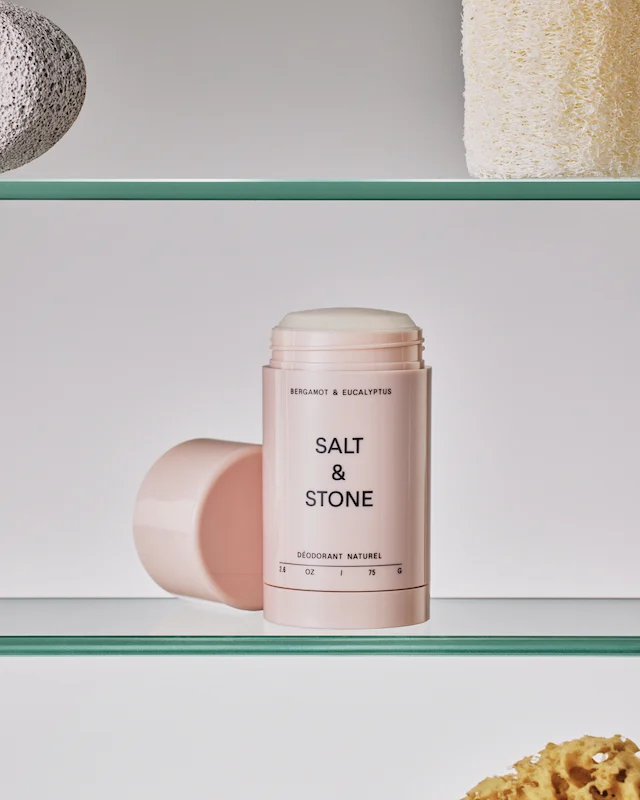
Photo via pamper.my
Concerns about aluminium and health — particularly breast cancer and Alzheimer’s disease — have circulated for years. Major health authorities, including the American Cancer Society and the Alzheimer’s Association, state that current evidence does not show a link between aluminium in antiperspirants and these conditions. The amount absorbed through intact skin is very small. That said, the choice is personal: if you prefer to avoid aluminium, natural deodorants are a reasonable option, and this guide covers them below.
Natural and Aluminium-Free Deodorants
Natural deodorants skip aluminium and instead fight odour with ingredients such as baking soda, magnesium hydroxide, zinc oxide, arrowroot powder, or plant-derived antimicrobials. Many also use shea butter or coconut oil as a base.
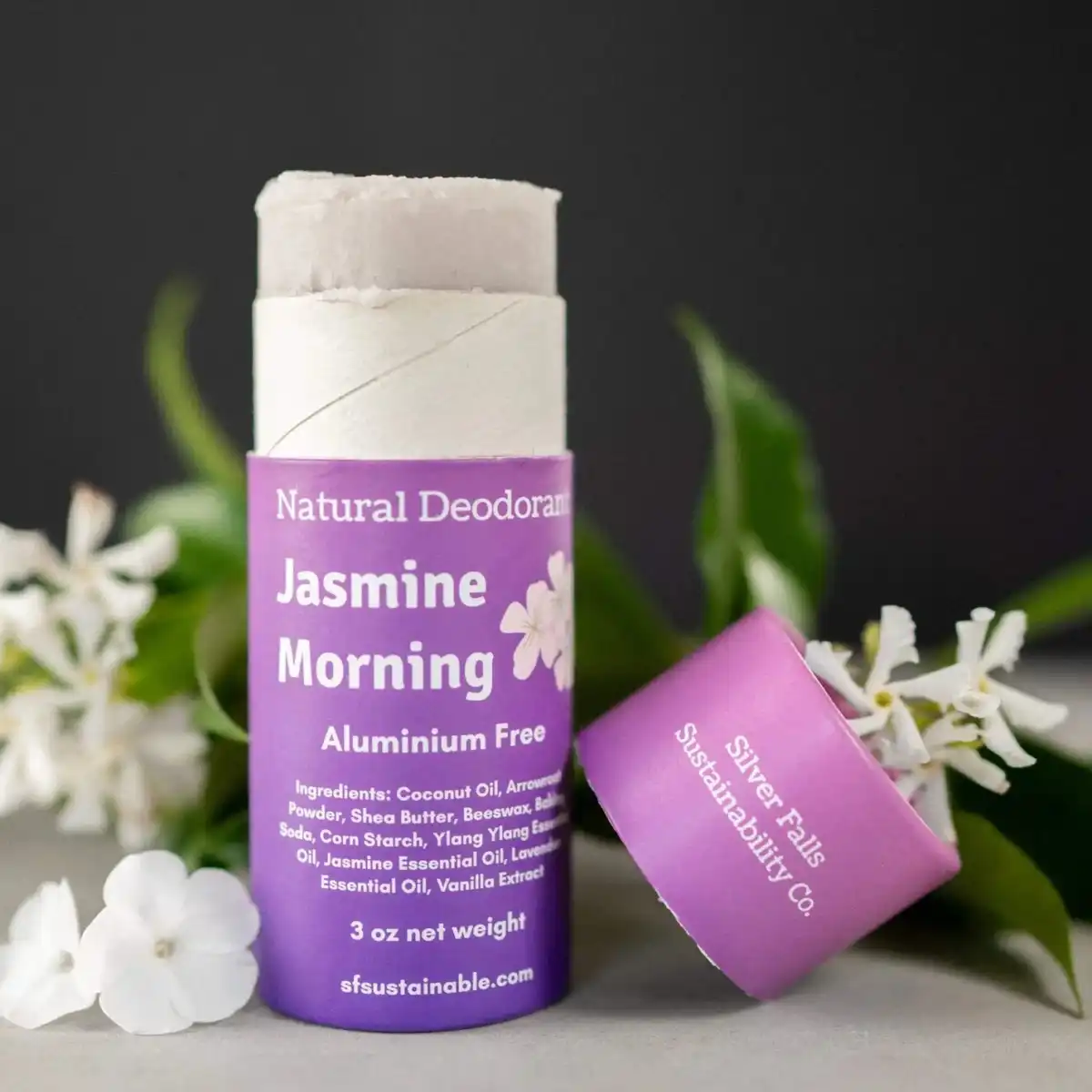
Photo via earthtribeshop.com
Two honest points about natural deodorants. First, they do not reduce sweat — if wetness is your main concern, they will not solve it. Second, some people experience irritation from baking soda, the most common active ingredient; magnesium-based formulas tend to be gentler. There is also an adjustment period of one to two weeks when switching from antiperspirant, during which sweating may feel heavier before it settles. If a natural formula irritates your skin, stop using it and try a different active ingredient rather than pushing through.
How to Choose the Right Product for You
If You Sweat Heavily
Choose a clinical-strength antiperspirant, which contains a higher concentration of the aluminium active ingredient. Apply it at night to clean, dry skin — sweat glands are less active overnight, so the product forms a better plug. One evening application is often more effective than a morning one.
If You Have Sensitive Skin
Look for fragrance-free formulas with minimal ingredients, and avoid products with alcohol high on the list, which can sting freshly shaved skin. Patch-test a new product on a small area first, and give it a few days before judging it.
If Odour Is the Main Issue
A deodorant — natural or conventional — is usually enough. Antimicrobial ingredients and a pleasant scent handle the problem without needing to block sweat at all.
If You Want the Simplest Option
A combined antiperspirant-deodorant covers both sweat and odour in one step, which is why it is the best-selling format. Pick a scent you like, a format you enjoy using — stick, roll-on, or spray — and keep it consistent.
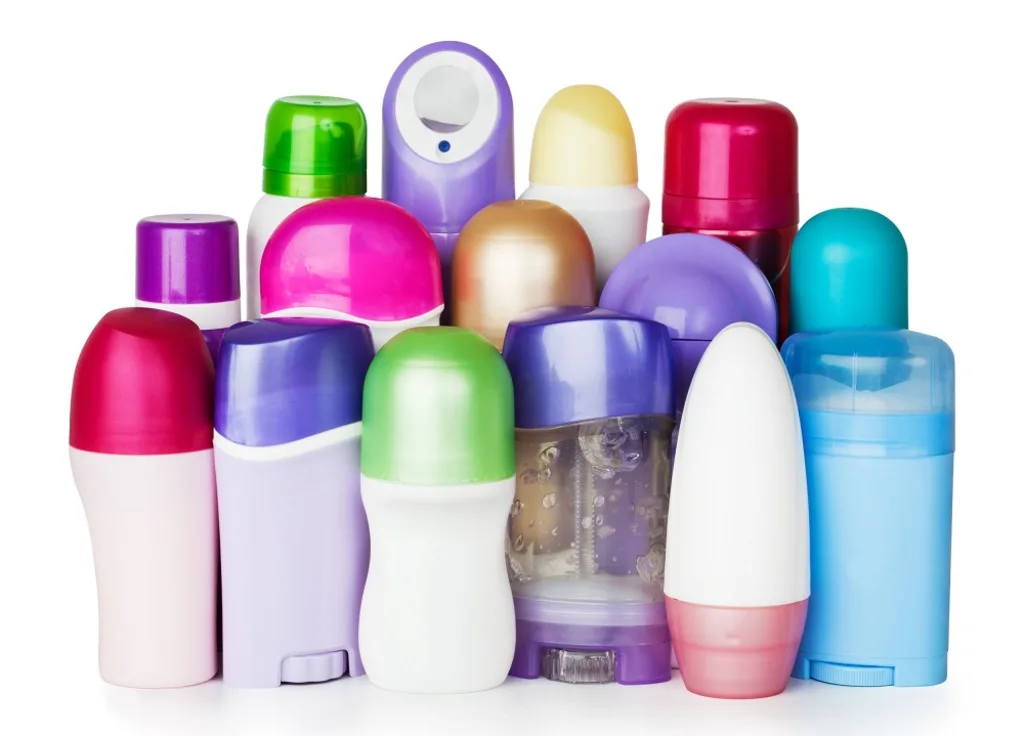
Photo via productnation.co
How to Apply It Properly
Application makes a bigger difference than most people realise. A few rules:
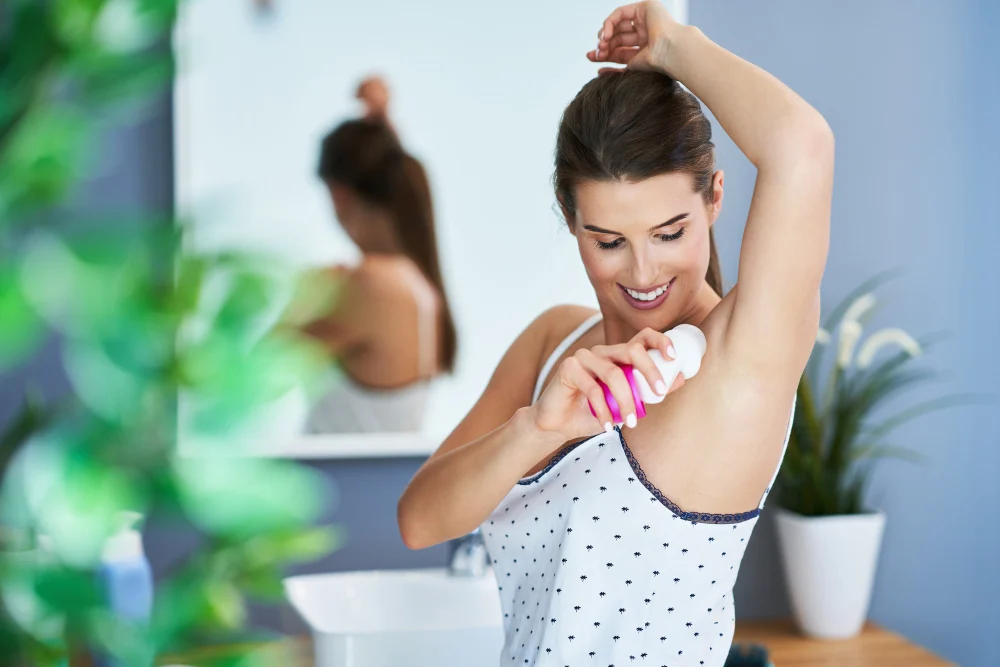
Photo via bitsolutions.ro
- Apply to clean, dry skin: antiperspirant works best when the skin is dry, because moisture dilutes the active ingredient before it can form a plug. After showering, pat the underarms dry and wait a few minutes.
- Apply at night for antiperspirants: sweat glands are quieter overnight, giving the product time to work. You can still apply deodorant in the morning for freshness.
- Use enough, but not too much: two to three swipes of a stick or roll-on is enough. More product does not mean more protection — it means residue on clothes.
- Wait before dressing: give the product a minute to dry so it does not transfer to fabric. White marks on dark clothes and yellow stains on white ones are usually caused by applying too much and dressing too quickly.
- Do not apply to broken or freshly shaved skin: wait a little after shaving, especially with products containing alcohol or fragrance, to avoid stinging and irritation.
Feeling fresh also depends on the fabric you wear — breathable, natural fibres help more than synthetics on warm days. Sleeveless and light tops show the benefit most, like the easy pieces in Black Tank Top Outfit Ideas and Blue Top Outfit Ideas in Oversized Light Styles.
Common Mistakes When Choosing Deodorant
Using deodorant when you need an antiperspirant: if wetness is the problem, a deodorant-only product will never fix it, no matter how good it smells.
Applying antiperspirant in the morning to damp skin: after a shower, the skin is warm and slightly damp, and sweat glands are already active. Night application is more effective.
Switching products every week: give a new product at least a week, and a natural deodorant two weeks, before deciding it does not work.
Ignoring irritation: redness, itching, or a rash means the formula does not suit your skin. Stop using it and try a fragrance-free or different-ingredient option.
Assuming stronger is always better: clinical-strength products are useful for heavy sweating, but they can irritate sensitive skin. Match the strength to your actual need.
When to Talk to a Doctor
Excessive sweating that soaks through clothes regularly, happens at night, or affects your daily life may be hyperhidrosis, a medical condition with effective treatments beyond over-the-counter products. A doctor can discuss prescription antiperspirants, oral medications, or other options. Similarly, persistent underarm rashes, lumps, or skin changes deserve a professional look rather than a new deodorant.
Frequently Asked Questions
What is the difference between deodorant and antiperspirant?
Deodorant controls odour by reducing the bacteria that cause smell. Antiperspirant reduces sweat by temporarily blocking sweat ducts with aluminium salts. Many products combine both functions in one formula.
Is aluminium in antiperspirant safe?
Major health authorities, including the American Cancer Society, state that current evidence does not show a link between aluminium in antiperspirants and breast cancer or Alzheimer’s disease. The amount absorbed through intact skin is very small. If you prefer to avoid it, aluminium-free deodorants are available.
Do natural deodorants really work?
Natural deodorants can work well for odour control, using ingredients like baking soda, magnesium, or zinc. They do not reduce sweat, so they suit people whose main concern is smell rather than wetness. Allow one to two weeks of adjustment when switching from an antiperspirant.
Why does my antiperspirant stop working?
It usually has not stopped working — application is the common cause. Applying to damp skin, applying in the morning instead of at night, or using too little all reduce effectiveness. Stress, heat, and hormonal changes can also increase sweating temporarily. Try night application on clean, dry skin before switching products.
Can deodorant cause dark underarms?
Some people find that fragrance, alcohol, or frequent shaving irritates the underarm skin and leads to darkening over time. Gentle, fragrance-free formulas, less frequent shaving, and moisturising the area can help. If darkening persists or appears suddenly, a dermatologist can advise. A gentle overall routine supports healthy skin everywhere — the morning steps in Glowing Skin Morning Skincare Routine and the active-friendly looks in Sporty Outfit Ideas for Everyday Style both fit a fresh, low-fuss approach.
Final Thoughts
The deodorant-versus-antiperspirant question comes down to what bothers you most: odour, sweat, or both. Odour alone calls for a deodorant; sweat calls for an antiperspirant; both together call for a combined product. Apply antiperspirant at night to clean, dry skin, give a new product a fair trial, and switch promptly if your skin reacts. It is a small daily choice, but the right one makes a noticeable difference to comfort and confidence.
Disclaimer: This article is for general informational purposes only and does not constitute medical or professional advice. If you experience persistent skin irritation, excessive sweating, or underarm changes that concern you, please consult a doctor or dermatologist.