Almost everyone knows drinking water matters, yet actually reaching for a glass often slips to the bottom of a busy day. The gap is rarely knowledge — it is habit. Hydration works best when it is woven into the routines you already have, so drinking water happens almost without thinking rather than depending on willpower or a sudden pang of thirst.
This guide covers simple drinking water habits that fit real life: a morning glass, a bottle that stays within reach, flavour ideas that make plain water more appealing, and foods that quietly add fluid to your day. There is no complicated schedule here, just small changes that add up. Good hydration also shows on the outside, which is why it pairs so well with a steady routine like the one in Glowing Skin Morning Skincare Routine.
Key Takeaways
- Drink a glass of water first thing in the morning to rehydrate after a night of sleep.
- Carry a reusable water bottle so water is always within reach and easy to sip.
- Add natural flavour with fruit, cucumber, or herbs if plain water feels boring.
- Eat water-rich foods such as watermelon, cucumber, and oranges — food supplies around a fifth of daily fluids.
- Check urine colour: a pale yellow shade usually means hydration is on track.
- Drink before, during, and after exercise, and sip more in hot weather.
Why Hydration Matters for Energy and Skin
Water supports nearly everything the body does in a day: it carries nutrients, helps regulate temperature, cushions joints, and keeps digestion moving. When fluid intake dips, the first signs are often subtle — a dull headache, an afternoon energy slump, dry lips, or skin that looks a little flat. Many people reach for another coffee when a glass of water would have done more.
General guidance from the National Academies puts total daily fluid intake at about 11.5 cups (2.7 litres) for women and about 15.5 cups (3.7 litres) for men, counting all beverages and food. Those are averages, not prescriptions: activity level, climate, body size, and health all shift the number. The goal is not to hit an exact figure but to drink steadily through the day so the body never runs dry. Alongside water, the nutrients in food play their own role, and Vitamins for Women: Essential Nutrients is a useful companion read for the wider picture.
Start Your Day With a Glass of Water
After seven or eight hours of sleep, the body wakes up mildly dehydrated. A full glass of water before anything else is one of the simplest habits there is, and it sets a tone for the rest of the day: the first thing you did was look after yourself. Some people find it sharpens their focus in the first hour; at the very least, it replaces fluid lost overnight.
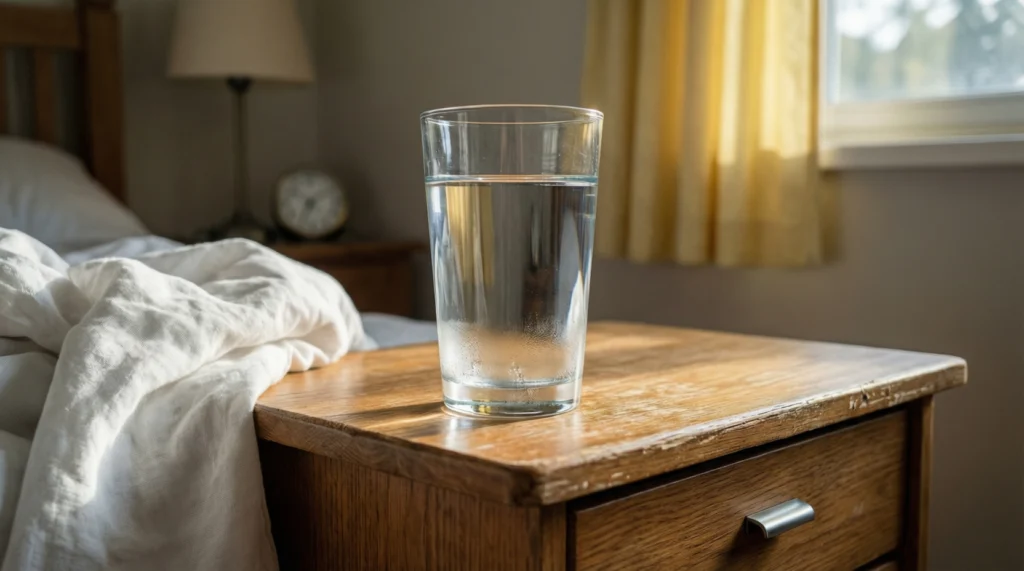
Photo via fatburningwow.com
The easiest way to make it stick is to remove the decision entirely. Fill a glass or bottle the night before and leave it on the nightstand, so it is the first thing you see when you wake up. Pair it with something you already do — brushing your teeth, waiting for the kettle — and within a week or two the glass becomes as automatic as the rest of the morning. A calm, prepared start like this fits naturally into a weekly reset, such as the one in Sunday Reset Checklist for Home and Body.
Make Water Easy to Reach All Day
Most people drink more when water is visible and close at hand, and less when it requires a trip to the kitchen. That is why a reusable bottle is the single most effective hydration tool: it is a constant visual reminder and it removes every small barrier between you and a sip. Choose one you genuinely like using — easy to open with one hand, easy to clean, and a size you are happy to carry.

Photo via housely.com
Reminders and Routines That Help
If the bottle alone is not enough, a few small systems can help. A phone alarm or a hydration app that nudges you every hour or two works well on busy days, especially at a desk where hours can pass unnoticed. Another useful trick is anchoring water to meals: a glass about twenty to thirty minutes before eating helps digestion, adds a regular fluid checkpoint, and makes it easier to tell true hunger from thirst, which many people confuse.
Keep a glass where you spend the most time — on the desk, by the kitchen counter, or next to the sofa. The sight of it does quiet work all day. And if you work out, keep the bottle in your kit bag the night before, ready to grab with the rest of your gear, whether that is a simple set from Gym Outfit Ideas for Your Next Workout or whatever you already own.
Add Flavour and Food to Your Hydration
Plain water is the best choice for hydration, but it is not the only one that counts — and if boredom is what keeps you from drinking, flavour is a perfectly good fix. Infusing water with slices of lemon, lime, cucumber, berries, or a few mint leaves adds freshness without sugar or artificial ingredients. A pitcher kept in the fridge means a cold, appealing glass is always ready; give it an hour or two for the flavours to meld, and try combinations such as strawberry and basil or cucumber and lime.
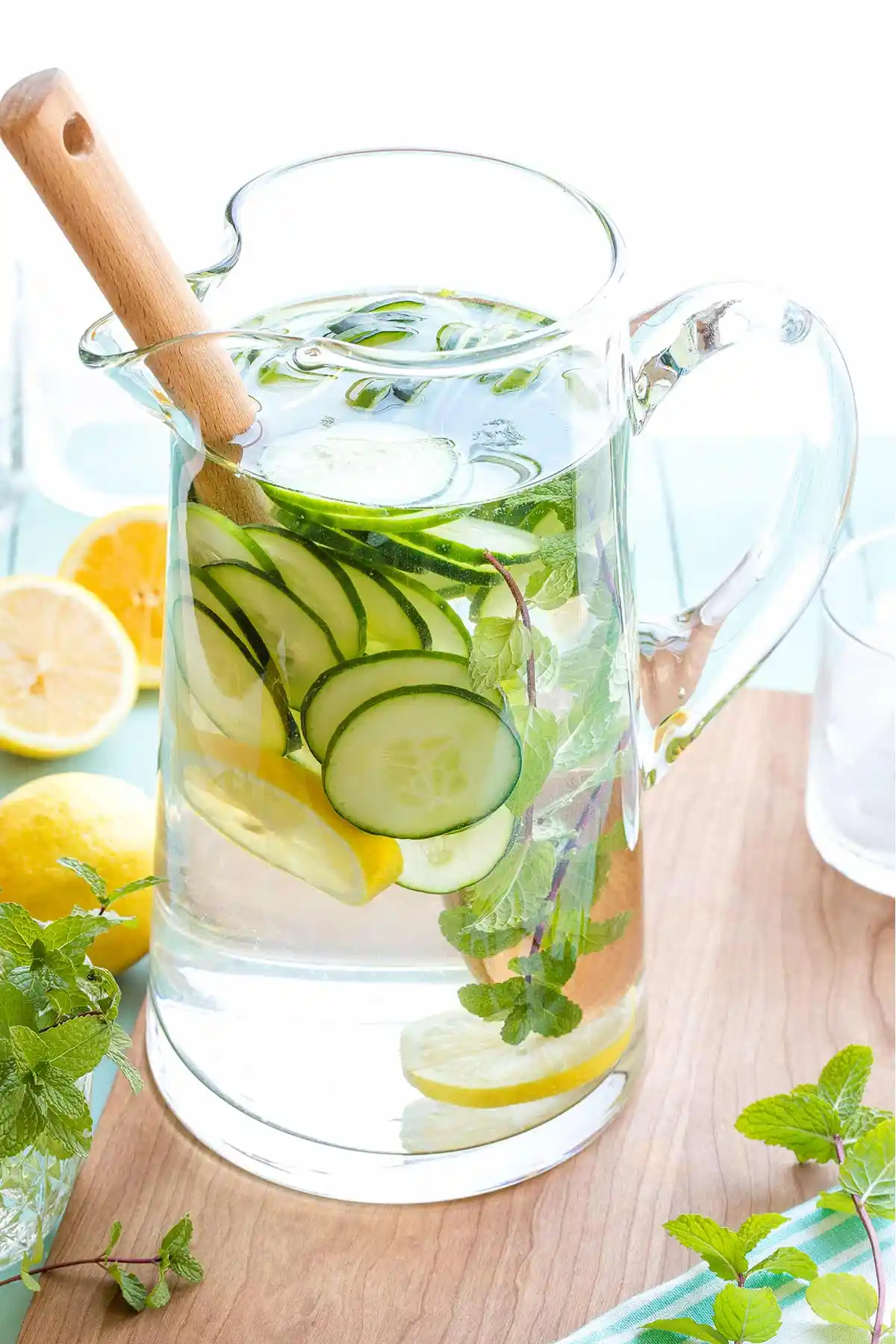
Photo via twohealthykitchens.com
Foods That Hydrate
Around a fifth of daily fluid intake typically comes from food, and some foods contribute far more than others. Watermelon, strawberries, cucumber, lettuce, celery, and oranges are all mostly water, so a salad or a bowl of cut fruit is doing quiet hydration work. Soups, smoothies, and herbal teas count too. Snacking on these through the day is an easy way to top up fluids without thinking in terms of glasses at all — and on warm days, such as a trip planned around Coastal Outfit Ideas for Beach Vacations, water-rich foods and regular sips matter even more.
Hydration Around Exercise and Meals
Fluid needs rise sharply with activity and heat. The practical approach is to drink a glass in the hour before a workout, sip every fifteen to twenty minutes during it, and drink again afterwards to replace what was lost through sweat. For long or intense sessions, a drink containing electrolytes can help maintain fluid balance and reduce cramping, but for most everyday workouts plain water is enough.
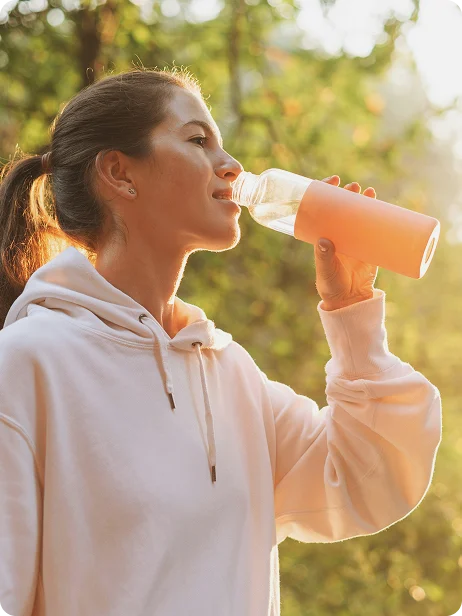
Photo via hi-lyte.com
Coffee and tea do contribute to fluid intake, but they should not be the main source — water is still the simplest, calorie-free baseline. Sugary drinks are best kept as occasional treats rather than daily hydration: they add calories without adding nutrition. A useful rule of thumb is to let plain water carry the day and let everything else be a bonus. When the body is well hydrated, skin tends to look plumper and fresher too, which makes the most of gentle care steps like those in Exfoliation: Physical vs Chemical for Skin.
Common Hydration Mistakes to Avoid
Waiting until you are very thirsty: thirst is often a sign of mild dehydration already. Sipping steadily through the day keeps fluid levels even instead of swinging between dry and flooded.
Relying on sugary or heavily caffeinated drinks: these do not hydrate as effectively as water and can add unwanted calories. Keep them occasional, not foundational.
Guessing instead of checking: urine colour is a simple, free gauge. Pale yellow — a light lemonade shade — usually means you are well hydrated. Dark yellow suggests drinking more, while completely clear urine can mean overdoing it.
Ignoring personal needs: exercise, hot weather, illness, and some medications all raise fluid requirements. Adjust intake to the day you are actually having, not an average from a chart.
Forcing huge volumes at once: drinking far beyond thirst can dilute the body’s sodium, a rare but serious condition called hyponatremia. Steady sipping beats occasional flooding, every time.
Frequently Asked Questions
How much water should I drink daily?
General guidance from the National Academies suggests about 11.5 cups (2.7 litres) of total fluids a day for women and about 15.5 cups (3.7 litres) for men, including fluids from food. Individual needs vary with activity, climate, and health, so treat the figures as a starting point and adjust to your own day.
Can I get enough water from food?
Food supplies roughly 20% of daily fluids, so it makes a real contribution — watermelon, cucumber, strawberries, lettuce, and oranges are all very high in water. Food alone is rarely enough, though; it works best as a complement to regular drinking.
What are the signs of dehydration?
Common signs of mild dehydration include thirst, a dry mouth, urinating less often than usual, fatigue, and a dull headache. Dark yellow urine is a useful early warning sign that fluid intake needs to go up.
Are flavoured waters as good as plain water?
Water infused with natural flavours from fruit, vegetables, or herbs is an excellent choice — it adds taste without sugar or artificial ingredients. Plain water remains the simplest baseline, but naturally flavoured water is a healthy alternative if it helps you drink more.
Does coffee count toward hydration?
Yes, coffee and tea do contribute to fluid intake, and the mild diuretic effect of caffeine does not cancel that out. They still should not be your primary source of fluids — plain water is the better foundation for the day.
Final Thoughts
Building a hydration habit does not need a strict schedule or a special app. Start with one or two changes — a glass by the bed, a bottle on the desk, a pitcher of infused water in the fridge — and let them become automatic before adding more. Most people notice the difference within a few days: steadier energy, fewer headaches, and skin that looks a little brighter. Water is the simplest form of self-care there is, and the habit pays for itself every single day.
Disclaimer: This article is for general informational purposes only and does not constitute medical advice. Individual hydration needs vary based on health, activity, and climate. If you have a medical condition such as kidney disease or heart failure, or if you experience persistent symptoms, consult a healthcare professional for personalized guidance.