Some people do not just notice what others feel — they feel it themselves. A friend’s sadness settles in their own chest, a tense room drains their energy, and a stranger’s bad mood can colour their whole afternoon. If that sounds familiar, you may be an empath: someone with an unusually deep capacity to sense and absorb the emotions of others.
Being an empath is neither a diagnosis nor a superpower. It is a temperament — a way of processing the emotional world more intensely than most people do. This guide explains the common traits of empaths, the strengths and challenges that come with them, and practical ways to protect your energy without closing yourself off. And because looking after yourself starts with small rituals, a calm morning routine like the one in Glowing Skin Morning Skincare Routine can be a gentle anchor for an empath’s day.
Key Takeaways
- Empaths deeply sense and often absorb the emotions of the people around them.
- Common traits include strong intuition, emotional sensitivity, a need for alone time, and feeling overwhelmed in crowds.
- Empathy is a strength — but without boundaries, it can lead to exhaustion and burnout.
- Simple practices like grounding, journaling, and setting limits help empaths protect their energy.
- Being an empath is a temperament, not a medical condition, and it exists on a spectrum.
What Is an Empath?
An empath is a person who experiences the emotions of others unusually intensely — not just recognising them, but feeling them almost as if they were their own. Where most people can sympathise with a friend’s grief, an empath may carry that grief home with them. This is sometimes described as emotional absorption, and it is the trait that most clearly sets empaths apart from people who are simply kind or caring.

Photo via cottonwoodpsychology.com
Empathy itself is a normal human capacity, and being an empath is best understood as sitting at the more sensitive end of that spectrum. Some researchers link it to heightened emotional responsiveness and a finely tuned nervous system. It overlaps with the trait known as high sensitivity, though the two are not identical: highly sensitive people process all sensory input deeply, while empaths are specifically attuned to emotional input. Either way, it is a way of being in the world, not a problem to fix — though it does need managing, much like any strong trait. A polished, put-together look can help empaths feel grounded in social settings, and the ideas in Aesthetic Clean Girl Outfits with a Cream Trench offer an easy, confident starting point.
Common Empath Traits
Empaths do not all share every trait, but certain patterns show up again and again.
Deep Emotional Absorption
Empaths pick up on the moods of others quickly and often take them on. A colleague’s stress becomes their stress; a partner’s sadness becomes their own. This can make empaths wonderful friends, but it can also leave them exhausted after social time without an obvious reason.
Strong Intuition
Many empaths sense what someone is feeling — or what they are not saying — before a word is spoken. They may notice a shift in someone’s energy, read a room instantly, or feel that something is off even when everything looks fine on the surface.
Feeling Overwhelmed in Crowds
Busy, noisy environments can be draining for empaths, because every person nearby is another source of emotional input. Shopping centres, crowded parties, and packed public transport are common trouble spots, and many empaths leave such places feeling depleted rather than energised.
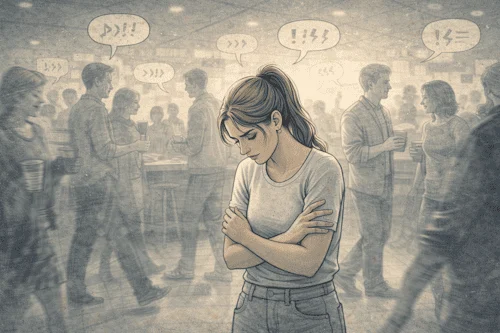
Photo via amfmtreatment.com
A Deep Need for Alone Time
Solitude is how empaths recharge. After absorbing other people’s emotions all day, quiet time alone — reading, walking, or simply sitting — lets their own feelings resurface and their energy return. This need for space is not antisocial; it is restorative.
Strong Reactions to Injustice and Suffering
Empaths often feel other people’s pain acutely, which can make news stories, arguments, or cruelty genuinely distressing. Many are drawn to helping professions, creative work, or causes that let them channel that sensitivity into something useful.
The Strengths and Challenges of Being an Empath
Empathy is a genuine strength. Empaths tend to be perceptive listeners, loyal friends, and skilled at understanding what others need. They often sense problems early, connect with people quickly, and bring warmth and depth to their relationships.
The challenges come when there are no boundaries around that sensitivity. Common difficulties include emotional exhaustion, trouble saying no, taking on other people’s problems as their own, and difficulty distinguishing their own feelings from someone else’s. Over time, unguarded empathy can contribute to anxiety, burnout, and resentment — not because empathy is harmful, but because it is being spent without replenishment. Recognising the pattern is the first step toward managing it, and small daily habits — including simple self-care touches like the soft manicures in Blush Nail Ideas in Soft Pink — can be part of the replenishment.
How Empaths Can Protect Their Energy
Protecting your energy does not mean becoming less empathetic. It means creating enough space to feel what is yours and let go of what is not.

Photo via apeaceofwerk.com
- Name what you feel: when a strong emotion arrives, pause and ask whether it is yours or something you picked up. Naming it creates distance from it.
- Schedule alone time: build quiet time into your day the way you would any appointment. Even fifteen minutes helps.
- Use grounding practices: a short walk, slow breathing, or time in nature can reset an overloaded nervous system.
- Journal regularly: writing helps separate your own feelings from the emotions you have absorbed from others.
- Limit draining environments: when possible, choose smaller gatherings, take breaks during long social events, and give yourself recovery time afterwards.
- Learn to say no: declining a request is not unkind. It is how you keep enough energy to show up well for the people and things that matter most.
Boundaries: The Empath’s Most Important Skill
Boundaries are what turn empathy from a drain into a sustainable strength. A boundary can be as simple as not answering work messages after a certain hour, leaving a gathering when your energy is spent, or telling a friend you need a day before you can talk about something heavy.
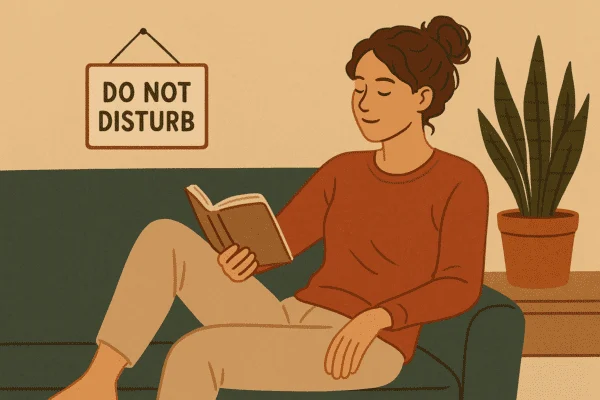
Photo via evelynreedbooks.com
Many empaths resist boundaries because they fear seeming cold or selfish. In practice, the opposite is true: people who protect their energy are more present, more patient, and more generous with the energy they do give. Start small — one boundary, held consistently — and notice how much steadier you feel. Confidence helps boundaries land, and feeling comfortable in what you wear matters too; the smart, easy looks in Cute Smart Casual Outfits with Lilac Blazers and the simple elegance of Basic Outfit Ideas in Black Tailored Style can both support that steadier feeling.
Empath vs. Highly Sensitive Person
The two terms are often used interchangeably, but they describe overlapping rather than identical traits. A highly sensitive person processes all sensory information deeply — sounds, lights, textures, and emotions alike — and can be easily overstimulated by a busy environment. An empath’s sensitivity is focused specifically on the emotional states of other people.
Many empaths are also highly sensitive, and many highly sensitive people are empathic, but neither label is a diagnosis. What matters is not the label but the understanding: knowing how you process the world lets you design a life that works with your nature instead of against it. If emotional overwhelm is interfering with daily life, a therapist familiar with high sensitivity can help with strategies tailored to you.
Frequently Asked Questions
Are empaths born or made?
Temperament has both genetic and environmental roots. Some people appear naturally more emotionally attuned from childhood, while life experiences — particularly growing up in emotionally intense households — can sharpen that attunement. Most likely it is a combination of both.
Can empaths turn their empathy off?
Not entirely, and most would not want to. What empaths can learn is to manage it: noticing when they are absorbing someone else’s emotions, creating space, and using grounding practices to return to their own baseline.
Do empaths make good partners and friends?
Often, yes. Empaths tend to be attentive, loyal, and deeply understanding. The risk is over-giving — taking on a partner’s or friend’s emotions and needs at the expense of their own. Healthy relationships for empaths depend on mutual care and clear boundaries.
Is being an empath a mental health condition?
No. Being an empath is a temperament, not a diagnosis. However, empaths can be more vulnerable to anxiety, emotional exhaustion, and burnout, so looking after mental health — and seeking professional support when needed — is especially important.
How can an empath stop absorbing other people’s emotions?
Complete blocking is not realistic, but the effect can be reduced: name the emotion and ask whether it is yours, spend time alone to reset, use grounding practices like walking or breathing exercises, and set boundaries around draining people and situations.
Final Thoughts
Being an empath means experiencing the emotional world in high definition — a capacity that brings deep connection, intuition, and compassion, along with a real need for rest and boundaries. The goal is not to feel less. It is to feel wisely: to know which emotions are yours, to protect your energy, and to let your sensitivity be a strength rather than a burden. And when you do step out into the world, feeling rested and ready, a little celebration is in order — perhaps an evening look from Simple Party Outfits with Black Glamour for the moments worth showing up for.
Disclaimer: This article is for general informational purposes only and does not constitute medical or psychological advice. Being an empath is not a medical condition. If emotional overwhelm, anxiety, or low mood is interfering with your daily life, please consider speaking with a licensed mental health professional.