That heavy, foggy feeling that arrives around 2 PM is not a personal failing. It is a natural dip in the body’s internal clock, and almost everyone feels it. The usual response — more coffee, something sweet — helps for twenty minutes and then makes the crash worse. Small, steady habits work far better than any quick fix.
This guide covers the habits that keep energy stable through the afternoon: hydration, balanced meals, movement, light, rest, and smarter snacking. They are simple on purpose, because a habit you can repeat every day beats a perfect routine you abandon by Thursday. For the nutrition side of steady energy, High Protein Diet for Women explains how protein supports lasting fullness.
Key Takeaways
- Drink water consistently through the day — even mild dehydration causes fatigue and foggy thinking.
- Eat a balanced lunch with protein, vegetables, and whole grains to avoid a blood sugar crash.
- Move for ten minutes every 60 to 90 minutes to boost blood flow, mood, and alertness.
- A power nap of 10 to 20 minutes can restore alertness without causing grogginess.
- Protect your night’s sleep — poor sleep is the biggest reason the afternoon slump hits hard.
Why the Afternoon Slump Happens
Between roughly 1 PM and 3 PM, the body’s circadian rhythm dips, and alertness drops with it. That dip is normal and happens whether lunch was a salad or a feast. What changes is how deep it feels: dehydration, a heavy carbohydrate lunch, poor sleep the night before, and hours of sitting all make the same natural dip feel much worse.
That is good news in disguise. The dip itself cannot be eliminated, but every factor that deepens it is something you can influence. The habits below each target one of those factors, and together they flatten the slump into something barely noticeable.
Hydration: The Easiest Energy Fix
Even mild dehydration can cause fatigue, headaches, and difficulty concentrating. Most people do not drink enough water in the morning, so by early afternoon they are already running low — right when the circadian dip arrives.

Photo via freshwatercoolers.com.au
Keep a water bottle on your desk and sip steadily rather than waiting until you feel thirsty. A slice of lemon or cucumber makes plain water more appealing, and herbal tea counts too. The goal is a steady intake across the day, not a sudden flood at 3 PM. If low energy is a regular problem, it is also worth checking the basics covered in Vitamins for Women: Essential Nutrients, since some deficiencies show up first as fatigue.
Eat for Steady Energy, Not a Spike
A heavy, carbohydrate-loaded lunch spikes blood sugar and then crashes it, leaving you drowsy an hour later. A balanced plate does the opposite: lean protein, vegetables, and whole grains digest slowly and keep energy level through the afternoon.

Photo via platesbychloe.com
Build a Better Lunch
Swap a large pasta dish for a salad with grilled chicken, or a white-bread sandwich for a veggie and hummus wrap on whole grain. The structure matters more than any single ingredient: protein plus fibre plus vegetables, with water on the side.
Snack Smart Between Meals
Balanced snacks that combine protein, healthy fats, and complex carbohydrates stabilise blood sugar between meals. A handful of almonds, an apple with peanut butter, or Greek yogurt with berries all work. Sugary snacks offer a quick lift followed by a deeper crash, which is exactly the pattern to avoid.
Move Your Body Through the Day
Sitting for hours makes anyone feel sluggish. Short movement breaks are one of the fastest ways to lift energy, because they increase blood flow to the brain and break the monotony that deepens the slump.

Photo via ramble.cz
Set a timer to stand, stretch, or walk for ten minutes every 60 to 90 minutes. A brisk walk outside does double duty: movement plus natural light, which helps regulate the circadian rhythm and signals to your body that it is still daytime. Even sitting near a window for a while helps if going outside is not possible. Comfortable shoes and easy layers make midday walks far more likely, and the practical looks in Hiking Outfit Ideas for Your Next Adventure work just as well for a lunch-hour stroll as for a trail.
Rest, Light, and the Power Nap
Not every energy habit involves doing more. Some of the most effective ones involve doing less, briefly and on purpose.
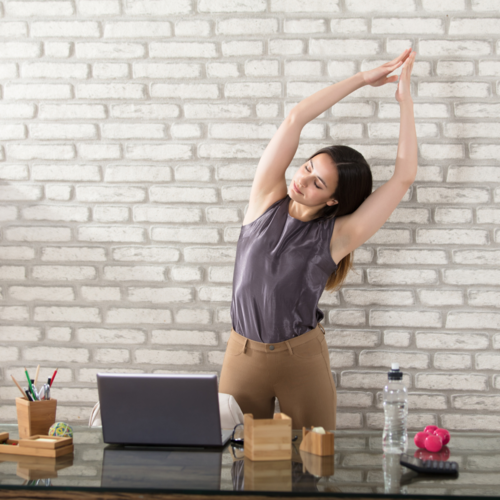
Photo via laurenhiltonpilates.co.uk
Take a power nap: ten to twenty minutes of rest can improve alertness and cognitive performance without the grogginess of a longer sleep. Set an alarm so you do not drift into deep sleep and wake up feeling worse.
Try mindful breathing: a few minutes of slow, intentional breathing calms the nervous system and increases oxygen flow to the brain. The 4-7-8 technique — inhale for four counts, hold for seven, exhale for eight — is a simple place to start.
Use music as a reset: an upbeat playlist can lift mood and perceived energy without any caffeine. Keep a short “power playlist” ready for the moment the slump hits.
Stretch at your desk: a minute of shoulder rolls, neck stretches, and standing side bends loosens the stiffness that builds up over hours of sitting. If your workday wardrobe makes moving awkward, the polished but flexible options in Classy Casual Office Outfit with a Beige Trench Coat and Simple Work Outfits for Women keep you comfortable through a full day of movement breaks.
Sleep and Caffeine: The Two Levers That Matter Most
Poor sleep the night before is the single biggest reason the afternoon slump hits hard. Aim for seven to nine hours of consistent, restorative sleep, and keep a regular wind-down routine — reading, a warm bath, screens off — so your body learns when the day is ending.
Caffeine needs a cutoff too. Coffee or energy drinks after 2 PM can disrupt that night’s sleep, which makes the next day’s slump worse, which leads to more afternoon caffeine. Breaking the cycle is simple: switch to herbal tea or decaf in the late afternoon. For mornings when you do want to move, the comfortable active looks in Gym Outfit Ideas for Your Next Workout make an early session easier to start — and regular exercise is one of the most reliable ways to sleep better at night.
When to Consult a Professional
If fatigue is persistent and extreme even after trying these habits, talk to a healthcare professional. Overwhelming tiredness that interferes with daily life can signal an underlying condition such as anaemia, thyroid issues, a sleep disorder, or chronic fatigue syndrome. A doctor can rule out serious causes and offer personalised advice. These habits support everyday energy; they are not a substitute for medical care when something feels genuinely wrong.
Frequently Asked Questions
Why do I feel so tired every afternoon?
The afternoon slump is a natural part of your circadian rhythm, typically hitting between 1 PM and 3 PM. Lifestyle factors like dehydration, a heavy lunch, poor sleep, or sitting too long can make it feel much worse, which is why small habit changes help so much.
Can certain foods make the afternoon slump worse?
Yes. A large, carbohydrate-heavy lunch can spike blood sugar and then cause a crash, leading to drowsiness. Sugary snacks and drinks do the same. A balanced meal with lean protein, vegetables, and whole grains keeps energy steadier.
How long should a power nap be?
Aim for 10 to 20 minutes. This length lets you recharge without entering deep sleep, so you wake up feeling refreshed rather than groggy. Setting an alarm makes sure you do not oversleep.
Is it bad to drink coffee in the afternoon?
It can be. Caffeine late in the afternoon, especially after 2 PM, may interfere with falling asleep at night. Disrupted sleep then makes the next day’s slump worse. Herbal tea or water is a better afternoon choice.
What are the best healthy snacks for energy?
Snacks that combine protein, healthy fats, and complex carbohydrates help stabilise blood sugar. Good options include a handful of almonds, an apple with peanut butter, yogurt with berries, or a small piece of fruit. Avoid sugary snacks that give a quick spike followed by a crash.
Final Thoughts
Start with one or two habits today: sip water steadily, or take a short walk after lunch. You may feel a difference within minutes, but the real change builds over days and weeks of consistency. Small, steady habits — hydration, a balanced lunch, movement, and protected sleep — do more for afternoon energy than any quick fix ever will.
Disclaimer: This article is for general informational purposes only and does not constitute medical advice. If you experience persistent or extreme fatigue that affects your daily life, please consult a healthcare professional to rule out any underlying conditions.