Feeling drained all the time is easy to blame on one bad night, but fatigue is often quieter and more stubborn than that. It is a persistent lack of energy that makes ordinary tasks feel heavy, and it frequently comes from everyday habits rather than a single cause: the sleep schedule that drifts, the skipped breakfast, the afternoon coffee that pushes bedtime later, the day spent entirely indoors. Each one takes a little energy; together, they take a lot.
This checklist walks through the five areas that shape daily energy — sleep, food and hydration, movement, stress, and your surroundings — so you can spot your own drains and fix the easiest ones first. Start with just one or two changes rather than an overhaul; small, steady adjustments are the ones that last. A weekly reset helps too, and the Sunday Reset Checklist for Home and Body is a good place to build the new habits into your week.
Key Takeaways
- Aim for seven to nine hours of quality sleep, at consistent times, every night.
- Stay hydrated through the day — even mild dehydration can leave you feeling tired.
- Eat regular, balanced meals with protein and fiber to avoid blood sugar crashes.
- Move a little every day; short walks boost energy rather than draining it.
- Manage chronic stress with breaks, breathing, and boundaries around your time.
What Fatigue Really Is
Fatigue is not the same as ordinary sleepiness. Sleepiness fades after a good night; fatigue lingers even when you have slept, and it shows up as low motivation, foggy thinking, and a body that feels heavy before the day has really begun. Medical conditions can cause it, and persistent fatigue deserves a doctor’s attention — but for many women, the everyday habits below are doing most of the damage, and they are the easiest place to start.
The useful way to think about energy is as a budget. Sleep, food, water, movement, and rest put energy in; stress, poor sleep, sugar crashes, and hours of sitting take it out. Most people do not need a perfect lifestyle — they need to stop the biggest leaks first.
Sleep Habits That Drain or Restore Energy
Sleep is the largest single deposit in the energy budget, and it is also where the most common leaks hide. Run through this checklist honestly:
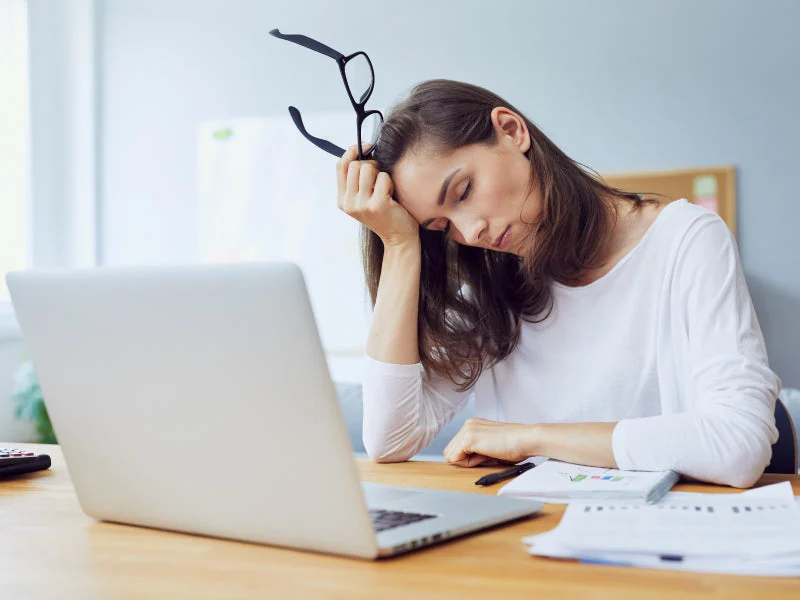
Photo via crazynutrition.com
- Sleeping fewer than seven hours: most adults need seven to nine hours. A regular shortfall accumulates into a sleep debt that no weekend lie-in fully repays.
- An irregular bedtime: going to bed at a different time each night confuses the internal clock, so the body never learns when to wind down.
- Screens before bed: blue light suppresses melatonin and delays sleep onset, even when you feel tired.
- Caffeine too late: caffeine within six hours of bedtime can fragment sleep without you noticing.
- No wind-down routine: going straight from work or bright screens to bed gives the brain no signal that the day is over.
- A warm or bright bedroom: a cool, dark, quiet room supports deeper sleep than a stuffy, lit one.
- Heavy meals or alcohol near bedtime: both make sleep lighter and more broken in the second half of the night.
- Long daytime naps: naps over thirty minutes, or late in the day, steal sleep pressure from the night.
Fixing even two or three of these often changes how mornings feel within a week. Better sleep also shows on the skin — rested mornings are the perfect base for the Glowing Skin Morning Skincare Routine.
Food, Water, and Steady Energy
What you eat and drink is the fuel side of the budget, and the pattern matters more than any single meal. Energy crashes usually follow a familiar shape: a sugary breakfast, a long gap with nothing, then a heavy lunch — and a 3 p.m. slump that feels like a wall.

Photo via inloverecipes.com
Eating for Steady Energy
Regular meals with protein, fiber, and healthy fats keep blood sugar steadier than meals built on refined sugar and processed food. Skipping breakfast or going more than four hours without eating often leads to a crash that feels like exhaustion but is really low fuel. A protein-rich breakfast — yogurt with berries and granola, eggs, or a smoothie with nut butter — sets a steadier tone for the day than a pastry and coffee. For more on building protein into everyday meals, the High Protein Diet for Women guide breaks it down simply.
Hydration Is Easier to Miss Than You Think
Even mild dehydration can cause fatigue, headaches, and difficulty concentrating. Many people realize late in the afternoon that they have barely drunk anything since morning. Keep water visible — a glass on the desk, a bottle in the bag — and drink regularly rather than waiting for thirst. Herbal teas and water-rich foods like fruit and vegetables count too.
Movement: The Energy That Gives Back
It sounds backwards, but moving more is one of the most reliable ways to feel less tired. Regular moderate activity improves sleep quality, lifts mood, and increases stamina over time. The trap is waiting until you feel energetic to start — energy usually follows movement, not the other way around.

Photo via diqt.net
You do not need an intense workout. A ten-minute walk, a few stretches between tasks, or a short stroll outside all count, and they break up the long sitting stretches that drain energy on their own. Sitting for more than six hours a day, with no breaks and no fresh air, is one of the most common fatigue habits — and one of the easiest to interrupt. Comfortable clothes make it easier to move on impulse; the relaxed fits in Simple Leggings Outfits for Everyday Style and Sporty Outfit Ideas for Everyday Style are made for exactly that kind of day.
Stress, Light, and Your Surroundings
Chronic stress keeps the body in fight-or-flight mode, which is exhausting over weeks and months. Multitasking all day, skipping breaks, working through lunch, and checking email constantly all keep the mind in reactive mode, never in rest mode. The result is mental fatigue that feels physical: heavy limbs, foggy thinking, and a tiredness that sleep alone does not fix.

Photo via ramble.cz
Your environment plays a quiet role too. A day without natural light disrupts the internal clock; a cluttered, stuffy room adds low-grade stress; hours of screen time after sunset confuse the body’s sense of night. Small fixes add up: morning daylight, a short walk outside, a tidy desk, fresh air in the bedroom, and lights dimmed in the evening. Even five minutes of journaling or slow breathing can lower the day’s stress load enough to notice. And if your diet has gaps, a quick look at Vitamins for Women: Essential Nutrients can help you spot what might be missing — though supplements are no substitute for food, sleep, and rest.
When Tiredness Needs a Doctor
Lifestyle changes help many people feel better within days to a few weeks. But see a healthcare professional if your fatigue is sudden, severe, or persists despite better sleep, food, and movement — or if it comes with other symptoms such as weight changes, hair loss, low mood, or pain. Conditions such as thyroid problems, anemia, vitamin deficiencies, and sleep disorders are common, treatable, and easy to miss without a check-up. Getting tested is not overreacting; it is the fastest way to rule out the causes a checklist cannot fix.
Frequently Asked Questions
How quickly can I expect to feel more energetic?
Many people notice improvements within a few days to a few weeks of consistent changes, especially around sleep and hydration. The timeline depends on which habits you adjust and how long they have been draining you. Steady progress matters more than overnight results.
Can stress alone cause constant fatigue?
Yes. Chronic stress keeps the body in a heightened state that depletes energy reserves over time. Techniques such as deep breathing, journaling, regular breaks, and saying no to overcommitment can help restore energy gradually.
Is it normal to feel tired after exercise?
Temporary tiredness after a workout is normal, especially when you are new to exercise or pushed hard. Regular moderate activity usually boosts overall energy in the long run. If you feel exhausted for hours afterward, the intensity may be too high.
When should I stop drinking caffeine?
As a general rule, avoid caffeine within six hours of bedtime. Caffeine can linger in the system for hours and quietly fragment sleep, which directly affects next-day energy. Herbal tea is a gentler afternoon swap.
How does natural light affect my energy?
Morning light helps regulate the circadian rhythm, which controls the sleep-wake cycle and daytime alertness. Spending time outdoors each day, especially in the morning, can improve both energy during the day and sleep at night.
Final Thoughts
Fatigue rarely has one cause, and it rarely needs one dramatic fix. Pick the leak that feels most familiar — the late caffeine, the skipped breakfast, the day without a walk — and fix that one thing this week. Then pick the next. Small, steady changes compound, and within a few weeks the days start to feel lighter. Your energy is a budget worth managing, and the checklist above is the place to start.
Disclaimer: This article is for general informational purposes only and does not constitute medical advice. Fatigue can be a symptom of an underlying medical condition. If your tiredness is sudden, severe, or persists despite lifestyle changes, please consult a healthcare professional for a proper evaluation.