Fiber is one of the simplest nutrients to understand and one of the easiest to under-eat. Most adults get far less than the recommended amount, and the gap shows up as sluggish digestion, energy dips, and hunger that returns too soon after meals. The fix is not complicated: a few fibre-rich foods added to meals you already eat can close most of the gap.
This guide covers the best fiber foods for each meal — from oatmeal and berries at breakfast to lentils and whole grains at lunch and dinner — plus how much fiber to aim for and how to increase it without discomfort. For the protein side of a balanced plate, High Protein Diet for Women pairs well with the meals described here.
Key Takeaways
- Adult women should aim for about 25 grams of fiber per day; men about 38 grams.
- Include both soluble fiber (oats, beans, apples) and insoluble fiber (whole wheat, nuts, fruit skins).
- Increase fiber gradually over several weeks and drink plenty of water to avoid bloating.
- Choose whole fruits and vegetables over juices, and check labels for at least 3–5 grams per serving.
- Legumes like lentils, black beans, and chickpeas are among the most fibre-rich foods available.
Why Fiber Matters — and How Much You Need
Fiber is the part of plant foods your body cannot digest, and that is exactly what makes it useful. Soluble fiber dissolves in water to form a gel, which helps lower cholesterol and steady blood sugar. Insoluble fiber adds bulk to stool and keeps digestion moving. Most plant foods contain a mix of both, which is why variety matters more than any single food.
The recommended daily intake for adult women is around 25 grams, and for men around 38 grams. Most people fall well short, often eating only 15 grams or so. The gap is worth closing gradually — jumping from very little fiber to a lot in one day is a reliable recipe for bloating and discomfort. Add one fibre-rich food at a time, give your gut a few days to adjust, and drink water alongside the change.
Fiber Foods for Breakfast
Breakfast is the easiest meal to upgrade, because the best fiber foods for the morning are also the simplest to prepare.
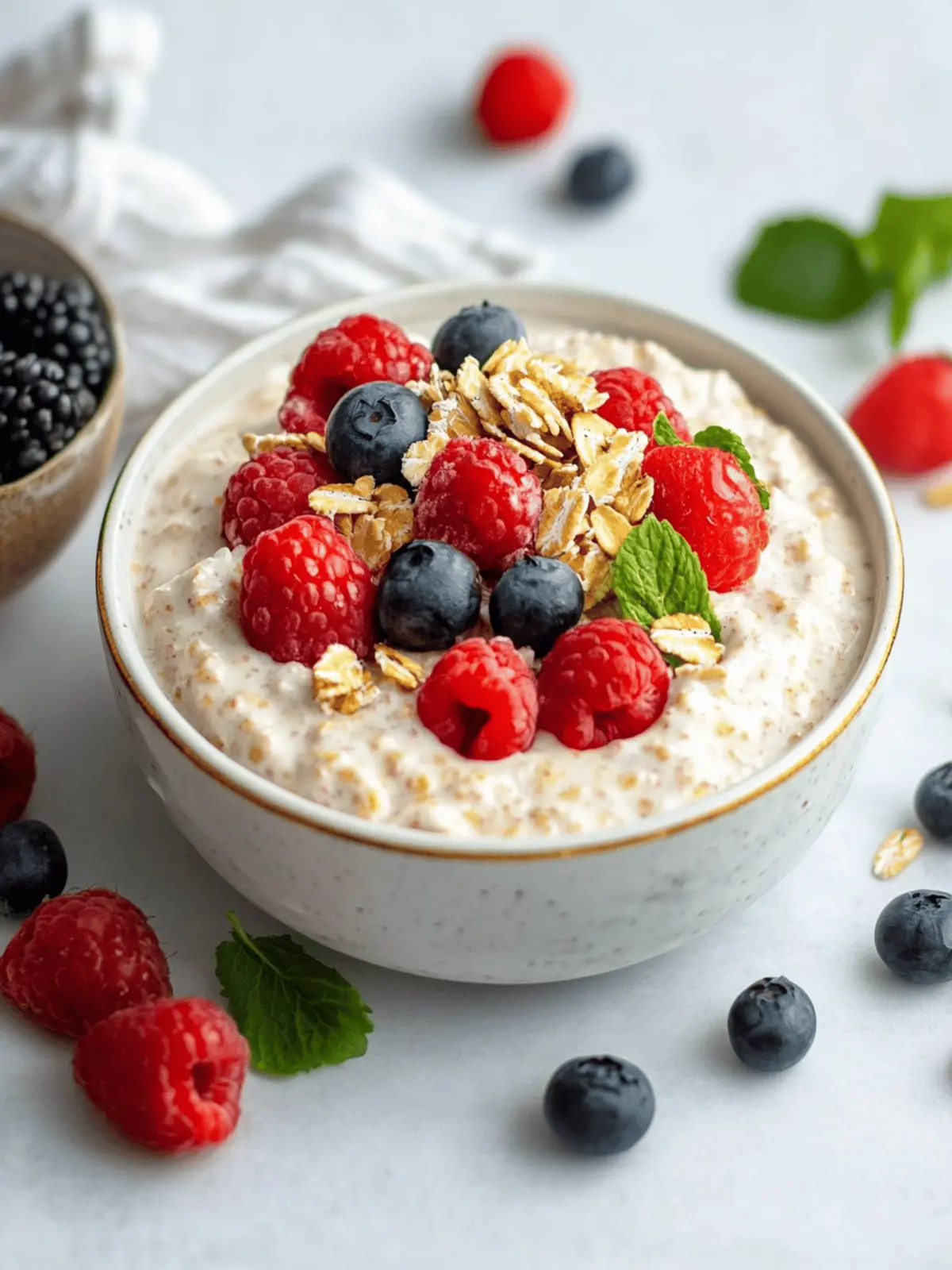
Photo via globalrecipes4u.com
Oatmeal: The Classic Fiber Starter
Oatmeal is rich in soluble fiber, which helps lower cholesterol and stabilise blood sugar. Steel-cut or rolled oats offer more fiber than instant varieties, which are more processed. A bowl topped with berries, a tablespoon of chopped nuts, or a sprinkle of chia seeds turns a simple breakfast into a genuinely filling meal.
Berries, Chia Seeds, and Whole-Grain Toast
Raspberries, blueberries, and strawberries are loaded with fiber when eaten whole, and they add natural sweetness without added sugar. Chia seeds are tiny powerhouses of both soluble and insoluble fiber plus omega-3 fats — a tablespoon stirred into yogurt, a smoothie, or overnight oats is an easy upgrade. Whole-grain toast with avocado is another strong start: the bread brings insoluble fiber, the avocado adds soluble fiber and healthy fats. A relaxed morning routine helps all of this happen, and the comfortable looks in Brown Outfit Ideas for Everyday Looks suit unhurried starts to the day.
Fiber Foods for Lunch
Lunch is where fiber does its most visible work: a fibre-rich midday meal keeps you full through the afternoon and prevents the energy crash that follows a refined, low-fiber lunch.

Photo via sagekettle.com
Leafy Salads with Legumes
Start with a large base of dark leafy greens like spinach or kale for insoluble fiber, then add chickpeas, black beans, or lentils to bring in both fiber types and turn the salad into a complete meal. The more variety in the bowl, the broader the nutrients.
Lentil Soup and Whole-Grain Sandwiches
Lentils are fiber superstars, offering both soluble and insoluble types along with protein. A hearty lentil soup with carrots, celery, and tomatoes makes a satisfying lunch, and a big weekend batch portions out for the whole week. For sandwiches, choose 100% whole-grain bread and check that “whole wheat” or “whole grain” is the first ingredient — many brown breads are mostly refined flour. Packing lunch for work is easier with a good bag, and the sturdy options in Tote Bag Outfit Ideas carry containers, fruit, and a water bottle with ease. A polished workday look from Simple Work Outfits for Women rounds out the routine.
Fiber Foods for Dinner
Dinner offers the biggest canvas for fiber, since it is usually the largest meal of the day. A few smart swaps can add ten grams or more without changing the shape of the meal.
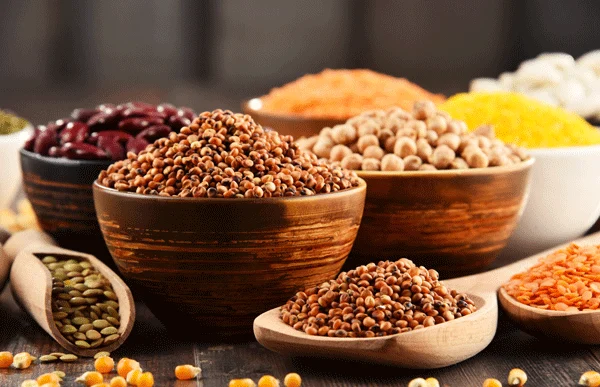
Photo via eatthismuch.com
- Quinoa instead of white rice: a complete protein and an excellent fiber source. Cook a large batch at the start of the week for easy dinner bowls.
- Brown rice over white rice: brown rice keeps its fiber-rich bran and germ. If you are new to it, mix it with white rice at first and increase the proportion gradually.
- Broccoli and cruciferous vegetables: broccoli, Brussels sprouts, and cauliflower are packed with insoluble fiber. Roasting with a little olive oil brings out their sweetness.
- Sweet potatoes with the skin on: the skin holds a significant share of the fiber, so scrub well and enjoy them baked or roasted.
- Beans and lentils in any dish: black beans, chickpeas, and lentils work in salads, soups, stews, and dips like hummus. Rinse canned beans to reduce sodium.
Fiber pairs naturally with an active day — a balanced dinner after movement helps recovery and sleep, and the comfortable active looks in Gym Outfit Ideas for Your Next Workout make an evening session easier to start.
How to Increase Fiber Without Discomfort
The most common mistake with fiber is adding too much, too fast. Gas and bloating are normal when fiber intake jumps suddenly, because gut bacteria need time to adjust to the extra fermentable material. The fix is simple: increase gradually over two to three weeks, and drink plenty of water as you go — fiber absorbs water, and without enough fluid it can cause constipation rather than relieve it.
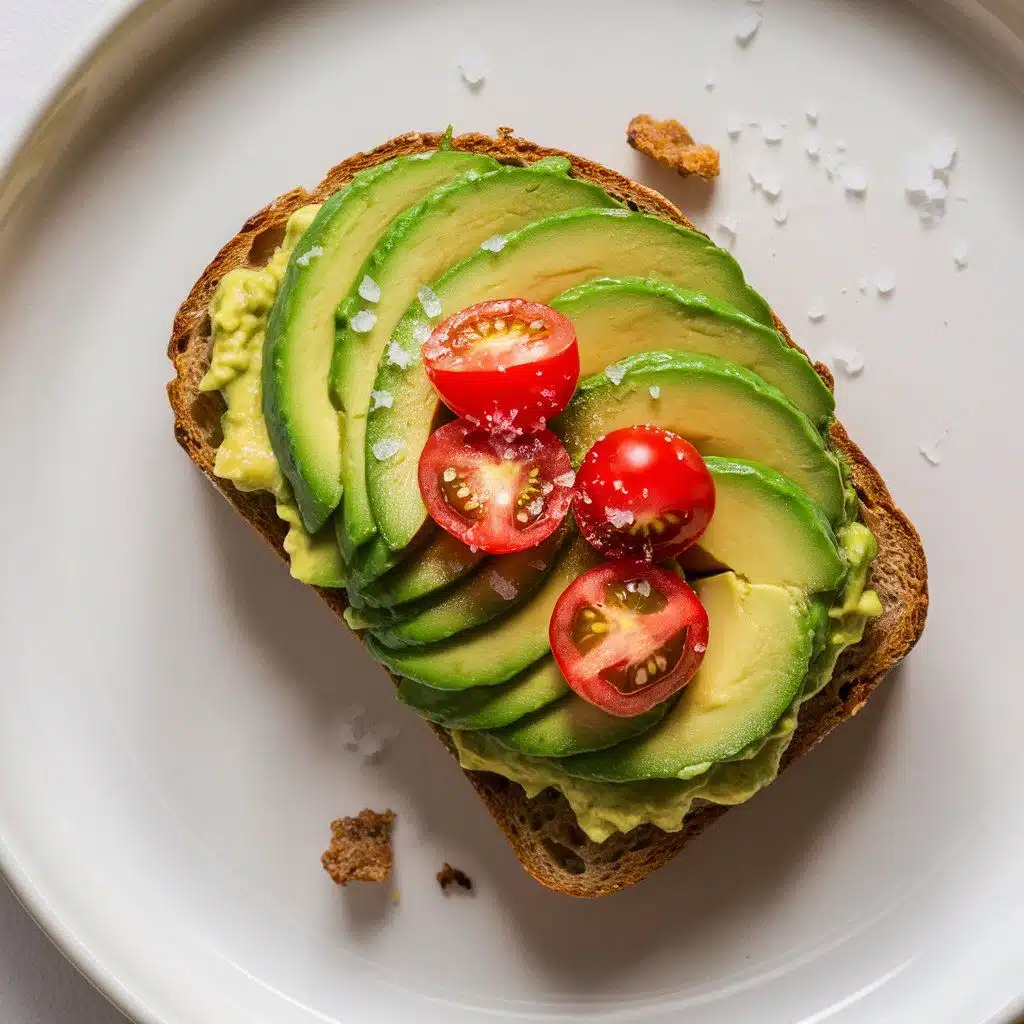
Photo via midlifenutritionandcoaching.com
Start with one change — oatmeal for breakfast, or lentils in one dinner a week — and add the next only when the first feels comfortable. Chewing well helps too, since digestion starts in the mouth. For a broader look at the nutrients that work alongside fiber, Vitamins for Women: Essential Nutrients covers the daily essentials.
When to Consult a Healthcare Professional
If increasing fiber causes severe abdominal pain, persistent bloating, or significant changes in bowel habits, talk to a healthcare professional. People with conditions such as Crohn’s disease, ulcerative colitis, or diverticulitis should discuss significant dietary changes with their doctor first, since high fiber intake is not right for every condition. Fiber can also interfere with the absorption of certain medications and minerals, so if you take regular medication, ask your doctor or pharmacist about timing.
Frequently Asked Questions
Can I get too much fiber?
Yes, especially if intake increases too quickly. Too much fiber can cause bloating, gas, and abdominal discomfort. Stick to the recommended daily amounts, and if you have concerns or a medical condition, consult a healthcare professional.
Are fiber supplements as good as food?
Supplements can help, but they are not a perfect substitute for whole foods. Fruits, vegetables, and grains provide a mix of soluble and insoluble fiber along with vitamins, minerals, and antioxidants that supplements lack. Food first is the better approach for most people.
How do I know if I am getting enough fiber?
If you consistently eat a variety of plant-based foods at each meal, you are likely on the right track. Regular bowel movements and feeling satisfied after meals are good signs. Tracking intake for a few days against the 25-gram target for women can confirm it.
What are the best fiber foods for breakfast?
Oatmeal, whole-grain cereals, berries, and chia seeds are excellent choices. Steel-cut or rolled oats provide more fiber than instant varieties, and adding berries or chia seeds boosts the fiber content further.
What is the difference between soluble and insoluble fiber?
Soluble fiber dissolves in water to form a gel, which helps lower blood glucose and cholesterol. Insoluble fiber does not dissolve and adds bulk to stool, aiding regular bowel movements. Both types matter, and most plant foods contain a mix.
Final Thoughts
Start with one simple swap: oatmeal instead of refined cereal, brown rice instead of white, or a handful of lentils in tonight’s soup. You may notice better digestion and steadier energy within days to weeks, as long as water intake rises alongside the fiber. Small, consistent changes really do add up, and your body will thank you for the extra fiber at every meal.
Disclaimer: This article provides general information about dietary fiber and is not a substitute for professional medical advice. If you have a medical condition, experience severe symptoms, or are concerned about how fiber affects your health, please consult a doctor or registered dietitian.