Forehead lines seem to arrive overnight, but they build slowly — from years of expressions, sun exposure, and the gradual loss of collagen that comes with age. The good news is that while no cream can turn back the clock entirely, the right habits and ingredients can visibly soften fine lines and, just as importantly, slow new ones from forming.
This guide covers what actually works for forehead wrinkles: daily sun protection, the ingredients with real evidence behind them, the hydration habits that plump fine lines, and the lifestyle tweaks that support skin from the inside out. A steady morning routine is the foundation, and the simple structure in Glowing Skin Morning Skincare Routine shows how the key steps fit together in five minutes a day.
Key Takeaways
- Daily broad-spectrum sunscreen (SPF 30 or higher) is the single most effective step against new wrinkles.
- Retinoids and vitamin C are the best-supported ingredients for softening fine lines over time.
- Hydrated skin looks smoother — hyaluronic acid and a good moisturizer visibly plump fine lines.
- Introduce active ingredients one at a time, starting slowly, to avoid irritation.
- Expect visible improvement in three to six months of consistent care, not overnight.
Why Forehead Wrinkles Appear
Forehead wrinkles form where three forces meet. First, expression: every frown, raised eyebrow, and squint folds the skin in the same place, and over decades those repeated folds leave lasting lines — which is why forehead lines are often called expression lines. Second, sun exposure: ultraviolet light breaks down collagen and elastin, the fibres that keep skin firm and springy. Third, time itself: skin naturally produces less collagen with age, and becomes thinner and drier, so lines that once bounced back now stay.
Understanding the causes matters because it shapes the fix. You cannot stop making expressions, and you cannot stop ageing — but you can protect collagen from sun damage, support its production with proven ingredients, and keep skin hydrated enough that fine lines look softer. That combination is what the rest of this guide is built on.
Sun Protection: The Single Most Important Habit
If you change one thing, make it this: wear a broad-spectrum sunscreen of SPF 30 or higher every single day, as the last step of your morning routine. UV radiation is the largest preventable contributor to premature ageing, and its damage is cumulative — the lines deepening now reflect sun exposure from years ago, and today’s exposure shapes the lines of years to come.

Photo via bestlifeonline.com
Apply it even on cloudy days and even when you are mostly indoors — UV passes through cloud and window glass. Reapply if you spend extended time outside, and add a wide-brimmed hat and sunglasses when the sun is strong. Sunglasses do double duty: they protect the delicate eye area and reduce the squinting that etches lines across the forehead. No serum, however expensive, can outwork skipped sunscreen.
Hydration That Plumps Fine Lines
Dehydrated skin makes every line look deeper. When skin cells are well hydrated, the surface looks plumper and reflects light more evenly, so fine lines soften visibly — sometimes within days of improving your moisturising routine.
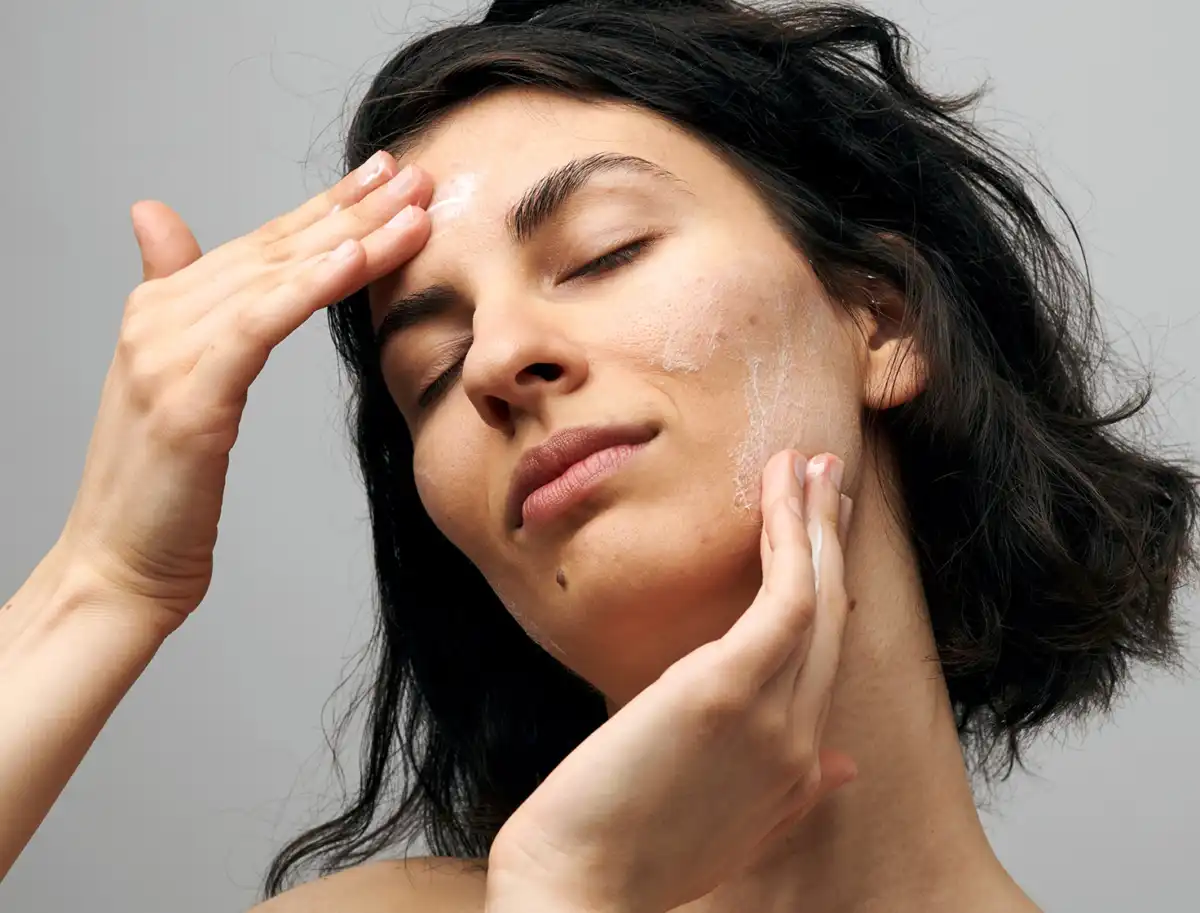
Photo via iplusm.berlin
Look for moisturisers containing humectants such as hyaluronic acid or glycerin, which draw water into the skin and hold it there. Apply a hydrating cream morning and night, and consider a hyaluronic acid serum underneath your moisturiser for an extra layer of hydration. Internal hydration helps too: drinking water steadily through the day supports skin elasticity from within, and a balanced diet rich in colour — berries, leafy greens, nuts, and oily fish — supplies the nutrients skin needs to repair itself. The nutrition guidance in Vitamins for Women: Essential Nutrients covers the vitamins most relevant to skin health.
The Ingredients That Make a Difference
Skincare shelves are crowded, but only a handful of ingredients have strong evidence for softening wrinkles. These are the ones worth your attention — and your patience, since all of them work over months, not days.
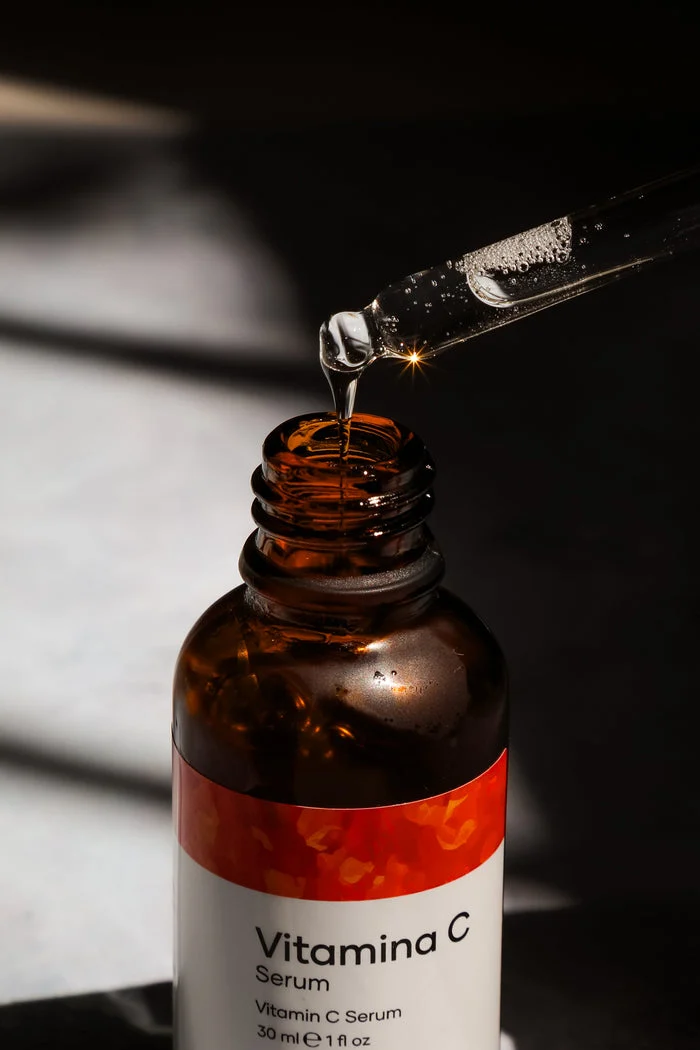
Photo via promofarma.com.uy
Retinoids
Retinoids — vitamin A derivatives including retinol — are the most studied wrinkle-fighting ingredients available without a prescription. They speed up cell turnover and stimulate collagen production, gradually smoothing fine lines and improving texture. Start with a low concentration, used every other night, and build up slowly: retinoids can cause dryness, redness, and sensitivity at first. Always pair them with diligent sunscreen, since they increase sun sensitivity.
Vitamin C
A vitamin C serum in the morning provides antioxidant protection against the pollution and UV exposure that accelerate ageing, and it supports collagen synthesis. Apply a few drops to clean, dry skin before moisturiser and sunscreen. Look for serums with ascorbic acid, the most studied form, and store the bottle away from light and heat to keep it stable.
Peptides and Gentle Exfoliation
Peptides are short chains of amino acids that signal skin to produce more collagen. They are gentler than retinoids, making them a good option for sensitive skin or for layering alongside other actives. Alpha hydroxy acids (AHAs) such as glycolic or lactic acid exfoliate the surface gently, promoting cell renewal and a smoother texture — start once or twice a week at a low concentration and follow with moisturiser and sunscreen. The guide to Exfoliation: Physical vs Chemical for Skin explains how to choose the right approach for your skin type.
Everyday Habits That Support Your Skin
Products do the heavy lifting, but daily habits set the ceiling for what they can achieve. Being mindful of repeated expressions helps: you cannot stop frowning or raising your eyebrows, but noticing when you do it out of habit — at a screen, in bright light — and easing off can reduce the folding that deepens lines. A good pair of sunglasses and a hat outdoors cut down on squinting at the same time.
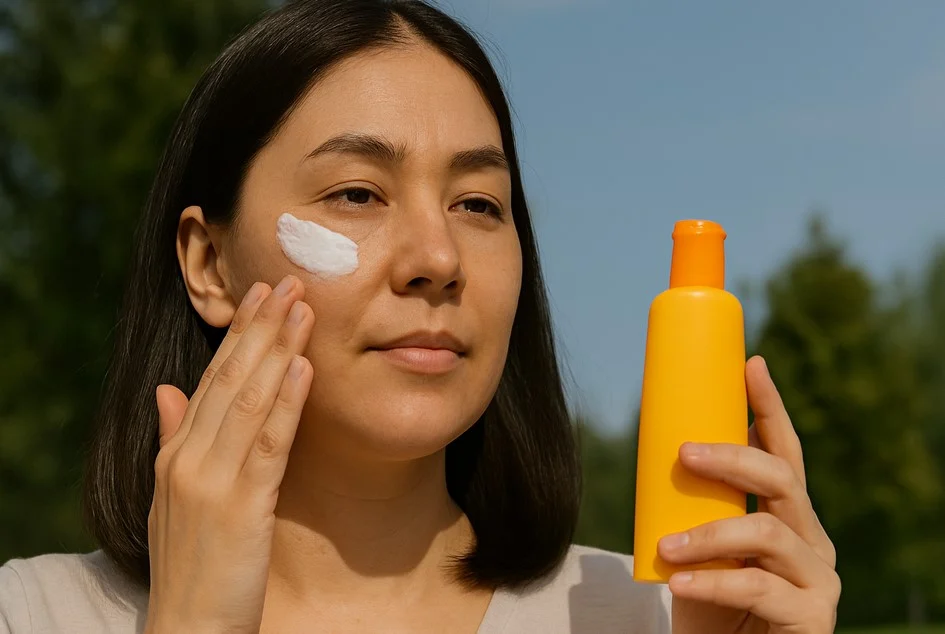
Photo via tokostephan.com
Sleep and stress matter more than they get credit for. Skin does much of its repair work overnight, so seven to nine hours of quality sleep supports everything your products are trying to do. Smoking is one of the most damaging habits for skin — it reduces blood flow and damages collagen and elastin — and quitting is among the most impactful steps you can take for your forehead and your whole face. And while you wait for skincare to work its slow magic, a flattering frame helps: warm, face-framing colour such as Cute Caramel Brown Hair With a Sun-Kissed Glow or Simple Honey Brown Highlights With a Warm Glow draws the eye to your overall look, and a polished detail like Natural Nail Designs With a Subtle Glow completes a fresh, put-together impression.
What to Expect, and When to See a Dermatologist
With consistent use, most people notice skin feeling smoother and fine lines looking softer within three to six months. Deeper lines improve more slowly, and some may not respond fully to topical care alone — that is normal, not a failure of your routine. Change one product at a time so you know what is working, and give each new ingredient at least a few weeks before judging it.
See a dermatologist if a product causes persistent irritation, redness, or breakouts that do not settle after you stop using it. For deep forehead wrinkles, professional options such as injectables or laser treatments may achieve what topical products cannot, and a board-certified dermatologist can explain the options honestly for your skin. Any new or changing dark spot, or a skin change that worries you, is also worth a professional look sooner rather than later.
Frequently Asked Questions
Can drinking more water really help forehead wrinkles?
Staying hydrated supports skin elasticity and can make fine lines less noticeable, since well-hydrated skin looks plumper. Water alone will not erase wrinkles, but it supports everything your topical routine does — think of it as part of the foundation, not the whole fix.
How often should retinoids be used for forehead wrinkles?
Start with a low-concentration retinoid every other night to let your skin adjust. If you have no irritation after a few weeks, you can gradually move to nightly use. Always follow with moisturiser and use sunscreen during the day, as retinoids increase sun sensitivity.
Are there home remedies for forehead wrinkles?
Gentle facial massage or a jade roller can temporarily plump the skin and feel pleasant, but there is little evidence that home remedies significantly reduce wrinkles. For lasting results, proven ingredients like retinoids and vitamin C, plus consistent sun protection, are the reliable path.
What is the best age to start anti-wrinkle skincare?
There is no single best age. Many people begin preventive care — sunscreen, moisturiser, antioxidants — in their mid-to-late twenties. If fine lines are already visible, it is never too late to start a routine focused on hydration, collagen support, and sun protection.
Can certain foods make forehead wrinkles worse?
A diet high in sugar and heavily processed foods may contribute to inflammation and glycation, a process that damages collagen and elastin over time. A balanced diet rich in fruits, vegetables, and healthy fats supports your skin’s ability to repair itself and stay resilient.
Final Thoughts
Forehead wrinkles respond to consistency more than to any single miracle product. Start with the non-negotiables — daily sunscreen and a good moisturiser — then add one active ingredient at a time and give it months, not days, to show what it can do. Support the routine with sleep, water, and a balanced diet, and keep expectations honest: fine lines can soften meaningfully, and every day of sun protection is an investment in the skin you will have years from now. The routine that works is the one you actually keep.
Disclaimer: This article is for general informational purposes only and does not constitute medical or professional advice. Skincare results vary from person to person, and some products may cause irritation. If you have a persistent skin concern, irritation, or deep wrinkles you would like to address, please consult a board-certified dermatologist before changing your routine.