Healthy hair is rarely the result of an expensive shelf of products. More often, it comes from a short, consistent routine built on a few basics: washing the right way, conditioning where it counts, drying gently, and protecting strands from heat and friction. Get those right, and most hair types look and feel noticeably better within weeks.
This guide covers the fundamentals of a hair care routine — how to wash, how often, what conditioner actually does, how to dry and style without damage, and how to adjust everything for your hair type. Once the basics are in place, healthy hair makes every style look better, from the textured cuts in Boho Bob Haircuts with Textured Styles to the soft fringe in Bangs Haircut Ideas for a Collarbone Look.
Key Takeaways
- Wash with lukewarm water and a shampoo suited to your hair type, focusing on the scalp.
- Apply conditioner from the mid-lengths to the ends, not on the roots.
- Detangle gently with a wide-tooth comb, starting at the ends.
- Always use a heat protectant before blow drying or styling with hot tools.
- Adjust washing frequency to your hair type — most hair does best washed two to four times a week.
Know Your Hair Type First
A routine works best when it matches your hair. Fine hair gets weighed down easily and does better with lightweight formulas and less conditioner near the roots. Thick or coarse hair usually needs richer moisture and can handle oils and masks. Curly and coily hair tends to be drier because natural oils travel more slowly down a curved strand, so it benefits from extra conditioning and gentle handling.
Your scalp matters too. An oily scalp may need more frequent washing, while a dry or sensitive scalp does better with milder, sulfate-free formulas and lukewarm water. If you are unsure, start with the basics below and adjust one thing at a time — that way you will know exactly what made the difference. A simple morning routine for your skin pairs well with good hair habits, as in Glowing Skin Morning Skincare Routine.
Washing: The Foundation of the Routine
Washing removes oil, sweat, and product buildup from the scalp, but it can also strip hair if done too aggressively. Lukewarm water is the right temperature: hot water lifts the cuticle and dries strands out, while very cold water does not clean as effectively.
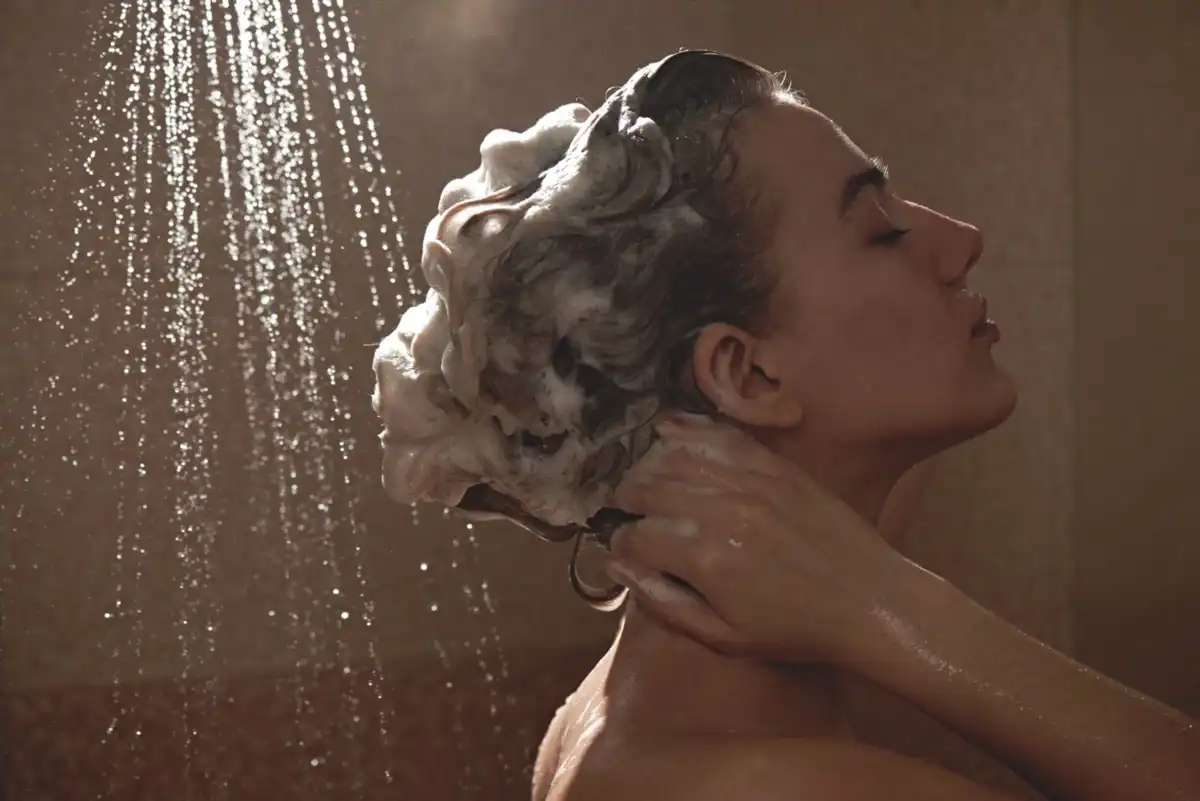
Photo via azbigmedia.com
Wet your hair thoroughly, then massage a small amount of shampoo into your scalp with your fingertips — not your nails — for about a minute. Let the suds run through the lengths as you rinse; the ends rarely need direct shampooing, since they are older and more fragile. Rinse thoroughly, because residue left behind can dull hair and irritate the scalp. Most people do best washing two to four times a week, though very oily hair may need more frequent washing and very dry or curly hair may need less.
Conditioning: Where the Softness Comes From
Conditioner smooths the cuticle, restores moisture, and makes hair easier to detangle. The most common mistake is applying it to the roots, which can weigh hair down and leave it looking flat or greasy. Instead, work conditioner through the mid-lengths and ends, where hair is oldest and driest.

Photo via blog.sensatia.com
Leave it on for two to three minutes so the hair can absorb it, then rinse with cool water to help seal the cuticle and add shine. Once a week, swap your regular conditioner for a deep conditioning mask, especially if your hair is dry, coloured, or heat-styled often. A leave-in conditioner on damp hair after washing adds daily protection and makes styling easier — a small step that pays off in smoother, more manageable hair for styles like the voluminous waves in Classy Going-Out Hairstyles with Voluminous Waves.
Drying and Styling Without Damage
Wet hair is at its most fragile, so how you dry it matters. Squeeze out excess water gently with a microfiber towel or an old cotton T-shirt rather than rubbing with a rough towel, which causes friction and breakage. Detangle with a wide-tooth comb, starting at the very ends and working upward in small sections.

Photo via remixmagazine.com
Air drying is the gentlest option, but when you blow dry, use the lowest effective heat setting and keep the dryer moving rather than holding it on one spot. Always apply a heat protectant first — it creates a barrier that reduces thermal damage even on low settings. The same rule applies to flat irons and curling wands: protect, then style, and give your hair heat-free days whenever you can. Updos are a good heat-free option for busy days, like the elegant styles in Classy Hair-Up Hairstyles with Curtain Bangs.
Daily Habits That Protect Your Hair
- Use gentle hair ties: soft scrunchies or spiral ties reduce tension and breakage compared with tight elastics.
- Do not brush wet hair aggressively: use a wide-tooth comb or a brush designed for wet hair, and work from the ends up.
- Sleep on silk or satin: a silk pillowcase reduces friction overnight, preventing tangles and breakage.
- Protect from the sun: UV rays weaken the cuticle, so wear a hat or use a UV-protectant spray during long outdoor days.
- Trim every six to eight weeks: regular trims remove split ends before they travel up the shaft.
- Keep hands off: touching and twirling transfers oil and causes friction, which dulls hair over time.
These small habits compound. Hair that is handled gently every day needs far less rescuing later, and it holds styles — including natural curl patterns like those in Classy Curly Hair Natural Hairstyles, Voluminous — with much more definition and shine.
Common Mistakes to Avoid
Washing with very hot water: it strips natural oils and leaves hair dry and frizzy. Lukewarm is kinder, with a cool rinse at the end.
Using too much product: heavy layers of conditioner, oil, and styling products build up and weigh hair down. Start with less than you think you need.
Skipping heat protectant: even one unprotected pass with a flat iron can damage the cuticle. Make it a non-negotiable step.
Brushing from the roots down: this drags tangles downward and snaps strands. Always start at the ends.
Changing everything at once: if you switch shampoo, conditioner, and styling products in the same week, you will not know what helped — or what caused a problem. Change one product at a time.
Building a Routine That Sticks
A good routine is one you will actually follow, so keep it short. A basic version is: wash two to four times a week, condition every wash, deep condition weekly, detangle gently, protect before heat, and trim every six to eight weeks. That is the whole framework — everything else is optional.
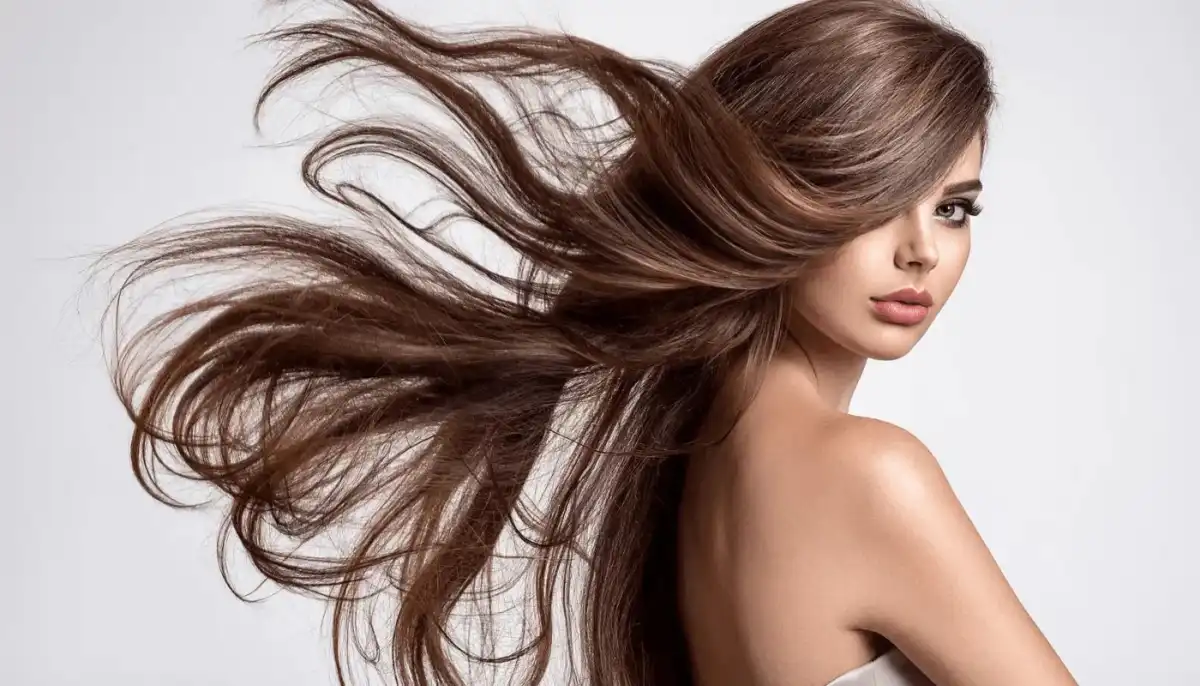
Photo via deyga.in
Give a new routine four to six weeks before judging it — hair improves gradually, and the first change is usually softness, followed by shine and less breakage. If you notice persistent scalp irritation, unusual hair loss, or breakage that does not improve, a dermatologist or trichologist can help identify the cause. Healthy hair is a long game, and the basics done consistently will always beat a complicated routine done occasionally.
Frequently Asked Questions
How often should I wash my hair?
Most people do best washing two to four times a week, but it depends on your hair type and scalp. Oily scalps may need more frequent washing, while dry or curly hair often does better with less. Wash when your scalp feels oily or itchy rather than following a rigid schedule.
Should I apply conditioner to my roots?
Generally no. Conditioner on the roots can weigh hair down and make it look greasy faster. Apply it from the mid-lengths to the ends, where hair is oldest and driest, and rinse thoroughly.
Is air drying better than blow drying?
Air drying is gentler because it avoids heat, but it is not always practical. If you blow dry, use a heat protectant, the lowest effective setting, and keep the dryer moving. Avoid rubbing wet hair with a towel either way.
What does a heat protectant actually do?
It forms a thin barrier over the hair shaft that slows heat transfer and reduces moisture loss during styling. It does not make heat harmless, but it significantly reduces the damage from blow dryers, flat irons, and curling tools.
How long does it take for a new hair routine to show results?
Most people notice softer, more manageable hair within two to four weeks, with visible improvements in shine and reduced breakage over four to eight weeks. Severely damaged hair takes longer, since new growth needs time to replace the damaged lengths.
Final Thoughts
Good hair care is mostly about consistency with the basics: wash gently, condition the lengths, detangle with care, protect before heat, and trim regularly. You do not need a complicated routine or expensive products — you need the right few steps, done every week. Give it a month, and your hair will show you the difference.
Disclaimer: This article is for general informational purposes only and does not constitute medical or professional advice. Hair and scalp conditions vary from person to person. If you have persistent scalp irritation, unusual hair loss, or a medical condition affecting your hair, please consult a dermatologist or qualified hair care professional.