Inflammation itself is not the enemy — it is how your body heals a cut or fights an infection. The problem is chronic, low-grade inflammation that simmers quietly for months or years, and diet is one of the biggest levers that influences it. Some foods nudge inflammation upward, while others actively help calm it down.
This guide is a practical list of the foods most commonly linked to inflammation that are worth eating less of, the anti-inflammatory foods to eat more of, and simple swaps that make the change painless. It is not about perfection or cutting out whole food groups — it is about shifting the balance of what you eat most days. Small, steady changes in the kitchen pair well with small, steady changes elsewhere, like the calm morning habits in Glowing Skin Morning Skincare Routine.
Key Takeaways
- Chronic low-grade inflammation is linked to many long-term health concerns, and diet is one of the strongest influences on it.
- Foods to eat less of: added sugars, refined carbohydrates, processed meats, trans fats, and excessive alcohol.
- Foods to eat more of: oily fish, leafy greens, berries, nuts, olive oil, and whole grains.
- Swaps beat bans — replacing a food you eat often is more sustainable than cutting it out entirely.
- Consistency matters more than perfection; the overall pattern of your diet is what counts.
What Is Inflammation, and Why Does Diet Matter?
Acute inflammation is short-term and useful: redness and swelling around a sprained ankle or a sore throat are signs your immune system is doing its job. Chronic inflammation is different — a low, persistent level of immune activation that has been linked to heart disease, type 2 diabetes, joint problems, and other long-term conditions.
Diet influences chronic inflammation in both directions. Highly processed foods, excess sugar, and certain fats can raise inflammatory markers, while foods rich in omega-3 fatty acids, fibre, and antioxidants tend to lower them. No single meal decides anything — it is the pattern over weeks and months that shapes the outcome.
Foods to Eat Less Of
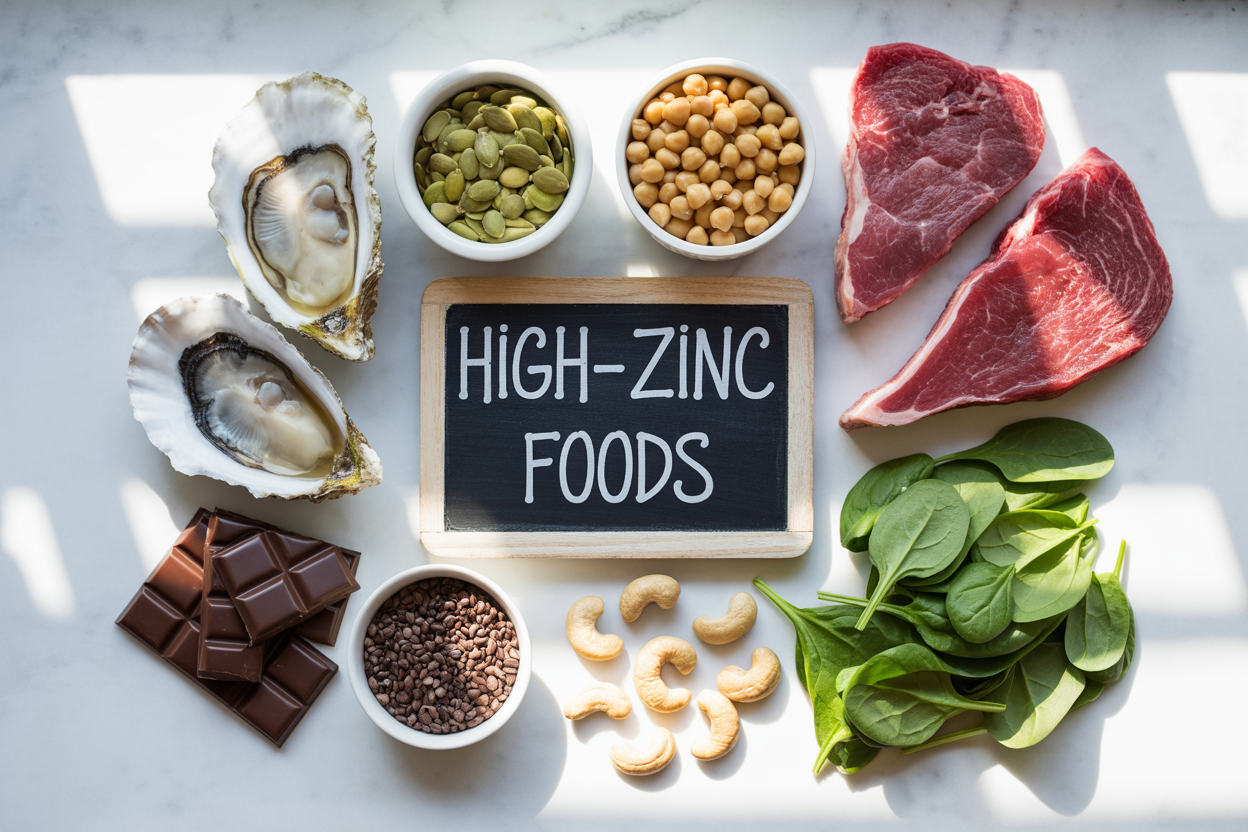
These are the foods most consistently linked to higher inflammation when eaten often and in large amounts. The goal is less, not zero.

Photo via rankhelppro.com
Added Sugars and Sugary Drinks
Sugary drinks, sweets, pastries, and breakfast cereals with added sugar are among the strongest dietary drivers of inflammation. Fructose in large amounts is particularly linked to inflammatory markers. Cutting back on sugary drinks alone is one of the highest-impact changes you can make.
Refined Carbohydrates
White bread, white rice, and most packaged snacks are stripped of fibre and digested quickly, spiking blood sugar and promoting inflammation. Whole-grain versions slow digestion and add fibre that supports gut health.
Processed Meats
Sausages, bacon, hot dogs, and deli meats are high in saturated fat and preservatives, and frequent consumption is linked to higher inflammatory markers. Fresh, unprocessed meat in moderate amounts is a different matter.
Trans Fats and Heavily Processed Fats
Partially hydrogenated oils — once common in margarine, fried fast food, and packaged baked goods — are strongly pro-inflammatory. Many countries have restricted them, but they still appear in some fried and packaged foods, so checking labels is worthwhile.
Excessive Alcohol
Regular heavy drinking raises inflammation throughout the body. Keeping alcohol occasional and moderate is the simplest approach.
Ultra-Processed Snack Foods
Crisps, instant noodles, packaged cakes, and similar foods combine refined carbohydrates, unhealthy fats, added sugar, and salt in one package. They are designed to be easy to overeat, which is part of why they show up so often in inflammation research.
Anti-Inflammatory Foods to Eat More Of
The other side of the balance is just as important. These foods are consistently associated with lower inflammatory markers.
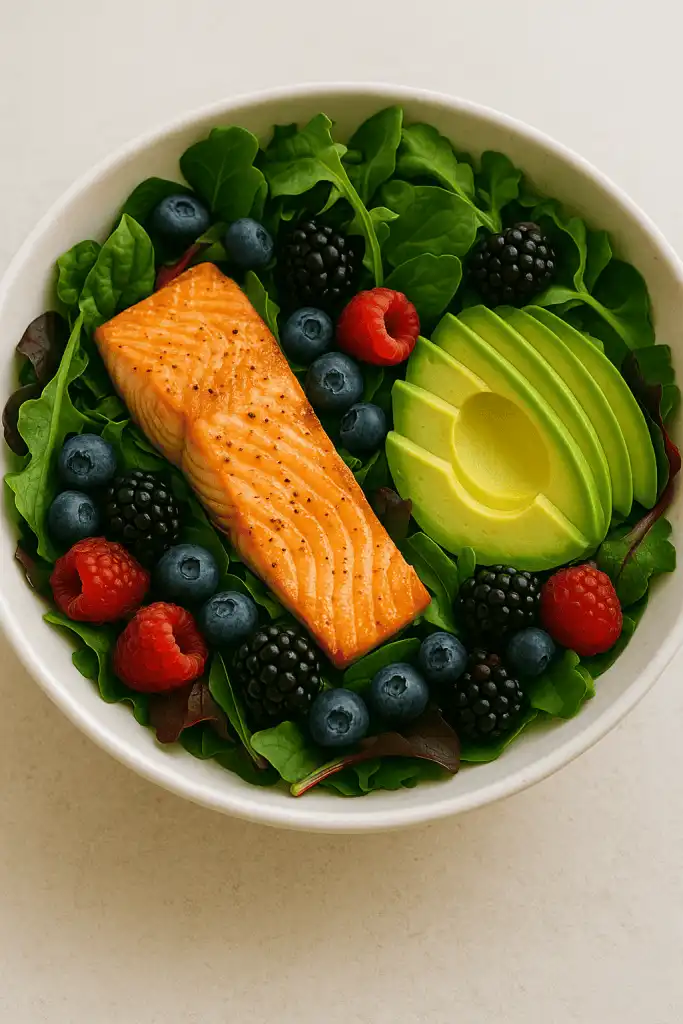
Photo via vitalshift.blog
- Oily fish: salmon, sardines, and mackerel are rich in omega-3 fatty acids, among the best-studied anti-inflammatory nutrients.
- Leafy greens and colourful vegetables: spinach, kale, broccoli, and peppers supply antioxidants and fibre.
- Berries: blueberries, strawberries, and raspberries are packed with anthocyanins, compounds linked to lower inflammation.
- Nuts and seeds: walnuts, almonds, and flaxseeds provide healthy fats and fibre.
- Olive oil: extra-virgin olive oil contains oleocanthal, a compound with anti-inflammatory properties.
- Whole grains: oats, brown rice, and quinoa add fibre that supports a healthy gut, which in turn influences inflammation.
- Herbs and spices: turmeric, ginger, and garlic all have anti-inflammatory compounds and make food taste better at the same time.
Simple Swaps That Lower Inflammation
Changing what you eat works best as a series of small trades rather than a dramatic overhaul. A few swaps that make a real difference:

Photo via lilyvolt.com
- Sugary drink → sparkling water with lemon or mint: keeps the fizz and the ritual, drops the sugar.
- White bread → whole-grain bread: more fibre, slower digestion, steadier energy.
- Processed meat sandwich → grilled chicken or salmon: the same convenience, far better fats.
- Crisps → a handful of nuts: satisfying crunch with healthy fats instead of refined oils.
- Butter for cooking → olive oil: an easy everyday switch with a better fat profile.
- Shop-bought dressing → olive oil and lemon: takes seconds and avoids the added sugar and preservatives in many bottled dressings.
Cooking at home more often is the single biggest lever of all, because it puts you in control of the ingredients. It does not need to be elaborate — a simple salmon and vegetable tray bake is an anti-inflammatory meal with almost no effort. Feeling good in your clothes while you cook helps the habit stick, and the easy everyday looks in Clean Girl Outfits with a Cream Trench and Simple Leggings Outfits in Black are comfortable enough for a long evening in the kitchen.
Building an Anti-Inflammatory Plate
A useful template for most meals: half the plate vegetables and fruit, a quarter whole grains, and a quarter protein — ideally fish, beans, lentils, or poultry more often than red or processed meat. Add a drizzle of olive oil and a pinch of turmeric or ginger where it fits, and you have a meal that works with your body rather than against it.
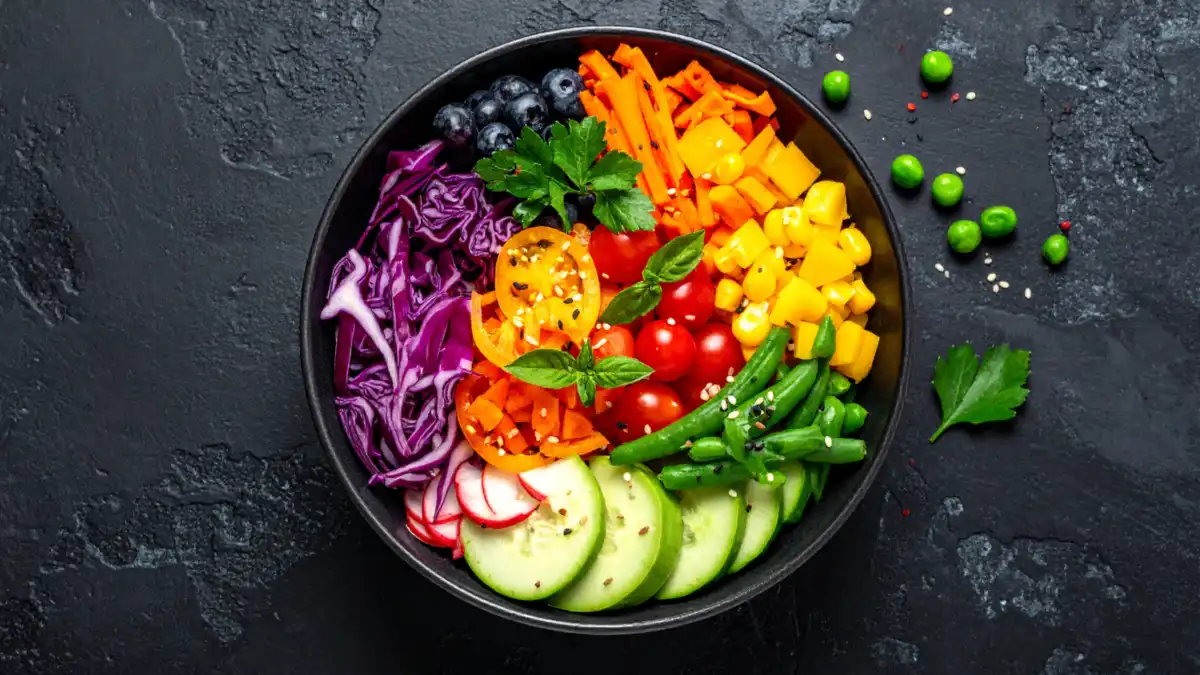
Photo via jatravi.com
Other habits support the same goal: regular movement, seven to nine hours of sleep, and managing stress all influence inflammation. Diet is the most direct lever, but it works best as part of a broader pattern of looking after yourself.
Common Mistakes When Trying to Eat Anti-Inflammatory
Cutting out everything at once: a sudden, strict overhaul is hard to sustain and often backfires. Change one or two things at a time.
Trusting “health” labels: many packaged foods marketed as healthy are high in added sugar or refined oils. The ingredient list tells the truth the front of the packet does not.
Ignoring portion size: even healthy foods add up. Nuts and olive oil are nutritious, but they are also calorie-dense, so a handful and a drizzle are the right measures.
Forgetting drinks: sugary coffees, juices, and alcohol can undo a lot of good eating. What you drink counts just as much as what you eat.
Expecting instant results: dietary changes shift inflammatory markers over weeks, not days. Give the new pattern a month before judging it.
Frequently Asked Questions
What is the single worst food for inflammation?
There is no single worst food, but sugary drinks are among the strongest contenders: they deliver a large dose of sugar with no fibre or nutrients to slow it down, and they are easy to consume in large amounts. Cutting them out is one of the highest-impact changes most people can make.
Are dairy and gluten inflammatory?
For most people, no. Dairy and gluten cause inflammation mainly in people with a specific sensitivity, intolerance, or condition such as coeliac disease. If you do not have symptoms linked to them, there is no strong reason to cut them out. If you suspect a sensitivity, talk to a doctor or dietitian rather than self-diagnosing.
Can diet alone reduce inflammation?
Diet is a powerful lever, but it works alongside other factors — regular movement, good sleep, stress management, and not smoking all influence inflammation too. For diagnosed inflammatory conditions, diet supports medical treatment rather than replacing it.
How quickly will an anti-inflammatory diet help?
Some people notice more energy and less bloating within a couple of weeks, but measurable changes in inflammatory markers usually take four to eight weeks of consistent eating. The pattern matters more than any single meal, so patience pays off.
Do I need supplements for an anti-inflammatory diet?
Most people do not. A varied diet rich in fish, vegetables, fruit, nuts, and whole grains supplies the relevant nutrients in their natural form. Supplements such as fish oil can help some people, but it is worth discussing them with a doctor or dietitian first — especially if you take other medication. A calm, balanced approach to food goes hand in hand with a calm approach to the rest of life, whether that means a relaxed wardrobe from Elegant Boho Outfits for Summer, a tailored staple from Basic Outfit Ideas in Black Tailoring, or a classic piece from Black Dress Outfit Ideas with Midi Styling.
Final Thoughts
Eating for lower inflammation is not a diet with a finish line — it is a pattern: less sugar, fewer ultra-processed foods, and more of the colourful, whole foods that have always been the backbone of healthy eating. Start with the swaps that feel easiest, give them a month, and let the results build your motivation. Your body notices the pattern long before you see it on a plate.
Disclaimer: This article is for general informational purposes only and does not constitute medical or nutritional advice. Dietary needs vary, and this guide is not a substitute for personalised advice. If you have a medical condition, food allergy, or are taking medication, please consult a doctor or registered dietitian before making significant dietary changes.