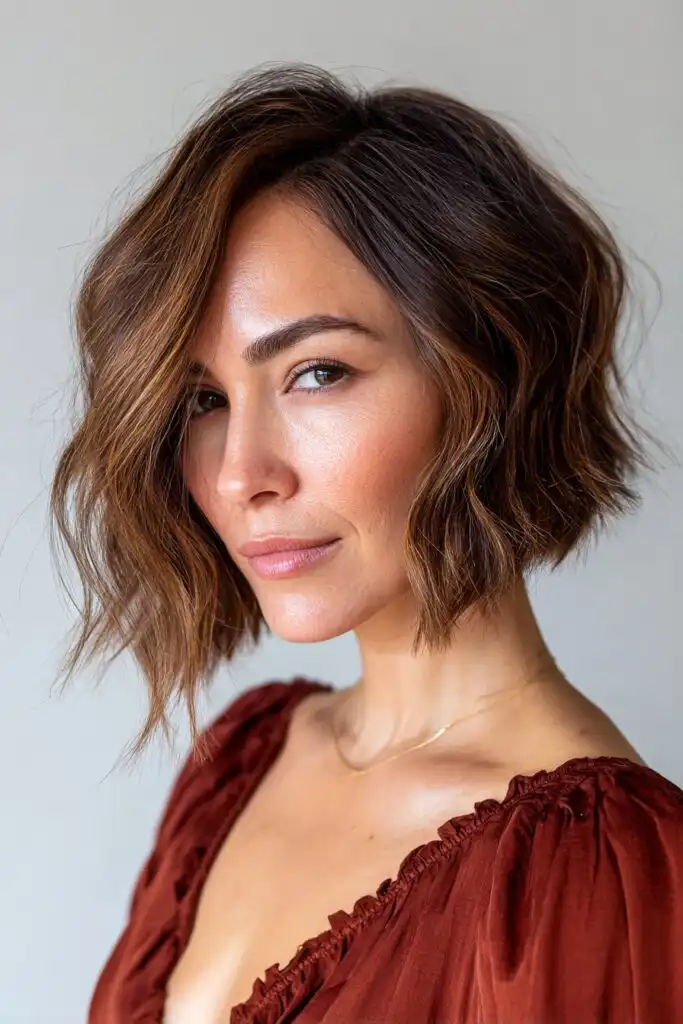
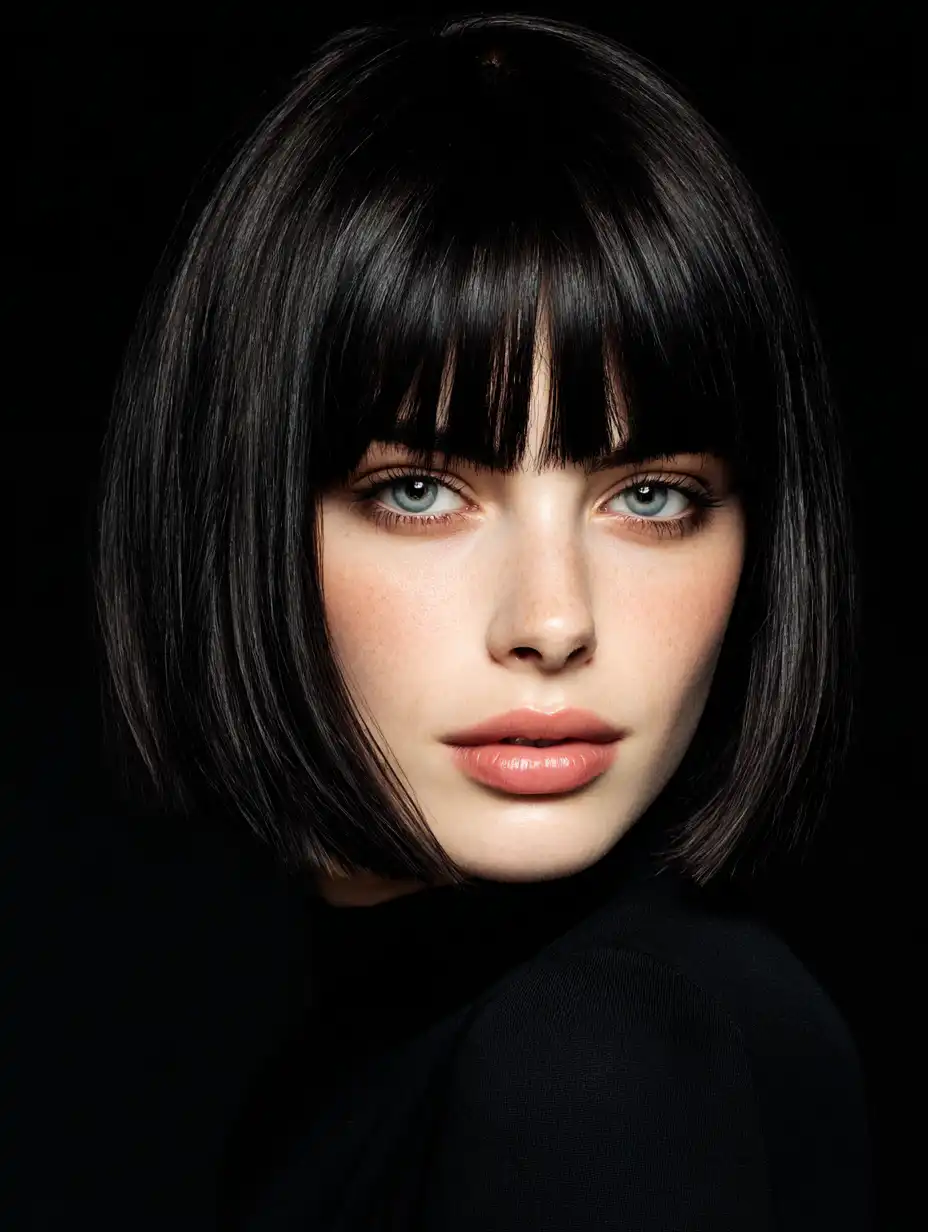
The long pixie is a short cut with enough length to move, tuck and sweep, and that extra length is what keeps it from reading as a helmet. This season the shape is being pushed by curtain bangs, choppy fringes and soft face-framing layers that make a crop feel far more versatile than its length suggests. For more inspiration, see these stunning fall blonde hair color ideas.
Across these twenty styles you will find airy textures, sleek silhouettes, lived-in brunette tones and bold platinum and copper colour. The recurring question is upkeep: a pixie grows out visibly, so the trim rhythm — usually every four to six weeks — matters more than the original cut. If you like layered shapes, these best fall blonde hair colors ideas are a useful comparison.
Airy Textured Dark Brown Pixie
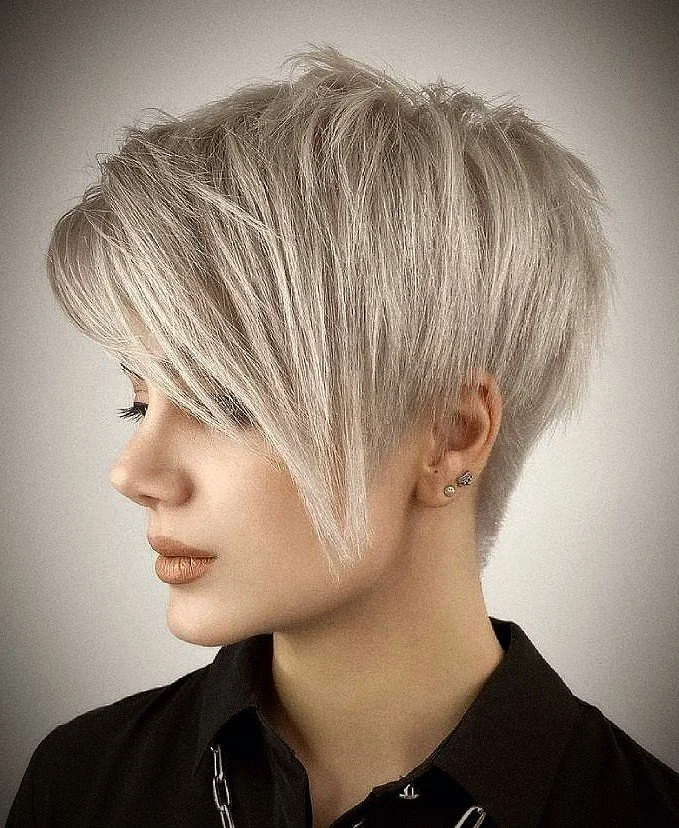
Photo via studio406hairartistry.com
The airy textured dark brown pixie earns its place through the cut itself: layers placed to fall at specific points, so the hair swings rather than sits. The base colour stays rich and natural, with subtle lighter pieces woven through to add dimension without a full colour overhaul.
Styling is a fifteen-minute job once the cut is right: a round brush for the front pieces, a diffuser or air-dry for the rest, and a texturising spray to keep the layers separate. Trim every six to eight weeks to keep the shape, and sooner for the fringe, which loses its line first. Related reading: fall pixie haircut ideas.
Warm Auburn Pixie With Curtain Bangs
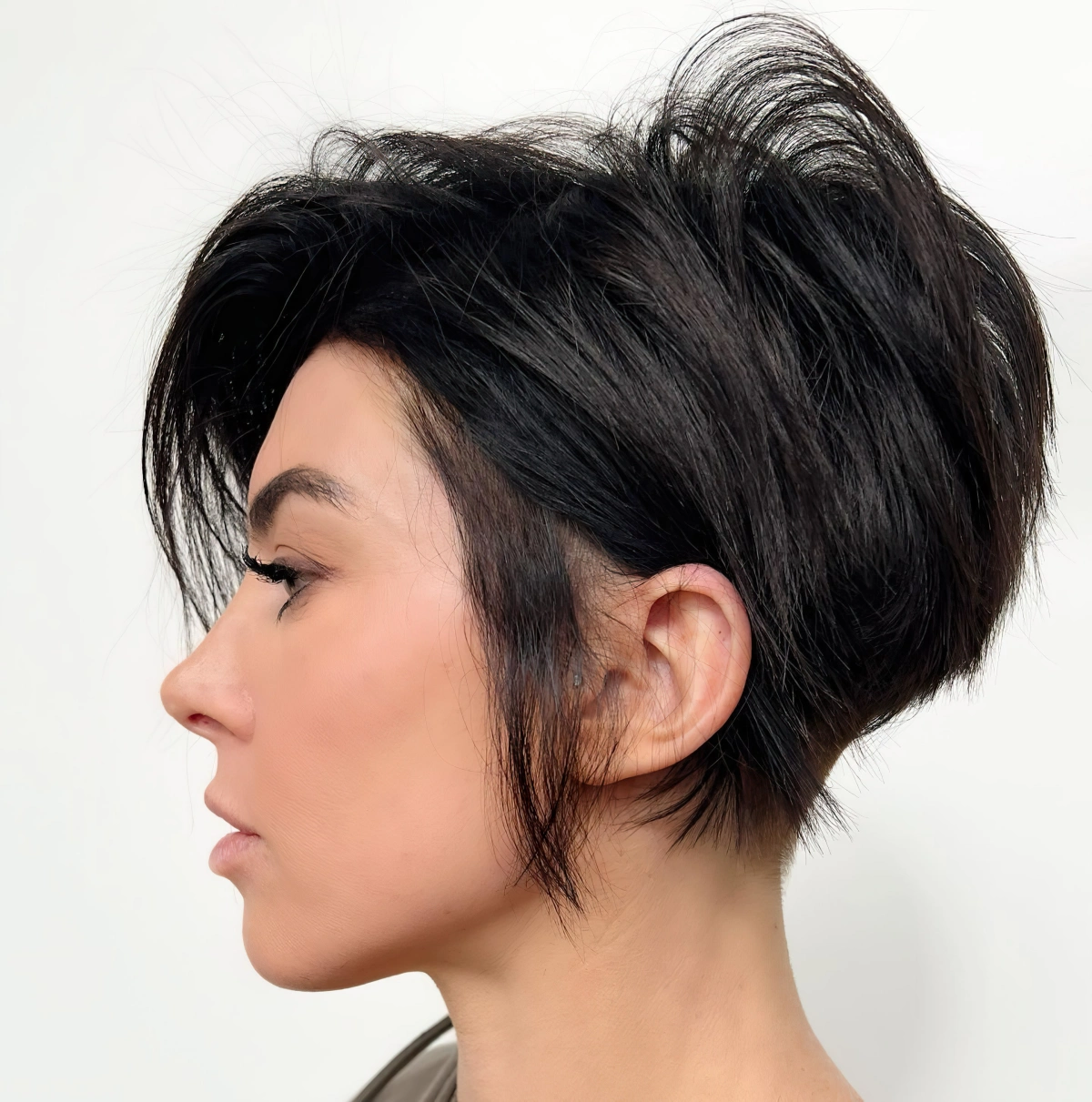
Image credit: archzine.fr
What makes the warm auburn pixie with curtain bangs work is the balance between length and layering. The front pieces frame the face and soften the jawline, while the back keeps enough weight to hold a blowout, and the result reads as polished without looking overdone.
Ask your stylist for the warm auburn pixie with curtain bangs and be specific about where the shortest layer should land — chin, cheekbone or collarbone changes everything. A middle part keeps the shape symmetrical, while a side part adds lift at the crown for narrower faces.
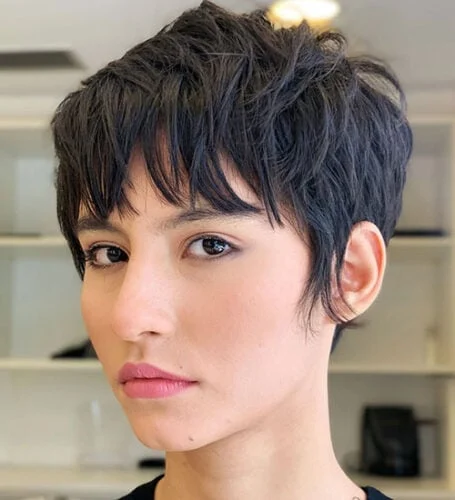
Sleek Black Pixie With Long Side Bangs
Courtesy of thehairstylereview.com
This cut is built around texture rather than perfect smoothness. The layers remove just enough bulk to let the natural wave or bend show, and the fringe — where there is one — blends into the face-framing pieces instead of stopping in a hard line.
The trade-off is maintenance against versatility. Longer layers grow out gracefully and need fewer appointments, while shorter, choppier layers look sharper but demand a trim every four to six weeks. Colour needs a toning appointment every eight to ten weeks if ash or blonde tones are involved. Related reading: spring pixie cut inspiration fresh edgy elegant short hair ideas.
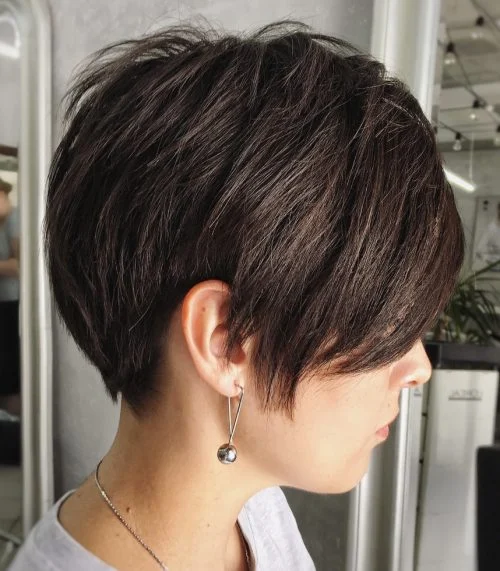
Vibrant Green Pixie With Choppy Fringe
Source: hairs.london
The vibrant green pixie with choppy fringe suits hair that already has some natural movement, because the layers amplify what is there rather than manufacturing it. On very straight hair the same cut needs a round brush or a large-barrel iron to show the shape at all.
Fine hair benefits from this cut when the layers start below the chin, preserving density at the ends; thick hair needs the interior layering to stop the shape turning triangular. A smoothing serum on damp hair keeps frizz down, and a heat protectant is non-negotiable before any hot tool.
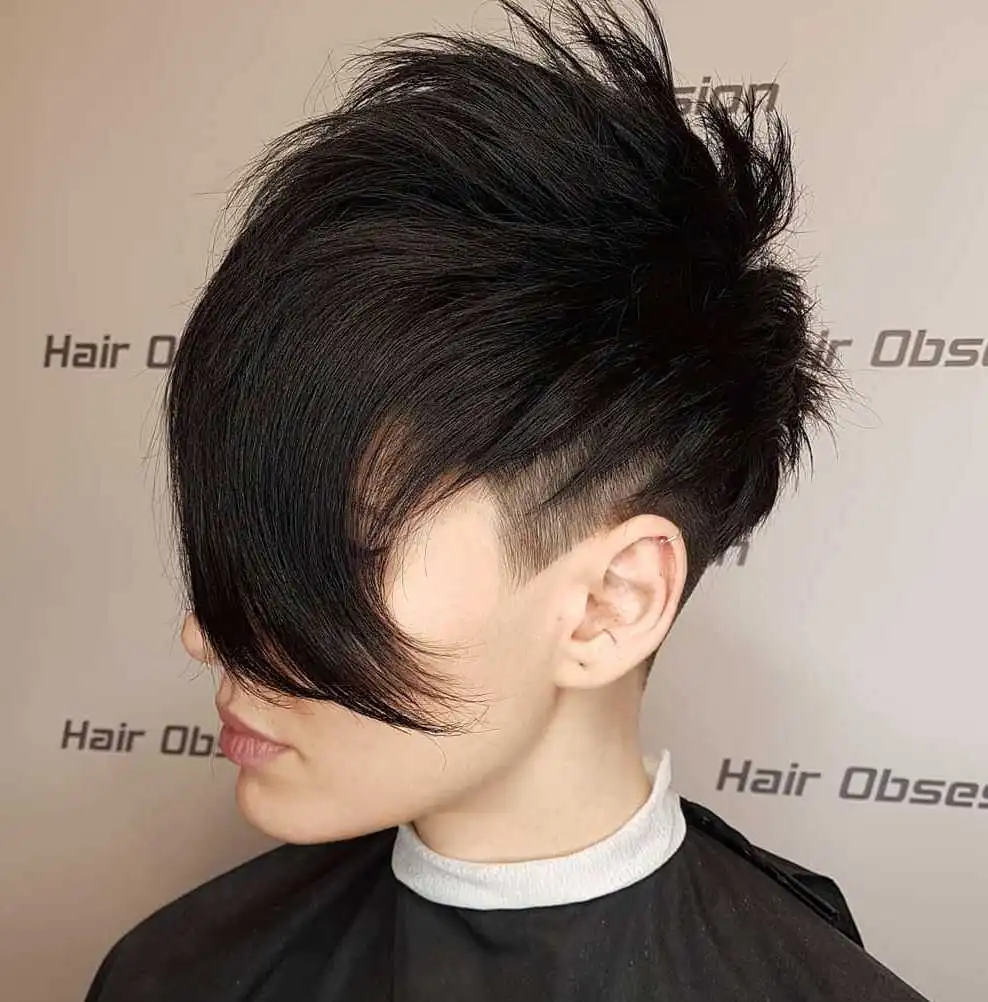
Textured Piecey Brown Pixie
Via womanstrong.net
The textured piecey brown pixie earns its place through the cut itself: layers placed to fall at specific points, so the hair swings rather than sits. The base colour stays rich and natural, with subtle lighter pieces woven through to add dimension without a full colour overhaul.
Styling is a fifteen-minute job once the cut is right: a round brush for the front pieces, a diffuser or air-dry for the rest, and a texturising spray to keep the layers separate. Trim every six to eight weeks to keep the shape, and sooner for the fringe, which loses its line first. Related reading: chic fall hairstyles for short hair.
Layered Dark Brown Wavy Pixie Back View
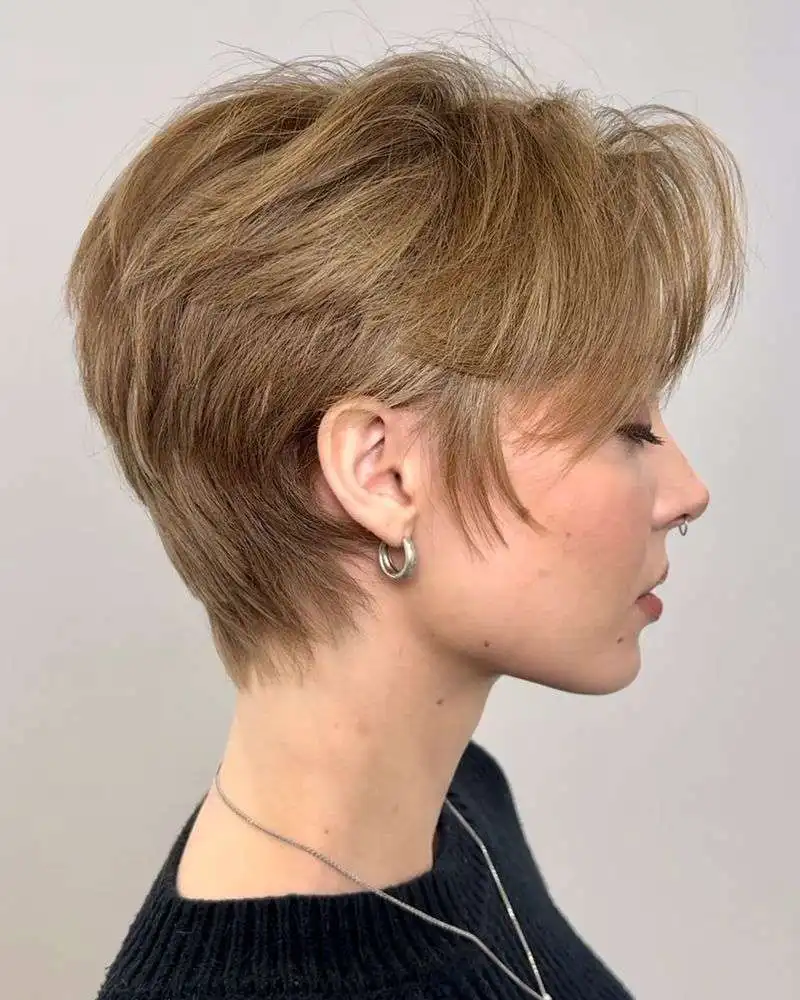
Photo via glamourcorner.net
What makes the layered dark brown wavy pixie back view work is the balance between length and layering. The front pieces frame the face and soften the jawline, while the back keeps enough weight to hold a blowout, and the result reads as polished without looking overdone.
Ask your stylist for the layered dark brown wavy pixie back view and be specific about where the shortest layer should land — chin, cheekbone or collarbone changes everything. A middle part keeps the shape symmetrical, while a side part adds lift at the crown for narrower faces.
Voluminous White Blonde Pixie Blowout
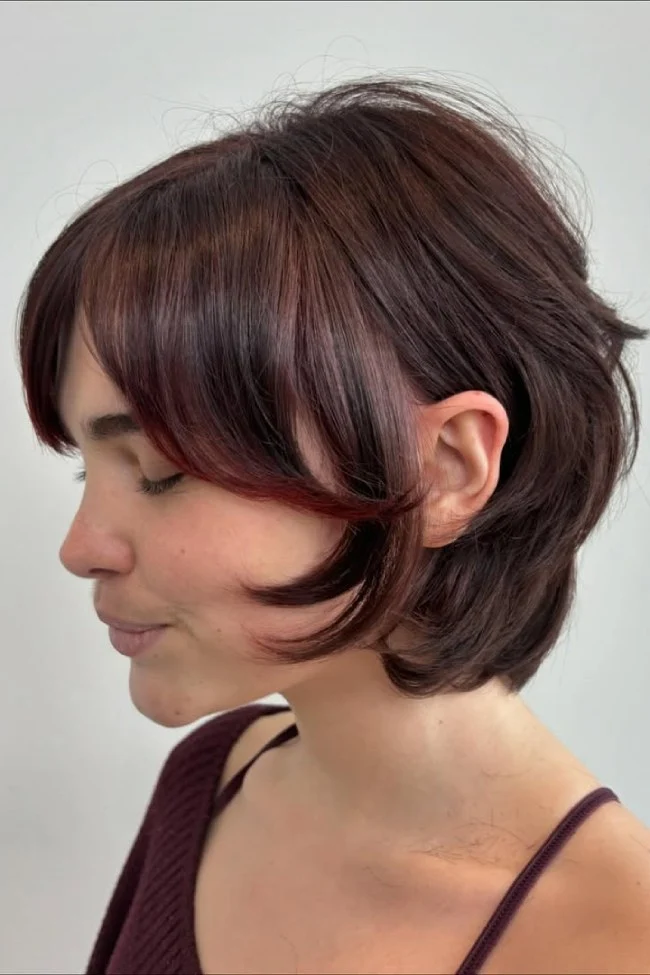
Image credit: fabmood.com
This cut is built around texture rather than perfect smoothness. The layers remove just enough bulk to let the natural wave or bend show, and the fringe — where there is one — blends into the face-framing pieces instead of stopping in a hard line.
The trade-off is maintenance against versatility. Longer layers grow out gracefully and need fewer appointments, while shorter, choppier layers look sharper but demand a trim every four to six weeks. Colour needs a toning appointment every eight to ten weeks if ash or blonde tones are involved. Related reading: blonde winter hair color ideas.
Textured Blonde Pixie With Dark Roots
Courtesy of aihairstylist.motou.com
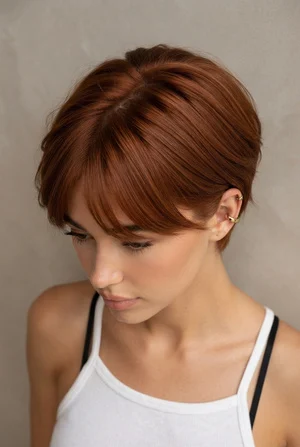
The textured blonde pixie with dark roots suits hair that already has some natural movement, because the layers amplify what is there rather than manufacturing it. On very straight hair the same cut needs a round brush or a large-barrel iron to show the shape at all.
Fine hair benefits from this cut when the layers start below the chin, preserving density at the ends; thick hair needs the interior layering to stop the shape turning triangular. A smoothing serum on damp hair keeps frizz down, and a heat protectant is non-negotiable before any hot tool.
Smooth Black Curly Pixie
Source: divainspo.com
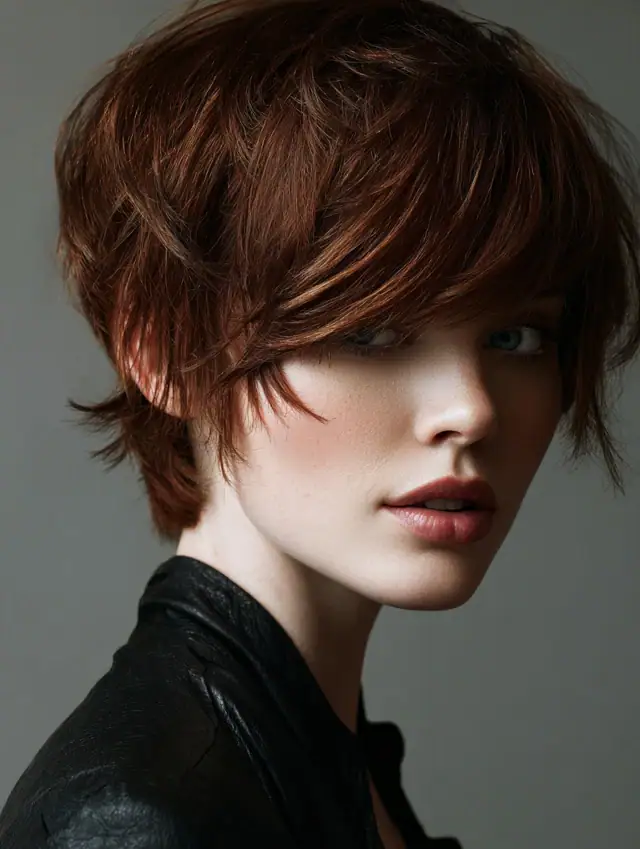
The smooth black curly pixie earns its place through the cut itself: layers placed to fall at specific points, so the hair swings rather than sits. The base colour stays rich and natural, with subtle lighter pieces woven through to add dimension without a full colour overhaul.
Styling is a fifteen-minute job once the cut is right: a round brush for the front pieces, a diffuser or air-dry for the rest, and a texturising spray to keep the layers separate. Trim every six to eight weeks to keep the shape, and sooner for the fringe, which loses its line first. Related reading: fall blonde hair colors.
Choppy Medium Brown Layered Pixie
Via nealandwolf.com
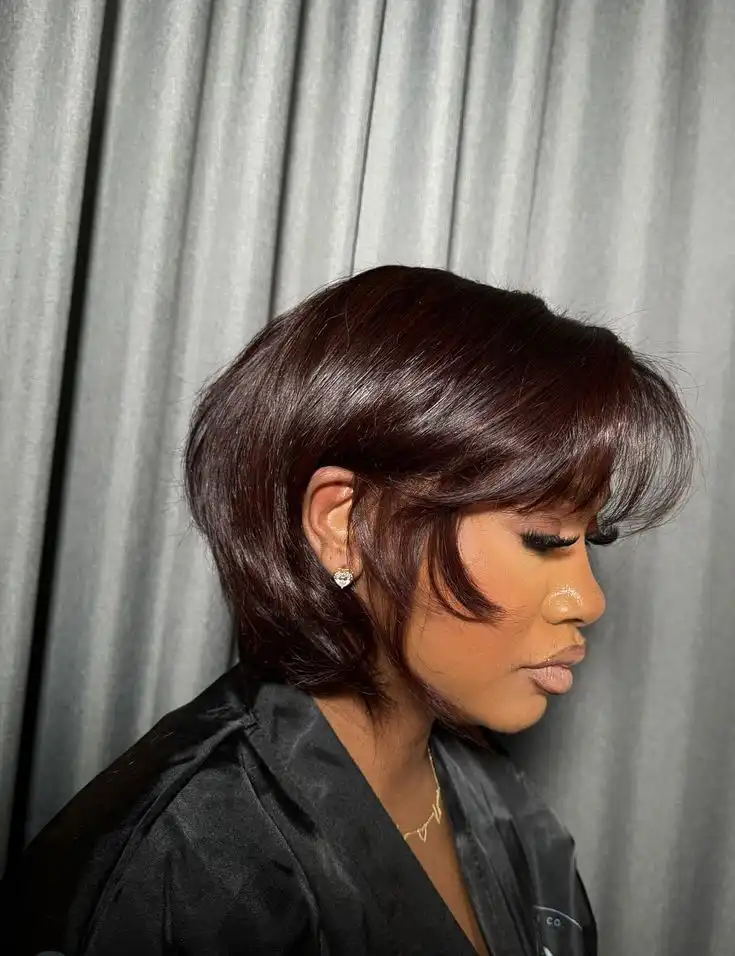
What makes the choppy medium brown layered pixie work is the balance between length and layering. The front pieces frame the face and soften the jawline, while the back keeps enough weight to hold a blowout, and the result reads as polished without looking overdone.
Ask your stylist for the choppy medium brown layered pixie and be specific about where the shortest layer should land — chin, cheekbone or collarbone changes everything. A middle part keeps the shape symmetrical, while a side part adds lift at the crown for narrower faces.
Textured Black Pixie With Side Bangs
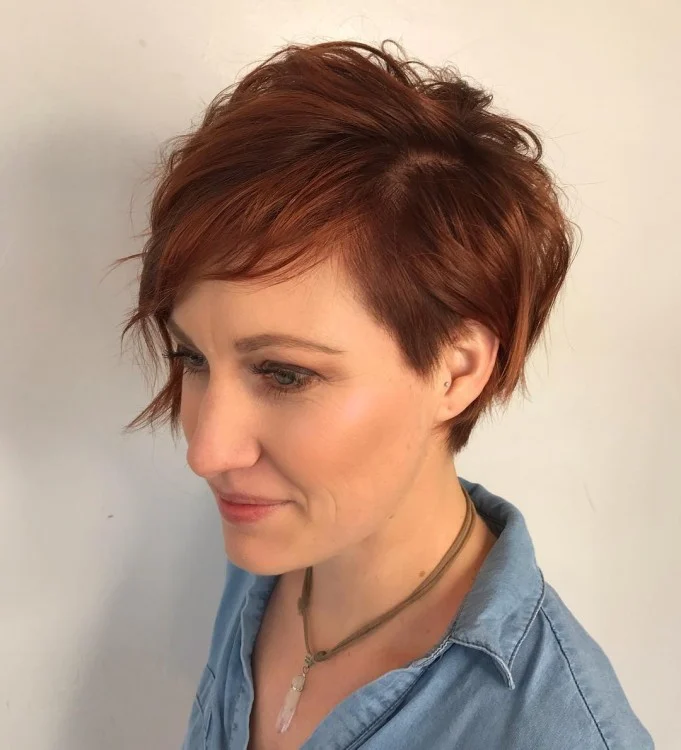
Photo via wona.com.ua
This cut is built around texture rather than perfect smoothness. The layers remove just enough bulk to let the natural wave or bend show, and the fringe — where there is one — blends into the face-framing pieces instead of stopping in a hard line.
The trade-off is maintenance against versatility. Longer layers grow out gracefully and need fewer appointments, while shorter, choppier layers look sharper but demand a trim every four to six weeks. Colour needs a toning appointment every eight to ten weeks if ash or blonde tones are involved. Related reading: fall hairstyles for short hair.
Dark Brown Curly Pixie With Short Fringe
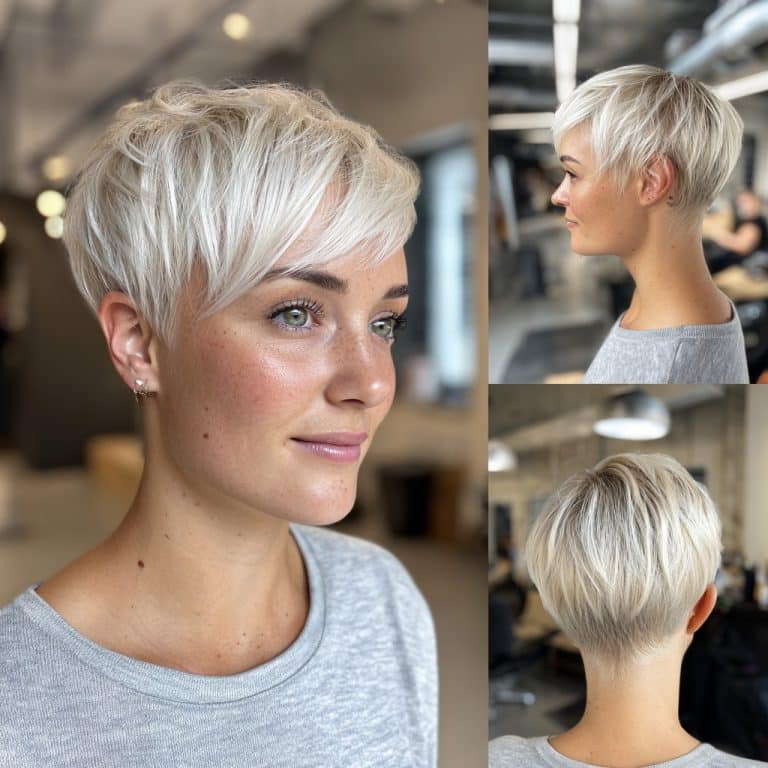
Image credit: hairs.london
The dark brown curly pixie with short fringe suits hair that already has some natural movement, because the layers amplify what is there rather than manufacturing it. On very straight hair the same cut needs a round brush or a large-barrel iron to show the shape at all.
Fine hair benefits from this cut when the layers start below the chin, preserving density at the ends; thick hair needs the interior layering to stop the shape turning triangular. A smoothing serum on damp hair keeps frizz down, and a heat protectant is non-negotiable before any hot tool.
Feathered Gray Pixie With Side Bangs
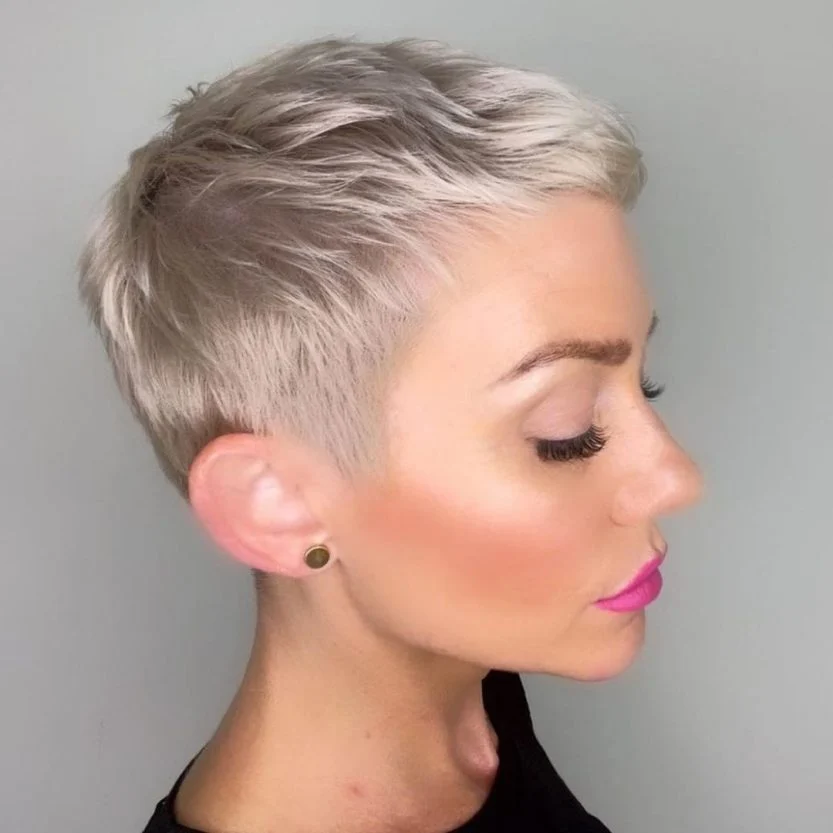
Courtesy of chelook.it
The feathered gray pixie with side bangs earns its place through the cut itself: layers placed to fall at specific points, so the hair swings rather than sits. The base colour stays rich and natural, with subtle lighter pieces woven through to add dimension without a full colour overhaul.
Styling is a fifteen-minute job once the cut is right: a round brush for the front pieces, a diffuser or air-dry for the rest, and a texturising spray to keep the layers separate. Trim every six to eight weeks to keep the shape, and sooner for the fringe, which loses its line first. Related reading: fall to winter hair colors ideas.
Shaggy Brunette Pixie With Choppy Layers
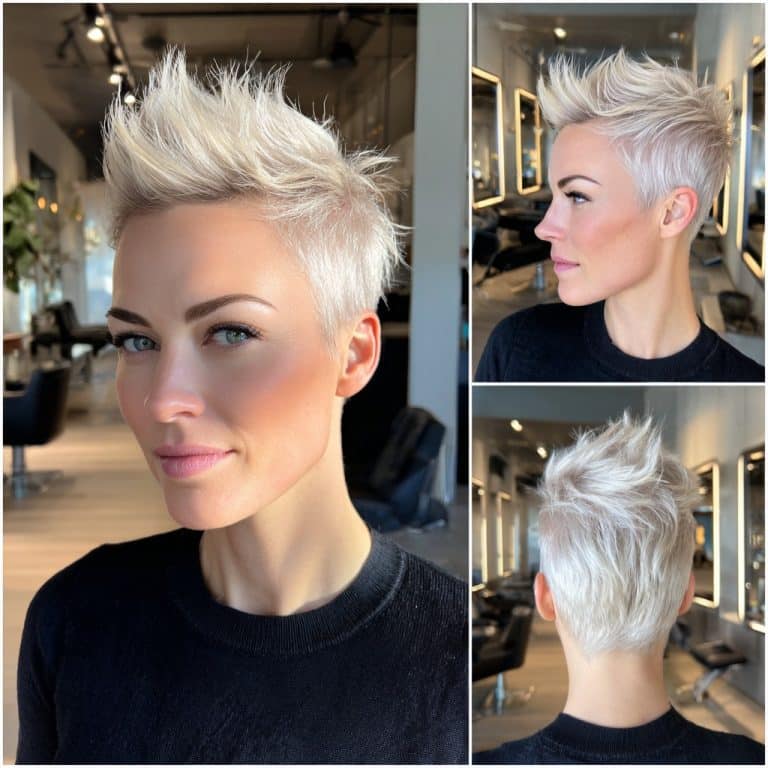
Source: hairs.london
What makes the shaggy brunette pixie with choppy layers work is the balance between length and layering. The front pieces frame the face and soften the jawline, while the back keeps enough weight to hold a blowout, and the result reads as polished without looking overdone.
Ask your stylist for the shaggy brunette pixie with choppy layers and be specific about where the shortest layer should land — chin, cheekbone or collarbone changes everything. A middle part keeps the shape symmetrical, while a side part adds lift at the crown for narrower faces.
Gray Pixie With Undercut Sides
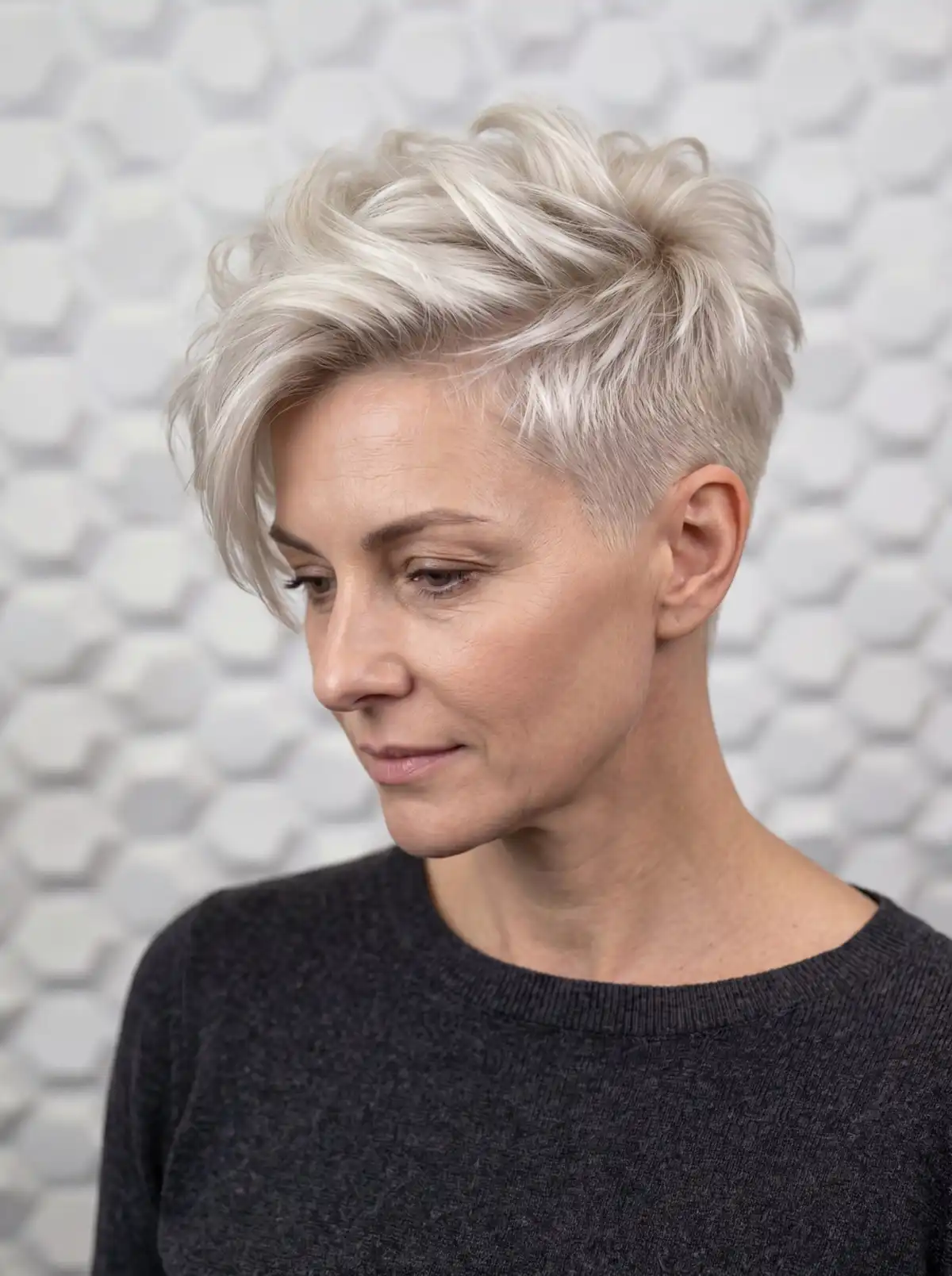
This cut is built around texture rather than perfect smoothness. The layers remove just enough bulk to let the natural wave or bend show, and the fringe — where there is one — blends into the face-framing pieces instead of stopping in a hard line.
The trade-off is maintenance against versatility. Longer layers grow out gracefully and need fewer appointments, while shorter, choppier layers look sharper but demand a trim every four to six weeks. Colour needs a toning appointment every eight to ten weeks if ash or blonde tones are involved. Related reading: trendy winter hair colors for short hair.
Ash Blonde Pixie With Wispy Bangs
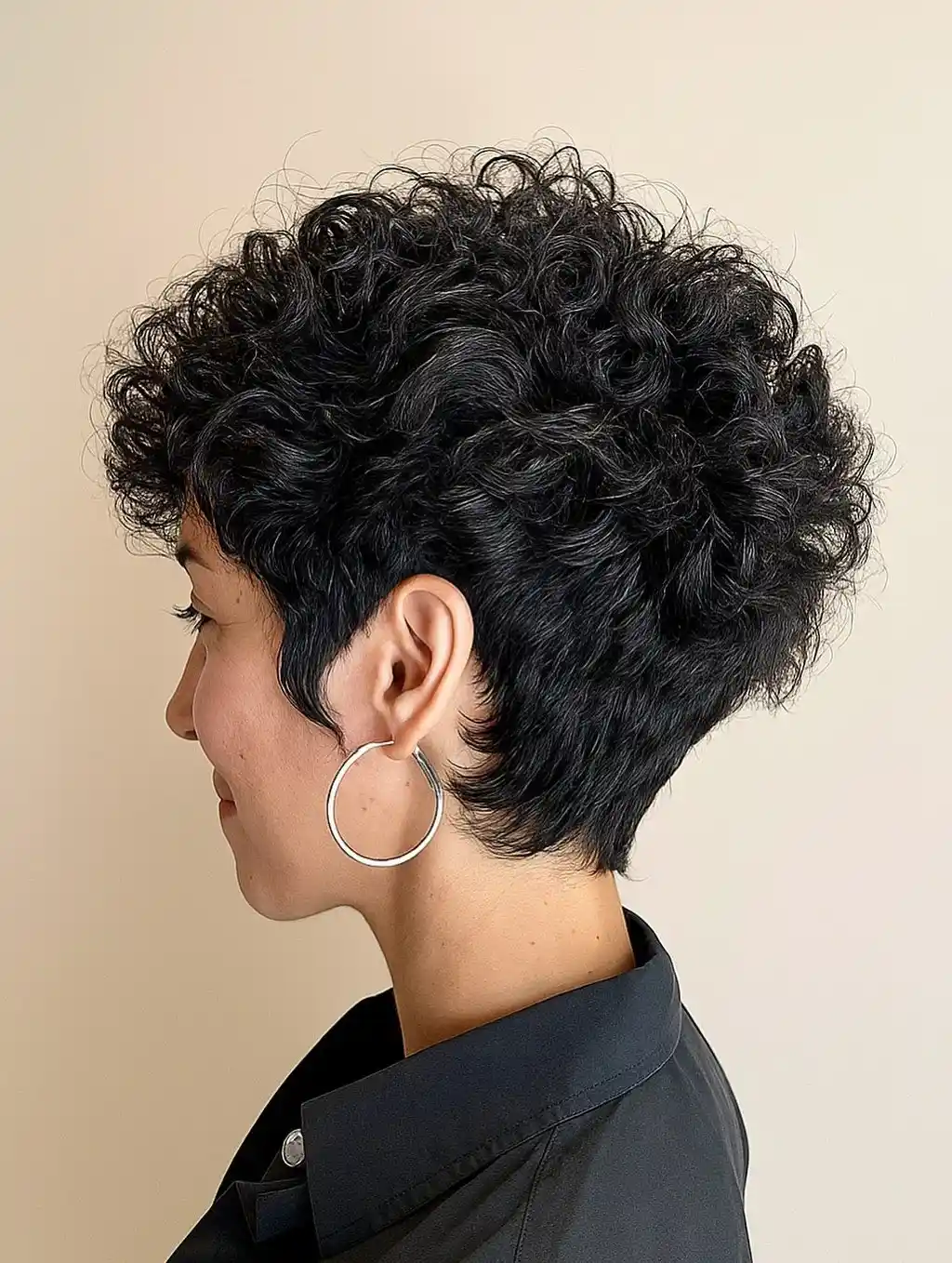
Photo via azureglam.com
The ash blonde pixie with wispy bangs suits hair that already has some natural movement, because the layers amplify what is there rather than manufacturing it. On very straight hair the same cut needs a round brush or a large-barrel iron to show the shape at all.
Fine hair benefits from this cut when the layers start below the chin, preserving density at the ends; thick hair needs the interior layering to stop the shape turning triangular. A smoothing serum on damp hair keeps frizz down, and a heat protectant is non-negotiable before any hot tool.
Softly Textured Dark Brown Pixie
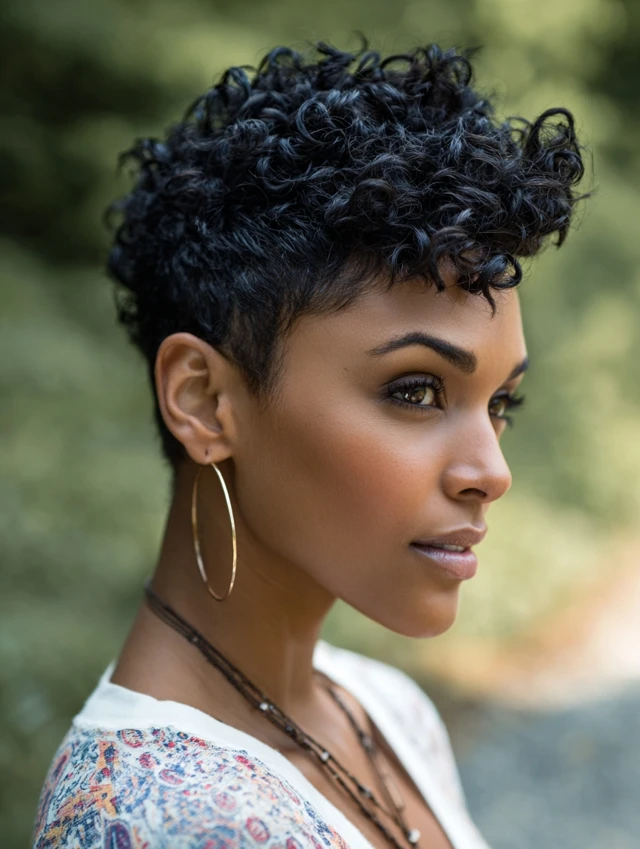
Image credit: yournextinspo.com
The softly textured dark brown pixie earns its place through the cut itself: layers placed to fall at specific points, so the hair swings rather than sits. The base colour stays rich and natural, with subtle lighter pieces woven through to add dimension without a full colour overhaul.
Styling is a fifteen-minute job once the cut is right: a round brush for the front pieces, a diffuser or air-dry for the rest, and a texturising spray to keep the layers separate. Trim every six to eight weeks to keep the shape, and sooner for the fringe, which loses its line first.
Platinum Blonde Bowl Cut Pixie
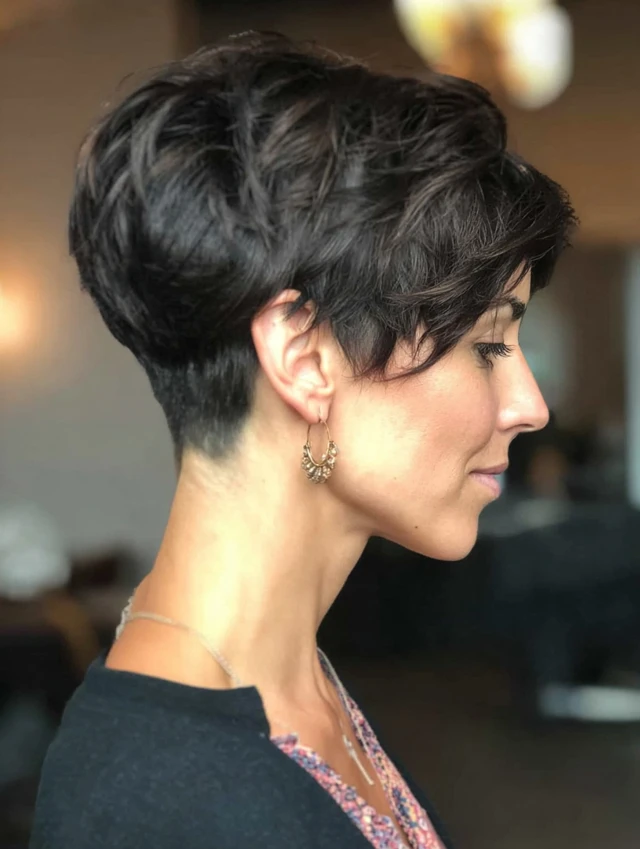
Courtesy of yourstyleinspo.com
What makes the platinum blonde bowl cut pixie work is the balance between length and layering. The front pieces frame the face and soften the jawline, while the back keeps enough weight to hold a blowout, and the result reads as polished without looking overdone.
Ask your stylist for the platinum blonde bowl cut pixie and be specific about where the shortest layer should land — chin, cheekbone or collarbone changes everything. A middle part keeps the shape symmetrical, while a side part adds lift at the crown for narrower faces.
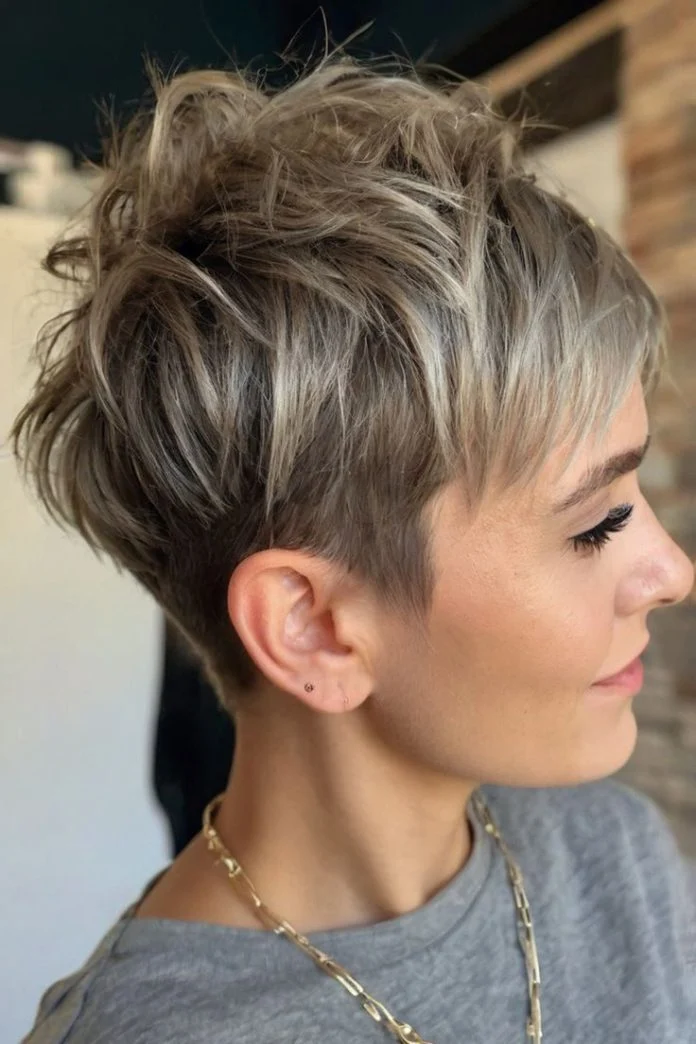
Smooth Platinum Pixie With Side Bangs
Source: frechefrisuren.com
This cut is built around texture rather than perfect smoothness. The layers remove just enough bulk to let the natural wave or bend show, and the fringe — where there is one — blends into the face-framing pieces instead of stopping in a hard line.
The trade-off is maintenance against versatility. Longer layers grow out gracefully and need fewer appointments, while shorter, choppier layers look sharper but demand a trim every four to six weeks. Colour needs a toning appointment every eight to ten weeks if ash or blonde tones are involved.
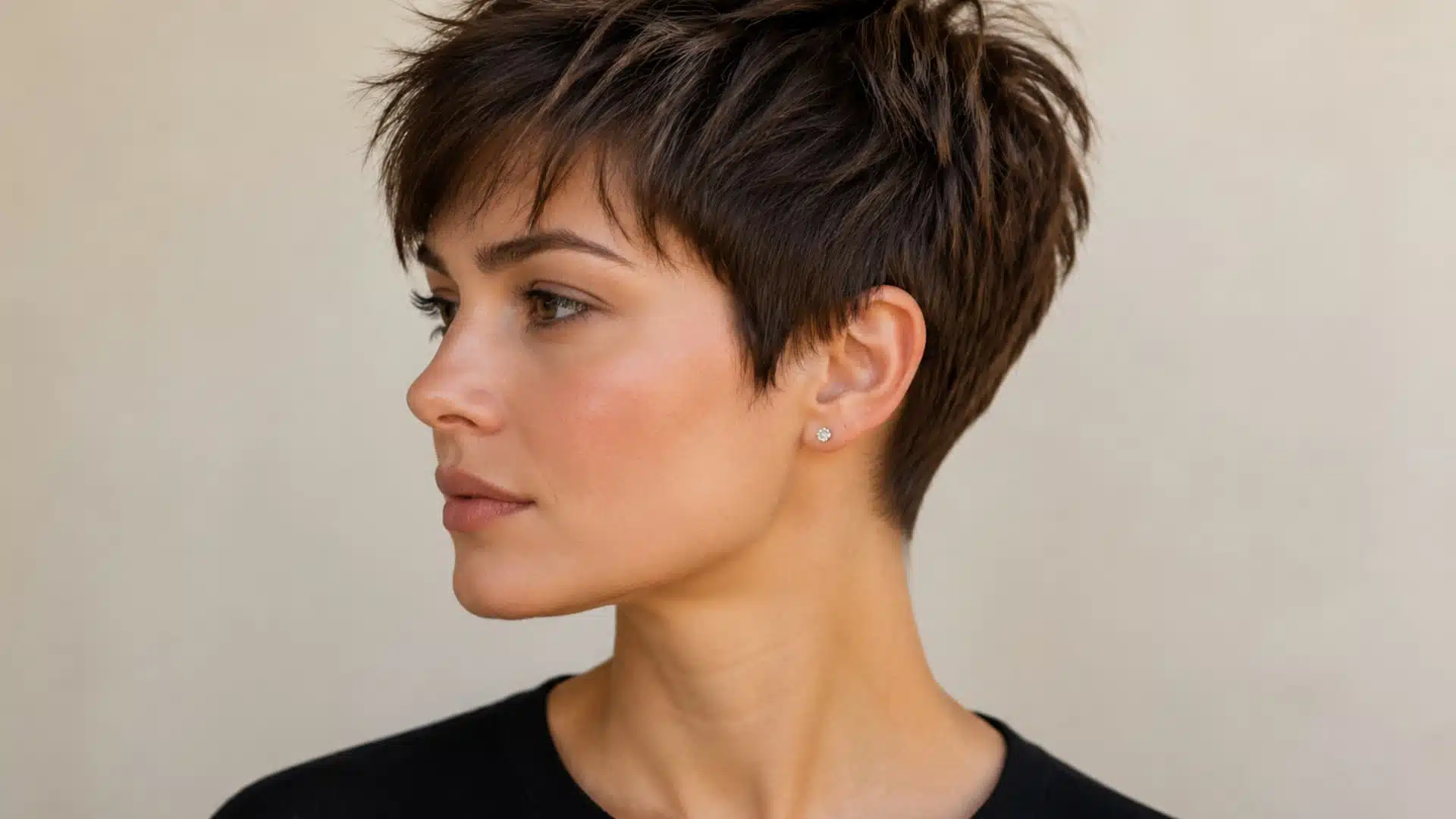
Vibrant Copper Pixie With Textured Waves
Via figc.info
The vibrant copper pixie with textured waves suits hair that already has some natural movement, because the layers amplify what is there rather than manufacturing it. On very straight hair the same cut needs a round brush or a large-barrel iron to show the shape at all.
Fine hair benefits from this cut when the layers start below the chin, preserving density at the ends; thick hair needs the interior layering to stop the shape turning triangular. A smoothing serum on damp hair keeps frizz down, and a heat protectant is non-negotiable before any hot tool.
Final Thoughts
Fine hair benefits from a blunt baseline with light texturising, while thick or curly hair needs strategic layering to avoid a mushroom shape. Bangs should work with your face shape, not against it, and longer side lengths give you more styling options when the cut starts to grow out.
- Trim the neckline and perimeter every 4-6 weeks to maintain shape.
- Use a texturising spray or wax for piecey, lived-in styles.
- Ask for the fringe to be cut dry so the length is judged as it falls.
- Keep blonde and copper tones fresh with a toning appointment every 4-6 weeks.
The long pixie is a canvas for modern expression — choose the version you will actually maintain.