Few skincare ingredients earn the kind of devotion niacinamide has. This form of vitamin B3 promises to calm redness, control oil, minimise pores, strengthen the skin barrier and fade dark spots — all in one bottle, usually at a modest price. The catch is that the details matter: the right concentration, the right place in your routine and the right pairings decide whether it transforms your skin or merely sits on the shelf.
This guide covers what niacinamide does, how to choose a concentration for your skin type, how to layer it with your other products, and what results to realistically expect. It slots neatly into a simple daily routine like the one in Glowing Skin Morning Skincare Routine, where it can take the place of a brightening serum step.
Key Takeaways
- Start with a 2–5% concentration if you have sensitive skin or are new to niacinamide.
- Use niacinamide morning and night for steady barrier support and oil control.
- Pair it with hyaluronic acid for hydration, or with retinol for extra barrier protection.
- Modern formulas combine safely with vitamin C, retinol and AHAs/BHAs.
- Visible results typically appear after 4 to 8 weeks of daily use.
What Niacinamide Is and How It Works
Niacinamide is a form of vitamin B3, also known as nicotinamide. Because it is water-soluble, your body does not store it, so your skin benefits from a fresh supply each day. It works on several fronts at once: it supports the production of keratin, the protein that gives skin its structure; it boosts ceramides and fatty acids that reinforce the lipid barrier; and it calms inflammation, which makes it a good ally for sensitive or acne-prone skin.
It also regulates sebum production, so skin looks less oily through the day and pores appear smaller over time. For dark spots, niacinamide interferes with melanosome transfer — the process that moves pigment into skin cells — so discolouration fades more evenly. All of this happens with a notably gentle profile: most skin types tolerate niacinamide well, which is part of why it has become a staple ingredient.
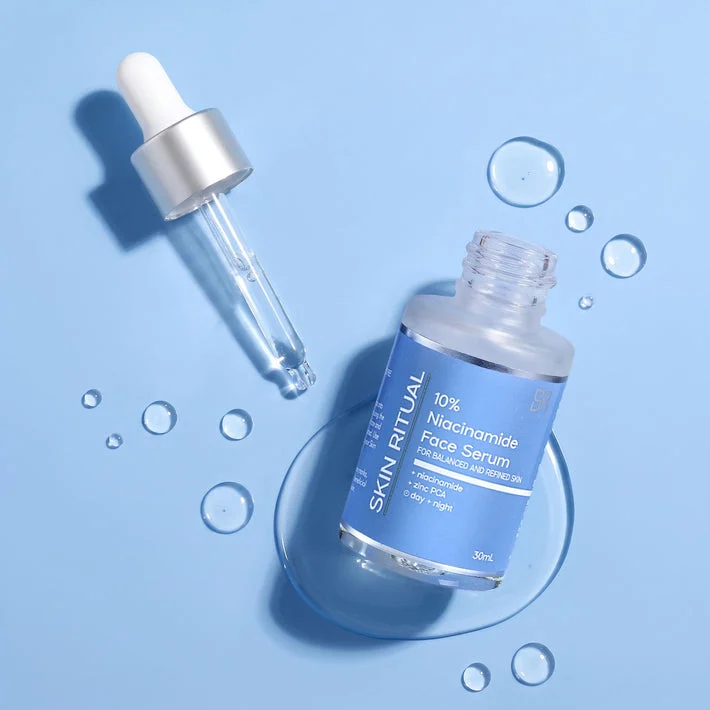
Photo via skinritual.com.au
Choosing the Right Concentration
Niacinamide serums typically range from 2% to 10%. The right concentration depends on your skin and your goal — higher is not automatically better.
2–5%: The Best Starting Point
Lower concentrations are ideal if you have sensitive skin, if your main goal is barrier support and reducing redness, or if you are new to the ingredient. Studies show that 2% is enough to reduce sebum production and improve barrier function, and 4–5% is effective for fading pigmentation. Most people never need to go higher.
10%: For Oil Control and Pores
Higher concentrations can be more effective for controlling oil and minimising the appearance of pores. But jumping straight to 10% can cause stinging, flushing or breakouts, especially on sensitive skin. If you want to try it, start with a 2–5% serum for a few weeks first, then step up only if your skin tolerates it well.
The concentration that delivers results without irritation is the right one for you. That varies from person to person, so listen to your skin rather than the number on the bottle.
How to Add Niacinamide to Your Routine
Adding niacinamide takes just a few steps, and consistency is what brings results. Use it both morning and night for the steadiest benefit.

Photo via smytten.com
- Cleanse: start with a gentle cleanser to remove makeup, sunscreen and excess oil, then pat dry.
- Tone (optional): if you use a toner, apply it now to prep the skin.
- Apply the serum: dispense a few drops — enough for a thin layer over your face and neck — and pat it in gently. Avoid the immediate eye area and do not rub or tug.
- Moisturise: follow with your regular moisturiser to lock in the serum and support the barrier.
- Finish with sunscreen (mornings): niacinamide supports your barrier, but it does not replace sun protection. Apply SPF 30 or higher every morning.
If you notice any irritation, drop back to using it once a day or every other day until your skin adjusts. A weekly check-in on your routine — the kind built into the Sunday Reset Checklist for Home and Body — is a good moment to notice what is working and what is not.
Pairings: What Works Well Together
One of the most persistent myths about niacinamide is that it cannot be used with vitamin C. That concern came from old formulations; modern products combine L-ascorbic acid and niacinamide safely, with no flushing or inactivation. You can layer them or use a product that contains both.
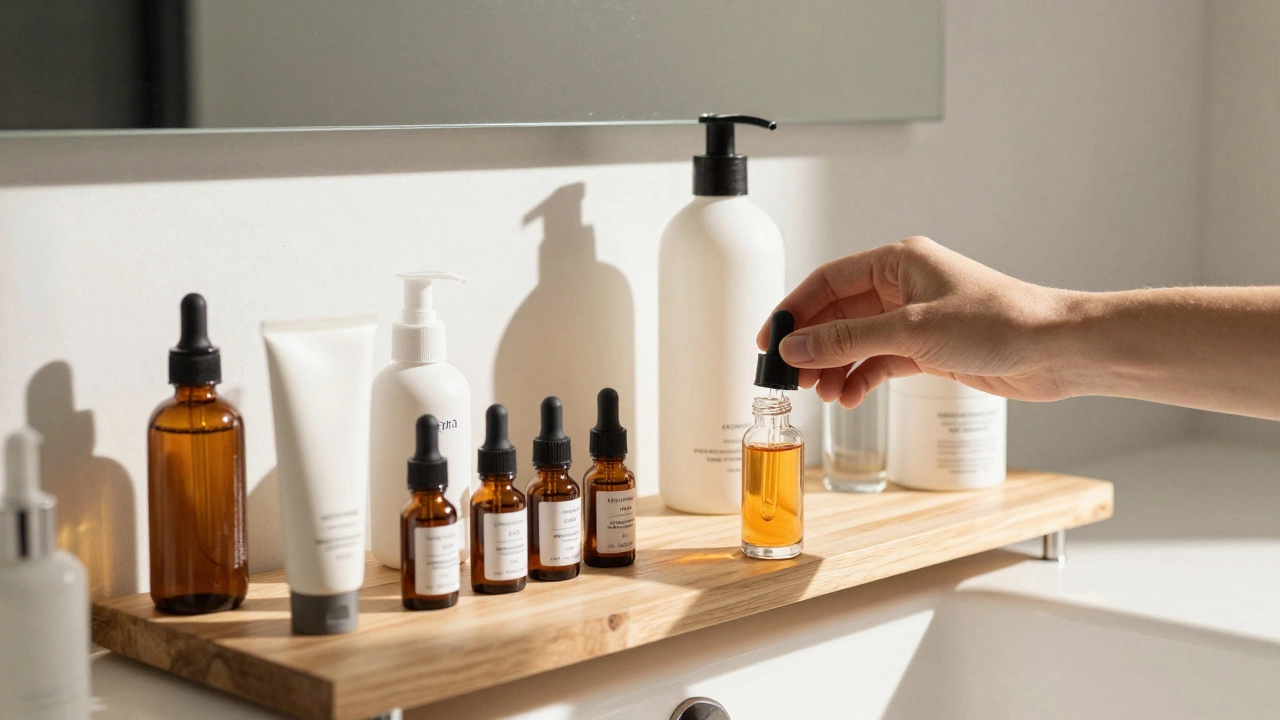
Photo via boltonbeautyclinic.co.uk
Niacinamide also pairs well with hyaluronic acid, which adds hydration to the barrier support, and with retinol — niacinamide’s calming effect can make retinoids more tolerable and reduce the irritation they sometimes cause. It works alongside AHAs and BHAs too, though if you are new to exfoliating acids, the comparison in Physical vs Chemical Exfoliation for Your Skin will help you choose the gentler starting point. When introducing any new combination, add one product at a time so you can tell what your skin likes.
Common Mistakes to Avoid
Starting too strong: beginning at 10% is the most common way to have a bad first experience with niacinamide. Start low, build up slowly.
Expecting instant results: visible changes take 4 to 8 weeks of consistent use. Niacinamide is a slow, steady ingredient, not a quick fix.
Believing the vitamin C myth: modern formulations combine the two safely. You do not need to separate them into different routines.
Skipping sunscreen: niacinamide helps barrier health, but it does not protect against UV damage. Daily SPF remains non-negotiable.
Treating it as a cure-all: niacinamide is a strong supporting ingredient, but severe acne, rosacea or eczema need professional treatment. It complements a dermatologist’s plan; it does not replace one.
What Results to Expect, and When
Visible results typically begin after 4 to 8 weeks of consistent daily use, with continued improvement over several months. Oil control and a calmer, less red complexion often show first; fading of dark spots and visible pore refinement take longer. Niacinamide products span every price point, from affordable drugstore serums to premium brands — effective options exist at all of them, so formulation matters more than the price tag.

Photo via fashiondepo.ru
Healthy skin is built from the inside as well as the outside — the nutrients in Essential Vitamins for Women support the same barrier your serum protects. And when your skin looks calm and even, the rest of your look falls into place, from a fresh manicure with Natural Nail Designs with a Subtle Glow to a warm hair colour like Caramel Brown Hair with a Sun-Kissed Glow.
When to Consult a Dermatologist
While niacinamide is well tolerated by most people, see a dermatologist if you experience persistent or worsening irritation, redness or itching after using it, or if you have a pre-existing condition such as severe acne, rosacea or eczema. If consistent use has not delivered the results you want, a professional can offer tailored advice and prescription-strength options.
Frequently Asked Questions
Can niacinamide make acne worse at first?
Some people notice a temporary increase in breakouts when they first start, especially at a high concentration. This is not common and usually resolves as the skin adjusts. If breakouts persist, reduce how often you use it or switch to a lower concentration.
Is it okay to use niacinamide every day?
Yes. Niacinamide is safe for daily use, and most people can use it morning and night without irritation. If you have very sensitive skin, start once a day and increase gradually.
What percentage of niacinamide is best for sensitive skin?
A concentration of 2–5% is generally best for sensitive skin. It provides barrier support and reduces redness without the stinging or flushing that higher concentrations can cause.
Can I use niacinamide with vitamin C in the same routine?
Yes. Modern formulations of L-ascorbic acid and niacinamide are safe to use together. You can layer them or use them at different times of day, whichever fits your routine best.
What does niacinamide do for your skin?
It strengthens the skin barrier, reduces inflammation, regulates oil production and minimises the appearance of pores. It also supports keratin production and helps fade dark spots by slowing pigment transfer to skin cells.
Final Thoughts
Niacinamide earns its reputation the quiet way: not with dramatic overnight change, but with steady, reliable improvement over weeks. Start with a lower concentration, use it consistently for at least two months before judging it, and let your skin’s gradual improvement be your guide. Paired with a gentle cleanser, a good moisturiser and daily sunscreen, it is one of the most useful ingredients a routine can have.
Disclaimer: This article is for general informational purposes only and does not constitute medical or dermatological advice. Niacinamide may not be suitable for everyone, and individual results vary. If you have a pre-existing skin condition or experience persistent irritation, please consult a board-certified dermatologist for personalised guidance.