Omega-3 fatty acids are among the most researched nutrients in nutrition — linked to heart health, brain function, mood, joint comfort, and healthy skin. Yet most women eat far less than the recommended amount. Fatty fish appears on the table rarely, if at all, and the plant sources that could fill the gap are often missing too.
This guide covers the omega-3 foods that matter most for women, the difference between fish and plant sources, how much you actually need, and practical ways to work more omega-3s into everyday meals without overhauling your diet. For the wider nutrient picture, the Vitamins for Women: Essential Nutrients guide pairs well with what follows.
Key Takeaways
- Fatty fish — salmon, sardines, mackerel — are the richest sources of EPA and DHA omega-3s.
- Flaxseeds, chia seeds, and walnuts provide ALA, the plant-based omega-3.
- Aim for at least two servings of fatty fish per week, or about 250–500 mg of combined EPA and DHA daily.
- Omega-3s support heart, brain, mood, joint, eye, and skin health.
- ALA converts poorly to EPA and DHA, so plant-only eaters need to pay extra attention.
- Simple swaps — seeds on oatmeal, walnuts in salads, fish twice a week — add up fast.
Why Omega-3s Matter for Women
Omega-3s are essential fats, which means your body cannot make them — they must come from food. They form part of every cell membrane, help regulate inflammation, and support the brain and nervous system. Research links adequate omega-3 intake to lower triglycerides and better heart health, steadier mood, less joint stiffness, and healthier skin that holds moisture better.
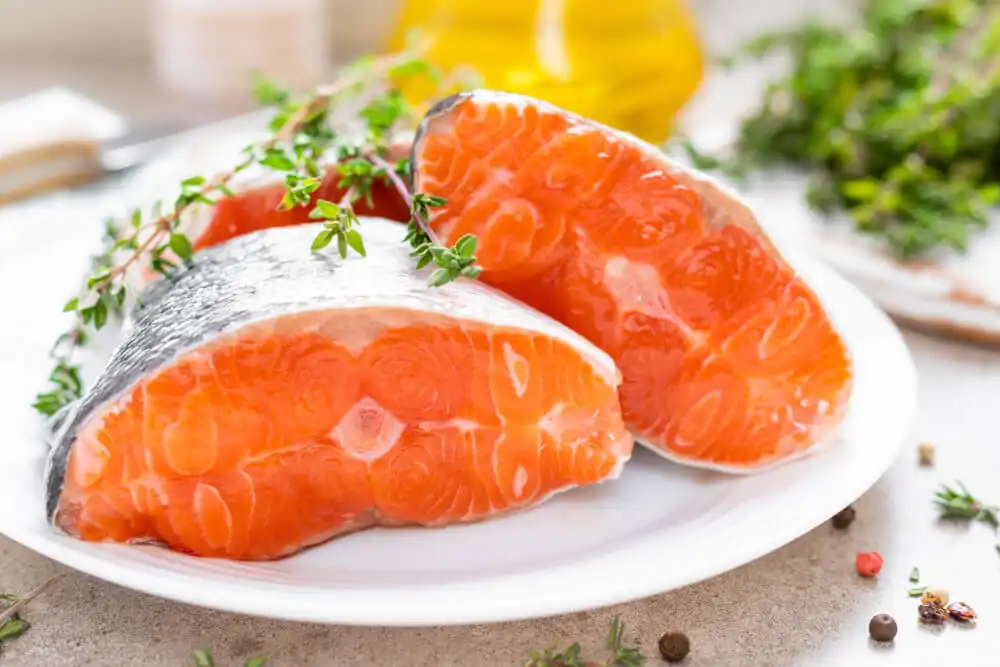
Photo via ultimateperformance.com
For women specifically, omega-3s matter at several life stages. DHA is important during pregnancy and breastfeeding for the baby’s brain and eye development. Omega-3s may help ease menstrual discomfort and support mood through hormonal shifts. And as oestrogen declines after menopause, the heart-protective and bone-supporting roles of omega-3s become more valuable. Skin benefits are visible too — omega-3s support the skin barrier from within, complementing the topical care in a glowing skin morning skincare routine.
The Three Types: EPA, DHA, and ALA
Not all omega-3s are the same, and the distinction decides which foods actually deliver the benefits. EPA (eicosapentaenoic acid) and DHA (docosahexaenoic acid) are the long-chain omega-3s found in fatty fish and algae. They are the forms your body uses directly for heart, brain, and eye health, and they are the forms most studied in research.
ALA (alpha-linolenic acid) is the plant-based omega-3 found in flaxseeds, chia seeds, walnuts, and hemp seeds. Your body can convert ALA into EPA and DHA, but the conversion is inefficient — typically less than 10 percent. ALA is still valuable, especially for overall fat balance, but it is not a one-to-one replacement for fish sources. That is the detail most women miss: a diet rich in seeds but without fish or algae still falls short on EPA and DHA.
Best Fish and Seafood Sources
Fatty, cold-water fish are the most concentrated sources of EPA and DHA. Two servings a week — roughly 200 to 300 grams total — covers the general recommendation for most adults.
- Salmon: the most popular choice, and for good reason — a single serving provides well over a gram of combined EPA and DHA.
- Sardines: small, affordable, and exceptionally rich in omega-3s, plus calcium from their soft bones.
- Mackerel: one of the highest omega-3 fish, though larger king mackerel should be limited because of mercury.
- Anchovies: tiny fish with a big omega-3 pay-off, easy to add to pasta, salads, and dressings.
- Trout and herring: both provide substantial EPA and DHA and are widely available fresh or smoked.
- Tuna: a moderate source — fresh tuna provides more than canned, and intake should be limited because of mercury.
Quality matters less than consistency. Fresh, frozen, or canned fish all count, and canned sardines or salmon are among the cheapest omega-3 sources available. If fish feels like a chore, start with one easy meal a week — a salmon fillet with roasted vegetables, or sardines on toast — and build from there. Protein-rich fish also fits neatly into the approach in the High-Protein Diet for Women guide.
Best Plant Sources
Plant sources provide ALA, and while conversion to EPA and DHA is limited, they still contribute meaningfully — especially for people who eat little or no fish. The strongest plant sources are easy to add to meals you already eat.
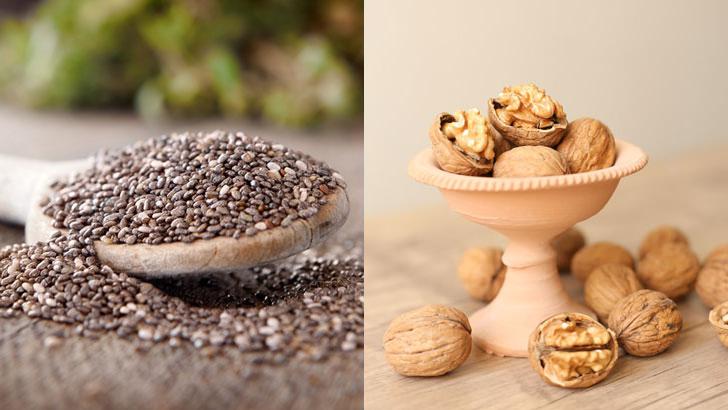
Photo via holypeas.com
- Flaxseeds: the richest plant source of ALA. Buy them ground, or grind them yourself — whole flaxseeds often pass through undigested. A tablespoon a day in oatmeal or a smoothie is an easy habit.
- Chia seeds: similar ALA content to flax, plus fibre and calcium. They absorb liquid and work well in puddings, yoghurt, and baking.
- Walnuts: the only nut with significant ALA. A small handful a day provides a meaningful amount, along with fibre and magnesium.
- Hemp seeds: a good ALA source with a pleasant nutty flavour, easy to sprinkle on salads and grain bowls.
- Algae oil: the exception among plant sources — algae is where fish get their omega-3s in the first place, so algae oil supplements provide EPA and DHA directly, making them the best option for vegans.
How Much Omega-3 Do You Need?
There is no single official daily target, but most health authorities suggest around 250 to 500 mg of combined EPA and DHA per day for general health — roughly what two servings of fatty fish a week provide. For ALA, the adequate intake for adult women is about 1.1 grams per day, which a tablespoon of ground flaxseed or a small handful of walnuts covers.
Higher intakes may be recommended in specific situations, such as pregnancy, where DHA supports the baby’s brain and eye development, or for people with high triglycerides — but doses above 1 gram a day of EPA and DHA from supplements should be discussed with a doctor, since high doses can affect blood clotting. Food-first is the safest route for most women, and it is also the most enjoyable one.
Easy Ways to Eat More Omega-3s
Adding omega-3s does not require a new diet — it requires a few small, repeatable swaps. Start with whichever of these feels easiest, and add another once it becomes automatic.

Photo via omega3innovations.com
- Fish twice a week: pick two days and make fish the protein — salmon on Monday, sardines or trout on Thursday.
- Seeds at breakfast: stir a tablespoon of ground flax or chia into oatmeal, yoghurt, or a smoothie.
- Walnuts as a snack: keep a small bag at your desk or in your bag instead of reaching for processed snacks.
- Upgrade your salad: top greens with canned salmon, sardines, or a sprinkle of hemp seeds.
- Cook with the seasons: grilled fish in summer, baked salmon with root vegetables in winter — seasonal meals make the habit stick.
Meal planning makes the fish-twice-a-week goal far easier. A weekly reset that includes a rough meal plan — the Sunday Reset Checklist for Home and Body is a good template — means the salmon is already in the fridge when Thursday arrives, instead of being another decision to make after a long day.
Supplements and When to Consider Them
Fish oil and algae oil supplements can fill the gap when diet alone is not enough — for example, if you rarely eat fish, follow a vegan diet, or are pregnant and need reliable DHA. Look for a product that states its EPA and DHA content clearly (not just “1,000 mg fish oil”), is third-party tested for purity, and is stored properly, since omega-3 oils go rancid easily. Keep supplements in a cool, dark place and discard them if they smell strongly fishy.
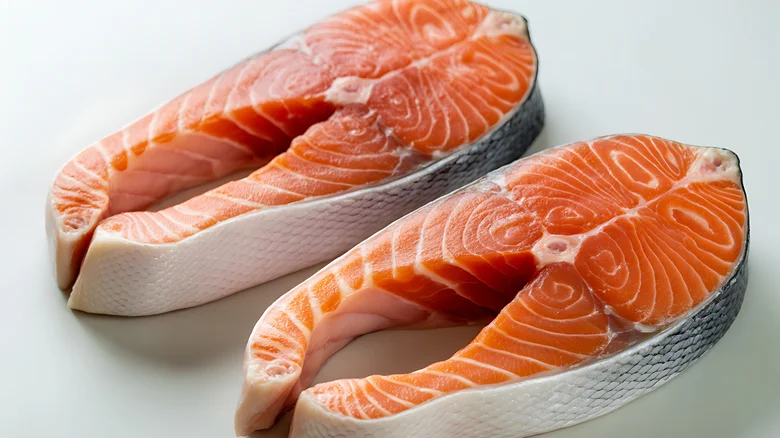
Photo via foodie.com
Supplements are not a substitute for the food itself. Fish provides protein, vitamin D, selenium, and iodine alongside its omega-3s, and seeds provide fibre and minerals that a capsule cannot. Think of supplements as insurance for the weeks when fish does not happen — not as the main plan. And if you take blood-thinning medication or are planning surgery, mention any omega-3 supplement to your doctor first. A seaside mindset helps too: if a coastal trip is on the cards, fresh fish is the local speciality, and the Coastal Outfit Ideas for Beach Vacations and Beach Vacation Pedicure Ideas make packing easier.
Frequently Asked Questions
What is the best omega-3 food for women?
Salmon is the best all-round choice — widely available, versatile, and very rich in EPA and DHA. Sardines and mackerel are even richer per serving and more affordable, while flaxseeds, chia seeds, and walnuts are the best plant sources.
Can I get enough omega-3 from plant foods alone?
Plant foods provide ALA, but your body converts less than 10 percent of it into EPA and DHA. Plant-only eaters should include plenty of flax, chia, and walnuts, and consider an algae oil supplement, which provides EPA and DHA directly.
How much fish should I eat per week?
Most health authorities recommend at least two servings of fatty fish per week, roughly 200 to 300 grams total. That provides around 250 to 500 mg of combined EPA and DHA per day on average.
Do omega-3s help skin and hair?
Omega-3s support the skin barrier, helping skin hold moisture and look smoother, and they support scalp health. They work from within, so results build gradually over weeks alongside topical care — they are a complement to skincare, not a replacement.
Are fish oil supplements safe?
For most people, yes, at standard doses. Choose a third-party tested product with clear EPA and DHA labelling, and store it cool and dark. Talk to your doctor first if you take blood-thinning medication, are pregnant, or are planning surgery.
Final Thoughts
Omega-3s are one of the simplest nutrition upgrades with the widest pay-off — heart, brain, mood, joints, and skin all benefit. You do not need a perfect diet to get there: fatty fish twice a week, a spoonful of seeds at breakfast, and a handful of walnuts as a snack will cover most women comfortably. Start with whichever change feels easiest, make it automatic, and let the rest follow. Your future self will notice the difference long before your next blood test does.
Disclaimer: This article is for general informational purposes only and does not constitute medical or dietary advice. Omega-3 needs vary, especially during pregnancy or when taking medication such as blood thinners. Please consult a doctor or registered dietitian before starting supplements or making significant dietary changes.