Rosemary oil has become one of the most talked-about natural options for hair growth — and for good reason. Research suggests it may support scalp health and hair thickness, and it costs far less than most salon treatments. But rosemary oil is a potent essential oil, and using it the wrong way can irritate your scalp, trigger shedding, or simply waste months of effort.
The difference between good results and a sore scalp usually comes down to a handful of rules: dilute it properly, patch-test first, apply it to the scalp rather than the lengths, and give it enough time. This guide covers the mistakes that undo rosemary oil’s benefits, the correct way to use it, and what a realistic timeline looks like. Healthy hair starts at the scalp, and the same gentle-care thinking behind Classy Natural Hair Hairstyles applies here too — consistency and patience over quick fixes.
Key Takeaways
- Always dilute rosemary essential oil with a carrier oil — never apply it undiluted to your scalp.
- Patch-test on your inner forearm 24 to 48 hours before your first full application.
- Apply the diluted oil to your scalp, not the hair lengths, two to three times a week.
- Expect to wait three to six months of consistent use before judging the results.
- Stop immediately if you notice redness, itching, or burning, and see a doctor for sudden or significant hair loss.
Why Rosemary Oil, and What It Can (and Can’t) Do
Rosemary essential oil (Rosmarinus officinalis) has attracted attention because a small number of studies suggest it may support hair growth in a way comparable to some over-the-counter treatments, possibly by improving circulation to the scalp and providing antioxidant support to hair follicles. It is also inexpensive and widely available, which makes it an appealing first step for anyone noticing thinning or slower growth.
It is important to be honest about the limits. The evidence is promising but not conclusive, and rosemary oil is not a treatment for medical hair loss. It works best as a supportive habit for a generally healthy scalp — improving the environment follicles grow in — rather than as a cure for shedding caused by hormones, illness, or genetics. Results, when they come, are gradual: slightly thicker-feeling hair, less breakage, and a healthier scalp over months, not a dramatic transformation in weeks.
What You Need for Safe Application
Safe rosemary oil use needs just three things, and getting them right matters more than any fancy technique.
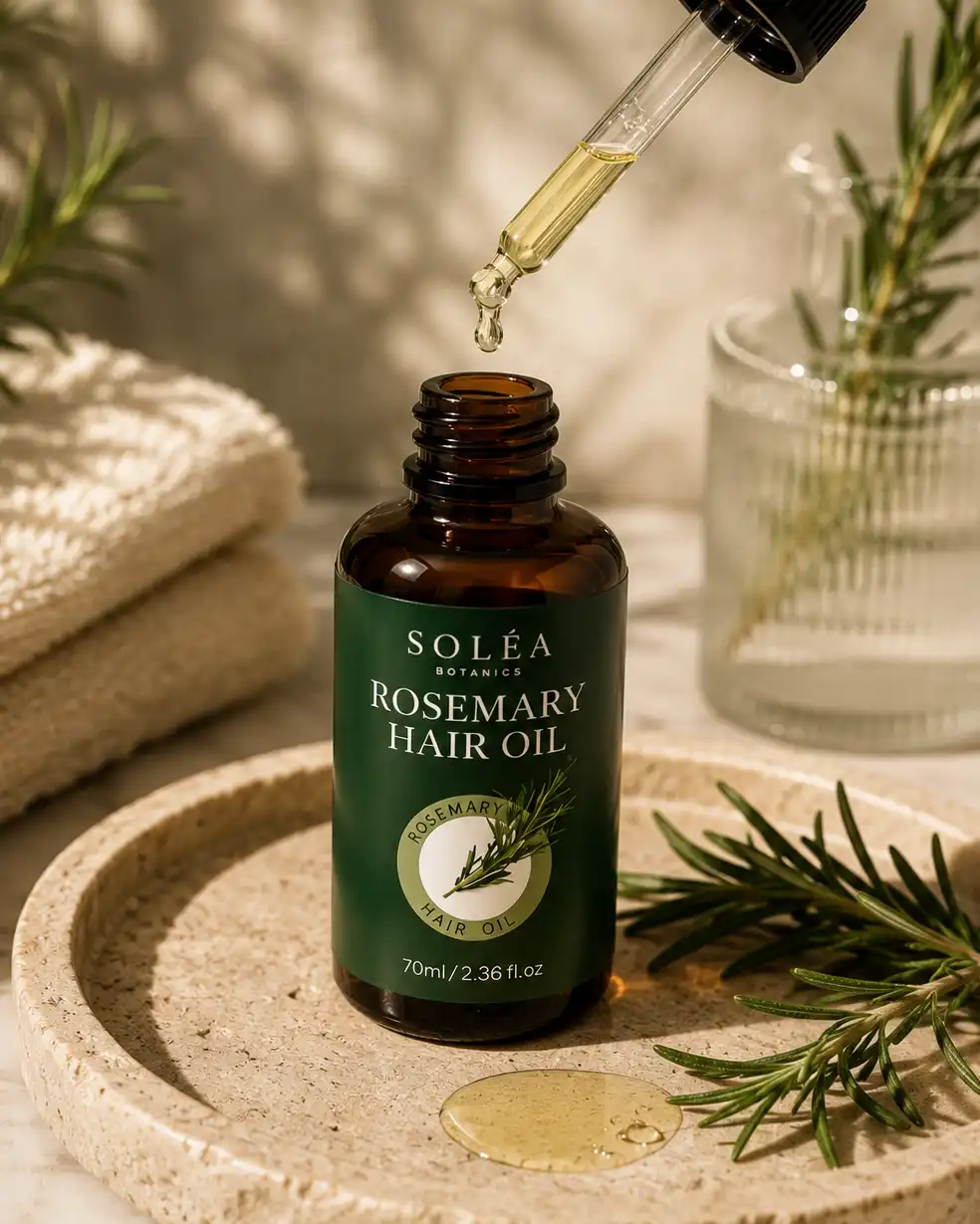
Photo via soleabotanics.com
- 100% pure rosemary essential oil: look for a reputable brand that lists Rosmarinus officinalis as the only ingredient. Blends and fragrance oils are not the same thing, and additives can irritate the scalp.
- A carrier oil: jojoba oil closely mimics the scalp’s natural sebum, coconut oil penetrates the hair shaft, and argan or sweet almond oil are lightweight options. Choose based on your scalp — jojoba for oily scalps, coconut or argan for dry ones.
- A small dropper bottle: mixing your blend in a dark glass dropper bottle keeps the ratio consistent and makes application precise. Dark glass also protects the oil from light, which preserves its potency.
How to Apply Rosemary Oil to Your Scalp, Step by Step
The method is simple, but each step exists for a reason. Skipping the patch test or the dilution is how most problems start.

Photo via bestayurveda.in
- Patch-test first: mix a small amount of diluted oil and apply it to your inner forearm. Wait 24 to 48 hours and check for redness, itching, or burning before using it on your scalp.
- Dilute the oil: add two to three drops of rosemary essential oil per teaspoon of carrier oil. Mix them in your dropper bottle and shake gently. More is not better — a stronger blend increases irritation risk without improving results.
- Apply to the scalp: part your hair in sections and apply the diluted mixture directly to the scalp with the dropper, focusing on areas where you want more growth. The oil needs to reach the follicles, not the lengths.
- Massage gently: use your fingertips to massage the oil in for three to five minutes. The massage itself may boost circulation to the scalp, and it helps distribute the oil evenly.
- Let it sit: leave the oil on for at least 30 minutes before washing it out with shampoo. You can leave it overnight if you prefer, but it is not necessary for results — and the strong herbal scent bothers some people in bed.
- Repeat consistently: use the treatment two to three times a week for at least three to six months. Consistency is the whole game with hair growth.
The Mistakes That Cause Irritation Instead of Growth
Applying undiluted oil: rosemary essential oil is far too concentrated to use directly on skin. Undiluted application is the most common cause of scalp irritation, redness, and burning. Always dilute — two to three drops per teaspoon of carrier oil, no more.
Skipping the patch test: you may have a sensitivity you do not know about, and discovering it across your whole scalp is an unpleasant way to find out. Twenty-four hours of patience before your first full application is always worth it.

Photo via myprettygirl.fr
Expecting instant results: hair grows about a centimetre a month, and follicles respond slowly to any treatment. Judging rosemary oil after two weeks guarantees disappointment. Give it three to six months of steady use before deciding whether it works for you.
Applying it to the hair lengths: coating your ends in oil does nothing for growth and can leave hair greasy and weighed down. The scalp is where follicles live, so that is where the oil belongs. The lengths benefit far more from a good trim and gentle handling than from oil.
Using low-quality oil: diluted, synthetic, or fragrance-grade oils may not deliver the same benefits and can contain additives that irritate the scalp. Buy 100% pure essential oil from a brand you trust, and store it in a dark glass bottle away from heat and sunlight.
Overdoing the frequency: daily application does not speed up results. Two to three times a week is enough; more frequent use mainly increases the chance of irritation and product build-up on the scalp.
Getting the Most From Your Routine
A few small refinements make the routine more effective and more pleasant. Experiment with carrier oils until you find one your scalp likes — jojoba for balance, argan for lightness, coconut if your hair is dry and thick. Store your rosemary oil in a dark glass bottle in a cool spot, and replace it if the scent turns sharp or flat. If the herbal aroma feels too strong, apply the oil before a shower so you can wash it out after 30 minutes rather than leaving it in all day.
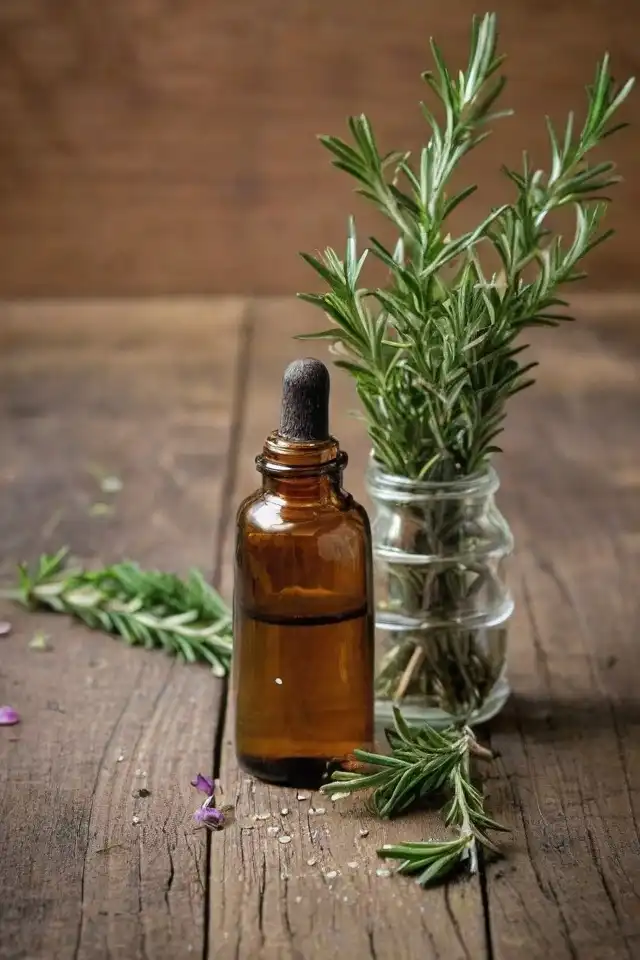
Photo via mollyshomeguide.com
Support the routine from the inside too. Hair growth depends on overall health — enough protein, iron, and sleep all matter, and no scalp oil compensates for a deficiency. The nutrition guidance in Vitamins for Women: Essential Nutrients covers the nutrients most relevant to hair. And while you wait for growth, healthy-looking hair is its own reward: natural volume like the styles in Afro Hairstyle Ideas for Natural Volume, defined curls like 3C Hairstyle Ideas for Defined Curls, or a fresh colour such as Brown Balayage Hair Color Ideas and Blonde Hair Color Ideas for Your Next Salon Visit all look their best on a well-cared-for scalp.
Timeline, and When to Talk to a Professional
Most people who benefit from rosemary oil notice the first subtle changes — a healthier-feeling scalp, slightly thicker-feeling hair — after two to three months of consistent use, with more visible change by four to six months. Results vary with genetics, overall health, and the underlying cause of thinning. If you see no change at all after six months of correct, consistent use, rosemary oil may simply not be the right tool for your situation, and that is useful information rather than a failure.
Stop using rosemary oil and wash your scalp with a gentle shampoo if you notice redness, itching, burning, or increased shedding that does not settle. If you experience sudden or significant hair loss, patchy bald spots, or scalp pain, see a doctor or dermatologist — these can signal conditions that need medical attention, and no home treatment replaces that. People with epilepsy, high blood pressure, or other health conditions should check with a doctor before using essential oils, and pregnant or breastfeeding individuals should get medical clearance first.
Frequently Asked Questions
Can I leave rosemary oil in my hair overnight?
Yes, you can leave properly diluted rosemary oil on your scalp overnight, but it is not necessary for results. Thirty minutes is enough for the oil to do its work. If the strong scent bothers you, rinse it out after half an hour instead.
What are the side effects of rosemary oil for hair?
The most common side effect is scalp irritation, especially if the oil is applied undiluted or you have sensitive skin. Redness, itching, or a burning sensation can occur. If you notice any of these, stop using the oil and wash your scalp with a gentle shampoo. A patch test beforehand prevents most problems.
Can rosemary oil make hair worse?
Improper use — undiluted oil or an allergic reaction — can inflame the scalp and cause temporary shedding. When used correctly and diluted, rosemary oil is not known to cause hair loss. If shedding increases after starting it, stop and consult a dermatologist.
Is rosemary oil safe for color-treated hair?
Rosemary oil is generally safe for color-treated hair, though frequent use may cause slight fading over time. Apply it mainly to the scalp rather than the lengths, and do a strand test first if your colour is fresh or delicate.
How do you dilute rosemary oil for hair?
A standard dilution is two to three drops of rosemary essential oil per teaspoon of carrier oil, mixed in a small dropper bottle. Good carrier oils include jojoba, coconut, sweet almond, and argan. Never apply undiluted essential oil directly to your scalp.
Final Thoughts
Rosemary oil is a simple, affordable habit that may support a healthier scalp and thicker-feeling hair — but only when it is used correctly. Dilute it, patch-test it, apply it to the scalp two to three times a week, and give it three to six months before judging. The mistakes are all avoidable, and the routine itself takes five minutes. If your scalp stays calm and your hair gradually feels healthier, you have a low-cost habit worth keeping. If it does not work for you, a dermatologist can help you find what will.
Disclaimer: This article is for general informational purposes only and does not constitute medical or professional advice. Results vary from person to person. If you have a persistent scalp condition, significant hair loss, or any underlying health concern, please consult a doctor or dermatologist before using essential oils.