If shaving leaves you with stubble by evening and ingrown hairs by the weekend, you have probably considered longer-lasting options. Sugaring and waxing both remove hair from the root, leaving skin smooth for three to six weeks — but they work differently, feel different, and suit different skin types. Choosing between them is easier once you know how each one works.
This guide compares sugaring and waxing honestly: what each method involves, how much they hurt, which skin types they suit, what they cost, and how to care for your skin afterwards. Whether you are getting ready for a beach holiday in one of the breezy looks from Coastal Outfit Ideas for Beach Vacations or just want a lower-maintenance routine, the right choice depends on your skin, your pain tolerance, and the area you are treating.
Key Takeaways
- Both methods remove hair from the root and keep skin smooth for three to six weeks.
- Sugaring uses a natural sugar paste at room temperature and is often gentler on sensitive skin.
- Waxing is faster, more widely available, and better for large areas and coarse hair.
- Sugaring can grip shorter hairs (around 2 mm), while waxing usually needs hair about 5 mm long.
- Proper preparation and aftercare matter more than the method you choose for avoiding ingrown hairs.
Sugaring vs Waxing at a Glance
Both methods pull hair out by the root, which is why results last weeks instead of days and regrowth comes back softer and finer over time. The differences are in the substance, the technique, and the direction of the pull — and those details change the experience considerably.
Sugaring uses a paste made from sugar, lemon juice, and water, applied at room temperature or lukewarm, then flicked off in the direction of hair growth. Waxing uses a heated resin-based wax, applied against the direction of growth and pulled off against it. That opposite direction is the main reason waxing tends to hurt more and break more hairs, while sugaring’s gentler pull is kinder to the skin. Neither method is painless, but most people find sugaring noticeably more comfortable.
What Is Sugaring, and How Does It Work?
Sugaring is an ancient hair removal method, used for centuries in the Middle East and North Africa. The paste is simple — sugar, lemon juice, and water cooked into a thick, taffy-like consistency — and because it contains no resins, fragrances, or chemical additives, it suits people whose skin reacts to conventional wax.
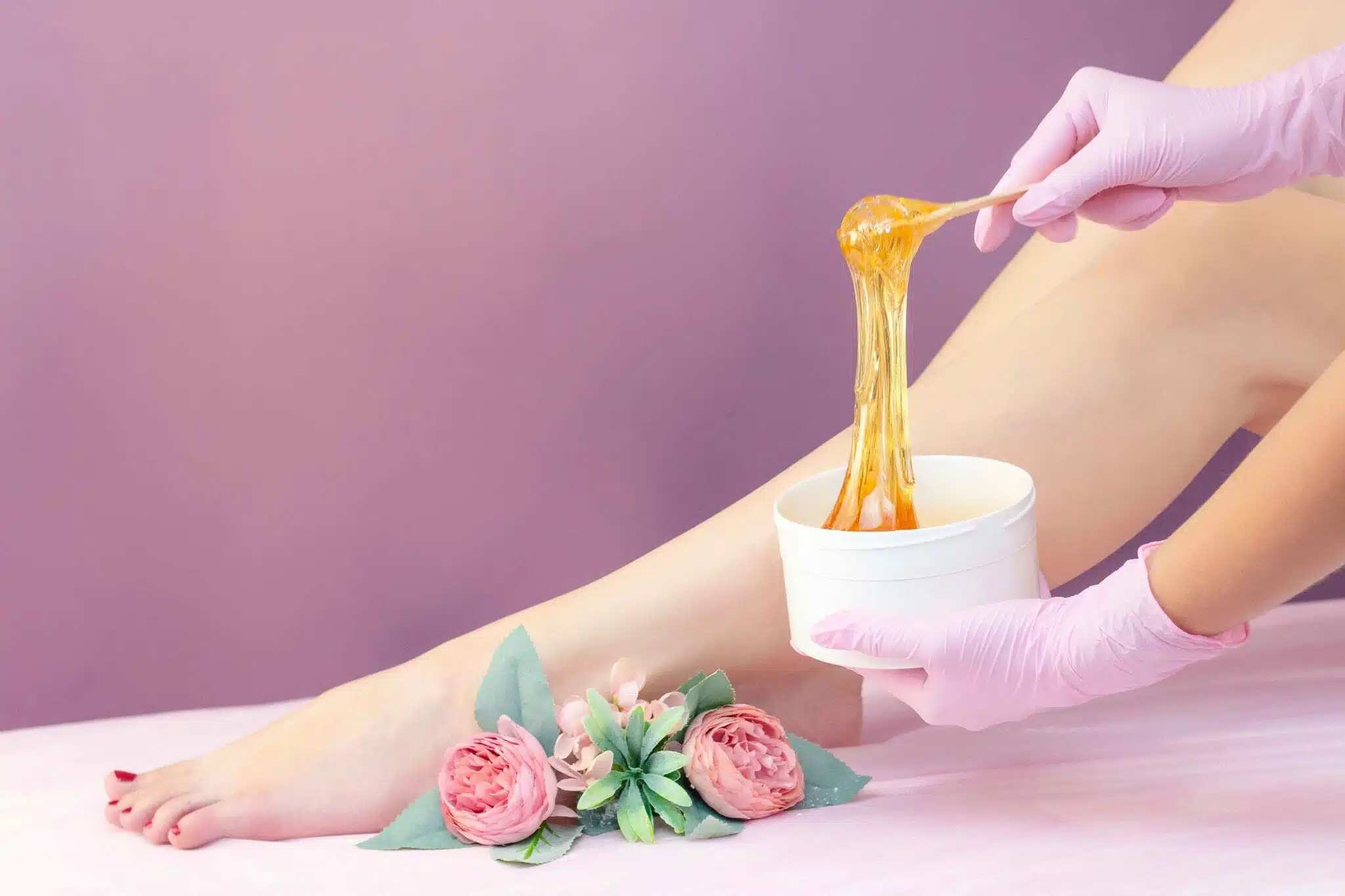
Photo via sugarwaxhaven.com
The technique is what sets sugaring apart. The paste is applied against the direction of hair growth, then removed with a quick flick in the direction of growth. Pulling with the grain puts less stress on the hair shaft, so fewer hairs break below the skin — which means fewer ingrown hairs. The paste also sticks mainly to the hair rather than the skin, so it exfoliates less aggressively than wax and can be reapplied to the same area without the same irritation risk. Because sugaring paste is water-soluble, any residue rinses off easily with warm water. It can also grip very short hair — around 2 mm — so you do not need to wait as long between sessions.
What Is Waxing, and How Does It Work?
Waxing is the more familiar method, available at almost every salon. Warm wax — either soft wax removed with cloth strips, or hard wax that sets and is peeled off on its own — is spread onto the skin against the direction of hair growth, then pulled off sharply against the grain, taking the hairs with it.

Photo via lovestetic.uk
Waxing’s strengths are speed and availability. An experienced therapist can cover large areas — full legs, back — quickly, and wax grips coarse, stubborn hair effectively, which makes it a good choice for areas where hair is thick. Hard wax is generally gentler than soft wax on sensitive areas like the bikini line, because it adheres to the hair more than the skin and is removed without strips. The downsides are the heat — the wax must be warm enough to spread, which carries a small burn risk if the temperature is wrong — and the against-the-grain pull, which tends to hurt more and break more hairs than sugaring. Wax also needs hair to be a little longer, usually around 5 mm, so there is a longer awkward grow-out phase between sessions.
Sugaring vs Waxing: The Key Differences
The right choice depends on your priorities. Here is how the two methods compare on the factors that matter most.
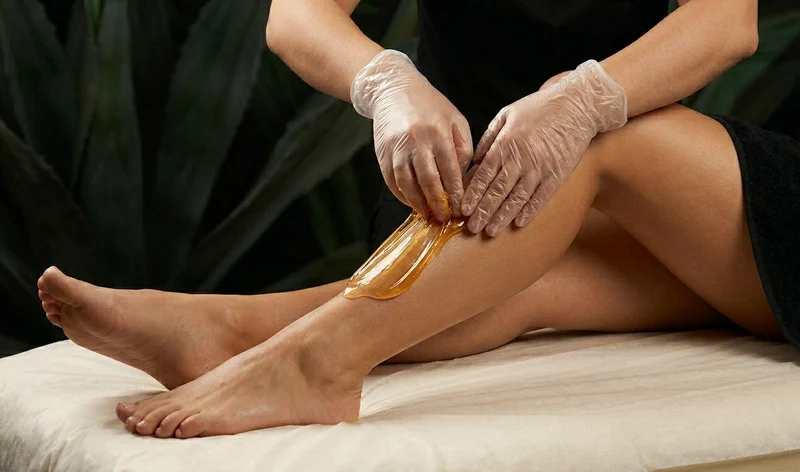
Photo via bareandsol.skin
Pain and Sensitivity
Most people find sugaring less painful than waxing, thanks to the with-the-grain pull and the paste’s gentler grip on skin. If you have sensitive skin, eczema, or a low pain threshold, sugaring is usually the more comfortable choice. Waxing pain varies by area and therapist skill, and it does tend to lessen with regular sessions as regrowth becomes finer.
Skin Type and Ingrown Hairs
Sugaring’s gentler exfoliation and with-the-grain removal mean fewer broken hairs and fewer ingrown hairs for most people. It is also the safer option for skin that reacts to heat or to the resins and fragrances in some waxes. Waxing exfoliates more aggressively, which some people enjoy for the smooth finish, but it can irritate sensitive or acne-prone skin.
Speed, Cost, and Availability
Waxing wins on speed and availability — nearly every salon offers it, and large areas are treated quickly. Sugaring takes a little longer per area and is offered by fewer salons, which can make it slightly more expensive and harder to find. Prices vary by area and location, but the two methods are usually in a similar range for the same treatment area. For a holiday or event, book either treatment a few days ahead so any redness has time to settle before you step out in shorts like the ones in Simple Shorts Outfits in Beige or a summer dress from Aesthetic Navy Dress Styles for Summer Parties.
Results and Regrowth
Both methods keep skin smooth for three to six weeks, and with regular sessions every four to six weeks, regrowth typically becomes finer and sparser over time. Sugaring’s ability to grip shorter hairs means you can book your next session sooner, which some people prefer for staying consistently smooth.
How to Prepare, Whatever You Choose
Good preparation makes either treatment more effective and less painful. Let the hair grow to the right length — about 2 mm for sugaring, about 5 mm (roughly a grain of rice) for waxing. Exfoliate gently a day or two before your appointment to free any trapped hairs, but skip exfoliation on the day itself. Avoid heavy lotions, oils, or fake tan on the area beforehand, since residue prevents the paste or wax from gripping properly.
Book with your cycle in mind: skin is often more sensitive in the days just before a period, so mid-cycle appointments tend to hurt less. Take a warm shower before you go — it softens the hair and opens the pores — and wear loose, breathable clothing afterwards so nothing rubs the freshly treated skin. If it is your first session, tell the therapist: they can adjust their pace and check in with you as they work.
Aftercare, and When to Skip Both
The first 24 to 48 hours after treatment matter most. Avoid hot showers, saunas, swimming pools, and the gym for at least a day — heat, sweat, and chlorine can irritate freshly treated skin and invite infection in the open follicles. Skip scented lotions, deodorant on the treated area, and exfoliation until any redness settles. A gentle, fragrance-free moisturiser or a little aloe vera soothes the skin, and loose clothing prevents friction.
Photo via institut-kerala.be
After 48 hours, gentle exfoliation two to three times a week helps prevent ingrown hairs by keeping dead skin from trapping new growth. Moisturise daily — hydrated skin lets hairs grow through more easily. Between sessions, resist the urge to shave: shaving disrupts the growth cycle and makes the next appointment less effective.
Skip both methods if the skin is sunburned, broken, irritated, or has an active rash, infection, or cold sore in the area. If you use retinoids, strong exfoliants, or acne medication, mention it to your therapist — these thin the skin and increase the risk of lifting or tearing, particularly with waxing. When in doubt, wait until the skin is calm. Smooth legs deserve a proper showcase, and the finishing touches — a pedicure from Pedicure Ideas for Summer Fun, a holiday outfit from Tropical Outfit Ideas for Your Next Vacation, or a strappy top from Halter Top Outfits for Summer Events — are all the more enjoyable on skin that has been well cared for.
Frequently Asked Questions
Is sugaring really less painful than waxing?
For most people, yes. The paste is applied at room temperature rather than hot, it sticks less to the skin, and hairs are removed in the direction of growth, which reduces breakage and discomfort. Pain is subjective, though, and the area being treated matters as much as the method.
How long do sugaring and waxing results last?
Both methods typically keep skin smooth for three to six weeks, depending on your hair growth cycle and the area treated. With regular sessions every four to six weeks, regrowth usually becomes finer and sparser over time.
Can I do sugaring at home?
Yes — the paste is just sugar, lemon juice, and water, and many people make it at home. It takes practice to get the consistency and flicking technique right, and professional treatment is recommended for sensitive areas like the bikini line, at least for your first few sessions.
Which is better for sensitive skin?
Sugaring is usually the better choice for sensitive skin because the paste is natural, applied cool, and removes hair with less trauma to the skin. If you have eczema, very reactive skin, or a history of irritation from waxing, sugaring is worth trying first.
How do I prevent ingrown hairs after sugaring or waxing?
Wait 48 hours, then exfoliate gently two to three times a week and moisturise daily. Wear loose clothing after treatment, avoid shaving between sessions, and keep the area clean. Consistent exfoliation is the single most effective habit for preventing ingrowns.
Final Thoughts
There is no single winner in sugaring vs waxing — there is only the method that fits your skin, your pain tolerance, and your life. Sensitive skin and a preference for natural ingredients point toward sugaring. Speed, availability, and coarse hair point toward waxing. Either way, the results last weeks, regrowth gets finer with consistency, and good preparation and aftercare make more difference than the method itself. Try one, give it two or three sessions before judging, and let your skin have the final say.
Disclaimer: This article is for general informational purposes only and does not constitute medical or professional advice. Hair removal affects everyone differently. If you have a skin condition, use prescription skincare or medication, or experience persistent irritation, infection, or ingrown hairs, please consult a dermatologist or healthcare professional before treatment.