If your skin feels rough or bumpy, or looks dull no matter what you try, you are dealing with textured skin — one of the most common skin concerns there is. The good news is that texture usually responds well to a gentle, consistent routine. The fix is rarely a dramatic treatment; it is the steady combination of cleansing, careful exfoliation, hydration and sun protection.
This guide walks through what causes textured skin, the products that genuinely help, and a simple daily routine to smooth things out without irritating your skin. It builds on the same foundations as the Glowing Skin Morning Skincare Routine, with a few extra steps aimed specifically at uneven texture.
Key Takeaways
- Cleanse twice daily with a gentle, hydrating cleanser and lukewarm water.
- Exfoliate 2 to 3 times a week with a chemical exfoliant such as an AHA or BHA.
- Apply a hydrating serum with hyaluronic acid before your moisturiser.
- Use broad-spectrum SPF 30 or higher every morning, even on cloudy days.
- Expect noticeable improvement in 4 to 8 weeks of consistent care.
What Causes Textured Skin?
Textured skin means the surface feels uneven — bumps, rough patches or a dull finish instead of a smooth, uniform feel. Several causes can contribute, and most people have more than one.
Dead Skin Cell Buildup
When skin does not shed dead cells efficiently, they pile up on the surface. This makes skin feel rough, look dull and can clog pores, creating a bumpy texture. Gentle, regular exfoliation is the direct answer.
Dehydration
Lack of moisture makes fine lines and pores more noticeable. Skin becomes less plump and supple, which emphasises any unevenness and makes texture look worse than it is. Hydration alone can make a visible difference.
Sun Damage
UVA and UVB rays break down collagen and elastin over time, leading to a loss of firmness and an uneven, leathery texture. This is the slowest cause to develop and the slowest to reverse — which is why daily sun protection matters so much.
Underlying Skin Conditions
Keratosis pilaris causes small, rough bumps, often on the cheeks or arms. Acne and the scarring it leaves behind also create an uneven surface. If you suspect either, a dermatologist can confirm the cause and suggest targeted treatment.
Your Essential Toolkit for Smoother Skin
You do not need a shelf full of products. Seven types cover the routine, and each one has a clear job.
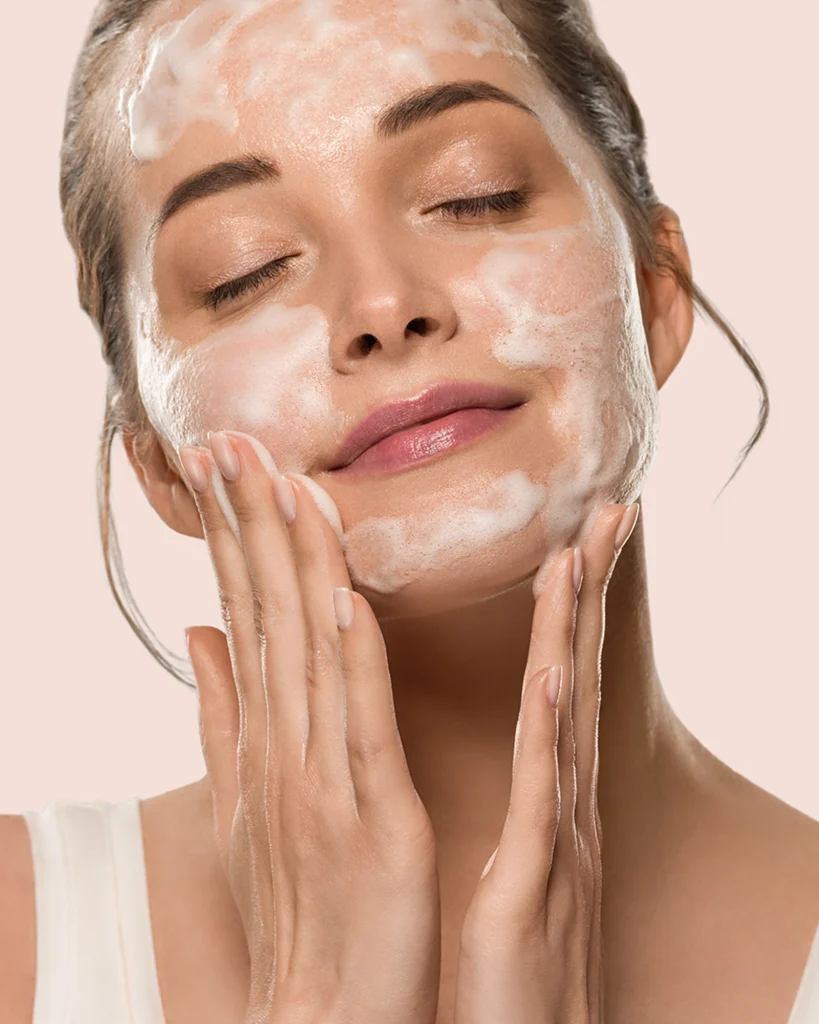
Photo via makry.com
- Gentle cleanser: removes dirt and oil without stripping the skin’s natural moisture barrier.
- Chemical exfoliant (AHA/BHA): dissolves the bonds between dead skin cells, revealing smoother skin underneath.
- Hydrating serum (hyaluronic acid): draws moisture into the skin, plumping fine lines and reducing the look of pores.
- Rich moisturiser: locks in hydration and strengthens the skin barrier.
- Broad-spectrum sunscreen (SPF 30+): prevents further sun damage that worsens texture.
- Retinoid: boosts cell turnover and stimulates collagen for long-term texture improvement.
- Vitamin C serum: provides antioxidant protection and helps brighten overall tone.
If you are unsure which exfoliant to start with, the comparison in Physical vs Chemical Exfoliation for Your Skin explains the difference and which approach is gentler for most skin types.
Your Daily Routine for Smoother Skin
Follow this routine consistently to see real improvement. Start with the basics and add active ingredients slowly — one at a time, with a week or two between additions.
- Cleanse gently: wash your face morning and night with a gentle, hydrating cleanser. Use lukewarm water, not hot, to avoid stripping natural oils.
- Exfoliate 2 to 3 times a week: after cleansing, use a chemical exfoliant such as an AHA or BHA. Follow the product’s instructions for leave-on time. Do not exfoliate every day.
- Apply a hydrating serum: while skin is still slightly damp, apply a hyaluronic acid serum. This pulls moisture in and helps plump fine lines.
- Lock in moisture: follow with a moisturiser suited to your skin type. This seals in hydration and supports your barrier.
- Protect with SPF 30+ every morning: apply broad-spectrum sunscreen as the last step of your morning routine, and reapply if you spend extended time outdoors.
- Introduce retinoids slowly: in the evening, after cleansing, apply a pea-sized amount of retinoid. Start once a week, build up to every other night, and always follow with moisturiser.
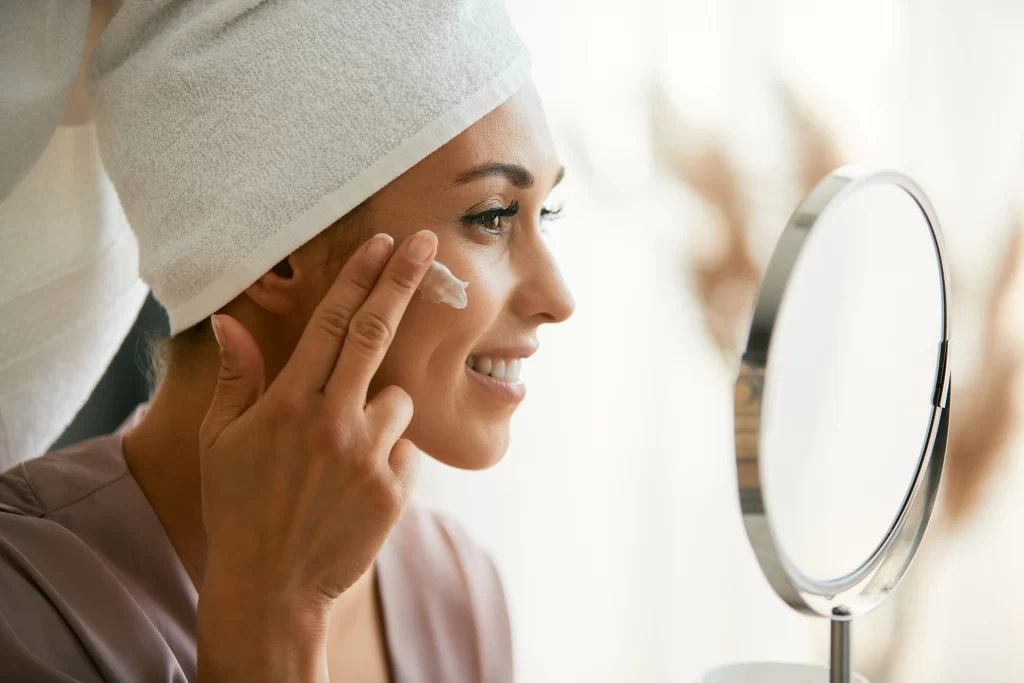
Photo via lepahro.com.br
Common Mistakes That Worsen Textured Skin
Over-exfoliating: scrubbing too often or using harsh physical scrubs damages the skin barrier, causing irritation and redness that make texture look worse. Chemical exfoliants two to three times a week are enough.
Neglecting hydration: exfoliation removes dead cells, but you must replenish moisture afterwards. Without a good moisturiser, skin becomes dry and feels rougher, not smoother.
Skipping sunscreen: UV exposure breaks down collagen and worsens texture over time. SPF 30 or higher every morning, even indoors near windows, is essential.
Using too many actives: layering multiple acids, retinoids and serums at once leads to sensitivity. Introduce one new active at a time and give your skin a week to adjust.
Expecting instant results: skin needs time to renew itself. Consistency over weeks and months matters far more than any quick fix.
Ignoring lifestyle: diet and water intake affect skin health. Dehydration and poor nutrition can make texture worse, while the nutrients in Essential Vitamins for Women support the skin from within.

Photo via skinprotocol.lt
Expert Tips for a Refined Complexion
Stay hydrated: drink water steadily through the day to support skin moisture from the inside.
Change pillowcases regularly: swap them every two to three days to reduce bacteria and oil transfer that can clog pores.
Patch test new products: apply a small amount on your jawline or behind your ear before using any exfoliant or retinoid on your whole face.
Avoid very hot water: use lukewarm water for cleansing to avoid stripping natural oils.
Add antioxidants: a vitamin C serum in the morning protects against environmental damage and improves tone.
Be patient and consistent: real improvement takes time. Stick with your routine for at least four to eight weeks before evaluating it. A weekly planning moment, like the one in Sunday Reset Checklist for Home and Body, helps keep the routine on track. And when your skin looks smoother, the rest of your look benefits too — from a neat manicure with Natural Nail Designs with a Subtle Glow to a polished hairstyle from Classy Natural Hairstyles.
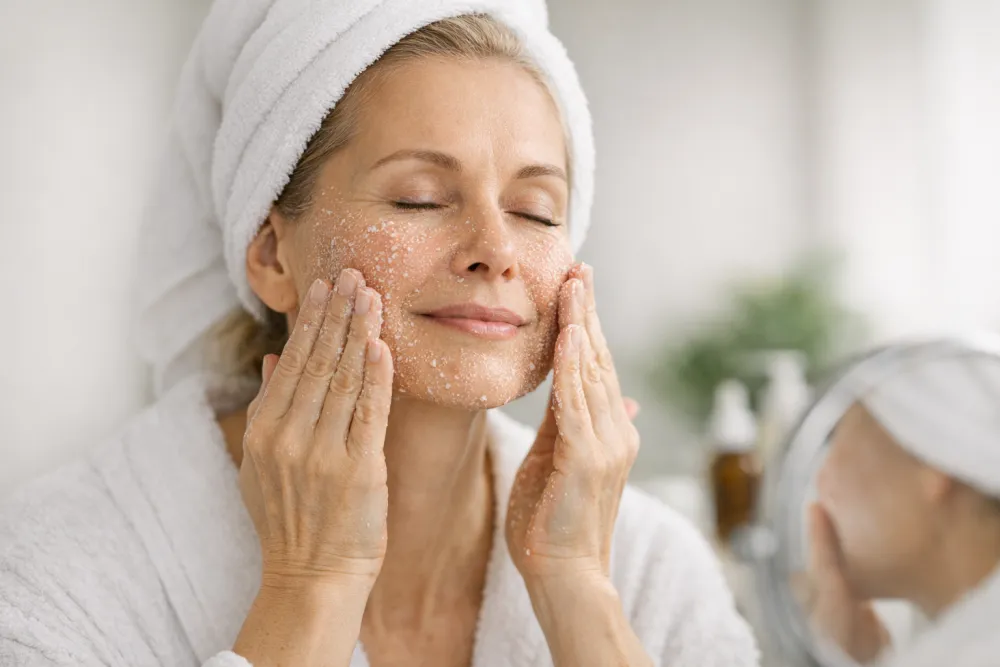
Photo via bookwormera.com
When to Expect Results, and What It Costs
Noticeable improvement in skin texture typically appears within four to eight weeks of consistent care, with more significant changes over several months. Consistency matters more than cost: drugstore options can be highly effective, while luxury brands offer premium formulations. If you are going to invest, prioritise a good chemical exfoliant, a retinoid and a broad-spectrum sunscreen. You do not need every product on the shelf to see results.
When to Consult a Dermatologist
See a dermatologist if you experience persistent redness, burning or excessive peeling after using products, or if textured skin comes with severe itching, pain or a rash. If your at-home routine has not shown improvement after consistent use, or if you suspect an underlying condition such as keratosis pilaris or severe acne, a professional can provide a tailored treatment plan.
Frequently Asked Questions
How long does it take to see results from a textured skin routine?
Noticeable improvement typically appears within four to eight weeks of consistent use of a gentle, appropriate routine. More significant changes may take several months. Consistency is the deciding factor.
Can diet affect textured skin?
Yes. Drinking plenty of water supports hydration, which can make skin feel smoother. While no single food guarantees smooth skin, a balanced diet rich in antioxidants may help protect skin from environmental damage.
Is it normal for skin to purge when starting a new routine?
It can happen, especially when introducing retinoids or exfoliants. Purging is a temporary increase in breakouts as skin adjusts and cell turnover speeds up. Persistent redness, burning or excessive peeling, however, means you should reduce frequency or stop and consult a dermatologist.
What is the difference between chemical and physical exfoliation?
Chemical exfoliants such as AHAs and BHAs dissolve the bonds between dead skin cells without scrubbing. Physical exfoliants remove dead cells through manual friction. Chemical exfoliants are often gentler and more consistent, while scrubs can be harsh if used carelessly.
Can I use retinoids and vitamin C together for textured skin?
Yes, but introduce them slowly and not at the same time. Many people use vitamin C in the morning for antioxidant protection and retinoids in the evening for cell turnover. Start with one, add the other gradually, and always patch test.
Final Thoughts
Smoother skin comes from a consistent routine built on gentle cleansing, regular exfoliation, real hydration and daily sun protection. Start with the basics, add active ingredients slowly, and give the routine four to eight weeks before judging it. Texture improves with patience, not aggression — and a routine you can keep is the one that works.
Disclaimer: This article is for general informational purposes only and is not medical advice. Skincare routines and products affect everyone differently. If you have a persistent or serious skin concern, or if textured skin is accompanied by severe itching, pain, or a rash, please consult a dermatologist or qualified healthcare professional.